Rottweiler Height and Weight for Females
Many prospective Rottweiler owners, or even those already sharing their lives with these magnificent dogs, often wonder about the specific size expectations for a female. It's a common frustration to see broad ranges that don't quite clarify what a healthy, well-developed female Rottweiler should look like. This guide is here to demystify the height and weight standards for female Rottweilers, delving into breed expectations, growth patterns, and the factors that contribute to their robust physique.
Understanding the Rottweiler Breed Standard for Females
The Rottweiler is a working breed, and its physical standard reflects the need for strength, endurance, and agility. For females, these standards are carefully defined to ensure they embody the breed's characteristics while acknowledging natural size differences between the sexes. When you look at the official breed standard, it provides a very specific framework for what a well-bred female Rottweiler should present.
The Official Guidelines for Height
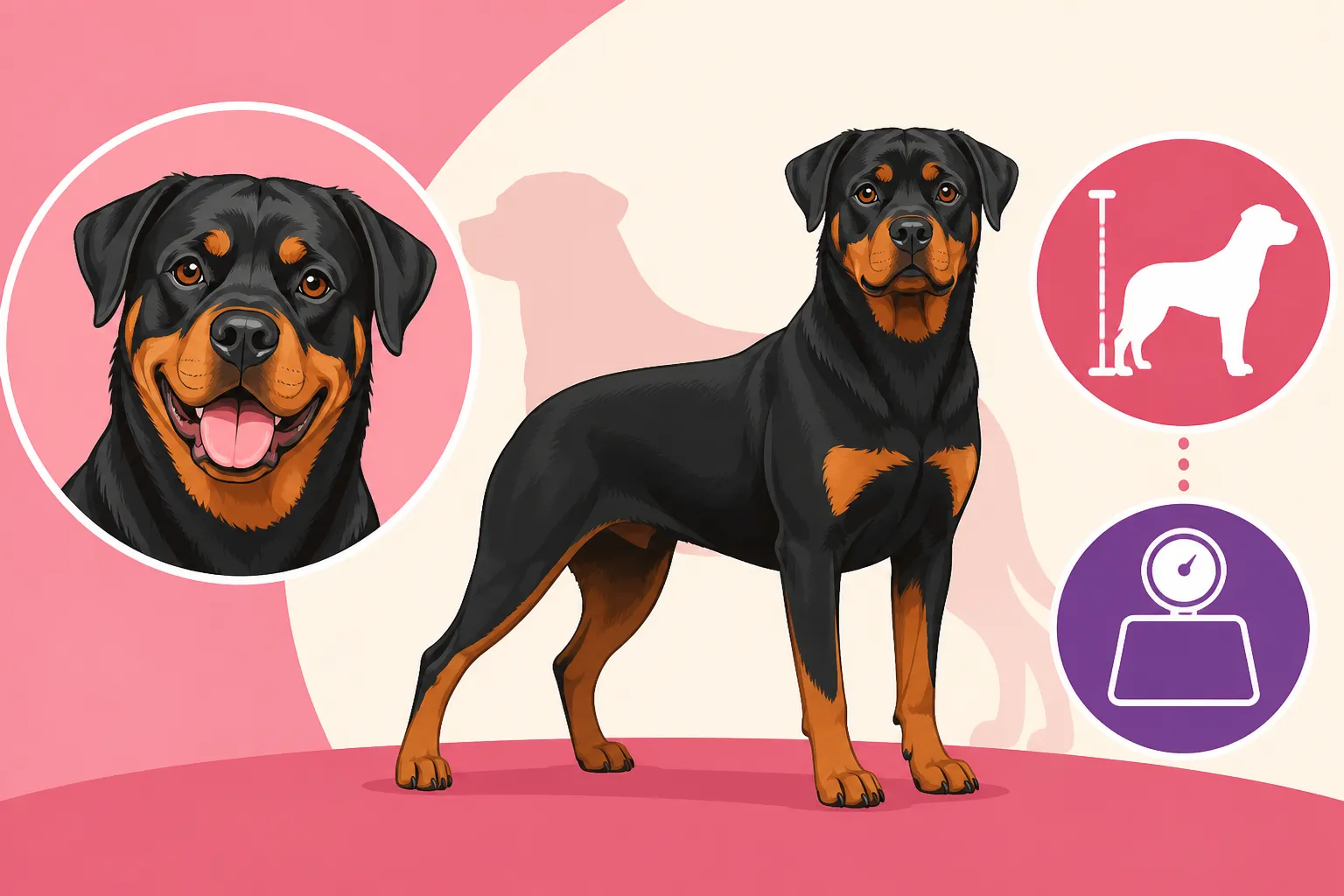
According to the breed standard, a mature female Rottweiler should stand between 22 and 25 inches (56-63 cm) at the withers. The withers are the highest point of her shoulders, located at the base of the neck, and this is the consistent point of measurement used in dog shows and by breeders. This range isn't just an arbitrary number; it speaks to the functional purpose of the breed. A female Rottweiler needs to be substantial enough to perform her historical duties, like droving cattle or guarding, but not so large that she loses her agility or becomes cumbersome. It’s a balance, and experienced breeders strive for dogs that fall squarely within this range.
Imagine standing next to a female Rottweiler who meets this standard. She's not diminutive, but she's not a giant either. She possesses a powerful, compact build that radiates capability. Deviation too far in either direction, whether significantly smaller or notably taller, can indicate a departure from the ideal breed type, and in some cases, might even hint at mixed lineage or health concerns. The emphasis is on a well-proportioned dog, where her height is in harmony with her length and overall bone structure, contributing to that distinctive rectangular silhouette that defines the breed. You can read more about Why a Rottweiler Is Longer Than It Is Tall to understand this aspect of their build.
The Weight Range That Accompanies It
While the breed standard for Rottweilers often gives a more precise range for height, weight is usually described as being "proportionate to height and bone structure." However, for a female Rottweiler falling within the 22-25 inch height range, a healthy adult weight typically falls between 80 to 100 pounds (36-45 kg). This isn't a hard and fast rule like the height, but rather a guideline for what a well-conditioned dog should weigh without being overweight or underweight.
Achieving this healthy weight is crucial, not just for aesthetics but for overall health. A female Rottweiler at 90 pounds, for instance, should look lean and muscular, with a visible waist tuck and easily palpable ribs without them being prominent. If she's 80 pounds and looks too thin, she might be underweight; if she's 100 pounds and looks round or heavy, she might be overweight. It's about body condition, not just the number on the scale. Good breeders will always prioritize proper conditioning over hitting a specific weight. This is something owners need to continually monitor throughout their dog's life, adjusting their feeding and exercise as needed to keep them in peak form.
How Female Rottweiler Growth Differs from Males
Rottweilers are a large breed, and like all large breeds, they have a prolonged growth period. However, there are subtle yet significant differences in how female Rottweilers mature compared to their male counterparts. Understanding these distinctions can help you better manage your female puppy's development and set realistic expectations for her eventual adult size.
The Pace of Growth in Females
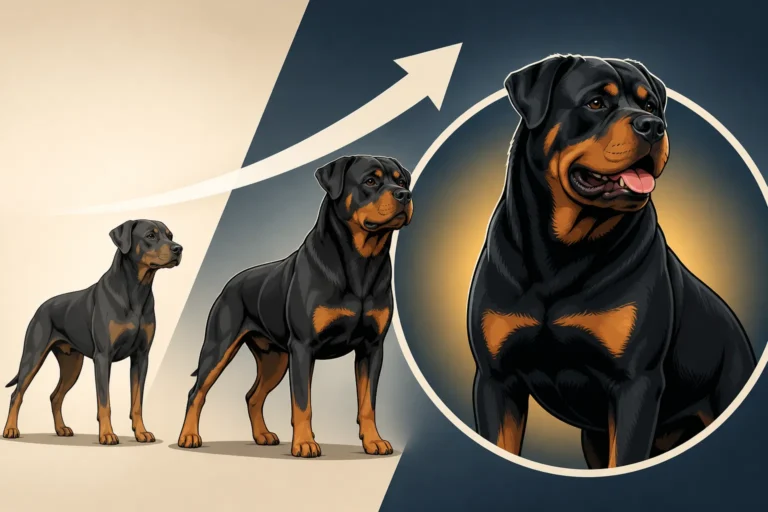
Female Rottweiler puppies tend to grow quite rapidly in their first six to eight months, but their overall growth curve can be a bit more "even" than males. While males often have a sudden, gangly growth spurt that seems to make them shoot up overnight, females might have a slightly steadier, though still fast, progression. They'll gain significant height and weight during this initial period, developing their characteristic musculature and bone density. However, they generally don't reach the sheer mass or bone size that males do.
It's vital during this rapid growth phase to pay close attention to their nutrition and exercise. Overfeeding a puppy, especially with too much calcium, can lead to serious developmental issues like osteochondrosis or hypertrophic osteodystrophy. Ensuring a diet specifically formulated for large breed puppies is paramount, as these foods are designed with appropriate calcium-to-phosphorus ratios to support healthy, steady bone growth. Don't be tempted to add supplements; a quality large-breed puppy food from a reputable brand found on sites like Chewy.com already contains everything she needs.
Reaching Mature Size: When Does It Happen?
While much of a female Rottweiler's height is achieved by 12-18 months, they aren't considered fully mature until much later. Their growth plates, the areas of soft cartilage at the ends of long bones, don't typically close until they are between 18 to 24 months of age. This means that while her height might be largely set, her bone density, muscle mass, and overall "filling out" will continue well into her second year. This protracted development means owners must be careful with intense exercise during this period, as it can stress still-forming joints.
You might notice her body shape changing subtly, becoming more powerful and substantial between her first and second birthdays. Her chest will deepen, her musculature will solidify, and she'll settle into her adult proportions. Even after two years, some Rottweilers can continue to add a small amount of muscle mass up to three years of age, especially if they are actively working or exercising. This long maturation period highlights the importance of patient and consistent care throughout their early life, avoiding activities that could put undue strain on their developing joints. This includes understanding Rottweiler Growth Plates and Why They Close So Late.
Factors Influencing a Female Rottweiler's Size
While breed standards provide an ideal, every individual Rottweiler is a product of various influences. Genetics lay the groundwork, but environmental factors like nutrition and exercise play a crucial role in how a female Rottweiler ultimately develops and the size she attains. Even surgical procedures can have an impact on their physical development.
The Role of Genetics and Lineage
Genetics are undoubtedly the primary determinant of a female Rottweiler's potential size. A puppy inherits her genetic blueprint from her parents, which includes predispositions for height, bone structure, and even general build. If both parents are well within the breed standard for size, it's highly likely their offspring will follow suit. This is why reputable breeders prioritize health clearances and conformation to the breed standard in their breeding stock. They are trying to consistently produce dogs that meet the ideal.
However, it's not just about the immediate parents. The lineage, or 'lines,' behind a Rottweiler also play a significant role. Some lines might historically produce slightly larger or more compact dogs, even within the acceptable standard. A responsible breeder can provide information about the typical size of dogs in their breeding program and how a puppy's grandparents and great-grandparents measured up. This gives prospective owners a better idea of what to expect. While you can't change genetics, understanding them helps manage expectations and ensures you're looking at a puppy from a background that aligns with your ideal size. Always ask breeders for health papers and information on their dogs' adult sizes, like outlined in The Five Clearances a Rottweiler Breeder Must Have.
Nutrition and Exercise: The Environmental Impact
Even with excellent genetics, poor nutrition or improper exercise can severely impact a female Rottweiler's growth and eventual size. Overfeeding a growing puppy, particularly with foods not specifically designed for large breeds, can lead to excessively rapid growth. This rapid growth puts immense stress on developing joints and bones, increasing the risk of orthopedic issues like hip and elbow dysplasia, even if the dog has good genetic predispositions. A lean puppy is a healthy puppy, not a chubby one. For more detail, consider reading Why a Chubby Rottweiler Puppy Is a Problem.
Conversely, underfeeding or providing a nutritionally deficient diet can stunt a Rottweiler's growth. They need a balanced diet rich in appropriate protein, fats, and carbohydrates, along with vitamins and minerals, to fuel their development. When it comes to exercise, too much high-impact activity or repetitive stress on joints during their growth phase can be detrimental. Think controlled walks and playtime, rather than forced runs or excessive jumping until their growth plates have closed. After maturity, regular, appropriate exercise is vital for maintaining muscle tone and a healthy weight. Stores like Chewy offer a wide variety of large-breed puppy and adult formulas, making it easy to find appropriate food for every stage of your Rottweiler's life.
| Factor | Impact on Female Rottweiler Size (General) | Notes |
|---|---|---|
| Genetics | Primary determinant of potential size | Inherited from parents and lineage; influences predisposed height and bone structure. |
| Nutrition | Crucial for optimal development | Large-breed puppy food prevents too rapid growth. Balanced diet supports healthy muscle and bone. Overfeeding can lead to orthopedic issues. |
| Exercise | Supports healthy bone and muscle growth | Moderate, age-appropriate exercise is key. Excessive high-impact activity during puppyhood can harm developing joints. Adult exercise maintains muscle mass and weight. |
| Spaying Age | Can influence bone plate closure | Early spaying may delay growth plate closure, potentially leading to a slightly taller, lankier dog. Impact varies and is a subject of ongoing discussion. Whether Neuter Age Changes Rottweiler Cancer Risk is another angle to consider. |
| Overall Health | Can impact growth and body condition | Chronic illness or parasites during growth can stunt development. Good health allows for optimal nutrient absorption and growth. |
Spaying and Its Potential Effect on Bone Development
The timing of spaying in female Rottweilers is a topic that has received increasing attention in recent years, particularly concerning its potential impact on bone development and ultimate size. Traditional veterinary advice often recommended spaying around six months of age. However, some studies suggest that spaying a large breed female before her growth plates have fully closed might lead to her growing slightly taller and lankier than she would have otherwise.
The hormones produced by the ovaries play a role in signaling the growth plates to close. When a female is spayed, these hormones are removed. If this happens before the growth plates have naturally fused (which, as mentioned, can be as late as 18-24 months for Rottweilers), the bones may continue to grow for a longer period. This could result in disproportionately long limbs, which some argue might alter joint angles and potentially affect the long-term health of their joints. While the research is ongoing and the effects are not always dramatic, it's a conversation worth having with your veterinarian, especially if you're aiming for a dog that adheres closely to breed standards or if joint health is a particular concern. The decision to spay, and when, involves weighing multiple health and behavioral factors.
Maintaining a Healthy Weight for Your Female Rottweiler
While a female Rottweiler's mature height is mostly set by genetics and early development, her weight is something you, as an owner, have significant control over throughout her life. Maintaining an appropriate, healthy weight is one of the most impactful things you can do for her long-term health and mobility.
The Dangers of Underweight and Overweight
Both extremes of weight pose serious health risks for a female Rottweiler. An underweight Rottweiler might seem less common, but it can indicate underlying health issues like parasites, malabsorption, or insufficient calorie intake, especially in active dogs or those with high metabolisms. Being too thin can compromise her immune system, reduce muscle mass, and make her more susceptible to injuries, particularly during physical activity. Her coat might appear dull, and her energy levels could be lower than ideal. It's not about being skinny; it's about being lean and well-muscled.
Far more common, and arguably more detrimental in the long run, is an overweight female Rottweiler. Every extra pound puts additional stress on her joints, exacerbating conditions like Rottweiler Hip Dysplasia and the OFA Grade and Rottweiler Elbow Dysplasia and Front Leg Lameness, even in dogs with excellent clearances. Obesity increases the risk of heart disease, diabetes, certain cancers, and can significantly shorten her lifespan. An overweight Rottweiler will also be less active, less playful, and generally have a lower quality of life. Owners often struggle to recognize when their dog is overweight, mistakenly believing a "bigger" Rottweiler is a better Rottweiler. The reality is quite the opposite for their health. Rottweiler Obesity and the Load It Adds is a critical read for understanding these risks.
Accurate Measurement and Body Condition Scoring
Knowing your female Rottweiler's exact height (at the withers) can be tricky to do perfectly at home, but a rough measurement can give you a good idea. Stand her squarely on a level surface, and use a carpenter's square or a ruler held perpendicular to the floor against her shoulder blade, measuring to the floor. While useful for general tracking, professional measurements are usually taken at vet visits or dog shows.
Weight, however, is something you should track regularly. A trip to the vet will give you an accurate scale reading, and many pet supply stores, including those like Chewy partner locations, have scales you can use. Beyond the number on the scale, the most important tool for assessing your Rottweiler's health is body condition scoring (BCS). This involves a hands-on assessment:
- Ribs: You should be able to easily feel her ribs, like feeling the back of your hand. If you can see them clearly, she might be too thin. If you have to press hard to feel them, she's likely overweight.
- Waist: From above, she should have a distinct "waist" where her body tucks in behind her rib cage.
- Tuck-up: From the side, her abdomen should tuck up slightly from her rib cage, not hang low or be straight across.
Vets typically use a 9-point scale, where 4-5 is ideal. Regularly performing a BCS at home helps you make informed decisions about her diet and exercise before weight problems become severe.
Adjusting Diet and Exercise as She Ages
Your female Rottweiler's nutritional and exercise needs will change throughout her life. A young, growing puppy requires a specific large-breed puppy formula, often fed Feeding a Rottweiler Puppy Three or Four Times a Day, then gradually moving to two meals as she gets older, possibly around the age covered in The Age a Rottweiler Moves to Two Meals a Day. As she transitions to adulthood, typically between 18-24 months, she'll move to an adult large-breed formula. Her daily calorie intake will depend on her activity level, metabolism, and whether she's spayed.
An active adult Rottweiler might need more calories than a more sedentary one. Feeding an Adult Rottweiler at a Hundred Twenty Pounds offers more detailed insights. As she enters her senior years, generally around age seven, her metabolism might slow down, and her activity level could decrease. This means her calorie requirements will likely drop, and her diet might need to be adjusted to a senior formula to prevent weight gain and support aging joints. Exercise also needs to be modified, transitioning from high-impact activities to gentler options like swimming or consistent, moderate walks. Regular check-ups with your vet are essential to ensure her diet and exercise regimen are always appropriate for her current life stage and health status. You can find excellent senior-specific foods from major brands on Chewy that cater to large breeds.
Why Size Matters Beyond the Show Ring
While breed standards are often discussed in the context of conformation shows, the height and weight of a female Rottweiler have practical implications that extend far beyond the judging ring. Understanding and maintaining her ideal size directly impacts her health, longevity, and your ability to manage her in everyday life.
Impact on Health and Longevity
A female Rottweiler maintained at a healthy, appropriate weight and within the standard height range is simply poised for a healthier and potentially longer life. Optimal size and conditioning reduce the strain on her joints, which are already susceptible to conditions like hip and elbow dysplasia due to the breed's size. Imagine the difference in impact on her hips if she's consistently carrying an extra 10-20 pounds for years; it's like a person constantly wearing a heavy backpack. This consistent stress can accelerate the onset and severity of arthritis, reducing her mobility and increasing pain as she ages.
Furthermore, being within the healthy weight range lowers her risk for a myriad of other health problems, including diabetes, heart disease, certain cancers, and even bloat (gastric dilatation-volvulus), which is a life-threatening emergency common in deep-chested breeds. Proper size also contributes to better overall organ function and a more efficient metabolism. Essentially, a Rottweiler that fits her standard dimensions and maintains a lean, muscular build is a Rottweiler built to last, allowing her to enjoy her Rottweiler Lifespan and the Eight to Ten Year Average to its fullest potential.
Practical Considerations for Everyday Living
Beyond health, a female Rottweiler's size has significant practical implications for daily living. A dog that is too large or too small can pose unique challenges. A properly sized female Rottweiler is easier to manage, even for a smaller handler. While a hundred-pound dog is still substantial, a lean, well-trained 90-pound female is far easier to control on a leash, especially if she has good manners and training. Her size dictates the equipment you'll need, from a sturdy Rottweiler Crate Size and What It Costs to a strong leash and harness.
Her size also influences mundane tasks like fitting in your car, navigating stairs, or even just sharing your living space comfortably. For instance, a very oversized female might struggle more to get into certain vehicles or might be more prone to joint issues that make stairs difficult. Her standard size also dictates the dosage of medications, parasite preventatives, and the volume of food she'll consume daily. Knowing these parameters helps you make informed decisions about her care, from choosing the right bed to budgeting for her ongoing needs. Ultimately, a female Rottweiler who closely adheres to the breed's size standards is not only healthier but often a more manageable and integrated member of the family.
Disclaimer
This article is for general informational purposes only and does not constitute professional advice. Laws, prices and regulations vary by location and change over time. Consult a qualified professional for guidance on your specific situation.