Rottweiler Flatulence and Diet Changes
There are few things as unsettling, or frankly, as smelly, as a gassy Rottweiler. That distinctive, room-clearing odor isn't just unpleasant for you; it can often be a sign that something isn't quite right with your big friend's digestive system. This guide will walk you through the common culprits behind Rottweiler flatulence, from everyday eating habits to specific dietary ingredients, and offer actionable steps to help bring peace, and fresh air, back to your home.
Why Rottweilers Seem So Gassy
Many Rottweiler owners wonder if their dogs are just naturally predisposed to being gassy. While it might seem that way sometimes, excessive flatulence isn't usually "normal" for any dog, and that includes our powerful Rottweilers. Often, the sheer volume and potency of the gas are magnified by their large size. When a smaller dog passes gas, it might be a mild inconvenience; with a Rottweiler, it can feel like a biological weapon has been deployed in your living room. Understanding why it happens is the first step toward solving the problem.
The Speed of Eating and Air Swallowing
One of the most common reasons a Rottweiler might be gassy is simply how quickly they inhale their meals. Rottweilers, like many large breeds, can be incredibly enthusiastic eaters. They often gulp down their food with such speed that they swallow a significant amount of air along with it. This trapped air has to go somewhere, and often, it makes its exit as a burp or, more commonly, as flatulence. It's not a reflection of their manners, but simply an instinct to consume food efficiently, which can be an evolutionary leftover from when competition for food was a daily reality.
Imagine your Rottweiler, perhaps after a long walk, diving into their meal bowl. You might hear them slurping and crunching with gusto. During this rapid consumption, their mouth isn't just taking in kibble; it's also taking in gulps of air. This air travels down into their stomach, getting mixed with the food. As digestion begins, this excess air needs to be expelled. If it makes its way through the entire digestive tract, it contributes to the flatulence you're experiencing. This is why even a perfectly healthy Rottweiler on a great diet might still be gassy if they eat too fast.
Diet Composition and Ingredient Sensitivities
Beyond eating speed, the food itself plays a massive role in canine flatulence. Not all dog foods are created equal, and some ingredients, even those considered healthy for humans, can be problematic for a dog's digestive system. For Rottweilers, who have robust but sometimes sensitive guts, certain carbohydrates, proteins, or fillers can ferment in the colon, producing an abundance of gas. It's not always about 'bad' ingredients, but sometimes about ingredients that simply don't agree with your dog's unique system.
For instance, foods high in certain types of fiber, like peas, beans, or some grains, can be difficult for some dogs to digest fully. When these undigested fibers reach the large intestine, gut bacteria go to work breaking them down, and gas is a natural byproduct of this fermentation process. The same can be true for certain protein sources or common fillers like soy. Moreover, some Rottweilers develop sensitivities or even mild allergies to specific ingredients over time. These sensitivities might not manifest as dramatic skin rashes or vomiting but can quietly brew digestive upset, with gas being a primary symptom. Whether Grain-Free Suits a Rottweiler is a question many owners ponder, and while it might seem like a simple switch, it's worth exploring the pros and cons, especially for gassiness.
Underlying Health Conditions
While often benign, persistent or sudden onset flatulence can sometimes be a red flag for an underlying health issue. It's easy to dismiss a little gas, but if it's new, severe, accompanied by other symptoms, or significantly worse than usual, it's always worth a call to your vet. Conditions ranging from intestinal parasites to inflammatory bowel disease (IBD) can contribute to excessive gas. Even issues like pancreatitis or an imbalance in gut bacteria can disrupt normal digestion and lead to increased flatulence.
For example, a sudden increase in gas, especially if paired with changes in stool consistency, appetite, or energy levels, should prompt concern. Parasites, though less common in well-cared-for dogs on preventive medication, can still occur and wreak havoc on the digestive tract. More chronic conditions like IBD can cause inflammation along the intestinal lining, impeding nutrient absorption and leading to fermentation and gas. Even simple issues like an imbalance in the gut microbiome, perhaps after a course of antibiotics, can throw off digestion. This is where topics like Gut Support for a Rottweiler After Antibiotics become particularly relevant.
Identifying the Root Cause of Your Rottweiler's Gas
Pinpointing the exact reason your Rottweiler is gassy requires a bit of detective work. It’s rarely just one thing, but a combination of factors that contribute to the problem. Keeping a close eye on your dog's habits and diet can provide invaluable clues.
Keeping a Food and Symptom Diary
One of the most effective tools in your arsenal is a detailed food and symptom diary. This isn't just about noting what they eat; it's about tracking everything that goes into their mouth, along with any digestive upset. Write down the brand and type of food, every treat, chew, and even table scrap. Alongside this, record instances of flatulence, noting their frequency, severity, and any other accompanying symptoms like soft stools, straining, or changes in appetite.
This diary can reveal patterns that are otherwise easy to miss. Perhaps the worst gas occurs two days after a particular new treat, or it flares up when you've been feeding a specific type of dental chew. You might notice that Monday is always worse after a weekend of extra high-value training treats. Without systematically logging this information, these crucial links can remain hidden. This methodical approach gives you concrete data to discuss with your veterinarian or a canine nutritionist.
Assessing Eating Habits
Once you’ve got a handle on what they’re eating, observe how they're eating. Do they inhale their meals in under a minute? Do they slurp water loudly and rapidly? These are all signs of fast eating, which, as we discussed, introduces excess air. This simple habit is often overlooked because it seems so normal for an enthusiastic dog.
Consider investing in a slow feeder bowl. These bowls have various ridges and obstacles that force your Rottweiler to eat around them, significantly slowing down their mealtime. You can find many effective and durable options for large breeds on platforms like Amazon or Chewy. Another strategy is to split their daily ration into more frequent, smaller meals. Instead of one or two large meals, consider three or even four smaller portions throughout the day. This reduces the sheer volume of food consumed at once and can help prevent excessive air intake. Splitting a Rottweiler's Food Into Two Meals is a common recommendation, but for very fast eaters, even more meals might be beneficial.
Looking at Diet Composition and Ingredients
Now, let's get down to the nitty-gritty of their actual food. Examine the ingredient list of your Rottweiler's current food. Look for common culprits that can cause gas in dogs. High amounts of fillers like corn, wheat, or soy are often difficult to digest for many dogs. Certain fibers, even beneficial ones, can be too much if present in excess or if your dog is sensitive to them.
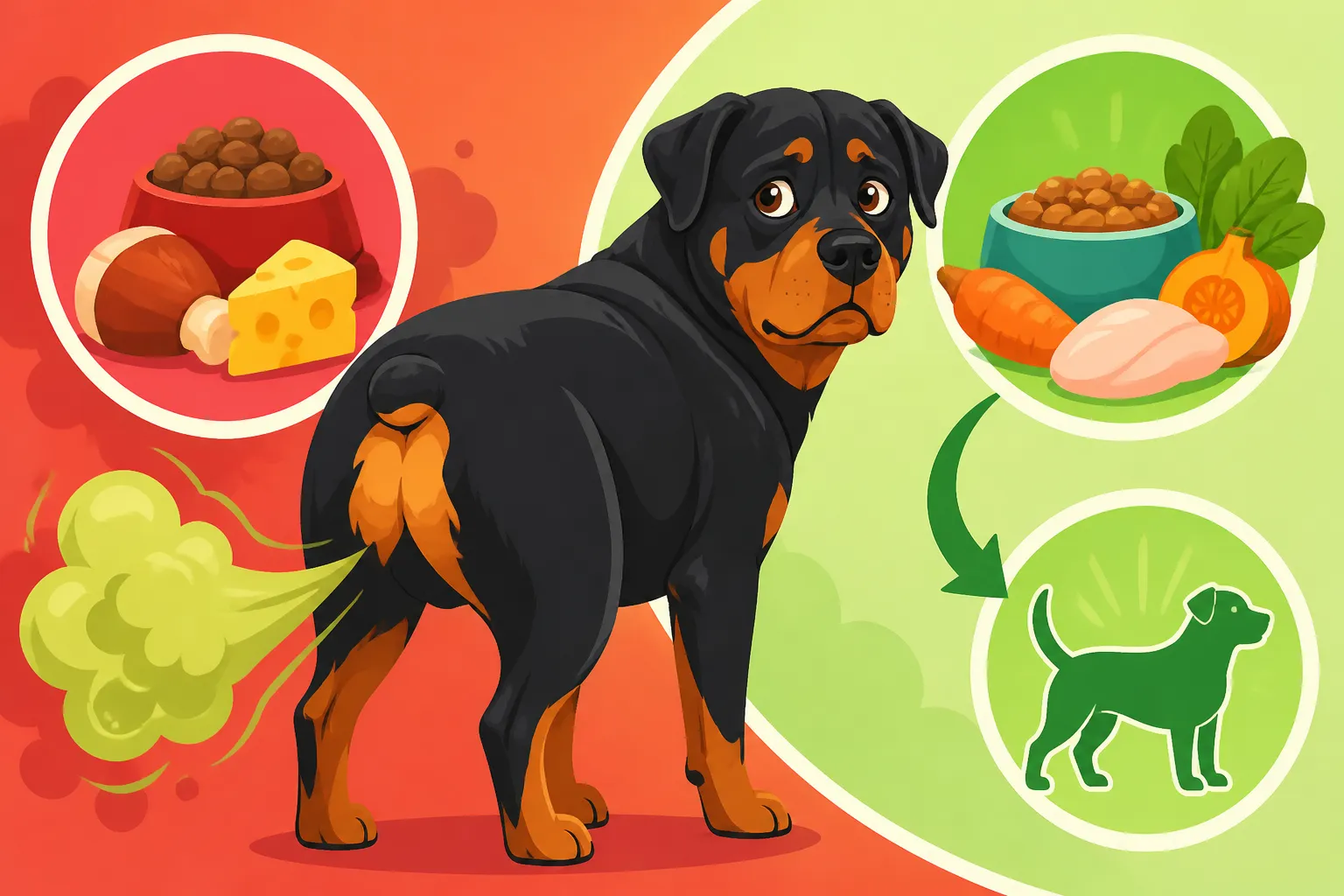
Here's a quick look at ingredients that can be problematic versus those that tend to be easier on the stomach:
| Potentially Gas-Causing Ingredients | Potentially Gas-Reducing Ingredients |
|---|---|
| Soy | Easily digestible animal proteins (chicken, turkey, lamb) |
| Corn, Wheat, or Gluten | Rice (white or brown), Oats |
| Peas, Beans, Legumes (in high amounts) | Pumpkin, Sweet potato (in moderation) |
| Lactose (from dairy) | Prebiotics (chicory root, inulin) |
| Certain Artificial Preservatives/Colors | Probiotics (fermented foods, supplements) |
| High-fat foods | Moderate fat levels from healthy sources |
| Some types of insoluble fiber | Soluble fiber (psyllium husk, beet pulp) |
Sometimes, even a high-quality food can cause gas if it's simply not the right fit for your individual dog. Some Rottweilers do better on a single-source protein diet, while others thrive on formulas with novel proteins like venison or duck if they've developed sensitivities to common proteins like chicken or beef. Experimenting with different formulations under veterinary guidance can be a game-changer.
Dietary Adjustments for a Less Gassy Rottweiler
Once you have an idea of potential culprits, making targeted dietary adjustments can significantly reduce flatulence. This isn't about guesswork; it's about making informed choices based on your observations.
Switching to a High-Quality, Easily Digestible Food
The foundation of a healthy, less gassy gut often starts with the food itself. Look for dog foods with easily digestible ingredients and high-quality protein sources. The first ingredient should ideally be a named meat source (e.g., "chicken meal" rather than "meat by-products"). Avoid foods with a long list of unidentifiable ingredients, artificial colors, flavors, or preservatives.
Many premium brands focus on digestibility, using ingredients like rice, potatoes, or sweet potatoes as carbohydrate sources, which are often gentler on the stomach than corn or wheat. Consider brands that offer formulas specifically designed for sensitive stomachs or large breeds, as these often have a balanced fiber content to promote healthy digestion without excessive gas. You might explore a fresh food option like Ollie, which can often be precisely formulated for digestibility. Always introduce any new food gradually over 7-10 days to avoid further digestive upset.
Incorporating Probiotics and Prebiotics
Sometimes, the gut's bacterial balance needs a little help. Probiotics are beneficial bacteria that help maintain a healthy digestive tract, while prebiotics are fibers that nourish these good bacteria. Together, they can significantly improve digestion and reduce gas by ensuring food is broken down more efficiently.
You can find probiotic supplements specifically for dogs in various forms: powders, chews, or even in some fortified dog foods. Brands available on Chewy, for example, often carry a range of options. Natural sources of probiotics include plain, unsweetened yogurt (in very small amounts for dogs without lactose sensitivity) or fermented vegetables. Prebiotics, like chicory root or beet pulp, are often found in higher-quality dog foods, but you can also add small amounts of cooked pumpkin or sweet potato to your dog's meal as a natural source of soluble fiber. Always consult your vet before adding new supplements, especially if your Rottweiler has other health concerns.
Avoiding Problematic Treats and Table Scraps
It's tempting to share bits of your meal or offer an endless supply of tasty treats, but these are frequent culprits for gas. Many human foods, even those that seem harmless, can cause digestive upset in dogs. For instance, dairy products can cause significant gas and diarrhea in lactose-intolerant dogs, which many dogs are. Fatty foods, spicy foods, or anything with onions or garlic are absolute no-gos and can be dangerous beyond just causing gas.
Stick to single-ingredient treats or those specifically formulated for sensitive stomachs. Even "healthy" dog treats can contain problematic ingredients if you're trying to pinpoint a sensitivity. If you're using treats for training, choose small, easily digestible options. For larger chews, be mindful. Some very hard chews can lead to gulping of air or even cause Cracked Teeth in a Rottweiler That Chews Hard, which can indirectly affect digestion if they're not chewing food properly. If your Rottweiler is particularly gassy, put a moratorium on all table scraps until you get the flatulence under control.
Beyond Diet: Other Ways to Reduce Rottweiler Flatulence
While diet is often the primary focus, several other lifestyle factors play a crucial role in your Rottweiler's digestive health and propensity for gas.
Slowing Down Mealtime
As mentioned, rapid eating is a huge contributor to swallowed air. Beyond slow feeder bowls, there are other strategies to make mealtime a more leisurely affair. You can try scattering your Rottweiler's kibble across a clean floor or lawn, forcing them to hunt for each piece, thus slowing down consumption considerably. Puzzle feeders or KONG toys stuffed with their meal can also extend mealtime and provide mental enrichment.
Another simple but effective method is to use a large, shallow baking sheet instead of a deep bowl. Spreading the food out thinly means they can't get as big a mouthful at once. For some Rottweilers, simply elevating their bowl can help, as it might reduce the angle at which they're gulping air, although this is sometimes debated. What's most important is ensuring they take their time. Remember, allowing for a rest period both before and after meals can also significantly reduce the risk of digestive issues like bloat. How Long to Wait After a Rottweiler Meal Before Exercise is a critical piece of advice to prevent serious health emergencies.
Ensuring Adequate Exercise and Hydration
Regular exercise isn't just good for your Rottweiler's waistline and mental health; it also helps keep their digestive system moving efficiently. A sedentary dog might have a slower metabolism and sluggish digestion, which can contribute to gas. Moderate, consistent activity encourages healthy gut motility, helping food move through the system and expelling gas more naturally and less explosively.
However, be mindful of when you exercise your Rottweiler, especially concerning meal times. As mentioned, strenuous activity immediately after eating can be dangerous. Aim for walks or playtime at least an hour before meals or two hours after. Hydration is equally important. Ensure your Rottweiler always has access to fresh, clean water. Good hydration keeps stool soft and helps the digestive process flow smoothly. If your dog is even mildly dehydrated, their digestion can slow down, leading to a build-up of gas. Water Intake for a Rottweiler on a Hot Day is particularly crucial to monitor.
Regular Veterinary Check-ups and When to See the Vet
Sometimes, gas is more than just a diet issue. Regular veterinary check-ups are essential for catching any underlying health problems that might be contributing to your Rottweiler's flatulence. Your vet can perform a physical exam, run fecal tests to check for parasites, or recommend bloodwork if they suspect a deeper issue.
It's especially important to see your vet if the flatulence is sudden, severe, persistent despite dietary changes, or accompanied by other symptoms such as:
- Vomiting
- Diarrhea or changes in stool consistency
- Loss of appetite
- Weight loss
- Lethargy
- Abdominal pain or distension (bloating)
- Straining to defecate
- Blood in stool
These symptoms, especially abdominal distension and unproductive retching, could indicate a life-threatening condition like Recognizing Bloat in a Rottweiler. Never hesitate to contact your vet if you're concerned about your Rottweiler's digestive health, even if it's just about persistent gas. They can rule out serious conditions and help you formulate the best plan forward.
Disclaimer
This article is for general informational purposes only and does not constitute professional advice. Laws, prices and regulations vary by location and change over time. Consult a qualified professional for guidance on your specific situation.