Raw Feeding a Rottweiler and Bone Safety
The world of dog nutrition, especially for a powerful and beloved breed like the Rottweiler, can be a minefield of conflicting advice and passionate opinions. If you've ever considered raw feeding for your Rottweiler, you've likely encountered both ardent advocates and stern warnings, particularly when it comes to the safety of feeding bones. This guide aims to cut through the noise, offering a realistic look at raw feeding, emphasizing the critical importance of bone safety, and helping you understand if this approach is truly right for your big, beautiful companion.
Understanding the Raw Feeding Philosophy for Rottweilers
Raw feeding, at its heart, is about trying to mimic the diet dogs would have eaten in the wild before domestication. It's an approach that appeals to many Rottweiler owners who are looking for ways to boost their dog's health and vitality, often driven by concerns over processed kibble. But it's not a decision to take lightly, especially for a large breed with specific nutritional needs like a Rottweiler.
The 'Ancestral Diet' Argument
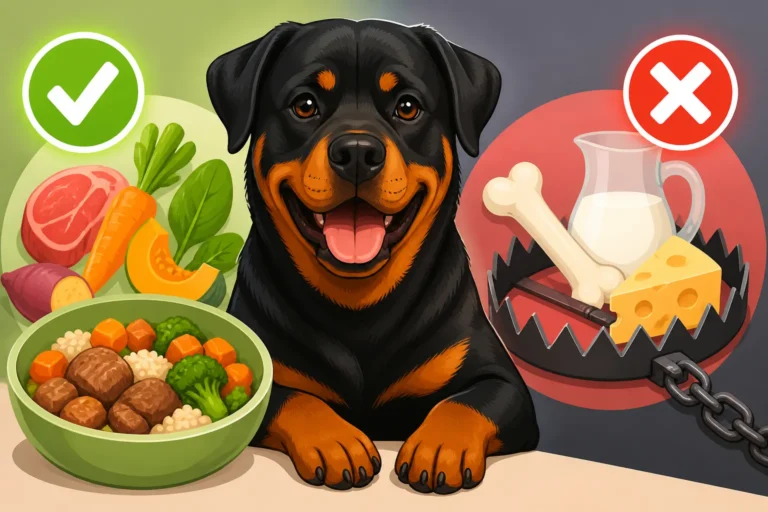
The core idea behind the ancestral diet is that dogs, as descendants of wolves, are biologically designed to thrive on raw meat, bones, and organs, not grains and processed ingredients. Proponents believe that returning to this "natural" diet can unlock a host of health benefits, from shinier coats and cleaner teeth to improved digestion and higher energy levels. The theory is that a dog's digestive system is still much the same as its wild ancestors, perfectly equipped to handle raw food, including bacteria that might make humans sick. They often point to the fact that kibble is a relatively new invention in the long history of canine evolution.
For a Rottweiler, with its deep chest, powerful jaw, and robust build, this argument often resonates strongly. Owners envision their strong, natural dog consuming a diet that truly supports its physique and ancient heritage. However, what constitutes a "natural" diet for a modern domesticated dog, even a strong one like a Rottweiler, is a subject of ongoing debate in the veterinary community.
Types of Raw Diets: BARF and Prey Model
When you delve into raw feeding, you'll primarily encounter two main philosophies: BARF (Biologically Appropriate Raw Food or Bones And Raw Food) and Prey Model Raw (PMR). While both advocate for raw, uncooked ingredients, they differ in their approach to composition:
- BARF Diet: This model emphasizes a diet meant to replicate what a wild dog might forage, including raw muscle meat, bones, organs, and a smaller percentage of fruits, vegetables, and other supplements. The idea is to provide a comprehensive nutritional profile through a variety of ingredients, offering both meat and plant-based nutrients. A typical BARF ratio might be around 70% muscle meat, 10% raw edible bone, 5% liver, 5% other secreting organs, and 10% fruits/vegetables/supplements.
- Prey Model Raw (PMR) Diet: This approach is more purist, aiming to replicate the whole prey animals that a wild carnivore would eat. It typically consists of 80% muscle meat, 10% raw edible bone, 5% liver, and 5% other secreting organs, with no plant matter or supplements, believing that all necessary nutrients come directly from the animal sources.
For a Rottweiler, either model requires meticulous attention to detail to ensure a balanced diet. Without proper understanding and execution, an unbalanced raw diet, particularly one lacking in crucial vitamins and minerals or with improper calcium-to-phosphorus ratios, can lead to serious health issues, especially in a rapidly growing large breed puppy. Remember that Rottweiler Calcium Limits and Why Supplements Hurt are particularly vital during those critical growth phases.
The Critical Role of Bone Safety in Raw Feeding
Bones are often considered the cornerstone of a raw diet, providing essential nutrients and promoting dental health. However, they also present the most significant risks if not chosen and fed correctly. For a Rottweiler, with its immense strength and powerful jaws, understanding bone safety is paramount.
Why Bones are Included in Raw Diets
In a raw feeding regimen, bones serve multiple crucial purposes. First and foremost, they are a primary source of calcium and phosphorus, two minerals vital for bone health, nerve function, and overall metabolic processes. Getting these ratios right is incredibly important, especially for a breed like the Rottweiler, prone to orthopedic issues. Beyond minerals, raw bones contain marrow, which is rich in fats, iron, and other vitamins.
Secondly, and perhaps most visibly, raw bones are fantastic for dental hygiene. The act of chewing and scraping against raw bone helps to naturally remove plaque and tartar buildup from a Rottweiler's teeth, potentially reducing the need for costly and invasive dental cleanings under anesthesia. This can be a huge benefit, as Rottweiler Dental Disease and Cracked Teeth are common concerns, and anything that supports natural tooth cleaning is a plus.
The Dangers of Cooked Bones
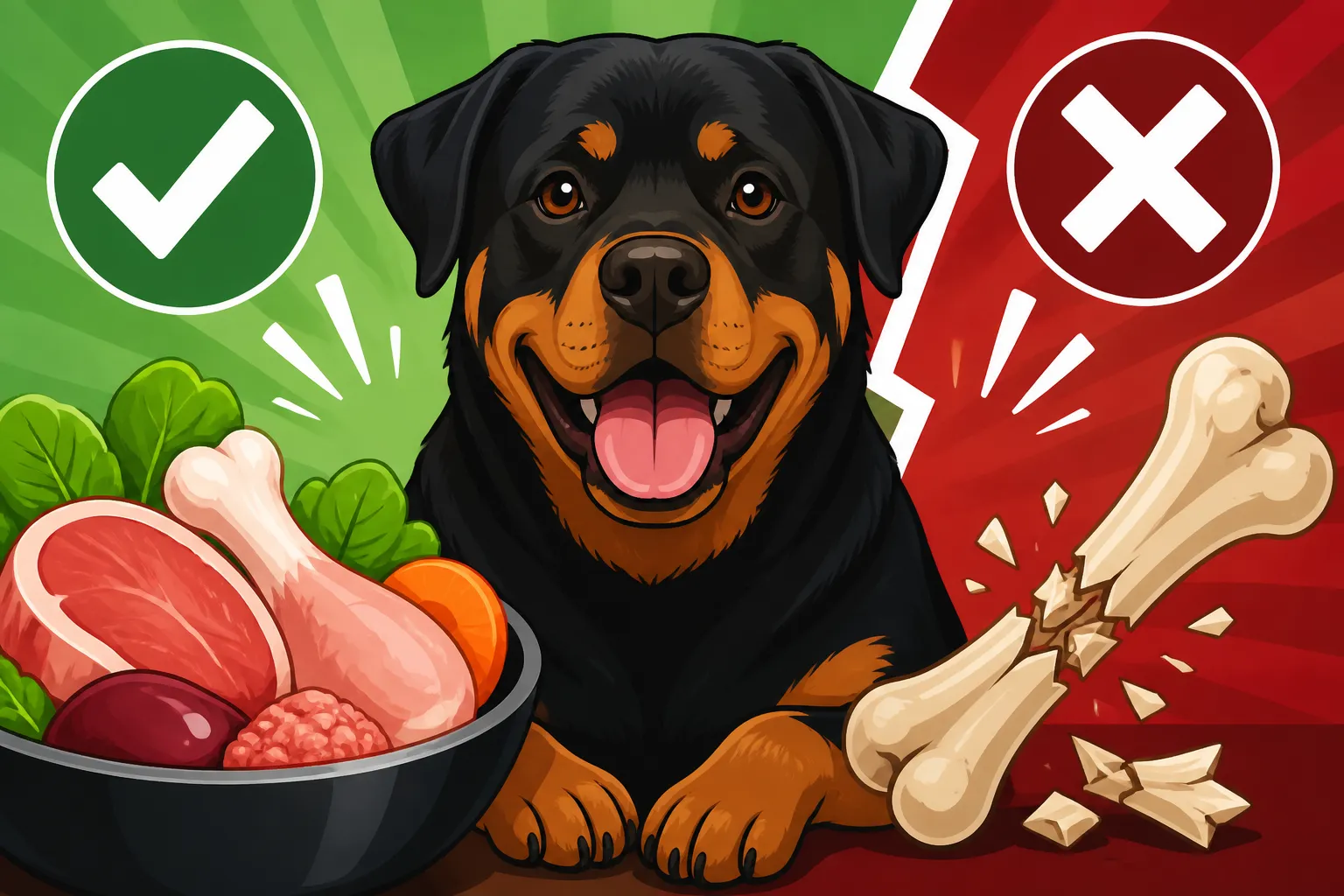
Let's get this straight right away: cooked bones are universally dangerous and should never, ever be fed to your Rottweiler. The cooking process changes the structure of the bone, making it brittle and prone to splintering into sharp, jagged fragments. These fragments can cause a terrifying array of problems, including:
- Choking: Small pieces can get lodged in the throat.
- Oral Injuries: Sharp edges can cut the mouth, tongue, or gums.
- Gastrointestinal Obstruction: Bone fragments can block the esophagus, stomach, or intestines, requiring emergency surgery.
- Perforation: The sharp fragments can puncture the digestive tract, leading to life-threatening peritonitis.
- Constipation: Bone fragments can cause severe constipation, often requiring veterinary intervention.
It's a common misconception that all bones are bad, but the critical distinction lies in whether they are raw or cooked. Always err on the side of caution.
Selecting Appropriate Raw Bones
Choosing the right raw bones for your Rottweiler is an art and a science. You need to consider size, type, and density.
-
Edible Bones vs. Recreational Bones:
- Edible Bones: These are non-weight-bearing bones that are soft enough to be fully consumed and digested by your dog. Think chicken necks, backs, wings, or small sections of turkey necks. They are part of the daily food allowance, providing calcium and phosphorus.
- Recreational Bones: These are larger, typically weight-bearing bones meant for chewing, not full consumption. They provide mental stimulation, jaw exercise, and dental cleaning. Examples include beef femurs (knuckle bones), large marrow bones, or lamb shanks.
The key difference is that edible bones disappear, while recreational bones are primarily for gnawing. You can find some excellent large, durable recreational chews online through retailers like Chewy or specialty pet stores, but always double-check they are raw and appropriate for a large, powerful chewer like a Rottweiler.
-
Size Matters: The bone should be large enough that your Rottweiler cannot fit the entire thing into its mouth at once or swallow it whole. For a Rottweiler, this often means bones from larger animals. Too small, and it becomes a choking hazard. Too large, and it might not be able to get enough off it, or it might struggle to chew.
-
Density Considerations: Weight-bearing bones from large animals (like beef femurs) are very dense. While great for recreational chewing, some Rottweilers with aggressive chewing styles can still crack their teeth on these. If your Rottweiler is a super chewer, monitor closely. Softer, non-weight-bearing bones like chicken backs are typically safe for consumption. When looking for alternatives to very hard bones, consider Chews That Do Not Crack a Rottweiler Molar.
Supervision is Non-Negotiable
No matter how carefully you select a bone, you must supervise your Rottweiler when it is chewing. This isn't just about preventing choking; it's also about intervening if:
- The bone splinters: Even raw bones can sometimes splinter, especially if they're cut improperly or if your dog is a very aggressive chewer.
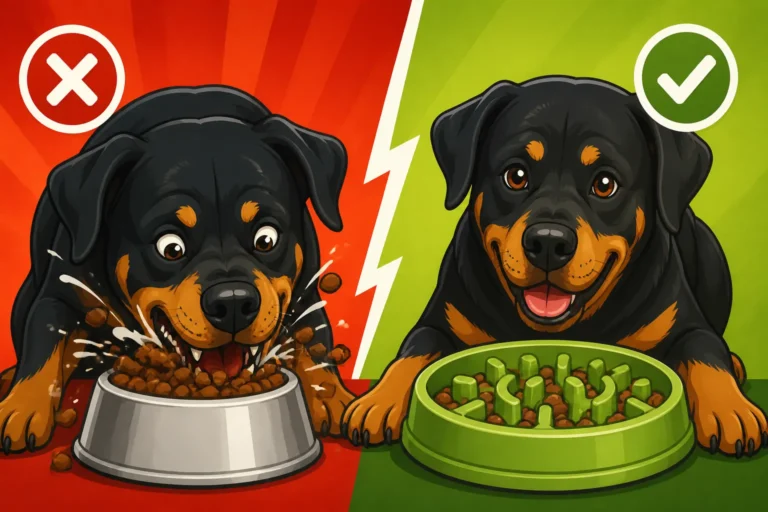
- The bone becomes too small: Once a recreational bone becomes small enough to be swallowed, take it away immediately to prevent choking or intestinal blockage.
- Resource Guarding: Some Rottweilers can develop Rottweiler Resource Guarding at Home around high-value items like bones. Supervision allows you to manage this behavior and prevent conflict.
A good rule of thumb is to give bones in a designated area where you can observe your dog and be ready to step in if needed.
Practicalities of Raw Feeding: Sourcing, Preparation, and Hygiene
Deciding to raw feed your Rottweiler is just the first step. The practical execution involves careful sourcing, meticulous preparation, and stringent hygiene practices to ensure both your dog's health and your household's safety.
Sourcing Quality Ingredients
The foundation of a good raw diet is high-quality, fresh ingredients. This means you can't just pick up any old meat from the grocery store and call it a day.
- Local Butchers: Many local butchers are a fantastic resource. They can often provide fresh, raw meat, organs, and bones from various animals. Building a relationship with a butcher can help you get the cuts and types of bones most suitable for your Rottweiler.
- Specialized Raw Food Suppliers: There are increasing numbers of companies dedicated to producing raw pet food. These can be a convenient option as they often provide pre-portioned, balanced meals. Some services like Ollie, while not strictly raw (they offer fresh, human-grade cooked food), highlight the growing demand for higher quality, less processed options that cater to specific dietary needs. Always research the brand's safety protocols and ingredient sourcing.
- Co-ops and Online Retailers: You might find raw food co-ops in your area or online retailers that ship frozen raw food directly to your door. This can be cost-effective for larger quantities.
Always ensure the meat is human-grade and handled with the same care you'd use for your own food. Avoid meat intended for rendering or animal feed only.
Balancing the Diet
This is where many well-intentioned raw feeders go wrong. Simply feeding muscle meat or just chicken quarters is not a balanced diet for a Rottweiler, or any dog. A properly balanced raw diet needs to adhere to specific ratios of muscle meat, edible bone, and secreting organs over time.
A common guideline for an adult Rottweiler (after their growth plates have closed, which for a Rottweiler is generally Rottweiler Growth Plates Closing at Eighteen to Twenty-Four Months) is:
- 80% Muscle Meat
- 10% Raw Edible Bone
- 5% Liver
- 5% Other Secreting Organs (kidney, spleen, pancreas, etc.)
These percentages are averages over several weeks, not necessarily every single meal. You need to ensure variety in protein sources (beef, chicken, lamb, pork, etc.) to cover a broad spectrum of nutrients. Without this balance, your Rottweiler could develop nutritional deficiencies or excesses, leading to long-term health problems. This is particularly crucial for a large breed with specific growth requirements; Rottweiler Puppy Calories From Fourteen Hundred Up means they need consistent, balanced nutrition.
Hygiene and Storage
Raw feeding comes with inherent bacterial risks, primarily Salmonella and E. coli. While dogs are generally more resistant to these bacteria than humans, they can still get sick, and they can certainly shed these bacteria, posing a risk to household members, especially young children, the elderly, or immunocompromised individuals.
- Safe Handling: Treat raw pet food exactly like you would raw meat for human consumption. Wash your hands thoroughly before and after handling. Use separate cutting boards and utensils for pet food preparation.
- Cleaning Surfaces: Sanitize all surfaces that come into contact with raw food (counters, bowls, floors) using hot, soapy water and a disinfectant.
- Storage: Store raw food frozen until ready to use. Thaw it in the refrigerator, not on the counter. Keep it in airtight containers to prevent cross-contamination in your fridge. Discard any uneaten raw food within a short timeframe (usually within 20-30 minutes of serving).
- Bowl Cleaning: Wash your Rottweiler's food bowl thoroughly with hot, soapy water after every meal.
This meticulous approach to hygiene is not optional; it's a critical component of responsible raw feeding.
Transitioning Your Rottweiler to Raw
Switching a Rottweiler from kibble to raw shouldn't be done cold turkey. A gradual transition helps prevent digestive upset and allows your dog's system to adjust.
- Fast for 12-24 hours (optional for adults): Some people choose to fast an adult dog for a day to clear their digestive system, but this isn't suitable for puppies or dogs with health conditions.
- Introduce a single protein source: Start with a gentle, easily digestible protein like chicken or turkey. Give a small amount of raw food for the first few meals, gradually increasing the portion size over several days.
- Mix or separate: You can either mix a small amount of raw food with their regular kibble (though some argue this can cause digestive issues due to different digestion times) or feed separate raw meals a few hours apart from kibble meals. Many prefer to make a clean break after a few days of small raw meals.
- Monitor stool: Keep a close eye on your Rottweiler's stool. Loose stools are common during transition, but persistent diarrhea, vomiting, or lethargy mean you need to slow down or consult your vet.
- Gradual introduction of variety: Once your Rottweiler is comfortable with one protein, slowly introduce other meats, organs, and bones over several weeks, ensuring the correct ratios are met.
This process can take anywhere from a few days to a few weeks, depending on your individual Rottweiler.
Addressing Common Concerns and Misconceptions
Raw feeding, while growing in popularity, remains a controversial topic, and for good reason. It’s important to address the most common concerns head-on, especially when considering such a dietary change for a large, powerful dog like a Rottweiler.
Bacterial Contamination
This is arguably the most significant concern raised by veterinarians and public health organizations. Raw meat, regardless of its source, can harbor pathogenic bacteria like Salmonella, E. coli, Listeria, and Campylobacter.
- Risk to Dogs: While dogs have a more acidic stomach pH and a shorter digestive tract, which offers some protection, they are not immune to these pathogens. They can experience gastrointestinal upset, severe diarrhea, vomiting, and in some cases, life-threatening systemic infections. Puppies, senior Rottweilers, and those with compromised immune systems are particularly vulnerable.
- Risk to Humans: The primary concern is the risk of cross-contamination to humans. Handling raw food, contaminated surfaces, or even interacting with a dog that has consumed raw food (via licks or contact with feces) can transfer these bacteria to people. This is especially alarming in households with young children, pregnant women, the elderly, or anyone with a weakened immune system. Even well-trained Rottweilers can inadvertently spread bacteria. This is why the stringent hygiene practices discussed earlier are non-negotiable.
Nutritional Imbalance
Another major concern, often echoed by veterinary professionals, is the risk of nutritional deficiencies or excesses, particularly in homemade raw diets. It’s a common misconception that simply feeding "meat and bones" provides everything a dog needs.
For a Rottweiler, whose specific growth and maintenance requirements are quite high, getting the balance wrong can be disastrous. Rapid growth in large breed puppies, exacerbated by improper calcium and phosphorus ratios, can lead to serious developmental orthopedic diseases like hip and elbow dysplasia. These are conditions Rottweilers are already genetically predisposed to, so aggravating factors must be avoided. You must understand concepts like Rottweiler Calcium Limits and Why Supplements Hurt to avoid causing more harm than good. Achieving a truly balanced diet requires extensive knowledge of canine nutrition, the nutrient content of various ingredients, and how to combine them appropriately. Many commercial raw diets attempt to address this by being "complete and balanced," but independent verification is always a good idea.
Cost and Time Commitment
Let's be realistic: raw feeding can be significantly more expensive and time-consuming than feeding commercial kibble.
- Cost of Ingredients: High-quality, human-grade raw meat, organs, and bones are not cheap. For a large Rottweiler that can easily consume 4-6 pounds of food daily, the cost can quickly add up. If you're sourcing through a specialized raw food supplier or an online retailer, expect a higher price point than conventional dog food. Even hunting down deals at a local butcher takes time and effort.
- Time for Preparation: Unless you're buying pre-made, commercially prepared raw meals, you'll be spending a considerable amount of time chopping, measuring, and preparing meals. This includes portioning, freezing, thawing, and daily cleaning. It's a significant commitment, especially for a busy household. You might even find yourself looking for kitchen tools on Amazon to make the process easier.
- Storage: Storing large quantities of raw meat for a big dog requires considerable freezer space. This might mean investing in a chest freezer dedicated solely to your dog's food.
It's important to accurately budget for both the financial and time investment before committing to raw feeding for your Rottweiler. The Yearly Cost of Feeding and Keeping a Rottweiler can already be substantial with kibble; raw feeding will likely increase it further.
Veterinary Opinion
It's important to acknowledge that the majority of mainstream veterinary organizations and veterinarians do not recommend raw feeding. Their concerns primarily revolve around the documented risks of bacterial contamination (to both pets and humans) and the frequent observation of nutritionally unbalanced homemade raw diets.
Many veterinarians also point to a lack of scientific evidence demonstrating superior health benefits of raw diets over balanced, commercially prepared, cooked diets. While anecdotal reports from raw feeders are plentiful, robust, peer-reviewed scientific studies are fewer and often inconclusive. If you are considering raw feeding, it is absolutely essential to have a frank conversation with your veterinarian. Be prepared to discuss your reasons, your proposed plan, and the potential risks. Some veterinarians may be open to guiding you through a carefully planned raw diet, while others may strongly advise against it. Finding a vet who is supportive or at least willing to discuss your options is key to ensuring your Rottweiler's ongoing health monitoring.
| Bone Type | Safety Considerations for Rottweilers | Recommended Use |
|---|---|---|
| Cooked Bones | NEVER feed. Brittleness leads to splintering, causing choking, internal punctures, or obstructions. Extremely dangerous. | None |
| Raw Weight-Bearing Bones (e.g., Beef Femur/Marrow) | Very hard; excellent for dental cleaning and mental stimulation. Risk of fractured teeth for aggressive chewers. Ensure bone is too large to be swallowed whole. Always supervise. Remove when small enough to swallow. | Recreational Chew: For gnawing and dental benefits. Give for limited, supervised periods. Best for Rottweilers who are not overly aggressive chewers and won't try to consume it entirely. |
| Raw Non-Weight-Bearing Bones (e.g., Chicken Necks/Wings, Turkey Necks) | Softer, more pliable; can be fully consumed and digested. Excellent source of calcium and phosphorus. Still requires supervision to ensure proper chewing and prevent gulping. | Edible Bone/Meal Component: Can be part of the daily raw meal, fulfilling the "bone" percentage. Good for beginners as they are less likely to cause tooth fractures. |
| Raw Rib Bones | Can be hard, but also have softer cartilage. Vary in density. Watch for sharp edges after chewing. | Edible/Recreational: Depending on size and animal. Pork and lamb ribs are generally softer than beef ribs. Supervise closely. |
| Raw Vertebrae/Tail Bones | Often soft with lots of cartilage. Good edible bones. Ensure appropriate size to prevent gulping. | Edible Bone/Meal Component: Can be fully consumed. Good source of calcium. |
| Small Game Carcasses (e.g., whole rabbit) | Contains everything in ideal prey model ratios. Ensure carcass is fresh and handled hygienically. Some dogs may try to gulp larger chunks. | Full Prey Model: For experienced raw feeders. Offers complete nutrition if balanced over time. Requires vigilant supervision, especially initially. |
Disclaimer
This article is for general informational purposes only and does not constitute professional advice. Laws, prices and regulations vary by location and change over time. Consult a qualified professional for guidance on your specific situation.