Hiking With an Adult Rottweiler
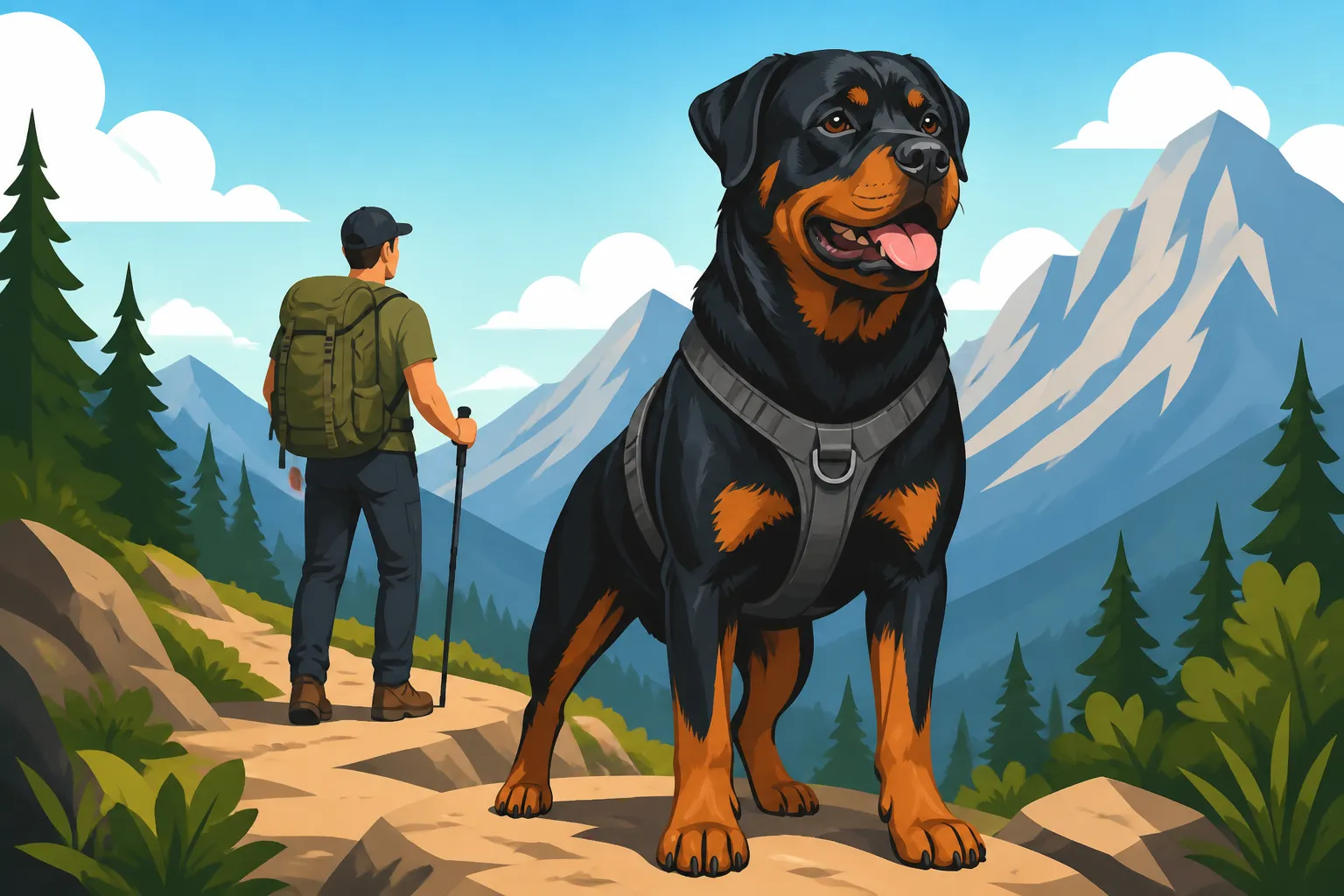
There's nothing quite like hitting the trails with your loyal Rottweiler by your side, is there? The fresh air, the natural scents, the sheer joy your big dog gets from exploring new territory – it’s a truly rewarding experience. However, taking a powerful, adult Rottweiler on a hike isn't quite the same as strolling through a neighborhood park. Their size, strength, and specific breed needs demand thoughtful preparation and careful consideration to ensure the adventure is safe and enjoyable for both of you. This guide will walk you through everything you need to know to make your hiking trips with your Rottweiler successful and memorable, from essential gear to trail etiquette and post-hike recovery.
Preparing Your Adult Rottweiler for the Trail
Before you even think about lacing up your hiking boots, you need to make sure your Rottweiler is ready for the demands of the trail. Hiking is a physical activity, and for a large, heavy-boned breed like a Rottweiler, it requires proper conditioning and a clean bill of health. Rushing into a long, strenuous hike can lead to injuries, exhaustion, and a less-than-pleasant experience for everyone involved.
Conditioning and Health Checks Before You Go
It’s easy to assume that because your Rottweiler is big and strong, they’re automatically built for long treks. While they certainly have stamina and muscle, their joints, especially their hips and elbows, can be susceptible to issues like dysplasia, which can be exacerbated by sudden, intense exercise. Think of it like a human athlete: you wouldn't run a marathon without training, and neither should your Rottweiler undertake a challenging hike without appropriate preparation.
Start with shorter, easier walks and gradually increase the distance and difficulty over several weeks. If your Rottweiler typically gets a couple of neighborhood walks a day, slowly extend those walks, perhaps adding some varied terrain like grassy fields or gentle inclines. Observe their gait and energy levels closely during and after these conditioning walks. Any limping, stiffness, or unusual fatigue is a red flag that warrants attention before tackling a challenging trail. A pre-hike vet check-up is always a wise investment, especially if your dog hasn't had one recently or if they're a bit older. Your vet can assess their overall health, listen to their heart, and specifically check their joints. For older Rottweilers, this is especially important as they might be starting to show signs of Managing Arthritis in an Older Rottweiler, and hiking could worsen existing conditions. It’s also crucial to ensure your Rottweiler is up-to-date on all vaccinations and, most importantly for trail adventures, on a robust parasite prevention regimen. Ticks are a major concern in many hiking areas, carrying diseases like Lyme and Anaplasmosis. Make sure your dog is protected with a reliable flea and tick preventative, perhaps one you pick up from a trusted retailer like Chewy, to prevent unwelcome hitchhikers. You should also discuss any specific breed concerns with your vet, such as Rottweiler Hips and Elbows and the 24-Month Rule, to understand their unique joint needs.
Essential Gear for Your Rottweiler and You
Hiking with a Rottweiler isn't a spur-of-the-moment decision; it requires specific gear to keep both of you safe and comfortable. This isn't just about packing a water bottle for yourself; it's about equipping a large, powerful dog for varying conditions.
First off, let's talk about control. A sturdy harness is paramount for a Rottweiler on the trail. A regular collar can put undue pressure on their neck and throat if they pull, especially on an incline or if they suddenly lunge at a squirrel. A well-fitting, no-pull harness that distributes pressure across their chest and shoulders is ideal. Look for one with solid D-rings and durable buckles. Pair this with a strong, hands-free leash if possible, allowing you to maintain better balance while still having both hands free for balance or using trekking poles. When selecting a harness, remember you need Harness Hardware That Holds a Pulling Rottweiler. You can find a wide range of options on sites like Amazon, but ensure you measure your dog accurately to get the right fit.
Hydration is another non-negotiable. Your Rottweiler, due to their size and black coat, can overheat quickly, especially on warm days. You'll need significantly more water for them than for yourself. Carry a collapsible water bowl and at least a liter of water per hour of hiking for your dog, plus your own. Better yet, know where natural water sources (streams, rivers) are along your route, but always filter or treat water for yourself and consider doing the same for your dog to avoid giardia or other waterborne pathogens. For longer hikes, a portable dog food container or a few high-energy treats are also a good idea. Consider durable chew toys or puzzle toys for rest stops. A small dog first-aid kit is also vital. This should include paw balm, bandages, antiseptic wipes, sterile saline rinse, tweezers for splinters or ticks, and any specific medications your dog might need. Paw protection is also a smart choice; dog boots can protect delicate paw pads from sharp rocks, hot pavement (if walking to the trail head), or abrasive surfaces. You might not need them for every hike, but having them on hand for rougher terrain or injured paws can be a lifesaver. You can find excellent quality boots and first aid supplies through online pet retailers like Chewy.
| Item | Purpose | Notes |
|---|---|---|
| Sturdy Harness | Control and comfort | No-pull design, durable hardware, proper fit for chest/shoulders |
| Hands-Free Leash | Safety and balance | Strong, comfortable waist belt, appropriate length for control |
| Collapsible Water Bowl | Hydration on the go | Easy to pack, clean, and use |
| Ample Water | Prevent dehydration/overheating | 1 liter/hour for Rottweiler, more on hot days; consider filter/treat |
| High-Energy Treats | Quick energy boost, positive reinforcement | Small, palatable, easy to carry |
| Dog First-Aid Kit | Minor injuries, emergencies | Bandages, antiseptic, tweezers, paw balm, saline, medications |
| Dog Boots (optional) | Paw protection on rough terrain | Essential for rocky trails or sensitive paws |
| Waste Bags | Leave No Trace principle | Always pack out what you pack in |
| ID Tags/Microchip | Essential for safe return if separated | Up-to-date contact info |
| Reflective Gear (optional) | Visibility in low light | For early morning/late evening hikes |
Navigating the Trail Safely with Your Rottweiler
Once you're equipped and your Rottweiler is conditioned, hitting the trail becomes a matter of careful navigation and constant awareness. A pleasant hike can quickly turn stressful if you're not prepared for common trail scenarios, especially with a breed that often carries a strong (and sometimes misunderstood) presence.
Trail Etiquette and Encountering Others
Respecting trail etiquette is paramount, not just for the enjoyment of others but for your Rottweiler's safety and reputation. First and foremost, always adhere to leash laws. Even if your Rottweiler has perfect recall in your backyard, the unpredictable environment of a hiking trail presents different challenges. Wildlife, off-leash dogs, or sudden noises can trigger instincts you might not see at home. Many trails require dogs to be leashed at all times, and for a powerful breed like a Rottweiler, it's a non-negotiable rule. A lunging, powerful Rottweiler can inadvertently injure a passing hiker or another dog, regardless of its intentions.
When you encounter other hikers, especially those with children or other dogs, the best practice is to move to the side of the trail and keep your Rottweiler close to you. Communicate calmly; a simple "Good morning!" or "Just letting you pass" can set a friendly tone. It's often helpful to keep your dog on the side furthest from the passing party. If you encounter other dogs, gauge the situation carefully. Not all dogs are friendly, and some owners might be anxious. Introducing a Rottweiler to Other Dogs in a controlled manner, even on a leash, requires you to be observant of both dogs' body language. A tight leash can sometimes escalate tension, so aim for a loose, confident lead. Your Rottweiler's natural aloofness can sometimes be misinterpreted as aggression, so be mindful of how they appear to others. A quiet, confident Rottweiler might just be observing, but to an uninitiated passerby, that still, watchful posture can be intimidating. Understanding Reading a Calm Rottweiler That Is Actually Alert is important for you, and being able to verbally reassure others can help. Remember to always clean up after your dog – pack out all waste, no exceptions. Leaving waste bags on the side of the trail "to pick up later" isn't acceptable and reflects poorly on all dog owners.
Understanding Your Rottweiler's Physical Limits on the Hike
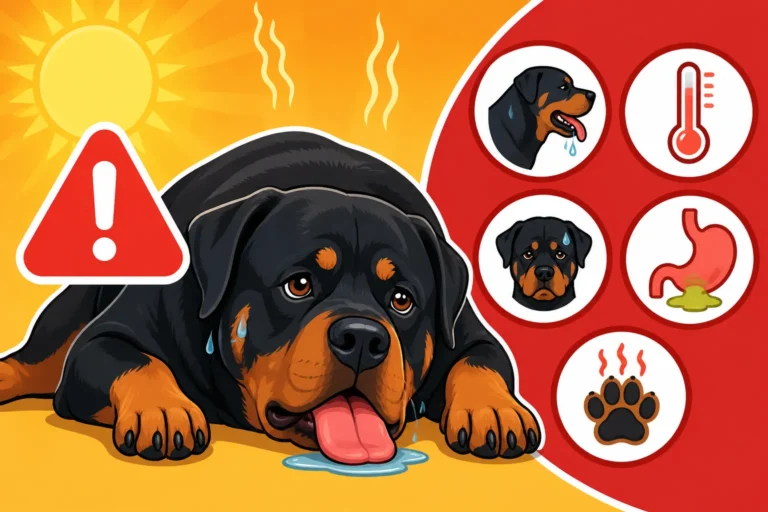
Even a well-conditioned Rottweiler has limits, and it's your responsibility to recognize them. They can't tell you they're tired or hot, so you need to be their advocate. Their heavy build and thick, black coat make them more susceptible to overheating than many other breeds.
Watch for signs of fatigue or heat exhaustion, such as excessive panting, drooling, lagging behind, seeking shade, stumbling, or a dark red tongue. These are critical warning signs of Rottweiler Heat Exhaustion Warning Signs. If you notice any of these, stop immediately, find shade, and offer water. Wetting their paws, belly, and head can help cool them down. Don't force them to continue. During the hike, take frequent short breaks, especially in shaded areas. Offer water regularly, even if they don't seem thirsty. If you're hiking during warmer months, plan your trips for early morning or late evening to avoid the peak heat of the day.
Pay close attention to their paws. Rocky or abrasive trails can cause cuts, blisters, or wear down their paw pads. If your Rottweiler starts limping or licking their paws excessively, stop and examine them. Consider dog boots for particularly rough terrain. Varying terrains, like steep ascents or descents, put different stresses on their joints. While Rottweilers are muscular, sudden, jarring movements or prolonged stress on steep slopes can be hard on their hips and elbows. Watch their stride; a bouncy or uneven gait could indicate discomfort. Remember that How Far an Adult Rottweiler Should Walk depends entirely on their individual fitness, age, and the terrain. It's better to end a hike wishing you'd gone further than to push your dog past their comfortable limit.
Post-Hike Care and Long-Term Considerations
The adventure doesn't end when you get back to the car. Proper post-hike care is essential to prevent injuries, ensure recovery, and maintain your Rottweiler's health for future excursions. Overlooking these steps can lead to discomfort, delayed recovery, or even more serious health issues.
Recovery and Checking for Injuries
Once you're off the trail, don't just toss your dog into the back of the car and head home. Allow for a cool-down period. A slow, gentle walk on flat ground for 10-15 minutes can help their muscles gradually relax and their heart rate return to normal. This helps prevent stiffness and soreness.
A thorough physical inspection is crucial after every hike. Start with their paws: check between their toes for thorns, burrs, small rocks, or cuts. Look for any blisters or excessive wear on their paw pads. Wipe them down if they’re muddy. Next, systematically check their entire body for ticks. Rottweilers have thick undercoats, and ticks can easily hide there, especially around the ears, neck, armpits, and groin. Checking a Rottweiler for Ticks in the Black Coat is vital, as a missed tick can lead to disease. Run your hands over their entire body, feeling for any bumps, lumps, or signs of tenderness that might indicate a scratch, bruise, or strain. Pay particular attention to their legs and joints. If you notice any limping, swelling, or they vocalize when you touch a certain area, it’s time to call your vet. Even if they seem fine, a gentle massage can help soothe tired muscles and improve circulation. If your Rottweiler seems stiff the next day, a warm compress on sore areas might provide some relief, but persistent lameness should always be investigated by a veterinarian.
Nutrition and Hydration After Exercise
After a strenuous hike, your Rottweiler's body needs to recover and replenish its reserves. Adequate hydration is key. Offer fresh water liberally as soon as you stop, and continue to provide access to water at home. Some dogs might benefit from an electrolyte supplement designed for canines, especially after very long or hot hikes, but always consult your vet before adding supplements.
Their food intake might also need adjustment. An active day on the trails burns more calories than a typical day at home. While you don't want to overfeed, ensuring they get enough quality nutrition to support muscle repair and energy replenishment is important. If you typically feed your Rottweiler a measured amount, you might slightly increase their evening meal, or offer an extra nutrient-dense snack. Brands like Ollie offer fresh food options that can be great for providing quality nutrients, or if you use kibble, high-quality large breed formulas from retailers like Chewy are excellent. Feeding an Adult Rottweiler at a Hundred Twenty Pounds requires careful calorie management on a daily basis, and a hike is a good reason to be slightly more generous with their meal or a healthy treat. Consider incorporating joint-supporting nutrients into their diet, either through their regular food or as supplements. Many Rottweiler owners start Joint Supplements Started Before a Rottweiler Turns Two to support long-term joint health, and active hiking dogs definitely benefit from this proactive approach. Speak with your veterinarian about the best supplements for your dog's age and activity level.
Making Hiking a Rewarding Experience for Both of You
Hiking with your Rottweiler should be a joyous and enriching experience, building a stronger bond between you. It's more than just putting one paw in front of the other; it's about shared adventure, mental stimulation, and deepening trust.
Choosing the Right Trails and Locations
Not all trails are created equal, especially when you have a large dog. The key is to choose trails that match your Rottweiler's fitness level and temperament, as well as your own. Start with shorter, less challenging trails – think flat, well-maintained paths in local parks or nature preserves. As both you and your dog build stamina and confidence, you can gradually increase the length, elevation, and ruggedness of the terrain.
Look for dog-friendly parks and trails in your area. Many state parks or national forests have specific rules regarding dogs, including leash requirements and designated areas where dogs are allowed. Always check their websites or call ahead before you go, as policies can vary widely. Some trails might be too narrow for a large dog to comfortably pass other hikers, or they might have features like steep rock scrambles or slippery stream crossings that are challenging or even dangerous for a heavy Rottweiler. Consider the time of day as well. If you choose popular trails, going during off-peak hours (early mornings or weekdays) can lead to a more peaceful experience with fewer crowds and less stress for your dog and you. A less crowded trail makes it easier to practice good trail etiquette and allows your Rottweiler more space to enjoy the natural scents and sights without constant interruption.
Enriching the Experience for Your Rottweiler
Hiking offers a unique opportunity for mental and physical enrichment for your Rottweiler. It's not just about covering distance; it's about letting them engage with the natural world in ways they can't in your backyard. Allow plenty of "sniffing time." While you might be focused on the view, your Rottweiler is processing a rich tapestry of scents that tells them stories about every creature that has passed by. Letting them investigate these smells is incredibly stimulating and satisfying for them. Just ensure they're not pulling you off balance while doing so!
Use the quiet moments on the trail to reinforce positive behaviors. Practice your Rottweiler Recall Training That Holds in safe, open areas, rewarding them enthusiastically when they come back. This builds reliability and confidence in a distracting environment. Vary your routes and explore new trails regularly to keep things fresh and exciting. Dogs, like people, can get bored with the same routine. New sights, sounds, and smells provide novel enrichment every time. For your Rottweiler, hiking is a shared journey, and the bond it builds is invaluable. It’s a chance to see your loyal companion truly happy, engaged, and thriving in an environment that taps into their innate instincts. Make it a positive, well-prepared, and regular part of your routine, and you’ll create countless cherished memories together.
Disclaimer
This article is for general informational purposes only and does not constitute professional advice. Laws, prices and regulations vary by location and change over time. Consult a qualified professional for guidance on your specific situation.