A Rottweiler Chasing the Family Cat
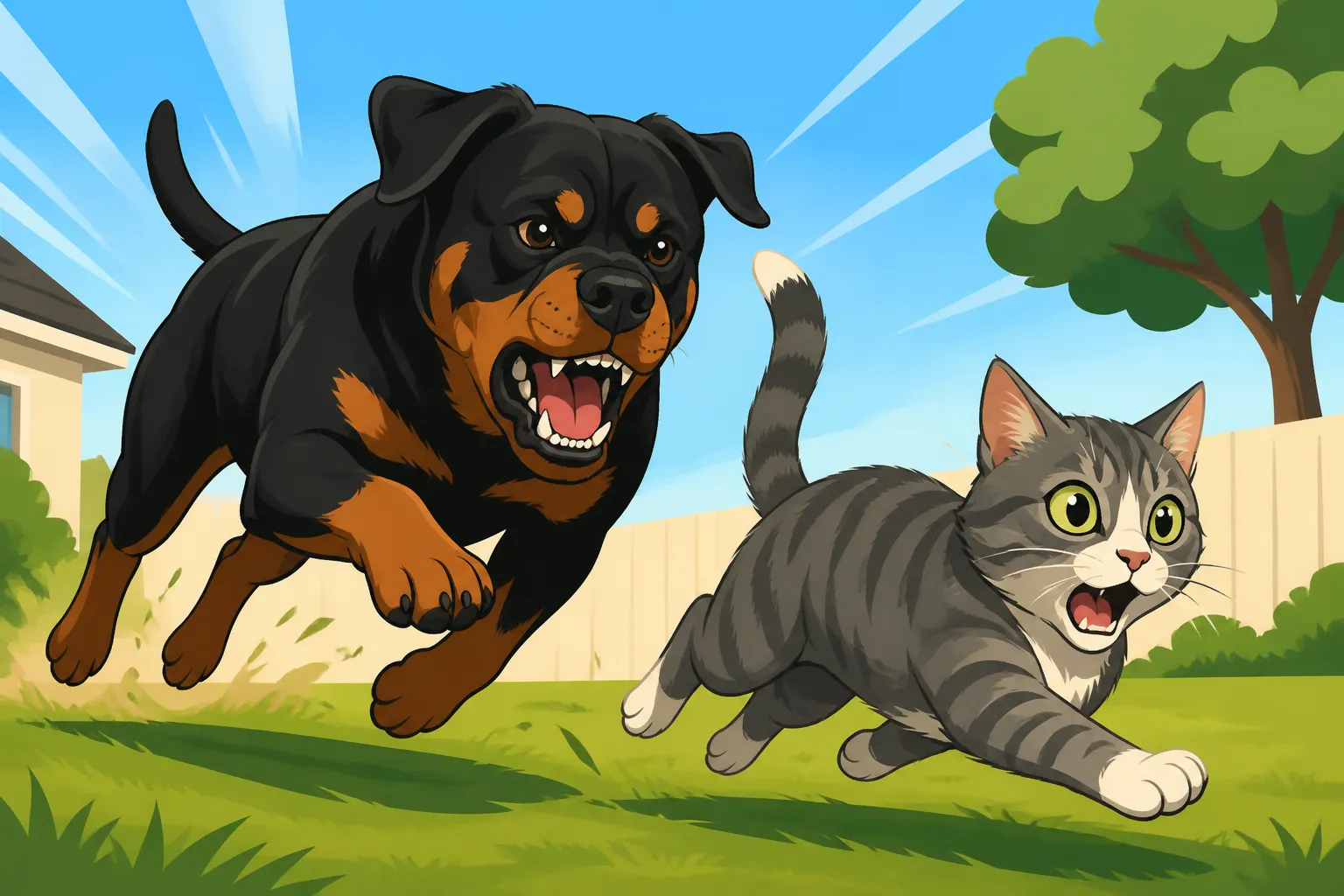
It’s a common, often heart-stopping, sight for many multi-pet households: your powerful, protective Rottweiler suddenly fixates on the family cat, and before you can even react, the chase is on. This isn't just a minor annoyance; it can be incredibly stressful for both animals, and frankly, terrifying for you, the owner. You worry about the cat's safety, the dog's intentions, and whether peace can ever truly exist. This guide is here to help you understand why your Rottweiler might chase your cat, how to safely manage the situation, and what steps you can take to foster a more harmonious, if not exactly cuddly, coexistence.
Understanding the Drive Behind the Chase
When your Rottweiler suddenly bolts after your cat, it's easy to jump to conclusions about aggression or malice. However, more often than not, it's rooted in deeply ingrained canine instincts, not a desire to harm. Understanding these drives is the first step toward managing the behavior.
The Rottweiler's Natural Instincts
Rottweilers were originally bred as drover dogs, herding cattle and guarding their butcher masters. This history imbues them with a strong genetic predisposition for certain behaviors. The chase instinct, while modified from their droving days, is still very much present. They are hardwired to react to movement, to follow, to direct. A scurrying cat can easily trigger this ancient programming. It’s not about being "mean"; it's about being a dog. Think of it like this: if you see a ball roll, your first instinct might be to kick it. For a Rottweiler, seeing a small, fast-moving creature often triggers a similar, albeit more intense, instinctual response. Beyond droving, many Rottweilers also possess a notable prey drive. This isn't necessarily about hunting to kill, but rather the urge to pursue, capture, and sometimes mouth or "play" with smaller, faster animals. This drive can be very strong and is often what we see when a Rottweiler fixates on a cat. It's a natural part of their canine makeup, and while it needs careful management, it's crucial to remember it's not a flaw in their character. It simply means we, as their guardians, need to step up and guide them. Rottweiler Prey Drive Around Cats is a great resource to dive deeper into this specific aspect of their behavior.
Why Cats Are Such Tempting Targets
Cats, with their quick, darting movements, often make irresistible targets for a dog with a strong chase or prey drive. Imagine a cat gracefully leaping off a bookshelf, only to land and immediately sprint across the living room floor. To a Rottweiler, this sudden burst of motion can be like a flashing neon sign that screams, "Chase me!" Their natural flight response, which is a cat's primary defense mechanism, inadvertently fuels the dog's pursuit. The more the cat runs, the more the dog is compelled to follow, reinforcing the chase behavior.
It's not just the visual stimulation. Cats also vocalize, sometimes with high-pitched meows or startled yelps when surprised. These sounds can further excite a Rottweiler, pushing their instinctual buttons. Even the scent of a cat, especially if the dog isn't fully accustomed to it, can contribute to their heightened awareness and subsequent reaction. You might notice your Rottweiler's ears perk up and nose twitch the moment a cat enters the room, even before the cat makes a visible move. This entire sensory experience—sight, sound, and smell—can combine to create a powerful cocktail that makes your cat an incredibly tempting, albeit unwitting, participant in a game of chase. For the Rottweiler, it’s not always about catching the cat and causing harm, but the sheer thrill of the pursuit itself, a deeply satisfying primal urge.
Assessing the Risk and Ensuring Safety
The primary concern when a Rottweiler chases a cat is, of course, the cat's safety. It's vital to differentiate between harmless play and potentially dangerous predatory behavior, and to take proactive steps to prevent any escalation.
Differentiating Play from Predation
This is where keen observation of body language becomes absolutely critical. Sometimes, a chase might look alarming but is genuinely a game. Other times, it's a precursor to something much more serious.
When a Rottweiler is in a play chase, you might see:
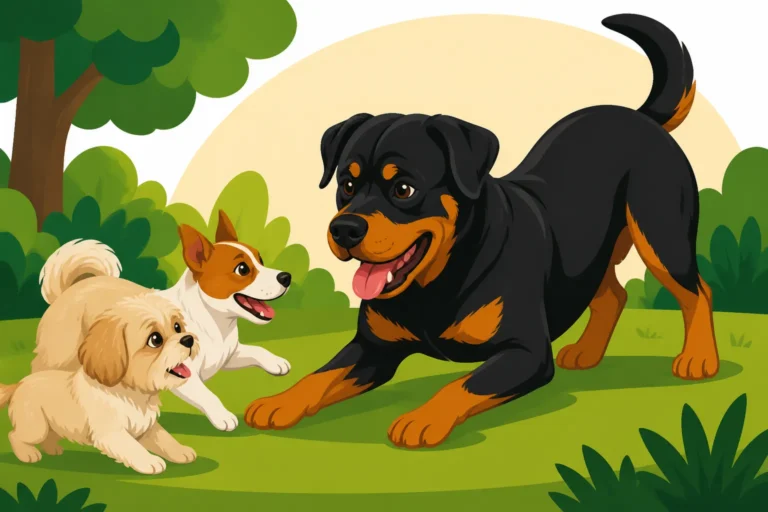
- Play Bows: The dog lowers its front end, keeping its rear high, tail wagging.
- Loose, Wiggling Body: The dog’s body will appear fluid, not stiff.
- Soft Mouth/Open Mouth Panting: The mouth is often open in a "smile" or pant, with no baring of teeth.
- "Reciprocal" Chase: The cat might occasionally stop, turn, and bat at the dog (even if defensively), or even initiate a chase of its own.
- Breaking the Chase: The dog might pause, look at you, or lie down, then restart the play.
However, a predatory chase often looks very different:
- Stiff Body Language: The dog's body will be rigid, focused, and purposeful.
- Low Stalk: The dog might crouch low, head down, eyes locked on the cat.
- Mouth Closed or Tightly Pulled Back: The mouth is often closed, or if open, the lips might be pulled back in a grimace, exposing teeth.
- Silent Pursuit: Often, there's no playful barking or growling, just an intense, silent focus.
- Unrelenting Chase: The dog will not break off the chase easily, and the cat is clearly trying to escape.
- Targeting the Neck or Rear: If the dog gets close, it might snap at vulnerable areas.
If you ever see these predatory signs, immediate intervention is necessary. Never allow the chase to continue. A Rottweiler's sheer size and strength mean that even an accidental nip during a predatory-motivated chase can result in serious injury or worse for a cat. While a tiny Chihuahua might chase a cat without significant risk, a Rottweiler is a different story entirely. For more on how these big dogs interact, check out Rottweiler Play Style With Smaller Dogs.
Creating Safe Zones for Your Cat
One of the most effective strategies to manage the dynamic between a Rottweiler and a cat is to establish clear boundaries and safe havens for your feline friend. This isn't just about preventing direct conflict; it's about reducing stress for both animals and giving your cat a sanctuary where it feels completely secure.
Start by designating areas that are strictly "cat-only." These could be rooms with sturdy baby gates that the cat can easily slip under or jump over, but the Rottweiler cannot. Look for gates that have a small pet door built into them, which you can find readily on Amazon. This allows your cat freedom of movement while containing your dog. Vertical space is your cat's best friend. Install cat trees, wall shelves, or window perches that are high enough to be out of reach of your Rottweiler. Cats naturally feel safer when they can observe their surroundings from an elevated position. Make sure these perches are easily accessible to your cat, providing clear escape routes if they feel threatened on the ground.
Consider creating a "refuge room" for your cat, complete with its food, water, litter box, and a cozy bed. This ensures that even if interactions are generally positive, your cat always has a place to retreat to for undisturbed peace. This setup not only offers physical safety but also mental peace, which is crucial for a cat living with a large, active dog. When your cat feels secure and knows it has reliable escape routes, it's less likely to panic and run, which, as we discussed, can trigger your Rottweiler's chase instinct.
Management Strategies to Prevent Chasing
Managing your Rottweiler's chasing behavior isn't about eliminating their natural instincts entirely, but rather redirecting them and teaching your dog appropriate responses. Consistency and patience are key.
Leash Management Indoors and Out
One of the most crucial tools in preventing your Rottweiler from chasing the family cat, especially in the early stages of training, is a simple leash. Yes, even indoors. Keeping your Rottweiler on a long line, perhaps 6 to 10 feet, while they are in the same area as the cat gives you immediate control and allows you to intervene before the chase even begins. This isn't a punishment for your dog; it's a safety measure and a training aid. It prevents them from practicing the unwanted behavior, which is essential because every time they successfully chase the cat, the behavior is reinforced.
Imagine you’re sitting on the couch, and your cat casually walks through the living room. Your Rottweiler, initially calm, might tense up, and you can see that familiar flicker of interest in their eyes. With an indoor long line, you can gently step on the line or give a soft verbal redirection before they even take a step towards the cat. This gives you the opportunity to reward them for not chasing, for remaining calm, or for looking at you instead. You can find sturdy, lightweight indoor long lines easily on Amazon that are perfect for this kind of supervised training. This method requires constant supervision, however. Never leave your Rottweiler unsupervised on a long line, especially if it could get tangled or snagged on furniture, posing a risk to both animals. This management technique also helps reinforce general good manners. Rottweiler Leash Manners at a Hundred Pounds can give you more insights into managing a large dog on a leash.
Redirection and Impulse Control Training
Once you have control through leash management, the next step is actively training your Rottweiler to choose not to chase. This involves a combination of redirection and building strong impulse control. Start with high-value treats – something truly irresistible to your Rottweiler – and work in an environment where the cat is present but at a distance, perhaps behind a gate.
Practice commands like "leave it" and "look at me." The moment your Rottweiler glances at the cat, but before they show any signs of wanting to chase, immediately say "leave it" and reward them heavily for disengaging and looking at you. You want to interrupt that thought process: "Cat moves… oh, wait, human has tasty treat if I look at them instead." The goal is to make not chasing the cat more rewarding than the chase itself. These exercises build crucial impulse control, teaching your Rottweiler to resist their natural urges in favor of a learned, desirable behavior. Platforms like BAXTER & Bella offer excellent online courses and resources for impulse control training, providing structured lessons you can follow at home. Consistency is paramount. Every interaction, even small ones, is a training opportunity. Reward calm curiosity, or even indifference, towards the cat. If the cat walks by and your Rottweiler doesn't react, that's a jackpot moment for treats and praise. Rottweiler Impulse Control Games offers more ideas for engaging activities that build this vital skill.
Providing Appropriate Outlets for Prey Drive
Since chasing is an inherent drive for many Rottweilers, trying to suppress it completely without offering an alternative outlet is often an uphill battle. Instead, channel that energy and instinct into appropriate activities. Think of it as giving them a "job" that satisfies their internal wiring.
Flirt poles are fantastic for this. A flirt pole is essentially a long stick with a rope and a lure (like a fluffy toy) attached to the end. You can whip it around, mimicking the erratic movements of prey, allowing your Rottweiler to chase, pounce, and "catch" the lure safely. This provides an immense physical and mental workout, satisfying their chase drive in a controlled, non-cat-related way. Regularly scheduled games of fetch or retrieving toys can also be incredibly beneficial. Focus on activities that involve quick bursts of movement, stopping, and restarting, which simulate the natural hunting sequence.
Puzzle toys, especially those that dispense treats, can also tap into their problem-solving and foraging instincts, providing mental stimulation that can reduce overall restlessness and the likelihood of seeking "entertainment" by chasing the cat. You can find a wide variety of durable puzzle toys for large breeds on Amazon. By dedicating time each day to these types of activities, you’re helping to tire out your Rottweiler both physically and mentally, making them less likely to have excess energy to direct at the cat. A tired Rottweiler is often a well-behaved Rottweiler. Rottweiler Enrichment Beyond Walks has more ideas for keeping your big dog engaged and happy.
Long-Term Integration and Coexistence
Achieving true coexistence between a Rottweiler and a cat takes time, patience, and a structured approach. The goal isn't always for them to be best friends, but for them to safely and calmly share their home.
Gradual, Supervised Introductions
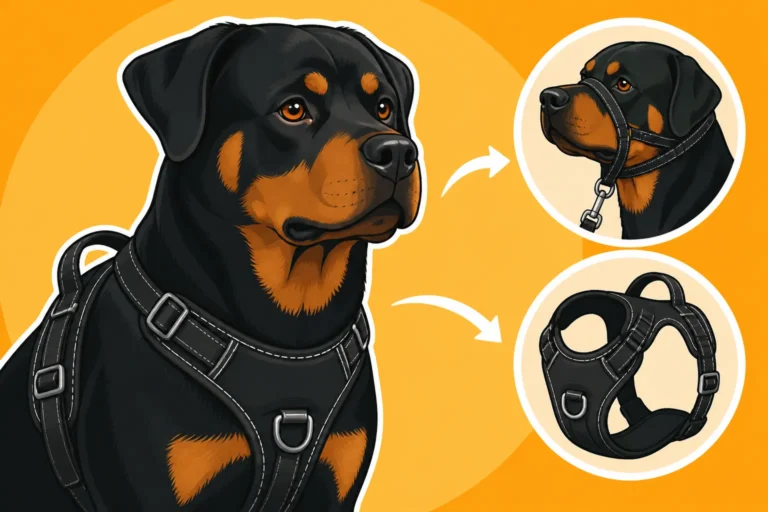
The key to long-term success is to manage every interaction carefully and gradually increase their exposure to each other under strict supervision. Never just throw them into a room together and hope for the best. Start with parallel play or simply existing in the same room, with your Rottweiler on a leash and muzzle (if necessary for safety, especially initially) and the cat in a carrier or on a high perch. Reward your Rottweiler for any calm behavior—a glance at the cat without reacting, lying down, or looking at you.
Gradually, you can reduce the distance or the barriers, but always maintain control of your Rottweiler with a leash or long line. Short, positive sessions are much better than long, stressful ones. The aim is for the cat to become a neutral, uninteresting part of the environment, not a trigger for excitement. This process can take weeks or even months. Remember, you're trying to re-wire deeply ingrained instincts, and that doesn't happen overnight. Slowly increase the time they spend in the same room, always ending the session on a positive note. For tips on introducing dogs to other resident pets, see Introducing a Rottweiler to a Resident Dog.
Reinforcing Calmness and Respectful Interactions
Beyond simply preventing the chase, you want to actively encourage calm and respectful behavior from your Rottweiler around your cat. This means never forcing interactions, especially from the cat’s side. The cat should always have the option to leave or retreat to a safe space.
Teach your Rottweiler a strong "place" command. This involves teaching them to go to a designated bed or mat and stay there until released. Practice this with the cat in the room. When your cat is walking around, direct your Rottweiler to their "place" and reward them for staying calm and ignoring the cat. This teaches them that the cat’s presence doesn’t mean an automatic invitation to chase, but rather an opportunity to be rewarded for maintaining their calm. The BAXTER & Bella program, mentioned earlier, provides excellent guidance on building a solid "place" command and other foundational obedience behaviors that are critical for achieving this level of control. Every time your Rottweiler chooses to ignore the cat, or simply watches without reacting, it's a huge victory that needs to be acknowledged with praise and treats. You are building a new, positive association: "cat = calm behavior = rewards." Teaching a Rottweiler to Settle Indoors can provide additional strategies for promoting quiet, relaxed behavior.
When Professional Help is Needed
There are times when despite your best efforts, the dynamic between your Rottweiler and your cat doesn't improve, or perhaps even worsens. This is not a failure on your part, but an indication that you need to call in the cavalry. A large, powerful dog like a Rottweiler with a strong prey drive can pose a genuine danger to a cat, and if you’re struggling to manage the situation safely, it's time to seek expert help.
Look for a certified professional dog trainer or, ideally, a certified applied animal behaviorist (CAAB or DACVB). Ensure they use positive reinforcement and force-free methods. A trainer who understands breed-specific behaviors and has experience with large dogs and multi-species households will be invaluable. They can assess your specific situation, observe the interactions between your pets, and identify underlying triggers or dynamics you might be missing. They can also create a tailored training plan, guide you through advanced impulse control exercises, and help you implement management strategies more effectively. Don't wait until an incident occurs to seek help. Early intervention from a qualified professional can make all the difference in achieving a peaceful home. Finding a Rottweiler-Experienced Trainer Near You is a good place to start your search for the right kind of professional.
Comparative Body Language Cues
Understanding the subtle (and not-so-subtle) differences in body language is paramount when trying to manage interactions between your Rottweiler and your cat. This table can help you quickly assess the situation.
| Behavior Trait | Playful Chase (Rottweiler) | Predatory Chase (Rottweiler) | Cat's Reaction (General) |
|---|---|---|---|
| Body Posture | Loose, bouncy, play bows, wiggly rear, often inviting | Stiff, low to the ground, head down, focused, deliberate, unyielding | Crouched, flattened ears, puffed tail, trying to escape/hide |
| Tail Movement | High, loose wag, wide arcs | Stiff, held low or straight out, slight tip quiver | Tucked, thrashing, or held high and bristly |
| Eye Gaze | Soft, playful, looking back at owner, broken occasionally | Hard, fixed stare, unblinking, tunnel vision on the cat | Wide, dilated pupils, darting, fixed on dog's movements |
| Mouth/Facial Exp. | Open mouth, "smile," panting, soft and relaxed jaw | Closed or pulled back in a grimace, tight lips, bared teeth | Hissing, spitting, open mouth growl (rare for cats, more defensive) |
| Vocalizations | Playful barks, growls, whines, audible panting | Silent, quiet, or low, guttural growl (less common than play) | Screaming, hissing, growling, silence (fear) |
| Intent | Engagement, fun, roughhousing, shared activity | Capture, subdue, often with specific target (neck/rear) | Escape, defend, avoid conflict |
Disclaimer
This article is for general informational purposes only and does not constitute professional advice. Laws, prices and regulations vary by location and change over time. Consult a qualified professional for guidance on your specific situation.