Rottweiler Car Manners and Loading Up
Oh, the joy of owning a magnificent Rottweiler! They're loyal, loving, and truly part of the family. But then there's the inevitable moment you need to take them somewhere in the car, and suddenly that beautiful bond feels tested. Whether it's a reluctant 100-pound dog bracing their weight against your pull, or a pup who gets sick every time the wheels turn, car travel can be a real headache for many Rottweiler owners. This guide is all about tackling those frustrations head-on, giving you actionable steps and a deeper understanding to make car rides a smooth, positive experience for both you and your big companion.
Why Getting a Rottweiler into the Car Can Be a Challenge
It's easy to feel like your Rottweiler is just being stubborn when they refuse to hop into the car, but there's often more to it than simple defiance. Their size alone presents a physical challenge, but underlying fears or negative past experiences can make the car a truly intimidating place for them. Understanding these root causes is the first step toward finding a solution.
The Root Causes of Car Aversion in Large Dogs
For many dogs, particularly large breeds like Rottweilers, the car isn't always associated with fun trips to the park. Often, the only car rides they experience are to the vet for shots or a check-up, or perhaps a trip to the groomer – experiences that, while necessary, can be stressful. If a dog has had a scary experience, like a sudden stop or being jostled around, that negative memory can stick, turning the car into a source of anxiety. Imagine being a big dog, unable to brace yourself properly, feeling every curve and bump of the road. It can be disorienting and uncomfortable. Some dogs also experience motion sickness, which can be truly miserable, causing them to associate the car with nausea and vomiting. It’s hard to be enthusiastic about something that consistently makes you feel unwell.
Moreover, the sheer act of getting into a car can be physically demanding for a heavy Rottweiler, especially for puppies whose Rottweiler Growth Plates and Why They Close So Late means their joints are still developing, or senior dogs with Senior Rottweiler Mobility Decline. Jumping into a high SUV or truck can be jarring, leading to pain or discomfort that they then associate with the vehicle. If they've ever slipped or scraped themselves while trying to get in, they'll remember that, too. These subtle discomforts, combined with a lack of positive reinforcement, can quickly lead to a strong aversion to car travel.
Overcoming the Physical Hurdle of Their Size
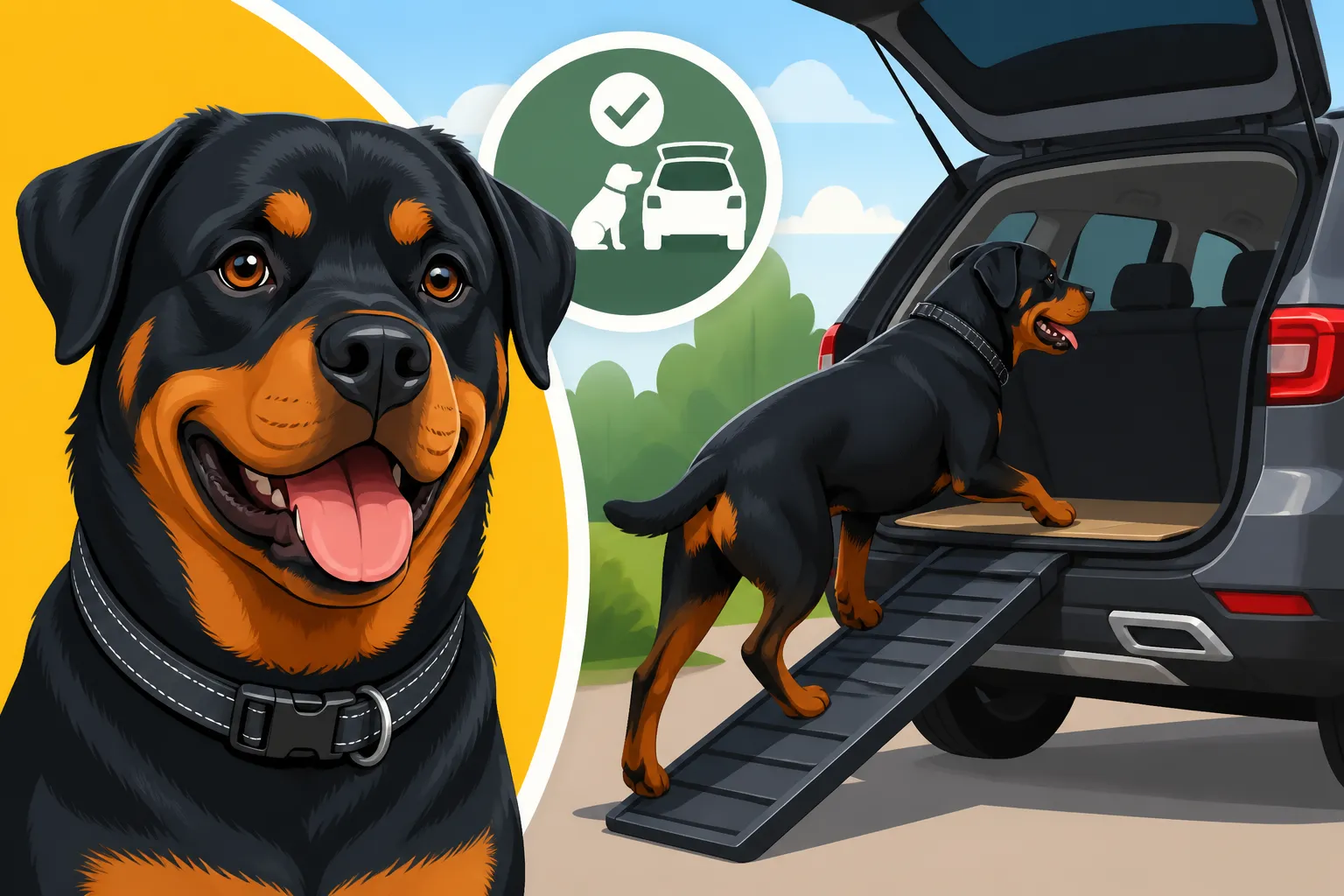
Let's be honest, trying to lift a fully grown Rottweiler into a vehicle is a Herculean task, and it's not safe for you or your dog. Their weight and solid build mean that if they're not willing, it's almost impossible to force them without risking injury. This is where creative solutions become essential. Ramps are a fantastic invention for this exact problem. They provide a gentle incline, allowing your Rottweiler to walk directly into the car without jumping. When choosing a ramp, make sure it's sturdy enough for a dog of their size, has good traction to prevent slips, and is long enough to create a comfortable angle. You can find many options on sites like Amazon.
Another approach, especially for older or arthritic Rottweilers, might involve a mobility sling or harness that allows you to provide support as they step or climb. This isn't about lifting their entire weight, but rather assisting them over the threshold or giving them confidence on a ramp. It turns the act of loading up from a potential struggle into a supported team effort. Remember, the goal is to make the physical act of getting into the car as easy and comfortable as possible, removing any potential for pain or fear that might contribute to their reluctance.
Building Positive Car Associations From the Ground Up
The key to good car manners for your Rottweiler, especially if they're already hesitant, is to associate the car with positive, calm experiences. This isn't a race; it's a marathon of patient, consistent training that gradually builds their confidence and enjoyment. Think of it as slowly changing their perception of the car from a scary metal box to a mobile happy place.
Gradual Introduction to the Vehicle
Start small, really small. Begin by simply walking your Rottweiler on their leash near the parked car. Don't even open the door yet. Reward them with praise and high-value treats for being calm and showing no fear. Once they're comfortable with that, open a door – perhaps the back passenger door or the tailgate if you have an SUV. Let them sniff around the open door, exploring at their own pace. Again, heap on the praise and treats for any curiosity or calm interaction. The goal is to make the car's presence a neutral, then positive, experience.
Next, you can encourage them to get closer, perhaps putting their front paws on the car's floorboard or the edge of a ramp. Don't push them inside. Let them decide when they're ready to take the next step, always rewarding their progress, no matter how small. This step-by-step approach, known as desensitization, helps prevent overwhelming them and ensures they're building positive associations at every stage. For a young dog, this is also a great part of Rottweiler Puppy Training Through the First Year, laying a strong foundation for future travels.
The "All Four Paws In" Training Method
Once your Rottweiler is comfortable approaching the car and perhaps getting their front paws in, the next step is to get all four paws inside. This is where you might introduce a ramp if you haven't already. Place the ramp firmly against the car and guide your dog towards it. Lure them with a favorite toy or a trail of irresistible treats placed along the ramp and then just inside the car. The instant their fourth paw touches the floor of the car, mark the moment with a cheerful "Yes!" or a clicker, and give them a jackpot of treats. Then, immediately let them get out.
The trick here is to make the "getting in" part the rewardable action, and the "getting out" part almost as immediate. You want them to think, "Oh, I get in, I get treats, and then I get to come right back out!" Repeat this many times over several sessions, gradually increasing the time they spend inside the car before being released. You can introduce a favorite chew toy inside the car, or even just sit with them quietly for a few minutes. This method helps build a strong, positive routine without the pressure of a long car ride immediately following. The online training resources from BAXTER & Bella often emphasize these kinds of positive reinforcement techniques for building confidence in new situations.
Utilizing Rewards and Positive Reinforcement
Rewards are your most powerful tool in shaping positive car manners. Don't just use their regular kibble; bring out the really good stuff – bits of cooked chicken, cheese, or special training treats they absolutely adore. Pair these high-value rewards with enthusiastic praise whenever your Rottweiler shows any positive interaction with the car. This could be sniffing the tire calmly, putting a paw on the ramp, or, of course, getting all four paws inside.
Consistency is paramount. Every time you work on car manners, be prepared with your treats and positive attitude. Avoid scolding or forcing them, as this will only reinforce negative associations. If they show reluctance, simply end the session on a neutral note and try again later, perhaps making the task even easier the next time. Patience and positive reinforcement will eventually teach your Rottweiler that the car is a place where good things happen and where they feel safe and confident. Over time, you'll be able to transition from constant treats to intermittent rewards, maintaining the positive association while gradually reducing your reliance on food.
Ensuring Safe and Comfortable Car Travel for Your Rottweiler
Once your Rottweiler is happily loading up, the next critical step is ensuring their safety and comfort during the actual journey. A large, unrestrained dog can become a projectile in an accident, a distraction for the driver, and can be severely injured themselves. Beyond safety, comfort plays a huge role in preventing motion sickness and anxiety.
Choosing the Right Restraint Method
There are several options for restraining a Rottweiler in a car, and the best choice depends on your vehicle, your dog's temperament, and your personal preference.
| Restraint Method | Pros | Cons | Ideal Scenario |
|---|---|---|---|
| Crash-Tested Crate | Highest level of safety in an accident | Takes up significant space; can be heavy; initial training required | SUVs, vans, or trucks with ample cargo space; anxious dogs |
| Seatbelt Harness | Keeps dog secure; allows some movement; less bulky | Not all are crash-tested; can still allow some jostling | Sedans, smaller SUVs; dogs who enjoy looking out; well-behaved dogs |
| Car Barrier | Keeps dog in specific area; allows freedom of movement in the back | No protection in a crash; doesn't prevent projectile movement if dog isn't also secured | Larger cargo areas; dogs who are calm and not prone to jumping into front |
| Travel Kennel | Keeps dog confined; contains mess (vomit/shedding) | May not be crash-tested; can still jostle in accident | Smaller dogs (though large options exist); short trips; puppies |
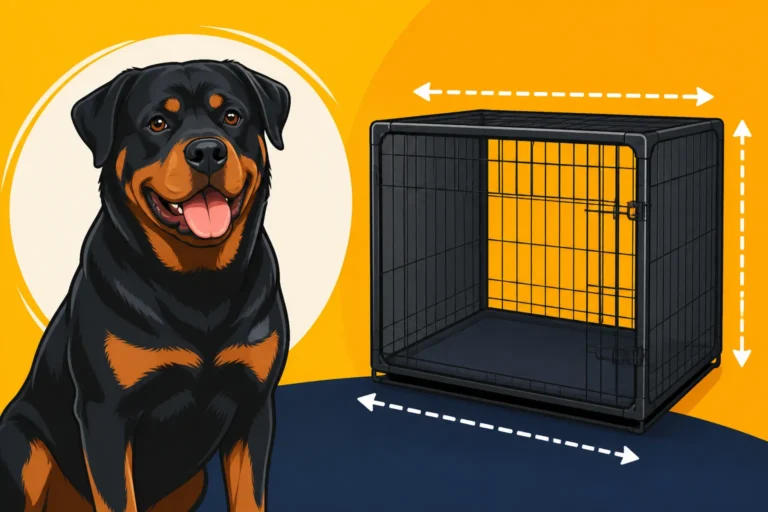
For a Rottweiler, a crash-tested travel crate is often the gold standard for safety. This means the crate has undergone testing to prove it can withstand impact and protect your dog. Look for brands that specifically market their crates as crash-tested. A crate also provides a familiar, den-like space that can reduce anxiety for some dogs. If crating, remember to get a size appropriate for your Rottweiler, allowing them to stand, turn around, and lie down comfortably, but not so large that they can be thrown about inside it. If you have been doing Crating a Rottweiler That Will Triple in Size from a puppy, this might be a natural progression.
If a crate isn't feasible, a crash-tested seatbelt harness is the next best option. These harnesses are designed to attach directly to your car's seatbelt system, keeping your dog secured to the seat. It’s crucial to invest in a crash-tested harness, not just any harness, as many do not offer adequate protection in a collision. These harnesses typically allow your dog to sit or lie down, offering a bit more freedom than a crate while still preventing them from becoming a dangerous distraction or projectile. Look for one that fits your Rottweiler snugly but comfortably to distribute any impact force properly.
Car barriers, which fit behind the front or back seats, can be useful for keeping a large Rottweiler confined to the cargo area or back seat, preventing them from trying to climb into the front. However, a barrier alone does not restrain your dog in the event of an accident; they would still be flung forward, potentially causing injury. Therefore, a barrier should always be used in conjunction with a crate or a seatbelt harness for true safety. Brands like Amazon offer a wide array of options for all these restraint types, so you can find one that fits your budget and specific needs.
Managing Temperature and Airflow
Rottweilers, with their dense black coats, can overheat quickly, especially in a confined space like a car. This is a crucial consideration, particularly on warm days or during long drives. Always ensure adequate ventilation in the vehicle. If your Rottweiler is in the cargo area of an SUV, make sure air conditioning or heat can reach them effectively. You might need to adjust vents to direct airflow towards the back. On hot days, consider using battery-operated fans inside the crate or clipped to the back of the seat to provide extra air circulation.
Never leave your Rottweiler unattended in a car, even for "just a few minutes." The interior temperature can rise or fall dangerously fast, leading to heatstroke or hypothermia. If you must stop for an extended period, take your dog out for a walk in the shade and bring them back into the conditioned air of the car when you resume your journey. Always provide access to fresh water, especially on longer trips. Collapsible bowls are excellent for this and easy to store in the car. For very long drives, consider cooling mats in their crate or even a cooling vest for extra protection against the heat. Heat Tolerance in a Black-Coated Rottweiler is a serious topic, and car travel magnifies the risk.
Essential Gear for Road Trips
Beyond restraints, a few key items can make car travel with your Rottweiler much smoother.
- Water and Bowl: As mentioned, hydration is critical. A spill-proof or collapsible travel bowl and a good supply of fresh water are non-negotiable.
- Favorite Bed or Blanket: Having something familiar that smells like home in their crate or on the seat can provide comfort and reduce anxiety. It also offers padding for a more comfortable ride.
- Chew Toys: Long-lasting chew toys can keep your Rottweiler occupied, reduce boredom, and even help with anxiety during a trip. Choose safe, durable options that won't splinter or pose a choking hazard.
- Waste Bags and Cleaning Supplies: Accidents happen, especially with nervous travelers or long journeys. Always have plenty of waste bags, paper towels, and an enzymatic cleaner on hand for quick clean-ups.
- Emergency Kit: Consider a small emergency kit including basic first aid for dogs, any necessary medications your Rottweiler takes, and contact information for your vet and an emergency vet clinic along your route.
- Sun Shades: For dogs in a cargo area or back seat, window sun shades can help block direct sunlight and keep the space cooler, making the ride more comfortable.
Having these essentials packed and ready will prepare you for common scenarios and help ensure your Rottweiler has the most pleasant and safe journey possible.
Troubleshooting Common Car Behavior Issues
Even with the best training and gear, sometimes specific behavioral challenges crop up during car rides. From motion sickness to excessive barking, these issues can quickly turn a planned outing into a stressful ordeal. Understanding how to address them effectively can save you a lot of grief and ensure future trips are more enjoyable.
Dealing with Motion Sickness and Anxiety
Motion sickness is a common problem, especially in younger Rottweiler puppies, but it can affect adult dogs too. Signs include excessive drooling, lethargy, vomiting, and licking their lips. If you suspect motion sickness, first talk to your vet. They can often prescribe anti-nausea medication specifically for dogs that can make a huge difference. Never give human motion sickness medication without veterinary guidance, as dosages can be dangerous.
For anxiety, which often manifests as whining, pacing, panting, or even destructive behavior in the car, a multi-pronged approach is best. Continue with the positive association training we discussed earlier, even if your dog is an adult. Make short, enjoyable trips to fun places like the dog park (if appropriate for Rottweiler Dog Park Risks at Adult Size) or a favorite walking trail, rather than just the vet. A familiar blanket or toy, as mentioned, can provide comfort. Some owners find pheromone sprays or diffusers designed for dogs helpful in creating a calming environment. ThunderShirts, which apply gentle, constant pressure, can also soothe some anxious dogs. For severe cases of car anxiety, a vet or certified professional dog trainer can offer more advanced behavioral modification techniques or discuss anti-anxiety medications.
Preventing Unwanted Barking and Jumping
A Rottweiler barking excitedly or jumping around in the car can be both distracting and dangerous. To address barking, consider if it's excitement, anxiety, or guarding. If it's excitement, try to preempt it with a quiet toy or chew. If it's anxiety, refer back to the tips for motion sickness and anxiety. If your Rottweiler barks at things outside the window, a car barrier can help limit their view, or you can use a crate cover to create a more enclosed, calming space. For some dogs, a designated Rottweiler Car Barriers and Travel Crates might just do the trick.
Jumping, especially for a large Rottweiler, can be managed effectively with proper restraint. A crate or a secured seatbelt harness will prevent them from moving freely around the car. If your dog jumps up onto the console or tries to get into the front seat, a sturdy barrier between the front and back seats is essential. For dogs that jump into the car too enthusiastically, risking a fall, practice controlled entries using a ramp and rewarding calm, deliberate steps. You can also work on impulse control commands, such as "wait," before they are allowed to enter or exit the vehicle. Rottweiler Impulse Control Games can be adapted to this scenario, teaching them to hold still until given a release cue.
Maintaining Car Cleanliness and Preventing Damage
Let's face it, a Rottweiler, with all their size and fur, can make a mess in a car pretty quickly. Shedding, drool, muddy paws, and occasional accidents are all par for the course. Investing in good car seat covers, cargo liners, or waterproof blankets made for pets is a game-changer. These are especially useful if you often take your Rottweiler on adventures where they might get wet or muddy. Look for durable, washable materials that are easy to remove and clean. Many options are available on Amazon that are designed to fit various car models.
Beyond protecting the interior, regular grooming can help. Brushing your Rottweiler frequently, especially during their twice-yearly shedding seasons, can reduce the amount of loose hair that ends up in your car. Rottweiler Grooming and Shedding Supplies will become your best friend. Keep a small handheld vacuum in your car for quick clean-ups, and always have towels readily available to wipe muddy paws before your dog gets in. For drooling, a small towel draped over their crate or seat cover can catch moisture, or you can gently wipe their mouth periodically. With a little proactive preparation and the right gear, you can keep your car looking much cleaner, even with a big, adventure-loving Rottweiler by your side.
Disclaimer
This article is for general informational purposes only and does not constitute professional advice. Laws, prices and regulations vary by location and change over time. Consult a qualified professional for guidance on your specific situation.