Rottweiler Exercise Around Unclosed Growth Plates
It's incredibly exciting to bring home a Rottweiler puppy, and their boundless energy often makes us eager to play, run, and explore the world with them. But beneath that adorable, clumsy exterior, a young Rottweiler's bones are still forming, and pushing them too hard too soon can lead to lifelong issues. This comprehensive guide will walk you through the critical concept of unclosed growth plates and provide practical advice on how to exercise your growing Rottweiler safely, setting them up for a healthy, active life.
Understanding Rottweiler Growth Plates and Their Vulnerability
When you look at your Rottweiler puppy, it's hard to imagine they're still delicate, especially when they're already bigger than many adult dogs. Yet, their skeleton is a work in progress, and understanding this is the first step in protecting them.
What are Growth Plates and Why They Matter for Large Breeds
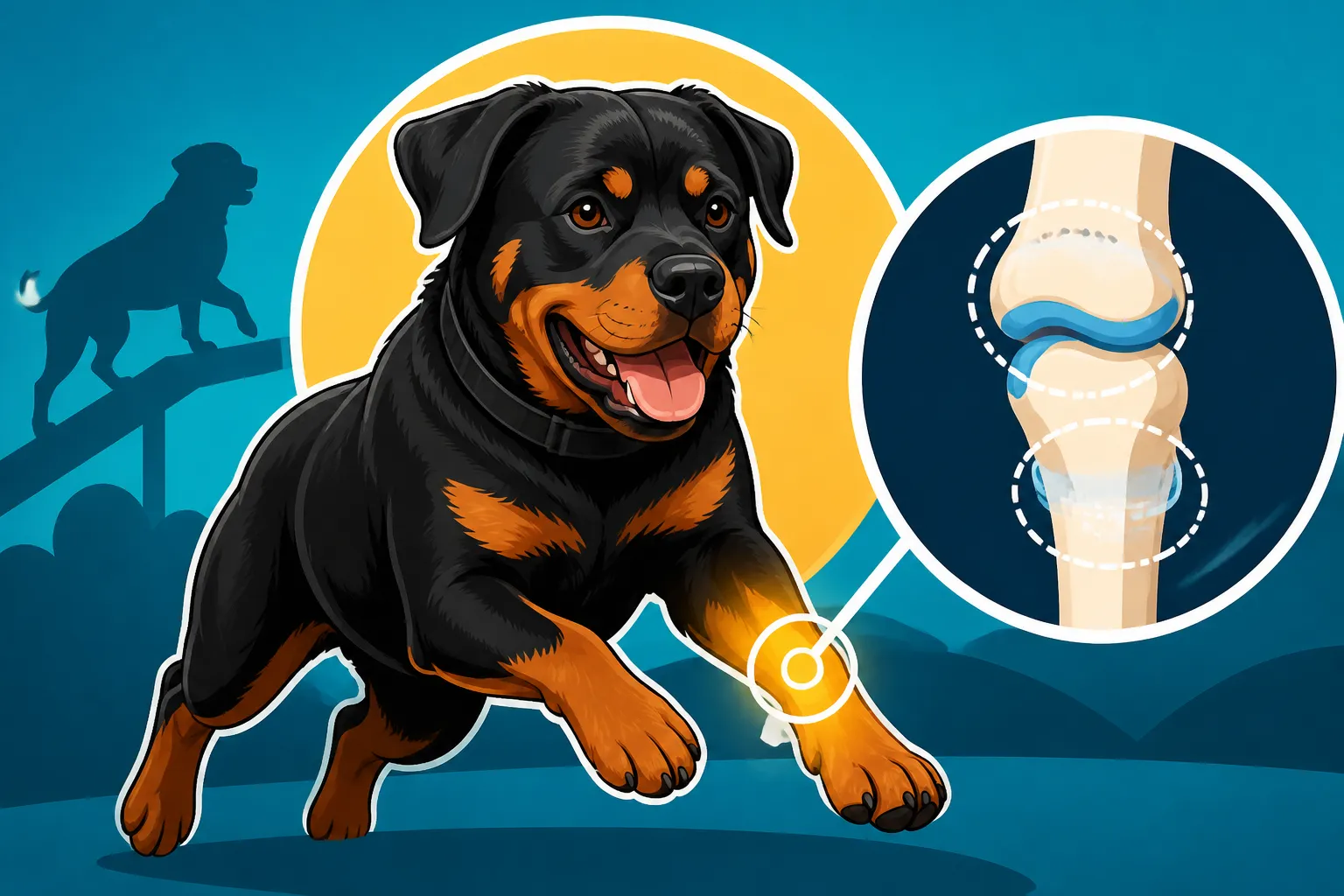
Imagine the long bones in your puppy's legs – the humerus in the front, the femur in the back. At the ends of these bones, there are areas of soft, rapidly growing cartilage called growth plates, or epiphyseal plates. These aren't solid bone yet; they're like the construction zones where new bone cells are constantly being laid down, allowing the bone to lengthen as your puppy grows. They're weaker than the surrounding bone and much more susceptible to injury. For large, fast-growing breeds like Rottweilers, these growth plates are under immense pressure. Their sheer size and rapid weight gain mean that any undue stress or impact can easily damage these delicate areas, potentially leading to fractures, premature closure, or abnormal bone growth. This isn't just a minor tweak; a growth plate injury can permanently affect how your dog's leg develops, causing pain, lameness, and a predisposition to arthritis down the line. It's truly a silent danger that every Rottweiler owner needs to be aware of.
The Extended Growth Period of a Rottweiler
One of the most crucial facts about Rottweilers is that they take a long time to reach skeletal maturity. While a small terrier might be done growing by 8-10 months, a Rottweiler often won't have fully closed growth plates until they are 18 to 24 months old, sometimes even a little later. This extended period means that for nearly two years, your "puppy" still has vulnerable, active growth plates. It's a challenging concept for owners, especially when your 10-month-old Rottie looks and acts like a full-grown dog. You might see other dog breeds of a similar age running and jumping without concern, but your Rottweiler is still technically a delicate growing organism. Pushing them into intense or high-impact activities during this time is like asking a child to lift heavy weights before their bones have fully hardened. This prolonged vulnerability is why patience is not just a virtue but an absolute necessity when it comes to exercising your young Rottweiler. Knowing Rottweiler Growth Plates and Why They Close So Late is key to long-term health.
Common Exercise Mistakes That Harm Growing Rottweilers
It's natural to want to engage your energetic Rottweiler puppy in all sorts of fun activities, but some common types of exercise, even seemingly innocent ones, can be incredibly detrimental to their developing joints.
High-Impact Activities and Repetitive Strain
Many activities that are perfectly fine for an adult dog can be dangerous for a growing Rottweiler. Think about high-impact activities like jumping. Repeatedly jumping off a porch, a bed, or especially out of the back of a truck or SUV can create jarring forces on those open growth plates. Similarly, intense fetch sessions where your puppy is making sharp turns, sudden stops, and leaping for a ball over and over put tremendous strain on their joints, particularly their elbows and hips. Imagine the repetitive impact on a growth plate that's still cartilaginous, not yet solid bone. This constant microtrauma can lead to inflammation, abnormal growth, or even outright fractures of the growth plate itself. Owners often think they're "tiring out" their puppy, but they might inadvertently be causing cumulative damage that won't show up as full-blown lameness until much later, when the damage is already done. This includes any kind of aggressive agility training or competitive sports before their bones are fully mature. If you're wondering what specific activities to avoid, a deeper look into The Exercise That Damages a Growing Rottweiler can offer more clarity.
Over-Exercising and Pushing Past Limits
Another common pitfall is simply doing too much. Your Rottweiler puppy has seemingly endless energy, and it's tempting to think that a longer walk or an extended play session will help them burn it off. However, a puppy's endurance and ability to self-regulate their exercise needs are not the same as an adult dog's. Forcing a puppy to jog alongside you for miles, or to keep up with an older, more developed dog for hours, can quickly lead to exhaustion and strain. They might not show immediate signs of pain, but they could be pushing their developing muscles and joints beyond what's safe. What looks like a happy, tired puppy settling down for a nap could actually be a puppy whose joints are screaming from overuse. This "more is better" mentality can ironically lead to injuries and contribute to the development of painful conditions like hip or elbow dysplasia later in life. It's crucial to remember that quality of exercise, focusing on mental stimulation and low-impact movement, trumps quantity when your Rottweiler is still growing.
Safe and Appropriate Exercise for Rottweiler Puppies
So, if intense play and long runs are out, what can you do to ensure your Rottweiler puppy gets enough exercise without risking their delicate growth plates? The key is moderation, control, and allowing them to set the pace.
The Five-Minute Rule and Controlled Play
A widely accepted guideline for exercising large breed puppies is the "five-minute rule." This means approximately five minutes of structured exercise per month of age, ideally twice a day. So, a 3-month-old puppy would get about 15 minutes of structured activity, and a 6-month-old would get 30 minutes. This isn't counting short trips outside for potty breaks or brief bursts of zoomies in the living room; this is for actual walks or focused play. The focus should be on controlled, low-impact play, like gentle tug-of-war (where you're not yanking them around) or short, slow games of fetch on a soft surface like grass. The idea is to let them move, but not intensely or for extended periods. Supervised free play in a securely fenced yard, where they can run and stop at their own leisure, is often ideal. This allows them to self-regulate their activity levels, taking breaks when they need them. Following The Five Minute Rule for Rottweiler Puppy Walks will help protect their developing joints immensely.
Encouraging Natural Movement and Exploration
Instead of structured, demanding exercise, focus on encouraging natural movement and exploration. Think of it like a "sniff walk" – let your puppy lead the way on a leash in a quiet, safe area. They'll stop, sniff, explore, and move at their own pace. This provides wonderful mental stimulation, which is just as important as physical exercise for a developing brain, without putting undue stress on their joints. Varying the terrain, such as walking on grass, dirt trails, or even sand (if accessible and safe), can help strengthen muscles and tendons in a gentle way, rather than constantly pounding on hard, unforgiving pavement. Avoid long stretches of concrete or asphalt during these walks. Remember, the goal is not to exhaust them physically but to engage their minds and allow for gentle physical activity. Provide plenty of appropriate chew toys, which you can find on sites like Chewy or Amazon, to keep them mentally occupied when physical activity needs to be limited.
Avoiding Joint Stress in Daily Life
Exercise isn't just about walks and play; many daily interactions and environmental factors can also contribute to joint stress for your growing Rottweiler. Being mindful of these can make a huge difference.
Managing Stairs and Jumping Risks
Stairs, while seemingly innocuous, can be a significant source of joint stress for a Rottweiler puppy, particularly before their growth plates have closed. The repetitive impact of going up and down stairs puts strain on their hips, elbows, and shoulders. For very young puppies (up to 4-5 months), it's often best to carry them up and down stairs if possible. As they get a bit older and too heavy to carry, try to limit their stair use, or teach them to go up and down very slowly and deliberately, one step at a time. Using baby gates to block access to staircases can be a lifesaver. Beyond stairs, think about jumping on and off furniture. A sofa or bed might not seem high to us, but for a puppy, that's a considerable drop, and the landing can be hard on their still-forming joints. Encourage them to use ramps if they insist on getting on furniture, or simply teach them to stay off. Every jump avoided is a saved joint. Further insight into Stairs and a Rottweiler Puppy's Joints is worth exploring.
Appropriate Surfaces and Supportive Environments
The surfaces your Rottweiler puppy walks, plays, and rests on can significantly impact their joint health. Hard, slippery floors – like tile, hardwood, or laminate – offer little traction and can cause puppies to slip, splay, and injure themselves, putting rotational forces on their joints that they're not ready for. Consider covering these areas with non-slip rugs or runners, especially in high-traffic zones. When playing outside, prioritize soft surfaces like grass or packed dirt over concrete or asphalt. These softer grounds absorb impact better, cushioning their joints. Indoors, ensure your puppy has access to comfortable, supportive bedding. A firm, orthopedic dog bed can provide excellent support for their growing body, distributing their weight evenly and preventing pressure points that could contribute to joint discomfort. Even just finding a comfy spot on a carpeted area is better than always lying on hard ground. Look for durable, large-breed appropriate beds on sites like Chewy or Amazon.
Monitoring for Signs of Over-Exercise or Injury
Even with the best intentions and careful planning, sometimes a puppy will push themselves too far, or an unforeseen minor incident can cause a problem. Knowing what to look for is critical.
Recognizing Limping, Stiffness, and Pain
Your Rottweiler puppy can't tell you in words if they're in pain, so it's up to you to be a keen observer. Any persistent limping, no matter how slight, is a red flag. Pay attention after periods of rest: does your puppy seem stiff when they first get up? Do they favor a leg, even for just a few steps? Are they reluctant to jump, run, or play in ways they usually enjoy? These are all signs that something might be amiss. Pain can also manifest as subtle behavioral changes – a decreased appetite, unusual lethargy, or even a sudden snap or growl when touched in a certain area. Don't dismiss these signs as just "growing pains" or a minor bump. While puppies can certainly have temporary aches (like Shifting Lameness and Panosteitis in a Rottweiler Puppy), persistent or severe symptoms warrant immediate veterinary attention. Catching an issue early can prevent it from becoming a much larger, more difficult, and more expensive problem down the road.
The Role of a Veterinarian in Joint Health
Your veterinarian is your most important partner in ensuring your Rottweiler's joint health. During your regular puppy check-ups, discuss your exercise routine with them. Be honest about how much activity your puppy is getting and what kinds of surfaces they're on. Your vet can assess your puppy's gait, check their joints for tenderness or instability, and offer tailored advice based on your dog's individual development. If you notice any signs of limping or discomfort, don't hesitate to schedule an appointment. Your vet can perform a thorough physical examination, and if necessary, recommend diagnostic tools like X-rays to check the status of their growth plates or to look for early signs of developmental orthopedic diseases like hip or elbow dysplasia. This proactive approach, with regular vet consultations and quick action on any concerns, is fundamental to protecting your Rottweiler's joints throughout their critical growth period. They can also advise on appropriate joint supplements, like those you might find on Ollie, if they deem them necessary, though generally, a balanced large-breed puppy food should suffice.
Transitioning to Adult Exercise (After Growth Plates Close)
The day your veterinarian confirms your Rottweiler's growth plates have closed is a big milestone! It means you can gradually start expanding their exercise horizons, but "gradual" is still the operative word.
Gradual Increase in Intensity and Duration
Once your vet gives the all-clear, typically around 18-24 months of age, you can begin to slowly increase the intensity and duration of their physical activity. This doesn't mean jumping into marathons or high-level agility overnight! Start by adding a few more minutes to your walks, or introducing short periods of jogging. Monitor your Rottweiler closely for any signs of fatigue, lameness, or discomfort the next day. If they seem stiff or sore, you've done too much, too fast, and need to dial it back. The key is to build their stamina and muscle mass progressively. Think about gradually extending hikes, introducing controlled retrieve games with longer throws, or even trying out some basic obedience work that involves more movement. Remember, their body still needs to adapt to these new demands, and a slow, steady progression is far safer and more effective than a sudden leap. Your patience during puppyhood will now pay off in the form of a dog that can safely enjoy more vigorous activities.
Lifelong Fitness for a Mature Rottweiler
Even as an adult, a Rottweiler benefits most from a well-rounded exercise program that balances physical activity with mental stimulation. While they can now handle more intense workouts, high-impact activities should still be moderated to protect their joints over their lifespan. Excellent choices for lifelong fitness include brisk walks, hiking on varied terrain, and especially swimming, which is fantastic for building muscle and cardiovascular health with minimal joint impact. Activities like Building Adult Rottweiler Fitness Safely are crucial. Puzzle toys, training sessions, and interactive games are still vital for their sharp minds. An adult Rottweiler needs consistency; daily exercise, rather than weekend warrior bursts, will keep their muscles strong and supportive of their joints. This helps manage their weight, too, which is paramount. Even a few extra pounds on a large breed can put significant strain on hips, elbows, and knees, predisposing them to issues like Cruciate Ligament Tears in a Hundred Pound Rottweiler. A well-conditioned Rottweiler is a happier, healthier Rottweiler, less prone to injury and more capable of enjoying their life to the fullest.
The Long-Term Impact of Proper Puppy Exercise
The choices you make about your Rottweiler's exercise during their formative months aren't just about avoiding immediate injury; they lay the foundation for their entire adult life.
Reducing the Risk of Joint Diseases
One of the most profound benefits of careful, growth-plate-conscious exercise is the dramatic reduction in the risk of developing painful and debilitating joint conditions later on. Rottweilers are predisposed to conditions like hip and elbow dysplasia, which are complex, multifactorial diseases influenced by genetics, nutrition, and environmental factors like exercise. By avoiding high-impact activities, repetitive strain, and over-exercising during their growth period, you significantly lessen the stress on those vulnerable joints. This allows the bones to develop properly, forming strong, healthy joints that are less likely to degenerate. While you can't eliminate genetic predispositions entirely, you can certainly mitigate the environmental triggers. Similarly, conditions like Osteochondritis Dissecans in a Rottweiler Shoulder and others are often exacerbated, if not directly caused, by excessive stress on immature joints. Investing patience in their puppyhood exercise routine is perhaps the best preventative medicine you can offer.
A Foundation for a Healthy, Active Life
It's tough to resist the urge to run and play hard with a big, enthusiastic Rottweiler puppy. You want them to be happy, tired, and well-socialized. However, the momentary gratification of an intense play session pales in comparison to the long-term well-being of your beloved companion. By adhering to safe exercise protocols during their crucial growth period, you're not denying them activity; you're building a foundation for a truly active and pain-free life as an adult. A Rottweiler who avoided early joint damage is far more likely to remain agile, mobile, and comfortable well into their senior years. They'll be able to enjoy long walks, hikes, and play without chronic pain, requiring fewer vet visits for joint issues, and generally experiencing a higher quality of life. This patience is a true act of love and commitment, ensuring your Rottweiler can enjoy every single one of their precious Rottweiler Lifespan and the Eight to Ten Year Average.
Here's a quick reference table for appropriate and inappropriate activities:
| Age of Rottweiler Puppy | Appropriate Activities | Inappropriate Activities |
|---|---|---|
| 8 weeks – 4 months | Short, frequent free play in yard; "sniff walks" (5 mins/month of age, 2x/day); indoor play; gentle short retrieves on soft ground. | Long walks or jogs; stairs; jumping off furniture; intense fetch; rough play with adult dogs; dog parks. |
| 4 months – 8 months | Continued short walks/sniff walks (5 mins/month of age, 2x/day); supervised free play; intro to gentle hills (not steep); basic obedience training. | Forced running; high jumps; agility training; prolonged walks on hard surfaces; repetitive strenuous activity. |
| 8 months – 18 months | Moderate walks; controlled off-leash play on soft ground; light hiking (gradual inclines); swimming (supervised); continued obedience. | Forced long-distance running; competitive agility/jumping; intense, sharp turning retrieves; prolonged hard surface activity. |
| 18 months+ (Vet-Cleared) | Gradual increase in all activities; jogging; moderate hikes; light agility if desired (build up slowly); swimming. | Extreme, repetitive high-impact activities that jar joints (still use caution and warm-up/cool-down). |
Disclaimer
This article is for general informational purposes only and does not constitute professional advice. Laws, prices and regulations vary by location and change over time. Consult a qualified professional for guidance on your specific situation.