The Shampoo Volume It Takes to Wash a Rottweiler
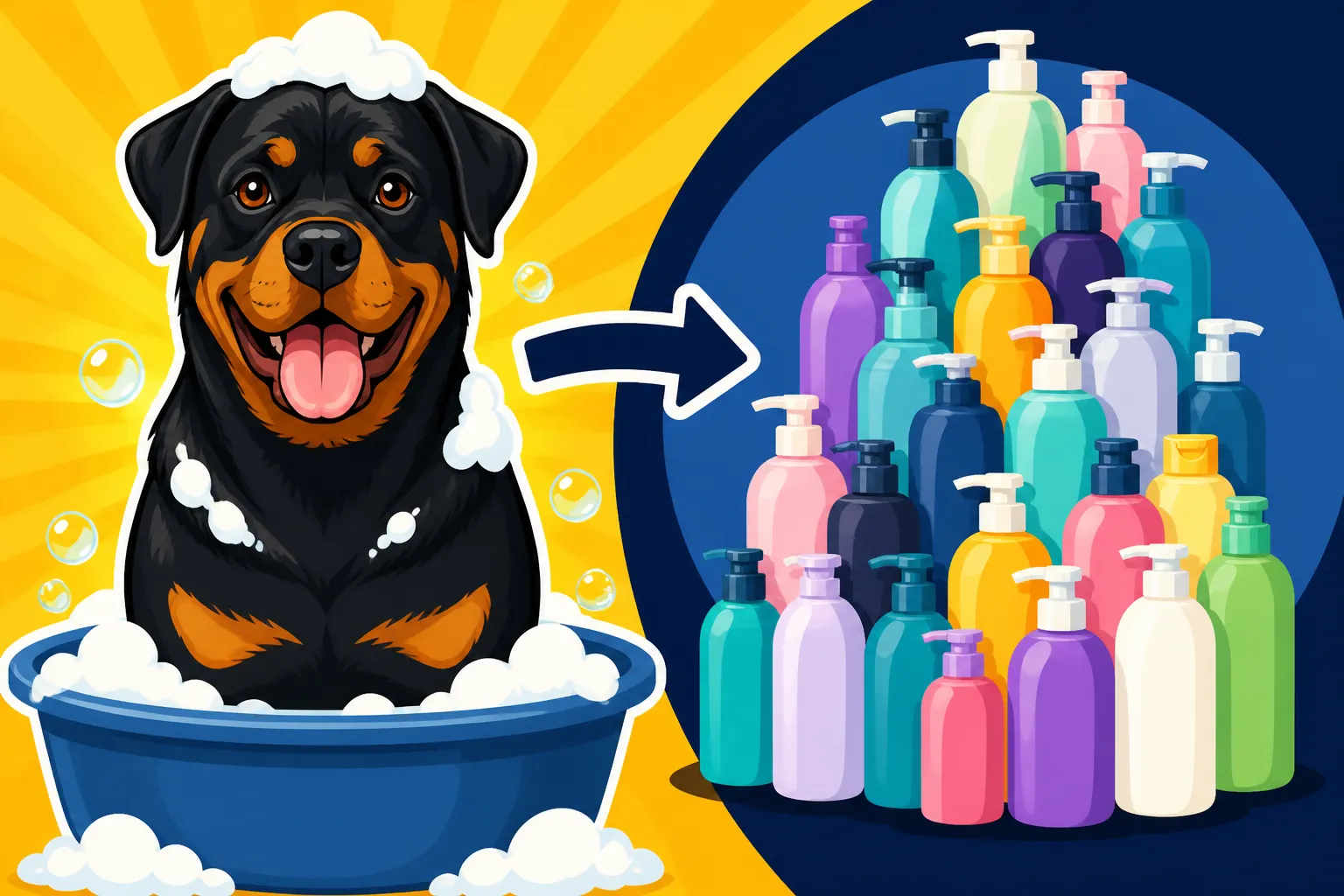
Washing a large, double-coated breed like a Rottweiler can feel like you're trying to shampoo a small horse in your bathtub, and one of the biggest frustrations is never quite knowing how much product you actually need. You want your Rottie to be clean and smell fresh, but you certainly don't want to waste shampoo or, worse, leave them with a dull, sticky, or itchy coat because you didn't use enough or, conversely, couldn't rinse it all out. This guide is here to walk you through how much shampoo it really takes to get your big dog squeaky clean, without the guesswork or the post-bath regrets.
Understanding Your Rottweiler's Coat and Skin Needs
Before we even think about pouring shampoo, it’s crucial to understand what makes your Rottweiler’s coat and skin unique. This isn't just about suds; it's about maintaining their health and comfort. Their magnificent, dense coat is a marvel of nature, but it also comes with its own set of care instructions.
The Double Coat's Role and How It Affects Washing
Rottweilers boast a distinctive double coat. This means they have a relatively short, coarse outer coat that’s designed to repel water and dirt, acting as their first line of defense against the elements. Beneath that, there’s a softer, dense undercoat that provides insulation, keeping them warm in winter and helping to regulate their temperature in summer.
This double layer is what makes washing a Rottweiler a bit more challenging than, say, a smooth-coated terrier. The undercoat can be incredibly dense, especially if you haven't recently given them a good brush. Shampoo needs to penetrate both layers to reach the skin, and then, perhaps even more importantly, every trace of it needs to be rinsed out. If shampoo gets trapped in that dense undercoat, it can lead to skin irritation, dryness, or a dull, greasy residue that actually attracts more dirt. You might think you're using enough, but if it's not truly getting down to the skin, you're missing the point of the bath entirely.
Skin Sensitivity and pH Balance
Beneath that impressive coat lies a Rottweiler's skin, which, like ours, has a natural pH balance. Dogs, generally, have a slightly higher skin pH than humans. Using human shampoo, which is formulated for our more acidic skin, can strip a dog's natural oils, leading to dryness, flakiness, and itching. Imagine how your own skin feels after using a harsh soap; your Rottie experiences something similar.
For this reason, it's vital to choose a shampoo specifically formulated for dogs. These products are designed to be pH-balanced for canine skin, helping to preserve their natural skin barrier and keep it healthy. A healthy skin barrier is crucial for warding off irritants, allergens, and infections. If your Rottweiler already suffers from Rottweiler Allergies and Recurring Skin Infections, choosing a gentle, hypoallergenic, or medicated shampoo is even more important. A good bath should leave their skin feeling calm and hydrated, not stripped and angry.
Seasonal Shedding and Undercoat Blow-Outs
Any Rottweiler owner knows that shedding isn't just a casual affair; it's a lifestyle. Rottweilers typically "blow" their undercoat twice a year, usually in spring and fall. During these periods, you'll find an astonishing amount of fur seemingly everywhere. This is when a bath can be particularly effective, not just for cleaning but for helping to loosen and remove all that dead, shedding hair.
When your Rottweiler is in the midst of one of these epic shedding cycles, you'll likely need more shampoo. The dead undercoat acts like a sponge, absorbing product and making it harder to get a good lather and penetrate to the skin. Pre-bath brushing, as we’ll discuss later, is absolutely critical to remove as much loose hair as possible. If you don't, you'll be washing a matted, furry cloud, and your shampoo will be largely absorbed by hair that's just going to come out anyway. Think of it as trying to clean a clogged drain – you need to remove the obstruction first. This is especially true if you want to tackle Rottweiler Undercoat Shedding Twice a Year.
Estimating Shampoo Volume for a Rottweiler
So, how much shampoo are we actually talking about for a dog that can easily weigh 100 to 130 pounds? There's no single magic number, but we can give you a practical range and some smart tips to stretch your product effectively.
Factors Influencing How Much Shampoo You'll Need
Several variables play into the equation of how much shampoo your big buddy will need for a proper wash:
- Size and Coat Density: This is the most obvious factor. A 90-pound female Rottweiler with a slightly less dense coat might need less than a 120-pound male with an incredibly thick, plush undercoat.
- Dirt Level: Is your Rottie just a little dusty from a stroll, or did they decide to fully immerse themselves in a mud pit worthy of an archaeological dig? Naturally, a heavily soiled coat will require more shampoo to cut through the grime.
- Shampoo Concentration: This is a big one. Some dog shampoos are highly concentrated and designed to be diluted before use, while others are ready-to-use. Always check the label. A concentrated shampoo might seem more expensive initially, but it can last much longer. For example, a 16 oz bottle of a 10:1 concentrated shampoo essentially gives you 160 oz of usable product, making it very economical for a large breed like a Rottweiler.
- Washing Frequency: If you bathe your Rottweiler every few weeks, their coat likely won't be as deeply soiled as a dog bathed every few months. More frequent baths with a gentle shampoo might allow you to use slightly less product each time.
- Pre-Bath Brushing: As mentioned earlier, if you thoroughly brush out all loose fur and debris before the bath, your shampoo will penetrate and lather much more easily, meaning you'll need less of it. This is a game-changer when it comes to Grooming a Rottweiler That Sheds More Than It Looks.
A General Guideline for Rottweiler Shampoo Usage
For an average-sized adult Rottweiler with a moderately dirty coat, you're generally looking at anywhere from 2 to 4 ounces of undiluted, ready-to-use shampoo per bath.
If you're using a concentrated shampoo, the amount will be significantly less for the initial pour, as you'll be mixing it with water. For a 10:1 concentration, you might use 0.5 to 1 ounce of shampoo mixed with 5 to 10 ounces of water to create your washing solution. This usually translates to a small palmful for concentrated products, and a more generous palmful, maybe two, for ready-to-use formulas.
It's helpful to think in terms of "how much to cover effectively" rather than a strict measurement. You want enough to create a good, consistent lather that works its way through the entire coat and reaches the skin. Don't be shy, but don't drown them in it either.
The Importance of Dilution and Lather
Here’s a pro tip that will save you shampoo and get your Rottweiler cleaner: dilute your shampoo before applying it. Even if the bottle doesn't explicitly say "concentrate," most dog shampoos benefit from dilution.
Why dilute?
- Even Distribution: It's much easier to spread a liquid solution evenly over a large, dense coat than a thick blob of shampoo. You'll avoid patches that get too much and others that get too little.
- Better Penetration: Water helps carry the cleansing agents deep into the undercoat, ensuring it reaches the skin.
- Improved Lather: Dilution often helps activate the shampoo, creating a richer, more luxurious lather with less product. This foam is what gently lifts dirt and oils.
- Easier Rinsing: A diluted product is inherently easier to rinse out, reducing the risk of residue build-up that can cause skin irritation or dullness.
A great way to do this is to use a dedicated mixing bottle or even a simple plastic squeeze bottle. Add your estimated amount of shampoo (e.g., 2 ounces of ready-to-use, or 0.5 ounces of concentrate) and then fill the rest with water, shaking gently to mix. A common dilution ratio for many ready-to-use dog shampoos is 1 part shampoo to 4-10 parts water, depending on the product and how dirty your dog is. Experiment to find what works best with your chosen shampoo.
Choosing the Right Shampoo for Your Rottweiler
Just like humans have different hair types and skin needs, so do our dogs. Choosing the right shampoo isn't just about smell; it's about supporting their skin and coat health.
Types of Shampoos and Their Purpose
The pet market is flooded with options, which can be overwhelming. Here’s a breakdown of common types that might be suitable for your Rottweiler:
- General Purpose/Everyday Shampoos: These are great for routine bathing of a healthy dog. They focus on cleansing and leaving the coat fresh. Look for ingredients like oatmeal, aloe vera, or natural oils for conditioning. Many quality options can be found on sites like Chewy or Amazon.
- Deshedding Shampoos: If you're battling a serious undercoat blow-out, a deshedding shampoo can be a lifesaver. These formulations often contain ingredients designed to loosen dead hair and strengthen existing hair, making brushing more effective and reducing the amount of fur left behind. They work hand-in-hand with tools designed to remove the undercoat.
- Sensitive Skin/Hypoallergenic Shampoos: For Rottweilers prone to allergies, dry skin, or itching, a sensitive skin formula is essential. These are typically free of harsh dyes, fragrances, and sulfates. Look for ingredients like oatmeal, tea tree oil (in safe dilutions for dogs), or ceramides to soothe and hydrate. If your Rottie struggles with constant itching or hotspots, this type of shampoo can provide immense relief.
- Medicated Shampoos: If your vet has diagnosed a specific skin condition like bacterial infections, yeast overgrowth, or severe seborrhea, they might prescribe a medicated shampoo. These contain active ingredients (like chlorhexidine, miconazole, or benzoyl peroxide) to target the issue. Always use medicated shampoos exactly as directed by your veterinarian, as they are treatments, not just cleansers.
- Whitening/Brightening Shampoos: While Rottweilers don't have white coats, some owners like to use these to enhance the richness of their black fur and the vibrancy of their rust markings. They often contain optical brighteners or natural blue/purple pigments to counteract dullness.
Ingredients to Look For and Avoid
When you're scanning those ingredient lists, here’s what to keep in mind:
Look For:
- Natural Moisturizers: Oatmeal, aloe vera, shea butter, coconut oil, argan oil. These are wonderful for hydrating skin and leaving the coat soft.
- Gentle Cleansers: Coco-betaine, decyl glucoside. These are plant-derived surfactants that clean effectively without stripping natural oils.
- Vitamins & Fatty Acids: Vitamin E, Omega-3s. These can support skin health and coat luster.
- D-Panthenol: A form of Vitamin B5, it's great for conditioning and strengthening hair.
Avoid (or use with caution):
- Sulfates (SLS/SLES): Sodium Lauryl Sulfate (SLS) and Sodium Laureth Sulfate (SLES) are common foaming agents that can be too harsh for sensitive skin, potentially causing dryness and irritation.
- Artificial Fragrances and Dyes: While a "cherry blossom" scented dog can be pleasant, these are common irritants for sensitive skin. Opt for naturally derived scents or unscented products.
- Parabens: These are preservatives (e.g., methylparaben, propylparaben) that some studies suggest might disrupt hormones. While the evidence in dogs isn't conclusive, many owners prefer to avoid them.
- Phthalates: Often hidden in "fragrance" ingredients, these are another group of chemicals many pet owners try to steer clear of.
Where to Find Quality Rottweiler Shampoos
You've got a couple of excellent avenues for finding the right shampoo:
- Pet Supply Stores: Local pet stores often carry a wide range of dog shampoos and knowledgeable staff who can offer recommendations. Brands like Earthbath, TropiClean, and Burt's Bees are often available.
- Online Retailers: Sites like Chewy are fantastic because they offer a huge selection, often with customer reviews that can be incredibly helpful for seeing how a product performs on different breeds and coat types. You can filter by concerns like "sensitive skin" or "deshedding." Amazon is another excellent resource, offering a vast array of brands and sizes, often with quick shipping. You can find everything from economical gallon-sized concentrates to specialized therapeutic formulas.
- Veterinarian's Office: For medicated shampoos or if your Rottweiler has specific skin issues, your vet is the best resource. They can recommend or prescribe products tailored to your dog's health needs.
Remember, a more expensive shampoo isn't always better, but a very cheap one might contain harsher ingredients. Read reviews, check ingredient lists, and don't be afraid to try a few different options until you find the perfect fit for your Rottie's coat and skin.
The Washing Process: Making Your Shampoo Go Further
It's not just about the volume of shampoo; it's about how you use it. A thoughtful approach to bathing can make your shampoo more effective and the entire experience less stressful for both you and your Rottweiler.
Pre-Washing Preparations
This step is arguably as important as the bath itself, especially for a double-coated breed.
- Thorough Brushing: Before a single drop of water touches your Rottweiler, grab your Undercoat Rakes for a Short Rottweiler Coat and get to work. Brush them thoroughly to remove as much loose hair, mats, and debris as possible. This prevents the shampoo from getting caught in dead fur and allows it to penetrate to the skin more easily. It also saves your drains from clogging! If you skip this, you’ll spend twice as long trying to work shampoo through tangled hair, and you'll use much more product. You might even want to use specialized Rottweiler Grooming and Deshedding Tools for this.
- Gather Your Supplies: Have everything within arm's reach: your diluted shampoo, conditioner (if using), towels (multiple, large ones!), a non-slip mat for the tub, and perhaps even some high-value treats to make the experience positive. You don’t want to be fumbling for a bottle with a wet, slippery Rottweiler.
- Protect Their Ears: Rottweilers have drop ears, which can trap moisture and lead to ear infections if water gets in. Place cotton balls just inside their ear canals to prevent water from entering. Remember to remove them after the bath! For more information on preventing issues, you can check out Rottweiler Ear Care Under a Drop Ear.
- Wet Them Thoroughly: This is critical. Use lukewarm water and make sure your Rottweiler is absolutely saturated down to the skin before applying any shampoo. A strong showerhead or sprayer attachment works wonders for this. This helps open the hair follicles and allows the shampoo to emulsify and spread more effectively. If their coat isn't fully wet, the shampoo won't lather well, and you'll end up using more.
Application Techniques for Even Coverage
Once your Rottweiler is thoroughly soaked, it’s time for the shampoo.
- Start at the Neck, Work Down: Begin by applying your diluted shampoo solution to their neck and shoulders, then work your way down their back, sides, chest, and legs. Save the head and face for last to minimize the chance of water or shampoo getting into their eyes or ears.
- Massage Deeply: Don't just swipe the shampoo over the top coat. Use your fingertips to really massage the shampoo down through the dense undercoat and into the skin. Pay special attention to areas that tend to get dirtier or smellier, like paws, armpits, and under the tail. For the head, use a small amount of shampoo and apply it gently with a washcloth, carefully avoiding the eyes and inside the ears.
- Use a Grooming Brush (Optional but Recommended): A soft rubber curry brush or a grooming mitt can be incredibly helpful here. As you apply the shampoo, use the brush in circular motions. This not only helps distribute the shampoo evenly and work up a rich lather but also aids in loosening more dead hair and stimulating circulation to the skin. This can be especially effective for shedding season and managing Rottweiler Hair Everywhere and How to Manage It.
- Allow Dwell Time (if specified): Some shampoos, especially medicated or deshedding formulas, require a few minutes of "dwell time" to work effectively. Check the label and set a timer if necessary. Don't just rinse immediately.
Rinsing Thoroughly
This is the most crucial step, and often the most overlooked. Residual shampoo can cause skin irritation, dryness, itching, and leave a sticky, dull film on the coat.
- Rinse, Rinse, Rinse: Start rinsing from the top of their head and work your way down. Use lukewarm water and rinse until you think all the shampoo is gone, then rinse for another 2-3 minutes. Seriously.
- Feel for Residue: Run your hands through their coat, feeling for any slippery or sticky patches. Their fur should feel clean and slightly squeaky, not slick. Pay extra attention to the dense areas around their neck, chest, and under their legs, as these are common spots for shampoo to hide.
- Check the Water: The rinse water coming off your Rottweiler should run completely clear. If you see any suds, keep rinsing.
- Consider a Conditioner: After rinsing shampoo, a canine conditioner can help restore moisture, detangle, and add shine. Apply it similarly to shampoo, allow a short dwell time (if recommended), and then rinse thoroughly, again until the water runs clear.
- Towel Dry Vigorously: Once rinsed, get your Rottweiler out of the tub and towel dry them as much as possible. Large, absorbent towels are key. This helps remove excess water, speeds up drying time, and prevents that "wet dog" smell. For tips on managing this massive drying job, check out Drying a Rottweiler After a Bath at Size.
By following these steps, you'll not only use your shampoo more efficiently but also ensure your Rottweiler's coat and skin remain healthy and vibrant.
Here’s a quick overview of common shampoo types and their ideal use for your Rottweiler:
| Shampoo Type | Primary Benefit | When to Use It | Key Ingredients to Look For | Dilution Recommendation (Typical) |
|---|---|---|---|---|
| General Purpose | Cleansing, refreshing, basic conditioning | Routine baths for healthy coats | Oatmeal, aloe vera, gentle cleansers | 1:4 to 1:10 (shampoo:water) |
| Deshedding | Loosens undercoat, reduces shedding | During seasonal coat blow-outs (spring/fall) | Omega fatty acids, natural oils, vitamins | 1:7 to 1:10 (shampoo:water) |
| Sensitive Skin/Hypo | Soothes irritation, moisturizes dry skin | For allergies, itching, flaky skin | Oatmeal, tea tree oil, ceramides, unscented | 1:5 to 1:12 (shampoo:water) |
| Medicated | Treats specific skin conditions (e.g., yeast) | Vet-prescribed for infections, seborrhea | Chlorhexidine, miconazole, benzoyl peroxide | As per vet/label instructions |
| Brightening/Enhancing | Deepens black coat, enhances rust markings | To improve coat appearance, remove dullness | Optical brighteners, blue pigments | 1:4 to 1:8 (shampoo:water) |
Disclaimer
This article is for general informational purposes only and does not constitute professional advice. Laws, prices and regulations vary by location and change over time. Consult a qualified professional for guidance on your specific situation.