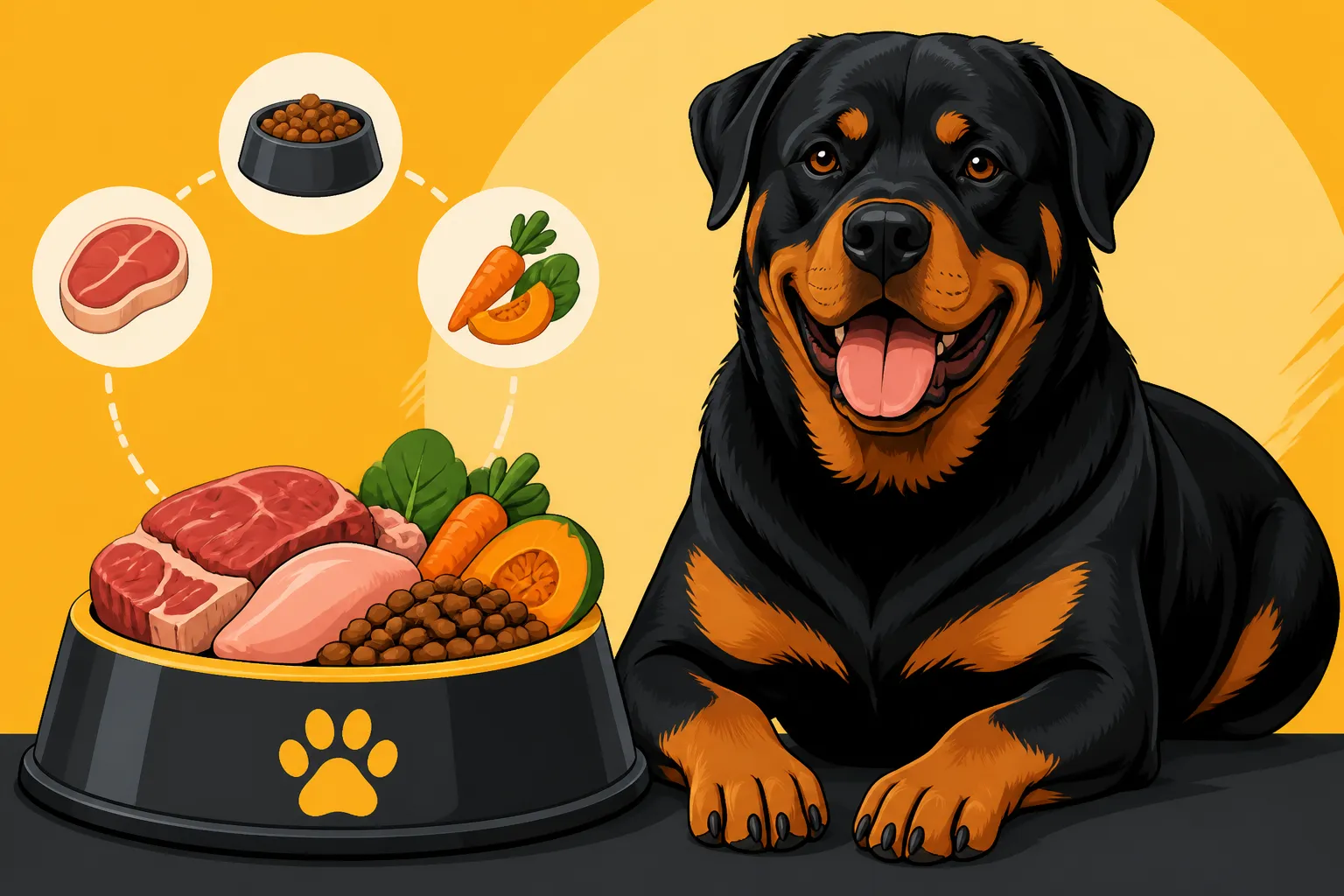
Feeding an Adult Rottweiler at a Hundred Twenty Pounds
Bringing up an adult Rottweiler, especially one that tips the scales around a healthy 120 pounds, is a commitment that extends deeply into their daily meals. It's a common worry among us Rottie parents: are we feeding them enough? Too much? Are they getting the right nutrients to support that powerful physique and robust health? This guide is here to cut through the confusion, offering a comprehensive look at how to properly nourish your magnificent adult Rottweiler for a long, vibrant life.
Understanding Your Adult Rottweiler's Nutritional Needs
When you're looking at a dog as substantial as a 120-pound Rottweiler, it's easy to assume they just need a lot of food. While quantity is certainly a factor, the quality and type of nutrition are even more critical. These aren't just big dogs; they're athletic, muscular, and carry a genetic predisposition to certain health challenges that good nutrition can help mitigate. Their diet needs to support everything from their dense bone structure to their powerful musculature and active minds.
The Metabolism of a Large, Active Breed
Think about the sheer size and muscle mass your Rottweiler carries. That takes a lot of fuel! Even if your adult Rottie isn't a high-energy, constantly-on-the-go type, their basal metabolic rate—the energy they burn just existing—is significant. Active Rottweilers, especially those engaged in regular exercise like long walks, training, or even Rottweiler Carting and Draft Work, will naturally require more calories than a more sedate couch potato. However, it's a delicate balance. Too many calories, and you risk obesity, which puts undue stress on their joints, especially their hips and elbows, which are already prone to issues. Too few, and they won't maintain that impressive muscle tone and may lack energy. We need to aim for a healthy, lean physique where you can easily feel their ribs but not see them protruding.
The metabolism of a large breed also means they process nutrients differently than a smaller dog. Their digestive systems are built to handle larger volumes, but also benefit from consistent, high-quality ingredients that are easily digestible. Sudden changes in diet can often lead to digestive upset, which is why a stable, well-chosen food is paramount. Factors like age also play a huge role; a 3-year-old Rottweiler with a bustling daily routine will have different needs than an 8-year-old who prefers leisurely strolls.
Macronutrient Ratios for Muscle and Energy
For a 120-pound Rottweiler, the macronutrient breakdown – protein, fat, and carbohydrates – needs to be carefully considered. Protein is the cornerstone for maintaining their impressive muscle mass. You're looking for high-quality animal-based protein sources, like chicken, beef, lamb, or fish, as the primary ingredients. A diet with a protein content generally ranging from 22-26% (and sometimes a bit higher for very active dogs) is often recommended for adult Rottweilers. This isn't about throwing cheap fillers at them; it's about providing the amino acids necessary for repair and growth.
Fat is a concentrated source of energy and is crucial for healthy skin, a shiny coat, and the absorption of fat-soluble vitamins. For an adult Rottweiler, a fat content of around 12-18% is usually appropriate, depending on their activity level. Look for healthy fats like chicken fat, salmon oil, or flaxseed oil. Carbohydrates provide quick energy and fiber for digestive health. Complex carbohydrates from sources like sweet potatoes, brown rice, or peas are generally preferred over simple, highly processed grains. The fiber content in quality carbs also contributes to satiety and healthy bowel movements. Balancing these three elements ensures your Rottweiler gets both sustained energy and the building blocks for a strong, healthy body.
The Importance of a Healthy Weight
Maintaining a healthy weight is one of the most critical aspects of Rottweiler Lifespan and the Eight to Ten Year Average. For a 120-pound Rottweiler, an extra five or ten pounds might not seem like much, but it significantly increases the load on their joints, predisposing them to or exacerbating conditions like hip or elbow dysplasia. If your Rottweiler looks thick through the middle, has little to no waist tuck, and you struggle to feel their ribs without pressing, they are likely overweight. This isn't just about aesthetics; it directly impacts their mobility, comfort, and overall health.
Obesity can also contribute to a myriad of other health issues, including heart disease, diabetes, and even certain types of cancer. It can worsen respiratory problems, especially in hot weather, and make them more susceptible to Heat Tolerance in a Black-Coated Rottweiler. A lean, athletic build is the goal. This means regularly assessing their body condition score (BCS). You should be able to feel their ribs easily, see a visible waist when looking down from above, and notice an abdominal tuck when viewed from the side. If you're unsure, your vet can help you assess their BCS and recommend adjustments to their diet and exercise regimen. Getting their weight right is perhaps the single biggest nutritional gift you can give your Rottweiler.
Choosing the Right Food Type for Your Rottweiler
The dog food aisle can feel like a labyrinth, with countless brands and formulations all promising the best for your beloved companion. For a 120-pound Rottweiler, the choice of food type isn't just about what they'll eat, but what will truly nourish them for the long haul. Understanding the differences between kibble, wet, fresh, and raw options can help you make an informed decision that suits your dog's needs and your lifestyle.
Decoding Commercial Dry Kibble Labels
Dry kibble is the most common and often most convenient choice for large breed dogs. For a 120-pound Rottweiler, you'll want to focus on premium large-breed formulas. "Large breed" isn't just a marketing term; these foods are typically formulated with appropriate protein and fat levels, and crucially, balanced calcium-to-phosphorus ratios to support robust bone health without promoting too rapid growth or bone density issues.
When reading labels, look for a named meat source (e.g., "chicken meal," "deboned lamb") as the first ingredient, rather than generic terms like "meat by-products." Whole grains like brown rice or barley, or complex carbohydrates like sweet potatoes, are good indicators of quality. Be wary of excessive fillers, artificial colors, flavors, or preservatives. Brands like Purina Pro Plan, Royal Canin, and Eukanuba often offer specific large breed formulas. Remember, a higher price tag doesn't always guarantee better quality, but extremely cheap foods often rely on low-quality ingredients and fillers. It's a good idea to check reviews and consult with your veterinarian. You can find a wide range of suitable kibbles on platforms like Chewy, making it easier to compare ingredients and prices.
Exploring Wet and Fresh Food Alternatives
Wet food can be a great option, either as a primary diet or as a topper to make kibble more palatable. It's highly hydrating, which can be beneficial for dogs who don't drink enough water. However, due to its high moisture content, you'll need to feed a much larger volume to meet the caloric needs of a 120-pound Rottweiler, which can make it a more expensive option for a full diet. Read wet food labels for similar quality ingredients as kibble: named meat sources, healthy vegetables, and no unnecessary fillers.
Fresh food, often delivered frozen or refrigerated, has gained popularity. Services like Ollie create human-grade meals that are nutritionally balanced and can be highly palatable for even picky eaters. These diets often feature whole ingredients you recognize, like chicken, beef, sweet potatoes, and spinach. The benefits can include improved digestion, better coat health, and easier weight management due to higher moisture content and often fewer processed ingredients. The downside, of course, is the cost and the need for refrigeration. For a 120-pound Rottweiler, this can be a significant investment, but many owners find the health benefits worth it. These types of diets are generally very carefully portioned, which can take the guesswork out of Measuring Rottweiler Food by Weight Not Cups.
Raw Feeding Considerations and Risks
Raw feeding, or the Biologically Appropriate Raw Food (BARF) diet, involves feeding uncooked meat, bones, organs, and sometimes fruits and vegetables. Proponents argue it's a more natural diet, akin to what a dog's wild ancestors would eat, leading to better digestion, cleaner teeth, and superior coat health. For a large, powerful breed like a Rottweiler, the idea of feeding whole bones can seem appealing, but it carries significant risks if not done correctly.
If you choose to go the raw route, it's absolutely crucial to consult with a veterinary nutritionist to ensure the diet is complete and balanced. Simply throwing raw meat at your dog can lead to severe nutritional deficiencies or excesses. Bones, while natural, can pose choking hazards or cause internal damage if not appropriately sized and type. Raw meat can also carry bacteria like Salmonella, which can be dangerous for both your dog and your family. Commercial raw diets, often found frozen, are formulated to be balanced and mitigate some risks, but strict hygiene practices are still paramount. Always supervise your Rottweiler when feeding raw bones. For many, the complexities and potential risks make commercial kibble or fresh-cooked diets a safer and more manageable option.
| Food Type | Pros | Cons | Best For |
|---|---|---|---|
| Dry Kibble | Convenient, cost-effective, long shelf-life, wide availability | Lower moisture, some brands use fillers, palatability varies | Most owners, budget-conscious, those seeking convenience, active Rottweilers |
| Wet Food | High moisture, palatable, good for picky eaters | Expensive as a sole diet for large dogs, shorter shelf-life once opened | Toppers, dogs needing extra hydration, picky eaters, dental issues |
| Fresh Food | Human-grade ingredients, highly palatable, improved digestion/coat | High cost, requires refrigeration, short shelf-life | Owners prioritizing "human-grade" food, dogs with sensitivities, good budget |
| Raw Diet | "Natural" appeal, potential health benefits (proponents) | High risk of imbalance/bacteria, choking hazards, very time-consuming | Experienced owners, those working with vet nutritionists, strict hygiene |
Calculating Daily Caloric Intake and Portion Control
Getting the right amount of food for your 120-pound Rottweiler is more art than science, requiring observation, adjustment, and a good understanding of their individual needs. There's no single magic number, as every dog is unique. Overfeeding is as detrimental as underfeeding, especially for a large breed with potential joint issues.
Factors Influencing Calorie Requirements
Several key factors determine how many calories your 120-pound Rottweiler needs daily.
- Activity Level: This is perhaps the biggest differentiator. A Rottweiler that has two long, brisk walks a day, plays fetch for an hour, and regularly participates in demanding training like obedience or Rottweiler Protection Sport and Whether to Do It will burn significantly more calories than one who enjoys shorter, more leisurely strolls and spends most of the day lounging. If your dog is a working dog or an avid hiker, their caloric needs will be on the higher end. Conversely, a less active dog will need fewer calories to avoid weight gain.
- Age: Puppy Rottweilers have very high caloric needs for growth, but their diet needs to be carefully controlled to prevent too rapid growth. Adult Rottweilers typically hit their peak caloric needs between 2-6 years of age, depending on activity. As your Rottie enters their senior years (around 7+), their metabolism often slows down, and their activity may decrease, meaning their caloric needs will drop. Senior Rottweiler Feeding and Mobility requires specific adjustments.
- Metabolism: Just like people, dogs have individual metabolic rates. Some Rottweilers are naturally "hard keepers" who struggle to maintain weight, while others seem to gain weight just looking at food. You'll get to know your dog's unique metabolism over time.
- Health Status: Certain health conditions can affect caloric needs. A dog recovering from surgery or illness might need more calories for healing, while one with thyroid issues might need fewer. Pregnant or lactating females also have dramatically increased requirements. Always consult your vet if your dog has an underlying health condition that might impact their diet.
- Reproductive Status: Neutered or spayed Rottweilers often have a slightly lower metabolic rate than intact dogs, making them more prone to weight gain if their caloric intake isn't adjusted. This is why Rottweiler Weight Gain After Neutering is a common concern.
A general guideline for adult dogs is often around 20-30 calories per pound of body weight per day, but this is a very broad estimate. For a 120-pound Rottweiler, this could mean anywhere from 2400 to 3600 calories. However, always defer to the feeding guidelines on your specific dog food bag, which are usually a good starting point, and then adjust based on your dog's body condition.
How to Measure Food Accurately (Weight vs. Volume)
Precision in feeding is paramount, especially for a large breed where an extra half-cup of kibble daily can add up to significant weight gain over weeks. Measuring by volume (e.g., using a measuring cup) can be surprisingly inaccurate. The density of kibble varies greatly between brands, and even how tightly you pack a cup can alter the actual amount.
The most accurate way to portion your Rottweiler's food is by weight, using a kitchen scale. Most quality dog food brands provide feeding guidelines in grams or ounces, or you can easily convert the cup recommendation to weight. For instance, if your dog food suggests 3 cups, weigh out 3 cups once to find its average weight in grams, and then always measure by that weight. This ensures consistency and helps you make precise adjustments. A digital kitchen scale is a small investment that pays off in your Rottweiler's long-term health. Keep the scoop for things like scooping poop, but for food, grab that scale!
Adjusting Portions for Weight Management
Once you have a starting point for feeding, the real work begins: observation and adjustment. Your Rottweiler's body condition score (BCS) is your best friend here.
- Assess Regularly: At least once a month, stand over your Rottweiler and look down. Do you see a definite waist? Run your hands over their sides. Can you easily feel their ribs without pressing hard? Can you feel their spine and hip bones without them protruding?
- If Overweight: If you're struggling to feel ribs, or they look round in the middle, it's time to reduce their daily intake. Start by cutting their portion by about 10-15%. Don't drop it drastically, as sudden caloric restriction can be unhealthy. Increase their exercise slightly if possible. Re-evaluate their BCS in 2-4 weeks. Slow and steady weight loss is key, aiming for about 1-2% of their body weight per week. Remember, How Fast a Hundred Thirty Pound Rottweiler Can Lose should be a gradual process to avoid stress on their body.
- If Underweight: If ribs, spine, or hip bones are too prominent, or they seem lacking in muscle mass, increase their portion by 10-15%. Ensure they aren't suffering from an underlying health issue contributing to weight loss, so a vet check is always wise if they're unexpectedly thin.
- Consistency: Try to stick to the same food type and brand for a while before making major changes, as frequent food switches can upset their digestion. When changing foods, always do so gradually over 7-10 days, mixing increasing amounts of the new food with decreasing amounts of the old.
Maintaining a healthy weight for your Rottweiler is an ongoing process that requires your attentive participation, but it's one of the most impactful things you can do for their joint health and overall well-being.
Meal Timing and Feeding Practices to Prevent Bloat
Bloat, or Gastric Dilatation-Volvulus (GDV), is a terrifying, life-threatening condition for deep-chested breeds like Rottweilers. The stomach fills with gas and can twist, cutting off blood supply and quickly becoming fatal. While the exact causes aren't fully understood, feeding practices play a significant role in mitigating risk. As a Rottweiler owner, understanding and implementing preventive feeding strategies is non-negotiable.
The Critical Role of Multiple Meals Per Day
Feeding a large volume of food in a single sitting is one of the most commonly cited risk factors for bloat. When a large amount of food and often air are ingested rapidly, the stomach can expand dramatically, increasing the likelihood of it twisting. Therefore, for a 120-pound Rottweiler, splitting their daily ration into at least two, preferably three, smaller meals is strongly recommended.
Imagine trying to pack all your daily groceries into one small bag versus spreading them out into three bigger ones – the latter is much less likely to burst or become unwieldy. The same principle applies here. Smaller, more frequent meals reduce the amount of food in the stomach at any one time, lessening the chance of excessive gas buildup and gastric distention. This not only helps reduce bloat risk but can also improve digestion and nutrient absorption. For active dogs, three meals can also help maintain more consistent energy levels throughout the day. This simple change, Splitting a Rottweiler's Ration Across the Day, is one of the easiest and most effective preventive measures you can take.
Rest Before and After Meals
Another critical piece of the bloat prevention puzzle is managing your Rottweiler's activity around meal times. Vigorous exercise, excitement, or even rough play immediately before or after eating can significantly increase the risk of bloat. The consensus among veterinarians and experienced Rottweiler owners is to enforce a period of calm before and especially after meals.
This means no strenuous exercise, running, jumping, or intense play for at least an hour before and two hours after your Rottweiler eats. Some owners even extend this to three hours post-meal for extra caution. Why? Exercise can cause increased air swallowing, and the jostling of the stomach can make it more prone to twisting if it's full. Think about how uncomfortable you'd be running a marathon right after a huge Thanksgiving dinner! Encourage your Rottweiler to relax in their crate or a quiet spot during these critical windows. A short, calm leash walk to relieve themselves before eating is fine, but save the zoomies and vigorous playtime for a few hours after digestion has had a chance to begin. For more details, you can explore How Long to Wait After a Rottweiler Meal Before Exercise.
The Debated Role of Raised Bowls
The topic of raised food bowls for bloat prevention is one that sparks a lot of discussion and has seen shifting advice over the years. For a long time, it was believed that raised bowls would reduce the risk of bloat by making it easier for large dogs to eat without gulping air. However, more recent studies and veterinary consensus have largely contradicted this, with some even suggesting that raised bowls might increase the risk in certain large breeds.
The theory now is that when a dog eats from a raised bowl, they might actually gulp down more air because of their posture, or the altered angle could affect stomach positioning in a way that predisposes to torsion. So, what's a Rottweiler owner to do? Given the current understanding, most veterinarians now recommend feeding your Rottweiler at ground level. If your dog has orthopedic issues, such as severe Rottweiler Hip Dysplasia and the OFA Grade or neck pain that makes eating from the floor difficult, a raised bowl might still be necessary for their comfort. In such cases, discuss with your vet and be extra diligent about other bloat prevention strategies like multiple small meals and rest periods. The key takeaway here is that while raised bowls were once thought to be helpful, current evidence suggests sticking to ground-level feeding for most Rottweilers.
Essential Supplements and When They Might Be Needed
Even with a high-quality, balanced diet, some Rottweilers can benefit from targeted supplements. These aren't magic bullets, and they should never replace a good diet, but they can provide extra support for common large-breed vulnerabilities or address specific needs. Always consult your veterinarian before adding any new supplement to your 120-pound Rottweiler's regimen, especially since incorrect dosing or unnecessary supplementation can do more harm than good.
Joint Health: Glucosamine and Chondroitin
Rottweilers, magnificent as they are, are unfortunately prone to joint issues, with hip and elbow dysplasia being significant concerns. The sheer weight they carry puts tremendous stress on their cartilage and joints over their lifetime. This is where joint supplements, primarily glucosamine and chondroitin, often come into play.
These compounds are natural components of healthy cartilage. Glucosamine helps support cartilage repair and maintenance, while chondroitin aids in cartilage elasticity and acts as a shock absorber. Many veterinarians recommend starting these supplements proactively, sometimes even before a Rottweiler turns two, as a preventative measure. Look for products that combine both glucosamine hydrochloride and chondroitin sulfate, often with added ingredients like MSM (Methylsulfonylmethane) for anti-inflammatory benefits or hyaluronic acid for joint lubrication. While they won't cure existing dysplasia, they can help slow its progression, reduce inflammation, and improve comfort, especially in aging Rottweilers or those showing early signs of stiffness or Rottweiler Hip Dysplasia Symptoms Before Age Two. Brands like Nutramax's Dasuquin or Cosequin are popular choices and are readily available on platforms like Amazon or Chewy. Remember, consistency is key; these supplements often take several weeks to show noticeable effects.
Omega Fatty Acids for Skin and Coat
If your 120-pound Rottweiler suffers from dry, flaky skin, dull coat, or allergies, omega-3 and omega-6 fatty acid supplements might be beneficial. Omega-3s, particularly EPA and DHA found in fish oil, are powerful anti-inflammatory agents. They can help reduce the itching and irritation associated with Rottweiler Skin Allergies and Recurring Skin Infections, improve coat luster, and support overall skin barrier health. They also have benefits for heart health and cognitive function, especially in Senior Rottweiler Care After the Age of Seven.
Omega-6 fatty acids are also important, but most commercial dog foods contain sufficient levels. The key is the balance between omega-3 and omega-6. While some foods may have added fish oil, a separate supplement ensures consistent dosing. Look for high-quality fish oil (like salmon, sardine, or anchovy oil) that is molecularly distilled to remove toxins. Again, check with your vet for appropriate dosing based on your Rottweiler's weight. Some dogs respond dramatically with a shinier coat and less itching, demonstrating how critical these "good fats" are for their skin and fur.
Probiotics and Digestive Aids
Digestive upset in a large breed like a Rottweiler can be a messy and uncomfortable affair for everyone involved. If your Rottweiler experiences recurring soft stools, gas, or has a sensitive stomach, probiotics or digestive enzymes might offer relief. Probiotics introduce beneficial bacteria to the gut, helping to rebalance the microbiome, which can be disrupted by stress, antibiotics, or dietary changes. This can lead to improved stool quality and better nutrient absorption.
Digestive enzymes, on the other hand, assist in breaking down food components (proteins, fats, carbohydrates), which can be particularly helpful for dogs with pancreatic insufficiency or those who struggle to digest certain ingredients. If your Rottweiler frequently has Rottweiler Flatulence and Diet Changes, a probiotic might be a good first step. Look for supplements specifically formulated for dogs, containing multiple strains of live, active bacteria. These are often given during or after a course of antibiotics, during periods of stress, or simply as a daily maintenance supplement for sensitive dogs. As always, consult your vet to rule out any underlying medical conditions causing digestive issues before starting supplements.
Treats, Chews, and "Human Food" Guidelines
We all love to spoil our Rottweilers, and treats are a big part of that bond. For a 120-pound dog, treats can add up quickly, both in calories and cost! It’s important to choose wisely, ensuring they are healthy, safe, and don't undermine their carefully balanced main diet. And when it comes to sharing your own plate, knowing what's safe and what's absolutely forbidden is crucial.
Healthy Training Treats and Chew Options
When you have a 120-pound Rottweiler, a tiny treat just won't cut it for motivation! However, even larger treats need to be healthy and calorie-conscious. For training, opt for small, high-value, easily digestible treats. Cooked chicken breast, bits of cheese, or commercially made training treats designed to be low-calorie and breakable are excellent choices. Many trainers use freeze-dried liver or lung for their strong scent and palatability. Remember, the goal is often frequent rewards during training, so calorie count per piece really matters. Treat Allowance for a Rottweiler in Daily Training should always be factored into their overall daily caloric intake.
For longer-lasting chews, select options that are durable but don't pose a risk of cracking teeth. Hard nylon chews, Kongs stuffed with peanut butter (xylitol-free!), or durable rubber toys are usually safe. Be cautious with extremely hard natural bones, antlers, or hooves, as a Rottweiler's powerful jaws can easily break them, leading to tooth fractures or choking hazards. If offering real bones, ensure they are raw, appropriately sized, and always supervised. Cooked bones are brittle and should be avoided entirely. Regular dental chews can help with plaque, but don't replace brushing. For more on safe chews, check out Chews That Do Not Crack a Rottweiler Molar.
Safe Fruits, Vegetables, and Table Scraps
Sharing healthy "human food" can be a wonderful way to bond with your Rottweiler and add some variety and nutrients to their diet, as long as you stick to safe options and moderation.
Safe Fruits (in moderation):
- Apples: (remove core and seeds, which contain cyanide)
- Bananas: (small pieces, high in sugar)
- Blueberries/Strawberries/Raspberries: Excellent antioxidants
- Cantaloupe/Watermelon: (remove seeds and rind)
Safe Vegetables (cooked and plain are best):
- Carrots: Great for crunch and dental health
- Green Beans: Low calorie, good fiber
- Broccoli/Cauliflower: (small amounts, can cause gas)
- Sweet Potatoes: (cooked, plain, excellent fiber)
- Pumpkin: (canned, plain, pureed – great for digestive upset)
Small amounts of plain cooked meat: Chicken, turkey, beef, or fish (boneless and unseasoned) can be a high-value treat. Plain, unsweetened yogurt or cottage cheese can also be given in small quantities.
Always introduce new foods slowly and in small amounts to avoid digestive upset. Remember, these are treats, not meal replacements, so they should make up no more than 10% of your Rottweiler's daily caloric intake.
Foods That are Absolutely Off-Limits
Knowing what not to feed your Rottweiler is just as important, if not more, than knowing what's safe. Many common human foods are toxic or dangerous to dogs and can lead to severe illness or even death.
- Chocolate: Contains theobromine, which is toxic to dogs. Darker chocolate is more dangerous.
- Grapes & Raisins: Can cause acute kidney failure in dogs, even in small amounts. The exact toxic mechanism is unknown.
- Xylitol: An artificial sweetener found in sugar-free gum, candy, peanut butter, and baked goods. Highly toxic, causing rapid insulin release leading to hypoglycemia and potential liver failure.
- Onions, Garlic, Chives, Leeks: All members of the Allium family are toxic, causing red blood cell damage (hemolytic anemia). Garlic is more potent than onion.
- Avocado: Contains persin, which can be toxic to dogs in large quantities, especially the pit and skin.
- Alcohol: Extremely toxic and can cause serious health issues.
- Caffeine: Found in coffee, tea, energy drinks. Stimulates the nervous system and heart.
- Macadamia Nuts: Can cause weakness, vomiting, tremors, and hyperthermia.
- Cooked Bones: Become brittle and can splinter, causing choking or internal damage.
- Fatty Foods/Gravy: Can cause pancreatitis, especially in large amounts.
- Yeast Dough: Can expand in the stomach, causing pain and potentially bloat.
- Salt: Large amounts can lead to sodium ion poisoning.
Always keep these foods out of your Rottweiler's reach. If you suspect your Rottweiler has ingested a toxic substance, contact your veterinarian or an animal poison control center immediately. The First Call When a Rottweiler Swallows Something can make all the difference.
Addressing Common Feeding Challenges
Even with the best intentions and the highest quality food, feeding an adult 120-pound Rottweiler can present its own set of challenges. From sudden pickiness to unexpected weight gain or frustrating allergies, these issues require patience, detective work, and often, veterinary guidance.
When Your Rottweiler Is a Picky Eater
It can be baffling and frustrating when your big, hungry-looking Rottweiler suddenly turns their nose up at their food. While it's easy to assume they're just being spoiled, it's crucial to rule out underlying health issues first. A sudden loss of appetite, especially if accompanied by other symptoms like lethargy, vomiting, or diarrhea, warrants an immediate vet visit. Dental pain, stomach upset, or a more serious illness could be the culprit.
If your vet gives a clean bill of health, then you might be dealing with simple pickiness or boredom. Rottweilers can sometimes be creatures of habit, but they can also get tired of the same old thing. Here are a few strategies:
- Structure Meals: Don't leave food down all day. Offer meals for 15-20 minutes, then pick up anything uneaten. This teaches them to eat when food is available.
- Enhance Palatability: Try adding a small amount of warm water or low-sodium broth to kibble. A spoon of plain canned pumpkin or yogurt can also make it more appealing. Mixing in a bit of wet food or a fresh food topper (like those from Ollie) can also entice them.
- Rotate Proteins: If you're feeding a single protein source continuously, consider rotating to a different protein (e.g., from chicken to lamb) within the same brand or a similar high-quality brand. This can introduce novelty and prevent nutrient imbalances.
- Avoid Begging: Don't give in to begging for human food if it means they won't eat their own. This reinforces picky behavior. Your Rottweiler won't starve themselves, eventually, they will eat.
Patience is key. Your Rottweiler will eat when they're truly hungry, and being firm about meal structure will help establish healthy eating habits.
Tackling Unwanted Weight Gain
Weight gain in a 120-pound Rottweiler is a serious concern that demands prompt attention, as it directly impacts their joint health and overall longevity. It often creeps up slowly, making it hard to notice until it's become a significant problem.
- Accurate Assessment: First, objectively assess their body condition score with your vet. Establish a target weight.
- Calorie Audit: Take an honest look at everything your Rottweiler eats: meals, treats, chews, and any "human food." You might be surprised how quickly calories add up. Are you weighing their food or just scooping? Measuring by weight is far more accurate for Daily Calories for a Hundred Twenty Pound Rottweiler.
- Reduce Portions Gradually: Don't drastically cut calories, as this can lead to nutritional deficiencies or rebound weight gain. Aim for a 10-15% reduction in their daily food intake. For example, if they're currently eating 6 cups, reduce to 5 or 5.5 cups.
- Increase Activity Safely: Work with your vet to gradually increase their exercise. For an overweight Rottweiler, high-impact activities might be too much for their joints. Focus on longer, consistent walks, swimming (low impact!), or gentle play sessions. How Far an Adult Rottweiler Should Walk is important to consider.
- Switch to a Weight Management Formula: Some veterinary-prescribed or over-the-counter weight management foods are specifically formulated to be lower in calories and higher in fiber to promote satiety while aiding weight loss. These can be very effective for a Rottweiler that is struggling to shed pounds.
- Rule Out Medical Causes: Occasionally, weight gain can be due to medical conditions like hypothyroidism. Your vet can run blood tests to rule these out, which is why a vet check is always the first step in addressing persistent weight issues.
Navigating Food Allergies and Sensitivities
Food allergies and sensitivities in Rottweilers can manifest in various ways, most commonly as skin issues (itching, redness, recurrent ear infections, hot spots) or digestive problems (vomiting, diarrhea, excessive gas). Identifying the culprit can be a lengthy process requiring dedication and careful observation.
- Consult Your Vet: The first step is always to rule out other causes for symptoms, such as environmental allergies, parasites, or other medical conditions. Your vet will guide you through the diagnostic process.
- Elimination Diet: This is the gold standard for diagnosing food allergies. It involves feeding your Rottweiler a novel protein (one they've never eaten before, like duck, venison, or rabbit) and a novel carbohydrate (like potato or pea) for at least 8-12 weeks. During this time, absolutely no other foods, treats, or flavored medications are allowed. The goal is to eliminate all potential allergens from their diet. This is where brands offering specific limited-ingredient diets, sometimes found on Chewy or specialty pet stores, can be invaluable.
- Reintroduction: After the elimination phase, if symptoms improve, you'll slowly reintroduce old ingredients one by one, monitoring for a return of symptoms. If symptoms reappear after reintroducing chicken, for example, then chicken is likely an allergen.
- Hypoallergenic Diets: If a specific allergen is identified, your vet might recommend a prescription hypoallergenic diet, which often uses hydrolyzed proteins (proteins broken down into molecules too small to trigger an immune response) or a limited ingredient diet free from the identified allergen.
- Patience and Consistency: Elimination diets require immense patience and strict adherence. Even a tiny piece of an allergenic food can sabotage the entire process. But successfully identifying and avoiding food allergens can dramatically improve your Rottweiler's quality of life. For more depth on this, consider exploring Eight Weeks of Elimination Diet for a Rottweiler.
Disclaimer
This article is for general informational purposes only and does not constitute professional advice. Laws, prices and regulations vary by location and change over time. Consult a qualified professional for guidance on your specific situation.