A Rottweiler That Herds Running Children
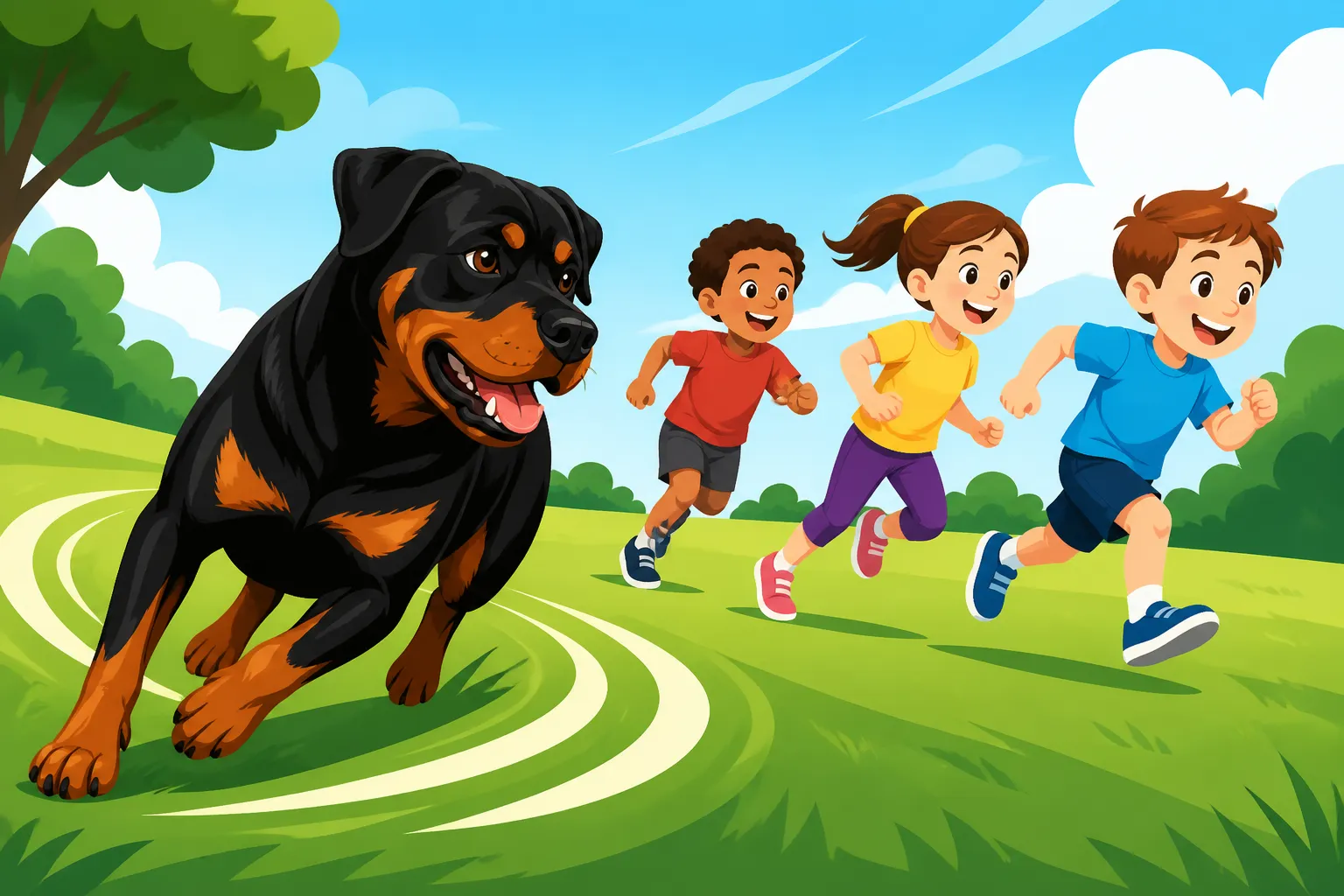
It’s a scenario many Rottweiler owners, especially those with young, active children, have faced: your kids are running, laughing, chasing each other in the yard, and suddenly, your big, lovable Rottie is right there, bumping them, circling, trying to gather them together. While it might seem like playful involvement, this isn't always ideal. This guide will delve into why your Rottweiler might be herding running children, what those behaviors look like, and most importantly, how to manage and redirect this strong, innate instinct to ensure safety and harmony for everyone in the family.
Understanding the Rottweiler's Herding Instinct
When we talk about a Rottweiler's "herding instinct," it might sound a bit odd, considering they're not typically classified as a herding breed like a Border Collie or Australian Shepherd. However, Rottweilers carry a deep historical legacy as working dogs, specifically as drover dogs, which is closely related to herding, but with a unique twist. They were bred to move large livestock, often cattle, from one place to another, and that involved a lot of bumping, body blocking, and guiding.
The Drover Dog Legacy
Think back to the Roman Empire. The ancestors of modern Rottweilers were powerful dogs that accompanied Roman legions, helping to drive and guard their cattle herds across vast distances. When the Romans settled in the area around Rottweil, Germany, these dogs stayed, becoming invaluable to local butchers and cattle dealers. These "Metzgerhunds," or butcher's dogs, were responsible for driving cattle to market, protecting them from bandits, and even guarding the butcher's money tied around their necks. This wasn't about the delicate, wide-ranging herding of sheep; it was about moving large, strong animals using intimidation, presence, and physical contact. You can imagine a hundred-pound dog using its body to physically guide a cow – that's the ancestral blueprint we're talking about. This historical job explains why a Rottweiler often uses its weight and physical presence to influence movement. For more on their origins, check out The Roman Drover Dogs Behind the Rottweiler.
When children run, especially with quick, darting movements, it can unconsciously trigger this ancient instinct within your Rottweiler. They might perceive the running children as "straying livestock" that need to be gathered, contained, or moved in a certain direction. It’s not malicious; it's instinctual, a relic of their original purpose. They aren't trying to hurt anyone; they're trying to do a job they were bred for over centuries.
Why Running Triggers the Instinct
The rapid, unpredictable movement of running children often mimics the very stimuli that would have triggered a drover dog's instinct to control and direct livestock. Imagine a calf breaking from the herd and sprinting across a field; a Rottweiler's ancestor would have immediately sprung into action to intercept and redirect it. The same visual and auditory cues—the quick motion, the high-pitched sounds of excitement, the general chaos of playful children—can be potent triggers for your modern-day Rottweiler.
It's less about the size of the "prey" and more about the pattern of movement. Small, fast-moving objects are often seen as something to be pursued and controlled. This isn't just limited to children; some Rottweilers might try to herd other pets, or even adults who are running or jogging. It's a drive to impose order on perceived disarray. This is why proper socialization and impulse control training are so vital from a young age, so your Rottie learns what is appropriate to "herd" and what isn't. The early weeks and months are crucial for shaping these innate drives into acceptable behaviors, as discussed in Rottweiler Puppy Training Through the First Year.
Recognizing Herding Behavior in Your Rottweiler
So, what exactly does this herding behavior look like when it manifests with children? It's not always a full-on chase scene; it can be much more subtle, especially at first. Knowing what to look for is the first step in managing it effectively.
The Nudge, Bump, and Body Block
One of the most common ways a Rottweiler expresses its drover instinct is through physical contact. You might see your dog:
- Nudging: Gently (or not so gently) pushing a child with its nose or shoulder to change their direction. This is often an attempt to steer them back towards a perceived "group" or away from a boundary.
- Bumping: Using its sturdy body to physically bump a running child, effectively cutting off their path or making them change direction. This can be startling for a child and, given a Rottweiler's size, can easily knock them off balance.
- Body Blocking: Positioning itself directly in a child's path, forcing them to stop or go around the dog. This is a very direct way of controlling movement, just as they would have blocked a cow from straying. A Rottweiler using its weight to prevent movement is a classic sign of this instinct at play, something you might also see if they're trying to keep you from leaving a room, as described in A Rottweiler That Body Blocks a Doorway.
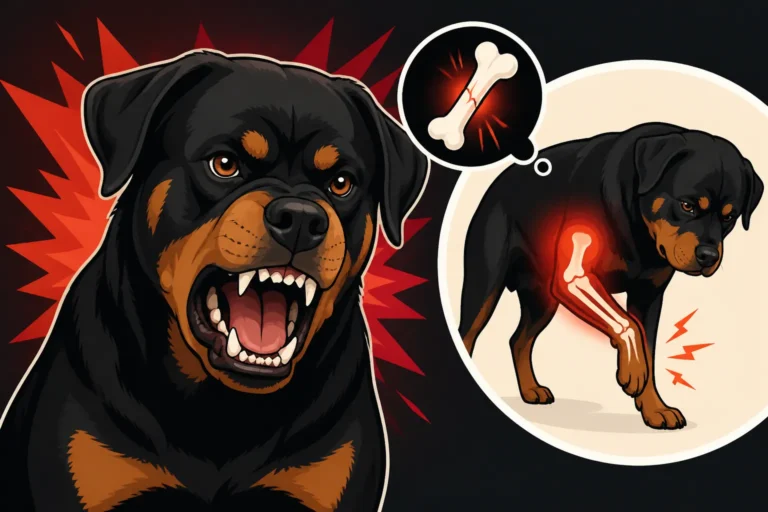
These actions, while perhaps not intended to harm, can easily cause a child to stumble and fall. A Rottweiler is a large, powerful dog, and even a well-intentioned bump can result in scrapes, bruises, or worse. The sheer force behind a Rottweiler’s 100+ pound frame is significant, making even playful interactions require careful supervision.
Chasing and Circling
Beyond the physical contact, herding behavior can also involve more dynamic movements:
- Chasing: Your Rottweiler might actively pursue a child who is running, often with an intense focus. This isn't usually aggressive chasing, but rather a "rounding up" behavior, similar to how a herding dog might chase a straggling sheep. The dog is trying to get ahead of the "prey" to turn it back.
- Circling: Once they've caught up, or if children are running in an open space, your Rottweiler might run in wide arcs around them, trying to gather them into a tighter group. This is another classic herding maneuver, creating a boundary with their own body language and movement. It's an attempt to maintain control and keep the "herd" together.
It's important to differentiate this from purely predatory chasing, which would involve more intense body language, such as a low crouch, intense stare, and a drive to catch and grip. While herding chasing can still be alarming, it typically lacks the intent to injure. However, the line can be blurry, and any intense chasing behavior, especially involving children, must be taken seriously and managed. Even though it's instinctual, it's still a behavior that needs guidance and training.
Why This Behavior Can Be Problematic Even if Well-Intentioned
It's easy to dismiss these behaviors as simply a dog playing, especially if your Rottweiler generally has a wonderful temperament. After all, they’re just trying to keep everyone together, right? But even with the best intentions, a Rottweiler's herding instinct can lead to genuine problems and safety concerns.
Accidental Injuries and Scares
The most immediate concern is the risk of accidental injury. A Rottweiler, even a young one, carries significant weight and momentum. Imagine a 100-pound dog bumping into a 40-pound child who is running at full speed. The child is almost certainly going to lose their balance and fall. Falls can lead to:
- Scrapes and Bruises: Common but still unpleasant.
- Sprains and Fractures: A hard fall on an arm or leg, especially on uneven ground, can be serious.
- Head Injuries: A child falling backward and hitting their head is a grave concern.
- Fright and Trauma: Even if not physically injured, a child being repeatedly knocked over or chased by a large dog can develop a fear of dogs, or even their own family pet. This can damage the bond between child and dog, and make future interactions tense and difficult.
It's not about malice; it's about physics. A large, powerful dog cannot interact with a small, fragile child without inherent risks, regardless of its intentions. This is why managing a Rottweiler's interactions with children is paramount, particularly around high-energy play. We touched on this concept generally in A Rottweiler Puppy That Will Outweigh the Children.
Misinterpretation by Others
Beyond the direct risk to your own children, your Rottweiler's herding behavior can be easily misinterpreted by others. A stranger seeing a large Rottweiler chasing and bumping a running child might not understand the subtle nuances of "herding." They might see it as:
- Aggression: A dog actively pursuing a child could be mistaken for an attack, leading to panicked reactions from onlookers, or even legal repercussions in some areas.
- Lack of Control: Even if they don't perceive aggression, people might assume you have poor control over your dog, reinforcing negative stereotypes about the breed. This can lead to complaints, neighborhood tensions, or even challenges with homeowners insurance, which often has specific clauses regarding certain breeds.
- Fear and Avoidance: Other parents might be hesitant to allow their children to play at your house, or they might actively steer clear of you and your dog on walks, even if your Rottweiler is generally well-behaved.
This misinterpretation is particularly tough for Rottweiler owners, as the breed often battles unfair stereotypes. It's our responsibility to ensure our dogs' behavior is impeccable in public and around children, not just for safety, but to advocate for the breed. What might seem like harmless fun to you could look very different to a concerned outsider.
Proactive Training and Management Strategies
So, what can you do to manage this strong, innate herding drive? The key is to be proactive and consistent. You want to teach your Rottweiler appropriate boundaries and redirect their instincts into acceptable outlets.
Consistent Supervision and Redirection
This is perhaps the single most important strategy, especially when your children are young or when guests are present. Never assume your Rottweiler will instinctively know how to interact safely with running children.
- Active Supervision: Always be present and engaged when your Rottweiler is around children, particularly when active play is happening. This means watching them, not just being in the same room. A moment of distraction is all it takes for an accident to happen. If you can't actively supervise, it's best to separate the dog and children.
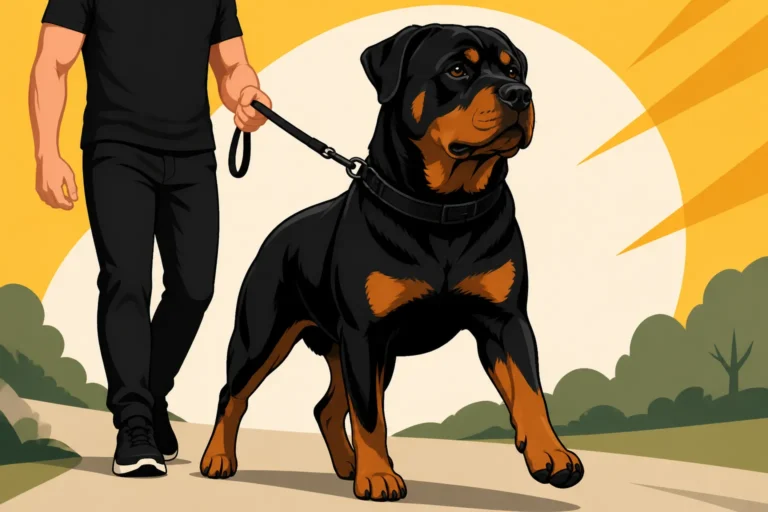
- Leash Management: When children are running, consider keeping your Rottweiler on a leash, even indoors or in a fenced yard. A house line, a light leash that drags, can give you immediate control to prevent chasing or bumping. You can find durable leashes and harnesses for a dog of your Rottweiler's size on platforms like Amazon.
- Immediate Redirection: The moment you see your Rottweiler starting to show signs of herding (intense focus on running children, lowering its head, starting to move towards them), immediately interrupt and redirect.
- Verbal Interruption: A firm "No!" or "Leave it!" can work.
- Recall: If your Rottweiler has a strong recall, call them to you for a reward. Rottweiler Recall Training That Holds is essential here.
- Alternative Activity: Offer a designated toy, a puzzle feeder, or ask for a simple obedience command like "sit" or "down." The goal is to break their focus on the running children and engage them in something else.
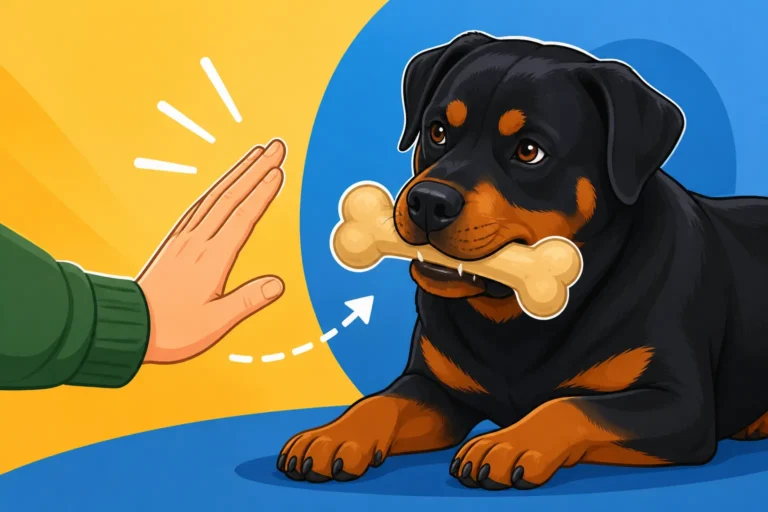
- Positive Reinforcement: When your Rottweiler ignores running children or chooses to lie down calmly nearby, reward them generously with praise, a favorite treat, or a quiet chew toy. You want to reinforce the calm, non-herding behavior.
Consistency is vital. Every time the behavior happens and isn't redirected, it becomes more ingrained. Think of it as teaching your dog that "running children are not for herding."
Teaching Impulse Control and Alternative Behaviors
Training your Rottweiler in basic obedience and advanced impulse control is crucial. This gives you the tools to manage their instincts and helps them make better choices.
- "Leave It" Command: This command is invaluable. Practice it regularly with high-value distractions, starting simple and gradually increasing difficulty. You want your dog to understand that "leave it" means to disengage from whatever they are focused on. This is not just for food on the ground, but for running squirrels, other dogs, and yes, running children.
- "Stay" or "Place" Command: Teaching your Rottweiler to "stay" on a mat or in a designated "place" is a fantastic way to manage their energy and prevent them from engaging in herding behaviors. When the children are playing, you can send your Rottie to their place with a long-lasting chew or Kong toy. This creates a safe space for both dog and child. The BAXTER & Bella online puppy school often emphasizes these foundational commands, which are critical for large breeds.
- Structured Play: Instead of allowing chaotic free-for-all play with children, engage your Rottweiler in structured activities that satisfy their desire to work and move.
- Fetch or Tug: These games can burn off energy in a controlled way.
- Training Sessions: Short, fun obedience sessions where they earn rewards for good behavior.
- Scent Work or Puzzle Toys: Mental stimulation can be just as tiring as physical exercise and helps redirect their focus.
- Desensitization and Counter-Conditioning: This involves gradually exposing your Rottweiler to running children in a controlled way, while consistently rewarding calm behavior. Start at a distance where your dog notices the running but doesn't react. Reward profusely for calm. Slowly decrease the distance over many sessions, always rewarding relaxation and disengagement. The goal is to change their emotional response from "I need to herd that" to "I can be calm around that, and good things happen."
Creating Safe Play Zones
Sometimes, the best strategy is to prevent the situation altogether. Setting up physical boundaries can ensure everyone's safety and peace of mind.
- Physical Barriers: Utilize baby gates or dog gates to create separate play zones for children and your Rottweiler. This allows children to run freely without triggering your dog's instincts, and it gives your dog a quiet space away from the commotion.
- Designated "Dog-Free" Areas: Establish certain areas of the house or yard as off-limits to your Rottweiler when children are present and active. This might be a playroom or a specific section of the yard.
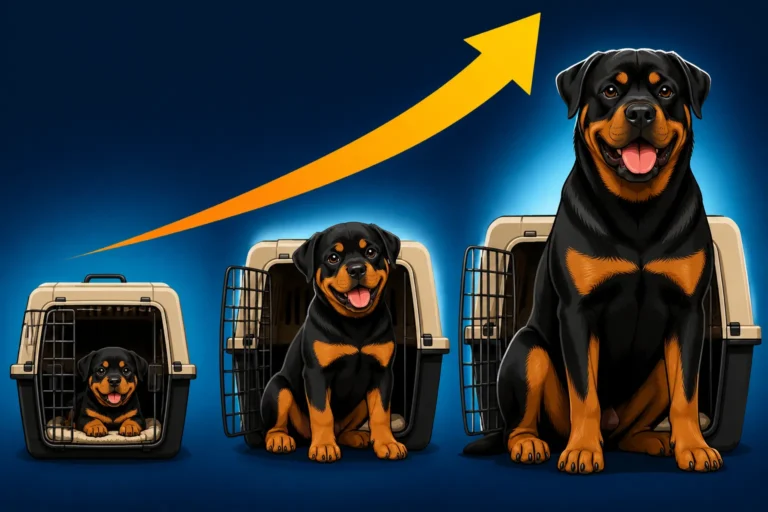
- Crate Training: A well-crate-trained Rottweiler will see their crate as a safe den. This can be an invaluable tool when children are over-excited or when you can't provide full supervision. A comfortable, appropriately sized crate from a brand like MidWest Homes for Pets (available on Amazon) can offer a secure retreat. Ensure the crate is large enough for your Rottweiler to stand, turn around, and lie down comfortably, as detailed in The Crate Size a Hundred Twenty Pound Rottweiler Needs.
- Scheduled "Quiet Time": Incorporate periods of calm into your family's routine. This could mean quiet reading time for children while your Rottweiler is napping or chewing a bone in their crate. Teaching your Rottweiler to settle indoors is a valuable skill for any busy household, something discussed in Teaching a Rottweiler to Settle Indoors.
By implementing these strategies, you're not just curbing an unwanted behavior; you're teaching your Rottweiler how to live harmoniously within a family setting, redirecting their powerful instincts into positive, acceptable channels. It takes patience, consistency, and understanding, but the payoff is a safe, happy home for both your two-legged and four-legged family members.
| Herding Behavior Observed | What It Looks Like | Why It's Problematic | Management & Training Response |
|---|---|---|---|
| Nudging/Bumping Running Children | Dog uses nose or body to push or block a child's path. | Can cause falls, injury, and fear in children. | Immediate "Leave it!", leash correction, redirect to a toy or "place" command. Reward calm. |
| Chasing Running Children | Dog actively pursues a child, often at high speed, to "round them up." | Risk of accidental collision, can be perceived as aggression by others. | Interrupt with strong recall, put on leash, redirect to fetch/tug game, teach strong "stay" command. |
| Circling Running Children | Dog runs in wide arcs around children, attempting to gather them into a group. | Can create a sense of being trapped, potential for accidental trips. | Create physical barriers, use "place" command, provide a long-lasting chew in a designated safe space. |
| Intense Stare/Fixed Focus | Dog locks eyes on a running child with unwavering attention. | Precedes active herding, indicates high arousal and intent to engage. | Intercept early, use "look at me" command to break focus, provide alternative mental stimulation (puzzle). |
Disclaimer
This article is for general informational purposes only and does not constitute professional advice. Laws, prices and regulations vary by location and change over time. Consult a qualified professional for guidance on your specific situation.