Heeling a Rottweiler Beside a Stroller
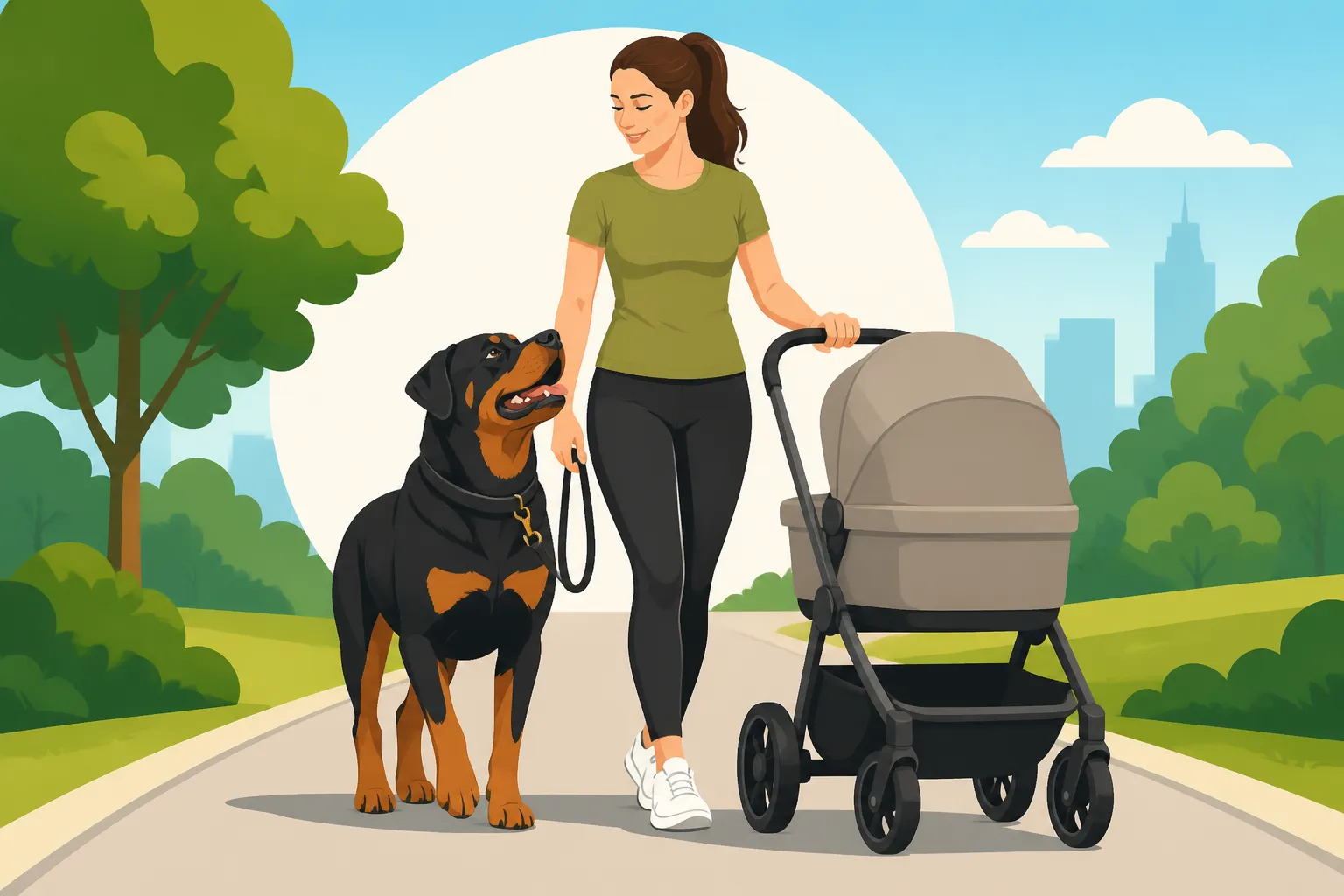
Bringing a new baby or having a small child means adapting to a whole new rhythm of life, and for many Rottweiler owners, a huge challenge is figuring out how to safely and comfortably walk your powerful dog right alongside a stroller. The thought of your strong, protective companion suddenly lunging or pulling, potentially tipping over that precious cargo, is enough to make anyone anxious, and it often leads to frustration or even giving up on walks together. This guide will walk you through the careful steps and dedicated training needed to achieve a calm, controlled heel with your Rottweiler, ensuring enjoyable and safe outings for the entire family.
The Unique Challenges of Stroller Heeling with a Rottweiler
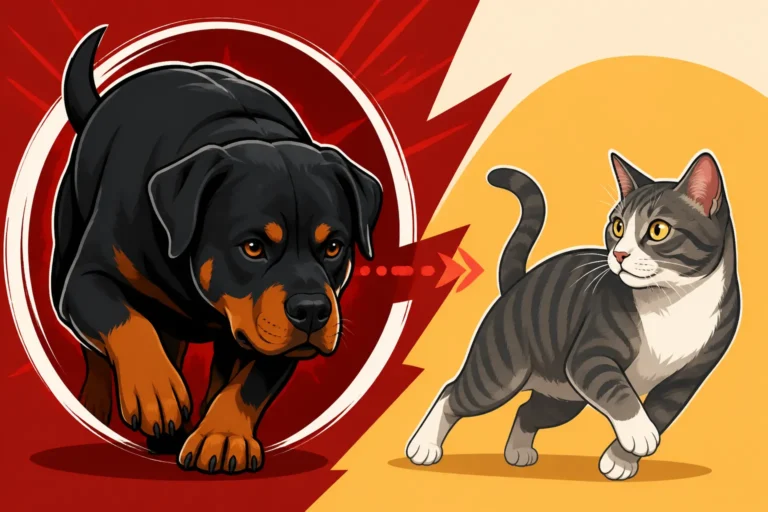
Let's be real, walking a Rottweiler is already a commitment. They're big, they're strong, and they were bred for work that involved moving livestock. Adding a stroller into that equation introduces a whole new layer of complexity, not just for you but for your dog, too. It’s not just about a dog being well-behaved; it's about managing significant power and a protective instinct around something incredibly vulnerable.
The Power Dynamic: Your Rottweiler's Sheer Strength Against Your Own
Anyone who has ever walked a full-grown Rottweiler knows their strength. A male can easily hit 120 pounds or more, and even a female can outweigh a small adult. Imagine that force applied to a leash when they see a squirrel, another dog, or simply get a burst of excitement. Now imagine that scenario when your other hand is pushing a stroller. The leverage is terrible, your balance is compromised, and the risk of being pulled off your feet, or worse, having the stroller destabilized, becomes very real. This isn't just a matter of inconvenience; it's a matter of safety for you and the person or child in the stroller. You can't just 'out-muscle' a Rottweiler if they decide to bolt. This is why sheer obedience and control are paramount, far beyond what might be acceptable for a smaller, less powerful breed. Teaching a Rottweiler Not to Pull at 110 Pounds is a skill you absolutely must master before even thinking about combining the walk with a stroller.
Safety First: Protecting the Precious Cargo and Everyone Involved
The number one priority when heeling a Rottweiler beside a stroller is the safety of the person or child in the stroller. This isn't just about preventing physical harm from a sudden pull; it's also about preventing psychological stress. A dog that is constantly lunging, barking, or creating chaos can be frightening for a child, and even a well-meaning nudge from a large dog can feel overwhelming to a small one. Then there's the stroller itself. Depending on its design, it might not be built to withstand a heavy dog pulling against it, or the sudden stops and starts that can happen during an uncontrolled walk. You need to ensure your Rottweiler is not only physically restrained but also mentally calm and focused on you, not the environment, and certainly not the stroller itself as a toy or a target for curiosity.
Building the Essential Foundation Skills
Before you even think about bringing the stroller into the training equation, your Rottweiler needs to have a rock-solid foundation of basic obedience and impulse control. This isn't optional; it's the bedrock upon which safe stroller walks will be built. Without these skills firmly in place, you're setting yourself up for failure and potential danger.
Mastering Loose Leash Walking and Basic Obedience
Your Rottweiler must be a pro at loose leash walking in various environments before the stroller is introduced. This means no pulling, no weaving, and maintaining a consistent position beside you, even with distractions. The "heel" command should mean precisely that: walking politely at your side, attentive to your pace and direction. If your dog still drags you down the street, adding a stroller will only amplify the problem. Work on short, frequent training sessions in low-distraction environments first, gradually increasing the challenge.
Start by practicing in your quiet backyard, then move to a calm street, and eventually to busier parks. Use high-value treats to reward every moment your dog is walking nicely on a loose leash. Commands like "sit," "stay," and "down" should also be reliable, as you'll need them to manage your dog in unexpected situations, such as stopping to talk to a neighbor or navigate a crowded sidewalk. Remember, your Rottweiler is still growing and developing mentally and physically until they're nearly two years old, so consistent training throughout their Rottweiler Puppy Training Through the First Year is vital.
Focus and Impulse Control: Critical for Distraction Management
Rottweilers are intelligent, but they can also be highly reactive to their environment, especially if they haven't been properly socialized or given adequate mental stimulation. When walking with a stroller, you need your dog to be able to ignore passing cars, other dogs, squirrels, children playing, and even unexpected loud noises. This requires immense focus on you and excellent impulse control.
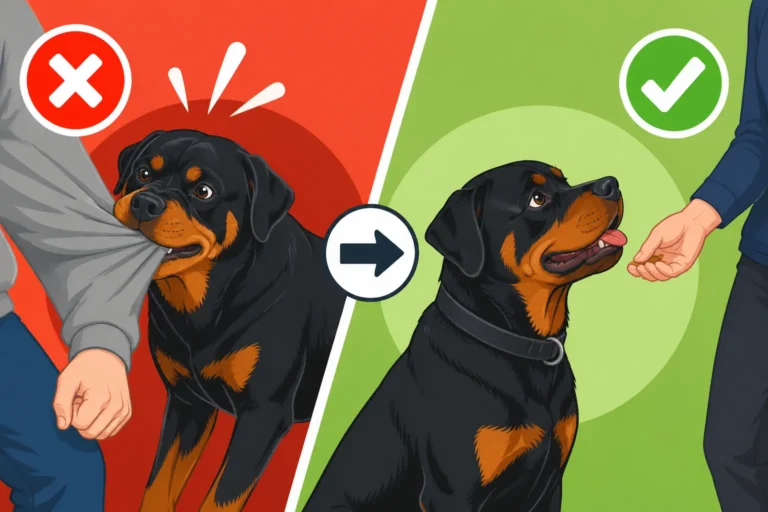
One great way to build this is through games and structured exercises. Practice "leave it" and "wait" commands religiously, both inside your home and in increasingly distracting outdoor settings. For instance, place a tempting treat on the floor and tell your dog "leave it," rewarding them only when they look away from the treat and back at you. Extend the duration and distance they can maintain this control. Similarly, practice "wait" before going through doors, getting out of the car, or approaching their food bowl. Rottweiler Impulse Control Games can be a fun way to reinforce these skills without your dog even realizing they're "working." The goal is for your Rottweiler to default to looking at you for guidance, rather than reacting instinctively to every stimulus.
Step-by-Step: Introducing Your Rottweiler to the Stroller
Once your Rottweiler is a master of loose leash walking and has solid impulse control, it's time to introduce the stroller. This needs to be a gradual, positive process, framed as a normal and even boring part of their environment. Rushing this stage can create fear or excitement that will be hard to undo.
Acclimation Without Movement: Making the Stroller Neutral
First, let your Rottweiler get used to the stroller's presence without any movement or the baby inside.
- Stationary Introduction: Bring the empty stroller into your home, perhaps in the living room or a common area where your dog spends time. Let your dog sniff it at their leisure. Don't force interaction. When they are calm near it, offer praise and quiet treats. The goal is to make the stroller a non-event.
- Positive Associations: Sit near the stroller yourself and engage your Rottweiler in a calm activity, like a gentle grooming session or giving them a chew toy (ensure it’s a Rottweiler Chew Toys That Survive the Jaw type). You can also feed them their meals near the stationary stroller. This helps build positive associations, linking the stroller's presence with good things.
- Leash Practice Near Stroller: With your dog on a leash, practice your "heel" command walking around the stationary stroller. Don't touch the stroller. Just walk past it, turn, and walk past it again, rewarding calm, loose-leash behavior. If your dog tries to jump on it or grab parts of it, use your "leave it" command and redirect their focus to you.
- Hands-On Familiarization: Once your dog is comfortable walking past it, start to touch and move the stroller slightly while your dog is on a leash and calm. Roll it forward and backward a few inches, demonstrating that it makes noise and moves, but it's nothing to be alarmed by. Reward calm behavior.
This slow introduction builds a baseline of acceptance. Remember, the process should be gentle and low-stress for your Rottweiler.
Gradual Movement and Controlled Exposure
When your Rottweiler is completely relaxed around the stationary stroller, it's time to introduce movement, but still without your precious cargo inside.
- Short, Empty Stroller Walks Indoors: Start by walking your Rottweiler on a leash, with one hand on the leash and the other pushing the empty stroller, inside your home. Keep these sessions very short—just a few feet at first. Focus on maintaining a loose leash and your dog heeling beside you. Praise and reward liberally for success. If your dog pulls or tries to interact with the stroller, stop moving immediately. Only resume when they calm down and offer the desired behavior.
- Expanding Outdoors: Once successful indoors, move to a very quiet outdoor area, like your driveway or a calm section of your yard. Again, short distances, empty stroller. This introduces new sights, sounds, and smells, but in a controlled manner.
- Introducing the Baby (or child): This is the biggest step.
- Baby's Scent: Before the first walk, let your Rottweiler calmly sniff an item with the baby's scent on it (like a blanket or hat) while getting treats and praise.
- Calm Introduction: Have another adult gently push the baby in the stroller while you handle your Rottweiler on a leash. Maintain distance at first. If your Rottweiler remains calm, slowly decrease the distance.
- Walk Together: Once your dog is calm walking beside the baby in the stroller with another person, try it yourself. Start with very short walks in a known, low-distraction area. Keep your focus on your dog's behavior, rewarding calm heeling. Consider using a specific harness that provides better control, like a front-clip harness, for these initial walks. Harness Hardware That Holds a Pulling Rottweiler is crucial here. Brands like Ruffwear or Easy Walk found on Amazon often have durable options.
- Consistency is Key: Every walk should reinforce the idea that the stroller is just a part of the walking experience and requires the same good manners as any other walk.
Advanced Techniques and Troubleshooting
Even with a solid foundation, you might encounter bumps in the road. Knowing how to troubleshoot common issues and utilizing appropriate gear can make a world of difference.
Hands-Free Leashes and Equipment Considerations
For many owners, the idea of a hands-free leash while pushing a stroller is appealing. It can certainly help with balance and allow you to keep both hands on the stroller, but it’s crucial to understand that a hands-free leash is only for dogs who already have perfect, reliable loose-leash manners. If your Rottweiler still pulls, attaching them to your waist is a recipe for disaster, potentially causing serious injury to you or the child.
If your Rottweiler is truly a master at heeling, a waist leash or belt system could be beneficial. Look for sturdy options with good shock absorption if your dog ever does give a minor tug. Ensure the attachment point is strong and secure. For general walks, a sturdy, well-fitting harness (front-clip if your dog tends to pull, back-clip if they're a consistent heeler) combined with a robust six-foot leash is often the safest bet. Brands like Kurgo or EzyDog offer reliable and strong leashes and harnesses suitable for the power of a Rottweiler. Remember to regularly check all equipment for wear and tear, especially with a strong dog.
Here's a quick comparison of common leash attachments:
| Attachment Point | Pros | Cons | Best Use Case |
|---|---|---|---|
| Collar | Simple, traditional, good for basic control. | Direct pressure on neck, can cause discomfort or damage with pulling. | Established heelers, experienced handlers. |
| Back-Clip Harness | Comfortable, good for casual walks, less neck strain. | Can encourage pulling by engaging opposition reflex, less steering control. | Relaxed walkers, dogs that don't pull, not ideal for stroller heeling. |
| Front-Clip Harness | Redirects pulling force to the side, offers more steering control. | Can cause leash tangling, may rub under armpits if not fitted properly. | Dogs learning to stop pulling, effective for stroller walks. |
| Head Halter (Halti/Gentle Leader) | Excellent control, gently turns head to redirect focus, minimal physical effort. | Requires careful introduction to prevent resistance, some dogs dislike the feel. | Strong pullers, handlers needing maximum control with minimal effort. |
| Hands-Free (Waist Leash) | Keeps hands free, good for balance on smooth walks. | Dangerous if dog pulls unexpectedly, requires very reliable heeling. | Perfect heelers, runners, experienced dog walkers. |
Addressing Lunging, Pulling, and Reactivity Near the Stroller
Despite all your preparation, you might still encounter challenges. It's okay; training is an ongoing process, especially with a smart, strong dog like a Rottweiler.
- If your Rottweiler pulls: If your dog starts pulling even with the stroller, immediately stop walking. Do not move forward until the leash is loose. If necessary, turn and walk in the opposite direction. This teaches your dog that pulling gets them nowhere, but a loose leash means progress. Be patient and consistent. Review your Rottweiler Leash Manners at a Hundred Pounds foundational training.
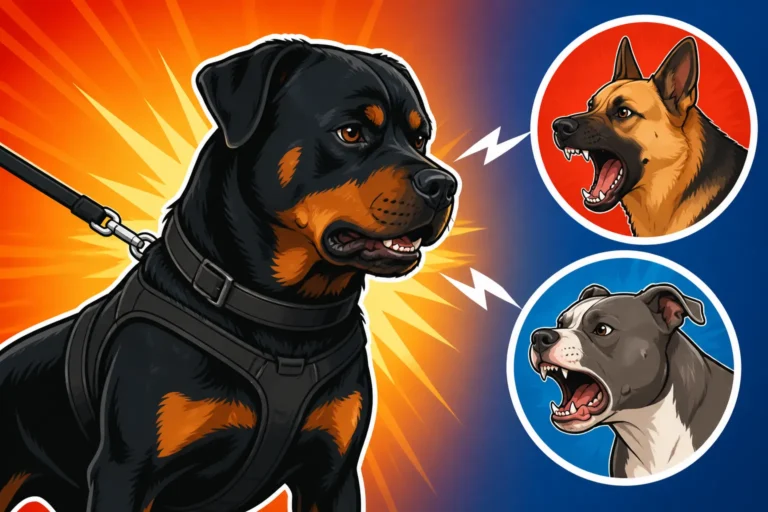
- If your Rottweiler lunges or barks at distractions: This is where your "leave it" and "watch me" commands become critical. As soon as you spot a potential trigger (another dog, a person, a loud noise), get your dog's attention before they react. Use a high-value treat to reward them for focusing on you. If they do lunge, calmly increase the distance from the trigger until your dog can be calm, then slowly work your way closer in future sessions. This is classical counter-conditioning – changing their emotional response to the trigger. For structured, online guidance on advanced obedience and distraction training, you might look into programs like BAXTER & Bella. They often provide step-by-step videos and support that can be invaluable for tackling complex behaviors.
- If your Rottweiler shows too much interest in the stroller/baby: This could manifest as nudging, trying to lick the baby excessively, or trying to put their paws on the stroller. Use your "off" command and redirect their attention to a "place" command or another designated spot beside you. Reward them for maintaining their distance and calm. You might also want to introduce boundaries around the stroller, teaching them they should not approach it without an invitation.
- Managing excitement: Some Rottweilers get over-excited with new sights and sounds. If your dog is overly aroused, take a break. Find a quiet spot, ask for a "down-stay," and let them decompress. Resume walking only when they are calm. Shorter, more frequent walks might be better initially than long, overwhelming ones.
Remember, patience and consistency are your greatest tools. Every single walk is a training opportunity. Never put your baby or child at risk. If you are struggling, don't hesitate to seek help from a certified professional dog trainer or a veterinary behaviorist who has experience with large breeds like Rottweilers. They can offer tailored advice and hands-on guidance to ensure safe and happy walks for your whole family.
Disclaimer
This article is for general informational purposes only and does not constitute professional advice. Laws, prices and regulations vary by location and change over time. Consult a qualified professional for guidance on your specific situation.