A Rottweiler That Warms Up After Twenty Minutes
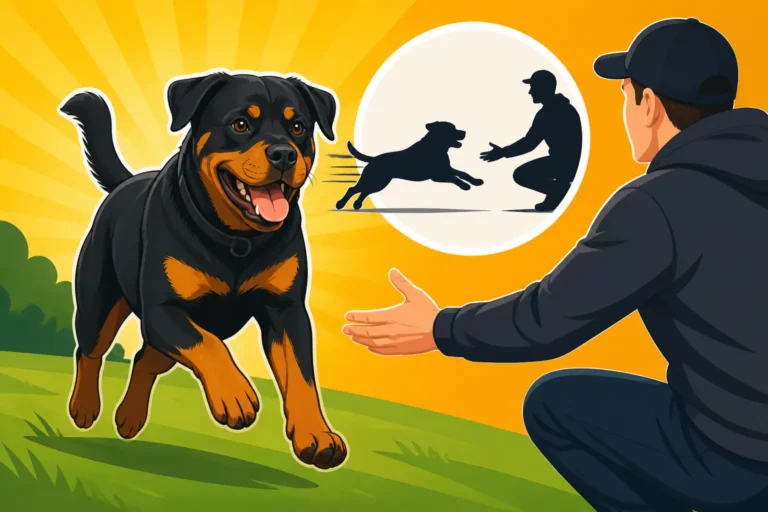
It's a common scenario: you have guests over, and your magnificent Rottweiler, rather than bounding up for immediate pets, opts for a quiet observation from across the room. This can sometimes lead to confusion or even an awkward silence, with guests wondering if your dog dislikes them or is being aggressive. But often, this measured approach is simply part of the Rottweiler's inherent nature, a deliberate "wait-and-see" that is miles away from hostility. This guide will explore why your Rottweiler might take its time to warm up, what its behavior is really telling you, and how you can help everyone feel more comfortable.
The Rottweiler's Inherent Reserved Nature
Many people expect all dogs to be gregarious, leaping enthusiastically to greet every new face. While some breeds certainly fit this description, the Rottweiler is not typically one of them. Their historical role and breed standard cultivate a temperament that is much more self-assured and discerning, often leading to what can be perceived as aloofness. Understanding this foundational aspect of their personality is the first step in appreciating their unique way of interacting with the world and its inhabitants.
Roots in Droving and Guarding
To truly grasp why a Rottweiler often takes its time to warm up, we need to look back at their original purpose. These dogs, the Rottweiler Metzgerhund or "Butcher's Dog of Rottweil," were developed in Germany to drive cattle and protect the butcher's earnings. Their job wasn't to be a friendly ambassador to every passerby; it was to be watchful, confident, and utterly trustworthy with their own people and charges, while remaining indifferent or even wary of strangers. A dog that greeted everyone with wagging enthusiasm wouldn't have been much of a guard.
This ingrained instinct means that caution is a built-in feature, not a bug, for many Rottweilers. They were bred to assess situations and people before acting, to be observant rather than immediately open. When you see your Rottweiler taking twenty minutes to decide if a new person is worth their attention, they are, in a way, performing the job they were created for: assessing. They are not necessarily shy or fearful; they are simply being a Rottweiler. This deep-seated trait explains a lot about The Rottweiler From Roman Cattle Drives to the AKC.
The Self-Assured Aloofness
The Rottweiler breed standard itself describes a temperament that is "calm, confident, and courageous, with a self-assured aloofness." This "aloofness" is a key characteristic. It doesn't mean they are unfriendly or aggressive; it means they are not compelled to interact with everyone. They possess a quiet confidence that doesn't require constant external validation or interaction. Think of it as a dignified reserve.
This can be a challenge for owners who are used to more boisterous breeds, or for guests who misinterpret the Rottweiler's calm observation as disinterest or even a warning. It's vital to educate friends and family that this is a normal, healthy Rottweiler trait, not a sign of poor socialization or an ill-tempered dog. They are simply not the type to offer immediate, unreserved affection to just anyone. They choose their circle carefully, and earning their trust is a meaningful accomplishment. For more on what the breed standard looks for, you can read about The Calm Confidence a Rottweiler Standard Asks For.
Not a Golden Retriever
It's easy to compare dogs and expect similar behaviors, especially when it comes to meeting new people. However, comparing a Rottweiler's social interactions to, say, a Golden Retriever's, is like comparing apples and oranges. Golden Retrievers were bred to retrieve game from hunters and are generally predisposed to friendliness towards nearly everyone, making them excellent public greeters. Their nature is to be outgoing and eager to please a broad range of people.
Rottweilers, on the other hand, operate on a different social contract. Their comfort comes from familiarity and a sense of security, not necessarily from constant new interactions. Expecting a Rottweiler to instantly love every new person who walks through the door sets both the dog and the human up for disappointment. Instead, embrace their discerning nature. It's part of what makes them such loyal and devoted companions once they do decide you're worthy of their inner circle. It's a reminder that Why a Rottweiler Does Not Greet Everyone is rooted in their very essence.
Understanding the "Wait-and-See" Mentality
When a Rottweiler hangs back and observes, it's not necessarily a sign of fear or aggression. More often than not, it's their way of gathering information, assessing the newcomer, and deciding if this person is part of the "safe zone" or merely a transient element in their environment. Learning to interpret their subtle body language during this phase is crucial for both their comfort and the safety of your guests.
Subtle Cues of Observation
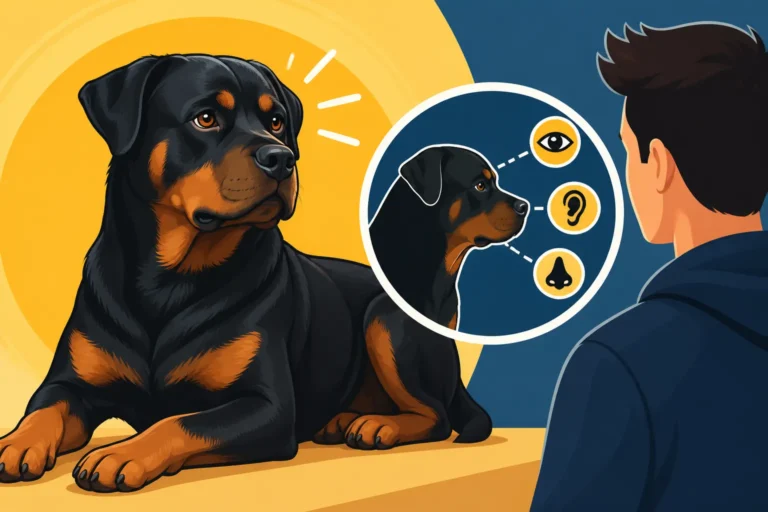
A Rottweiler engaged in its "wait-and-see" routine will display very specific, subtle body language. They might be still, often sitting or lying down, with their head slightly raised or tilted, ears alert but not necessarily pinned back in fear or forward in aggression. Their gaze will be steady, not aggressive or avoidant, but purely observational. You might notice their nostrils twitching slightly as they take in scents, or their eyes following movements without a dramatic head turn.
They are essentially processing data: the person's scent, their voice tone, their movements, and how you interact with them. Is the person loud? Do they move quickly? Are they making direct eye contact, which some dogs find threatening? Is their human friend (you!) relaxed? All of these cues feed into the Rottweiler's internal calculus. It's a complex cognitive process that, from an outsider's perspective, might look like pure indifference. It’s their way of Why a Rottweiler Watches Before It Approaches.
Calmness Versus Tension
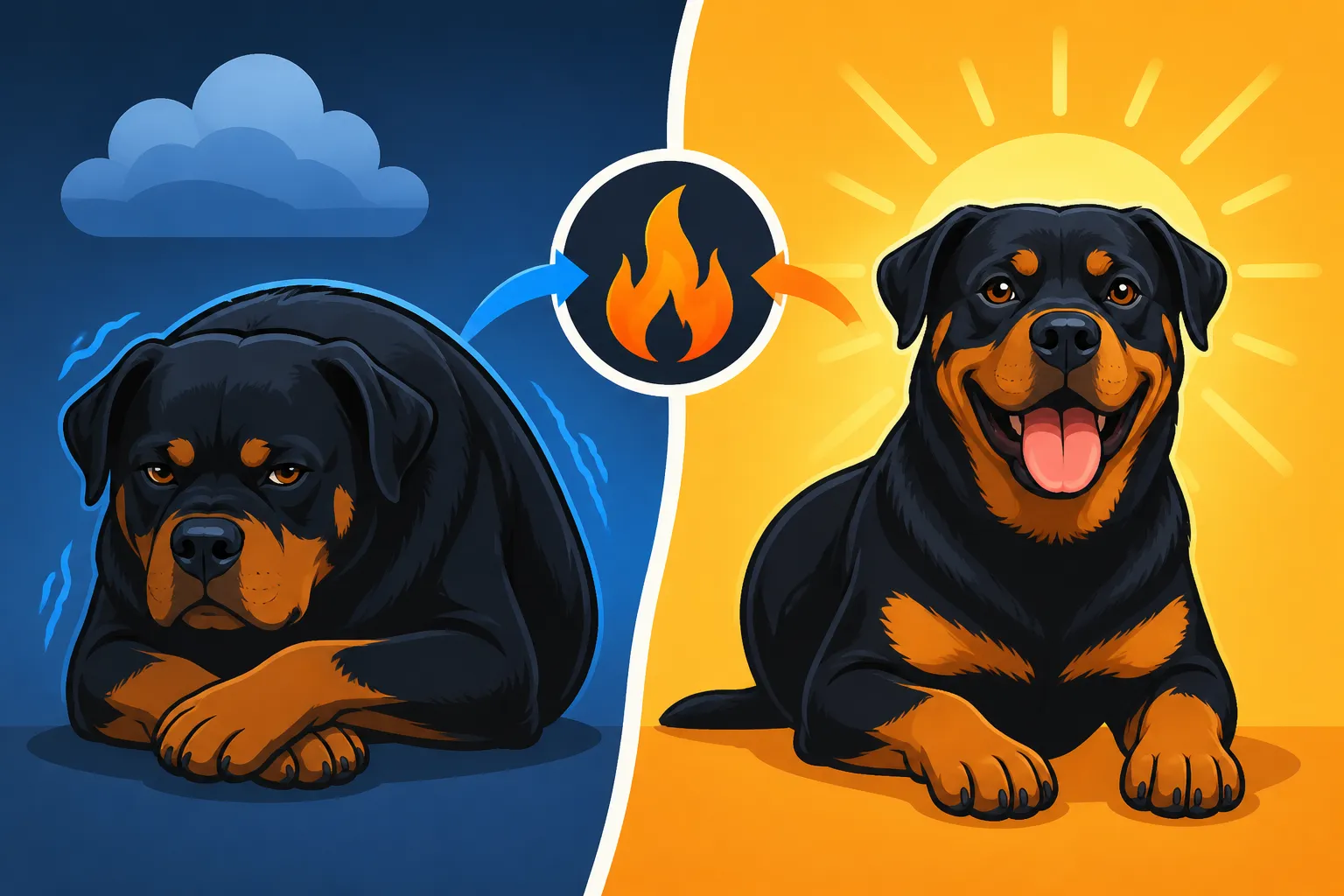
It's vital for Rottweiler owners to distinguish between a truly calm, observational stance and one that subtly veils tension or anxiety. A calm, reserved Rottweiler will have relaxed facial muscles, a soft mouth, and a tail (if natural) that might be still or give a slight, slow wag. Their body weight will be evenly distributed, and they'll appear "soft" even in their stillness. This is the classic Reading a Still Rottweiler That Is Not Relaxed that is important to understand.
In contrast, a dog that is tense or worried, even if still, might show slightly wider eyes (whale eye), a stiff tail or body posture, lip licking, yawning, or a slight tremor. Their breathing might be shallow or rapid. If you notice these signs, your dog isn't just observing; they are feeling uncomfortable, and you need to intervene gently to create more distance or redirect their attention. This distinction is paramount because pushing a truly anxious dog can lead to escalation.
| Behavior Trait | Calmly Reserved Rottweiler | Potentially Tense/Anxious Rottweiler |
|---|---|---|
| Body Posture | Relaxed, even weight distribution, soft curves | Stiff, rigid, weight shifted back or forward, hunched |
| Facial Expression | Soft eyes, relaxed brow, loose mouth | Tense brow, "whale eye" (white of eye shows), tight lips |
| Tail Position | Natural carriage, slow wag or still | Low-set, tucked, stiffly wagging, or rapid, tight wag |
| Ear Position | Relaxed, attentive, may twitch slightly | Pinned back, flattened, or constantly swiveling anxiously |
| Movement | Slow, deliberate, fluid, avoids direct approach initially | Frozen, hesitant, sudden quick movements, pacing |
| Vocalization | Silent, occasional low grumble (if happy/content) | Low growl, whine, nervous bark |
| Mouth/Tongue | Soft, may pant gently | Lip licking, yawning, excessive panting, drooling |
The Slow Warm-Up Signal
So, how do you know when your Rottweiler has decided a new person is okay? It usually happens in stages. First, they might break their intense observation with a yawn or a stretch, signaling a release of mild tension. Then, they might begin to approach, often in a wide arc rather than a direct line, perhaps sniffing the ground as they come closer. A definitive sign is when they initiate a "lean" against the person's leg or offer a soft nudge with their head.
They might even solicit a gentle scratch behind the ears or on the chest. This is the moment of acceptance, the "twenty minutes later" where they decide this human is part of the furniture, or at least a welcome temporary addition. It's a genuine gesture of trust, more profound in its quiet delivery than an instant, boisterous greeting might be. Respecting this process and allowing them to make the first move is key to building positive associations. A Rottweiler That Warms Up After Twenty Minutes is doing exactly what it was bred to do.
Facilitating Calm Introductions with New People
The key to successfully integrating new people into your Rottweiler's space is proactive management and clear communication. You want to create an environment where your dog feels secure enough to make its own choices, rather than being forced into uncomfortable interactions. This means setting up successful scenarios, teaching your guests how to behave, and using positive reinforcement strategically.
Setting Up for Success
Before your guests even arrive, you can prepare the environment. Ensure your Rottweiler has a safe, comfortable retreat, like their crate or a specific bed in a quiet room, where they can go if they feel overwhelmed. This gives them agency and control over their space, reducing the pressure to engage. Consider having them on a leash, especially if they are still young or prone to boundary-testing. This isn't about control in an aggressive sense, but about gentle management to prevent accidental bumps or unwanted close contact initially.
When guests arrive, avoid a chaotic, high-energy entrance. Ask guests to enter calmly, perhaps even ignoring the dog initially. Having a designated "meeting zone" that isn't directly in a doorway or high-traffic area can also help. The more relaxed and predictable the environment, the more comfortable your Rottweiler will feel in observing and eventually engaging. This careful approach can prevent Rottweiler Behavior Problems That Start Small from escalating.
The "Ignore" Method
One of the most effective strategies for a reserved Rottweiler is what's often called the "ignore" method. Instruct your guests to completely ignore your Rottweiler when they first arrive. No direct eye contact, no reaching out, no talking to the dog. Instead, they should calmly enter, settle down, and engage in conversation with you. This takes all the pressure off the Rottweiler, allowing them to approach and investigate on their own terms.
Once the Rottweiler has decided to approach (and this could be after those famous twenty minutes, or even longer!), the guest can then offer a very subtle, low-key interaction. Perhaps a quiet word, a gentle stroke on the chest (avoiding the top of the head), or simply allowing the dog to sniff them. The key is to let the dog dictate the pace and level of interaction. This method aligns perfectly with A Rottweiler That Ignores a Visitor Completely by allowing the dog to initiate contact. Online resources like those offered by BAXTER & Bella can provide further guidance on structured training approaches for introductions, helping you refine these techniques.
Treats as a Bridge
High-value treats can be a powerful tool for building positive associations with new people. Once your Rottweiler has settled into its observation phase, you can have your guest (or yourself, if your dog is particularly wary) gently toss a treat a few feet away from the dog. This creates a positive association with the guest's presence without demanding direct interaction. The dog gets a reward, and the guest is associated with good things.
As your Rottweiler becomes more comfortable, the guest can gradually toss treats closer, eventually dropping them at their feet, and perhaps even offering one from an open palm. Never force the dog to take a treat directly from a stranger's hand if they are hesitant; always prioritize their comfort. This slow, positive reinforcement process teaches the Rottweiler that new people bring good things and are not a threat. You can easily find suitable high-value training treats on Amazon that are small enough for repeated rewards without overfeeding. This strategy can be especially helpful during Introducing a Rottweiler Puppy to Strangers Safely.
When Reserved Behavior Signals a Deeper Issue
While a "wait-and-see" approach is a normal and often desirable Rottweiler trait, it's crucial to differentiate it from genuine fear or aggression. Sometimes, what looks like mere aloofness could be a subtle manifestation of underlying anxiety or insecurity. Understanding these distinctions is vital for your dog's well-being and the safety of those around them.
Distinguishing Fear from Aloofness
A truly aloof Rottweiler is confident in their space and simply chooses not to engage with every new person. They might ignore someone, but their body language will be relaxed, not tense. They won't retreat or cower, nor will they show overt signs of aggression like growling, lunging, or snapping. Their disinterest comes from a place of self-possession. It's a choice.
A fearful Rottweiler, however, is not making a choice but reacting to perceived threat. They might try to hide, cower, pant excessively, or tremble. Their tail might be tucked tightly, and their ears flattened against their head. They might also display "displacement behaviors" like excessive licking or yawning in inappropriate situations. If cornered or feeling threatened, a fearful dog might react aggressively as a defense mechanism. Recognizing these subtle differences is key, as managing fear requires a very different approach than simply respecting aloofness. For a deeper dive into these nuanced signals, consider reading The Rottweiler Wait-and-See Response Explained for more insights.
Signs of Overwhelm
Even a normally reserved Rottweiler can become overwhelmed if put into a situation that is too stimulating or demanding. This could be too many new people at once, loud noises, children who don't understand boundaries, or guests who constantly try to initiate interaction despite the dog's clear signals of disinterest. Signs of overwhelm include increased lip licking, yawning, turning their head away, trying to hide behind you, or even snapping at the air.
These are critical signals that your dog needs a break. If you see these signs, immediately create distance. Escort your Rottweiler to its safe space, or simply ask the guests to back off and give the dog room. It's your responsibility as the owner to advocate for your dog and ensure they are not pushed past their comfort threshold. Ignoring these warning signs can erode trust and potentially lead to more serious behavioral issues down the line. It's a key part of responsible Rottweiler Puppy Training Through the First Year to teach them how to cope in new situations.
Seeking Professional Guidance
If your Rottweiler's reserved behavior leans more towards fear, anxiety, or aggression, it's time to seek professional help. This isn't a sign of failure on your part, but a responsible step towards helping your dog. A certified professional dog trainer or a veterinary behaviorist can help you understand the root cause of the behavior and develop a safe, effective management and modification plan. They can differentiate between genuine breed-typical aloofness and a problem that needs addressing.
Look for trainers who use positive reinforcement methods and have experience with large, strong guardian breeds like Rottweilers. Avoid anyone who suggests harsh corrections or dominance-based techniques, as these can exacerbate fear and aggression, especially in a dog with guarding instincts. Early intervention is always best, so don't hesitate if you're concerned about your Rottweiler's reactions to strangers. They can help you with strategies for Rottweiler Guarding That Needs a Behaviorist or even assist you in Finding a Rottweiler-Experienced Trainer Near You.
Disclaimer
This article is for general informational purposes only and does not constitute professional advice. Laws, prices and regulations vary by location and change over time. Consult a qualified professional for guidance on your specific situation.