Rottweiler Chew Toys That Survive the Jaw
If you've ever watched your magnificent Rottweiler make short work of a brand-new chew toy, turning it into a pile of plastic confetti in what feels like mere minutes, you know the frustration. It's a common struggle for owners of these powerful dogs to find toys that can withstand their incredible jaws. This guide is here to help you navigate the world of chew toys, understanding what makes a toy durable, safe, and truly engaging for your Rottweiler.
Understanding the Rottweiler Jaw and Chewing Instinct
Our Rottweilers are incredible dogs, known for their strength, loyalty, and imposing presence. But with that strength comes a jaw that can exert an astounding amount of pressure, making toy selection a serious business.
Why Rottweilers Are Such Power Chewers
It’s not just about a strong bite; it’s about their history and instincts. Rottweilers were originally bred as drover dogs, herding cattle and guarding livestock. This required immense physical power and a firm, unwavering grip. When you consider that a Rottweiler's bite force can exert What 328 Pounds of Bite Pressure Actually Does, it's no wonder that many toys designed for average dogs simply don't stand a chance.
Their chewing isn't always destructive. It's often a natural instinct to explore their world, relieve stress, alleviate boredom, or even to exercise their jaws. For puppies, it’s also a crucial part of teething, helping to soothe sore gums and shed baby teeth. For adult Rottweilers, chewing can be a wonderful outlet for their energy, providing mental stimulation that’s just as important as physical exercise. Without appropriate outlets, this natural instinct can easily turn towards your furniture, shoes, or anything else within reach.
The Importance of Appropriate Chews for Dental Health
Beyond just saving your couch, providing the right chew toys is vital for your Rottweiler's oral hygiene. Regular, appropriate chewing helps to scrape away plaque and tartar buildup from their teeth. Think of it as a natural toothbrushing session. If you don't provide effective chews, your Rottweiler could be more prone to Rottweiler Dental Disease and Cracked Teeth, which can lead to pain, infections, and costly vet visits down the line.
However, not all chews are created equal. Some softer, less durable toys might get shredded quickly but offer little benefit for cleaning teeth. Worse, toys that splinter or break off into sharp pieces can pose a serious choking hazard or cause internal injuries if swallowed. The key is finding chews that are tough enough to provide resistance and mechanical action against the teeth, but safe enough not to break into dangerous fragments. It's a delicate balance, and something every Rottweiler owner needs to consider carefully.
The "Forever" Toy Myth and Realistic Expectations
Let's get real for a moment: the idea of a "forever" toy for a Rottweiler is largely a myth. While some toys are incredibly durable and designed to last much longer than others, expecting any toy to withstand the sheer power of a Rottweiler's jaw indefinitely is simply unrealistic. These dogs are masters of destruction when it comes to playtime, and even the toughest materials will eventually show wear and tear.
The goal isn't necessarily to find a toy that lasts forever, but rather to find toys that are safe and durable enough to provide sustained chewing satisfaction without quickly becoming a hazard. This means accepting that toys will need to be replaced periodically. Your focus should be on toys that offer a good return on investment in terms of entertainment and safety, rather than an impossible quest for immortality. It’s about choosing wisely, monitoring their condition, and knowing when it's time to say goodbye to a well-loved but worn-out chew.
Types of Chew Toys That Stand a Chance Against a Rottweiler
Given their formidable chewing power, selecting the right material and design is paramount. There are several categories of chew toys that tend to hold up better than your average plush squeaky toy.
Heavy-Duty Rubber and Nylon Chews
When you're dealing with a Rottweiler, you need materials engineered for extreme durability. This is where heavy-duty rubber and hard-grade nylon chews really shine. These aren't your typical soft, bouncy rubber toys; we're talking about dense, solid constructions designed to take a beating.
-
Solid Rubber Toys: Look for toys made from natural, non-toxic rubber that is specifically marketed for power chewers. These often have irregular shapes, thick walls, or are solid all the way through, making them incredibly difficult to destroy. Many of these toys are also hollow or have crevices, allowing them to be stuffed with treats, peanut butter, or kibble. This transforms a simple chew into a stimulating puzzle, extending engagement and mental effort, which is a fantastic way to tire out a smart Rottweiler. When filled, these can keep your dog occupied for a good chunk of time, redirecting their focus from destructive chewing to a rewarding challenge. You can find a wide variety of these robust rubber toys on major online retailers like Amazon, often with reviews specifically mentioning their suitability for large, strong-jawed breeds.
-
Hard Nylon Chews: These chews are typically molded from a very tough, food-grade nylon. They come in various shapes and sizes, sometimes resembling bones or sticks, and often have textured surfaces designed to help clean teeth. Unlike real bones, which can splinter dangerously, quality nylon chews are designed to fray slowly into small, rice-sized pieces that are generally considered safe for ingestion in small amounts. However, it's crucial to choose nylon chews that are appropriately sized for your Rottweiler. A toy that's too small could be swallowed whole or pose a choking hazard. Always supervise your dog, especially with new nylon chews, to ensure they are simply scraping off tiny bits rather than breaking off larger chunks. These types of chews are specifically designed to withstand intense chewing sessions and can last for a long time if chosen correctly.
Natural Chews and Edibles With Caution
Natural chews and edibles can be wonderfully appealing to Rottweilers, offering a taste and texture that synthetic toys can't replicate. However, they come with significant caveats and require careful selection and constant supervision.
-
Antlers: Deer and elk antlers are a popular choice due to their extreme hardness and long-lasting nature. They typically don't splinter like bones, instead grinding down slowly over time. However, their hardness also presents a risk: they can be too hard for some dogs and lead to Antlers and Bones a Rottweiler Should Not Have. If your Rottweiler is a very aggressive chewer, or if they tend to really bear down and try to break things, an antler could potentially fracture a tooth. Always choose antlers that are large enough not to be swallowed and are in good condition, without sharp points.
-
Bully Sticks and Other Dried Protein Chews: These are often highly palatable and can keep a Rottweiler engaged for a while. They offer a more yielding texture than antlers but are still quite durable. The main concerns here are calorie intake and potential choking hazards when the chew gets small. Always opt for large, thick bully sticks for a Rottweiler, and once they've chewed it down to a small nub, it's safer to take it away to prevent them from trying to swallow it whole.
-
Dental Chews: While many dental chews are on the market, few are truly designed to withstand a Rottweiler's power. Most larger dental chews will be gone in minutes for a dedicated chewer. When selecting dental chews, look for those specifically marketed for "large" or "giant" breeds and power chewers. These will have a tougher texture and more substantial size. Remember that while they can contribute to dental hygiene, they are generally not a substitute for regular brushing or professional dental cleanings. The best options here are those dense enough to provide some resistance, which can aid in scraping tartar without posing an immediate risk of being devoured. For more specific guidance on what works for a Rottweiler's strong molars, you might want to read Chews That Do Not Crack a Rottweiler Molar.
Interactive and Puzzle Toys
Sometimes, the best way to prevent destructive chewing isn't to give them a tougher toy, but to give them a more engaging one. Interactive and puzzle toys tap into a Rottweiler's intelligence and natural problem-solving abilities, turning mealtime or treat time into a mental workout.
These toys typically dispense food or treats as your dog manipulates them, rolls them, or solves a simple puzzle. The act of figuring out how to get the reward can be incredibly satisfying and mentally tiring for a Rottweiler, reducing their overall urge to chew purely out of boredom or excess energy. Instead of mindlessly gnawing, they're actively thinking and working.
Examples include:
- Stuffable Rubber Toys: We mentioned these earlier, but they bear repeating. Filling them with kibble, yogurt, or wet food and freezing them creates a long-lasting challenge.
- Rollers and Balls with Dispensers: These require your Rottweiler to nudge or roll the toy around to release treats. The varying difficulty levels mean you can often adjust them as your dog gets smarter.
- Snuffle Mats: While not a chew toy, a snuffle mat encourages a dog to use their nose to find hidden treats, which is another excellent form of mental enrichment.
The beauty of interactive toys is that they offer a different kind of satisfaction than simply tearing something apart. They challenge your Rottweiler's brain, which is often just as important as challenging their jaws. Incorporating these into your dog's daily routine can significantly reduce instances of inappropriate chewing driven by boredom. For more ideas on keeping your dog mentally stimulated, check out Rottweiler Enrichment Beyond Walks or look into Puzzle Feeders Built for a Rottweiler.
Safety First: Choosing and Monitoring Chew Toys
Choosing a chew toy for a Rottweiler isn't just about durability; it's fundamentally about safety. A toy that doesn't stand up to their powerful jaws can quickly become a dangerous hazard.
Sizing Up the Right Toy for Your Rottweiler
This is arguably the most critical safety factor. A toy that is too small for your Rottweiler is a choking hazard, plain and simple. What might be a perfectly safe toy for a smaller dog could easily be swallowed by a Rottweiler, leading to an emergency.
When selecting a chew toy, consider these points:
- The "Mouth" Rule: The toy should always be too large for your Rottweiler to fit entirely into their mouth. They should be able to chew on it, but not get it past their back molars to swallow whole.
- Puppy vs. Adult: Remember that a Rottweiler puppy grows incredibly fast. A toy that is appropriately sized for an 8-week-old might be a choking hazard by 16 weeks. Always buy toys with their adult size in mind, or be prepared to replace puppy-sized toys quickly.
- Weight and Density: The sheer mass and density of a toy contribute to its durability. Thinner, lighter toys are more likely to be destroyed quickly. Look for substantial, heavy-duty options.
- Breed-Specific Recommendations: Many manufacturers label their products for "power chewers," "large breeds," or "giant breeds." Pay close attention to these labels, as they indicate the toy has been designed with dogs like Rottweilers in mind. For comparison, think about how particular you need to be when choosing something like a Crate Size a Hundred Twenty Pound Rottweiler Needs – the same level of attention to size is needed for toys.
When to Retire a Chew Toy
Even the toughest toys have a lifespan, especially when subjected to the relentless chewing of a Rottweiler. Knowing when to replace a toy is just as important as choosing the right one in the first place.
Here are the critical signs that a chew toy needs to be retired:
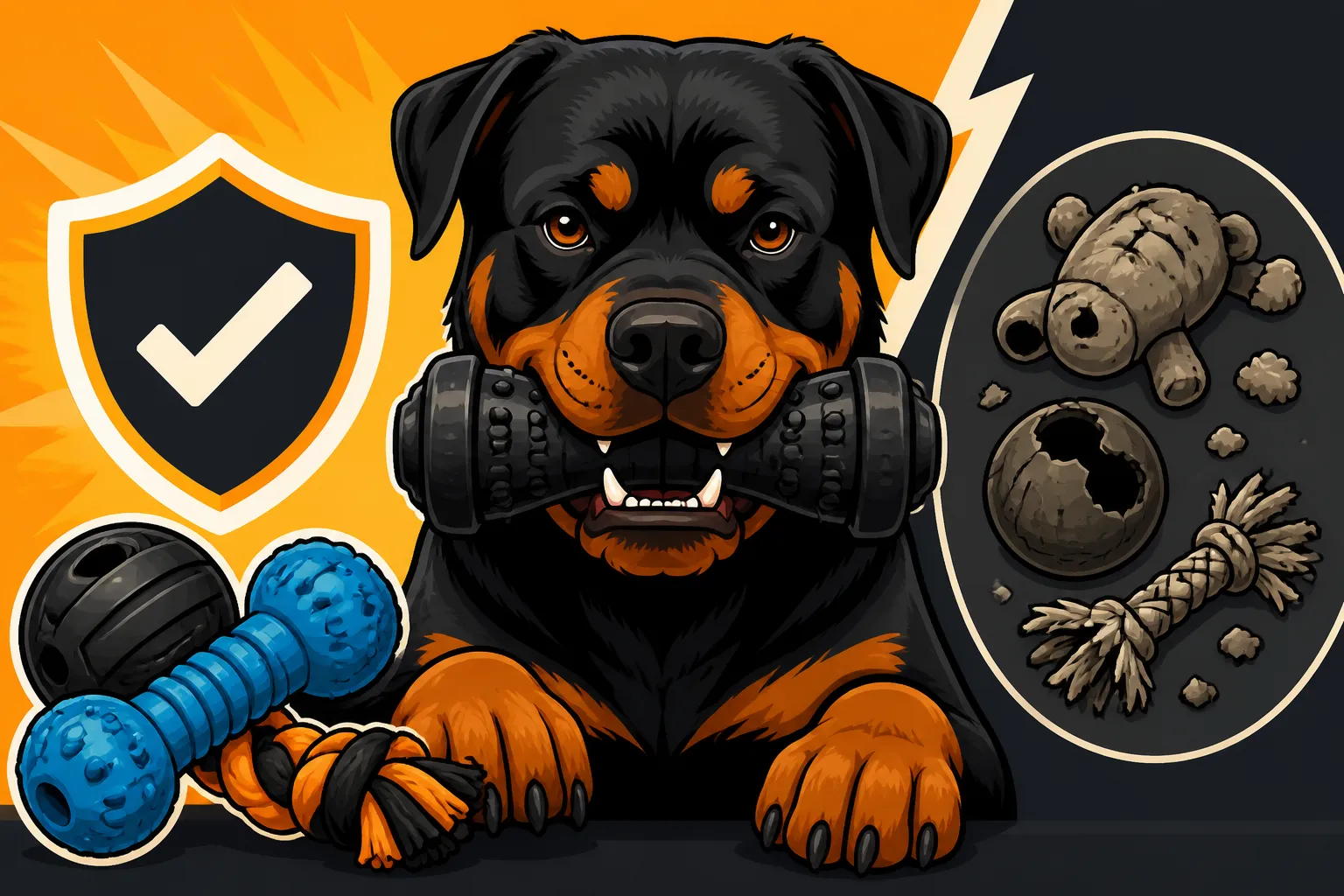
- Sharp Edges or Splinters: This is a huge red flag. If a nylon chew starts to develop very sharp edges that could cut your dog's mouth or gums, or if any toy is splintering, it's time to go.
- Small, Detachable Pieces: If a part of the toy has been chewed off and is now small enough for your dog to swallow, remove it immediately. This is how many choking incidents or intestinal blockages occur.
- Significant Reduction in Size: A toy that was once perfectly safe but has been chewed down to a size that could now be swallowed is a hazard. Don't wait until it's too late.
- Exposed Internal Components: If a rubber toy has been chewed through to expose any internal filling or structure (if it's not solid), it's no longer safe.
- Cracks or Breaks: Any significant cracks or breaks in the toy compromise its structural integrity and can lead to larger pieces breaking off.
Make it a habit to inspect your Rottweiler's chew toys regularly – ideally before and after each chewing session. This vigilance can prevent a serious accident.
Supervised Chewing and Rotation
Even with the safest, most durable toys, supervision is always recommended, especially when you introduce a new type of chew. No toy is 100% indestructible, and unexpected things can happen.
- The Value of Supervision: Being present allows you to monitor your Rottweiler's chewing style. Are they gnawing calmly, or aggressively trying to tear pieces off? Are they actually consuming small bits of the toy, or just scraping it? Your presence also means you can intervene immediately if a piece breaks off, or if they start to choke. This is particularly important for puppies learning Teaching a Rottweiler Puppy That Teeth Hurt and how to chew appropriately.
- Toy Rotation: Keeping a stash of appropriate chew toys and rotating them regularly can help extend their lifespan and keep your Rottweiler interested. If they only have one or two toys, they'll become bored and wear them out much faster. By rotating, each toy feels "new" and exciting when it reappears, providing renewed mental stimulation and reducing the chance of them focusing all their destructive energy on a single item. Aim for a selection of 3-5 high-quality chews that you can cycle through every few days. This strategy not only keeps things fresh but also allows you to thoroughly inspect each toy for wear and tear before it’s reintroduced.
Integrating Chews into a Rottweiler's Training and Routine
Chew toys are more than just entertainment; they are powerful tools for training and behavior management, especially with a breed as intelligent and driven as a Rottweiler.
Redirection and Positive Reinforcement
One of the most effective ways to manage a Rottweiler's chewing is through redirection. Instead of simply punishing unwanted chewing (which can lead to confusion or fear), teach them what they should chew on.
Here's how it works:
- Catch Them in the Act: If you see your Rottweiler chewing on something inappropriate (a shoe, furniture, etc.), calmly interrupt them with a sound or a gentle "no."
- Offer an Appropriate Chew: Immediately present them with one of their approved, high-value chew toys. Make it exciting! Wiggle it, offer it with enthusiasm.
- Reward Good Chewing: The moment they take the appropriate chew in their mouth, praise them lavishly and even offer a small, tasty treat. This positive reinforcement teaches them that chewing on their toys is a rewarding behavior.
- Consistency is Key: Everyone in the household needs to follow these steps consistently. Over time, your Rottweiler will learn to choose their toys over your belongings. This method is also excellent for teaching your Rottweiler Teaching a Rottweiler to Take Treats Gently as part of the reward process.
Chews for Boredom and Separation Anxiety
A bored Rottweiler is a destructive Rottweiler. These dogs thrive on mental and physical engagement, and if they don't get enough, they will often create their own "fun," which usually involves chewing things they shouldn't. Long-lasting chew toys can be a lifesaver in these situations, especially when you need to leave your Rottweiler alone.
- Stuffable Toys as a Solution: Toys that can be stuffed with food and frozen are perfect for this. The effort required to get the food out keeps them occupied for extended periods, turning what could be anxious or destructive time into a positive, engaging activity. This is particularly useful for managing mild Rottweiler Separation Anxiety in the First Month, giving them something comforting and distracting to focus on.
- Mental Stimulation: Beyond just keeping them busy, these types of chews provide valuable mental stimulation, which can be just as tiring as a physical walk. A Rottweiler that has spent an hour working on a challenging puzzle toy is often more content and less likely to engage in destructive behaviors afterward. This is especially true on rainy days when outdoor exercise might be limited.
The Role of a Good Training Program
While specific chew toys address the physical act of chewing, a comprehensive training program addresses the underlying behavioral needs that often drive chewing. A well-trained Rottweiler is a happier, more settled Rottweiler.
Many online training programs, like BAXTER & Bella, offer structured guidance that can help you integrate appropriate chewing habits into your dog's overall behavior. These programs often cover:
- Foundation Obedience: Commands like "leave it" and "drop it" are invaluable for redirecting inappropriate chewing.
- Crate Training: A properly introduced crate, combined with a favorite chew toy, can become a safe den where your Rottweiler learns to settle and chew appropriately.
- Mental Engagement: Training sessions themselves are a fantastic form of mental exercise, reducing the pent-up energy that can lead to destructive chewing. They learn impulse control and focus.
- Addressing Problem Behaviors: A good program or even consulting a professional if needed (considering What a Private Rottweiler Trainer Charges) can tackle issues like separation anxiety or general boredom, which are often root causes of excessive chewing.
By coupling the right chew toys with consistent training and mental enrichment, you can ensure your powerful Rottweiler has appropriate outlets for their natural instincts, leading to a more harmonious household and a safer, happier dog.
Chew Toy Material Comparison
Here’s a quick look at how different chew toy materials stack up against a Rottweiler’s mighty jaws:
| Material Type | Durability Against Rottweilers | Safety Considerations | Pros | Cons |
|---|---|---|---|---|
| Heavy-Duty Rubber | High | Generally safe, non-toxic; check for small pieces | Very tough, often stuffable, good for dental health | No toy is truly indestructible, can be expensive |
| Hard Nylon | High | Designed to fray, not splinter; avoid small sizes | Extremely durable, satisfying texture, long-lasting | Can be too hard for some dogs, may cause tooth fractures (rare) |
| Antlers (Natural) | Very High | Risk of tooth fracture; check for sharp edges | Extremely long-lasting, natural, appealing to dogs | Can be excessively hard, choking hazard if too small |
| Bully Sticks/Other Edibles | Moderate to High | Calorie content, choking hazard when small | Highly palatable, satisfying, natural | Can be quickly consumed, expensive, supervise closely |
| Interactive/Puzzle Toys | Varies (often durable outer shell) | Focus on the dispensing mechanism; check material | Mental stimulation, reduces boredom, extends play | Not purely for chewing, may need supervision initially |
Disclaimer
This article is for general informational purposes only and does not constitute professional advice. Laws, prices and regulations vary by location and change over time. Consult a qualified professional for guidance on your specific situation.