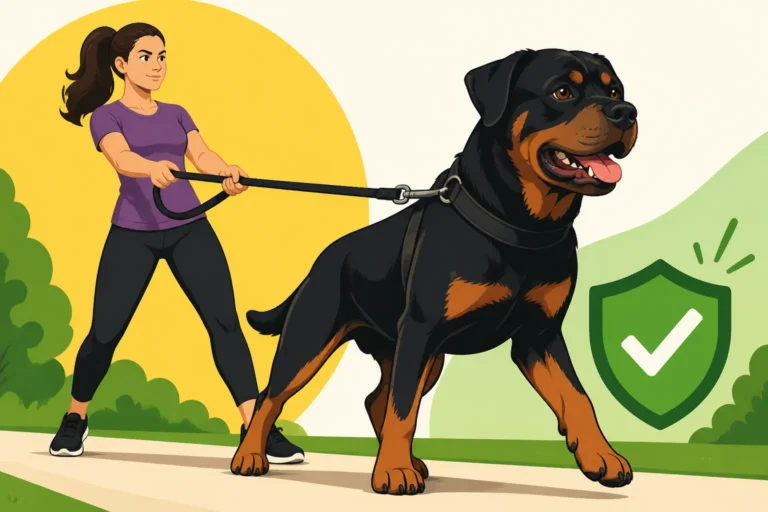
Rottweiler Adolescence at Eight Months
Ah, the eight-month mark with a Rottweiler. If you're finding your once-charming puppy suddenly has selective hearing, a newfound independence, and is pushing every boundary you ever thought you set, you're not alone. This guide is here to shed light on why your Rottweiler might be acting like a defiant teenager and, more importantly, how you can navigate this often-frustrating, but completely normal, phase of adolescence.
The Rollercoaster Ride of Rottweiler Adolescence
Just like human teenagers, adolescent Rottweilers are in a tricky developmental stage, caught between puppyhood and full maturity. It’s a period of immense physical and mental growth, coupled with a healthy dose of hormonal surges that can make even the most well-behaved puppy suddenly seem like they’ve forgotten everything you taught them. Don't despair; this isn't a permanent shift, but a crucial stage that requires your patience, consistency, and understanding.
What Eight Months Means for a Growing Rottweiler
Around eight months old, your Rottweiler is no longer that tiny, floppy puppy you brought home. They are physically getting substantial, often weighing in at a significant percentage of their adult weight, and growing rapidly. But while their bodies are reaching impressive sizes, their brains are still very much in development. This age often marks the peak of what many call the "second fear period" or a surge in independence, as they start to test the waters of their world without constant reliance on you. They're more confident, which is good, but that confidence also manifests as a willingness to challenge established rules and explore consequences. They’re still figuring out where they fit in the pack order of your home, and guess what? They’re hoping it’s higher up!
This physical growth also means their coordination might not quite match their newfound size and strength. You might notice them tripping over their own feet, misjudging jumps, or generally being a bit clumsy. It's all part of the awkward teenage phase. It's a critical time to be mindful of their developing joints; remember, Rottweiler Growth Plates Closing at Eighteen to Twenty-Four Months, so rigorous, high-impact exercise is still largely off the table.
Why This Phase Feels Like a Step Backward
It’s incredibly common to feel like all your hard work in puppy training has gone right out the window when your Rottweiler hits adolescence. They might ignore commands they once aced, start pulling on the leash again, or regress on house-training. This isn't usually an intentional act of defiance, but rather a combination of factors: developing independence, testing boundaries, and a brain that's literally rewiring itself. Their impulse control is still a work in progress, and their attention span can feel incredibly short when something more interesting (like a squirrel or another dog) crosses their path.
Think of it this way: your Rottweiler is exploring the world and learning what they can get away with. If they discover that ignoring "come" sometimes means they get to sniff that interesting bush for longer, they'll try it again. It's a natural learning process, but one that requires you to step up your game, not give up. This is a crucial time to double down on your training efforts and reinforce those foundational behaviors.
Hormonal Shifts and Their Impact
Another major player in the adolescent behavioral drama is hormones. Around eight months, many Rottweilers are reaching sexual maturity. If your Rottweiler hasn't been spayed or neutered, the surge of testosterone in males or estrogen in females can dramatically influence their behavior. Intact males might become more territorial, scent mark more frequently, exhibit increased Same-Sex Aggression Between Rottweilers, or become more focused on sniffing out females in heat. Intact females might experience their first heat cycle, leading to behavioral changes such as increased anxiety, nesting behaviors, or a temporary shift in temperament.
Even for Rottweilers who have been spayed or neutered around this time, the hormonal shift prior to the surgery can leave lasting behavioral imprints, or they may still experience some "phantom" hormonal influences as their body adjusts. It's also worth considering Neutering Age and Rottweiler Behavior as a factor in their overall development and potential changes in energy levels or guarding tendencies. These hormonal shifts are powerful, and they contribute significantly to the often-unpredictable nature of Rottweiler adolescence.
Common Behavioral Bumps in the Road
Adolescence in a Rottweiler brings with it a specific set of challenges that can really test an owner's patience. Understanding why these behaviors are happening can help you approach them with more empathy and strategic solutions, rather than just frustration.
Testing Boundaries and Selective Hearing
Remember that perfect "sit" or "stay" your puppy used to do? Suddenly, your adolescent Rottweiler acts like they've never heard the word before, especially if there's any distraction present. This isn't necessarily a sign they've forgotten their training; it's more about them testing your consistency and the perceived value of listening to you versus doing what they want. They're learning about cause and effect. If they ignore "come" and nothing happens, they learn they can ignore "come."
You might find them jumping on guests again, counter-surfing, or chewing on inappropriate items even though they were reliably house-trained and knew better. This boundary-testing extends to everything – from where they are allowed to sleep to how long they can play before coming inside. They're basically asking, "Are you really going to make me do that?" Your answer, through consistent action, needs to be a firm, "Yes, absolutely."
Increased Reactivity and Guarding Instincts
As Rottweilers mature, their natural guarding instincts often become more pronounced. What started as mild curiosity or alert barking as a puppy can intensify into more reactive behaviors during adolescence. You might notice Rottweiler Reactivity That Starts on Walks, with your dog barking or lunging at other dogs, strangers, or even specific objects they deem suspicious. This isn't necessarily aggression, but often an attempt to "deter" perceived threats or an expression of heightened anxiety and insecurity about the world around them.
Similarly, Rottweiler Resource Guarding at Home can become more apparent. They might start guarding their food bowl, a favorite toy, or even a specific sleeping spot more intensely than before. This behavior stems from their natural instincts and needs careful, patient management to prevent it from escalating into a serious issue. They're learning the power of their presence and voice, and it's up to you to teach them appropriate channels for these instincts.
A Surge in Energy and Destructive Chewing
Despite their larger size, adolescent Rottweilers often have boundless energy, both physical and mental. They might seem restless, constantly seeking something to do, and if not provided with appropriate outlets, this energy can manifest destructively. Destructive chewing is a classic sign of this. What was once playful puppy nipping can now turn into serious damage to furniture, shoes, or even walls. Their adult teeth are fully in, and they have powerful jaws ready to gnaw.
This isn't just about physical exercise; mental stimulation is equally vital. A bored Rottweiler is a destructive Rottweiler. If they're not getting enough mental challenges, they'll find their own "jobs," which often involve redecorating your home with their teeth. Providing appropriate chew toys and puzzle feeders is crucial during this phase. Look for robust options on a site like Amazon that are specifically designed for strong chewers to stand up to a Rottweiler's jaw.
Navigating Adolescent Training Challenges
The adolescent phase is not the time to back off on training; it’s when you need to lean in even harder. Consistency, clear communication, and positive reinforcement are your most powerful tools during this period of growth and learning.
Consistency is Your New Best Friend
If there's one word to live by during Rottweiler adolescence, it's "consistency." Every member of the household needs to be on the same page with rules, commands, and expectations. If one person allows jumping on the couch and another doesn't, your Rottweiler will quickly learn who to "test" and who to listen to. This inconsistency undermines your authority and makes it harder for your dog to understand what's truly expected of them.
Establish clear boundaries and enforce them every single time. This means if "off the couch" is a rule, it applies even when your Rottweiler gives you those adorable puppy eyes. If "no jumping" is a rule, it applies to every visitor, not just the ones you're trying to impress. Your Rottweiler is smart; they're constantly evaluating situations. The more consistent you are, the faster they'll learn that the rules are non-negotiable, regardless of the person or situation.
Reinforcing Basic Obedience and Recall
Those basic commands you taught your puppy in their early weeks – "sit," "stay," "down," "come" – need a refresher course, often in more challenging environments. What worked in your quiet living room might fall apart at the park with distractions. Focus on reinforcing these commands with higher-value rewards and gradually increasing the difficulty of the environment. For instance, practice "come" in the backyard, then in a fenced park, then on a long line in an open field.
Rottweiler Recall Training That Holds is particularly critical during adolescence, as their confidence grows and their desire to explore takes over. A reliable recall can be a life-saver, keeping your dog safe from hazards. You might consider an online training program like BAXTER & Bella which offers structured lessons that can help reinforce these essential skills, providing guidance you can follow at home and in various environments. Invest time daily, even if it's just 5-10 minutes, in practicing these fundamental commands. It’s not just about obedience; it's about strengthening your bond and communication.
Enrichment and Mental Stimulation as an Outlet
As mentioned, a bored Rottweiler is a mischievous Rottweiler. Adolescent Rottweilers need significant mental stimulation to prevent boredom and channel their high energy levels productively. Physical exercise is important, but it's not the only answer. Think beyond walks and fetch. Puzzle toys that dispense food, snuffle mats, and training sessions that involve learning new tricks are excellent ways to engage their minds.
Consider enrolling in advanced obedience classes or exploring canine sports like scent work or rally. These activities not only burn mental energy but also strengthen your bond and build your Rottweiler's confidence. Remember, the goal is to tire them out mentally, not just physically. A game of "find it" in the house can be just as exhausting as a long walk, especially on days when the weather isn't cooperating. Engaging their brains will help curb unwanted behaviors like Rottweiler Digging and Yard Damage or excessive barking.
Continued Socialization and Safe Exposure
While early puppyhood is the prime window for socialization, it doesn't end there. Adolescent Rottweilers still need consistent, positive exposure to new experiences, people, and dogs to ensure they develop into well-adjusted adults. However, the type of socialization changes as they mature.
Mindful Interactions with Other Dogs
For a growing Rottweiler, dog parks can become a minefield during adolescence. Their play style can be rough and boisterous, which smaller or more timid dogs might not appreciate. Conversely, they might encounter older, less tolerant dogs who correct them harshly. Instead of free-for-all dog parks, focus on structured, positive interactions. Arrange playdates with known, stable, and appropriately-sized dogs whose owners you trust.
Consider enrolling in supervised doggy daycare (if the facility screens dogs carefully and understands Rottweiler play) or obedience classes where they can interact with other dogs in a controlled setting. The goal is quality over quantity – positive, safe experiences that reinforce appropriate canine social skills. Watch your dog's body language closely, and be ready to intervene if play becomes too rough or one dog seems stressed.
Managing Meetings with Strangers
A Rottweiler's natural aloofness can become more pronounced during adolescence. They might not rush to greet every stranger with wagging tails like some breeds. This is normal for the breed, but it's crucial to ensure their reserve doesn't tip into fear or aggression. Continue exposing them to a variety of people of different ages, genders, and appearances, always ensuring these interactions are positive and low-pressure.
Teach your Rottweiler that strangers often mean good things (like a tasty treat or a polite head scratch, if the person asks first). Never force an interaction. If your Rottweiler chooses to ignore a stranger, that's often a perfectly acceptable response for the breed. The key is neutrality and comfort, not necessarily boundless enthusiasm for every new person. If you're concerned about how they behave, refer to A Rottweiler That Ignores a Visitor Completely for more insights.
Exposure to New Environments
Just like exposing them to diverse people and dogs, continuing to expose your adolescent Rottweiler to a variety of environments is important. Take them to pet-friendly stores (if appropriate), different parks, quiet hiking trails, and even just for rides in the car to new places. These experiences help build their confidence and resilience, teaching them that new places aren't scary or a threat.
The key is to make these exposures positive. Bring high-value treats and praise them for calm behavior. If they seem overwhelmed, remove them from the situation and try again later, perhaps with less intensity. A fearful or overstimulated adolescent Rottweiler can become reactive, so aim for pleasant, controlled introductions to new sights, sounds, and smells. This ongoing exposure will help them become a confident, well-adjusted companion in any situation.
Physical Development and Health During Adolescence
While many adolescent challenges are behavioral, it's vital not to overlook the ongoing physical development of your Rottweiler. Their large size means their bones and joints are still maturing, and their diet needs to support this significant growth phase without overstressing their system.
Rottweiler Growth Plates and Exercise Needs
This is a critical topic that often gets overlooked. Rottweilers are a large breed, and their growth plates – the areas of developing cartilage at the ends of long bones – don't fully close until they are between 18 and 24 months old. During this period, their bones are still vulnerable to damage. High-impact activities like jumping off high places (like a truck bed), excessive running on hard surfaces, or intense, repetitive fetching can put undue stress on these open growth plates and developing joints. This can lead to serious, lifelong orthopedic problems.
Instead, focus on low-impact exercise like leash walks on soft ground, swimming, or short play sessions on grass. Long, grueling hikes or forced runs are definitely out. The "five-minute rule" is a good guideline: no more than five minutes of structured exercise per month of age, twice a day, until their growth plates are confirmed closed. So, an eight-month-old Rottweiler might get two 40-minute walks per day. Always check with your vet for guidance tailored to your individual dog. Remember The Exercise That Damages a Growing Rottweiler can have serious long-term consequences.
Diet Adjustments for an Active, Growing Teen
Your adolescent Rottweiler is a powerhouse of growth, and their diet needs to reflect that, but not excessively. It's a common misconception that a growing large breed needs extra calcium or protein. In fact, providing too much of either can be detrimental, leading to developmental orthopedic diseases. Stick to a high-quality large-breed puppy or all-life-stages formula that is specifically designed for slow growth, and avoid supplementing with extra calcium unless directed by a vet for a specific medical condition.
Monitor their body condition closely. You should be able to feel their ribs easily without seeing them, and they should have a discernible waist when viewed from above. A "chubby" adolescent Rottweiler might look cute, but excess weight puts additional strain on their still-developing joints. You may need to adjust their food portions based on their activity level and individual metabolism. Discuss their diet with your veterinarian to ensure they are receiving appropriate nutrition for their rapid growth without overfeeding.
Neuter Age and Rottweiler Behavior
The timing of spaying or neutering is a decision with significant implications for your Rottweiler's physical development and behavior. While traditionally done around six months, recent research suggests that for large breeds like Rottweilers, waiting until they are more physically mature (closer to 18-24 months) might offer orthopedic benefits by allowing their growth plates to close naturally. However, delaying also means living through the full hormonal impact of adolescence.
For males, delaying neuter can sometimes lead to more pronounced territorial marking, increased interest in female dogs, and potentially heightened reactivity towards other intact males. For females, a delayed spay means navigating heat cycles, which come with their own behavioral shifts and the risk of unwanted pregnancies. It's a complex decision with pros and cons on both sides. Have an in-depth conversation with your vet about the optimal timing for your individual Rottweiler, weighing health benefits against potential behavioral challenges, and considering Neutering Age and Rottweiler Behavior in its entirety.
When "Teenage Rebellion" Becomes a Bigger Problem
While many adolescent behaviors are normal and manageable with consistent training, there are times when "teenage rebellion" can escalate into something more serious, requiring professional intervention. Knowing when to call in the experts is crucial for your Rottweiler's well-being and the safety of your household.
Recognizing Signs of True Aggression
It’s important to differentiate between typical adolescent boundary-testing or frustration-based reactivity and true aggression. Signs that you might be dealing with genuine aggression include:
- Growling, snapping, or biting that is unprovoked or disproportionate to the situation: A Rottweiler nipping too hard during play is different from a Rottweiler lunging and biting without warning when approached while resting.
- Intense guarding of resources beyond typical adolescent pushing: If your dog becomes rigid, growls, or snaps violently if anyone comes near their food, toys, or even you, that's a red flag. Why You Should Never Punish a Rottweiler Growl explains why punishing these signs can be dangerous.
- Fear-based aggression: If your Rottweiler is showing extreme fear (cowering, trembling, trying to escape) but then lashes out aggressively when cornered or approached, this requires immediate professional help.
- Consistent aggression towards family members: Any instance of aggression towards a human in the household, especially children, needs to be addressed immediately by a qualified professional.
If you observe these behaviors, don't try to handle it alone. A certified professional dog trainer or a veterinary behaviorist can help you assess the root cause and develop a safe, effective management plan.
Dealing with Intense Separation Anxiety
While it's normal for puppies to experience some mild separation anxiety, by eight months old, your Rottweiler should ideally be comfortable being left alone for reasonable periods. If your adolescent Rottweiler is still engaging in extreme behaviors when left alone – such as continuous barking or howling, destructive chewing of doorways or crates, frantic pacing, or house-soiling – you might be dealing with a more serious case of Rottweiler Separation Anxiety in the First Month (which can persist) or even full-blown separation anxiety.
These behaviors indicate genuine distress, not just boredom or spite. It can be heartbreaking to witness and frustrating to manage. A professional trainer or behaviorist can help you implement desensitization and counter-conditioning protocols to alleviate your Rottweiler's anxiety and teach them to feel safe when you're away. They might also suggest specific tools or management techniques, or even veterinary consultation for medication in severe cases.
Finding the Right Professional Help
If you're feeling overwhelmed, frustrated, or concerned by your Rottweiler's adolescent behaviors, don't hesitate to seek professional guidance. This is not a sign of failure but a responsible step to ensure your dog grows into a well-adjusted adult. Look for trainers who have experience with large working breeds like Rottweilers and who use positive reinforcement, force-free methods. Avoid anyone advocating harsh corrections, intimidation, or punishment, as these methods can exacerbate fear and aggression in an already sensitive breed.
A good starting point is to ask your veterinarian for recommendations. You can also search for certified professional dog trainers (CPDT-KA) or veterinary behaviorists (DACVB) in your area. They can offer personalized advice, structured training plans, and help you understand the nuances of Rottweiler behavior during this critical developmental stage. Investing in professional guidance now can prevent bigger issues down the road and help you build a stronger, more harmonious relationship with your powerful companion. Remember to look for Finding a Rottweiler-Experienced Trainer Near You.
Adolescence is a challenging but temporary phase. Your Rottweiler is transforming from a puppy into a magnificent adult, and your guidance during this time is invaluable. Stay patient, stay consistent, and remember that with the right support, your "teenage" Rottweiler will emerge as the loyal, confident companion you always knew they could be.
Here's a quick look at common adolescent behaviors and how they might differ from more concerning issues:
| Behavior Type | Common Adolescent Behavior | Potentially Concerning Behavior (Seek Pro Help) |
|---|---|---|
| Obedience/Listening | Selective hearing, ignoring commands in distracting settings | Refusal to respond even in low-distraction environments, active defiance |
| Leash Manners | Increased pulling when excited or distracted, scent-driven | Lunging, barking, or snapping at people/dogs on every walk, aggression |
| Chewing | Destructive chewing of inappropriate items due to boredom | Obsessive chewing on self, ingesting non-food items, self-mutilation |
| Reactivity/Guarding | Alert barking, growling at novel sights/sounds, mild resource guarding | Unprovoked aggression (snapping/biting), intense guarding, fear-biting |
| Alone Time | Whining/some destruction when left alone for too long | Panic attacks, self-injury, extreme destruction of exit points, persistent house-soiling |
| Interactions w/ Others | Boisterous play, pushing boundaries with other dogs/people | Unprovoked aggression towards familiar people/dogs, consistent fear-aggression |
Disclaimer
This article is for general informational purposes only and does not constitute professional advice. Laws, prices and regulations vary by location and change over time. Consult a qualified professional for guidance on your specific situation.