Rottweiler Aloofness and Why It Reads as Cold
Many Rottweiler owners find themselves explaining their dog's reserved nature to well-meaning strangers or even friends, feeling misunderstood when their beloved companion isn't bounding over for a belly rub. This guide will delve deep into the characteristic Rottweiler aloofness, helping you understand its roots, how it manifests, and how to navigate social situations with a dog whose loyalty runs deep but isn't broadcast to the world.
Understanding the Rottweiler Temperament: What "Aloof" Really Means
When you hear "Rottweiler," images of strength, confidence, and perhaps a certain gravitas often come to mind. But a term frequently associated with their temperament, and often misunderstood, is "aloof." For many, aloofness conjures up ideas of being unfriendly or even cold, but in the context of a Rottweiler, it describes a much more nuanced and intentional disposition.
Defining "Aloof" in the Context of a Rottweiler
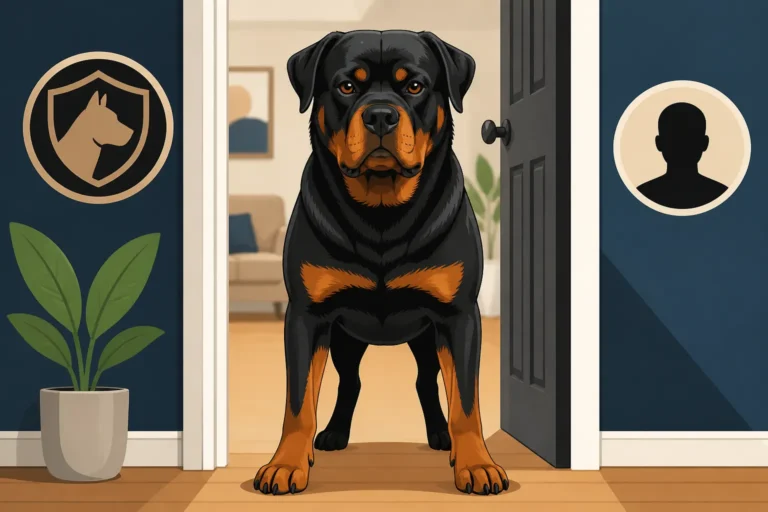
In Rottweilers, aloofness is not an indicator of unfriendliness or a lack of affection for their family. Instead, it signifies a reserved, self-assured demeanor, particularly when encountering strangers. A truly aloof Rottweiler won't rush to greet every new face with wagging tail and slobbery kisses. They are observers, taking in their environment and assessing new individuals before deciding if engagement is warranted. This isn't rudeness; it's a calm, measured approach to the world around them. Think of it as a deep, thoughtful assessment rather than an immediate, unthinking reaction. They don't give their trust and affection freely to just anyone, and that's precisely what makes their bond with their chosen family so incredibly special and profound. They are discerning, and their trust is a treasure earned, not merely given upon introduction.
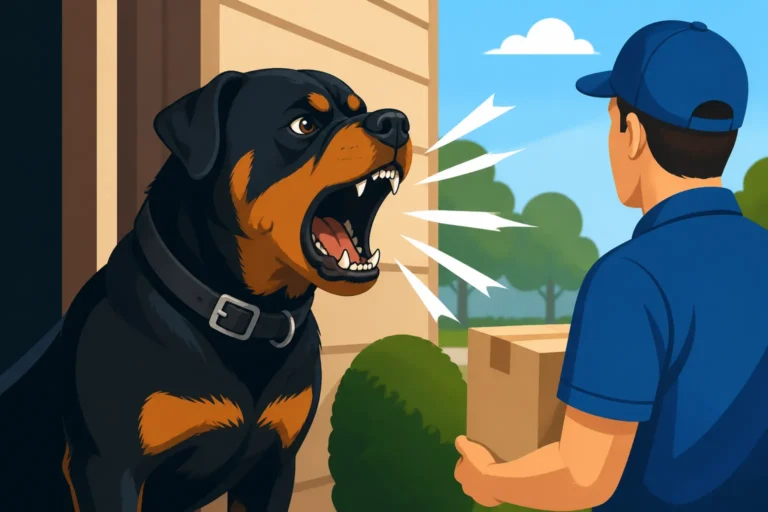
Unlike, say, a Labrador Retriever who might greet everyone as their new best friend, a Rottweiler's initial reaction to a stranger is often one of quiet observation. They might stand still, watch intently, and not solicit attention. This can be misinterpreted by people unfamiliar with the breed as being snobbish, disinterested, or even aggressive. However, a well-bred and properly socialized Rottweiler exhibiting aloofness is merely exercising a natural caution and a self-contained confidence. They possess a deep internal security that doesn't require external validation or constant social interaction with unknowns. They are perfectly content within their own space, relying on their handler for cues and guidance, and holding their true affections for those who have earned it over time.
The Standard's View: Calm, Confident, Courageous
The breed standard for Rottweilers emphasizes a temperament that is calm, confident, and courageous. These traits are intrinsically linked to their natural aloofness. A dog that is truly self-assured doesn't need to bark excitedly or jump on people to prove its presence. It knows its place and its capabilities. This calm confidence is not just about avoiding anxiety; it's about possessing an inherent stability that allows them to remain poised in various situations. The American Kennel Club's standard, for instance, speaks to The Calm Confidence a Rottweiler Standard Asks For, highlighting that the Rottweiler should be "a dog of good disposition, obedient, biddable, and eager to work." This implies a dog that is steady and reliable, not flighty or overly enthusiastic.
This temperament was essential for their historical working roles. A Rottweiler had to be dependable, thinking for itself when necessary, yet responsive to its master. Such a dog couldn't afford to be distracted by every passing stranger or to form instant bonds with unfamiliar faces. Their job required discernment, a keen sense of who belonged and who didn't, and the courage to act when necessary. This inherent stability and unwavering loyalty to their chosen few are what make them such exceptional guardians and companions. It’s a trait that breeders strive to preserve, ensuring that the calm, self-assured nature continues in future generations, providing families with stable, protective, and deeply loving dogs that simply choose their circle very carefully.
The Historical Roots of Rottweiler Aloofness
To truly grasp why Rottweilers exhibit such a pronounced sense of aloofness, we need to journey back in time and understand their origins. These magnificent dogs were not bred for casual companionship; they were created for serious work, and their temperament reflects every aspect of that demanding heritage.
From Roman Drover Dogs to Butcher's Companions
The Rottweiler's story begins with the Roman legions, who brought mastiff-type dogs across the Alps to herd and guard their cattle as they marched through Europe. These formidable dogs were essential for keeping the army fed and protecting their livestock from predators and thieves. When the Romans settled in the region of Rottweil, Germany, their dogs remained, intermingling with local breeds. Over centuries, these descendants became known as the "Rottweiler Metzgerhund," or "Butcher's Dog of Rottweil." Their primary job, as implied by their name, was to drive cattle to market and guard the butcher's money bag, often tied around their neck, on the dangerous journey home.
Think about the specific demands of this work. A butcher's dog couldn't be easily distracted or swayed by strangers. It needed to be independent, watchful, and discerning. What Rottweil Made the Metzgerhund Do was not about being universally friendly; it was about being absolutely reliable and protective of its charge and its owner. This required an innate sense of suspicion towards outsiders and an unwavering focus on its duty. Their ability to observe, assess, and act only when necessary was paramount. This intense focus on protection and guarding, coupled with a deep bond with their primary handler, naturally cultivated the reserved temperament we see today. They were guardians first and foremost, and that meant not wasting energy or attention on those who were not part of their inner circle.
The "Wait-and-See" Mentality
This historical role directly bred what many owners refer to as the Rottweiler's "wait-and-see" mentality. When faced with a new person or situation, a Rottweiler doesn't immediately react with either fear or exuberance. Instead, they pause, observe, and evaluate. They gather information – scents, body language, tone of voice – and process it, often with a seemingly impassive expression. It's a profound demonstration of their intelligence and discernment. The Rottweiler Wait-and-See Response Explained truly encapsulates this process. They are not quick to trust, but once you earn that trust, it is fierce and unwavering.
This deliberate approach is a hallmark of a good guardian breed. They don't make snap judgments; they make informed ones. This means that while they might not greet your new neighbor with open paws, they are diligently absorbing details about them. They are not being rude; they are being effective. This patience and careful assessment ensure that when they do decide to engage, or if they decide a situation requires their intervention, it is based on a thoughtful conclusion, not an impulsive whim. This is why consistent, positive socialization is so crucial for Rottweiler puppies, teaching them what to be reserved about and what to confidently ignore, channeling this ancient instinct into a stable, well-adjusted modern companion.
How Rottweiler Aloofness Presents in Daily Life
For those unfamiliar with the breed, a Rottweiler's reserved nature can sometimes be a source of confusion or even concern. It's important for owners to recognize these manifestations and understand that they are typically normal expressions of the breed's temperament, not necessarily signs of aggression or poor socialization.
Interactions with Strangers
One of the most common ways Rottweiler aloofness presents itself is during encounters with strangers. Imagine a scenario at the dog park or even just a walk in your neighborhood. While other dogs might strain at their leashes to greet every passerby, your Rottweiler might simply ignore them. They'll walk past, head held high, perhaps casting a quick, observant glance but offering no invitation for interaction. This can lead to comments like, "Your dog isn't very friendly, is he?" or "Doesn't he like people?" The truth is, he's simply being a Rottweiler. A Rottweiler That Ignores a Visitor Completely is often not a snub, but rather a display of their self-contained confidence. They don't feel the need to seek approval or attention from every unknown entity.
When guests come to your home, a Rottweiler might not rush to the door with a joyous bark and a wagging tail. Instead, they might come out, observe the newcomers from a distance, and then settle back into their space, perhaps occasionally lifting their head to watch. They are processing, assessing, and guarding, all at once. They might accept a polite sniff if offered a hand, but they likely won't initiate prolonged physical contact or solicit pets from someone they don't know well. This isn't a sign of aggression; it's a calm statement of their boundaries and their selective nature. Owners often have to gently educate visitors, explaining that their dog isn't being rude, but rather is exhibiting his breed's characteristic reserved behavior.
Interactions with Known People Beyond the Immediate Family
While a Rottweiler reserves their deepest affection for their immediate family, their interactions with known acquaintances, like close friends or extended family members who visit regularly, will gradually evolve. They might move from ignoring to accepting, and eventually, to subtle displays of warmth. This won't usually be the boisterous greeting you might get from other breeds; instead, it's often a quiet acknowledgment. A slow tail wag, a soft eye, or the quintessential "Rottie lean" against their leg can be profound signs of acceptance and affection. Why a Rottweiler Leans on the People It Trusts is one of the most heartwarming displays of their deep bond, showing they feel safe and comfortable enough to literally lean their considerable weight into you.
This slow, deliberate warming-up process is part of their charm. They don't bestow their affection lightly, so when it comes, it feels earned and cherished. They might permit a trusted family friend to pet them, or even offer a quick lick, but they won't necessarily seek out their attention continuously. Their bond with extended family is typically one of acceptance and quiet protection, rather than effusive demonstrations of joy. It's a testament to the fact that their loyalty runs incredibly deep, but they express it in their own unique, understated way. These subtle cues are important for owners to recognize and appreciate, as they are truly genuine expressions of a Rottweiler's growing trust and comfort.
Public Behavior and Encounters
In public settings, a well-socialized, aloof Rottweiler will typically conduct themselves with a dignified composure. On a leash, they should be attentive to their handler, moving purposefully without necessarily engaging with every dog or person they pass. Their focus is often on their owner and their immediate surroundings, scanning for anything out of the ordinary, but not initiating contact. This can be a huge benefit for owners, as it means less pulling towards distractions and a more focused companion on walks. They are often excellent partners for structured activities because of this focus.
However, it's important to differentiate this confident aloofness from being truly oblivious to their environment. A Rottweiler is always aware, always assessing. They might not react outwardly, but they are processing every sound, every movement, every scent. This is where their guarding instinct subtly shines through – they are taking it all in, ready to react if they perceive a genuine threat, but otherwise content to let the world go by. This is why careful, consistent socialization from puppyhood is so important, to teach them what is normal and safe, so their inherent discernment doesn't lead to overreaction in everyday public situations.
Distinguishing Aloofness from Shyness or Fear
It's crucial for Rottweiler owners, and potential owners, to understand the fine line between true breed-typical aloofness and behaviors stemming from shyness, fear, or anxiety. While both might present as a lack of immediate engagement, their underlying motivations and body language are vastly different, and misinterpreting them can have significant consequences.
The Confident Calm vs. Nervous Retreat
A truly aloof Rottweiler embodies confident calm. When encountering a stranger, they might stand still, observe with a steady gaze, and show no signs of distress. Their posture will be relaxed but attentive, their tail might hang naturally or give a slow, deliberate wag, and their ears will be soft. They are self-possessed and secure in their own space. They are choosing not to engage, not because they are afraid, but because they simply see no reason to. Reading a Still Rottweiler That Is Not Relaxed is a critical skill here; an aloof Rottweiler might be still, but they are not tense.
In stark contrast, a shy or fearful Rottweiler will display clear signs of anxiety. They might cower, try to hide behind their owner, tuck their tail tightly between their legs, flatten their ears, or avoid eye contact. There might be lip licking, yawning, or even trembling. This is not confident aloofness; this is a dog actively trying to make itself smaller or disappear from a situation it finds overwhelming or threatening. Such a dog requires a different approach to socialization and confidence-building than one who is simply reserved. Mistaking fear for aloofness can inadvertently push a dog further into a state of anxiety or even lead to fear-based aggression if they feel cornered or have no other option.
Recognizing Stress Signals in an Aloof Breed
Because Rottweilers are so naturally stoic and reserved, their stress signals can be incredibly subtle, making them easy to miss for the untrained eye. It's not always obvious like a full-blown panic attack. An aloof Rottweiler experiencing stress might display "whale eye" (where the whites of their eyes are visible), a stiffening of their body, a sudden turning away of their head, or very quick, flicking tongue movements. Rottweiler Whale Eye and Other Warning Signs are crucial indicators that an otherwise calm dog is feeling uncomfortable and needs space. Their posture might become rigid, their muscles tense, even if they aren't growling or barking.
A well-adjusted, aloof Rottweiler should not exhibit fear or aggression unless genuinely provoked or feeling threatened. Their confidence should prevent them from feeling the need to react defensively to normal stimuli. If an ostensibly aloof Rottweiler starts showing signs of growling, snapping, or lunging at strangers when they previously just ignored them, it's a red flag. This shift could indicate that their perceived aloofness was actually suppressed fear, or it could point to an underlying medical issue causing pain or discomfort, making them less tolerant. Understanding these subtle cues is paramount for effective management and ensuring the dog's well-being and the safety of others.
Socialization Strategies for the Aloof Rottweiler
Socializing a Rottweiler isn't about turning them into a universally friendly greeter. Instead, it's about fostering a confident, neutral attitude towards the world, allowing their natural aloofness to be a calm reserve rather than a barrier to good behavior.
Early, Positive Exposure to the World
The importance of early, positive exposure for a Rottweiler puppy cannot be overstated. The critical socialization window, generally considered to be up to 16 weeks of age, is where puppies learn about the world and form their foundational perceptions. During this time, it's vital to introduce your Rottweiler puppy to a wide variety of sights, sounds, people of different ages and appearances, and other friendly, vaccinated dogs. Rottweiler Socialization Before Sixteen Weeks is not just a recommendation; it's a blueprint for a well-adjusted adult. These experiences must always be positive and controlled.
The goal isn't to force interaction, but to create positive associations. Let your puppy observe from a safe distance, rewarding calm curiosity with high-value treats. Forcing a shy puppy into a situation or overwhelming an aloof one with too much interaction can backfire, teaching them that strangers or new environments are indeed threatening. Focus on quality over quantity. A few short, positive exposures to different stimuli each day are far more beneficial than one overwhelming experience. Enroll in a well-run puppy class that prioritizes positive reinforcement and controlled exposure, providing a safe learning environment.
Encouraging Confident, Neutral Responses
When socializing an aloof Rottweiler, the aim is to teach them that strangers are benign and can be ignored, rather than needing to be engaged with or guarded against. You want to cultivate a confident, neutral response. For example, when someone approaches on a walk, reward your Rottweiler for simply looking at them calmly and then looking back at you, or for continuing to walk by without a reaction. This reinforces the idea that neutrality is a good and rewarded behavior. You're not demanding they be affectionate; you're rewarding their calm disinterest.
Avoid allowing strangers to rush up and pet your Rottweiler, especially when they are young. Politely ask people to give your dog space. If your dog chooses to investigate a friendly person, that's fine, but never force the interaction. This empowers the Rottweiler to feel in control of their own space and interactions, which is crucial for building their confidence. Think about the resources available; you can find training treats and practical tools on platforms like Amazon that help you manage these controlled exposures and reward desired behaviors effectively.
Continued Socialization into Adulthood
Socialization is not a one-time event that ends when puppyhood does; it's an ongoing process throughout a Rottweiler's life. Even after 16 weeks, continued, positive exposure to various environments and people is vital to maintain their confident neutrality. This doesn't mean frequent trips to crowded dog parks, which can be overwhelming and even dangerous for a powerful, discerning breed. Instead, opt for structured activities like obedience classes, walks in different neighborhoods, or visits to dog-friendly stores during off-peak hours. Puppy Classes That Accept Rottweilers are a fantastic start, but consider continuing with basic or advanced obedience as they grow.
The key is consistency and ensuring that new experiences remain positive and low-pressure. Keep practicing polite greetings and confident walking in various settings. This continuous reinforcement helps your Rottweiler generalize their understanding of the world and reinforces that most people and situations are not threats. It helps solidify their natural aloofness as a calm, self-assured trait rather than allowing it to regress into shyness or reactivity. Remember, a Rottweiler's loyalty means they look to you for guidance, so your calm, consistent leadership is their anchor in navigating the world.
Living with an Aloof Rottweiler: Expectations and Management
Embracing the aloof nature of your Rottweiler means adjusting your expectations and actively managing their interactions with the world. It’s about creating an environment where both you and your dog can thrive, understanding and respecting their unique personality.
Educating Guests and the Public
One of the biggest challenges of owning an aloof Rottweiler is managing other people's expectations and reactions. Many people are simply not used to a dog that doesn't immediately solicit attention. You will likely find yourself repeatedly explaining, "He's friendly, but he's very reserved with strangers," or "He doesn't usually rush up to people; he prefers to observe." It's important to be firm but polite when setting boundaries, especially in your own home. Don't be afraid to tell guests, "Please let him approach you, don't go to him," or "He doesn't like being patted on the head by people he doesn't know."
This education extends to public spaces. When out on walks, if someone asks to pet your Rottweiler, it’s perfectly acceptable to say, "No, thank you, he's not very social with strangers," or "He's working right now." A simple, clear statement prevents awkward encounters and ensures your dog's comfort and safety. People often mean well, but their actions can unintentionally put your dog in an uncomfortable position. By proactively managing these interactions, you teach your Rottweiler that you are their advocate and that you will protect their space, reinforcing their trust in you.
Managing Social Interactions
Managing social interactions for an aloof Rottweiler primarily involves thoughtful planning and smart choices. This often means avoiding crowded dog parks where free-for-all interactions can be stressful and unpredictable. Instead, focus on controlled, one-on-one playdates with other calm, well-matched dogs, if your Rottweiler enjoys canine company. On walks, maintain a structured leash walk, teaching your dog to focus on you and ignore distractions. Harnesses or head halters from brands found on Amazon can provide better control for strong dogs and prevent pulling, making walks more enjoyable and manageable.
Respecting your Rottweiler's space is paramount. Don't force them into situations where they are uncomfortable, whether it's a noisy party or being cornered by a group of eager children. If you anticipate a busy or potentially overwhelming situation, consider crating your Rottweiler in a quiet room or hiring a trusted pet sitter. Your home environment should also be set up to give your Rottweiler space if needed; a comfortable crate or a designated quiet area provides a retreat when they want to be left alone.
Embracing Their Independent Nature
Ultimately, living with an aloof Rottweiler means embracing and appreciating their unique independent nature. Not every dog needs to be a social butterfly, and the depth of connection with an aloof dog is often far more profound because it is so discerning. Celebrate the quiet companionship, the watchful presence, and the unwavering loyalty they offer to their chosen family. Their affection, when given, feels incredibly special precisely because it's not given to just anyone.
This independent spirit also means they often thrive with mental enrichment that allows them to use their brains, rather than relying solely on constant physical interaction. Think about puzzle toys, scent work, or advanced obedience training. Rottweiler Enrichment Beyond Walks is crucial for keeping their intelligent minds engaged and satisfied. They may not be the dog who demands constant cuddles, but their quiet presence, deep stare, and occasional lean speak volumes about their love and devotion. Understanding and honoring this allows you to build an incredibly strong, respectful bond with your Rottweiler.
Building Trust with Your Naturally Reserved Rottweiler
Building a strong, trusting relationship with an inherently reserved breed like the Rottweiler is a deeply rewarding experience. It's not about forcing them to be something they're not, but rather about providing consistent leadership, positive experiences, and understanding their unique communication style.
Consistency and Predictability
Rottweilers thrive on consistency and predictability. These powerful, intelligent dogs feel most secure when they know what to expect from their environment and, crucially, from their human companions. A consistent routine for feeding, walks, and training helps them feel grounded and secure. More importantly, consistent leadership builds unwavering trust. This means setting clear rules and boundaries and enforcing them fairly every single time. If a behavior is allowed one day but punished the next, it creates confusion and erodes trust.
Think about it from their perspective: if your behavior is erratic, how can they rely on you to be their anchor in a sometimes-unpredictable world? Being a reliable leader means you are calm, fair, and steady, even when circumstances around you are not. Your Rottweiler should always know that you will act consistently and that you have their best interests at heart. This unwavering reliability forms the bedrock of their trust, allowing their inherent discernment to work in your favor, as they learn to depend on your judgment.
Positive Reinforcement Training
Positive reinforcement training is not just a method; it's a relationship-building tool, especially vital for a discerning breed like the Rottweiler. Using rewards such as high-value treats, enthusiastic praise, or favorite toys when your Rottweiler exhibits desired behaviors strengthens their motivation and deepens their bond with you. This approach teaches them that working with you is a positive and rewarding experience, making them eager to learn and please. Avoiding harsh corrections or punishment is critical, as these can severely damage trust in a sensitive, powerful breed. Punishment can make a naturally reserved dog more fearful or resentful, potentially leading to defensive behaviors.
There are many excellent resources available for positive reinforcement training. Online training platforms, like those offered by BAXTER & Bella, can provide structured, positive curricula that you can follow at your own pace. These programs often emphasize understanding dog body language and building communication, which are key for a Rottweiler. By making training a fun, rewarding interaction, you become the most valuable resource to your Rottweiler, cementing your position as a trusted leader and companion. This approach taps into their intelligence and desire to please, fostering a confident, cooperative partner rather than a cowering subordinate.
Quality Time Over Constant Interaction
For an aloof Rottweiler, quality time often trumps constant, effusive interaction. They may not be glued to your side demanding endless petting, but they deeply value your presence and engaging activities. This means taking them on structured walks, engaging in training sessions, playing with their favorite toys, or providing challenging Puzzle Feeders Built for a Rottweiler that stimulate their minds. These shared activities, where you are present and attentive, are what build the profound bond.
Even simply being in the same room, offering a quiet scratch behind the ears, or sitting together in companionable silence is meaningful. They are observant, and they notice your attention, even when they don't overtly demand it. The deep loyalty of a Rottweiler is forged in these moments of mutual respect and shared experience, not necessarily in constant physical affection. Understanding this distinction allows you to fulfill their needs for connection in a way that truly resonates with their reserved nature, creating a bond that is both powerful and understated.
When Aloofness Becomes a Problem: Seeking Professional Help
While aloofness is a normal and even desirable trait in a Rottweiler, there are times when it can morph into something more concerning, indicating an underlying issue that requires professional intervention. It's vital for owners to recognize these warning signs.
When Aloofness Crosses into Fear or Aggression
The calm, confident aloofness of a well-adjusted Rottweiler should never be confused with fear-based aggression. If your naturally reserved Rottweiler suddenly starts growling, snapping, or lunging at people or other dogs without clear provocation, especially in situations where they would normally just ignore, then their aloofness has likely crossed into a problematic territory. This could be a sign that they are experiencing profound fear or anxiety, and their previous "aloofness" may have been a coping mechanism that is now failing. A dog that feels cornered or threatened, even if previously quiet, can lash out defensively.
Furthermore, a sudden change in behavior, where a previously calm and reserved dog becomes irritable, withdrawn, or aggressive, is a major red flag that often points to pain or illness. Dogs are masters at hiding discomfort, and behavioral changes are frequently the first outward sign. If your Rottweiler begins to act uncharacteristically, withdrawing from interaction more than usual, or showing aggression when touched in certain areas, it's not just a behavioral quirk; it's a distress signal. Rottweiler Behavior Changes That Mean Pain are often subtle and can be easily missed if you're not paying close attention to your dog's overall demeanor.
Consulting a Qualified Professional
If you notice your Rottweiler's aloofness transforming into fear, aggression, or any other concerning behavioral changes, it is absolutely crucial to consult a qualified professional immediately. This isn't a problem to "wait and see" if it improves on its own. For a powerful breed like the Rottweiler, addressing behavioral issues early is paramount for both the dog's well-being and public safety. Look for a certified professional dog trainer (CPDT-KA), a certified behavior consultant (CBCC-KA), or ideally, a veterinary behaviorist (DACVB). These professionals have the expertise to accurately assess the underlying cause of the behavior and develop a safe, effective modification plan.
Beware of trainers who advocate for harsh, punitive methods, especially with a dog that might be displaying fear. Such methods can exacerbate the problem, breaking trust and potentially making the dog more dangerous. A good professional will focus on positive reinforcement, counter-conditioning, and desensitization, working to change the dog's emotional response to triggers. They will also consider the environment, your handling, and the dog's overall health to develop a holistic plan. An experienced professional is essential for navigating the complexities of Rottweiler behavior.
Medical Causes for Behavioral Changes
As mentioned, a sudden shift in temperament or an increase in fearful or aggressive displays often has a medical root. For a large, heavy breed like the Rottweiler, orthopedic pain is a common culprit. Conditions like hip or elbow dysplasia, or arthritis as they age, can cause significant discomfort, making a dog irritable, unwilling to be touched, or reactive. Imagine if you had a constant ache; it would certainly make you less patient with others. Managing Arthritis in an Older Rottweiler is critical not just for mobility, but for temperament stability. A veterinary check-up, including bloodwork and potentially X-rays, is always the first step in investigating behavioral changes.
Other medical conditions can also impact behavior. Thyroid imbalances, for example, can lead to unexplained aggression or increased anxiety. Thyroid Disease Behind a Rottweiler's Dull Coat is a common physical symptom, but behavioral shifts can also occur. Dental pain from a cracked tooth or severe gum disease can also make a dog reluctant to be touched around the face or head. It is simply unfair to expect a dog to behave normally if they are in pain or feeling unwell. A thorough veterinary examination provides the foundation for any behavioral modification plan, ruling out or treating physical ailments before tackling the behavioral aspects directly.
Understanding Rottweiler Communication: A Quick Guide
To better understand your aloof Rottweiler, learning to read their subtle communication signals is invaluable. This table highlights some key differences in how an aloof Rottweiler might express itself compared to one exhibiting fear or aggression.
| Trait / Behavior | Aloof Rottweiler (Confident Calm) | Shy/Fearful Rottweiler (Nervous Retreat) | Aggressive Rottweiler (Threat Display) |
|---|---|---|---|
| Body Posture | Relaxed but attentive; weight evenly distributed; may lean away slightly from strangers. | Lowers body; tail tucked; tries to shrink or hide behind owner; head lowered. | Stiff, rigid body; forward lean; hackles raised; tail stiff (low or high); direct stare. |
| Eye Contact | Direct, steady, observant, but not challenging; may glance away. | Avoids eye contact; looks away; whale eye (whites of eyes visible). | Hard, intense stare; dilated pupils; direct, unblinking gaze. |
| Tail Wag | Slow, gentle wag (if any) or held naturally; may be a subtle side-to-side movement. | Tucked tightly; may twitch nervously. | Stiff, rapid, low wag; high, stiff tail wag; often combined with stiff body. |
| Mouth/Face | Soft expression; relaxed jaw; closed mouth or slight open mouth pant. | Lip licking; yawning; tight lips; corners of mouth pulled back. | Lips curled to show teeth; growling; snapping; muzzle wrinkling. |
| Vocalizations | Quiet; minimal barking (unless on alert); soft "grumbles" when content. | Whining; nervous panting; submissive urination; may bark out of fear. | Growling; snarling; barking (deep, aggressive tone). |
| Reaction to Strangers | Ignores; observes from a distance; may accept a polite sniff/pat if initiated gently. | Tries to escape; hides; may shake or tremble; avoids all interaction. | Lunges; barks aggressively; nips or bites; blocks access. |
Knowing these subtle differences will greatly enhance your ability to understand your Rottweiler and respond appropriately to their needs, ensuring their comfort and your peace of mind.
Disclaimer
This article is for general informational purposes only and does not constitute professional advice. Laws, prices and regulations vary by location and change over time. Consult a qualified professional for guidance on your specific situation.