Anesthesia Risk for a Dog a Rottweiler’s Size
It’s a truly nerve-wracking experience when your big, powerful Rottweiler needs to go under general anesthesia, whether it's for a routine procedure like a dental cleaning or something more serious. You know your dog is a robust animal, but the sheer size and breed-specific health concerns often make you worry about the unique risks involved. This guide aims to shed light on why anesthesia for a Rottweiler can be different, what potential complications you need to be aware of, and how you can work with your veterinarian to ensure the safest possible outcome for your cherished companion.
Understanding Anesthesia Risks in Large Breed Dogs
When your vet discusses anesthesia for your Rottweiler, it's not just a one-size-fits-all approach. Large breed dogs, especially powerful working breeds like Rottweilers, have several physiological differences that can influence how they metabolize anesthetic drugs and how their bodies respond during and after a procedure. Ignoring these factors can lead to avoidable complications, which is why a careful, individualized approach is absolutely critical.
Metabolic Differences in Big Dogs
One of the primary considerations for large breeds is their metabolism. Generally, larger dogs tend to have a slower metabolic rate compared to smaller breeds, which means they might process certain drugs differently. This isn't just about weight; it's about the ratio of body mass to surface area, organ function, and even fat distribution. Anesthetic drugs are often dosed based on lean body mass, and it’s crucial for your vet to accurately assess this, rather than just going by the number on the scale. An overweight Rottweiler will require a different approach than a lean, muscular one, even if their total weight is similar. Administering too much anesthetic can lead to prolonged recovery, respiratory depression, and even cardiac issues, while too little could mean the dog is not properly sedated or pain-managed.
Furthermore, large breeds like Rottweilers can be more prone to certain drug sensitivities or prolonged effects because their bodies take longer to eliminate medications from their system. This necessitates careful selection of anesthetic agents and precise dosing, often leaning towards drugs that have a shorter duration of action or can be easily reversed. Your veterinarian will consider the specific drugs used, ensuring they are appropriate for your Rottweiler's size, age, and overall health status, including any underlying conditions that might affect drug metabolism.
Challenges with Temperature Regulation
Another significant concern for large breed dogs under anesthesia is maintaining body temperature. When a dog is under general anesthesia, their body's natural thermoregulation system is often impaired. For smaller dogs, the risk is typically hypothermia (getting too cold) because they have a large surface area relative to their body volume and can lose heat quickly. For a large, heavily muscled dog like a Rottweiler, the risk can also involve overheating if they are in a warm operating room or recovery area, though hypothermia is more common due to reduced metabolic activity and the cool environment often used in surgical settings.
Managing temperature is critical. Hypothermia can lead to slower drug metabolism, prolonged recovery, increased risk of infection, and even cardiac arrhythmias. Your veterinary team will employ various strategies to keep your Rottweiler warm and comfortable throughout the procedure and recovery. This might include circulating warm air blankets (like a Bair Hugger), warm intravenous fluids, or heated recovery cages. After anesthesia, your Rottweiler might shiver a lot as their body tries to warm up, which can be alarming but is usually a normal part of the process. However, persistent shivering or an inability to warm up needs careful monitoring by the veterinary staff.
Breed-Specific Anesthetic Concerns for Rottweilers
Beyond general large breed considerations, Rottweilers have their own set of unique health predispositions that can elevate anesthetic risk. A responsible veterinarian will be acutely aware of these and will take extra precautions to mitigate them. It’s important for you, as an owner, to understand these potential issues so you can advocate for your dog and provide a complete health history.
Cardiac Conditions and Anesthesia
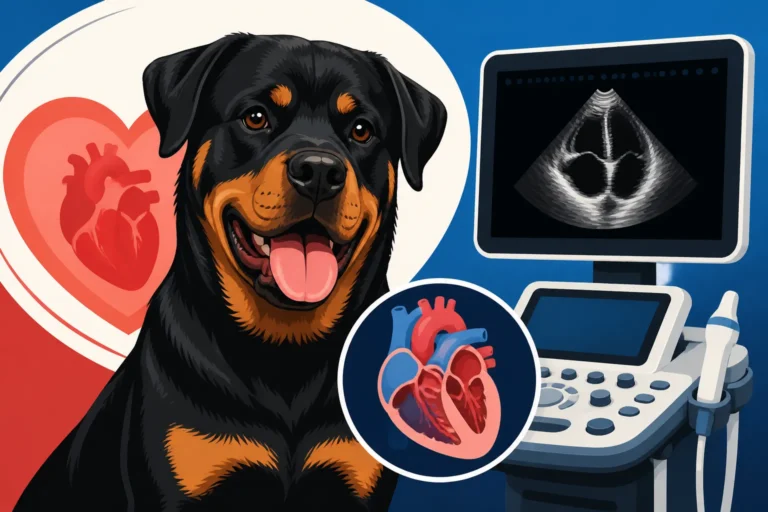
Rottweilers are known to be predisposed to certain cardiac conditions, most notably subaortic stenosis (SAS) and dilated cardiomyopathy (DCM). Subaortic stenosis is a congenital heart defect where there's a narrowing (stenosis) just below the aortic valve. This makes the heart work harder to pump blood, and it can lead to thickening of the heart muscle and eventually heart failure. Even if your Rottweiler hasn't shown outward signs, a significant murmur might be detected during a pre-anesthetic exam. For more on this, you might want to read our article on Rottweiler Heart Disease and Subaortic Stenosis.
Anesthesia can put extra stress on a heart that is already compromised. Drugs that lower blood pressure or affect heart rate can exacerbate existing cardiac issues. If your Rottweiler has a known heart condition, or if a murmur is detected, your vet will likely recommend a cardiac workup, including an echocardiogram, with a veterinary cardiologist before anesthesia. This allows the specialist to assess the severity of the condition and recommend specific anesthetic protocols and drugs that are safer for your dog's heart. For instance, certain anesthetic agents are less likely to depress cardiac function.
Bloat Risk and Emergency Anesthesia
Gastric Dilatation-Volvulus (GDV), commonly known as bloat, is a life-threatening condition that Rottweilers are particularly susceptible to due. This condition involves the stomach filling with gas (dilatation) and then twisting upon itself (volvulus), trapping the gas and cutting off blood supply. Bloat is an emergency that almost always requires immediate surgery. You can learn more about recognizing the signs in our article on Bloat in a Rottweiler and the Hours That Matter.
Anesthesia in an emergency bloat situation carries significant risks. Dogs presenting with bloat are often in shock, dehydrated, and have compromised breathing due to the distended stomach pressing on the diaphragm. The anesthetic protocol must be tailored to stabilize the dog quickly while minimizing further cardiovascular depression. This often involves rapid intravenous fluid administration, pain management, and sometimes decompressing the stomach before or during surgery. Anesthesia for bloat surgery is always considered high-risk due to the patient's critical state, and the veterinary team will prioritize life-saving measures above all else. Owners often find that having pet insurance, like a comprehensive plan from Healthy Paws, can significantly ease the financial burden of such unexpected and costly emergency surgeries.
Orthopedic Concerns and Positioning
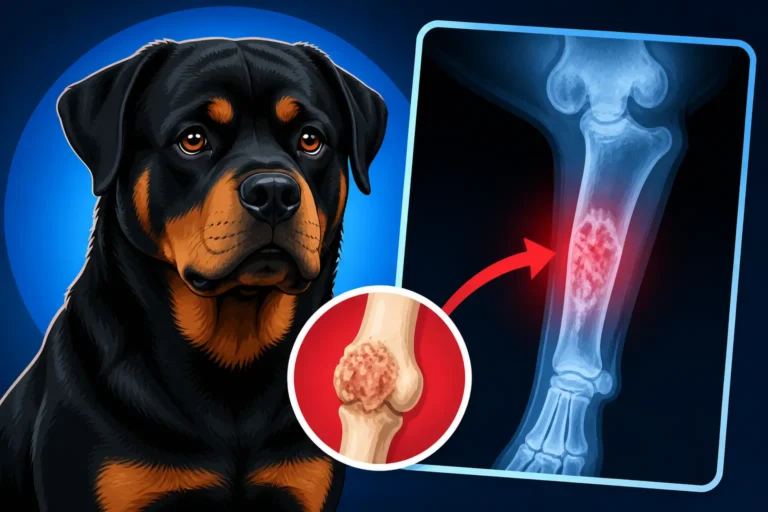
Rottweilers are also prone to orthopedic issues such as hip and elbow dysplasia. While these conditions don't directly increase anesthetic risk, they can complicate positioning during surgery and affect recovery. For example, if your Rottweiler is undergoing surgery for a different issue, the veterinary team must be mindful of their existing joint problems when positioning them on the operating table to prevent further discomfort or injury. Prolonged periods in awkward positions can worsen existing joint pain or even create new issues, especially if the dog is already suffering from conditions like Rottweiler Hip Dysplasia and the OFA Grade.
Post-anesthetic recovery also needs careful planning. A large dog with mobility issues will require more assistance getting up and moving around as the anesthesia wears off. This might involve special slings, padded bedding, and a quiet, warm recovery area where they can regain their balance slowly. Considering these factors is vital for a smooth recovery and minimizing post-operative pain.
Preparing Your Rottweiler for a Safe Anesthetic Experience
The best defense against anesthetic complications is thorough preparation. You play a crucial role in this by providing your vet with comprehensive information about your Rottweiler's health, and by following pre-operative instructions diligently.
Comprehensive Pre-Anesthetic Screening
Before any anesthetic procedure, your veterinarian will recommend a series of pre-anesthetic tests. These tests are not optional add-ons; they are critical for assessing your Rottweiler's internal health and identifying any hidden risks that could make anesthesia dangerous.
- Blood Work: This typically includes a complete blood count (CBC) and a biochemistry panel. A CBC checks for anemia, infection, and platelet levels, which are essential for blood clotting. The biochemistry panel assesses organ function, particularly the liver and kidneys, which are responsible for metabolizing and eliminating anesthetic drugs. If these organs aren't functioning optimally, your vet may need to adjust the drug protocol or even postpone the procedure. For example, elevated kidney values might indicate a need for intravenous fluid support before, during, and after the procedure.
- Urinalysis: A urinalysis provides additional information about kidney function and can detect urinary tract infections or other metabolic issues that might not show up on blood work alone.
- Chest X-rays: Especially for large breeds like Rottweilers, chest X-rays can be invaluable. They help assess heart size and lung health, catching potential issues like early signs of heart enlargement or pulmonary disease that could complicate anesthesia. Given the breed's predisposition to cardiac issues, these are often highly recommended.
- ECG/Echocardiogram: If a heart murmur is detected during the physical exam, or if your Rottweiler has a history of fainting or coughing, an electrocardiogram (ECG) or even an echocardiogram (an ultrasound of the heart) may be recommended. These provide detailed information about heart rhythm and structure, allowing your vet to create a safer anesthetic plan or refer you to a cardiologist if necessary. This kind of thorough screening can significantly reduce risks.
Many pet insurance providers, including those like Healthy Paws, understand the importance of these diagnostic tests and often cover them as part of their comprehensive plans, helping owners make the best health decisions without solely focusing on cost.
Fasting and Hydration Protocols
You will receive specific instructions regarding fasting your Rottweiler before anesthesia, and it's absolutely crucial to follow them precisely. Generally, this means no food for 8-12 hours before the procedure, but often water is permitted until a few hours beforehand. The primary reason for fasting is to prevent regurgitation and aspiration. If a dog has food in its stomach while under anesthesia, they can vomit, and that material can be inhaled into the lungs, leading to severe pneumonia or even death.
However, fasting protocols can be adjusted for specific patients, such as very young puppies (who are at risk of hypoglycemia) or dogs with certain medical conditions. For a healthy adult Rottweiler, sticking to the standard fasting guidelines is vital. If your dog accidentally eats something, no matter how small, you must inform your veterinary team. They might need to postpone the procedure to ensure maximum safety. Ensuring your Rottweiler is well-hydrated before the fasting period is also important, as good hydration helps support blood pressure during anesthesia.
Open Communication with Your Veterinary Team
Your role as a pet parent is paramount. Be completely honest and thorough when discussing your Rottweiler's health history with your veterinarian. This includes any past illnesses, current medications (even supplements), allergies, behavioral quirks (especially if they cause stress), and any previous reactions to anesthesia. Even seemingly minor details, like a recent bout of diarrhea or a slight cough, could be significant.
Ask questions! Don't be afraid to inquire about the specific anesthetic drugs they plan to use, what monitoring equipment will be in place, who will be monitoring your dog, and what their emergency protocols are. A good veterinary team will appreciate your engagement and be happy to explain everything in detail. Understanding the plan and feeling confident in your vet’s abilities will make the experience less stressful for both you and your Rottweiler.
Monitoring During and Recovery After Anesthesia
The procedure itself is just one part of the anesthetic journey. What happens during and immediately after anesthesia is equally critical for a Rottweiler, and sophisticated monitoring is key to catching any problems early.
Advanced Anesthetic Monitoring Equipment
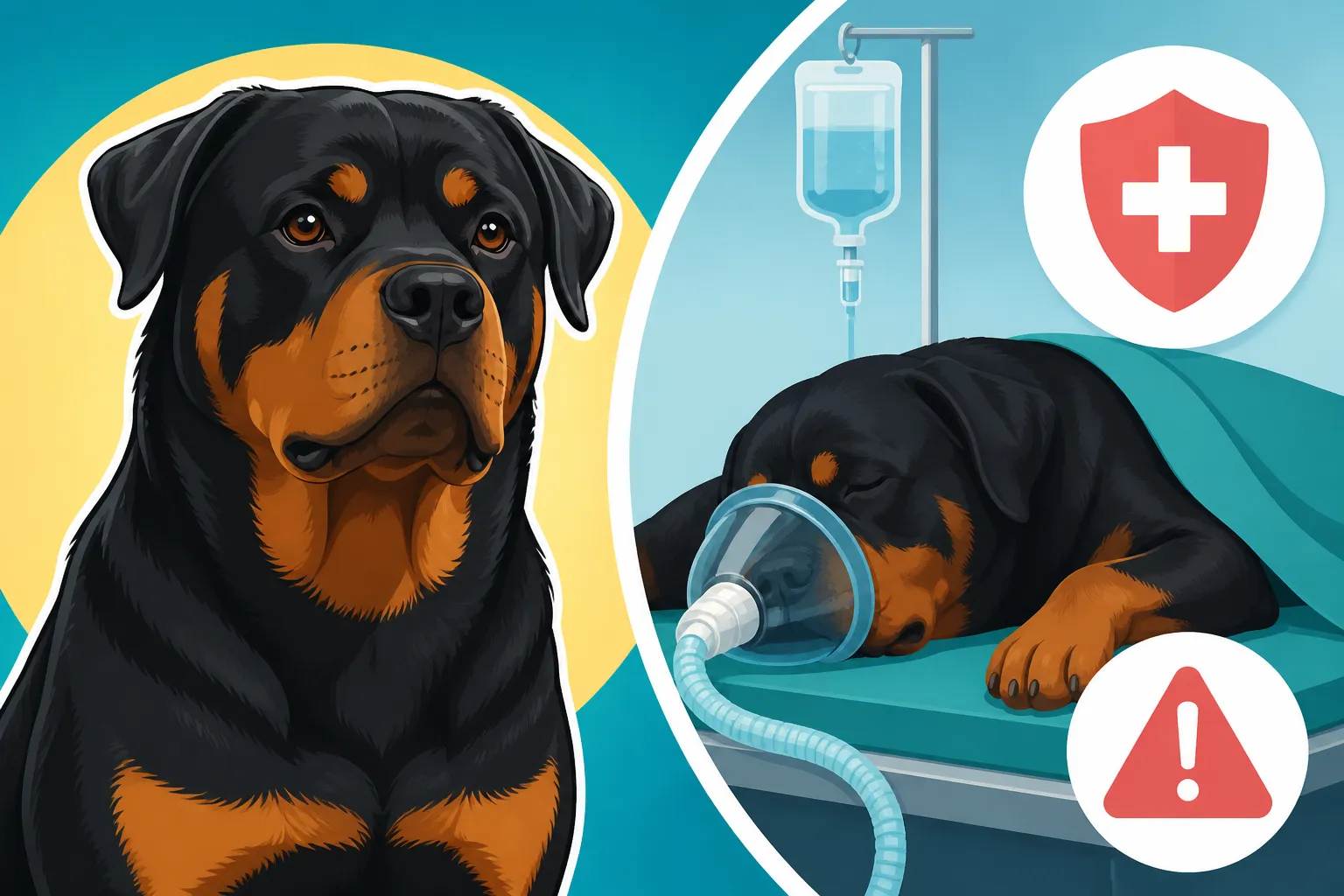
During anesthesia, your Rottweiler will be under constant surveillance by a dedicated veterinary nurse or technician. This individual's sole job is to monitor your dog's vital signs and respond to any changes immediately. They will use a range of advanced equipment to track key physiological parameters, ensuring your dog remains stable and safe.
- Heart Rate and Rhythm (ECG): An electrocardiogram (ECG) continuously monitors the electrical activity of the heart, showing the heart rate and detecting any abnormal rhythms (arrhythmias).
- Blood Pressure: Continuous blood pressure monitoring is crucial for large dogs, as maintaining adequate blood pressure ensures vital organs like the brain and kidneys receive sufficient blood flow. Anesthesia can often cause a drop in blood pressure, which needs to be managed promptly with fluids or medication.
- Oxygen Saturation (Pulse Oximetry): A pulse oximeter measures the percentage of hemoglobin in the blood that is saturated with oxygen. This indicates how well your dog is breathing and absorbing oxygen.
- Carbon Dioxide Levels (Capnography): Capnography measures the amount of carbon dioxide in your dog's exhaled breath, providing real-time information about lung function, ventilation, and circulation.
- Body Temperature: As discussed, maintaining proper body temperature is vital. Rectal thermometers or esophageal probes are used to continuously monitor core body temperature.
- Respiratory Rate: The number of breaths per minute is manually or automatically tracked.
- Fluid Administration: Intravenous fluids are almost always administered during anesthesia to help maintain blood pressure, support organ function, and provide access for emergency medications if needed.
The veterinary team will adjust the anesthetic depth, fluid rates, and other parameters based on these real-time readings, ensuring your Rottweiler's safety throughout the entire procedure.
Smooth Recovery and Post-Operative Care
The recovery phase is just as important as the procedure itself, especially for large breeds. Your Rottweiler will be moved to a warm, quiet recovery area where monitoring continues. The goal is a smooth, calm emergence from anesthesia.
- Continued Monitoring: Even after the procedure, your Rottweiler will be closely monitored as they start to wake up. This includes watching their breathing, heart rate, temperature, and pain levels. Large dogs can take longer to fully recover and become steady on their feet due to their size and the lingering effects of the drugs.
- Pain Management: Effective pain management is critical for a comfortable recovery. Your vet will likely administer pain medication before, during, and after the procedure to keep your Rottweiler comfortable. Unmanaged pain can lead to increased stress, delayed healing, and behavioral issues.
- Mobility Support: As a large dog, your Rottweiler might be wobbly or disoriented as the anesthesia wears off. The veterinary staff will provide assistance to help them stand and walk when they are ready, preventing falls or injuries. For older Rottweilers, or those with existing mobility issues such as those discussed in Senior Rottweiler Mobility Decline, extra care and physical support will be crucial.
- Home Care Instructions: Once your Rottweiler is ready to go home, you will receive detailed instructions for their post-operative care. This will cover medication schedules, feeding guidelines, activity restrictions (critical especially for things like Rottweiler Growth Plates and Why They Close So Late), and what signs to watch out for that might indicate a complication. Make sure you understand these instructions completely before leaving the clinic, and don't hesitate to call if you have any questions or concerns once you're home.
Taking home a groggy Rottweiler can be a challenge, so ensure you have a safe, comfortable, and easily accessible space for them to rest. Prepare a soft bed on the floor, ideally in a quiet room, to minimize any risk of falling or struggling to get onto furniture. Having invested in a good pet insurance plan, like those offered by Healthy Paws, can also be beneficial in covering potential post-operative complications or follow-up visits, giving you peace of mind during this critical recovery period.
| Pre-Anesthetic Test | What It Checks For | Why It's Crucial for a Rottweiler |
|---|---|---|
| Complete Blood Count (CBC) | Red/white blood cell count, platelets | Detects anemia, infection, clotting issues; essential for surgery. |
| Biochemistry Panel | Liver, kidney, pancreatic function, electrolytes, glucose | Assesses organ health for metabolizing drugs; crucial for large breeds. |
| Urinalysis | Kidney function, urinary tract infection, hydration | Provides additional kidney insight; identifies hidden infections. |
| Chest X-rays | Heart size, lung condition, tracheal structure | Screens for cardiac enlargement or lung disease common in Rottweilers. |
| ECG / Echocardiogram | Heart rhythm, structure, valve function | Detects subaortic stenosis or other arrhythmias common in the breed. |
Minimizing Risks Through Preventative Measures
Beyond immediate pre-operative screening, several long-term preventative measures can significantly reduce anesthetic risk for your Rottweiler throughout their life.
Maintaining Optimal Health and Weight
One of the most impactful things you can do for your Rottweiler's overall health, including their ability to handle anesthesia safely, is to maintain an ideal body weight and condition. Obesity places extra strain on the heart, lungs, and joints, and can complicate anesthesia by making it harder to intubate and prolonging drug metabolism. A fit, lean Rottweiler will generally have an easier time under anesthesia and a smoother recovery. Regular exercise appropriate for their age and joint health, combined with a balanced diet, is key. Our article on Rottweiler Obesity and the Load It Adds offers valuable insights into managing your Rottweiler's weight.
Regular Veterinary Check-ups and Dental Care
Routine veterinary check-ups, especially as your Rottweiler ages (consider our guide on Senior Rottweiler Care After the Age of Seven), are essential for detecting health issues early. Many conditions, including heart disease or kidney problems, can be managed more effectively if caught early, thus reducing anesthetic risk when a procedure becomes necessary.
Dental health is another often-overlooked area. Severe dental disease can lead to systemic infections and puts extra stress on the heart and kidneys. Regular professional dental cleanings under anesthesia are often required to maintain good oral health, but addressing issues proactively can minimize the frequency and duration of these procedures. Knowing about Rottweiler Dental Disease and Cracked Teeth can help you be vigilant. Your vet can advise on home dental care and when a professional cleaning is warranted.
Proactive Health Screenings and Clearances
For Rottweiler owners, especially those who acquired their dog from a reputable breeder, understanding the importance of genetic testing and health clearances can be incredibly reassuring. Responsible breeders screen for conditions like hip and elbow dysplasia, as well as cardiac disease and Juvenile Laryngeal Paralysis & Polyneuropathy (JLPP). Knowing your dog's genetic predisposition to certain conditions allows your vet to be even more proactive in screening and preparing for anesthesia. A breeder who provides you with documents like The Five Clearances a Rottweiler Breeder Must Have is giving you a head start on your dog's health journey. This knowledge is not just for breeding purposes, but for informing lifelong veterinary care decisions.
Taking these proactive steps throughout your Rottweiler's life will create a foundation of health that helps them navigate any necessary anesthetic procedures with the lowest possible risk. It’s about building a partnership with your vet and being an informed, prepared owner.
Disclaimer
This article is intended for informational purposes only and does not constitute professional veterinary advice. Always consult with a qualified veterinarian for any health concerns or before making any decisions about your Rottweiler's medical care.