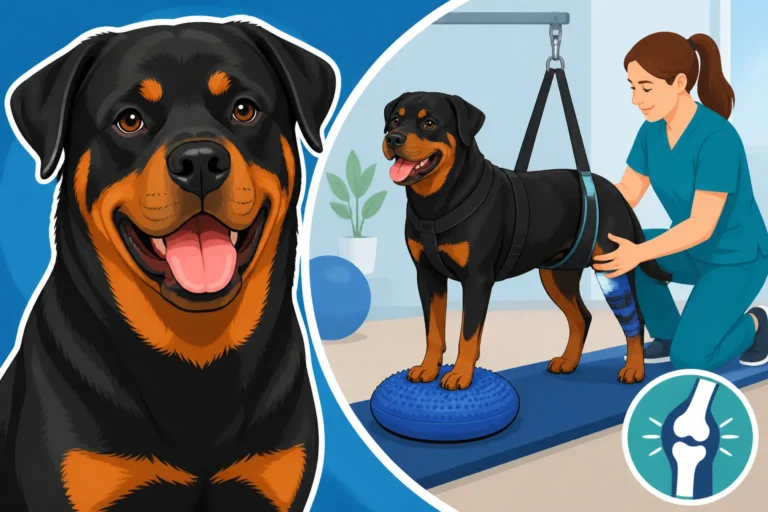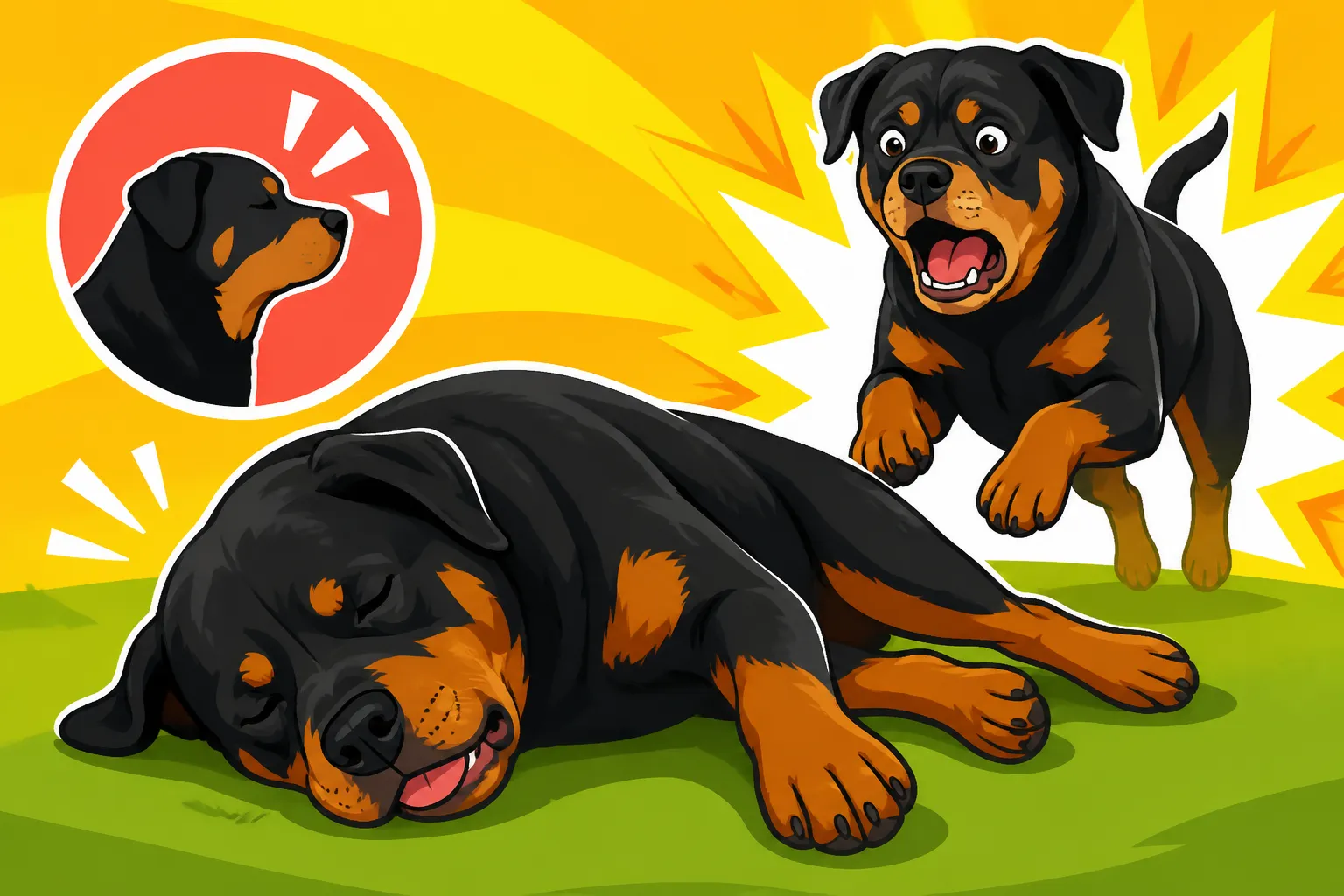
A Rottweiler That Collapses Suddenly During Play
There are few moments more terrifying for a Rottweiler owner than watching their powerful, active companion suddenly collapse during what should be a joyful moment of play or exercise. One minute they're bounding with energy, chasing a ball, or wrestling with glee, and the next, they're down, often without warning, leaving you frozen in a panic, wondering what on earth just happened. This isn't just a simple stumble; it's a critical emergency that demands immediate action and understanding, and this guide is here to walk you through the potential causes and crucial steps to take.
The Terrifying Reality of Sudden Collapse in a Rottweiler
That moment when your big, sturdy Rottweiler, full of life, suddenly goes down during play is absolutely heart-stopping. It’s not like they tripped over their own feet or misjudged a jump; this is often a sudden loss of muscle control or consciousness that signals something far more serious is happening internally. The sheer size and strength of a Rottweiler makes any sudden weakness or instability inherently alarming, and it’s a clear signal that their body is in distress. You might see them stagger, buckle, or just drop as if their legs suddenly stopped working. The immediate aftermath can range from a quick recovery to persistent weakness, or even a complete loss of consciousness, each scenario equally frightening.
Why Immediate Veterinary Attention is Non-Negotiable
When a Rottweiler collapses, especially during exertion, it's not the time to "wait and see" if they bounce back completely. Even if they stand up a minute later, seemingly fine, the underlying cause could still be life-threatening and silently progressing. A collapse, particularly in a breed prone to certain health conditions like Rottweilers, is always an emergency. Every single second can count, and delaying a veterinary visit could have dire consequences.
Think of it like this: if a human collapses during a run, you wouldn't just give them a glass of water and tell them to rest. You'd call 911. The same urgency applies to our dogs. What might seem like a minor episode could be the first, most visible sign of a rapidly worsening condition. Getting them to an emergency veterinarian as quickly and safely as possible is paramount. Don't waste time trying to diagnose it yourself or hoping it will just go away. Just go. The peace of mind, or the opportunity for early intervention, is priceless.
Observing the Details: What to Tell Your Vet
While rushing your Rottweiler to the vet, try to keep a cool head enough to gather crucial information. The details you can provide about the collapse itself, and the moments leading up to it, can be incredibly helpful for the veterinary team trying to pinpoint the cause.
- When did it happen? Note the exact time or approximate duration.
- What was your Rottweiler doing immediately before the collapse? Were they sprinting, playing tug, chasing a ball, or just walking calmly?
- What did the collapse look like? Did they just drop? Did they stagger? Did they cry out?
- How long did the collapse last? Did they recover quickly, or did they remain down for several minutes?
- Did they lose consciousness? Were their eyes open but unfocused, or completely closed? Did they respond to your voice or touch?
- What was their breathing like? Was it labored, shallow, rapid, or normal?
- What color were their gums? Ideally, healthy gums are pink. Pale, white, blue, or brick-red gums are all significant warning signs.
- Did you notice any other symptoms? Vomiting, diarrhea, distended belly, drooling, stiffness, lameness, or any unusual movements?
- When did they last eat or drink? And how much?
- What was the weather like? Was it particularly hot or humid?
Every bit of information helps the vet triage and diagnose faster. It’s like being a detective for your own dog, and your observations could be the key to saving their life.
Common Life-Threatening Causes of Collapse in Rottweilers
Rottweilers, sadly, are predisposed to several serious conditions that can manifest as sudden collapse. Understanding these can help you recognize the gravity of the situation and react appropriately.
Cardiac Conditions: The Silent Threat
Heart problems are a significant concern in the Rottweiler breed, and they often progress silently until a critical event occurs, such as collapse during exercise.
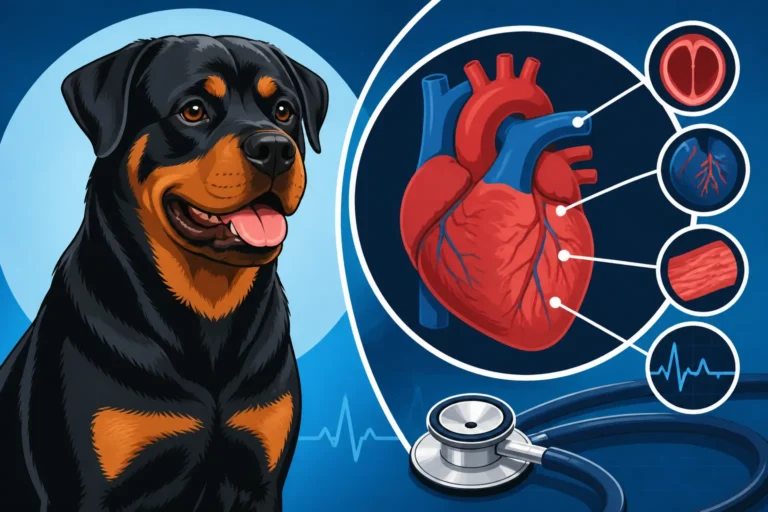
Perhaps the most well-known heart condition in Rottweilers is Rottweiler Heart Disease and Subaortic Stenosis. This is a congenital narrowing of the aorta, the main artery carrying blood from the heart. Dogs with severe SAS struggle to pump enough blood to meet the body's demands, especially during physical exertion. This can lead to fainting or sudden death. Another serious contender is Dilated Cardiomyopathy in a Rottweiler (DCM), where the heart muscle becomes thin and weak, losing its ability to pump blood effectively. In both cases, the heart simply cannot keep up with the oxygen demands of the body during strenuous activity, causing the dog to collapse due to a lack of blood flow to the brain and other vital organs.
Beyond SAS and DCM, Rottweilers can also experience various arrhythmias, which are abnormal heart rhythms. These irregular beats can severely impair the heart's pumping efficiency, leading to a sudden drop in blood pressure and subsequent collapse. A seemingly healthy Rottweiler might have a hidden heart issue that only becomes apparent when pushed during play. This is why regular vet check-ups are so important, and why some breeders conduct early screenings like The Rottweiler Echocardiogram at Two Years Old to catch these issues before they become life-threatening emergencies.
Gastric Dilatation-Volvulus Bloat: A Race Against Time
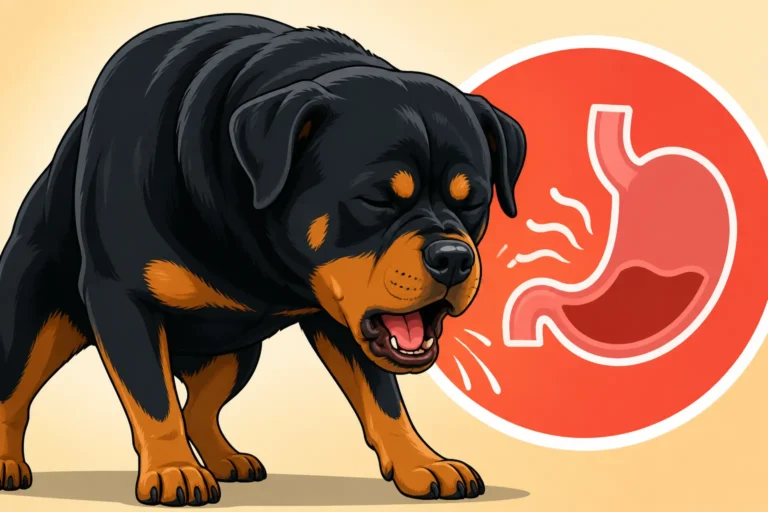
Bloat, medically known as Gastric Dilatation-Volvulus (GDV), is every large-breed dog owner's nightmare, and Rottweilers are absolutely on the high-risk list. This condition occurs when the stomach fills with gas and then twists on its axis, trapping both gas and food, and cutting off blood supply to the stomach and other organs. The pain is excruciating, and the rapidly expanding stomach puts immense pressure on the diaphragm, making it difficult for the dog to breathe.
While bloat usually presents with classic symptoms like a distended abdomen and non-productive retching, as detailed in Recognizing Bloat in a Rottweiler, in advanced stages or when it progresses very quickly, a Rottweiler might collapse due to shock from the severe pain and compromised circulation. If your Rottweiler collapses and also exhibits a swollen, tight belly, or is trying to vomit without bringing anything up, you are looking at a critical emergency that requires immediate veterinary intervention. Time is of the essence; understanding Bloat in a Rottweiler and the Hours That Matter can mean the difference between life and death.
Hemangiosarcoma and Internal Bleeding: The Hidden Danger
Hemangiosarcoma is a particularly aggressive and devastating cancer common in Rottweilers, and it earns its "silent killer" reputation because it often shows no obvious signs until it's too late. This cancer arises from the cells lining blood vessels and can occur anywhere in the body, but it most commonly affects the spleen, heart, or liver.
A common scenario for Hemangiosarcoma and Sudden Rottweiler Collapse involves a tumor on the spleen that ruptures, causing massive internal bleeding. The dog might suddenly become weak, lethargic, have pale gums, and then collapse due to acute blood loss and shock. These episodes can be fleeting; a dog might collapse, recover somewhat as the bleeding temporarily slows, and then collapse again as it resumes. Owners often report a "wobbly" or "weak" phase before the full collapse. This is a profound medical emergency requiring immediate surgery, but the prognosis is often grim.
Heat Stroke: Overheating in a Heavy Coat
While many people associate heatstroke with extremely hot weather, it can happen on even moderately warm days, especially during strenuous activity, and Rottweilers are particularly vulnerable. Their dense, dark coats absorb heat, and their body mass makes it harder for them to dissipate heat efficiently. Combine this with intense play, and their core body temperature can skyrocket dangerously quickly.
Symptoms of heat stroke include excessive panting, bright red or pale gums, weakness, disorientation, vomiting, diarrhea, and eventually, collapse. If your Rottweiler collapses during play on a warm day, especially after an energetic session, heatstroke should be high on your list of concerns. Cooling measures must begin immediately while en route to the vet. Understanding Heat Tolerance in a Black-Coated Rottweiler and taking proactive steps to prevent overheating is crucial for all Rottweiler owners. Always ensure they have access to shade and fresh water, and avoid strenuous exercise during the hottest parts of the day.
Less Common But Still Serious Causes
While the cardiac, bloat, hemangiosarcoma, and heatstroke are the top contenders for sudden collapse in a Rottweiler during play, other serious issues can also be at play.
Neurological Events and Seizures
Sometimes, a sudden collapse can be indicative of a neurological event, such as a seizure. While many seizures involve obvious convulsions, some can present as a more subtle "fainting spell" or a sudden loss of muscle tone where the dog simply drops. They might appear disoriented, unresponsive, or have unusual eye movements.
Distinguishing a seizure from a cardiac collapse can be challenging for an owner in the moment. With a seizure, there might be a pre-ictal phase (changes in behavior before the seizure), the seizure itself (collapse, paddling, rigidity, chomping), and a post-ictal phase (disorientation, temporary blindness, excessive thirst/hunger afterward). Cardiac collapses typically involve a more immediate "lights out" scenario, often with rapid recovery, though the dog might remain weak. Regardless of the type of event, a neurological collapse warrants an urgent veterinary evaluation.
Hypoglycemia or Metabolic Issues
While less common in an otherwise healthy adult Rottweiler, extremely prolonged or strenuous exercise, especially if they haven't eaten properly, could potentially lead to a severe drop in blood sugar (hypoglycemia). This would cause weakness, disorientation, and eventually collapse. This is more often seen in very young puppies or dogs with underlying metabolic diseases (like insulinoma, though rare).
If your Rottweiler collapses and shows signs of extreme lethargy, disorientation, and weakness, and you know they've been working extremely hard or haven't eaten, mentioning this to your vet is important. They can perform a quick blood glucose check to rule this out.
Acute Orthopedic or Spinal Injuries
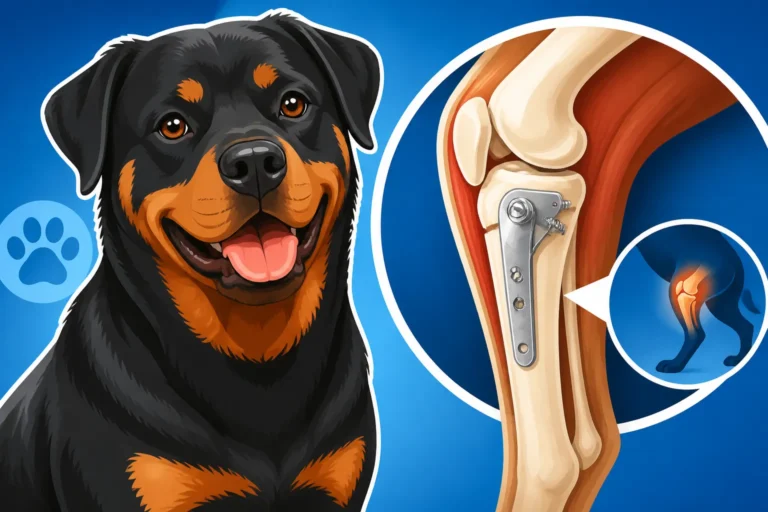
While not a typical "collapse" in the systemic sense, a sudden, severe orthopedic or spinal injury could cause a Rottweiler to go down suddenly and be unable to get back up. For example, a sudden Cruciate Tears in a Heavy Rottweiler could cause intense pain and instability, leading to them dropping to the ground. Similarly, a ruptured intervertebral disc in their spine could cause sudden paralysis or extreme weakness in their hindquarters, making them collapse.
In these cases, the collapse is usually accompanied by immediate signs of pain, vocalization, or a clear inability to use one or more limbs. While terrifying, these are generally less immediately life-threatening than internal bleeding or acute cardiac events, but still require immediate veterinary care to assess the damage and manage pain.
What to Do in the Moment: Actionable Steps
When your Rottweiler collapses, panic is a natural reaction, but quick, decisive action is critical.
First Aid While You Call the Vet
Your primary goal is to get your Rottweiler to veterinary care, but there are a few things you can do in the immediate aftermath:
- Stay Calm and Assess the Situation: Take a deep breath. Observe your dog's breathing, gum color, and responsiveness. This information will be vital for the vet.
- Ensure Safety: Move your dog to a safe, quiet spot if possible, especially if they're in the middle of a street or a busy area. If they are in extreme pain or disoriented, they might lash out, so approach cautiously.
- Check Gums and Breathing: Gently lift their lip to check their gum color. Pink is good. White, blue, or deep red is an emergency. Place your hand on their chest to feel for heart rate and observe their breathing.
- Cooling Measures (if heatstroke is suspected): If it's a hot day and heatstroke is a possibility, start cooling them down immediately while you prepare to leave. Wet towels, especially on their groin, armpits, and neck, and fanning them can help. Do not use ice water, which can constrict blood vessels and hinder cooling. Offer small amounts of water if they can drink.
- Call Ahead: As you’re getting ready to leave, call your regular vet or the nearest emergency veterinary clinic. Tell them you're coming in with a collapsing Rottweiler and briefly describe what happened. This allows them to prepare for your arrival and be ready to act immediately.
- Gentle Transport: Given the size of a Rottweiler, moving them can be a challenge. If they can walk, guide them slowly. If they cannot, you might need help. A large blanket, a sturdy towel, or even a piece of plywood can be used as an improvised stretcher to gently carry them to your vehicle. Be mindful of potential spinal injuries; try to keep their body as straight as possible.
Preparing for the Emergency Vet Visit
When you arrive at the emergency clinic, be prepared to answer a lot of questions. The more information you can provide quickly, the better. Bring any relevant medical history if you have it readily available, though in an emergency, your immediate verbal account is usually sufficient to start.
It's also a time when you’ll be grateful if you’ve considered pet insurance. Emergency vet bills for a large breed like a Rottweiler can be astronomical, easily running into thousands of dollars for diagnostics, surgery, and overnight stays. Companies like Healthy Paws can provide a crucial safety net, helping to cover these unexpected and often very high costs, allowing you to focus on your dog's care rather than the financial strain. Having a plan for Emergency Vet Bills a Rottweiler Owner Should Expect or understanding Rottweiler Pet Insurance and the $204 Average beforehand can significantly reduce stress during such a crisis.
Here's a quick reference for some of the critical signs and what they might indicate:
| Symptom During/After Collapse | Potential Causes | Urgency Level | Immediate Action |
|---|---|---|---|
| Pale/White Gums, Weakness | Internal bleeding (Hemangiosarcoma), Shock, Anemia | CRITICAL | Immediate vet visit, keep warm, minimize movement. |
| Distended Belly, Retching | Bloat (GDV) | CRITICAL | Immediate vet visit, do NOT attempt to decompress stomach yourself. |
| Blue/Purple Gums, Labored Breath | Severe cardiac event, Respiratory distress | CRITICAL | Immediate vet visit, keep calm, ensure open airway if safe. |
| Red Gums, Excessive Panting | Heat Stroke, Shock | CRITICAL | Start cooling (wet towels, fan) while en route to vet. |
| Disorientation, Convulsions | Seizure, Head trauma, Metabolic issue | HIGH | Protect from injury, keep quiet, call vet. |
| Sudden Lameness, Crying Out | Orthopedic injury (Cruciate tear, Fracture) | HIGH | Stabilize injured limb if possible, gentle transport to vet. |
| Rapid Recovery, Re-collapse | Intermittent arrhythmia, Transient Ischemic Attack, Bleeding | HIGH | Still needs immediate vet visit, even if seemingly recovered. Underlying cause serious. |
This table is for quick reference and does not replace professional veterinary advice. Always err on the side of caution and seek immediate veterinary care.
The sudden collapse of a Rottweiler during play is a truly terrifying experience, one that no pet parent ever wants to face. These powerful, loyal dogs are prone to several serious conditions that can manifest in such a dramatic way, from hidden heart disease and aggressive cancers like hemangiosarcoma to the acute emergencies of bloat or heatstroke. The key takeaway is always urgency. Do not delay. Every second counts when your beloved Rottweiler suddenly collapses. Your swift action, combined with the expertise of your veterinary team, gives your companion the very best chance at diagnosis, treatment, and ultimately, recovery.
Disclaimer
This article is intended for informational purposes only and does not constitute medical advice for pets. Always consult with a qualified veterinarian for any health concerns or before making any decisions related to your pet's health or treatment. In the event of an emergency, contact your veterinarian or an emergency veterinary clinic immediately.