Rottweilers Trained as Service and Mobility Dogs
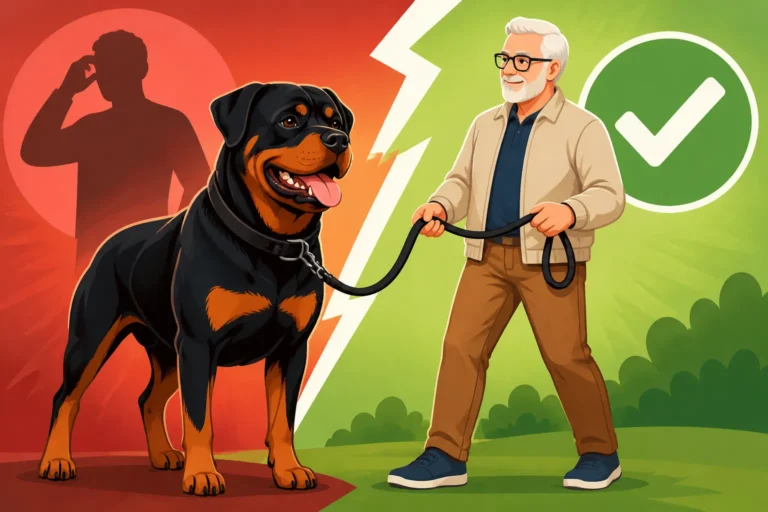
The perception of Rottweilers often paints a picture of a formidable guard dog, leading many to overlook their incredible potential for dedicated, compassionate service work. It's easy to assume such a powerful breed might be too imposing or headstrong for the nuanced tasks required of assistance animals, but this couldn't be further from the truth. This guide will delve into how Rottweilers, with their remarkable blend of intelligence, loyalty, and physical strength, can become invaluable service and mobility assistance dogs, exploring the traits that make them shine and the commitment required to harness their capabilities.
The Rottweiler Temperament: A Foundation for Service
When people think of a service dog, often a Golden Retriever or Labrador Retriever comes to mind. While those breeds are fantastic, the Rottweiler possesses a unique set of traits that are incredibly well-suited for specific service roles, particularly those requiring physical assistance or a strong, steady presence. Their reputation for being aloof or "cold" is often misunderstood; instead, it speaks to their discerning nature. They aren't prone to immediate effusive greetings with strangers, which can actually be a benefit in public access settings where distraction needs to be minimized.
Calm Confidence and Focus
A Rottweiler's inherent temperament is one of calm confidence. They are self-assured, not easily rattled by new environments or unexpected noises, which is paramount for a service dog that needs to function reliably in a myriad of public spaces. Imagine navigating a busy airport or a crowded grocery store; a service dog cannot afford to be reactive or anxious. A well-bred and properly socialized Rottweiler typically exhibits a steady demeanor, observing its surroundings with a quiet intensity rather than a frantic energy. This thoughtful approach means they can maintain focus on their handler, even amidst potential distractions. It's a testament to their Rottweiler Temperament and That Self-Assured Aloofness, which, when channeled correctly, becomes a huge asset. They want to know what's expected of them and will commit fully to their person.
Unwavering Loyalty and Bond
One of the most profound qualities of a Rottweiler is their deep, unwavering loyalty to their family. For a service dog, this translates into an incredible bond with their handler, fostering a partnership built on trust and mutual respect. This isn't just about obedience; it's about an intuitive connection where the dog anticipates needs and responds with devotion. When a Rottweiler commits to its person, that commitment is absolute. This intense loyalty fuels their desire to please and perform tasks reliably, knowing they are working to assist their cherished human. This bond is what enables them to respond to subtle cues and adapt to their handler's specific requirements, often without needing explicit commands for every single action.
Roles and Tasks: How Rottweilers Assist
The sheer physical presence and strength of a Rottweiler open up a range of possibilities for service and mobility assistance roles that might be challenging for smaller or less robust breeds. Their sturdy build and muscular frame are not just for show; they are practical tools in assisting humans with various physical limitations.
Mobility Assistance
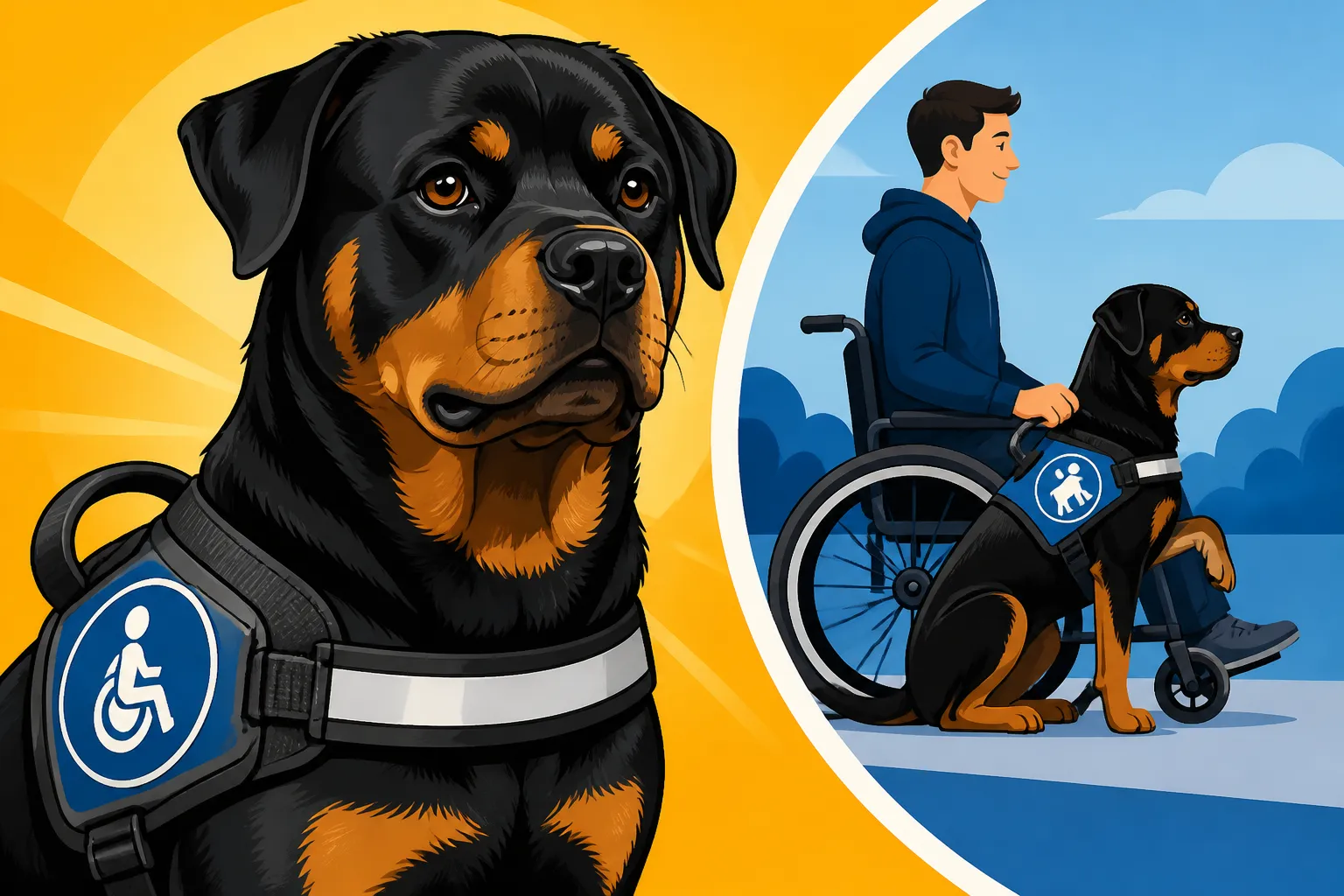
For individuals needing physical support, a Rottweiler can be a game-changer. Their size and strength make them ideal for tasks like bracing or counterbalance. Imagine someone needing steady support to transition from a seated to a standing position, or to maintain balance while walking. A Rottweiler can provide that stable anchor. They can also assist with retrieving dropped items, pushing automatic door buttons, or even carrying small medical supplies in a specially designed vest. The ability to brace against their body, allowing a handler to lean for support, is a primary function for many mobility service dogs. This requires a dog that is not only strong but also incredibly stable and patient, traits inherent in a well-trained Rottweiler. Learning Rottweiler Leaning and Body Blocking as a controlled skill rather than an instinctual behavior is key.
Guide and Alert Work
While less common than mobility assistance, Rottweilers can also be trained for guide work for individuals with visual impairments or to alert handlers to medical events. For guide work, their calm, confident gait provides a steady pace, and their intelligence allows them to navigate obstacles and make safe decisions. For medical alert, their keen senses and focused attention can be honed to detect subtle changes in their handler's scent or behavior, signaling an impending seizure, diabetic low blood sugar, or other medical issues. This level of attentiveness, combined with their ability to perform tasks like fetching medication or summoning help, makes them incredibly valuable. The key here is not just their sensory abilities, but their capacity for sustained focus on their handler, filtering out extraneous environmental stimuli.
Psychiatric and Sensory Support
Rottweilers also excel in providing psychiatric service dog support, offering deep pressure therapy (DPT) by leaning on or lying across their handler to help calm anxiety or interrupt panic attacks. Their size is particularly effective for DPT, providing a grounding sensation that smaller dogs simply can't replicate. Furthermore, for individuals with sensory processing disorders or those prone to overstimulation, a Rottweiler can create a physical buffer in crowded spaces, providing a sense of security and personal space. Their quiet presence can be immensely reassuring, offering a non-judgmental companion who is always attuned to their handler's emotional state. This role often leverages their naturally protective yet gentle demeanor, offering comfort without being overtly "on guard" in an inappropriate way.
Training a Rottweiler for Service Work
Training any dog to be a service animal is an intensive, long-term commitment, but with a Rottweiler, there are specific considerations due to their size, strength, and strong will. It’s not a path for the faint of heart, but the rewards are immeasurable.
Early Socialization and Obedience
The foundation of any successful service dog begins with impeccable socialization and early obedience. For a Rottweiler, this is non-negotiable. From a young age, they need exposure to a vast array of sights, sounds, people, and environments in a positive and controlled manner. This helps them develop into a confident, unflappable adult that can handle the unpredictability of public life. Puppy classes that emphasize positive reinforcement and exposure to different stimuli are crucial. Simultaneously, rigorous obedience training must begin early. A Rottweiler puppy will grow into a powerful dog quickly, so teaching commands like "sit," "stay," "heel," and a reliable recall must be instilled long before they reach their full weight. Training a Rottweiler Before It Outweighs You is not just good advice; it's essential for safety and control. Think of sourcing durable training tools and treats from a place like Chewy to ensure you have everything you need for consistent positive reinforcement.
Specialized Task Training
Beyond basic obedience, a service Rottweiler requires highly specialized task training tailored to the individual's needs. This involves breaking down complex behaviors into small, manageable steps and rewarding success. For mobility assistance, this might include teaching specific retrieves (e.g., keys, a phone, crutches), learning to open and close doors, or providing steady counterbalance on command. A professional service dog trainer with experience in large breeds is often essential, especially for teaching complex mobility tasks that require precise execution and understanding of physics. The dog must learn to differentiate between helping and hindering, knowing when to apply pressure, and when to remain still. Equipment is also key: Harnesses and Head Halters Sized for a Rottweiler are critical for control and comfort during these demanding tasks. When looking for appropriate gear, including sturdy vests with patches, checking a wide selection on a platform like Chewy can be a good starting point.
Public Access and Maintenance
Public access training is perhaps the most challenging aspect of service dog training. It means the Rottweiler must be calm, unobtrusive, and perfectly behaved in all public settings, ignoring distractions and focusing solely on its handler. This requires countless hours of practice in diverse environments. Even after certification, a service Rottweiler requires ongoing training and maintenance to ensure their skills remain sharp and their public manners impeccable. This can involve regular refresher sessions with a trainer, continued socialization, and maintaining a healthy physical condition, which includes a balanced diet and appropriate exercise. Don't forget that a high-quality diet for a working dog can be conveniently ordered from retailers like Chewy, ensuring they have the energy and nutrients to perform their duties.
Here's a look at some common service dog tasks and how a Rottweiler's traits align:
| Task Category | Specific Tasks | Rottweiler Aptitude | Key Training Focus |
|---|---|---|---|
| Mobility Support | Bracing, Counterbalance, Stability Aid | Strength, Sturdiness, Calmness under pressure | Precise positioning, steady pressure, understanding handler's weight distribution |
| Retrieval | Picking up dropped items, fetching medication | Dexterity with mouth, intelligence, willingness to carry | Gentle mouth, consistent fetch, differentiating items |
| Alert/Interruption | Medical alerts (seizure, blood sugar), anxiety interruption | Keen senses, attentiveness, deep bond with handler | Scent recognition, specific physical alerts (e.g., nudge), deep pressure therapy |
| Navigation | Guiding around obstacles, finding exits | Intelligence, confident decision-making, focus, impervious to distraction | Environmental awareness, problem-solving, ignoring stimuli |
| Carrying | Transporting supplies, small packages | Strength, endurance, comfortable wearing specialized vests | Accepting vest, carrying without interference, maintaining proper gait |
Finding and Working with a Rottweiler Service Dog
If you're considering a Rottweiler for service work, whether it's a puppy you plan to train or an adult seeking a new purpose, there are critical steps to take to ensure success.
Choosing the Right Temperament
Not every Rottweiler, no matter how well-bred, is destined to be a service dog. Temperament is paramount. Look for a puppy or adult that exhibits confidence without aggression, is calm and observant rather than overly boisterous or timid, and shows a strong desire to connect with people. A reputable breeder who prioritizes temperament and health clearances (like those for Rottweiler Hips and Elbows and the 24-Month Rule or Rottweiler Heart Disease and Subaortic Stenosis) is essential. Avoid any dog that shows signs of nervousness, fear, or extreme shyness, as these traits can make public access training incredibly difficult and potentially unsafe. Discuss your service dog aspirations with breeders or rescue organizations; they may be able to guide you toward a puppy or dog with the right innate qualities.
Professional Guidance is Key
While some individuals have the skills and experience to owner-train a service dog, for a breed as powerful as a Rottweiler, professional guidance is highly recommended. Working with a certified service dog trainer or organization that specializes in large breeds can make all the difference. They can help assess the dog's suitability, design a tailored training program, and guide you through the complexities of public access laws and task training. Finding a Rottweiler-Experienced Trainer Near You is a vital step, as they understand the breed's nuances and how to effectively harness their strengths while mitigating potential challenges. This professional partnership ensures that both you and your Rottweiler are set up for success, creating a safe and effective working team.
Commitment to Lifelong Care and Health
A service dog is a working animal, and their health and well-being are directly tied to their ability to perform their duties. Rottweilers, being a large breed, are prone to certain health issues like hip and elbow dysplasia, as well as Osteosarcoma, the Cancer That Takes Most Rottweilers. Regular veterinary care, a high-quality diet, appropriate exercise (avoiding A Growing Rottweiler's Joints and Overexercise when young), and proactive management of any health concerns are crucial. This commitment extends to financial planning for veterinary care, including potential emergencies. Just like any beloved companion, a service Rottweiler deserves the best care possible to ensure they can work comfortably and live a full, happy life alongside their handler. Taking on a service dog is a monumental responsibility that requires dedication, resources, and an understanding that this partnership is for the long haul.
Disclaimer
This article is for general informational purposes only and does not constitute professional advice. Laws, prices and regulations vary by location and change over time. Consult a qualified professional for guidance on your specific situation.