The Rottweiler Surprises Owners Report Most
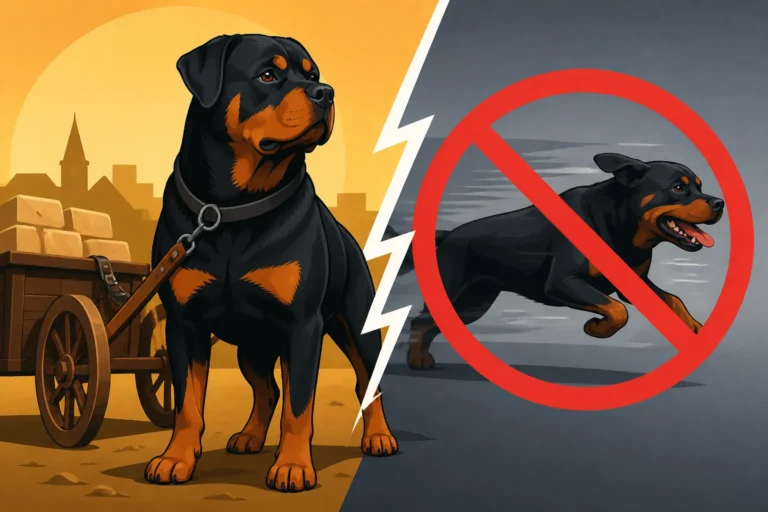
Many people picture a Rottweiler as a stoic, unyielding guard dog, a formidable presence that keeps a watchful eye over its domain. While that image holds a kernel of truth about their protective instincts, what often catches new owners completely off guard is the rich, complex, and sometimes downright goofy personality hidden beneath that powerful exterior. You might think you know what you're getting into, but a Rottweiler will almost certainly serve up a few delightful—and occasionally challenging—surprises that make you question everything you thought you knew about the breed.
The Unexpected Soft Side: Cuddles, Sensitivity, and Velcro Dog Tendencies
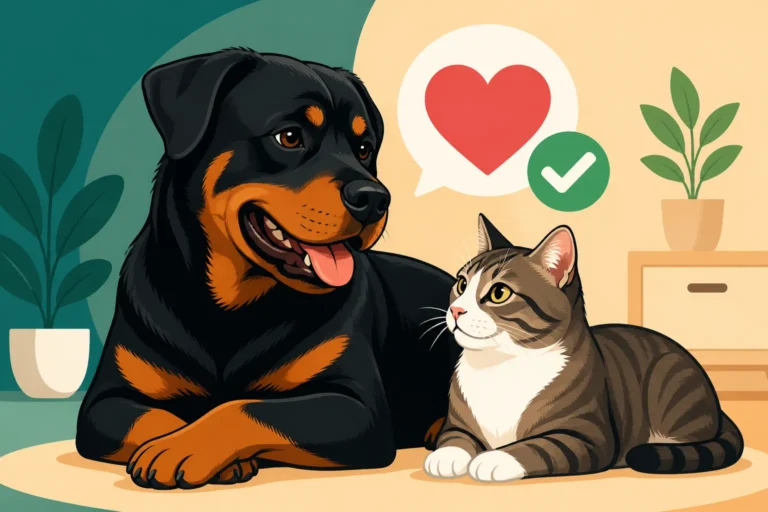
One of the biggest surprises for first-time Rottweiler owners, and even for seasoned dog people who haven't lived with the breed, is just how incredibly affectionate and sensitive these dogs truly are. The media portrayal often paints them as aloof, tough, and somewhat independent, but the reality for most Rottweiler households is a deep, abiding need for closeness and connection with their human family.
The Myth of the Unfeeling Guard Dog
When you bring a Rottweiler home, especially a puppy, you might expect a certain level of independence, a dog that’s happy to patrol its own space and keep an eye on things from a distance. The truth is often a far cry from this expectation. Many Rottweilers are what we affectionately call "Velcro dogs." They want to be wherever you are, often right on you. Imagine trying to work at your desk with a giant, warm furry head resting on your lap, or attempting to watch a movie with a 100-pound dog trying to become one with the sofa and you simultaneously. This isn't just about physical proximity; it's an emotional bond. They thrive on being part of the family unit, participating in daily activities, and receiving affection.
This intense desire for companionship can be a lovely surprise, filling your home with warmth and loyalty. However, it can also lead to challenges if not managed properly. A Rottweiler left alone for long periods without adequate mental and physical stimulation can develop separation anxiety. They are not content to be isolated in a yard or a kennel; they need to feel like a central part of the family. Their large size means that when they want to be close, they really commit to it, often pushing their way onto laps or beds with surprising determination, completely unaware of their own bulk. This affectionate nature is one of the most endearing and, frankly, disarming qualities of the breed.
Surprising Emotional Depth and Sensitivity
Beyond their desire for physical closeness, Rottweilers often display a surprising emotional sensitivity. They are far from the emotionally robust, stoic dogs many assume them to be. A harsh word or an unfair correction can genuinely hurt their feelings and damage the bond of trust you're working so hard to build. They pick up on your moods, often acting as furry emotional barometers. If you're stressed, they might try to comfort you. If you're upset, they might become withdrawn or anxious themselves.
This sensitivity means that training methods relying on intimidation or punishment are not only ineffective but can be detrimental. A Rottweiler responds best to positive reinforcement, clear communication, and a calm, confident leader. Yelling or harsh physical corrections can lead to a dog that is fearful, shut down, or, paradoxically, more prone to displaying defensive behaviors. Understanding this emotional depth is crucial for building a strong, respectful relationship. It requires patience, empathy, and a willingness to understand their individual personalities. You might find your Rottweiler communicates its feelings with subtle body language, a soft nudge, or even a peculiar The Rottweiler Grumble That Is Not a Growl when content.
More Than a Short Coat: The Reality of Rottweiler Shedding and Grooming Needs
Many people look at a Rottweiler's sleek, short coat and think, "Great! Easy grooming, no shedding." This is perhaps one of the most common and often messiest surprises owners report. That short, dense coat, designed to protect them from the elements, is far from low-maintenance when it comes to shedding.
The Seasonal Fur Storm
Rottweilers have a double coat, consisting of a coarser outer coat and a soft, dense undercoat. While this provides excellent insulation, it also means they shed. A lot. And it's not always just a steady trickle. Rottweilers typically "blow" their coat twice a year, usually in spring and fall, in preparation for the changing seasons. During these periods, you will find Rottweiler hair everywhere. It clings to furniture, embeds itself in carpets, and somehow manages to find its way onto every piece of clothing you own, no matter how carefully you try to avoid it. The sheer volume of short, stiff hairs can be astonishing for new owners.
Managing this requires consistent effort. Regular brushing, ideally several times a week, is key to removing loose hair before it takes over your home. During shedding season, daily brushing with a good Undercoat Rakes for a Short Rottweiler Coat becomes almost mandatory. This not only helps reduce the amount of fur floating around but also keeps their skin healthy and promotes circulation. Many owners invest in high-quality vacuums designed for pet hair and keep lint rollers strategically placed throughout their homes. It's a small price to pay for such a magnificent companion, but it’s definitely a surprise that requires preparation.
Beyond Shedding: Essential Grooming and Care
While the shedding is the most prominent surprise, Rottweilers still have other grooming needs that can catch new owners off guard, especially given their large size.
- Nail Trimming: A Rottweiler's nails grow thick and strong. If not trimmed regularly, they can become uncomfortably long, making it painful for your dog to walk, and potentially leading to splayed toes or even joint issues. Given their powerful build, holding a Rottweiler still for nail trims can be a two-person job, especially if they haven't been accustomed to it from a young age. Their dark nails often hide the quick, making careful trimming essential.
- Ear Care: Their drop ears, while adorable, can create a warm, moist environment perfect for yeast and bacterial infections. Regular checks and Rottweiler Ear Cleaning Under a Heavy Flap are vital to prevent issues. A routine of weekly checks can save you from costly vet visits and your dog from discomfort.
- Dental Health: A Rottweiler's powerful jaws and bite mean they need strong, healthy teeth. However, dental disease is a common problem in dogs. Brushing your Rottweiler's teeth regularly, providing appropriate chews, and scheduling professional dental cleanings can prevent painful infections and tooth loss down the line. Many people underestimate the importance of canine dental care until a problem arises.
- Skin Health: Their short coat can sometimes hide skin issues like allergies or hot spots. Regular grooming sessions are an excellent opportunity to perform quick skin checks, looking for any redness, irritation, lumps, or bumps that might require veterinary attention. You can find many of these grooming essentials at stores like Chewy, ensuring you have the right tools for a healthy, happy Rottweiler.
The Intelligent Watcher: Aloofness, Observation, and Unique Communication
Another aspect of Rottweiler behavior that consistently surprises new owners is their unique approach to strangers and their often subtle, yet highly intelligent, communication style. They aren't typically the effusive, tail-wagging greeters you might expect from other breeds.
The Art of Observation and Aloofness
When a stranger approaches a Rottweiler, many owners expect either an immediate friendly greeting or an overt display of aggression. What they often get instead is a calm, intense period of observation. A well-bred and properly socialized Rottweiler isn't usually aggressive out of the gate, but they are discerning. They will stand quietly, often between their family and the newcomer, watching every move. They might not make eye contact, instead preferring to observe from a slightly angled position. This Rottweiler Aloofness and Why It Reads as Cold isn't a sign of unfriendliness or malice; it's a demonstration of their inherent guarding instinct and their intelligence. They are assessing the situation, deciding if this person is a threat or simply an acceptable presence.
This "wait and see" attitude can be unsettling for people unfamiliar with the breed. Visitors might mistake their calm, still posture for disinterest or even tension. However, in that stillness, a Rottweiler's mind is actively working, processing information. They are incredibly attuned to their owner's reactions and the energy in the room. This makes them superb judges of character, often sensing unease or ill intent before their human companions do. Learning to Reading a Still Rottweiler That Is Not Relaxed is a crucial skill for any Rottweiler owner. It means understanding that their quiet observation is a form of active vigilance, not a passive state.
A Rich Tapestry of Communication
Rottweilers have a surprisingly rich and varied repertoire of communication that goes beyond barks and tail wags. New owners quickly learn to decipher their subtle cues.
- The Lean: This is perhaps the most iconic Rottweiler trait, where they lean their full body weight against you. It's not a push; it's a gentle, solid press that says, "I trust you, I'm here with you, and I need to feel your presence." It's an affirmation of their bond and a deep form of connection that often surprises owners with its intimacy.
- The Grumble/Talk: Many Rottweilers are quite vocal, but not always with traditional barks. They often "talk" with a series of low grumbles, rumbles, and huffs. This can range from a happy rumbling as they wake up, to a conversational "woof" when they want attention, or a questioning huff when confused. New owners often initially worry these sounds signify aggression, only to learn it's their dog's way of expressing contentment or seeking interaction.
- The Nudge: A Rottweiler's head, whether it's gently bumping your hand for a pet or nudging your leg to get your attention, is a powerful communication tool. Their solid build means even a gentle nudge can feel quite firm, a reminder of their physical presence and their desire for connection.
- The Eye Contact: While they might be aloof with strangers, a Rottweiler's gaze with its trusted family members is intense, intelligent, and deeply expressive. They will hold your gaze, communicating understanding, affection, and loyalty. It's in these moments that you truly appreciate the thinking, feeling individual behind the powerful facade.
Understanding these communication nuances is key to a harmonious relationship. It helps prevent misunderstandings and deepens the bond with your Rottweiler, turning what might initially seem like an intimidating dog into a profoundly communicative and loving companion.
Life with a Gentle Giant: Physical Demands, Growth Plates, and Joint Care
Bringing a Rottweiler puppy home means committing to a long period of careful management as they grow into their formidable adult size. Many owners are surprised by the extended puppyhood and the specific physical care required to protect their developing joints.
The Protracted Growth Phase
Unlike many smaller breeds that reach their adult size quickly, Rottweilers are true "slow burners" when it comes to growth. They can continue to grow, fill out, and mature until they are 18 to 24 months old, and sometimes even longer. This means that for a significant portion of their early life, they are large, clumsy, and still very much puppies, but with the body of a much older dog. This protracted growth period is crucial for the development of their bones and joints.
New owners are often surprised by the sheer amount of puppy-proofing required for such a large adolescent, and the extended need for careful exercise. Over-exercising a young Rottweiler, allowing excessive jumping, or engaging in strenuous activities like long runs on hard surfaces before their Rottweiler Growth Plates and Why They Close So Late can have devastating long-term consequences. Their growth plates, which are the soft areas at the ends of long bones responsible for growth, remain open and vulnerable for much longer than people expect. Damage to these plates can lead to irreversible issues like hip and elbow dysplasia, common concerns in the breed.
Managing Joint Health from Puppyhood to Seniority
The genetic predisposition to joint issues like hip and elbow dysplasia is a significant concern for Rottweiler owners, and the realities of managing it can be a surprise. While responsible breeders will perform health clearances like Rottweiler Hip Dysplasia and the OFA Grade on breeding stock, these are not guarantees, and environmental factors play a huge role.
This means owners need to be proactive from day one:
- Controlled Exercise: For puppies and adolescents, this means short, controlled walks rather than free-for-all play sessions, and avoiding stairs or slippery floors where they might slip and injure themselves. Building A Growing Rottweiler's Joints and Overexercise gradually is essential.
- Appropriate Nutrition: Feeding a large breed puppy food specifically formulated for slow growth is critical. Overfeeding, especially with excess calcium, can accelerate growth and contribute to developmental orthopedic diseases. Maintaining a lean body condition throughout their life is paramount.
- Supplements and Preventative Care: Many owners start their Rottweilers on joint supplements like glucosamine and chondroitin early, often well before any signs of arthritis appear. Regular veterinary check-ups are also crucial to monitor their gait and overall joint health.
- Weight Management: Once mature, keeping a Rottweiler at a healthy, lean weight is one of the most impactful things an owner can do to protect their joints. Every extra pound puts undue stress on their hips, elbows, and spine, accelerating wear and tear. Joint Supplements Started Before a Rottweiler Turns Two can be a valuable part of their long-term care strategy, but it works best in conjunction with proper exercise and nutrition.
The commitment to joint health is a lifelong endeavor that many new owners don't fully grasp until they're immersed in the day-to-day care of their growing Rottweiler. It's a testament to their love and dedication that they embrace these challenges to give their gentle giants the best possible quality of life.
| Perceived Trait | Common Owner Surprise / Reality | Implication for Owners |
|---|---|---|
| Fierce, Independent Guard | Often a sensitive, affectionate "Velcro" dog who craves closeness | Requires emotional security, consistent positive reinforcement, inclusion in family life |
| Low Maintenance Coat | Sheds heavily, especially twice a year, despite short hair | Regular brushing, good vacuum, quality diet helps manage shedding |
| Naturally Aggressive | Aloof, observant, but generally calm and stable if well-bred and socialized | Requires early, ongoing socialization; proper introductions are key |
| Adult Behavior from Puppy | Remain playful, goofy, and "clumsy" into adulthood, growing slowly | Extended period of puppy-proofing, patience with large, uncoordinated teens |
| Robust & Invincible | Prone to joint issues (hips, elbows), bloat, and certain cancers | Careful exercise management, quality nutrition, proactive vet care, pet insurance consideration |
Disclaimer
This article is for general informational purposes only and does not constitute professional advice. Laws, prices and regulations vary by location and change over time. Consult a qualified professional for guidance on your specific situation.