Rottweiler Ear Cleaning Under a Heavy Flap
One common frustration for Rottweiler owners is dealing with those heavy, floppy ears. While undeniably charming, that drop-ear conformation creates a warm, dark, and often moist environment that’s just begging for trouble, making ear infections a recurring headache for many of us. This comprehensive guide is here to walk you through everything you need to know about keeping your Rottweiler’s ears clean, healthy, and free from irritation, from understanding their unique anatomy to a step-by-step cleaning process and knowing when it's time to call the vet.
Why Rottweiler Ears Are Prone to Trouble
It might seem unfair that our beloved Rottweilers, with their robust builds and hardy reputations, can be so susceptible to something as seemingly minor as an ear infection. But the truth lies in a combination of their physical design and lifestyle factors that create a perfect storm for these annoying ailments. Understanding why their ears are troublesome is the first step toward effective prevention and care.
The Unique Anatomy of a Drop Ear
Take a moment to look at your Rottweiler's ears. They're not erect like a German Shepherd's, nor are they a tight rose ear like some terriers. Instead, they're typically medium-sized, triangular, and carried high on the head, dropping forward to frame the face. This drop-ear, or pendant, conformation is beautiful, but it's also a significant factor in ear health. Unlike dogs with upright ears, which allow for constant air circulation, the Rottweiler's ear flap covers the ear canal, effectively sealing it off. This creates a miniature hothouse inside, warm and humid, an ideal breeding ground for bacteria and yeast.
Beyond the external flap, the internal structure of a dog's ear canal is also notably different from a human's. Ours is relatively straight, making cleaning and drainage straightforward. A dog's ear canal, however, takes an "L" shape. There's a vertical canal that dips down, and then it makes a sharp bend into a horizontal canal before reaching the eardrum. This anatomical quirk means that anything that gets into the ear – water, debris, ear wax – can easily get trapped at that bend, unable to drain out naturally. This combination of the covering flap and the L-shaped canal is why so many large-breed, drop-eared dogs, including our Rottweilers, end up struggling with chronic ear issues.
Factors Contributing to Ear Infections
It’s not just the ear shape that makes Rottweilers susceptible; several other factors can contribute to infections. One of the biggest culprits is moisture. If your Rottweiler loves to swim, gets frequent baths, or even just plays in the rain, water can easily get trapped in that L-shaped canal. That moisture, combined with the lack of air circulation, creates an even more inviting environment for pathogens to thrive. It’s like leaving a wet towel in a dark, warm hamper – it won't be long before things start to grow.
Another common contributor is allergies. Just like people, dogs can suffer from environmental allergies (pollen, dust mites, mold) or food allergies. When a Rottweiler has an allergic reaction, it can manifest in various ways, and one of the most frequent is skin inflammation, including in the ears. Allergic inflammation leads to increased wax production, changes in the ear canal's microenvironment, and itching, which prompts scratching. This scratching can cause micro-abrasions in the delicate skin of the ear canal, opening the door for opportunistic bacteria or yeast to take hold. You might notice your dog is also prone to Rottweiler Allergies and Recurring Skin Infections in other areas, like paws or belly, suggesting a systemic allergic issue.
Furthermore, some Rottweilers naturally produce more ear wax than others. While wax is normal and protective, excessive buildup can trap debris and moisture, creating a plug that fosters infection. Even underlying conditions like thyroid imbalances can sometimes contribute to poor skin and coat health, which can indirectly affect ear health. It truly is a delicate balance, and many elements can throw it off.
Common Types of Ear Issues
When a Rottweiler develops an ear problem, it typically falls into one of a few categories, though often, they overlap. The most common is otitis externa, which is inflammation of the external ear canal. This is what most people refer to when they talk about an "ear infection." This inflammation can be caused by bacteria, yeast, or sometimes a combination of both. Bacterial infections often have a strong, sometimes foul, odor and can produce a yellowish or pus-like discharge. Yeast infections, particularly those caused by Malassezia pachydermatis, often result in a sweet-smelling, dark brown, waxy discharge that almost looks like coffee grounds. Both cause intense itching and discomfort.
Beyond infections, ear mites are another possibility, especially in puppies or dogs exposed to other animals. These tiny parasites cause intense itching and a dry, dark, crumbly discharge. While less common in well-cared-for adult Rottweilers, they should always be considered, especially if symptoms are severe and sudden. Foreign bodies, like grass awns or burrs, can also get lodged deep in the ear canal, causing sudden pain, head shaking, and inflammation. If not removed quickly, they can lead to severe infection. Even polyps or tumors, though rare, can develop within the ear canal, leading to chronic irritation and recurrent infections. Understanding that different issues present with similar symptoms highlights why a vet visit is crucial for proper diagnosis, especially if you suspect more than just simple wax buildup.
Recognizing the Signs of Ear Problems
As dedicated Rottweiler owners, we spend a lot of time observing our dogs. This keen observation is your best tool for catching ear problems early, before they escalate into painful, chronic conditions. Rottweilers, like many stoic breeds, might not scream in pain at the first sign of discomfort, but they will certainly give you subtle (and not-so-subtle) clues.
Visual Cues and Odors
One of the first things you might notice is a change in the appearance of the ear itself. The inside flap and opening of the ear canal might look red or inflamed, much more so than its usual healthy, pale pink color. You might also see swelling, which can make the ear canal appear narrower. Examine the ear flap and the skin around the ear for any scabbing, raw spots, or hair loss, which are all indicators of scratching or rubbing due to irritation. Often, these visible signs are accompanied by discharge. This discharge can vary in color and consistency: it might be dark brown and waxy, like Rottweiler Ear Odor and What It Means suggests for yeast, or yellowish-green and pus-like, indicating a bacterial infection. Sometimes it's just a clear, watery fluid if the irritation is mild or due to an allergy without full-blown infection yet.
The odor is another tell-tale sign that's hard to miss. A healthy Rottweiler ear should have a very faint, almost neutral smell. If you catch a whiff of something yeasty (often described as sweet, or like stale bread), foul, pungent, or simply "off" when you're close to your dog, it’s a strong indicator that an infection is brewing. Don't ignore a bad smell; it's rarely a sign of good health when it comes to ears. Take a moment to gently lift the ear flap and take a sniff. Trust your nose on this one.
Behavioral Changes to Watch For
Beyond what you see and smell, your Rottweiler's behavior will often be the loudest alarm bell. The most obvious sign of ear discomfort is excessive head shaking. They might shake their head vigorously, trying to dislodge whatever is bothering them. Accompanying this is persistent scratching at the ear, sometimes so intense that they break the skin around the ear or on the back of the ear flap. You might even see them rubbing their ear against furniture or the carpet. This relentless itching and scratching are clear signals of irritation.
Other behavioral changes can be more subtle. A Rottweiler with an ear infection might become more sensitive around their head. If you usually pet their head or scratch behind their ears without a problem, they might now flinch, pull away, or even vocalize in pain when you touch the affected ear. They might also tilt their head to one side, favoring the painful ear, or seem a bit off-balance. In severe cases, they might seem generally subdued, less playful, or even irritable because they're in constant discomfort. If you notice any of these signs, especially in combination, it’s definitely time to investigate further, and usually, to call your veterinarian.
When a Little Itch Becomes a Big Problem
It's easy to dismiss a little head shake or a bit of scratching as just a normal dog thing, especially for a breed like the Rottweiler that can occasionally be a bit dramatic. However, with ear infections, what starts as a "little itch" can quickly snowball into a much bigger, more serious problem. Leaving an ear infection untreated not only causes prolonged pain and misery for your dog but can also lead to more severe health complications.
Untreated external ear infections can spread deeper into the ear canal, potentially affecting the middle or even inner ear. This can lead to more serious conditions like otitis media or otitis interna, which are much harder to treat and can result in permanent hearing loss, balance issues, or even neurological problems. The constant inflammation and infection can also cause irreversible changes to the ear canal, such as thickening and calcification, making it even harder to treat future infections and sometimes requiring complicated surgery. Moreover, the relentless scratching can lead to painful hematomas on the ear flap (a collection of blood under the skin caused by broken blood vessels from vigorous head shaking). These require veterinary intervention to drain and heal. So, while it might seem like just a minor irritation, a persistent ear issue in your Rottweiler is never something to take lightly. Early detection and treatment are paramount to their long-term health and comfort.
Essential Tools and Supplies for Ear Cleaning
When you're dealing with a large, strong dog like a Rottweiler, you want to make sure you have the right gear for the job. Attempting to clean their ears without the proper tools can be frustrating for you and uncomfortable for them. Having everything ready before you even start can make the process much smoother and more effective, ensuring you provide the best possible care for your dog's ears.
Choosing the Right Ear Cleaner
This is perhaps the most crucial item on your list. You absolutely, positively must use an ear cleaner specifically formulated for dogs. Human ear cleaners, alcohol, hydrogen peroxide, or even witch hazel are too harsh for a dog's delicate ear canal and can cause irritation, dryness, or even damage. Dog-specific ear cleaners are pH-balanced and often contain ingredients that help break down wax, dry the ear canal, and have antiseptic properties to discourage bacterial and yeast growth.
When choosing a cleaner, look for products recommended by veterinarians. Many good quality cleaners are available from reputable pet suppliers like Chewy or Amazon. Some popular choices might contain ingredients like salicylic acid (for exfoliation and drying), boric acid (antiseptic), or even gentle astringents. If your Rottweiler has a known sensitivity or recurring yeast issues, your vet might recommend a specific type of cleaner, perhaps one with antifungal properties. If they're prone to Rottweiler Ear Infections Under That Drop Ear, a cleaner designed for routine maintenance and drying is a wise investment. Never use an ear medication as a routine cleaner; those are specifically prescribed by a vet for active infections. Stick to a dedicated cleaner for general hygiene.
Necessary Cleaning Aids
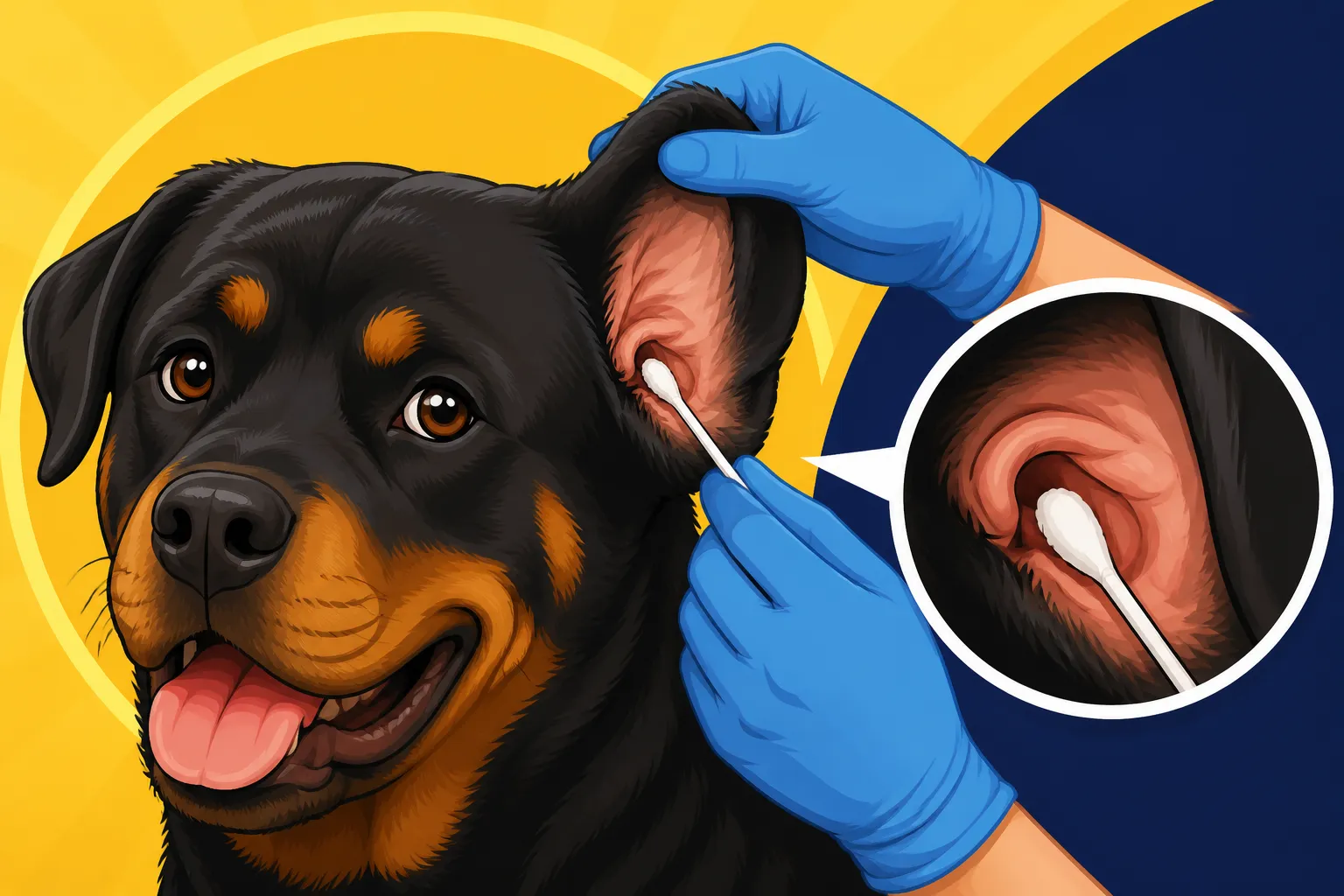
Once you have your cleaner, you’ll need some aids to help you apply it and wipe away the debris. Cotton balls are your best friend here. They're soft, absorbent, and won't scratch the delicate skin of the ear canal. Avoid cotton swabs (Q-tips) for cleaning deep inside the ear canal. While they might seem perfect for getting into nooks and crannies, their size and shape can actually push wax and debris further down the L-shaped canal, potentially compacting it against the eardrum. They can also accidentally injure the eardrum if your dog moves suddenly. Cotton swabs are generally safe only for cleaning the outer folds and visible parts of the ear, not deep inside.
Beyond cotton balls, having some soft tissues or paper towels on hand can be useful for wiping away excess solution and discharge that might come out of the ear. You might also want a towel to protect yourself and your clothes from splashes, especially if your Rottweiler decides to give a good head shake mid-cleanse! Some owners find it helpful to have a treat pouch full of high-value treats nearby to reward cooperation throughout the process. A headlamp can also be surprisingly useful, especially if you're cleaning in an area with less-than-ideal lighting, giving you a clear view into the ear flap.
The Importance of Vet-Approved Products
It's tempting to grab whatever ear cleaner is on the shelf at the nearest pet store, but taking a moment to ensure it's vet-approved or, even better, directly recommended by your own veterinarian, is crucial. Your vet knows your Rottweiler's specific health history, including any predispositions to allergies or previous ear issues. They can guide you towards a cleaner that will be effective and gentle for your dog. For example, if your Rottweiler has a history of a ruptured eardrum, certain cleaning solutions could be dangerous. Your vet can advise on suitable alternatives.
Think of it this way: you wouldn't use just any product on your own sensitive skin without checking if it's right for you. The same care should be extended to your Rottweiler. Often, the investment in a good quality, vet-approved cleaner from places like Chewy or your local vet's office pays for itself by preventing recurrent infections and costly vet visits down the line. If you're unsure, a quick call to your vet's office before purchasing a new product is always a good idea. They can confirm if the ingredients are appropriate and if it will effectively address your Rottweiler's specific ear care needs.
Step-by-Step Guide to Cleaning Your Rottweiler's Ears
Cleaning your Rottweiler's ears doesn't have to be a wrestling match. With preparation, patience, and a calm demeanor, it can become a routine part of their grooming, similar to a regular nail trim or brush down. Establishing a positive experience early on will make future cleanings much easier for both of you. Remember that Rottweiler Handling Practice for Grooming is key to success here.
Preparing Your Dog and the Environment
First things first, choose a time when your Rottweiler is relaxed and calm. Trying to clean their ears when they're full of energy after a walk or hyped up for dinner is a recipe for frustration. A quiet evening when they're settled on their bed, or after a gentle petting session, might be ideal. Having a second person to gently hold your Rottweiler can be incredibly helpful, especially when you're first introducing them to ear cleaning. This isn't about restraint in a negative way, but rather providing a steady, comforting presence and a secure hold to prevent sudden movements that could make the experience unpleasant or even lead to injury.
Next, set up your cleaning station. Lay down a towel or an old sheet to catch any drips or shakes, as ear cleaner can be oily and messy. Make sure all your supplies are within easy reach: the ear cleaner, a generous handful of cotton balls, some tissues or paper towels, and those high-value treats. Work in a well-lit area so you can clearly see what you're doing. Speak to your Rottweiler in a calm, soothing voice throughout the process. Let them sniff the bottle of cleaner and the cotton balls. Make it a positive, non-threatening interaction from the start.
The Cleaning Process Itself
Now for the actual cleaning. Gently lift your Rottweiler's ear flap to expose the ear canal. You'll see the opening of the vertical canal. Hold the ear cleaner bottle near the opening and generously fill the ear canal with the solution. Don't be shy; you want enough liquid to really flush things out. It might feel a bit strange, but trust the process. Once the liquid is in, gently massage the base of your Rottweiler's ear for about 20-30 seconds. You should hear a squishy sound as the cleaner moves around inside the L-shaped canal, breaking up wax and debris. This massage is crucial for loosening everything up.
After massaging, allow your Rottweiler to shake their head. This is usually the messy part, so stand back or have your towel ready! This head shaking helps bring all the loosened wax and debris up and out of the ear canal. Now, take a fresh cotton ball and gently wipe the visible parts of the ear, including the inside of the ear flap and the opening of the canal, to remove any remaining discharge or cleaner. Repeat this wiping step with fresh cotton balls until no more visible dirt or discharge comes out. Remember, avoid pushing anything deep into the canal with cotton swabs. Your goal is to clean what comes out of the ear, not to dig around inside.
Rewards and Positive Reinforcement
Positive reinforcement is absolutely essential when it comes to any grooming procedure for a Rottweiler. These are intelligent, sensitive dogs, and if they associate ear cleaning with discomfort or a struggle, it will become increasingly difficult. As soon as you finish cleaning, offer generous praise, a favorite toy, or, most importantly, those high-value treats you prepared earlier. Make it a celebration! This helps create a positive association with the entire experience.
If your Rottweiler is particularly sensitive or resistant, start slowly. You don't have to do a full deep clean on the first try. Begin by simply lifting the ear flap, letting them sniff the cleaner, and giving a treat. Gradually work up to a quick squirt, then a massage, and eventually the full routine. Keep sessions short and sweet. If you can only do one ear at a time, that’s perfectly fine. The goal is consistency and building trust. Over time, your Rottweiler will learn that while the ear cleaning itself might be a little weird, it's quickly followed by good things, and the benefits of comfortable, healthy ears are well worth the minor inconvenience.
When to Call the Vet
While routine ear cleaning is a vital part of your Rottweiler's general care, there are definite red flags that signal it's time to put down the cleaner and pick up the phone to call your veterinarian. Self-treating an active infection can make things worse, delay proper healing, and lead to more serious complications.
Red Flags That Require Immediate Attention
If you notice any of the following symptoms, it's not the time for home remedies or just another cleaning; it's time for a professional diagnosis and treatment:
- Intense Pain or Sensitivity: If your Rottweiler cries out, snaps, or recoils strongly when you try to touch their ear, or even just approaches it, there's likely a significant amount of pain, possibly indicating a deep infection, a ruptured eardrum, or a foreign body.
- Swelling or Redness Beyond Mild Irritation: While a little redness might accompany mild irritation, extensive swelling, particularly around the ear canal opening or extending onto the ear flap, points to severe inflammation or infection.
- Excessive Pus-like Discharge: A yellow, green, or thick white discharge, especially if it's abundant or smells foul, is a strong indicator of a bacterial infection that will likely require prescription antibiotics.
- Bleeding: Any blood, even a small amount, in or around the ear canal is a serious concern. It could be from self-trauma due to scratching, a ruptured eardrum, or another underlying issue.
- Balance Issues, Head Tilt, or Nystagmus (Eye Flickering): If the infection has spread to the middle or inner ear, it can affect your dog's balance and neurological function. A persistent head tilt, stumbling, walking in circles, or rapid, involuntary eye movements are urgent symptoms requiring immediate veterinary attention.
- Lack of Improvement with Cleaning: If you've been routinely cleaning your Rottweiler's ears for a few days and the symptoms (itching, discharge, odor) are not improving or are getting worse, it's a clear sign that the issue is beyond simple wax buildup and likely an active infection that needs medication.
Don't hesitate if you see any of these. Your vet has the tools and expertise to accurately diagnose the problem and prescribe the correct treatment. They can also check for Rottweiler Eye Certification and the Three Year Rule at the same time, if it's due.
Persistent Problems and Recurrence
Some Rottweilers seem to be perpetually battling ear infections, and if your dog falls into this category, it's time for a deeper investigation with your vet. Recurrent ear infections often indicate an underlying issue that isn't being fully addressed. This could be anything from undiagnosed allergies (environmental or food-related) that are constantly inflaming the ear canal, to structural issues within the ear itself, or even hormonal imbalances like hypothyroidism, which can impact skin and ear health.
Your vet might suggest further diagnostics, such as cytology (looking at a sample of the ear discharge under a microscope to identify bacteria or yeast types), bacterial cultures (to determine which specific bacteria are present and which antibiotics will be effective), or even ear canal imaging if a foreign body or growth is suspected. They might also discuss a food elimination diet if allergies are suspected or refer you to a veterinary dermatologist. It’s frustrating when ear issues keep coming back, but partnering with your vet to uncover the root cause is the most effective way to break the cycle and give your Rottweiler lasting relief. Rottweiler Allergies and Recurring Skin Infections might be causing ear issues that need comprehensive management.
The Consequences of Untreated Ear Infections
Ignoring an ear problem in your Rottweiler is never a good idea. Beyond the immediate pain and discomfort your dog is experiencing, untreated ear infections can lead to a cascade of serious health issues that become increasingly difficult and expensive to manage. As mentioned earlier, chronic inflammation can cause irreversible changes to the ear canal, narrowing it and making it less responsive to medication. This can eventually necessitate a Total Ear Canal Ablation (TECA) surgery, which is a major, invasive, and costly procedure to remove the entire ear canal – a last resort for dogs suffering from relentless, intractable ear disease.
Furthermore, infections can damage the eardrum, leading to hearing loss or even permanent deafness in the affected ear. If the infection spreads to the inner ear, it can cause vestibular disease, resulting in severe balance problems, nausea, and disorientation, significantly impacting your Rottweiler's quality of life. The constant pain and irritation can also lead to behavioral changes, making your typically calm Rottweiler irritable, withdrawn, or even reactive when their ears are touched. The cost of neglecting an ear infection, both in terms of your dog's suffering and potential veterinary bills, far outweighs the effort of prompt cleaning and seeking veterinary care when needed. Don't let a small ear issue become a lifelong burden for your Rottweiler.
Preventing Future Ear Infections
The best offense is a good defense, especially when it comes to Rottweiler ear health. Establishing a proactive routine and being mindful of certain lifestyle choices can significantly reduce the chances of those frustrating ear infections from recurring. It's about creating an environment in and around their ears that discourages trouble.
Regular Maintenance Schedule
Consistency is king when it comes to preventing ear infections. For many Rottweilers, especially those prone to wax buildup or mild sensitivities, a weekly ear check and cleaning might be sufficient. This usually means a quick visual inspection, a sniff test, and then a gentle flush with a vet-approved ear cleaner, followed by wiping. Some Rottweilers with particularly problematic ears might benefit from cleaning every few days, while others with naturally clean ears might only need it once or twice a month. It truly depends on the individual dog, so observe your Rottweiler and consult your vet to find the right frequency.
Regular maintenance should also include keeping the hair around the ear canal trimmed, if your Rottweiler has any excessive growth there. While Rottweilers don't typically have long ear hair like some other breeds, any hair that traps moisture or debris can be problematic. Your groomer can help with this, or you can carefully trim it yourself with blunt-nosed scissors. The goal is to maximize air circulation to that ear canal opening, preventing that warm, moist environment from settling in. Think of it as a constant battle against humidity and stagnation. Incorporating ear checks into your general grooming routine, alongside brushing and nail trims, helps normalize the experience for your dog and keeps you vigilant.
Environmental and Lifestyle Adjustments
Beyond direct ear care, certain environmental and lifestyle adjustments can make a big difference. If your Rottweiler loves to swim or frequently gets wet, make sure to dry their ears thoroughly immediately afterward. Use a soft towel to gently blot and wipe the visible parts of the ear, and you can even use an ear drying solution (again, dog-specific and vet-approved) to help remove excess moisture from deeper within the canal. This is especially important during warmer months when humidity is higher and pathogens thrive.
Consider your Rottweiler's diet. While not a direct cause of all ear infections, diet plays a huge role in overall skin and coat health. If your Rottweiler has recurrent ear infections without an obvious cause, discussing potential food allergies with your vet is a good step. Sometimes, switching to a novel protein diet or a limited ingredient formula can significantly improve skin and ear health. Brands like Ollie focus on fresh, whole ingredients, which can be beneficial for dogs with sensitivities, although it's crucial to consult your vet before making significant dietary changes, especially for a large breed dog like a Rottweiler. Keeping your Rottweiler at a healthy weight also supports overall health and comfort, making regular grooming and ear checks easier.
Dietary Considerations for Ear Health
While a good ear cleaner tackles the external environment, what goes into your Rottweiler's body can significantly influence the internal resilience against ear issues. As mentioned, food allergies are a major culprit behind chronic ear inflammation. If your dog is constantly scratching their ears, rubbing their face, or suffering from recurring infections despite diligent cleaning, diet is a critical area to investigate. Common food allergens for dogs include beef, dairy, chicken, wheat, and soy, but any protein source can theoretically trigger a reaction.
An elimination diet, conducted strictly under veterinary guidance, is the gold standard for diagnosing food allergies. This involves feeding a novel protein source (one your dog has never eaten before) or a hydrolyzed protein diet for 8-12 weeks, with no other treats or foods. If symptoms resolve, then specific ingredients are slowly reintroduced to identify the culprit. Beyond allergies, ensuring a high-quality, balanced diet rich in Omega-3 fatty acids can support overall skin health and reduce systemic inflammation, which can translate to healthier ears. Many commercial dog foods, and even fresh food options available on Chewy or Amazon, incorporate these beneficial fatty acids. However, always consult your vet before adding supplements or making drastic dietary changes, especially for a growing Rottweiler where proper nutrient balance, like calcium levels, is critical. A healthy gut biome can also influence skin and ear health, so sometimes probiotics might be recommended. Remember, true ear health is a holistic endeavor, addressing both external care and internal well-being.
| Symptom Category | Signs to Watch For | When to Act |
|---|---|---|
| Appearance | Redness, swelling, discharge (dark, yellow, green, watery) | Daily check; clean with discharge; vet if severe/pus-like |
| Odor | Yeasty, sweet, foul, pungent, or "off" smell | Daily sniff; vet if strong or unusual |
| Behavior | Head shaking, ear scratching, rubbing ear on surfaces | Monitor; clean if mild; vet if persistent/intense |
| Pain/Sensitivity | Crying out, flinching, snapping when ear is touched | Immediate Vet Visit |
| Balance/Neurologic | Head tilt, stumbling, walking in circles, eye flickering (nystagmus) | Immediate Emergency Vet Visit |
| Response to Cleaning | No improvement, or worsening, after 2-3 days of cleaning | Vet Visit |
Rottweiler Ear Infections Under That Drop Ear is a common problem that requires proactive care, but don't underestimate the power of diet in influencing overall health, including ear health. Regular preventative measures, combined with swift action when problems arise, will keep your Rottweiler comfortable and happy. Teaching your dog Rottweiler Handling Practice for Grooming can make the entire process much less stressful for both of you. And, of course, remembering that Rottweiler Growth Plates Closing at Eighteen to Twenty-Four Months means that puppyhood is a long time, and positive conditioning for all kinds of handling tasks, including ear cleaning, should start early and continue throughout their developmental stages.
Disclaimer
This article is for general informational purposes only and does not constitute professional advice. Laws, prices and regulations vary by location and change over time. Consult a qualified professional for guidance on your specific situation.