The Reactions Rottweiler Owners Get in Public
If you're a Rottweiler owner, you know the drill: stepping out with your beloved dog often feels like stepping onto a stage. The reactions you get in public can swing wildly, from effusive praise and eager questions to palpable fear and outright hostility, leaving many owners feeling misunderstood or even targeted. This guide is here to help you understand these varied public responses, navigate awkward or uncomfortable encounters with confidence, and ultimately become a powerful advocate for your fantastic four-legged family member.
The Spectrum of Public Reactions
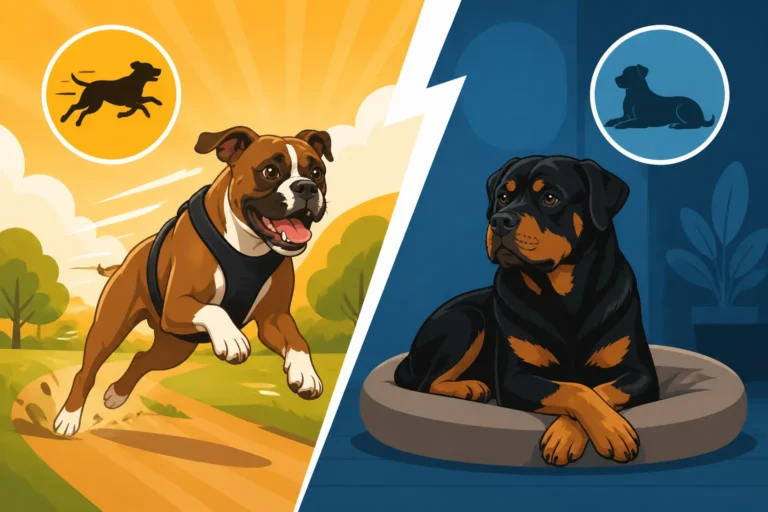
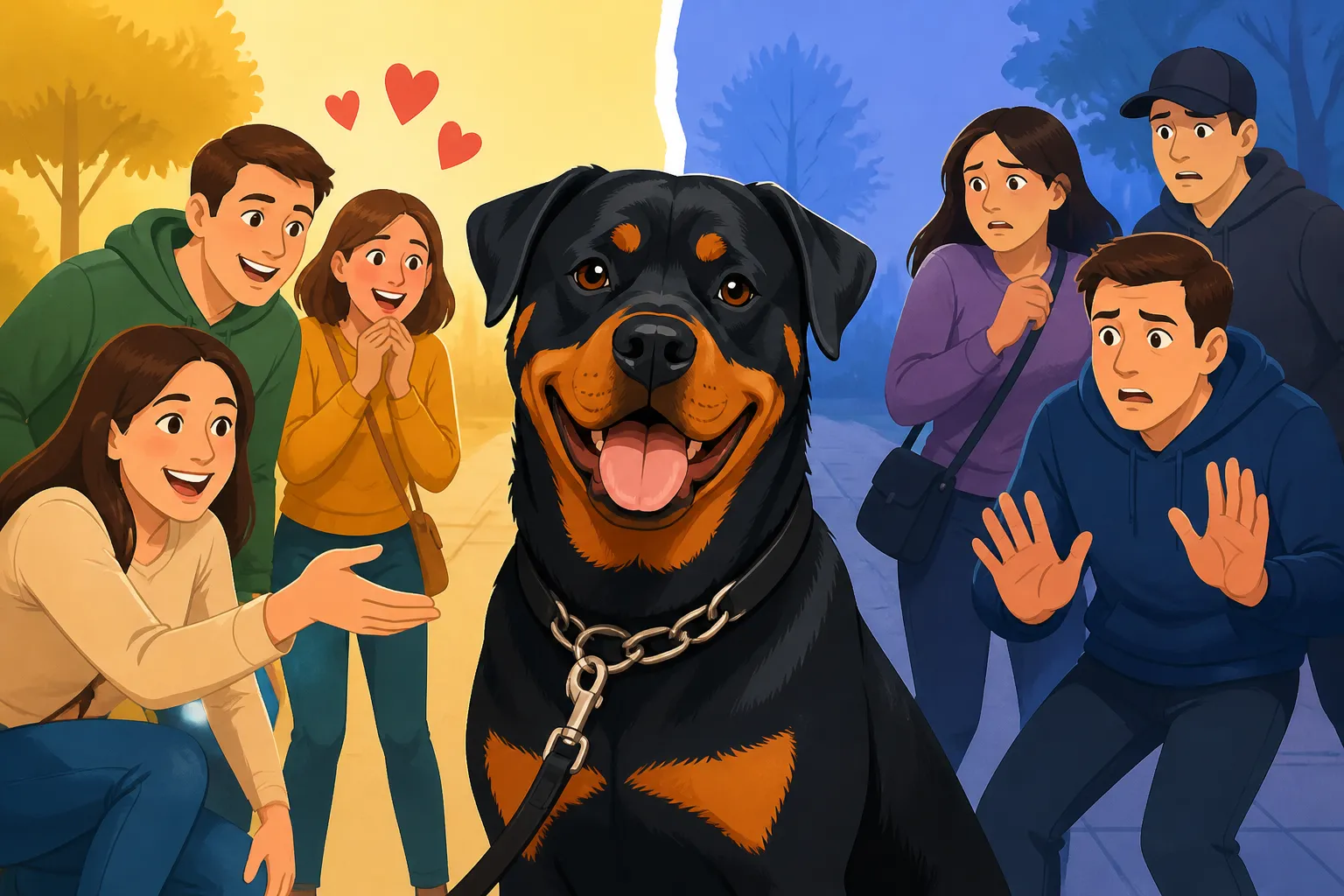
Owning a Rottweiler is rarely a neutral experience in public. Their imposing size and often stoic demeanor mean they rarely go unnoticed, and people's reactions tend to fall into distinct, sometimes contradictory, categories. It's a dance between appreciation and apprehension, and understanding this spectrum is the first step to confidently owning your public presence.
Admiration and Curiosity
It’s truly heartwarming when you encounter someone who genuinely appreciates Rottweilers. These are the folks who see beyond the stereotypes and recognize the breed's inherent beauty, strength, and loyal nature. They'll often approach with a friendly smile, asking about your dog's age, personality, or even specific training tips.
You'll get compliments on their magnificent appearance, their calm demeanor, or their impressive obedience. Often, these people have either owned a Rottweiler themselves, know someone who does, or simply done their research and admire the breed for what it truly is. These interactions are a joy and offer a chance to connect with fellow dog lovers. Rottweiler Temperament and That Self-Assured Aloofness often surprises people who expect something else entirely.
Sometimes, the curiosity is purely about their physical presence. People might ask about their weight, their muscle definition, or even the texture of their coat. These are opportunities to share a positive story, mention their fantastic temperament, or even give a quick, appropriate demonstration of a well-executed "sit" or "stay" if your dog is comfortable and the situation allows.
Fear and Misconceptions
On the flip side, you'll inevitably encounter fear, sometimes overt, sometimes subtle, based on deep-seated misconceptions. This can manifest as people crossing the street, pulling their children away, clutching their own smaller dogs, or even making rude comments under their breath. It's frustrating, certainly, but it’s a reality many Rottweiler owners face due to widespread negative media portrayal.
The fear often stems from outdated or exaggerated stories, or a simple lack of understanding about the breed's true character. Many people have only heard sensationalized headlines or seen Rottweilers depicted as aggressive villains in movies, rather than the loving family companions they truly are. They don't know about Rottweiler Bite Inhibition and the Adult Mouth training or how careful ethical breeders are.
It’s easy to feel defensive or annoyed in these moments. You know your dog is a gentle giant, a beloved family member, and the fear feels personal. However, reacting defensively often reinforces the negative stereotype. Learning to manage your own emotional response is key to de-escalating the situation and, perhaps, even subtly challenging their preconceptions.
Indifference and Unexpected Encounters
Not every interaction will be extreme. Many people will simply be indifferent, barely glancing your way, which can be a welcome change from the more charged reactions. They're going about their day, and your dog, regardless of its breed, is just another dog on the sidewalk. This is often the most peaceful kind of public outing!
However, sometimes you'll get an unexpected reaction that defies categorization. Perhaps a small child, completely unprompted and without an ounce of fear, will ask to pet your dog, much to their parent's alarm. Or an elderly person will share a story about a wonderful Rottweiler they knew decades ago. These moments can be surprising and often heartwarming.
You might also encounter people who are simply oblivious. They might walk right into your dog's path while staring at their phone, or let their off-leash dog run up to yours without asking. In these scenarios, it’s less about breed perception and more about general public awareness and etiquette, requiring you to be extra vigilant and prepared to manage the situation calmly for your dog's safety and comfort.
Understanding the Root of the Reactions
To effectively navigate these public reactions, it helps to understand why people react the way they do. It’s rarely about your specific dog, but rather a culmination of historical context, media influence, and personal experience – or lack thereof.
Media Portrayal and Historical Reputation
For decades, the Rottweiler has been unfairly typecast in movies, TV shows, and news headlines. They are often depicted as aggressive guard dogs, menacing villains, or symbols of danger. This relentless negative portrayal has seeped into public consciousness, creating a powerful, often inaccurate, image that is difficult to shake.
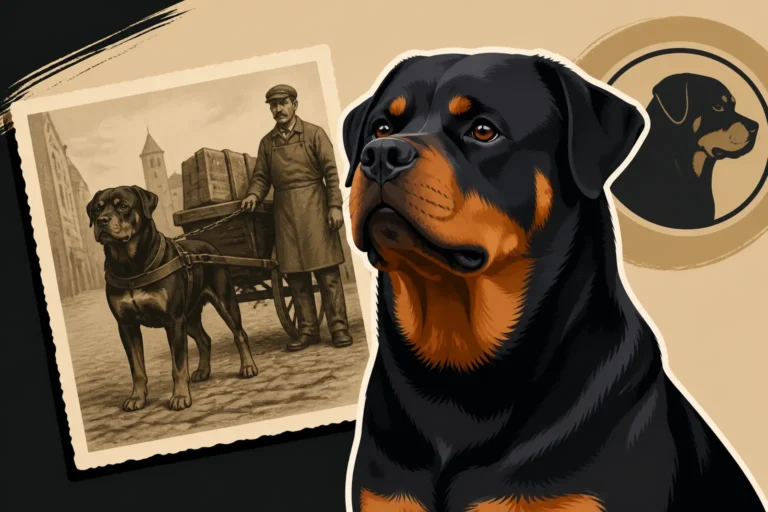
This media narrative often overshadows the breed's true history as a loyal drover and protection dog, a "butcher's dog" known for its steadfastness and intelligence. The Rottweiler From Roman Cattle Drives to the AKC is a fascinating journey far removed from modern scary portrayals. The public rarely hears about their calm confidence or their suitability for therapy work, only the sensationalized incidents.
Compounding this is the breed's natural guarding instinct, which, if not properly channeled through responsible breeding and training, can lead to issues. Unfortunately, the actions of a few irresponsible owners or poorly bred dogs have contributed to a reputation that demonizes the entire breed. This is why Why Rottweiler Reputation and Reality Diverge is such an important topic for owners to understand.
Lack of Exposure and Personal Experience
For many individuals, their entire understanding of a Rottweiler comes from what they've seen on screen or heard through hearsay. They've never actually met a well-adjusted, friendly Rottweiler in person. Without personal, positive exposure, it's easy for them to default to the negative stereotypes.
Imagine growing up seeing only scary dogs in movies; you’d naturally be wary of that breed in real life. This lack of direct experience means they haven't seen a Rottweiler gently interacting with children, patiently waiting for a treat, or demonstrating impeccable Rottweiler Leash Manners at a Hundred Pounds. Their perception is based purely on fear-mongering and misinformation.
This is where you, as a responsible owner, can make a difference. Every positive public interaction your dog has can chip away at those ingrained misconceptions, one person at a time. It’s a slow process, but it's vital for the breed's future reputation.
Size and Appearance as Intimidators
Let's be honest: a full-grown Rottweiler is an impressive, powerful animal. Their muscular build, broad head, and dark coat can be naturally intimidating to some, regardless of their actual temperament. This physical presence alone can trigger fear, even if your dog is wagging its tail and asking for pets.
The sheer size, often reaching over 100 pounds, means they physically command space. While you see a handsome, sturdy companion, someone else might see a powerful animal with immense strength. This is particularly true for those unfamiliar with large breeds.
This natural intimidation factor means that even if your Rottweiler is the most well-behaved dog on the planet, some people will instinctively react with caution or fear simply due to their appearance. It's not a reflection on your dog's character, but a knee-jerk reaction to their physical attributes.
Navigating Public Interactions with Grace
As a Rottweiler owner, you often find yourself in the role of breed ambassador. How you manage public interactions, both good and bad, significantly impacts how your dog and the breed as a whole are perceived. Approaching these situations with grace, confidence, and a touch of realism is crucial.
Proactive Management and Training
The single most effective tool you have for shaping public perception is a well-trained, well-socialized Rottweiler. A dog that walks politely on a loose leash, responds instantly to commands like "sit" or "stay," and ignores distractions is a powerful counter-narrative to fear-based stereotypes. Training a Rottweiler Before It Outweighs You is paramount.
Invest in consistent, positive reinforcement training from puppyhood. Focus on solid obedience commands, especially recall and leash manners. Consider enrolling in classes like Canine Good Citizen With a Rottweiler to earn certifications that demonstrate your dog's good behavior. These skills not only make your life easier but also provide a tangible demonstration of your dog's excellent temperament. Many people like to stock up on high-value training treats from retailers like Chewy to make these sessions extra motivating.
Always be aware of your surroundings and anticipate potential interactions. Keep your dog close in crowded areas, and be prepared to step aside or create distance if you see someone reacting negatively. A simple, calm "He's friendly, but we're just practicing our space!" can sometimes diffuse tension without being confrontational. If your dog has a tendency to lean into people, which is a common Rottweiler trait, work on teaching a polite "off" command.
Educating and Advocating for the Breed
When you encounter genuinely curious or open-minded individuals, seize the opportunity to educate them. Share positive anecdotes about your dog, explain the breed's history, or highlight their intelligence and loyalty. These personal stories can be far more impactful than any statistics or facts.
Be prepared to answer common questions politely. For example, if someone asks if they're "mean," you can respond with "Actually, he's a big softie with his family, and he's incredibly smart and loyal. We do a lot of training to make sure he's a good citizen." Focus on sharing positive truths rather than getting defensive.
However, know when to disengage. Not everyone is open to having their minds changed, and sometimes, trying to force an explanation can escalate an already tense situation. Your primary responsibility is your dog's safety and comfort, and sometimes that means simply walking away from a closed-minded individual. Remember, Rottweiler Aloofness and Why It Reads as Cold can be a positive trait, allowing them to assess situations calmly.
Prioritizing Your Dog's Well-being and Your Own
Ultimately, your dog's comfort and safety should be your top priority. If an interaction is causing your dog stress or anxiety – perhaps from an overly fearful person or an uncontrolled off-leash dog – it's perfectly acceptable, and often necessary, to remove yourselves from the situation. You're your dog's protector.
Don't feel obligated to justify your dog's existence to every fearful or ignorant person you meet. You are a responsible pet owner, and you've chosen to share your life with a wonderful breed. Focus on enjoying your time with your dog, knowing you've done your part to raise a well-adjusted companion.
It's also important to protect your own emotional well-being. Constant negative interactions can be draining. Find strength in the community of other responsible Rottweiler owners, celebrate the positive encounters, and remind yourself that your dog’s true character is what matters most. Rottweiler Owners Turned Down by Landlords or insurers face similar frustrations, so know you're not alone.
Building a Positive Public Image for Your Rottweiler
Building a positive public image for your Rottweiler isn't just about managing negative reactions; it's about actively showcasing the wonderful qualities of the breed. This means intentional socialization, consistent training, and being a visible, responsible ambassador in your community.
The Power of Positive Socialization
Early and ongoing socialization is key. This means exposing your Rottweiler puppy to a wide variety of sights, sounds, people, and other well-behaved dogs in a positive and controlled manner. The goal isn't necessarily for your Rottweiler to greet every single person with exuberance, but rather to be confident, neutral, and unfazed by new experiences.
Puppy classes are an excellent start, providing structured socialization opportunities. Continue exposing your dog to different environments – busy parks (from a distance at first), pet-friendly stores (like Chewy's physical locations, if available), and quiet neighborhood strolls. Always ensure these experiences are positive, using treats and praise to create good associations. This is covered in depth in Socializing a Rottweiler Puppy Properly.
A well-socialized Rottweiler is less likely to react negatively to novel situations, which in turn reduces the likelihood of negative public interactions. Their calm confidence becomes their best advertisement, demonstrating that they are not the aggressive animals many mistakenly believe them to be.
Being a Responsible Ambassador
As a Rottweiler owner, you are an automatic ambassador for the breed. Every time you step out with your dog, your actions, and their behavior, reflect not just on you but on all Rottweilers. This is a significant responsibility, but also a powerful opportunity.
Always adhere to leash laws and keep your dog under control. Clean up after your dog diligently. These simple acts of responsible pet ownership go a long way in earning respect from the public. When people see a clean, well-behaved Rottweiler with an attentive owner, it subtly challenges their preconceptions.
Consider the gear you use. A sturdy, well-fitting harness or collar and a strong leash, perhaps from a trusted brand like Chewy, conveys that you are serious about control and safety. If your dog can be leash reactive, even mildly, consider Muzzle Training a Rottweiler Before You Need It so it's a positive, normal experience should you ever need it. Being prepared and proactive reinforces a positive image.
Community Involvement and Canine Good Citizen
Taking your Rottweiler into approved public settings where they can demonstrate their good manners can be incredibly impactful. Obtaining a Canine Good Citizen (CGC) title is a fantastic way to do this. It proves your dog has the training and temperament to be a reliable and well-behaved member of the community.
Participating in local dog walks, charity events, or even just regular visits to dog-friendly patios (if your dog is well-suited and calm) can provide positive exposure. When people see a Rottweiler calmly sitting under a table at a cafe or politely greeting people at a community event, it helps normalize the breed.
You could also explore other activities like obedience trials, rally, or even therapy dog work, where Rottweilers truly shine. These activities not only provide mental and physical stimulation for your dog but also offer visible proof of their intelligence, trainability, and gentle nature. Therapy Dog Certification for a Rottweiler can be a truly wonderful endeavor.
Here’s a quick overview of common public reactions and how a responsible Rottweiler owner might respond:
| Public Reaction Type | Common Manifestation | Owner's Goal | Recommended Owner Response |
|---|---|---|---|
| Admiration/Curiosity | Compliments, questions about breed, requests to pet | Engage positively, educate, showcase good behavior | "Thank you! He's a wonderful dog, very loyal." or "He's very sweet, yes you can pet him if he approaches gently." |
| Fear/Avoidance | Crossing the street, pulling children away, uneasy glances | Respect space, maintain control, remain calm | Keep dog close, acknowledge distance with a nod, focus on your dog, avoid direct confrontation. |
| Direct Hostility | Negative comments, confrontational remarks | Protect dog, de-escalate, disengage | "We're just walking," or "He's well-trained," then calmly move away. Don't engage in arguments. |
| Obliviousness | Allowing off-leash dog approach, bumping into dog | Be vigilant, verbally warn, create space | "Excuse me, could you please leash your dog?" or "Watch out, please!" while managing your dog. |
| Unexpected Positivity | Child approaches fearlessly, heartwarming story | Embrace the moment, reinforce positive image | Supervise closely, allow appropriate interaction if dog is comfortable, share a brief positive story. |
Disclaimer
This article is for general informational purposes only and does not constitute professional advice. Laws, prices and regulations vary by location and change over time. Consult a qualified professional for guidance on your specific situation.