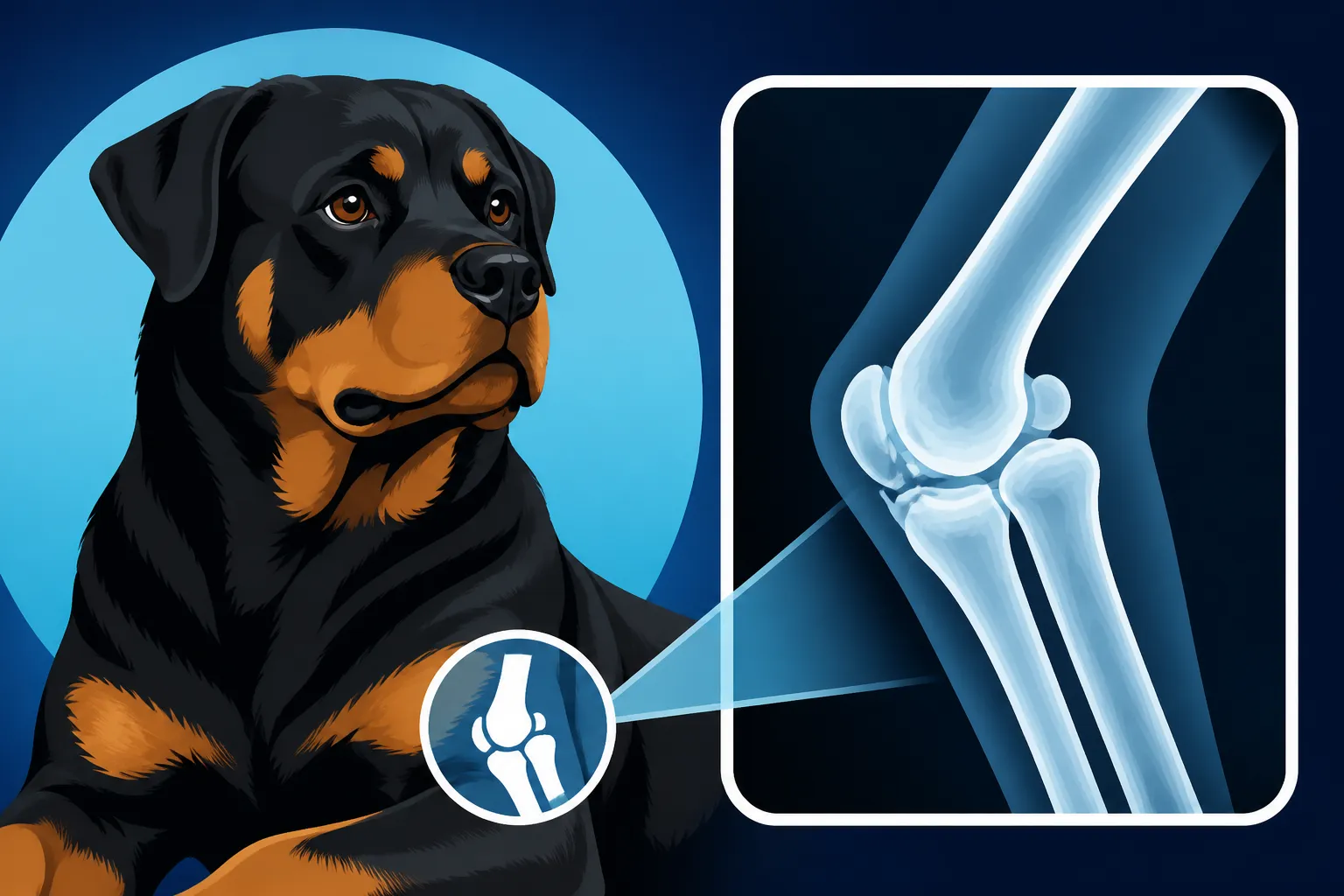
Rottweiler Elbow X-Rays Taken at Twenty-Four Months
The worry over a Rottweiler’s joint health is a heavy burden many owners carry, especially as these magnificent dogs grow into their impressive adult size. One of the most critical diagnostic steps you can take to understand their foundational skeletal health, and frankly, your own future peace of mind, involves elbow X-rays, specifically those performed around the twenty-four-month mark. This comprehensive guide will walk you through why this timing is so vital and what the process entails.
The Critical Importance of Elbow X-Rays for Rottweilers
Rottweilers, like many large and giant breeds, are predisposed to certain orthopedic conditions that can significantly impact their quality of life. Among these, elbow dysplasia stands out as a particularly prevalent and often debilitating issue. Understanding what it is and why comprehensive screening is so important around their second birthday is paramount for responsible ownership.
Understanding Elbow Dysplasia in Rottweilers
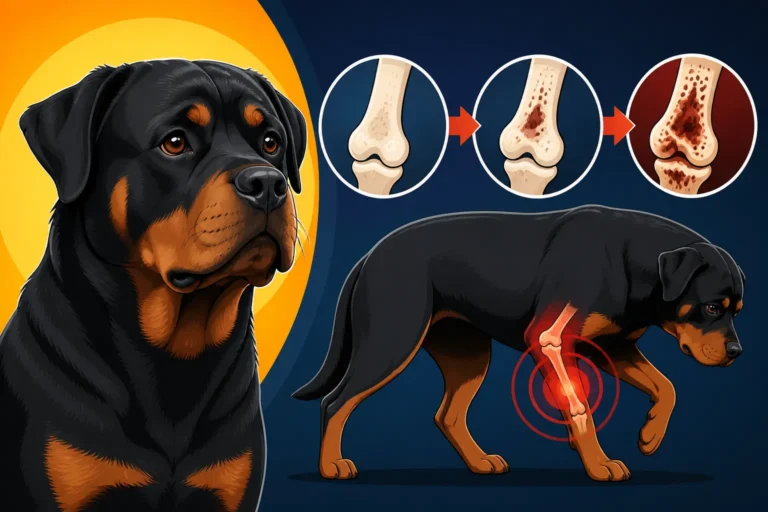
Elbow dysplasia isn't a single disease; it's a complex, inherited condition encompassing several developmental abnormalities within the elbow joint. It’s a bit of a blanket term for malformations that occur as a puppy grows, leading to instability, abnormal wear and tear, and ultimately, painful arthritis. Imagine a finely tuned gear system where the cogs don't quite mesh right – over time, that friction causes damage.
Specifically, elbow dysplasia usually involves one or more of these four components:
- Ununited Anconeal Process (UAP): This happens when a small growth plate on the ulna (one of the forearm bones) fails to fuse with the rest of the bone, essentially leaving a loose piece that irritates the joint.
- Fragmented Medial Coronoid Process (FCP): The medial coronoid process is another small projection of bone, this time on the inside of the ulna. If it breaks off, it can rub against the humerus, causing inflammation and pain.
- Osteochondritis Dissecans (OCD) of the Medial Humeral Condyle: This refers to a problem with the cartilage lining the end of the humerus (upper arm bone). A flap of cartilage can separate from the bone, causing pain and joint dysfunction.
- Elbow Incongruity: This describes a mismatch in the lengths of the bones forming the elbow joint (radius and ulna), leading to abnormal pressure distribution and joint damage.
These issues rarely occur in isolation and often result in progressive osteoarthritis. The pain can range from a subtle limp to severe lameness, affecting their ability to run, play, and even stand comfortably. Since it's largely hereditary, careful screening of breeding animals is the cornerstone of reducing its incidence. You can learn more about the critical importance of evaluating parent dogs in our article on The Five Clearances a Rottweiler Breeder Must Have.
Why the 24-Month Mark is the Gold Standard
You might wonder why we can't just X-ray a young puppy's elbows. The answer lies in the dynamic nature of a growing Rottweiler's skeletal structure. Just like a building under construction, a puppy's bones are still forming and changing rapidly. Specifically, their growth plates, which are areas of cartilage where bone growth occurs, remain open for a surprisingly long time in a large breed dog. For Rottweilers, these crucial growth plates don't fully close until they are between 18 and 24 months old.
Taking X-rays before this closure can give misleading results. A joint might look normal because the bones haven't fully solidified or settled into their adult conformation yet. A structure that looks fine at 12 months could develop problems by 18 or 24 months. The Orthopedic Foundation for Animals (OFA) recognizes this, which is why their official elbow certification requires X-rays to be taken when the dog is at least 24 months of age. This two-year milestone ensures that the bones have reached their mature state, providing an accurate and definitive evaluation of the joint's health and stability. This "final" evaluation is not just for breeding purposes; it's a vital benchmark for understanding your individual Rottweiler's long-term joint prognosis and planning appropriate care, should any issues be detected. It's truly a snapshot of their adult joint health, informing everything from exercise regimens to potential future medical interventions. This also ties into why many breeders emphasize Rottweiler Growth Plates and Why They Close So Late.
The Procedure Itself: What to Expect
Getting diagnostic X-rays for a large breed like a Rottweiler isn't quite as simple as taking a quick picture. The process requires careful planning and execution to ensure clear, positionally accurate images that can be properly evaluated by veterinary radiologists.
Preparing Your Rottweiler for X-Rays
For elbow X-rays, especially those submitted for OFA certification, your Rottweiler will almost certainly require sedation or even full anesthesia. This isn't just about keeping them still; it's about achieving very specific and often uncomfortable positioning that a conscious dog would simply not tolerate. The goal is to get perfectly straight, symmetrical views of the joints, without any rotation or blur, which is impossible with a struggling or even slightly shifting dog.
Your veterinarian will typically ask you to fast your Rottweiler for 8-12 hours prior to the appointment, restricting food but usually allowing water until a few hours before. This is standard procedure for any sedation or anesthesia, as it reduces the risk of aspiration pneumonia if they vomit. Your vet will also perform a thorough pre-anesthetic check-up, which often includes bloodwork to ensure your dog is healthy enough for sedation. They'll assess kidney and liver function, which are crucial for metabolizing anesthetic drugs. It's incredibly important to choose a veterinary clinic experienced with large breed dogs and their unique needs, particularly when it comes to positioning for orthopedic X-rays. Not all clinics have the specialized equipment or expertise to get OFA-quality images consistently.
The Specific Views Required for Evaluation
To get a complete picture of the elbow joint and accurately assess for dysplasia, a single X-ray isn't enough. The OFA requires specific radiographic views, taken from different angles, to visualize all the complex structures of the elbow. These views allow radiologists to look for the subtle changes indicative of elbow dysplasia.
The standard views typically include:
- Flexed Lateral View: In this view, the elbow is bent at approximately a 45-degree angle, and the X-ray beam passes through from side to side. This view is excellent for evaluating the anconeal process and detecting any fragmentation.
- Craniocaudal View (or Anteroposterior): Here, the X-ray beam travels from the front of the limb to the back, with the leg extended. This straight-on view helps assess elbow incongruity and the overall alignment of the joint.
- Medial Oblique View: This specialized view involves rotating the limb slightly inwards. It is particularly useful for detecting fragmented coronoid processes, which can often be hidden in other views due to overlapping bone structures.
Each of these views provides a piece of the puzzle. Without all of them, a definitive diagnosis can be missed. Once the X-rays are taken, they are typically submitted to the OFA, where three independent, board-certified veterinary radiologists review them and assign a consensus grade. This rigorous process ensures accuracy and consistency in the evaluation. For owners considering pet insurance, it’s worth noting that providers like Healthy Paws often require these official certifications for certain hereditary conditions to be covered in the future, if you had not enrolled before diagnosis.
Interpreting the Results: Understanding the Grades
After the nerve-wracking wait, you'll receive your Rottweiler's elbow evaluation results. Understanding what these grades mean is crucial, whether your dog is destined for the show ring, a breeding program, or simply to be a cherished family companion.
Decoding OFA Elbow Grades
The OFA elbow grading system is straightforward, yet its implications are profound. Unlike hip dysplasia, where there's a wider spectrum of passing grades, for elbows, only one grade is considered "normal." The OFA assigns one of four classifications:
- Normal: This is the ideal outcome. It means the elbow joints are free from any radiographic evidence of elbow dysplasia. For breeding purposes, only dogs with "Normal" elbow grades should be considered.
- Grade I (Mild Elbow Dysplasia): Indicates the presence of minimal bone changes, such as mild osteophytes (bone spurs) on one or both elbows, but without clear evidence of a primary lesion like an FCP or UAP. Even this mild grade means the dog is dysplastic and should not be bred, as it carries the genes for the condition.
- Grade II (Moderate Elbow Dysplasia): Characterized by more significant bone changes, moderate osteophytes, or clear evidence of a primary lesion (e.g., UAP, FCP, OCD) and associated degenerative joint disease. Dogs with Grade II elbow dysplasia will likely experience chronic pain and lameness.
- Grade III (Severe Elbow Dysplasia): Represents pronounced bone changes, severe osteophytes, significant secondary degenerative joint disease, or obvious primary lesions. Dogs with Grade III elbow dysplasia often suffer from severe, persistent lameness and pain, requiring extensive management.
It's important to understand that even a "mild" diagnosis means your Rottweiler is affected by the condition. These grades are a definitive assessment of the joint's health at two years of age and will determine future management strategies. This also ties into understanding other common joint issues, like Rottweiler Hip Dysplasia and the OFA Grade.
Implications of a Dysplastic Diagnosis
Receiving a diagnosis of elbow dysplasia, even a mild one, can be incredibly disheartening. Your first thought might be about your beloved dog's future, and rightly so. The primary implication is the potential for pain, discomfort, and reduced mobility for your Rottweiler throughout their life. The degree of clinical signs doesn't always correlate perfectly with the radiographic grade – some dogs with severe changes show minimal lameness, while others with mild changes can be quite painful.
For dogs diagnosed with elbow dysplasia, management shifts towards preserving joint function, minimizing pain, and slowing the progression of arthritis. This isn't just a physical challenge; it's an emotional one for owners who want their strong, active Rottweiler to live a full and comfortable life. The diagnosis will directly impact their exercise routine, diet, and potentially require a lifelong commitment to medications and therapies. Furthermore, if you had intended to breed your Rottweiler, an elbow dysplasia diagnosis, even Grade I, means they should absolutely be removed from any breeding program to prevent passing on these debilitating genes. This decision is crucial for the health of the breed as a whole. Knowing what to expect regarding potential health issues for your Rottweiler helps in proactive planning, and topics like Osteosarcoma, the Cancer That Takes Most Rottweilers also highlight the importance of understanding breed-specific health challenges.
Beyond the X-Rays: Managing and Preventing Elbow Issues
Even with the best genetic screening, life happens. If your Rottweiler receives a less-than-perfect elbow score, or even if they pass with flying colors, understanding lifelong management and prevention strategies is key to ensuring their comfort and mobility.
Lifelong Management of Elbow Dysplasia
Managing elbow dysplasia is a marathon, not a sprint. It involves a multi-modal approach tailored to your individual Rottweiler's needs and the severity of their condition. The cornerstone of effective management for any grade of elbow dysplasia is weight control. Every extra pound your Rottweiler carries multiplies the stress on their already compromised joints. Keeping them lean is perhaps the single most impactful thing you can do to reduce pain and slow disease progression. For more on this, consider reading about Rottweiler Obesity and the Load It Adds.
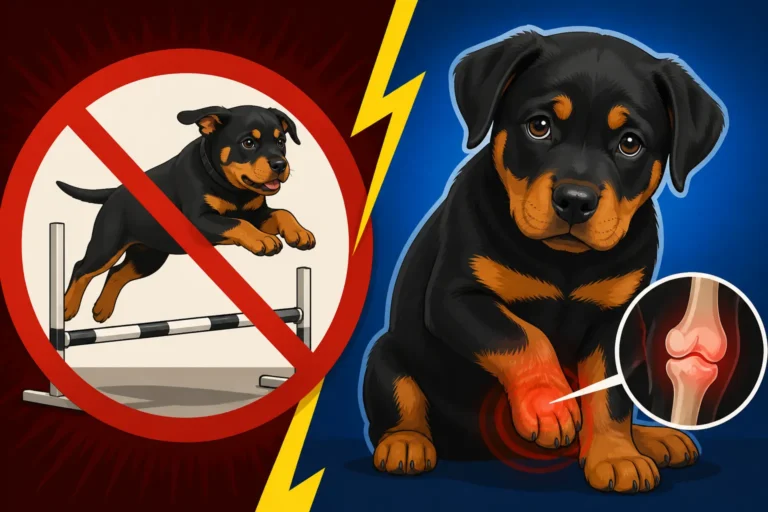
Beyond weight, an appropriate exercise regimen is crucial. This often means consistent, low-impact exercise rather than sporadic, high-intensity bursts. Think structured walks, swimming, or gentle leash-walking, avoiding activities like jumping, excessive running on hard surfaces, or prolonged play with sudden stops and starts.
Many veterinarians will recommend a range of joint supplements. These often include ingredients like glucosamine, chondroitin sulfate, MSM, and omega-3 fatty acids (fish oil). While not a cure, these supplements can help reduce inflammation, support cartilage health, and provide some pain relief. Brands like Dasuquin, Cosequin, and GlycoFlex are popular choices, but always discuss dosage and suitability with your vet.
For pain management, anti-inflammatory medications (NSAIDs) like carprofen, meloxicam, or galliprant are commonly prescribed during flare-ups or for daily management. Other options might include gabapentin for neuropathic pain, or even injections like Adequan (polysulfated glycosaminoglycan) or local corticosteroid/hyaluronic acid injections into the joint.
Finally, physical therapy can be incredibly beneficial. This might involve hydrotherapy (underwater treadmill), therapeutic exercises to build supporting muscle, laser therapy, or acupuncture. A certified canine rehabilitation therapist can develop a customized plan to improve strength, flexibility, and overall comfort. In some severe cases, surgery might be an option, but it's not always curative and is typically reserved for specific types of lesions or severe pain that doesn't respond to conservative management.
Responsible Breeding and Prevention
The best way to prevent elbow dysplasia is through responsible breeding practices. This means that only Rottweilers with OFA "Normal" elbow grades should ever be bred. Any dog with a Grade I, II, or III diagnosis, no matter how mild the clinical signs, should be spayed or neutered to prevent passing on these genes. As a prospective puppy buyer, it is your responsibility to ask breeders for proof of OFA elbow clearances (and hip, cardiac, eye, and JLPP clearances) for both parent dogs. Don't just take their word for it; ask to see the certificates and verify them on the OFA website.
Beyond genetics, proper nutrition and exercise during puppyhood play a crucial role in minimizing the expression of developmental bone diseases. Feeding a high-quality, large-breed specific puppy food that controls growth rate is vital. Avoid overfeeding, as rapid growth and excess weight during this critical period can exacerbate genetic predispositions. You can find more details on this in our guide to Feeding a Rottweiler Puppy That Grows for Two Years. Similarly, restrict strenuous, high-impact exercise in young, growing Rottweilers. Puppy zoomies and free play are fine, but forced runs, long hikes, or repetitive jumping should be avoided until their growth plates have closed and their joints are mature, typically after 18-24 months. These thoughtful choices can make a profound difference in a Rottweiler's lifelong joint health.
Financial Considerations and Support
Dealing with elbow dysplasia, from the initial diagnostic X-rays to ongoing management, can become a significant financial undertaking. It's not just the upfront costs, but the cumulative expenses over your Rottweiler's lifetime that can truly add up.
The Costs Associated with Elbow Diagnostics and Treatment
The journey of managing elbow dysplasia starts with diagnostic costs. Getting those official OFA elbow X-rays at 24 months can range from a few hundred dollars to upwards of $800, depending on your geographic location and the clinic's fees. This cost typically includes the veterinary visit, sedation or anesthesia, the X-ray imaging itself, and the fee to submit the images to the OFA for expert review. If your regular vet isn't specialized in OFA positioning, you might incur additional costs for referrals or specialized imaging centers.
Should a diagnosis of elbow dysplasia be made, the treatment costs quickly escalate. Lifelong medications, such as daily NSAIDs, can cost $50-$200 per month, depending on the specific drug and your Rottweiler's weight. Joint supplements might add another $30-$100 monthly. Physical therapy sessions can be $50-$150 per session, often requiring multiple sessions weekly initially, then maintenance. Advanced treatments like joint injections can run into the hundreds per injection, and surgical interventions, if recommended, can easily be $2,000-$5,000 per elbow. For more information on surgical costs, consult our detailed article on Rottweiler Surgery Costs From Bloat to Bone Cancer. These expenses, while necessary for your dog's comfort, represent a substantial financial commitment that many owners are not prepared for without prior planning.
The Value of Pet Insurance
Given the potential for high veterinary bills associated with chronic conditions like elbow dysplasia, pet insurance can be an absolute lifesaver. This is where companies like Healthy Paws truly shine, offering peace of mind by covering a significant portion of eligible veterinary expenses. Imagine the relief of knowing that much of those diagnostic tests, medications, physical therapy, and even potential surgeries for elbow dysplasia could be reimbursed.
However, the key to pet insurance being truly valuable for hereditary conditions like elbow dysplasia is to enroll your Rottweiler early, ideally as a young puppy, before any signs of lameness appear or a diagnosis is made. Pet insurance operates on the principle of covering new conditions, not pre-existing ones. If your Rottweiler is diagnosed with elbow dysplasia at 24 months, and you only enroll them in pet insurance after that diagnosis, it will likely be considered a pre-existing condition and therefore excluded from coverage. This is why many experienced Rottweiler owners advocate for enrolling their puppies in a comprehensive pet insurance plan like those offered by Healthy Paws as soon as they bring them home. It’s an investment that can pay dividends when unforeseen health issues arise, helping you make treatment decisions based on what’s best for your dog, rather than solely on your wallet. For a deeper dive into insurance for your Rottweiler, check out Rottweiler Pet Insurance and the $204 Average.
Common Misconceptions and Owner Experiences
Even with all the information available, there are still common misunderstandings surrounding elbow dysplasia. Hearing from other Rottweiler owners, and understanding the nuances of how this condition presents, can be incredibly helpful.
"My Dog Doesn't Limp, So His Elbows Must Be Fine"
This is perhaps one of the most dangerous misconceptions, especially with breeds known for their stoicism and high pain tolerance like Rottweilers. Many owners mistakenly believe that if their dog isn't overtly limping or crying out in pain, their joints must be perfectly healthy. Unfortunately, this is far from the truth for elbow dysplasia.
Rottweilers are tough dogs. They often mask pain incredibly well, especially in the early stages of arthritis. What might look like a slight stiffness after getting up, a subtle reluctance to jump into the car, or a slight decrease in enthusiasm for walks could actually be early signs of discomfort. Moreover, dogs are master compensators. If one elbow is painful, they might shift more weight to their other legs, distributing the load and making a limp less obvious. It's often not until the disease is quite advanced, or they injure a compensatory joint (like a cruciate tear in a heavy dog), that the lameness becomes undeniable. This is precisely why objective screening at 24 months, even in a seemingly asymptomatic dog, is so crucial. The X-rays can reveal significant joint changes long before your Rottweiler lets on that anything is wrong, allowing for early intervention and management before the pain becomes chronic and debilitating. This early detection is a core reason for the Rottweiler Hips and Elbows and the 24-Month Rule.
Living with a Rottweiler Diagnosed with Elbow Dysplasia
Receiving a diagnosis of elbow dysplasia can feel like a punch to the gut. You envision years of active adventures with your Rottweiler, and suddenly, that future might seem clouded. It's important to remember that a diagnosis is not an immediate death sentence; it's a call to action and a commitment to proactive management. Many Rottweilers with elbow dysplasia live long, fulfilling lives with appropriate care.
The journey involves adaptation, patience, and a deep understanding of your dog's changing needs. You'll likely become an expert in subtle body language cues – the way they lay down, how they rise, a slight shift in their gait. You might need to adapt your home, perhaps adding ramps for cars or beds, using non-slip rugs on slick floors, or investing in orthopedic beds. Your focus will shift from high-impact activities to enriching, low-impact alternatives that keep their minds and bodies engaged without overstressing their joints. This could include puzzle toys, scent work, or gentle walks.
It's a process of trial and error to find the right balance of medication, supplements, and physical therapy that keeps your specific Rottweiler comfortable. The emotional toll can be real; seeing your powerful dog in pain is tough. But by embracing the diagnosis as a challenge you face together, you can ensure your Rottweiler enjoys the highest possible quality of life. This commitment to care extends into their later years, as detailed in our guide on Senior Rottweiler Care After the Age of Seven, where joint issues often become more pronounced.
| OFA Elbow Grade | Description | Implications for Dog's Health | Breeding Status |
|---|---|---|---|
| Normal | No radiographic evidence of elbow dysplasia. | Optimal joint health, lowest risk of future elbow issues. | Acceptable for breeding. |
| Grade I (Mild ED) | Minimal bone changes (e.g., mild osteophytes). | Potential for mild, intermittent lameness/pain; arthritis progression likely. | Not acceptable for breeding. |
| Grade II (Moderate ED) | Moderate bone changes, clear primary lesion (FCP, UAP, OCD). | Chronic pain, moderate lameness, significant arthritis progression. | Not acceptable for breeding. |
| Grade III (Severe ED) | Pronounced bone changes, severe degenerative joint disease. | Severe, persistent pain and lameness; significantly reduced quality of life. | Not acceptable for breeding. |
Disclaimer
The information provided in this article is for general informational purposes only and is not a substitute for professional veterinary advice. Always consult with a qualified veterinarian for any health concerns or before making any decisions related to your Rottweiler's health and treatment.