Rottweilers Pulling Meat Carts Through Town
Have you ever seen an old etching or photograph of a sturdy, black-and-tan dog, head down, diligently pulling a cart laden with goods through a bustling European street? For many Rottweiler owners and enthusiasts, this image sparks a deep curiosity about the breed's historical roots and what it truly meant for these powerful dogs to be "Metzgerhunds," or "butcher's dogs." This guide will take a deep dive into the fascinating, industrious past of the Rottweiler, exploring their essential role in pulling meat carts and how this ancient job shaped the incredible companions we know today.
The Historical Role of the Rottweiler in Butchery
Long before they were cherished family companions or elite police K9s, Rottweilers were the backbone of the cattle trade in the German town of Rottweil. Their story is one of utility, strength, and an unwavering work ethic that’s deeply etched into their very being. Understanding this history isn't just a fun fact; it helps us appreciate the instincts and capabilities of our modern Rottweilers.
From Roman Drover to German Butcher's Dog
The ancestors of the Rottweiler weren't always in Germany; their journey started much further south. It’s widely believed that these dogs descended from the Roman drover dogs that marched with the Roman legions across the Alps. These early canine companions served a crucial purpose: herding and guarding the cattle that fed the Roman army on its long campaigns. Imagine the sheer scale of moving an entire army's food supply across rugged terrain – it required dogs of immense physical and mental fortitude. When the Romans eventually settled in regions like present-day Germany, particularly in the area that would become the imperial free city of Rottweil, their drover dogs stayed behind, intermingling with local breeds. This blend eventually gave rise to the distinct "Rottweiler Metzgerhund." You can learn more about this ancient lineage in The Roman Drover Dogs Behind the Rottweiler.
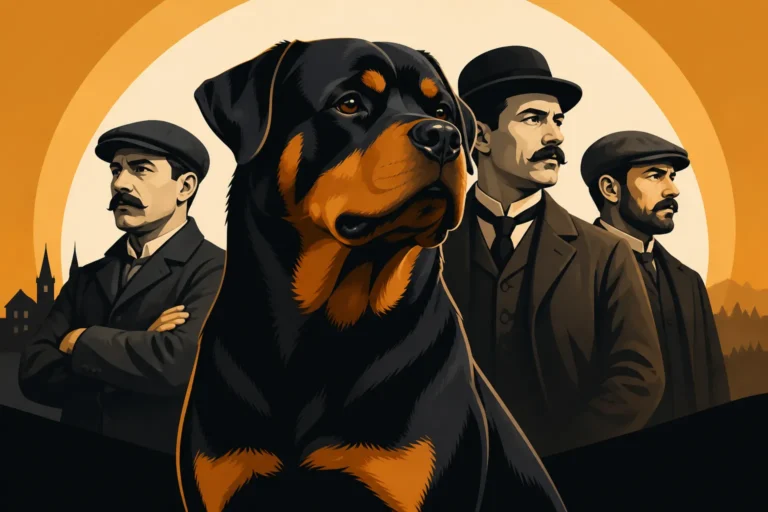
The town of Rottweil itself played a pivotal role in shaping the breed. During the Middle Ages, Rottweil became a thriving cattle market town, a bustling hub where livestock from surrounding areas was bought, sold, and processed. Butchers, traders, and cattlemen converged here, creating a high demand for reliable, robust working dogs. These dogs needed to be capable of managing large, sometimes unruly, herds of cattle, navigating busy market squares, and, crucially, transporting heavy loads. The environment was dynamic and demanding, requiring dogs that were not only strong but also intelligent and instinctively protective.
The Butcher's Essential Partner
For the butchers of Rottweil, their dogs were far more than just pets; they were indispensable business partners. These dogs performed a variety of crucial tasks that directly contributed to the success and safety of their owners' livelihoods. One of their primary jobs was to drive cattle to market, often over considerable distances. This wasn't a leisurely stroll; it involved controlling powerful animals, guiding them through sometimes treacherous paths, and preventing them from scattering. Their strength and presence were often enough to command respect from the livestock.
Beyond herding, the Rottweiler also served as a guardian. Once cattle were sold, the butchers would often carry considerable sums of money – the day's takings – back home. In an era before secure banking, this made them prime targets for robbers. The Rottweiler was literally strapped with the money, often in a leather pouch tied around its neck, acting as a living, breathing safe. This deep-seated guarding instinct, which you can see in The Money a Rottweiler Was Trusted to Guard, is still a hallmark of the breed today, reflecting their ancestral responsibility to protect valuable assets and their human companions.
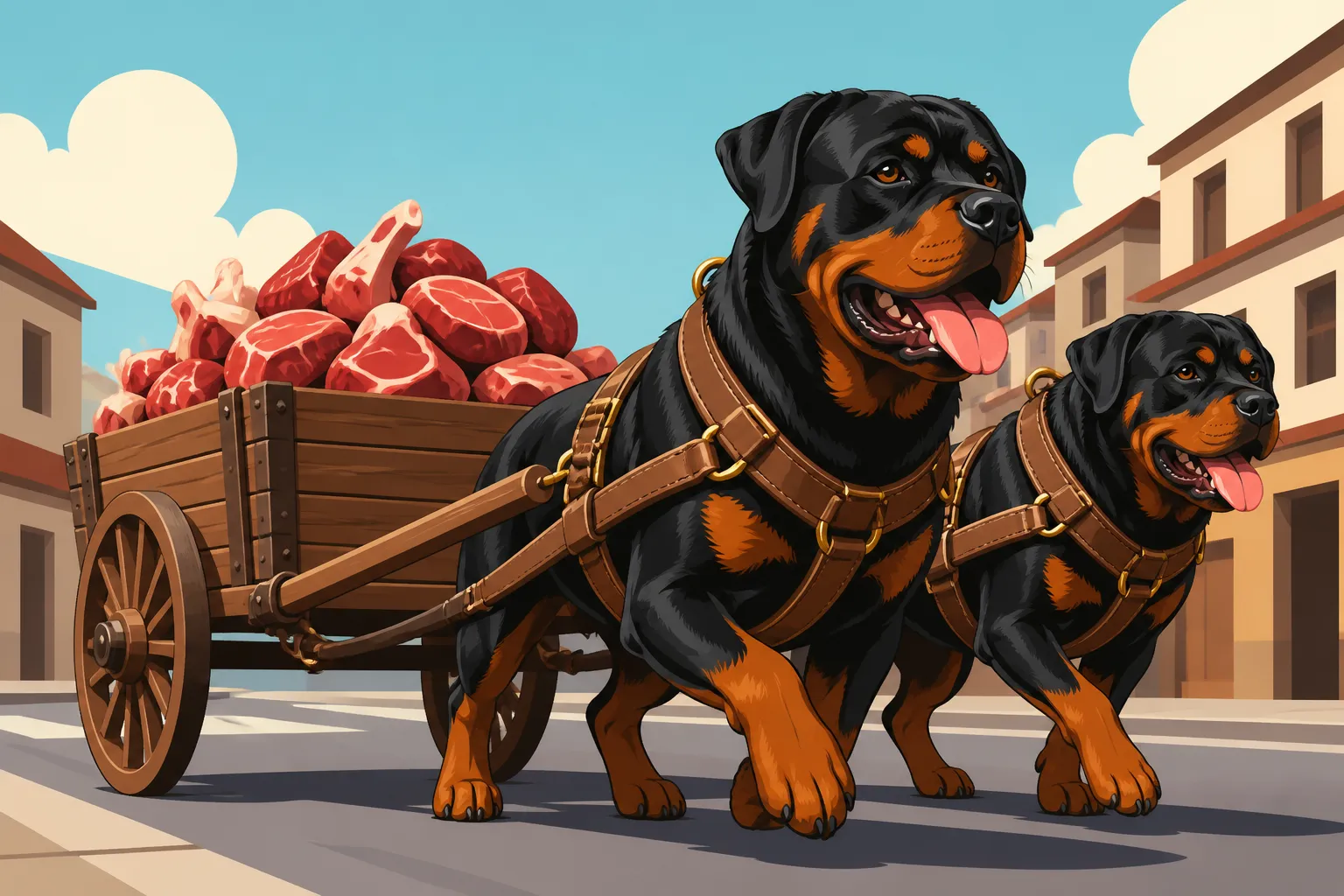
And, of course, there was the carting. After the cattle were processed, the butchers needed a reliable way to transport large cuts of meat, sausages, and other products from the slaughterhouses to their shops, or even directly to customers. This is where the Rottweiler truly shone as a "Metzgerhund." These dogs, with their powerful build and immense stamina, were perfectly suited for pulling heavy carts laden with hundreds of pounds of meat and goods through the cobblestone streets of Rottweil and beyond. Their ability to handle significant weight and maintain a steady pace made them an efficient and cost-effective mode of transportation in an age before motor vehicles.
The Mechanics of Carting: How Rottweilers Pulled Their Weight
It wasn't just raw strength that made Rottweilers effective carting dogs; it was a combination of their physical attributes and the practical methods employed to harness their power. The system was designed for efficiency, safety, and to allow the dogs to work comfortably and effectively day in and day out.
Harnessing Power and Practicality
To effectively pull heavy loads, a dog needs more than just a regular collar and leash. The butchers relied on specialized equipment that distributed the weight evenly across the dog's powerful chest and shoulders, preventing injury and maximizing their pulling efficiency. These were not unlike the modern draft harnesses you might see used in competitive carting or working dog sports today, though perhaps less refined. The harnesses were typically made of strong leather, designed to be robust and durable, capable of withstanding the rigors of daily use. They featured broad chest plates and wide straps that sat comfortably, allowing the dog to lean into the load with their entire body.
The design was crucial because an improperly fitted harness could cause chafing, restrict movement, or concentrate pressure in ways that would quickly exhaust or injure the dog. The goal was to allow the dog to use its natural strength in the most biomechanically sound way possible. Think of it like a human weightlifter using a proper belt to support their core; the equipment enhances natural capability. For those interested in Rottweiler Carting and Draft Work today, you'll find modern versions of these harnesses still emphasize these same principles of fit and load distribution. You can even find high-quality, durable harnesses suitable for a large dog through retailers like Chewy, ensuring your Rottweiler can pull safely and comfortably if you engage in this activity.
The carts themselves varied in size and construction, but they were generally sturdy, two-wheeled vehicles designed to be relatively light when empty but strong enough to carry substantial weight. They were often made of wood, sometimes with metal reinforcements, and featured wooden or metal wheels. The shafts of the cart would attach to the harness, allowing the dog to pull directly from its chest. The Butcher's Dog was a pragmatic solution to a transportation challenge, a kind of pre-industrial workhorse that thrived on having a job to do.
Routes, Loads, and Daily Endeavors
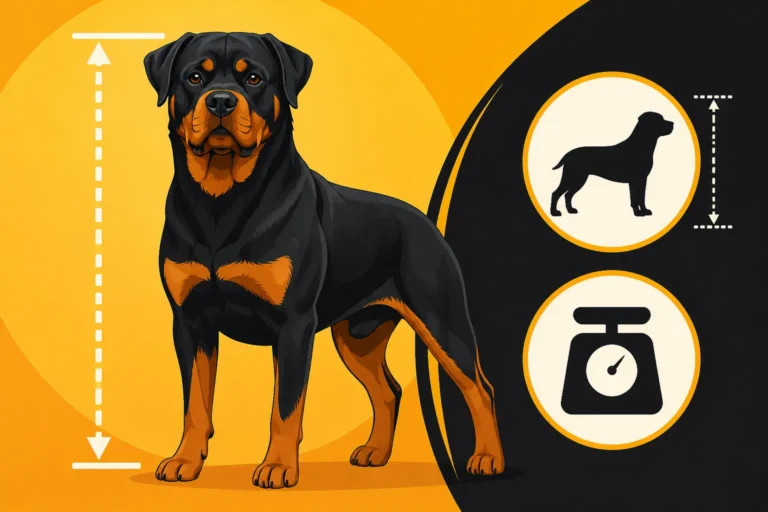
The routes these Rottweilers traversed were often far from smooth and paved. They would navigate cobblestone streets, sometimes muddy tracks, and even steep inclines within and around Rottweil. Their powerful musculature and robust build, traits still admired in the breed standard today, were perfectly suited to these demanding conditions. A fully grown male Rottweiler, weighing well over a hundred pounds (see Rottweiler Height and Weight for Males), possesses the sheer mass and strength necessary to move considerable tonnage.
The loads they pulled were not just a few pounds of meat. Imagine a typical butcher's day: a fresh carcass sectioned, sausages prepared, perhaps a delivery of cheese or other provisions for sale. These carts could easily carry several hundred pounds of goods. The dogs would make multiple trips a day, demonstrating incredible stamina and consistency. This wasn't an occasional task; it was their livelihood, their daily grind. They were expected to be reliable, focused, and steady, moving through crowded market squares with composure.
This constant work, however, also came with considerations for their health. The butchers instinctively understood the limits of their animals, even if modern veterinary science hadn't yet defined terms like "growth plates." They would have known that a young dog couldn't carry as much or work as hard as a mature one, much like we understand the importance of not over-exercising a growing puppy today, as discussed in Rottweiler Growth Plates and Why They Close So Late. Proper feeding, rest, and care were essential to keeping their working dogs fit and healthy for years of service, ensuring they could continue to haul their valuable cargo.
The Decline of the Carting Dog and the Rottweiler's Evolution
Like many working breeds tied to specific historical roles, the Rottweiler's original job as a carting dog eventually faded with the march of progress. This period was critical, as it pushed the breed to the brink of extinction before its eventual resurgence and transformation.
The Industrial Revolution's Impact
The late 19th and early 20th centuries brought sweeping changes across Europe, dramatically altering traditional ways of life. The rise of the railway system and the advent of paved roads meant that goods could be transported much more quickly, efficiently, and in greater quantities than any dog-pulled cart could manage. Suddenly, the need for dogs to drive cattle or pull butcher carts diminished rapidly. Wagons pulled by horses, and later motor vehicles, simply made the Rottweiler's traditional role obsolete. It was a classic case of technological advancement rendering an age-old profession unnecessary.
This transition was almost catastrophic for the Rottweiler breed. With their primary purpose gone, their numbers dwindled dramatically. Many once-essential working dogs were simply no longer needed, leading to a severe decline in breeding and interest. By the early 1900s, the Rottweiler was on the verge of disappearing entirely, a stark reminder of how quickly a breed's fate can change when its utility is lost. This period is often referred to as The 1800s Ban That Put Rottweilers Out of Work, highlighting the broader societal shifts that impacted these dogs.
It took the dedication of a few passionate fanciers to recognize the intrinsic value of the Rottweiler beyond their carting duties. They saw the breed's intelligence, loyalty, strength, and confidence, and began working to preserve it. Their efforts shifted the focus from purely utilitarian work to defining and standardizing the breed's appearance and temperament, paving the way for the Rottweiler we recognize today.
Modern-Day Carting and Legacy
While no longer essential for commerce, the legacy of the carting Rottweiler lives on through recreational activities and competitive sports. Dog carting, also known as draft work, is a fantastic way for Rottweilers to honor their heritage, engage their natural working instincts, and get some excellent exercise. It involves teaching dogs to pull a cart or wagon, often in controlled environments or specific competitions, much like their ancestors did. These events showcase a dog's strength, obedience, and willingness to work in partnership with their handler.
For many Rottweiler owners, engaging in draft work offers a unique bond and a deep sense of connection to their dog's history. It’s a wonderful way to tap into that inherent desire to have a job to do. Modern equipment, readily available from pet supply retailers like Chewy, includes lightweight practice carts and ergonomically designed harnesses that ensure safety and comfort for the dog. Even if you never compete, the training involved in teaching your Rottweiler to pull a cart can enhance their discipline, focus, and Rottweiler Leash Manners at a Hundred Pounds by teaching them to move purposefully with a load.
This continuation of carting, even as a sport, proves that the traits cultivated in the Rottweiler for centuries—their incredible strength, steady temperament, and desire to work—are still very much alive. It’s a beautiful tribute to the Metzgerhunds who once navigated busy markets, diligently pulling their heavy loads.
Understanding the Rottweiler's Enduring Traits from Their Carting Past
The historical role of the Rottweiler as a multi-purpose working dog, particularly in carting and guarding, has left an indelible mark on the breed's character. Many of the traits we admire and sometimes wrestle with in modern Rottweilers can be traced directly back to their ancestral jobs.
Strength, Stamina, and Work Ethic
When you look at a Rottweiler, their powerful build is immediately apparent. That broad chest, muscular hindquarters, and substantial bone structure aren't just for show; they are the physical embodiment of a working dog bred to pull, push, and endure. This incredible strength allowed them to pull heavy meat carts day after day, week after week. It meant they could navigate challenging terrain and maintain a steady pace for hours.
This physical strength is intrinsically linked to their impressive stamina and inherent work ethic. A Rottweiler isn't typically a dog content to lie on the couch all day, every day. They thrive when they have a purpose, when their minds and bodies are engaged. This isn't about needing to pull a cart today, but about satisfying that deep-seated drive for activity and utility. If you don't provide a constructive outlet for this energy and desire to work, you might find your Rottweiler inventing their own "jobs"—which can sometimes be less than desirable, like digging up the yard or excessive barking. Providing consistent training, regular exercise, and mental enrichment is crucial for a happy, well-adjusted Rottweiler. Just as butchers relied on their dogs' endurance, modern owners need to understand and cater to this built-in need for activity.
Guarding Instincts and Trustworthiness
Beyond their physical prowess, the Rottweiler's historical role as a guardian of money and property profoundly shaped their temperament. Their famous "aloofness" or wait-and-see attitude towards strangers, as detailed in The Calm Confidence a Rottweiler Standard Asks For, isn't rudeness; it's a reflection of their ancestral job. They weren't bred to be effusive greeters of everyone; they were bred to assess situations, determine potential threats, and act as a deterrent. A butcher needed to trust his dog implicitly with his life savings, often literally strapped to its neck. This required a dog of immense loyalty, discernment, and steadfastness.
This historical need for a trustworthy guardian instilled a strong protective instinct in the breed. Modern Rottweilers still possess this natural inclination to guard their family and home. When properly channeled through consistent training and appropriate socialization, this guarding instinct makes them exceptional protectors and loyal companions. However, if misunderstood or mishandled, it can manifest as excessive suspicion or territoriality. This is why early and ongoing socialization, alongside strong leadership, is paramount for a Rottweiler. We want them to be confident guardians, not fearfully reactive ones.
Consider the level of trust a butcher placed in his Rottweiler. The dog was not just an animal; it was a partner, a protector, and a key part of his livelihood. This historical bond of trust is what many Rottweiler owners seek to recreate today. Whether you're looking for durable chew toys or high-quality training treats to reward that loyalty, platforms like Chewy make it easy to find everything your Rottweiler needs to thrive in their modern life, honoring that centuries-old partnership.
| Historical Carting (Metzgerhund) | Modern Draft Work (Sport/Recreation) |
|---|---|
| Purpose: Essential commercial transportation for butchers and traders. | Purpose: Recreational sport, training, mental enrichment, showcasing breed capabilities. |
| Load: Heavy loads of meat, goods, or money (hundreds of pounds). | Load: Varies; often lighter training carts, but can include weighted loads for competition. |
| Equipment: Robust leather harnesses, often custom-made; simple wooden carts. | Equipment: Specialized, ergonomic harnesses (nylon/leather); lightweight carts, training wagons. |
| Routes: Cobblestone streets, muddy tracks, varied urban and rural paths. | Routes: Designated courses, trails, or training areas, often with obstacles. |
| Frequency: Daily, multiple trips; critical to livelihood. | Frequency: Recreational; practiced as a hobby, for competitions, or as exercise. |
| Training: Instinctive, practical, passed down through generations. | Training: Formal obedience, specific draft commands, positive reinforcement methods. |
Ultimately, the Rottweiler’s history pulling meat carts through town isn't just a quaint historical anecdote. It's the very foundation upon which the breed was built, shaping their formidable physical attributes, their strong work ethic, and their profound loyalty and protective instincts. It helps us appreciate why our Rottweilers are the way they are, and how best to understand and care for these magnificent dogs in our modern world.
Disclaimer
This article is for general informational purposes only and does not constitute professional advice. Laws, prices and regulations vary by location and change over time. Consult a qualified professional for guidance on your specific situation.