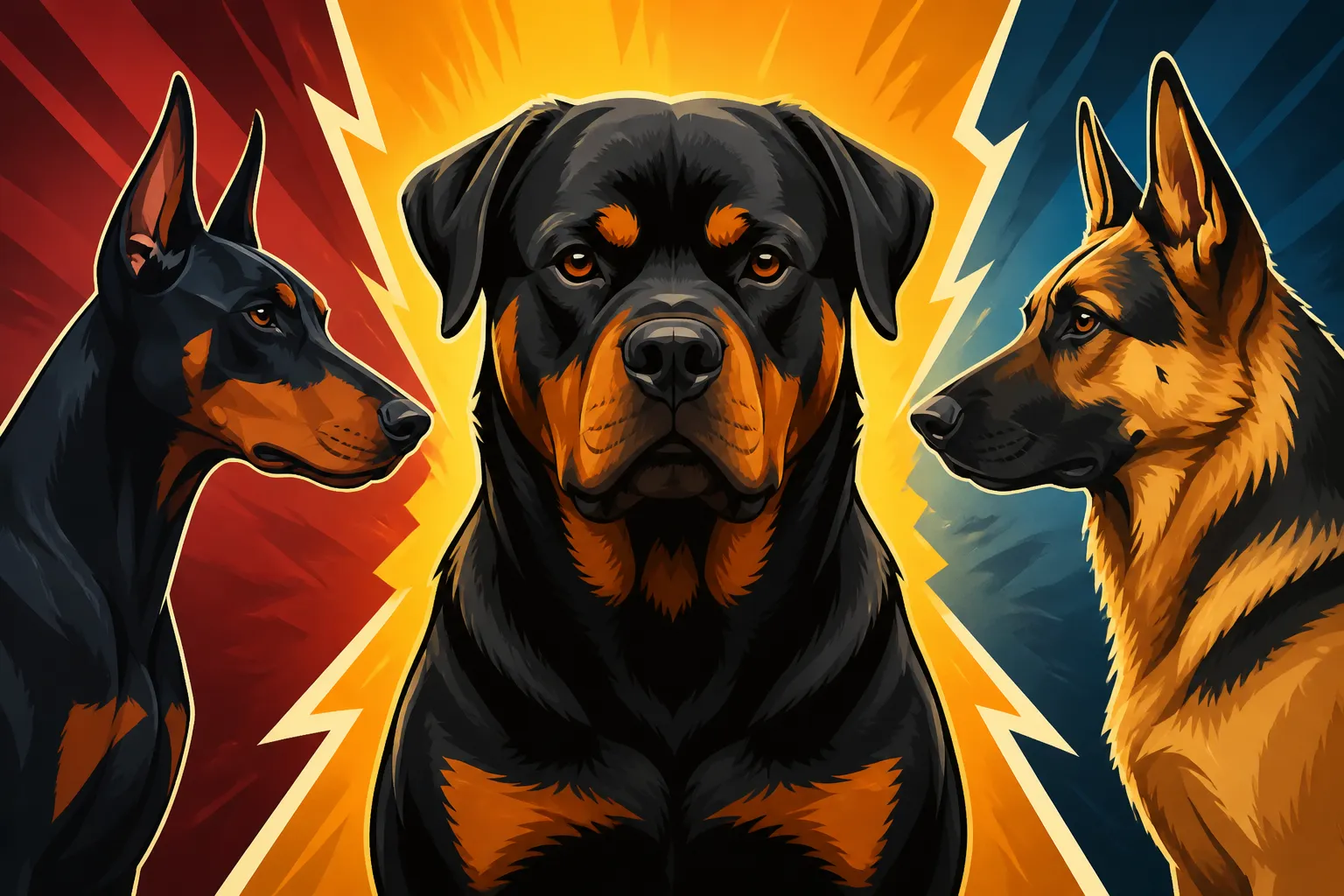
Rottweilers Against Dobermans and German Shepherds
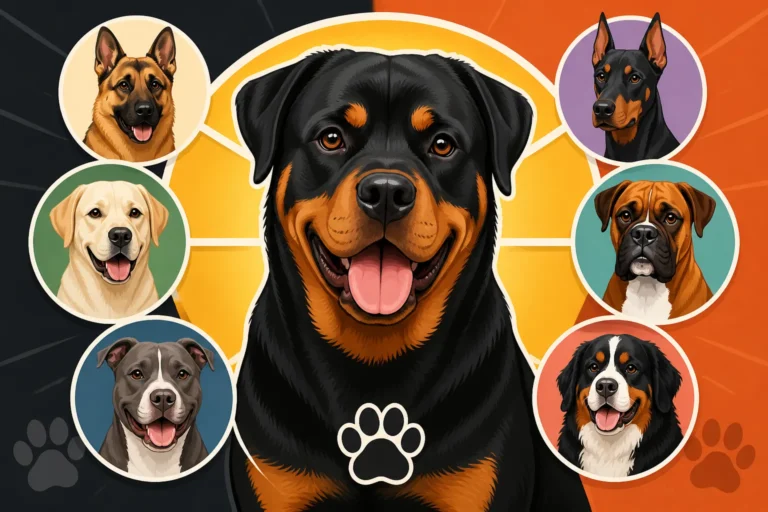
Choosing a large, powerful dog breed is a huge commitment, and many aspiring owners find themselves weighing the pros and cons of breeds like the Rottweiler, Doberman Pinscher, and German Shepherd Dog. It’s a common frustration to see these breeds lumped together, when in reality, they each bring a unique blend of history, temperament, and needs to the table. This guide aims to pull back the curtain on these magnificent dogs, helping you understand their distinct characteristics so you can make an informed decision about which might be the best fit for your life and family.
The Historical Roots and Original Purpose
Understanding where a breed comes from is absolutely key to grasping its inherent traits. These dogs weren't just "created" randomly; their original jobs shaped their instincts, their physique, and their approach to the world. If you ignore their history, you're missing a huge piece of the puzzle in understanding their behavior today.
The Rottweiler: Butcher's Dog of Germany
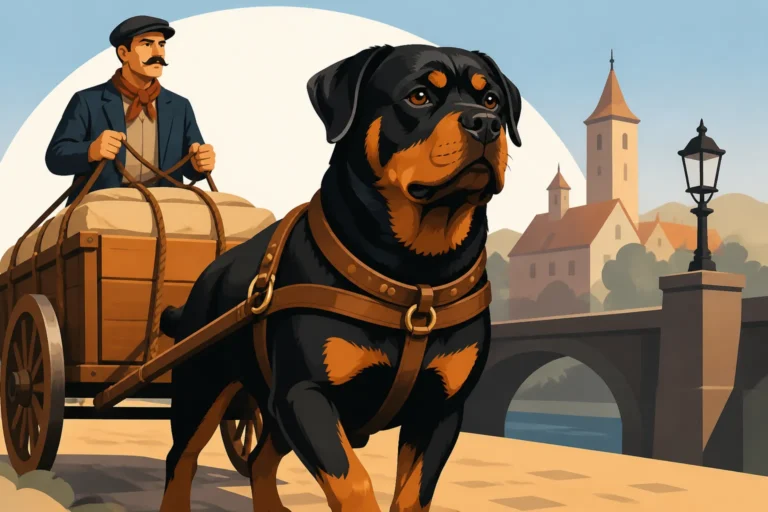
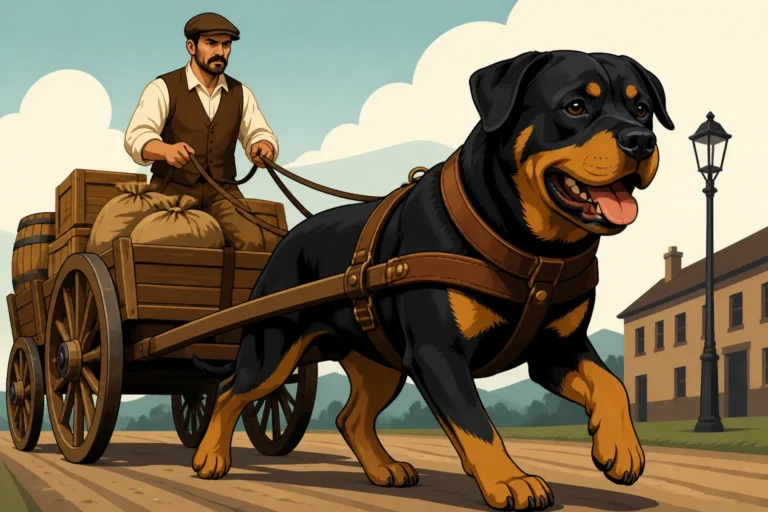
The Rottweiler's story begins with the Roman legions, who brought their drover dogs across the Alps into Germany. These robust, intelligent dogs were invaluable to the soldiers, helping them herd cattle that fed the troops on long marches. When the Romans settled in the region around what is now Rottweil, Germany, these dogs stayed behind and became integral to the local butchers, earning them the name "Rottweiler Metzgerhund" or "Rottweil Butcher's Dog."
Their role was multifaceted: they guarded money pouches tied around their necks as butchers traveled to market, herded livestock, and protected their masters and property from bandits. This deep-seated guarding instinct, coupled with their calm confidence and immense physical strength, is still very much alive in the modern Rottweiler. They were bred for responsibility, steadfastness, and a discerning nature, traits that make them the self-assured dogs we know today. To truly appreciate their evolution, it's worth diving into The Rottweiler From Roman Cattle Drives to the AKC.
The Doberman Pinscher: A Tax Collector's Protector
The Doberman Pinscher has a much more recent and singular origin. In the late 19th century, Karl Friedrich Louis Dobermann, a tax collector from Apolda, Germany, sought to create the ultimate personal protection dog. He faced dangerous situations collecting taxes and needed a fearless, loyal, and intimidating companion. He meticulously bred various dogs, including old German Shepherds, Rottweilers, German Pinschers, and Greyhounds, to achieve his goal.
The result was a sleek, powerful, and intelligent dog known for its unwavering loyalty and protective instincts. Dobermans were designed to be alert, quick to react, and utterly devoted to their owner, making them exceptional guardians. Their purpose was less about herding and more about immediate, decisive protection, which translates into their keen vigilance and strong bond with their chosen family.
The German Shepherd Dog: A Shepherd's Vision
The German Shepherd Dog, often abbreviated as GSD, emerged from Germany in the late 19th and early 20th centuries, thanks to Captain Max von Stephanitz. His vision was to create the ultimate working dog – one with intelligence, strength, and unwavering loyalty that could herd sheep across vast landscapes. When traditional herding roles began to decline, von Stephanitz ingeniously pivoted, promoting the breed for police, military, and service work, highlighting their remarkable trainability and versatility.
GSDs were bred for their sharp minds, athletic ability, and desire to please. They are eager learners, capable of mastering complex tasks, and thrive when given a job to do. Their keen senses and natural protective instincts, combined with their biddable nature, have made them one of the most popular and recognizable working breeds in the world, excelling in everything from search and rescue to guide dog work.
Temperament and Personality Differences
While all three breeds are known for their protective nature and intelligence, their inherent temperaments and how they express themselves can vary significantly. This is where many owners encounter surprises if they don't do their homework.
Rottweiler: Confident and Aloof
A well-bred and properly socialized Rottweiler is characterized by a calm, confident, and self-assured demeanor. They are not generally effusive or overly friendly with strangers, preferring to observe new people and situations with a discerning eye. This "wait-and-see" approach is often mistaken for aggression or unfriendliness, but it's really just their natural, intelligent aloofness. Once they accept you, their loyalty is absolute, and they form incredibly strong bonds with their family.
They are thoughtful and generally stable, but they possess an immense drive to protect those they love. This means they need owners who understand and respect their guarding instincts, channeling them through consistent training rather than allowing them to run rampant. You can explore this further in Rottweiler Temperament and That Self-Assured Aloofness. They are often described as "big softies" with their families, but outside the family circle, they maintain a dignified reserve.
Doberman: Keen and Loyal
Dobermans are often described as possessing a "noble" and "fearless" temperament. They are highly intelligent, incredibly energetic, and have a deep need for human companionship. Unlike the more reserved Rottweiler, a Doberman can be quite expressive and affectionate with its family, often seeking to be physically close. They are known for their unwavering loyalty and strong desire to be involved in family activities.
However, that keen awareness also means they can be more sensitive to their environment and less forgiving of inconsistent training. They are alert and vigilant, quick to pick up on perceived threats, which makes them exceptional guard dogs but also requires an owner who can manage their intensity and ensure proper socialization. Their protective instincts are strong, and they will not hesitate to act if they believe their family is in danger.
German Shepherd: Noble and Versatile
German Shepherds are renowned for their intelligence, courage, and versatility. They are intensely loyal and form strong bonds with their families, often expressing their affection in a more demonstrative way than a Rottweiler. GSDs have a strong desire to have a "job" and thrive on mental and physical stimulation. They are eager to please their owners and respond exceptionally well to training, which is why they excel in so many working roles.
While protective, a well-socialized German Shepherd should not be overtly aggressive. They are watchful and observant, and their guarding instincts are typically expressed as a strong territoriality coupled with a confident presence. However, their intelligence can sometimes lead to mischievousness or anxiety if not properly engaged, making mental exercise just as important as physical.
Physical Characteristics and Appearance
At first glance, all three are large, powerful dogs, but a closer look reveals significant differences in their build, coat, and overall presentation. These distinctions aren't just cosmetic; they speak to the breeds' functionality and origins.
Size and Build: Power vs. Agility
Rottweiler: The Rottweiler is a powerfully built, muscular dog with a broad chest and sturdy frame. They are typically slightly longer than they are tall, giving them a rectangular profile. Males generally stand between 24-27 inches at the shoulder and can weigh anywhere from 95-135 pounds, with females slightly smaller. Their imposing physique speaks to their heritage as cattle drovers and guardians – they are built for strength, endurance, and intimidation. You can learn more about specific measurements in Rottweiler Size Under the AKC Standard.
Doberman Pinscher: The Doberman is a much more elegant and athletic breed. They are medium-large, known for their sleek, muscular build and graceful, powerful stride. Males usually stand 26-28 inches at the shoulder and weigh 75-100 pounds. Females are proportionally smaller. Dobermans are built for speed, agility, and quick reaction, reflecting their role as personal protectors. They have a lean, almost aristocratic appearance.
German Shepherd Dog: German Shepherds are strong, agile, and well-muscled, possessing a fluid, effortless gait. Males stand between 24-26 inches at the shoulder and typically weigh 65-90 pounds, while females are slightly smaller. They are built for endurance and versatility, capable of both herding and intense athletic work. Their build suggests a balance of power and agility, perfect for the demanding tasks they are asked to perform.
Coat and Grooming Needs
Rottweiler: Rottweilers have a short, dense, double coat that is famously black with distinct rust or mahogany markings. While short, this coat is surprisingly heavy and sheds moderately year-round, with heavier shedding periods (often called "blowing their coat") twice a year. Regular brushing, at least a couple of times a week, is essential to manage shedding and keep their coat healthy. They don't require extensive grooming beyond that, though nail trims and ear cleaning are always important.
Doberman Pinscher: Dobermans have a short, hard, and smooth coat that lies close to the body. Their traditional colors are black, red, blue, or fawn, all with rust markings. They are generally considered low-maintenance in terms of grooming, requiring minimal brushing (once a week is usually sufficient) and occasional baths. They shed, but because their hair is so short and fine, it's often less noticeable than a Rottweiler's.
German Shepherd Dog: German Shepherds come in two main coat types: medium-length dense double coat and a long-haired version (though the latter is not always accepted in show rings, it exists). Their coats are thick and profuse, requiring more significant grooming than either Rottweilers or Dobermans. They are heavy shedders, especially during seasonal "blows." Daily brushing is often necessary to remove loose hair, prevent matting, and keep their skin healthy.
Distinctive Features
Rottweiler: Their broad, powerful head, dark almond-shaped eyes, and medium-sized, triangular drop ears are iconic. Many Rottweilers historically had their tails docked, though natural tails are becoming more common in some regions.
Doberman Pinscher: Traditionally, Dobermans are known for their docked tails and cropped ears, which give them an alert, imposing appearance. However, ear cropping and tail docking are becoming less common and are restricted in many countries. Their elegant, wedge-shaped head and deep chest are also characteristic.
German Shepherd Dog: Their noble, intelligent expression, erect ears, and long, bushy tail carried in a slight curve are hallmark features. Their strong, powerful jaws and dark, watchful eyes contribute to their regal appearance.
Training, Exercise, and Socialization Needs
No matter which of these breeds you choose, intensive and consistent training, ample exercise, and early, thorough socialization are non-negotiable. Skipping these steps is not just a disservice to the dog; it can be downright dangerous given their size and protective instincts.
Early Training Is Paramount
For all three breeds, training absolutely must begin the moment they come home as puppies. They are intelligent and strong-willed, and without early guidance, they will quickly learn to make their own rules – which can be disastrous for a dog that will soon outweigh many adults.
Rottweiler: A Rottweiler puppy needs to learn boundaries and basic obedience from day one. Their potential strength means that teaching polite leash manners and reliable recall is vital. Training a Rottweiler Before It Outweighs You is not just a suggestion; it's a golden rule. Their desire to please is present, but it's tempered by their independent and discerning nature. Positive reinforcement works wonders, building a strong, trusting bond that encourages cooperation. They need to respect your leadership, not fear it.
Doberman Pinscher: Dobermans are incredibly intelligent and eager to learn, making them highly trainable. However, their sensitivity means they respond best to positive, reward-based methods and can shut down or become reactive with harsh corrections. They thrive on mental challenges, so incorporating puzzle toys (many excellent options are available at places like Chewy) and advanced obedience tasks keeps their keen minds engaged. Consistency is key, as they are smart enough to test boundaries if given an inch.
German Shepherd Dog: GSDs are often considered one of the most trainable breeds due to their high intelligence and strong desire to work with their handler. They excel in obedience, agility, and protection sports. Like Dobermans, they thrive on mental stimulation and can become bored or destructive without it. Their biddable nature means they are generally quick to pick up new commands, but their drive and intensity require a handler who can match their energy and provide clear, consistent direction.
Exercise Requirements: Sustained Activity vs. Intense Bursts
While all are active dogs, the type of exercise they need can differ.
Rottweiler: Rottweilers need moderate but consistent exercise. They aren't typically "hyper," but they require daily walks, playtime, and mental engagement. Two good walks a day, coupled with some yard play or training sessions, usually suffice. Because they grow for a long time, special attention must be paid to A Growing Rottweiler's Joints and Overexercise to prevent developmental issues. They enjoy activities that involve their family, such as fetch, short hikes, or drafting (pulling a cart). They aren't built for endless running but do enjoy a good, solid outing.
Doberman Pinscher: Dobermans are high-energy dogs that require significant daily exercise. They need more than just a walk around the block; they thrive on vigorous activity like running, fetching, swimming, or long, fast-paced jogs. Without enough outlets for their energy, Dobermans can become restless, destructive, or develop behavioral issues. They need an active owner who can commit to providing an hour or two of intense physical and mental exercise every day.
German Shepherd Dog: GSDs also have high exercise needs, but their stamina often means they can sustain activity for longer periods. They excel in activities like long hikes, running, agility, and advanced obedience training. Like Dobermans, they need substantial daily exercise to prevent boredom and channeling their energy into undesirable behaviors. They thrive on having a "job" and often enjoy activities that combine physical exertion with mental challenges, such as tracking or scent work.
Socialization for a Stable Companion
Early and ongoing socialization is critical for all large, powerful breeds, and these three are no exception. Without it, their natural protective instincts can become misdirected or excessive.
Rottweiler: Rottweilers need extensive, positive exposure to a wide variety of people, places, sounds, and other dogs during their critical puppy development period and throughout their lives. This helps them learn what is "normal" and fosters their discerning nature without turning it into fear or aggression. Socializing a Rottweiler Puppy Properly ensures they develop into confident, stable adults rather than overly reactive ones. Even with good socialization, they will likely remain reserved with strangers.
Doberman Pinscher: Dobermans require early and continuous socialization to ensure they are comfortable and confident in various situations. Due to their innate protective drive, it's crucial to expose them to many different people, environments, and well-behaved dogs from a young age. This helps them differentiate between normal situations and actual threats, preventing them from being overly reactive or fearful. They need to learn appropriate greetings and boundaries.
German Shepherd Dog: German Shepherds benefit immensely from early and consistent socialization. Exposing them to different sights, sounds, people, and other dogs in a positive manner helps to build their confidence and prevent shyness or reactivity. A well-socialized GSD will be a confident and stable companion, comfortable in various environments, and able to greet new experiences calmly. Without it, they can become wary or nervous, which can manifest as fear-based aggression.
Health Considerations and Lifespan
Large breeds, unfortunately, often come with specific health challenges, and their lifespans can be shorter than smaller dogs. Being aware of these predispositions is part of responsible ownership.
Common Health Concerns in Each Breed
Rottweiler: Rottweilers are prone to several health issues, many of which are common in large breeds. Rottweiler Hip Dysplasia and the OFA Grade is a significant concern, as is elbow dysplasia. They also have a higher incidence of certain cancers, particularly osteosarcoma and lymphoma, and are susceptible to bloat (gastric dilatation-volvulus), a life-threatening condition. Heart conditions like subaortic stenosis are also seen in the breed. Responsible breeders screen for these genetic conditions.
Doberman Pinscher: Dobermans are known for a few breed-specific health concerns. Dilated cardiomyopathy (DCM) is a serious heart condition that is prevalent in the breed. They are also prone to von Willebrand's disease (a bleeding disorder), Wobbler's syndrome (a cervical spine condition), and hypothyroidism. Like Rottweilers, they can also be susceptible to bloat. Regular veterinary check-ups and screening tests are important for Doberman owners.
German Shepherd Dog: German Shepherds, too, face a range of health challenges. Hip and elbow dysplasia are very common in the breed. They are also prone to degenerative myelopathy, a progressive neurological disease affecting the spinal cord, and exocrine pancreatic insufficiency (EPI). Certain types of cancer, like hemangiosarcoma, are also seen. Their deep chests also make them susceptible to bloat.
Lifespan Expectations
Understanding the typical lifespan helps in preparing for the journey with these dogs.
Rottweiler: The average Rottweiler Lifespan and the Eight to Ten Year Average is unfortunately on the shorter side compared to many other breeds. While individual dogs can certainly live longer with excellent care and a bit of luck, owners should generally expect to have their Rottweiler for about 8 to 10 years. This makes every year precious and emphasizes the importance of preventive care and early detection of health issues.
Doberman Pinscher: Dobermans typically have a slightly longer lifespan than Rottweilers, usually ranging from 10 to 12 years. However, due to the prevalence of DCM, some Dobermans may pass away unexpectedly younger from heart failure. Consistent veterinary care, including regular cardiac screenings, can help monitor and manage potential issues, potentially extending their healthy years.
German Shepherd Dog: German Shepherds also have an average lifespan of about 9 to 13 years. Like the other large breeds, individual health and genetics play a significant role. With good nutrition, appropriate exercise, and proactive veterinary care, many GSDs can lead long, fulfilling lives well into their senior years. Regular monitoring for orthopedic issues and other breed-specific conditions is crucial.
Suitability for Different Lifestyles
Choosing between these three breeds isn't just about preference; it's about honest self-assessment of your lifestyle, living situation, and experience level. What works for one family might be a disaster for another.
Family Dynamics and Children
All three breeds can be wonderful family dogs when properly raised and socialized, but their interactions can vary.
Rottweiler: A well-socialized Rottweiler can be incredibly devoted and protective of children within their own family. They often treat children as "their" puppies, displaying a gentle patience, though their sheer size means adult supervision is always necessary, especially with very young children, to prevent accidental bumps or knocks. They are generally tolerant but can be possessive of their family members. You'll want to read more about Rottweilers With Children in the Home to prepare. They are not typically a dog to leave unsupervised with visiting children.
Doberman Pinscher: Dobermans, with their high energy and strong loyalty, can also be excellent with children when raised with them. They tend to be playful and affectionate, but their enthusiasm can be overwhelming for very small children, so teaching both dog and child boundaries is essential. Their protective instincts are strong, and they will guard their family, including children. Again, supervision is key, especially with active play.
German Shepherd Dog: German Shepherds are often good family dogs and can be very patient and protective with children they've grown up with. Their biddable nature means they are often easier to train around children, and their desire to please makes them eager participants in family life. However, their size and energy still demand supervision, and their herding instinct might lead them to "bump" or "herd" running children if not taught otherwise.
Living Environments and Space
The amount of space you have, both indoors and out, should heavily influence your decision.
Rottweiler: While Rottweilers are large, they are often described as "big couch potatoes" indoors, provided they get adequate outdoor exercise. They don't typically need a sprawling estate, but a securely fenced yard is crucial for their exercise and guarding duties. They can adapt to apartment living if their owners are committed to daily walks and outings, but a house with a yard is generally more suitable. They enjoy being near their family, not banished to a kennel.
Doberman Pinscher: Dobermans are more demanding in terms of space and activity. They thrive in homes with ample room to run and a securely fenced yard. Apartment living can be challenging unless the owner is extremely dedicated to providing intense daily exercise and mental stimulation. They are not dogs that can be left alone in a small space for long periods; they need to be active participants in family life and have enough room to burn off their considerable energy.
German Shepherd Dog: German Shepherds are also best suited to homes with space, preferably a securely fenced yard where they can run and play. While they can adapt to apartment living, it requires an exceptional commitment to daily, rigorous exercise and mental engagement. They thrive in environments where they have a "job" or can engage in activities that challenge both their bodies and minds. They love to be outdoors and active but also cherish their time inside with family.
Experience Level of Owners
These are not breeds for the faint of heart or first-time dog owners without serious dedication.
Rottweiler: Rottweilers need an experienced owner who understands large, powerful breeds and is committed to consistent training and socialization. Their self-assured nature means they need a calm, confident leader who can provide clear boundaries and positive reinforcement. Whether a First-Time Owner Should Get a Rottweiler is a question that requires serious reflection; it's possible, but only with an immense commitment to learning and professional guidance.
Doberman Pinscher: Dobermans are best suited for experienced dog owners who understand their high energy, sensitivity, and strong protective instincts. They need an owner who can provide consistent, positive training, ample exercise, and mental stimulation, and who isn't intimidated by their intensity. Their intelligence can be a double-edged sword: they learn quickly, but they can also outsmart an inconsistent owner.
German Shepherd Dog: German Shepherds are excellent for experienced owners who are active and enjoy training. Their strong desire to work and please makes them highly responsive, but their energy levels and need for mental engagement can be overwhelming for a novice. An owner who can provide a structured environment, clear expectations, and a "job" for their GSD will find them to be an incredibly rewarding companion.
Comparative Summary
Here's a quick overview of how these three remarkable breeds stack up against each other:
| Feature | Rottweiler | Doberman Pinscher | German Shepherd Dog |
|---|---|---|---|
| Origin/Purpose | Roman Drover Dog, Butcher's Guard | Tax Collector's Personal Protector | Shepherd's Working Dog |
| Temperament | Calm, Confident, Aloof with strangers | Keen, Loyal, Energetic, Sensitive | Intelligent, Courageous, Versatile, Biddable |
| Size/Build | Large, powerful, muscular, stocky | Medium-large, sleek, athletic, elegant | Large, strong, agile, balanced |
| Coat/Grooming | Short, dense double coat, moderate shed | Short, smooth coat, low shed | Medium/long double coat, heavy shed |
| Exercise Needs | Moderate, consistent daily activity | High, vigorous daily exercise | High, sustained daily activity, mental work |
| Training Response | Requires confident, consistent leadership | Eager, sensitive, positive reinforcement | Highly trainable, eager to please |
| Socialization | Essential, lifelong, to prevent over-guarding | Critical for confidence and appropriate response | Critical for stability, prevents shyness |
| Protective Instinct | Strong, discerning, territorial | Strong, vigilant, direct | Strong, watchful, territorial |
| Lifespan (Avg.) | 8-10 years | 10-12 years | 9-13 years |
| Common Health Issues | Hip/elbow dysplasia, cancer, bloat, SAS | DCM, vWD, Wobbler's, hypothyroidism, bloat | Hip/elbow dysplasia, DM, EPI, bloat, cancer |
Final Thoughts on Choosing Your Companion
As you can see, while Rottweilers, Dobermans, and German Shepherds are all incredibly impressive and capable dogs, they are far from interchangeable. Each breed offers a distinct personality, energy level, and set of needs.
The Rottweiler is often the choice for those who appreciate a calm, self-assured companion with immense loyalty and a discerning protective instinct, and who understand the need for strong leadership and consistent, lifelong training. They might prefer a more relaxed indoor presence balanced with good outdoor activity. If you're considering the daily costs and needs, remember that Feeding an Adult Rottweiler at a Hundred Twenty Pounds is a significant commitment.
The Doberman Pinscher appeals to those seeking a highly energetic, keenly intelligent, and intensely loyal guardian that thrives on being an active, central part of the family. They need an owner who can match their enthusiasm and provide consistent mental and physical challenges.
The German Shepherd Dog is often the pick for active individuals or families who desire a versatile, highly trainable, and devoted working companion. They excel when given a job and thrive on engagement, making them fantastic partners for training, sports, or service work.
Ultimately, the "best" breed isn't about objective superiority but about the perfect match between a dog's inherent traits and your ability to meet those needs. Take your time, research thoroughly, and be honest about what you can realistically provide. When you make the right choice, any of these magnificent breeds can become an unforgettable, cherished member of your family. And when you do bring one home, don't forget places like Chewy are excellent resources for all your large-breed dog supply needs, from heavy-duty toys to specialized food.
Disclaimer
This article is for general informational purposes only and does not constitute professional advice. Laws, prices and regulations vary by location and change over time. Consult a qualified professional for guidance on your specific situation.