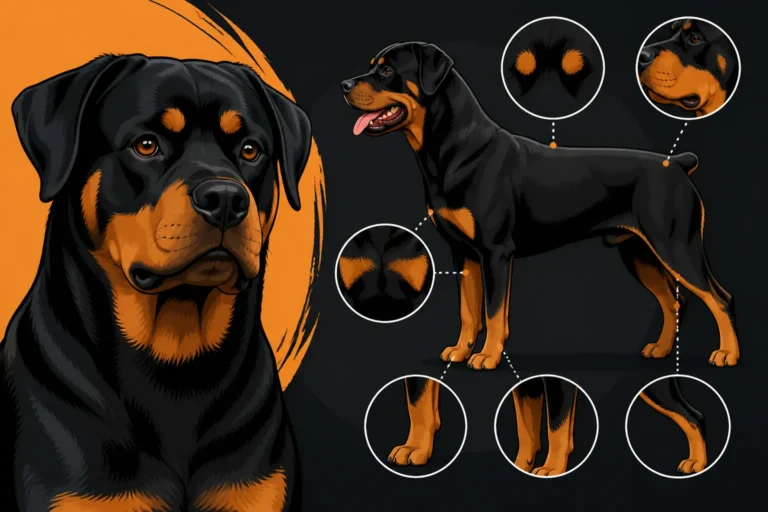
The Fanciers Who Rebuilt the Rottweiler in 1901
Imagine a world without the steadfast, loyal Rottweiler, a breed known for its powerful presence and unwavering devotion. It’s hard to picture, isn't it? Yet, at the turn of the 20th century, this magnificent breed teetered on the very edge of extinction, a stark reality that would have been a heartbreaking loss. This guide will take you through the incredible story of the dedicated fanciers who refused to let the Rottweiler vanish, painstakingly rebuilding the breed from a mere handful of dogs in 1901.
The Brink of Extinction: When a Breed Nearly Vanished
It’s easy to think that once a dog breed is established, it’s set in stone forever. But history tells a different story, and the Rottweiler’s tale is a prime example of how quickly circumstances can change. Before the industrial revolution truly kicked into high gear, Rottweilers, or "Metzgerhunds" (butcher dogs) as they were known, were integral to the daily life of the cattle-driving and butchering communities in Rottweil, Germany. They were the original working dogs, robust and fearless, herding cattle to market and then guarding the butcher’s earnings in a pouch around their neck. Their utility was unmatched for centuries, tying them directly to the economic heartbeat of the region.
The Age of Machines and the Decline of Droving
The problem began with progress itself. The late 19th century brought about significant changes in transportation and commerce. Railways started crisscrossing Germany, making it far more efficient to transport livestock by train than to drive them hundreds of miles on foot. Suddenly, the ancient profession of cattle droving, which had been the Rottweiler's primary job, became largely obsolete. Imagine waking up one day to find that the very reason your dog existed had simply… disappeared. It wasn't a gradual fade for some, but a relatively rapid shift that left many working dogs without a clear purpose.
As the need for droving dogs diminished, so did the number of Rottweilers. People no longer kept them in the same numbers, and without their traditional work, many families couldn’t justify the expense or space for such a large, powerful dog. The breed wasn't seen as a companion animal in the same way modern dogs are; its value was intrinsically linked to its working ability. Without that work, their numbers dwindled dramatically. It’s a sad thought, realizing how close we came to losing such a vital piece of canine history and companionship. This period saw the 1800s Ban That Put Rottweilers Out of Work.
The Few Who Held On
Despite the widespread decline, a few passionate individuals and families still cherished these dogs. These were often people who remembered the old ways, or those who recognized the inherent qualities of the Rottweiler beyond just herding cattle. Perhaps they were butchers who still appreciated their guarding instincts in the shop or on their property, even if the grand droves were gone. These were the true unsung heroes, holding onto their dogs not for fashion or sport, but for tradition, loyalty, and the breed’s undeniable capabilities.
These remaining Rottweilers weren't necessarily recognized in any formal capacity; they were just family dogs, farm dogs, or local guard dogs. Their existence was purely down to the dedication of their owners, who saw their value even when society at large moved on. These small, scattered populations of Rottweilers were the last embers of a once-flourishing breed, waiting for a spark to reignite their future. Without these resilient few, there would have been no breed to rebuild in the first place, and we would never have experienced the unique Rottweiler Temperament and That Self-Assured Aloofness that defines them today.
The Resurgence: German Fanciers and the First Breed Clubs
The story of the Rottweiler’s comeback isn't just about survival; it's about recognition, dedication, and the power of organized effort. It wasn't enough for a few isolated dogs to exist; they needed advocates who understood their historical significance and potential for future roles.
Establishing a Standard and Purpose
The turning point truly began in 1901. This was the year that a group of dedicated enthusiasts in Germany recognized the critical state of the Rottweiler and decided to act. They understood that to save the breed, they needed to formalize its existence, define its characteristics, and promote its value for new purposes. This wasn't just about saying, "Hey, let's keep these dogs around!" It was about creating a blueprint for the future Rottweiler.
This meant meticulously observing the remaining dogs, noting their physical attributes, working drives, and temperament. They sought to establish a breed standard – a detailed description of the ideal Rottweiler. This standard would guide all future breeding efforts, ensuring consistency and preserving the qualities that made the Rottweiler so special in the first place. They also began to advocate for the breed's suitability in new roles, such as police work and other public service jobs, which would prove vital to their survival and popularity. The foresight to reposition the breed for modern utility was key to its renaissance. This also involved a serious commitment to The Five Clearances a Rottweiler Breeder Must Have for health.
The German Clubs That Set the Rottweiler Standard
The year 1907 was pivotal, marking the formation of two significant clubs in Germany: the Deutscher Rottweiler-Klub (DRK) in Heidelberg and the Süddeutscher Rottweiler-Klub (SDRK) in Stuttgart. These organizations were born out of the collective desire to not only preserve but also to improve and promote the Rottweiler. Their efforts laid the groundwork for the breed's future. These clubs weren't just social gatherings; they were serious working organizations dedicated to the breed's integrity.
A few years later, in 1921, these two clubs, along with a third local group, merged to form the Allgemeiner Deutscher Rottweiler-Klub (ADRK). The ADRK became, and remains to this day, the authoritative body for the Rottweiler breed in its country of origin. This merger solidified a unified vision and a stronger, more organized approach to breeding, training, and exhibiting Rottweilers. The ADRK and Its Rottweiler Breeding Rules became the gold standard, focusing on maintaining working ability, robust health, and the correct temperament, ensuring the breed's future was built on a solid foundation, not just fleeting popularity. Their rigorous standards meant that every Rottweiler bred under their guidance was evaluated not just for looks, but for character and health.
Building Back the Breed: Challenges and Commitment
The formation of breed clubs was just the beginning. The real work lay in rebuilding the population and ensuring the genetic health and integrity of the Rottweiler from a very small gene pool. This was a painstaking process that required immense dedication and careful planning.
The Search for Remaining Stock
One of the most immediate and significant challenges was simply finding enough Rottweilers to create a viable breeding program. Remember, the breed had dwindled to very low numbers, scattered across various regions, often without formal records. The early fanciers had to actively seek out suitable dogs, often traveling to rural areas, old farms, and butcher shops where these dogs might still be found. Imagine the detective work involved in tracking down these hidden gems, assessing their health, temperament, and conformity to the emerging breed standard.
This wasn't just about quantity; it was about quality. They needed dogs that embodied the true "Metzgerhund" spirit – strong, intelligent, confident, and capable. Each new dog brought into the burgeoning breeding program was a crucial piece of the puzzle, carefully evaluated to ensure it contributed positively to the breed's genetic diversity and avoided any known health issues that might have already been prevalent. This careful curation was essential to prevent further bottlenecks and to build a robust future for the breed, acknowledging that What Shortens a Rottweiler's Eight to Ten Years had to be considered even then.
Focusing on Health and Temperament
From the very beginning, the German fanciers understood that simply increasing numbers wasn't enough. They were deeply committed to ensuring the breed's health and preserving its quintessential temperament. This meant prioritizing breeding dogs that were sound in body and mind, a commitment that was far ahead of its time for many breeds. They weren’t just looking for pretty faces; they were seeking functional, healthy working dogs.
Breeders under the guidance of these new clubs began to emphasize rigorous health testing, even in rudimentary forms compared to today, and careful consideration of each dog's disposition. They focused on eliminating undesirable traits and reinforcing the calm, confident, and protective nature that defines the Rottweiler. This early emphasis on ethical breeding practices, rather than just rapid expansion, saved the breed from potentially introducing widespread genetic problems. It’s a testament to their dedication that even today, responsible Rottweiler breeders adhere to strict health clearances like those for Rottweiler Hips and Elbows and the 24-Month Rule and JLPP and the Rottweiler DNA Test. When considering what a Health Papers to Ask a Rottweiler Breeder For are today, it is directly linked to the foundations laid by these early fanciers.
The Legacy of the Fanciers: What It Means Today
The efforts of those early Rottweiler fanciers were nothing short of monumental. They didn't just save a breed; they ensured its future, setting standards and practices that continue to benefit Rottweiler enthusiasts worldwide.
Preserving the Metzgerhund Spirit
The original "Metzgerhund" was a dog of incredible purpose, courage, and loyalty. When the fanciers rebuilt the breed, they meticulously worked to preserve these core traits. They didn't aim to create a softer, more generalized companion dog; they wanted to maintain the robust working spirit that had defined the Rottweiler for centuries. This meant focusing on dogs with strong nerves, inherent guarding instincts, and a willingness to work.
Today, this legacy is evident in the Rottweiler's versatility. While many Rottweilers are beloved family companions, they still excel in demanding roles such as police work, search and rescue, therapy, and various dog sports. The breed's intelligence, trainability, and powerful physique, combined with its steady temperament, make it a natural fit for these jobs. This commitment to the breed's working heritage is a direct result of the early fanciers' vision, ensuring that the Rottweiler remains a truly functional and impressive dog, not just a handsome one. Many Rottweiler owners continue this tradition through activities like Rottweiler Carting and Draft Work or rigorous obedience training, often using products from trusted pet suppliers like Chewy for their training gear, durable toys, and specialized large-breed foods.
A Breed Saved for Future Generations
The success of these early German fanciers is undeniable. From the brink of disappearing entirely, the Rottweiler grew in numbers and popularity, eventually spreading across the globe. By the mid-20th century, the breed had firmly established itself internationally, recognized for its striking appearance and formidable capabilities. They ensured that families today can welcome a Rottweiler into their homes, experiencing firsthand the profound loyalty and protective nature these dogs embody. Imagine if they hadn't acted; we would be missing out on so much.
The meticulous record-keeping, the emphasis on health and temperament, and the promotion of the breed for new working roles ensured that the Rottweiler not only survived but thrived. Every time you see a healthy, well-adjusted Rottweiler, remember the incredible journey this breed took from near-extinction to becoming one of the most beloved and respected working dogs in the world. Their story is a powerful reminder of what passion and dedication can achieve in preserving our canine heritage. You can find comprehensive information on everything from nutrition to training on sites like Chewy, helping today's owners continue the tradition of responsible Rottweiler care. Whether you're looking for Rottweiler Beds That Survive the Weight or specific large breed food, stores like Chewy cater to these powerful dogs. This rich history ensures that the Rottweiler Lifespan and the Eight to Ten Year Average is spent in good health and companionship.
Here’s a look at the factors that impacted the Rottweiler’s survival and revival:
| Factor | Decline Era (Late 19th Century) | Revival Era (Early 20th Century) |
|---|---|---|
| Primary Economic Role | Cattle droving (obsolete) | Police, guarding, companion |
| Transportation Impact | Railways replaced droving | Modern transport allowed breed spread |
| Breed Visibility | Low, scattered individuals | Formal clubs, established standard |
| Breeding Focus | Uncontrolled, local survival | Health, temperament, working ability |
| Organizational Structure | None | Formation of DRK, SDRK, then ADRK |
| Public Perception | Obsolete working dog | Versatile, capable working dog |
Disclaimer
This article is for general informational purposes only and does not constitute professional advice. Laws, prices and regulations vary by location and change over time. Consult a qualified professional for guidance on your specific situation.