The Rottweiler’s Job Before the Railways Arrived
It's easy to look at a majestic Rottweiler today, perhaps lounging on your sofa or patiently waiting for a walk, and forget the incredible history etched into their very being. Many people struggle to understand why these dogs possess such a formidable presence, strong guarding instincts, and a relentless work ethic, often leading to misconceptions about their temperament. This guide will take you back in time to explore the vital, demanding jobs Rottweilers performed for centuries before the advent of railways changed everything, shedding light on the origins of the traits we see in them today.
The Ancient Roots of a Working Breed
Before they were known as Rottweilers, these dogs had ancestors who traveled vast distances and performed crucial roles for ancient civilizations. Understanding this deep lineage helps us appreciate the inherent capabilities and instincts that are still strong in the breed today, even if their jobs have evolved.
Roman Drover Dogs on the March
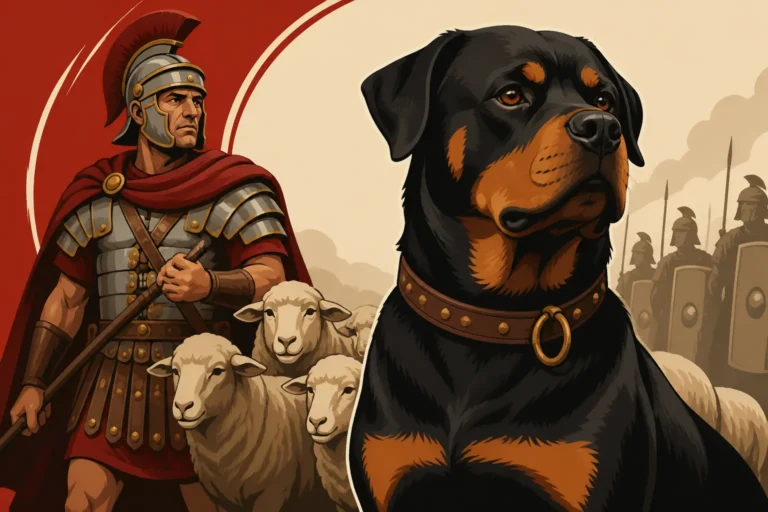
Our journey begins not in Germany, but with the Roman Empire. As the Roman legions marched across Europe, they needed a reliable food source that could keep pace with their movements. This meant vast herds of cattle. To manage these immense, often unruly, livestock processions, the Romans brought along powerful, mastiff-type dogs. These were the original drover dogs, ancestors to the modern Rottweiler, tasked with keeping the herds together, protecting them from predators, and ensuring they reached their destination to feed the army. Imagine the sheer strength and unwavering focus these dogs needed, day in and day out, covering miles of varied terrain, asserting their authority over hundreds of bellowing beasts. This was no small task, and it forged a deep connection between these dogs and their human handlers, a partnership built on trust and mutual reliance. The demanding nature of this work meant only the most robust, intelligent, and courageous dogs survived and bred, effectively becoming a natural selection process for the traits we still value in Rottweilers. The Roman Drover Dogs Behind the Rottweiler delves deeper into these ancient times.
How Roman Dogs Found Their Way to Rottweil
As the Roman Empire expanded and established settlements, these drover dogs traveled with them. One such region was the Neckar River valley in what is now southern Germany. The Romans set up camps and eventually towns, and their cattle and dogs came with them. When the Roman presence eventually waned, many of these dogs remained, their descendants intermingling with local canines but retaining the strong working instincts passed down through generations. The specific area that would become the town of Rottweil, known then as "Rottweil am Neckar," was a strategic location with fertile land and access to trade routes. This environment proved ideal for a burgeoning cattle trade, and the robust, capable dogs left behind by the Romans found a new purpose. They became integral to the local economy, not just assisting in farming but laying the groundwork for the specialized role they would soon develop. The continuity of their presence speaks volumes about their adaptability and indispensable nature to the communities that formed there.
The Rise of the Metzgerhund in Rottweil
Centuries later, the town of Rottweil blossomed into a prominent medieval market town, particularly famous for its cattle trade. This environment provided the perfect stage for the Roman drover dogs' descendants to solidify their identity and become what was affectionately (and aptly) known as the "Metzgerhund," or "Butcher's Dog."
Rottweil: A Hub for Cattle and Commerce
By the Middle Ages, Rottweil had grown into a vital commercial center, primarily due to its strategic location and the booming cattle market. Farmers and traders from all over the region would converge on Rottweil, bringing their livestock to be sold, butchered, and processed. This wasn't just a local affair; cattle were driven to Rottweil from distant pastures, sometimes traveling for days. The sheer volume of animals and the value of the trade meant that reliable, powerful dogs were absolutely essential. These dogs were responsible for herding large numbers of cattle through bustling streets, managing them within the confines of the market, and ensuring order among the herds. Imagine the chaos that could ensue with hundreds of large animals if not for the firm guidance of these dogs. They were the original traffic cops of the cattle market, using their imposing presence and sharp instincts to direct the flow of livestock efficiently and safely. The Rottweiler's Home Town as a Cattle Market further explores this historical context.
The Butcher's Dog: Guarding More Than Just Livestock
The Rottweiler's role as the "Metzgerhund" went beyond just droving cattle to the market. Once the livestock was sold and the day's business concluded, the butchers and cattle dealers were often carrying substantial sums of money. Traveling home, sometimes through isolated areas, made them prime targets for bandits and thieves. This is where the Rottweiler's unparalleled guarding instincts truly shone. These dogs were trusted implicitly to protect their owners and the valuable proceeds of their sales. It was a common practice for butchers to tie their money pouches around the dog's neck, knowing that no one would dare approach such a formidable guardian. This demonstrates an incredible level of trust placed in these animals – not just for their physical deterrence but for their unwavering loyalty and discernment. They weren't just brute force; they were intelligent, watchful companions who understood their crucial responsibility. This dual role of active drover and steadfast guardian cemented their reputation and shaped the protective, self-assured temperament we recognize today. What a Metzgerhund Did in a Day's Work explains more about their daily tasks.
The Era of Carting and Hauling
As cattle droving methods evolved and regulations sometimes restricted the movement of large herds through populated areas, the adaptable Rottweiler found another demanding job, further showcasing their strength and willingness to work alongside humans.
Rottweilers as Draft Animals
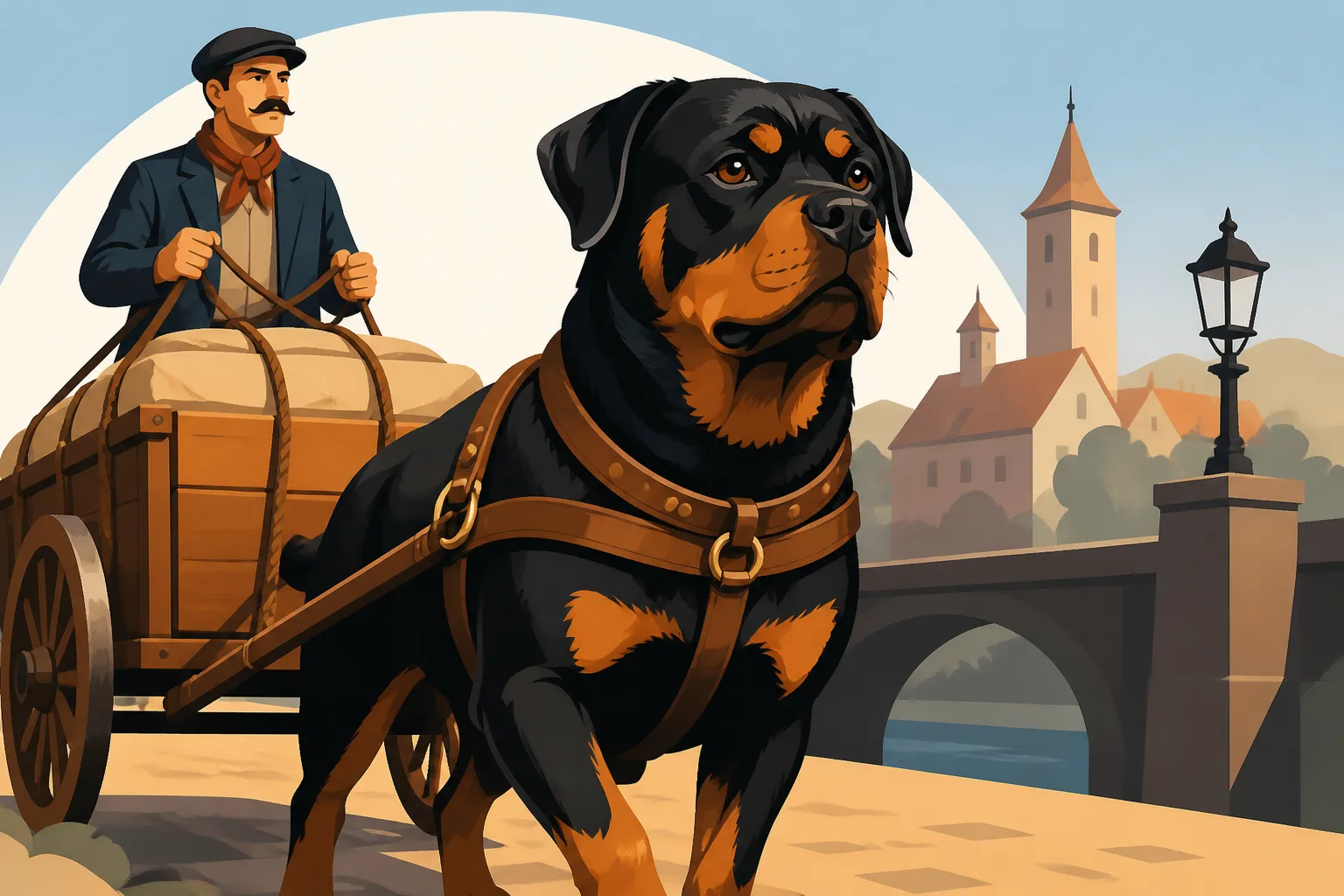
Beyond their primary role as drovers and guardians, Rottweilers were increasingly utilized for carting. With their robust build, immense strength, and powerful hindquarters, they were perfectly suited to pulling heavy carts laden with goods. This could include everything from freshly butchered meat and produce to other trade items, often transporting them between the butcher shop, market, and homes. This wasn't just a casual stroll; these were often heavy loads, sometimes requiring the dog to pull up steep inclines or over rough, unpaved roads. The practice of using dogs for draft work was common in many European countries before industrialization, but the Rottweiler's specific combination of strength, endurance, and biddability made them exceptionally valuable in this capacity. They became a vital part of the local transportation network, a reliable engine for small-scale commerce. You can still see echoes of this history in modern draft work competitions for Rottweilers, where they proudly demonstrate their innate ability to pull. Rottweilers Pulling Carts Before the Railways delves into this fascinating period.
Why Their Strength Was So Crucial
Imagine a time without cars, trucks, or even well-maintained roads. Every item moved from one place to another required significant effort. For the butchers of Rottweil, ensuring their goods reached customers fresh and on time was paramount, and the Rottweiler was their four-legged powerhouse. A single Rottweiler, or a pair working in tandem, could pull a cart loaded with hundreds of pounds of meat and other provisions. This required not only immense physical strength but also a steady temperament and a strong will to work. They had to be able to navigate crowded market squares, busy streets, and winding country paths, all while maintaining a consistent pace. This constant physical exertion helped to further solidify their muscular build and enduring stamina. Even today, when you're looking for durable toys for a strong chewer, perhaps from a reputable online store like Chewy, you're tapping into the same underlying need to engage that powerful jaw and body that once pulled heavy carts for a living. The ability to pull against resistance, to push forward with determination, became an intrinsic part of the breed's character.
The Impact of the Railways and Near Disappearance
No story of a working breed's history is complete without acknowledging the profound changes brought about by technological advancements. For the Rottweiler, the 19th century brought both innovation and a severe threat to their existence.
The Mechanical Revolution: Threat to the Working Dog
The arrival of the railway system in the mid-19th century utterly transformed transportation across Europe. Suddenly, cattle could be moved to market, goods could be shipped, and people could travel far more quickly and efficiently than ever before. Trains, with their immense carrying capacity and speed, rendered the traditional roles of the drover dog and the carting dog largely obsolete. Why would a butcher pay to feed and house a dog for weeks to bring cattle from a distant farm when a train could do it in a matter of hours? The need for the Metzgerhund, the dog that had been indispensable for centuries, dwindled rapidly. It was a classic case of technological progress unintentionally creating a crisis for a living, breathing part of the old economy. Many Rottweilers found themselves without a job, and their numbers began to decline sharply as the demand for their specific skills vanished. This period marks a stark shift from an era where their labor was essential to one where it was seen as redundant.
The Breed's Decline and Revival Efforts
As the 19th century drew to a close, the Rottweiler faced a genuine crisis. Their numbers had plummeted so dramatically that the breed was on the brink of extinction. It was a dire situation for a dog that had once been so prevalent and vital to the economy of its namesake town. However, a small but dedicated group of fanciers and breed enthusiasts recognized the immense value and unique qualities of the Rottweiler. They understood that the breed was far more than just a working machine; it possessed intelligence, loyalty, and an impressive temperament that deserved to be preserved. These individuals took it upon themselves to actively seek out the remaining Rottweilers, documenting their lineage and establishing breeding programs aimed at revitalizing the dwindling population. Their efforts were crucial in saving the Rottweiler from disappearing into the annals of history. Without their foresight and dedication, the magnificent Rottweiler we know today would likely not exist. How Few Rottweilers Were Left by 1900 shares more about this critical juncture. The commitment of these early breeders laid the foundation for the structured breeding practices that ensure the health and integrity of the breed today, often emphasizing the importance of robust health testing and proper nutrition, much like how modern owners rely on resources like Chewy for their dog's well-being.
The Modern Rottweiler: Echoes of the Past
Even though trains and trucks have long replaced the Rottweiler's original jobs, the echoes of their history are still powerfully present in the modern breed. Understanding their past isn't just a historical exercise; it's key to appreciating their temperament, instincts, and needs as companions today.
Innate Drives and Instincts
The Rottweiler's historical roles – droving, guarding, and carting – ingrained specific drives and instincts that remain strong. Their guarding instinct, for example, is a direct legacy of protecting valuable cattle and money. This isn't aggression; it's a deep-seated desire to observe, assess, and protect their family and property. Their aloofness with strangers, often misinterpreted, is a reflection of their history as a dog that waited to assess new situations and people before offering trust. They weren't bred to be everyone's friend; they were bred to be their owner's steadfast and discerning protector. Similarly, their physical power and endurance, once vital for long cattle drives and heavy carting, manifest as a need for regular, structured exercise and mental engagement. A bored Rottweiler with unchanneled energy can become destructive or develop undesirable behaviors. Providing appropriate outlets, such as sturdy toys and challenging puzzles found at retailers like Chewy, is essential for their mental and physical well-being.
Why Structured Training is So Important
Given their powerful build and strong working drives, early and consistent training is not just advisable for a Rottweiler; it's absolutely crucial. A dog bred to move hundreds of pounds of cattle and guard valuable assets needs clear boundaries, consistent guidance, and plenty of opportunities to use their intelligent mind. Without proper socialization and training, these powerful instincts can become problematic in a domestic setting. Think of it as harnessing a very powerful engine – you need to teach it to go where you want it to go, and stop when you tell it to. From Training a Rottweiler Before It Outweighs You to Rottweiler Leash Manners at a Hundred Pounds, every aspect of their education benefits from understanding their historical purpose. They thrive on having a job, even if that job is "well-behaved family companion" or "Canine Good Citizen." This is why many Rottweiler owners engage them in activities like obedience, rally, or even weight pull, tapping into those ancient working instincts in a constructive way.
Health and Longevity Considerations from a Working History
The demanding physical life of their ancestors also informs modern health considerations. The sheer physical strain of constantly moving, guarding, and pulling heavy loads meant that strong bones, robust joints, and a powerful heart were essential for survival. While modern Rottweilers generally lead far less physically taxing lives, the genetic predisposition for certain conditions related to their large, powerful frames remains. This includes concerns like hip and elbow dysplasia, which can be exacerbated by excessive strain during puppyhood or by obesity later in life. Understanding their growth patterns and the importance of appropriate exercise levels, as discussed in Rottweiler Growth Plates and Why They Close So Late, is paramount. A balanced, high-quality diet, which can be easily sourced from a range of trusted brands on sites like Chewy, is also vital to support their musculoskeletal system throughout their lives. Their history as working dogs means we, as owners, have a responsibility to provide care that respects the physical demands their breed was built for.
Here's a quick look at the Rottweiler's evolution in roles:
| Era | Primary Job(s) | Key Traits Reinforced | Shift Trigger |
|---|---|---|---|
| Ancient Rome | Droving cattle for legions, guarding herds | Strength, endurance, protective instinct | Migration with Roman armies |
| Medieval Rottweil | Droving cattle to market, guarding butcher's money | Loyalty, discernment, strong guard drive | Rise of Rottweil as a cattle market hub |
| Post-Medieval | Carting goods, pulling wagons | Physical power, biddability, stamina | Evolution of trade, restrictions on droving |
| 19th Century | (Declining roles) | Survival, adaptability | Arrival of railways, industrialization |
| Modern Era | Companion, protection, various dog sports | Loyalty, intelligence, work ethic | Revival efforts, focus on breed standards |
The story of the Rottweiler before the railways is one of strength, loyalty, and an undeniable work ethic. It’s a testament to their enduring spirit and their deep, centuries-long partnership with humans. Knowing this history helps us understand the magnificent, complex dogs we share our lives with today.
Disclaimer
This article is for general informational purposes only and does not constitute professional advice. Laws, prices and regulations vary by location and change over time. Consult a qualified professional for guidance on your specific situation.