Rottweiler Size Under the AKC Standard
One of the most common surprises for new Rottweiler owners, or even those just considering the breed, is truly understanding their formidable size. It's easy to see pictures or videos and not fully grasp the sheer scale and presence of a well-bred adult Rottweiler. Often, people have an image in their head that’s either too small, or, conversely, an exaggerated idea of a "giant" Rottweiler that isn't actually healthy or standard. This guide will walk you through what the American Kennel Club (AKC) breed standard dictates for Rottweiler size, helping you appreciate the thoughtful design behind these magnificent dogs and what it truly means to live with one.
Understanding the AKC Breed Standard for Rottweilers
The AKC breed standard for Rottweilers isn't just a guideline; it's a blueprint for the ideal specimen of the breed, carefully crafted to preserve their historical function, health, and temperament. When we talk about size, we're not just throwing out numbers. We're discussing the very foundation of what makes a Rottweiler a Rottweiler, from their powerful build to their balanced proportions.
What the AKC Standard Represents
The AKC breed standard is essentially the written description of the ideal Rottweiler. It covers everything from their head shape and eye color to their coat, temperament, and, crucially, their size. This standard isn't just about winning ribbons in the show ring; it serves a vital purpose for breeders and enthusiasts alike. It's a tool to ensure that Rottweilers continue to be bred with consistency, maintaining the traits that define them as a breed, including their robust health and working ability.
For a breed like the Rottweiler, which historically served as a drover and guard dog, the standard emphasizes traits like strength, endurance, and a powerful build. Every aspect of the standard is designed to describe a dog capable of performing its original duties effectively and safely. Ignoring these guidelines, particularly when it comes to size and structure, can lead to a dog that deviates significantly from the breed's intended purpose and physical capabilities.
Think of it as the ultimate quality control document for the breed. Responsible breeders study this standard meticulously and strive to produce dogs that embody its characteristics. This commitment helps to safeguard the breed's future, ensuring that future generations of Rottweilers possess the sound minds and bodies that have made them beloved companions and capable workers for centuries.
Why Size Matters in the Standard
When it comes to Rottweilers, size isn't just about aesthetics; it's intricately linked to their health, function, and even their temperament. A Rottweiler that is significantly undersized might lack the robust bone and muscle necessary for their working heritage, appearing frail or less imposing. Conversely, an oversized Rottweiler, often marketed as "King Rottweilers," can face a myriad of health problems.
Excessive size puts undue stress on joints, particularly hips and elbows, which are already prone to issues in large breeds. It can exacerbate conditions like hip and elbow dysplasia, leading to pain, lameness, and costly medical interventions. Moreover, an abnormally large Rottweiler might struggle with endurance or agility, making them less capable of the active lifestyle they typically need and enjoy. Their sheer weight can also complicate common procedures like anesthesia, increasing risks during routine veterinary care or emergencies.
The standard aims for a balance: a dog large enough to be powerful and intimidating, but not so large that its health or mobility is compromised. This careful balance ensures the Rottweiler remains a functional, robust dog that can live a full and active life within the average Rottweiler Lifespan and the Eight to Ten Year Average. Deviation from this balance, especially in the pursuit of "bigger is better," often comes at a steep price for the dog's well-being.
The Rottweiler's Purpose and How Size Relates
To truly understand the Rottweiler's size requirements, we need to harken back to their origins. These dogs, often called "Metzgerhunds" or "butcher dogs," were bred in the town of Rottweil, Germany, to drive cattle to market and guard the butchers' money bags from robbers. This demanding job required a dog of immense strength, stamina, and imposing presence, but also one that was agile enough to herd livestock.
Their size, as defined by the AKC standard, perfectly reflects this working history. They needed to be large enough to deter cattle from straying and to intimidate potential thieves, yet not so ponderous that they couldn't move swiftly or endure long journeys. Their sturdy bone structure and powerful musculature, which the standard emphasizes, were essential for managing large, sometimes unruly, animals and for protecting their handlers. This historical context illuminates why a Rottweiler's size isn't arbitrary but a functional attribute.
A correctly sized Rottweiler is therefore not just a pretty face; it’s a living testament to centuries of selective breeding for a specific job. Their balanced size, neither too massive nor too slight, allowed them to excel at their tasks. This connection to their heritage reinforces why adhering to the size standard is crucial for maintaining the breed's integrity and ensuring they retain the physical attributes necessary for the tasks they were originally designed to perform, even if those tasks now involve more dog sports or family guardianship. The Rottweiler From Roman Cattle Drives to the AKC is a great resource if you want to learn more about this incredible history.
Male Rottweiler Size: Height and Weight Expectations
When you picture a powerful Rottweiler, you're likely imagining a well-built male. The AKC standard provides clear guidelines for their height and offers a general range for their weight, both of which are critical indicators of a healthy, typey dog.
The Ideal Height Range for Males
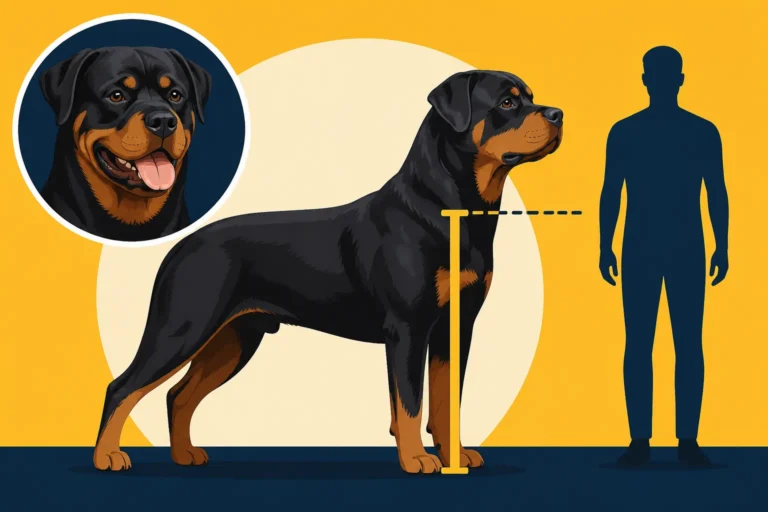
The AKC standard specifies that male Rottweilers should stand between 24 and 27 inches at the withers (the highest point of the shoulder blades). This is not just a suggestion; it's a key component of their overall balance and functionality. A dog standing proudly at 25 or 26 inches at the shoulder has a commanding presence, without being overly lanky or squat.
When breeders assess a male Rottweiler, they aren't just looking for a number on a tape measure. They're looking for how that height contributes to the dog's overall structure and proportion. A male Rottweiler should convey strength and athleticism, and the correct height range helps achieve that powerful, yet harmonious, silhouette. Imagine a Rottweiler that is too short for its body length; it would appear heavy and less agile. Conversely, one that is too tall might seem gangly and lack the characteristic substance of the breed.
This specific height range is crucial for maintaining the breed's distinct look and physical capabilities. It ensures that the dog's legs are long enough to provide good reach and drive in movement, allowing them to cover ground efficiently, a vital trait for a working dog. It's one of the first things a judge or a discerning owner will notice and contributes significantly to the dog's overall impressiveness. Check out Rottweiler Height and Weight for Males for more specifics.
Healthy Weight for an Adult Male Rottweiler
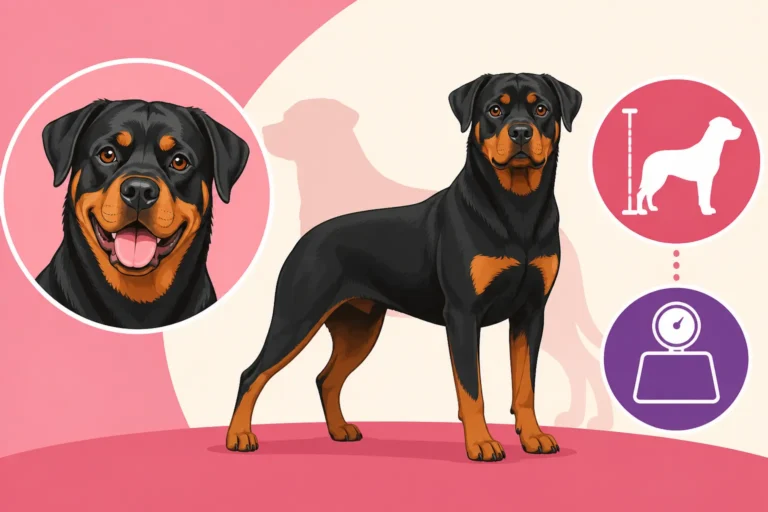
While the AKC standard gives a precise height range, it offers a more flexible guideline for weight, typically stating that males should weigh between 95 and 135 pounds. This wider range acknowledges that dogs within the acceptable height can have variations in bone density and muscle mass, leading to different healthy weights. The key here is healthy weight, which means a dog that is well-muscled and carries an appropriate amount of body fat, rather than being overweight or underweight.
A male Rottweiler should always appear substantial, with powerful musculature evident. You should be able to easily feel their ribs without seeing them, and they should have a discernible waist when viewed from above. Their weight should be in proportion to their height and bone structure. A heavier dog isn't necessarily a healthier or better dog, especially if that weight comes from excess fat. Obesity in Rottweilers, as with any large breed, places immense strain on their joints, heart, and other organs, drastically shortening their lifespan and quality of life.
Responsible ownership involves regularly monitoring your Rottweiler's weight and body condition. This isn't just about stepping on a scale; it's about hands-on assessment. Your vet can help you learn how to body condition score your dog, ensuring their weight falls within a healthy, functional range for their individual build. Remember, a Rottweiler’s power comes from lean muscle, not excessive fat, and a healthy weight supports their active lifestyle and overall well-being.
Deviations from the Standard and Their Implications
When a male Rottweiler deviates significantly from the AKC height and weight standard, it can have consequences that go beyond disqualification in the show ring. While slight variations are normal, extreme departures often signal issues with breeding or health. For instance, a male Rottweiler that is substantially undersized might have lighter bone structure, making them more prone to injuries or less suited for demanding physical activities. They might also exhibit temperamental traits that are not typical of the breed, as size and presence are often linked to their inherent confidence.
On the other hand, a male Rottweiler marketed as "oversized" or "giant" is often the result of irresponsible breeding, where size is prioritized over health, structure, and temperament. These dogs might exceed the 135-pound upper limit, sometimes reaching well over 150 pounds or even more. This extra bulk, especially if it's primarily fat or an unsound bone structure, places tremendous stress on their developing joints. Rottweiler Hips and Elbows and the 24-Month Rule are already a concern for the breed, and excessive weight only compounds these risks, often leading to early-onset arthritis, mobility issues, and a reduced quality of life.
The implication for owners of such dogs is often higher veterinary bills, more limited activity levels, and potentially a shorter lifespan. It’s a classic example of how chasing an extreme aesthetic can undermine the very health and vigor that makes the breed so appealing. When choosing a Rottweiler, it's essential to look for reputable breeders who prioritize the AKC standard, as it is the most reliable guide to a healthy, well-adjusted dog.
Female Rottweiler Size: Distinct Standards
While female Rottweilers share the breed's characteristic strength and presence, they have their own distinct size standards that reflect their slightly more refined build compared to males. They are still powerful, but with a noticeable difference in overall stature.
Female Rottweiler Height Under the AKC Standard
The AKC standard dictates that female Rottweilers should measure between 22 and 25 inches at the withers. This is a clear distinction from males, emphasizing that females are inherently smaller, though still substantial. A female within this height range will possess the same sturdy build and strong presence as her male counterpart, just on a slightly smaller scale.
This height range is carefully chosen to ensure that female Rottweilers maintain the breed's typical rectangular build and powerful musculature while also allowing for the distinct feminine qualities expected in the standard. A female Rottweiler should never appear delicate or fragile; she should still convey strength and resilience. Her slightly shorter stature, in proportion with her body length, contributes to her balanced and athletic appearance.
For those considering breeding, adhering to this height standard is paramount, as it contributes to the health and structural soundness of future generations. Even for companion dogs, this height range signifies a well-developed, properly proportioned female Rottweiler, capable of engaging in a full range of activities without undue strain on her frame.
Appropriate Weight for an Adult Female Rottweiler
Similar to males, the AKC standard provides a weight guideline for female Rottweilers, typically between 80 and 100 pounds. Again, this range is somewhat flexible, allowing for variations in individual build, bone density, and muscle mass, all while emphasizing a healthy, lean condition. The goal is a female who is fit, muscular, and in proportion to her height, rather than simply hitting a number on a scale.
A healthy female Rottweiler will have a well-defined athletic physique. You should be able to feel her ribs easily when running your hands along her side, and her waist should be visibly tucked in when viewed from above. While they are lighter than males, they should still be unmistakably robust and powerful. Avoid the temptation to let a female become overweight, as this can lead to the same debilitating health issues seen in oversized males, including joint problems and heart strain.
Monitoring a female Rottweiler's body condition and weight is an ongoing responsibility. Regular veterinary check-ups and mindful portion control are essential. Feeding a high-quality large breed dog food, available from retailers like Chewy, and ensuring appropriate exercise will help her maintain her ideal weight throughout her life. This careful management ensures she retains her agility and vigor, supporting her overall health and longevity.
Why Females are Smaller but Still Substantial
The size difference between male and female Rottweilers is a classic example of sexual dimorphism within a breed, where males are distinctly larger and more heavily built than females. This isn't unique to Rottweilers; it's a common trait across many dog breeds, particularly those developed for working roles where the male's greater strength and imposing stature might have been advantageous.
Despite being smaller than males, female Rottweilers are by no means small dogs. Standing up to 25 inches at the shoulder and weighing up to 100 pounds, they possess formidable strength, presence, and athleticism. Their slightly more compact size can sometimes translate to greater agility and less strain on their joints over a lifetime, provided they are kept in lean, athletic condition. This makes them equally capable working dogs and impressive family guardians.
The standard recognizes and celebrates this difference, valuing a distinctly feminine appearance in females without sacrificing any of the breed's hallmark power or substance. A well-bred female Rottweiler is a testament to the breed's enduring legacy of strength, confidence, and unwavering loyalty, packaged in a slightly more elegant form than her male counterparts.
Beyond the Numbers: Proportion and Substance
Measuring a Rottweiler's height and weight is only part of the story. The AKC standard delves much deeper, emphasizing concepts like proportion and substance, which are crucial for the breed's functionality and distinctive appearance. These elements dictate how the numbers come together to form a truly balanced and powerful dog.
The Importance of a Rectangular Body
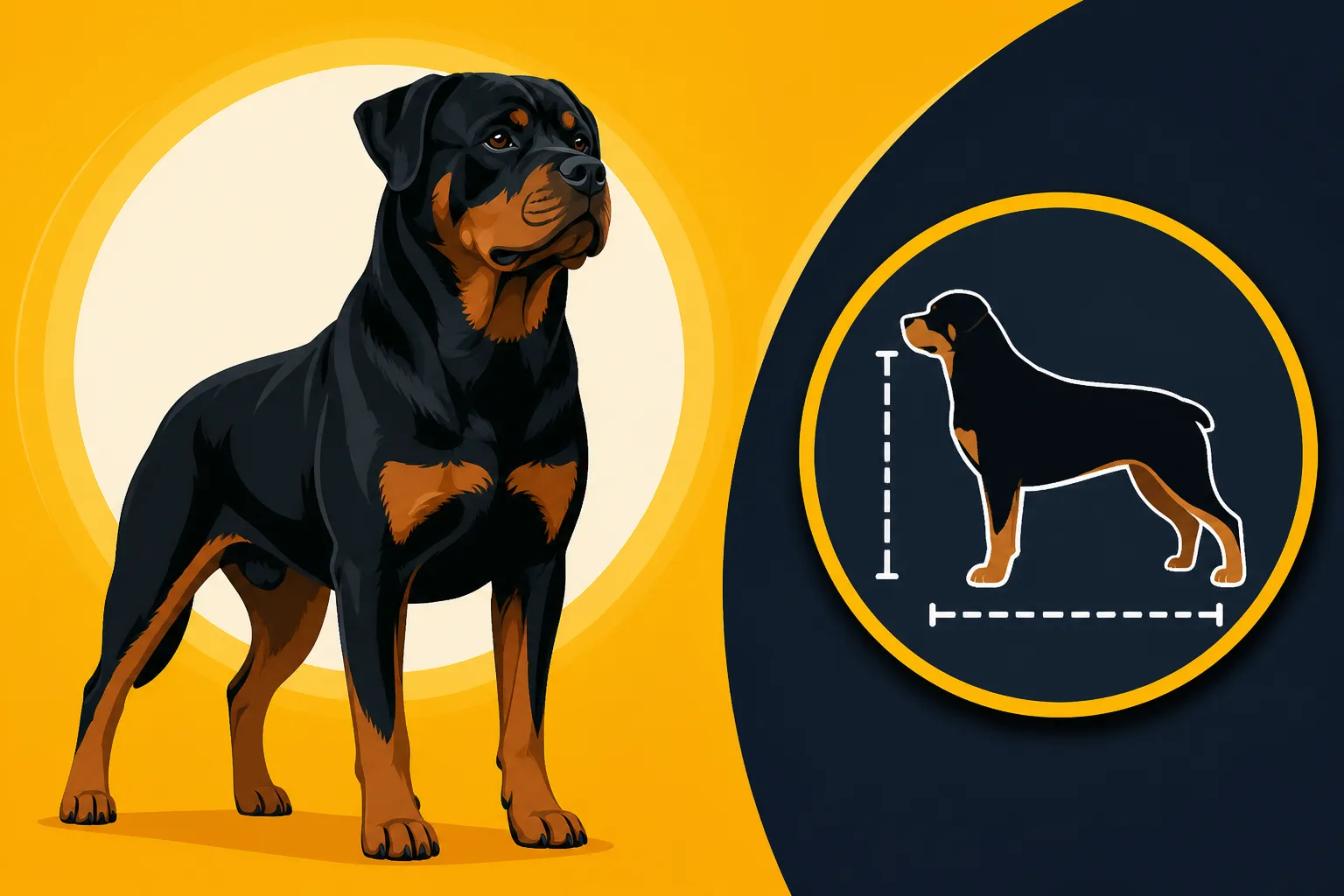
One of the defining characteristics of the Rottweiler, explicitly stated in the AKC standard, is their distinctly rectangular body shape. This means that a Rottweiler is slightly longer than it is tall, with the length of the body, measured from the prosternum (breastbone) to the rear-most projection of the rump, exceeding the height at the withers. This is not a trivial detail; it is fundamental to the Rottweiler's structure and movement.
This rectangular proportion provides several functional advantages. It contributes to their powerful and enduring stride, allowing for efficient, ground-covering movement, which was essential for their droving and guarding duties. A dog that is square (equal in height and length) or too long relative to its height would not move with the same balance and power. Why a Rottweiler Is Longer Than It Is Tall isn't just an aesthetic choice; it’s a functional requirement that ensures the dog has the leverage and reach needed for its traditional work.
When evaluating a Rottweiler, discerning owners and judges look for this balance. It speaks to the overall structural integrity of the dog. A correct rectangular shape contributes to a strong back, well-angled limbs, and a solid foundation that can support their substantial weight and allow them to move with purpose and grace, despite their size. Any deviation from this proportion can indicate structural faults that might impact their long-term health and mobility.
Bone and Muscle: True Rottweiler Substance
Beyond just height and weight, the AKC standard places immense importance on "substance" – referring to the Rottweiler's heavy bone and powerful, well-developed musculature. This isn't about being bulky or fat; it's about a solid, dense frame that conveys strength and robustness. A Rottweiler should feel solid and powerful when you run your hands over them, not delicate or flimsy.
The bone structure, particularly in the legs, should be substantial and proportionate to their overall size. This heavy bone provides the foundation for their powerful build and supports the large muscle groups that define the breed. Without adequate bone, a Rottweiler would lack the necessary framework to carry its weight and exert its strength effectively, potentially leading to a predisposition for injury or weakness.
Coupled with strong bone is the necessity for well-developed muscle. A Rottweiler should be visibly muscular, with powerful hindquarters that provide drive and propulsion, and a strong, deep chest. This musculature is not just for show; it's what allowed them to control large cattle, pull carts, and defend their charges. True substance means a Rottweiler that is fit, conditioned, and athletic, embodying the strength that is synonymous with the breed. It’s a reflection of their working heritage and a hallmark of a healthy, well-bred dog.
How Proportion Affects Movement and Function
The meticulous requirements for a Rottweiler's proportion—its rectangular body, heavy bone, and powerful musculature—are all in service of one critical aspect: its movement and functional capability. A correctly proportioned Rottweiler will move with an efficient, powerful, and balanced gait, covering ground smoothly and effortlessly. This isn't just about looking good in the show ring; it's about their ability to perform any task asked of them.
When a Rottweiler has the correct length of body relative to its height, it allows for proper angulation of the shoulders and hindquarters. This angulation acts like a spring system, absorbing shock and propelling the dog forward with minimal effort. Their powerful hindquarters, when correctly angled, provide immense drive, while the well-laid-back shoulders allow for good reach in the front. This combination results in a fluid, confident trot that demonstrates their endurance and athleticism.
Any deviation in proportion can disrupt this harmony. For instance, a dog that is too short in body might have a choppy, restricted gait, unable to extend fully. A dog with insufficient bone or muscle might appear weak or struggle with the impact of movement. These structural faults, often stemming from poor breeding practices that overlook the nuances of the standard, can lead to chronic lameness, premature arthritis, and a reduced capacity for exercise. Ultimately, correct proportion is key to a Rottweiler's long-term soundness and its ability to live as the strong, active companion it was meant to be.
Growth and Development: When a Rottweiler Reaches Full Size
Rottweilers are a large breed, and as such, their growth process is long and requires careful management. Understanding their developmental timeline is crucial for ensuring they grow into healthy, well-structured adults.
The Slow Maturation of a Rottweiler
Unlike smaller breeds that might reach their adult height and weight by a year old, Rottweilers mature slowly. While they might achieve much of their height and length by 12 to 18 months, their full physical development, particularly in terms of bone density, muscle mass, and chest breadth, can continue until they are two, or even closer to three years of age. This extended growth period is typical for large and giant breeds.
During this long growth phase, a Rottweiler puppy's bones are still forming and hardening, and their growth plates remain open. These growth plates, located at the ends of long bones, are soft cartilage structures that allow the bones to lengthen. They are particularly vulnerable to injury and stress. Rottweiler Growth Plates Closing at Eighteen to Twenty-Four Months explains how sensitive these are during this period. Over-exertion or improper nutrition during this time can lead to irreversible damage, contributing to conditions like hip and elbow dysplasia later in life.
This slow maturation means that owners must exercise patience and employ careful management throughout their Rottweiler's puppyhood and adolescence. It’s a marathon, not a sprint, when it comes to their physical development. Rushing their growth or pushing them too hard physically can have lasting negative consequences on their joints and overall structural soundness.
Factors Influencing Growth Rate
Several factors influence a Rottweiler puppy's growth rate and ultimate adult size. Genetics play the most significant role; a puppy's adult size is largely predetermined by the size and bone structure of its parents and their lineage. This is why choosing a reputable breeder who focuses on health clearances and adheres to the breed standard is so important.
Nutrition is another critical factor. While it might seem intuitive to feed a growing puppy as much as it wants, especially a large breed, overfeeding a Rottweiler puppy can be detrimental. Rapid growth, often fueled by excess calories, can put undue stress on developing bones and joints, increasing the risk of developmental orthopedic diseases like osteochondrosis (OCD) and hypertrophic osteodystrophy (HOD). It’s a common misconception that more food equals a bigger, stronger dog, but for large breeds, controlled growth is far healthier.
Beyond genetics and nutrition, the level and type of exercise a puppy receives also play a role. While adequate exercise is vital for muscle development and coordination, intense or high-impact activities like jumping, long-distance running, or repetitive stair climbing should be avoided during their crucial growth phases. These activities can strain delicate growth plates and developing joints. A balanced approach that focuses on controlled, low-impact exercise is best, allowing their bodies to mature naturally and healthily.
Avoiding Over-Nutrition and Over-Exercise in Growing Pups
The temptation to feed a Rottweiler puppy a lot to make them grow big and strong is a common pitfall for new owners. However, over-nutrition, especially an excess of calories or calcium, can actually do more harm than good for a growing large breed puppy. Rapid growth spurred by too much food puts immense stress on their soft, developing bones and joints. This can lead to serious orthopedic problems that might not manifest until later in life, such as various forms of dysplasia.
Large breed puppy formulas are specifically designed with lower caloric density and carefully balanced calcium-to-phosphorus ratios to promote slower, more controlled growth. It’s crucial to stick to the feeding guidelines on the food bag and adjust portions based on your puppy's body condition, rather than simply letting them eat free-choice. Rottweiler Puppy Calories From Fourteen Hundred Up and Keeping a Rottweiler Puppy Lean on Purpose are important resources for understanding how to properly feed your growing companion. Remember, a lean puppy is a healthy puppy, not a starved one.
Similarly, over-exercising a Rottweiler puppy can be just as damaging. While they have boundless energy, their enthusiasm often masks the vulnerability of their open growth plates. Long walks, forced running, jumping from heights, or repetitive, high-impact play should be limited until they are at least 18-24 months old, when their growth plates have largely closed. Instead, focus on short, frequent play sessions on soft surfaces, obedience training, and supervised exploration. Gentle, controlled exercise builds muscle and confidence without risking permanent damage to their developing skeletal system.
Common Misconceptions About Rottweiler Size
Despite the clear AKC standard, many misconceptions about Rottweiler size persist, often fueled by misinformation, marketing ploys, or simply a lack of understanding of responsible breeding. Addressing these myths is vital for promoting healthy practices and managing expectations.
The Myth of "King" or "Giant" Rottweilers
One of the most prevalent and damaging misconceptions is the idea of "King" or "Giant" Rottweilers. These terms are often used by unscrupulous breeders to market abnormally large dogs at inflated prices, preying on the desire for an even more imposing or unique animal. The truth is, there is no such recognized variation as a "King" or "Giant" Rottweiler within the breed standard of any major kennel club. These are simply marketing terms for Rottweilers that exceed the healthy, established size guidelines.
Rottweilers bred to be excessively large typically suffer from a host of health problems. Their immense size places an unsustainable load on their skeletal structure, leading to severe orthopedic issues like severe hip and elbow dysplasia, as well as joint pain and arthritis at a young age. Their hearts and other organs may also struggle to support the extra mass. These dogs often have significantly shortened lifespans and require extensive, costly veterinary care throughout their lives.
Beyond health, these oversized dogs may also suffer temperamentally. The AKC standard aims for a dog of powerful presence but balanced demeanor. Extremely large dogs can be more difficult to control, making them a potential liability, especially for inexperienced owners. The responsible choice is always to seek a Rottweiler bred to the established standard, which prioritizes health, structure, and temperament over exaggerated size.
American vs. German Rottweiler Size Differences (Perception vs. Reality)
Another common area of confusion revolves around perceived size differences between "American" and "German" Rottweilers. While historically there have been stylistic differences in breeding – with German breeders often adhering to the strict ADRK standard (the German Rottweiler Club) which includes working tests and stringent health requirements – the official AKC standard for the Rottweiler, and indeed the FCI standard followed internationally, sets very similar size parameters.
The perception often arises that "German" Rottweilers are significantly larger, blockier, or more muscular. While some German lines might produce dogs that are at the upper end of the AKC standard's weight and height, exhibiting excellent substance and bone, this doesn't mean they are inherently "giant" or exceed the standard. Reputable breeders in both America and Germany strive to produce dogs that fit within the established ranges. The differences are more about overall type, head shape, and working ability emphasis than outright size. German Rottweiler Lines and the ADRK provides more context on the German approach.
The reality is that a well-bred Rottweiler, regardless of its country of origin, should fall within the established height and weight ranges of the AKC or FCI standard. Any significant deviation, whether marketed as "German" or otherwise, should raise a red flag. True differences often come down to subtle variations in "type" or structure within the accepted standard, rather than a fundamentally different size category.
How Backyard Breeding Can Affect Size and Health
Unfortunately, backyard breeders (BYBs) and puppy mills often disregard breed standards, prioritizing profit over the health and welfare of their dogs. When it comes to size, BYBs might intentionally breed for exaggerated characteristics, like "giant" size, believing it will make their puppies more appealing and fetch higher prices. This practice directly undermines the careful work of reputable breeders who adhere to the AKC standard to produce healthy, functional dogs.
The impact on health can be devastating. Without proper health clearances for parents (such as OFA certifications for hips and elbows, cardiac exams, and genetic testing for conditions like JLPP), puppies from BYBs are at a significantly higher risk for inheriting debilitating genetic conditions. When size is also poorly managed, whether through breeding undersized or oversized dogs, these health risks are compounded. Dogs that are too small might be frail, while those pushed for extreme size are prone to severe joint problems, organ strain, and a host of other issues.
Furthermore, BYBs often neglect crucial aspects like early socialization, proper nutrition, and veterinary care, which are vital for the healthy development of a large breed puppy. This can lead to behavioral problems, poor physical condition, and a shorter, less healthy life. Choosing a puppy from a reputable breeder who prioritizes the AKC standard, provides extensive health clearances, and offers transparency about their breeding practices is the single most important step you can take to ensure you bring home a healthy, appropriately sized Rottweiler companion.
Practical Considerations for Owning a Large Rottweiler
Living with a Rottweiler means embracing their size. It affects nearly every aspect of daily life, from the space they need in your home to the gear you purchase and the physical demands of handling them. It’s a commitment that requires preparation and understanding.
Space Requirements in the Home
A Rottweiler is a large dog, and their physical presence demands adequate space in the home, even for a relatively calm adult. While they are often described as being "inside dogs" and not needing vast acreage, they still require enough room to stretch out comfortably, move around without knocking things over, and have their own designated retreat, like a crate or a large bed.
Imagine a full-grown male Rottweiler, possibly weighing 130 pounds, trying to navigate a cramped apartment or a home full of fragile furniture. It's a recipe for disaster, not to mention discomfort for the dog. They need space to stand up, turn around, and lie down without feeling restricted. Even a well-trained Rottweiler can unintentionally bump into things with their solid frame. The Crate Size a Hundred Twenty Pound Rottweiler Needs is significant, often requiring one of the largest crates on the market, which itself takes up considerable floor space.
Beyond their physical size, Rottweilers also need mental space and a sense of belonging. They thrive when they are an integral part of the family, often preferring to be in the same room as their people. This means that while a small house might technically fit a Rottweiler, a larger living area or easy access to different rooms allows them to feel more comfortable and integrated without being constantly in the way.
Equipment Sizing for a Hundred Pound Dog
Finding appropriately sized equipment for a Rottweiler can sometimes feel like a quest, especially if you're used to smaller breeds. Everything from collars and harnesses to beds, crates, and even toys needs to be heavy-duty and correctly proportioned for a dog that can easily outweigh an adult human.
Standard small or medium-sized collars won't cut it. You'll need wide, sturdy collars that distribute pressure comfortably and strong D-rings that can withstand a Rottweiler's power. Harnesses, especially for walking, need to be designed for deep-chested, muscular dogs to prevent rubbing or restricting movement. The hardware on these items – buckles, clasps, D-rings – must be robust enough to handle the strength of a pulling Rottweiler. Online retailers like Chewy specialize in large breed accessories, making it easier to find suitable options. Harness Hardware That Holds a Pulling Rottweiler is a vital consideration, as many standard buckles can snap under strain.
Beds and crates are another major consideration. A Rottweiler needs a bed that provides ample orthopedic support for their large joints and is durable enough to withstand their weight and natural nesting behaviors. Crates must be of the largest size available, allowing them to stand, turn, and lie down fully extended. Even toys need to be selected with caution; many "durable" toys for medium dogs won't last an hour with a Rottweiler's powerful jaws. Investing in high-quality, large-breed-specific equipment is not just about comfort; it's about safety and durability.
The Physical Demands of Handling a Large Breed
Owning a Rottweiler comes with physical demands that owners must be prepared for. Even a well-trained, calm Rottweiler is an incredibly powerful animal, and handling them requires strength, consistency, and awareness, especially in public. If a 120-pound dog decides to lunge at a squirrel, it takes considerable strength and good equipment to prevent being pulled off your feet.
Leash training is paramount. A Rottweiler that pulls consistently can be incredibly challenging, even for a strong individual. Early and ongoing training using positive reinforcement methods is essential to teach loose-leash walking. Techniques and tools like front-clip harnesses or head halters can be invaluable in managing a powerful dog on walks, giving smaller or less physically capable handlers more control. Consistency is key; even a lapse in training can quickly lead to a strong dog reverting to pulling behaviors.
Beyond walks, everyday interactions involve managing their size. A Rottweiler jumping up, even in play, can injure a child or elderly person. Teaching "off" commands and good manners around guests is non-negotiable. Lifting a sick or injured adult Rottweiler into a car or onto a vet table is a Herculean task, often requiring multiple people. It’s important to acknowledge these physical realities and ensure you are prepared, both through training and by having contingency plans for emergencies. Owning a Rottweiler is a deeply rewarding experience, but it’s one that requires you to be physically capable and committed to managing their impressive size responsibly.
Ensuring Your Rottweiler Maintains a Healthy Size
Maintaining a Rottweiler at a healthy, ideal size isn't a one-time achievement but an ongoing commitment. It's crucial for their long-term health, mobility, and overall quality of life. This involves careful monitoring, appropriate diet, and tailored exercise.
Monitoring Weight and Body Condition
Regularly monitoring your Rottweiler's weight and assessing their body condition is one of the most important things you can do for their health. Simply looking at them isn't enough; you need to feel their body and observe their contours. A healthy Rottweiler should have a lean, athletic build. When viewed from above, you should see a discernible waist tucking in behind their ribs. When viewed from the side, their abdomen should tuck up slightly, not hang low.
More importantly, you should be able to easily feel your Rottweiler's ribs with slight pressure when running your hands along their side, but you shouldn't see them prominently. Similarly, you should be able to feel their hip bones without them protruding sharply. If you can't feel their ribs, or if they have a saggy abdomen, they are likely overweight. If their ribs, hips, and spine are clearly visible, they are underweight. Your veterinarian can teach you how to "body condition score" your dog, a more accurate method than just relying on the number on the scale.
This monitoring should be a routine part of your dog's care, not just something you do when you suspect a problem. Early detection of weight gain or loss allows for quicker adjustments to their diet and exercise routine, preventing more significant health issues down the road. Regular check-ups with your vet can also catch subtle changes before they become major concerns.
The Role of Diet in Maintaining Ideal Size
Diet is undeniably the cornerstone of maintaining a Rottweiler's ideal size and overall health. Given their large size and proneness to certain joint issues, feeding a high-quality, balanced diet specifically formulated for large breeds is paramount throughout their life. These foods are designed to support slower, more controlled growth in puppies and to provide appropriate nutrient levels for adults without excessive calories.
For adult Rottweilers, precise portion control is crucial. It's easy to overfeed, especially with a dog that always seems hungry. Measuring food by weight, not just cups, can provide more accurate portioning. The amount your Rottweiler needs will vary based on their age, activity level, metabolism, and whether they are spayed or neutered. Active dogs will require more calories than sedentary ones. Consistently feeding more than their body needs will inevitably lead to weight gain, putting strain on their joints and increasing their risk of other health problems like diabetes and heart disease.
Consider splitting their daily food ration into two meals rather than one large one. This can aid digestion and may help reduce the risk of bloat, a life-threatening condition for Rottweilers. Splitting a Rottweiler's Food Into Two Meals is a common recommendation for this breed. Discuss your Rottweiler's diet with your veterinarian, especially if you notice changes in their body condition or activity levels. They can help you determine the best food and appropriate portion sizes to keep your Rottweiler at their healthy, ideal weight. Many quality large breed foods are readily available from retailers like Chewy, making it convenient to maintain a consistent diet.
Tailoring Exercise to Prevent Obesity
Alongside diet, appropriate and consistent exercise is vital for maintaining a Rottweiler's healthy size and muscle tone. However, "exercise" for a Rottweiler doesn't necessarily mean endless hours of intense activity. It means tailored, regular physical activity that suits their age, physical condition, and individual needs, without overstraining their large frame.
For adult Rottweilers, moderate, consistent exercise is ideal. This could include daily walks of a good length, opportunities to run and play in a securely fenced yard, or even low-impact activities like swimming. The goal is to burn calories, build and maintain muscle mass, and support joint health without putting excessive wear and tear on their bodies. Short, brisk walks often prove more beneficial than sporadic, intense bursts of activity, especially for older or less conditioned dogs. How Far an Adult Rottweiler Should Walk depends on the individual dog, but consistency is key.
As Rottweilers age, or if they have pre-existing joint conditions, their exercise routine may need to be adjusted to be even lower impact. Swimming, for example, is excellent for muscle building without joint strain. Mental stimulation through puzzle toys (many of which can be found on Chewy) and training sessions also helps burn energy and prevent boredom, which can sometimes lead to destructive behaviors or excessive eating. Preventing obesity through a balanced diet and appropriate exercise is a lifelong commitment that directly contributes to your Rottweiler's longevity and happiness.
Disclaimer
This article is for general informational purposes only and does not constitute professional advice. Laws, prices and regulations vary by location and change over time. Consult a qualified professional for guidance on your specific situation.