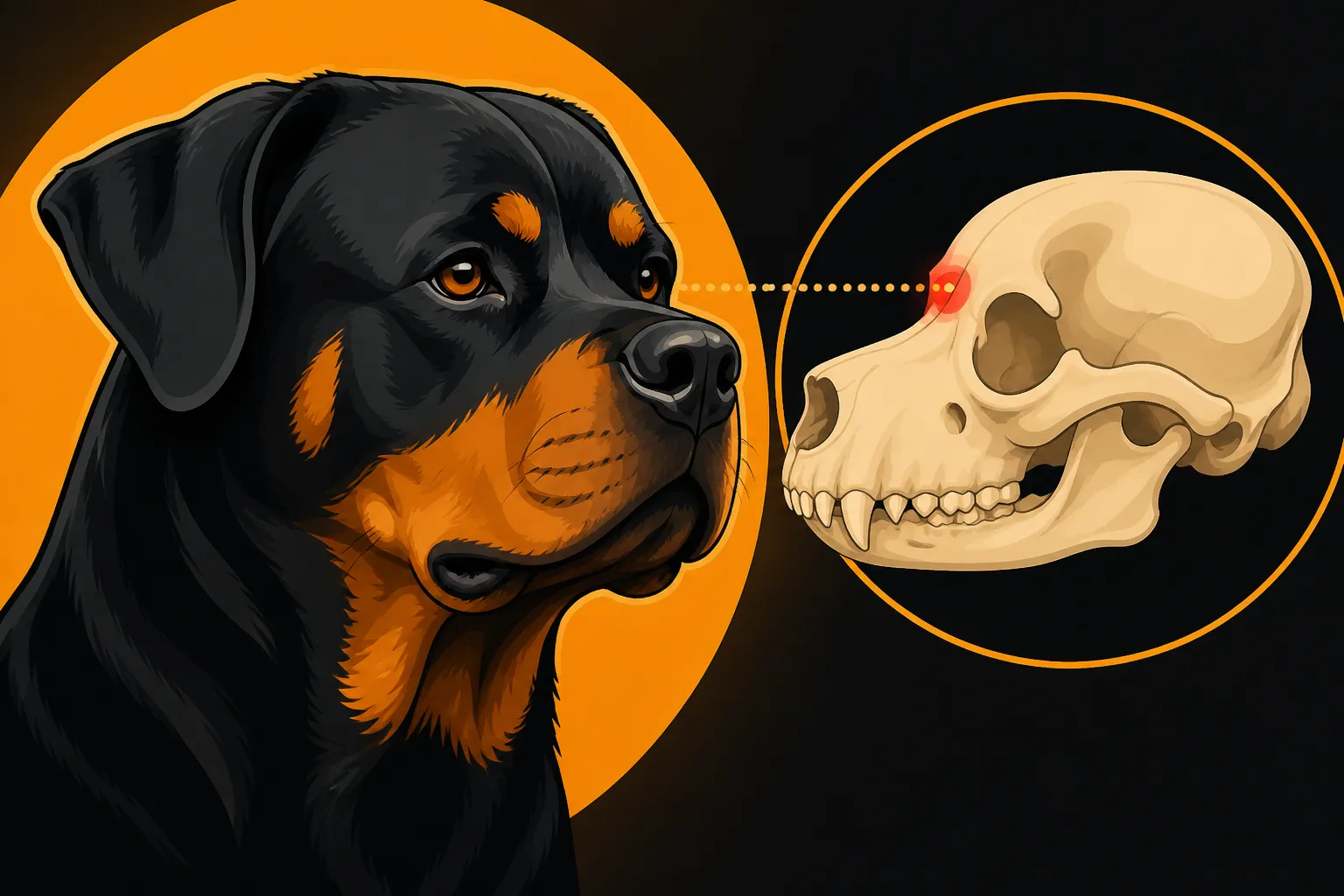
The Rottweiler Skull and Stop in the Standard
When you first lay eyes on a Rottweiler, there’s an undeniable presence that radiates from them. That strength, that quiet confidence, it all starts with their head. But for many, understanding exactly what makes a Rottweiler's head right according to the breed standard, especially terms like "skull" and "stop," can feel a bit like reading a cryptic code. This guide is here to break down those specifics, helping you appreciate the intentional design behind one of the most distinctive features of our beloved Rottweilers.
Understanding the Rottweiler Skull's Importance
The Rottweiler's head isn't just a pretty face; it's the very foundation of its breed identity, conveying both power and intelligence. Without the correct skull structure, a Rottweiler can look… well, less like a Rottweiler. It's truly a defining characteristic that experienced enthusiasts and judges look at immediately.
Why the Head Defines the Breed Type
Think of the Rottweiler's head as its signature. It's what distinguishes it from other large, black-and-tan breeds. The specific proportions, the breadth, the strength of the jaw—these aren't just aesthetic preferences; they’re deeply rooted in the breed's history as a working dog. A Rottweiler’s head should communicate its purpose: a powerful, capable animal with a strong bite and an alert, discerning gaze. A head that is too refined, too narrow, or lacks muscle might suggest a different breed entirely, or at least a significant deviation from the ideal Rottweiler type. It’s the visual declaration of their heritage and function, designed for resilience and command.
The Standard's Blueprint for the Skull
The breed standard is very precise about the Rottweiler's skull. It describes a broad skull between the ears, with the forehead only moderately arched. This breadth is crucial, as it signifies power and ample room for brain development, fitting for a dog known for its intelligence and trainability. The occipital bone, which is the bony bump at the back of the head, should be well-developed but not overly prominent. When you look at your Rottweiler from the top, the skull should be widest at the ears, tapering only slightly towards the eyes. This overall impression is one of solid, impressive mass and strength, without being coarse or heavy in an unbalanced way. It's a testament to the careful breeding over generations to maintain this powerful and distinctive profile. A weak or narrow skull is a serious fault in the breed, detracting from the overall balance and power that a Rottweiler should exude. The Rottweiler Head Under the Standard delves deeper into these specific requirements.
Deciphering the Rottweiler Stop
If the skull is the canvas, the stop is a crucial brushstroke that brings expression and definition to the Rottweiler's face. It's a term often thrown around in breed discussions, but what does it actually mean, and why is it so important?
What Exactly is the "Stop"?
The "stop" refers to the indentation or transition where the muzzle meets the skull, right between the eyes. It's not a flat plane, nor is it a sharp, dramatic drop. Imagine drawing a line from the tip of your Rottweiler's nose up to its forehead; the stop is that subtle but distinct angle where the muzzle ends and the forehead begins. It's a critical point that affects the entire profile of the head, influencing the placement of the eyes and the overall "expression" of the dog. A well-defined stop contributes significantly to the Rottweiler's serious, self-assured look. Without it, the face can appear flat or "dished," losing that characteristic gravitas.
The Ideal Stop According to the Standard
The breed standard specifies a "well-defined stop." This means there should be a clear, discernible angle, but it should not be abrupt or overly steep, almost like a 90-degree angle. Conversely, a stop that is too shallow, almost non-existent, gives the dog a "wedgey" or "snipey" look that is considered incorrect. The ideal stop is moderate, creating a distinct furrow between the eyes and complementing the broadness of the skull. It's a subtle but essential feature that balances the powerful muzzle with the strong, broad skull. This particular angle is what gives the Rottweiler its characteristic serious and intelligent gaze, rather than a more eager or docile expression found in some other breeds. When you run your hand from the top of your Rottweiler's head down to its muzzle, you should feel that gentle, yet clear, transition.
The Interplay of Skull and Stop for Overall Balance
It's tempting to look at the skull and the stop as individual parts, but the magic of the Rottweiler head lies in how these features harmonize. They're not isolated elements; they are intrinsically linked, each influencing the other to create that unmistakable Rottweiler presence.
Proportions and Harmony: More Than Just Individual Features
Imagine a symphony where each instrument plays its part, but it's the combined sound that truly makes the music. The Rottweiler's skull and stop are much the same. A broad, powerful skull needs a stop that is appropriately defined to provide the right balance. If the skull is magnificent but the stop is too shallow, the face can appear flat and expressionless. If the stop is too severe with a skull that isn't broad enough, the head can look pinched or unbalanced. The breed standard emphasizes that the length of the muzzle should be roughly equal to the length of the skull from the stop to the occiput. This proportion creates the desired "squareness" and depth of muzzle, contributing to the strong, blocky head that is so characteristic of the breed. This careful balance ensures that the dog's head looks substantial and purposeful, rather than delicate or disproportionate. This overall harmony is what judges evaluate in the show ring, but it's also what gives your Rottweiler that stoic, intelligent look you know and love. Rottweiler Eye Color the Standard Accepts is also closely tied to the stop and skull, as their placement greatly influences the overall expression.
Common Deviations and Their Impact
Unfortunately, not all Rottweilers perfectly embody the breed standard, and deviations in the skull and stop are among the most common. A skull that is too narrow or domed, rather than broad and flat between the ears, diminishes the powerful impression. This can make the dog look more like a different mastiff type or even a mixed breed, lacking that distinctive Rottweiler gravitas. Similarly, a stop that is either too abrupt (like a Bullmastiff) or too shallow (like a Collie) dramatically alters the breed's signature expression. A shallow stop can make the muzzle appear too long and weak, while an overly pronounced stop can give a "pushed-in" or "snub-nosed" appearance. These structural faults aren't just about aesthetics; they can sometimes indicate underlying skeletal issues or simply detract from the functionality and robust appearance the breed is known for. Understanding these nuances helps us appreciate the efforts of responsible breeders who strive to maintain the integrity of the Rottweiler's unique head.
Beyond the Aesthetics: Function and Health Considerations
While we spend a lot of time discussing the appearance of the skull and stop, it’s important to remember that these features evolved for a reason. Their structure isn't purely decorative; it’s deeply tied to the Rottweiler’s historical role and overall health.
The Strong Head for a Working Dog
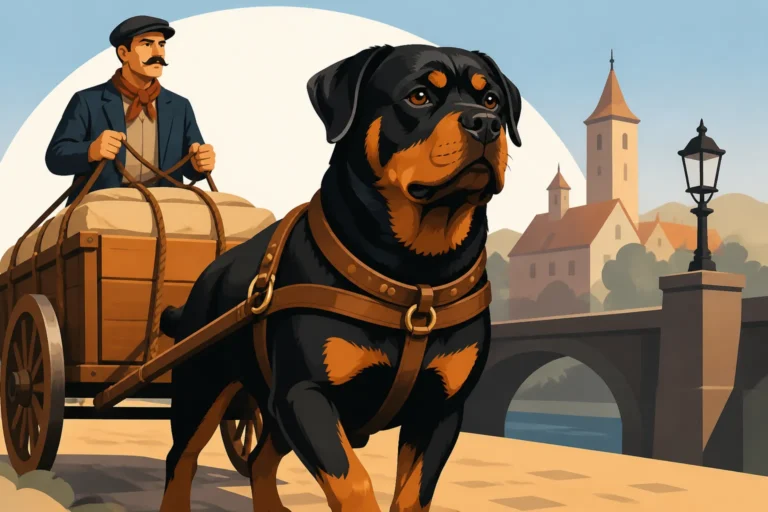
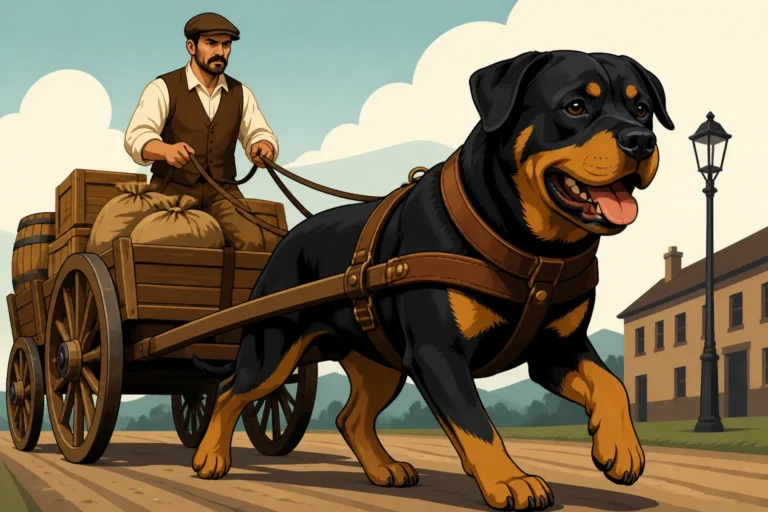
The Rottweiler, or "Metzgerhund" (butcher's dog), was bred for demanding tasks like driving cattle and guarding market goods. These jobs required immense strength, courage, and a powerful bite. A broad skull provided ample space for strong jaw muscles, giving the dog the crushing power needed to control unruly livestock or deter potential threats. The well-defined stop helped ensure proper alignment of the jaw and teeth, critical for gripping and holding. Imagine a cattle dog with a weak, snipey muzzle – it simply wouldn’t have been effective in its historical role. This functional aspect is why breeders prioritize these traits; they are fundamental to the Rottweiler's heritage as a capable, durable working animal. It's a head built for purpose, for confronting challenges head-on, and for exuding that undeniable air of capability.
What the Skull and Stop Don't Tell You
It’s easy to get caught up in the details of the breed standard, but a perfect skull and stop, while beautiful, don't guarantee a perfect dog. While crucial for conformation, these features don't tell you about a dog's temperament, health, or training. A Rottweiler can have the most exemplary head but still suffer from joint issues or have behavioral challenges if not properly bred and socialized. Therefore, while appreciating the physical blueprint, it's vital to look beyond superficial traits. When considering a Rottweiler, always prioritize health clearances, sound temperament, and responsible breeding practices. The Five Clearances a Rottweiler Breeder Must Have outlines the essential health checks that should accompany any Rottweiler, regardless of its head shape. A great head is a bonus, but a sound mind and body are non-negotiable. Furthermore, even a Rottweiler with a perfectly standard head still needs consistent, positive training to ensure their natural guarding instincts are shaped appropriately, as discussed in Rottweiler Temperament and That Self-Assured Aloofness.
Here's a quick table to help summarize the ideal vs. less-than-ideal characteristics of the Rottweiler skull and stop:
| Feature | Ideal Rottweiler Standard | Less-Than-Ideal (Faults) | Impact on Appearance/Function |
|---|---|---|---|
| Skull | Broad between the ears, moderately arched forehead. | Too narrow, domed, or flat with no arch. | Weakens powerful impression, can look unbalanced. |
| Occiput | Well-developed but not overly prominent. | Too prominent (bumpy) or too flat. | Affects sleekness of head, can give an unbalanced profile. |
| Stop | Well-defined but not abrupt, moderate angle. | Too shallow (almost flat) or too abrupt/steep. | Flat or "wedgey" appearance; "pushed-in" or "snub-nosed" look. |
| Muzzle | Roughly equal to skull length (from stop to occiput). | Too short, too long, or too snipey (pointed). | Affects "squareness" of face, diminishes jaw strength. |
| Overall | Harmonious, powerful, blocky, distinct Rottweiler expression. | Disproportionate, weak, or lacking characteristic gravitas. | Distorts breed type, compromises functional appearance. |
Maintaining the health of your Rottweiler's bones and overall structure is paramount, and good nutrition plays a big role. Many Rottweiler owners look to trusted brands like Chewy for large breed-specific kibble that supports bone health and controlled growth, especially during the critical puppy stages. You'll find a wide range of options there, often with formulations tailored to the specific needs of powerful breeds. Another area where Chewy can be helpful is in providing durable chew toys designed to withstand the powerful jaws that come with that impressive skull, ensuring your Rottweiler's dental health is maintained without risking broken teeth. From specialized shampoos for their thick double coats to joint supplements to support their large frames, Chewy offers many products that contribute to a Rottweiler's overall well-being.
The Rottweiler's skull and stop are far more than mere aesthetic details; they are crucial components of the breed's identity, reflecting its historical purpose, conveying its powerful presence, and defining its distinctive expression. Understanding these elements in the breed standard allows us to truly appreciate the craftsmanship of this magnificent dog. It's a testament to centuries of careful breeding that has honed a dog both physically formidable and visually striking, a dog that truly carries its heritage in its impressive head.
Disclaimer
This article is for general informational purposes only and does not constitute professional advice. Laws, prices and regulations vary by location and change over time. Consult a qualified professional for guidance on your specific situation.