Swimming as Low-Impact Rottweiler Exercise
For Rottweiler owners, finding effective ways to keep our big, powerful companions fit and happy without putting undue stress on their precious joints can feel like a constant puzzle. These magnificent dogs need plenty of activity to thrive, but their size and predisposition to certain orthopedic issues mean we have to be incredibly mindful of the impact of their exercise. This guide delves into why swimming is one of the very best low-impact activities for your Rottweiler, offering a fantastic full-body workout that supports their health from puppyhood through their senior years.
Why Low-Impact Exercise is Crucial for Rottweilers
Our Rottweilers are truly impressive, aren't they? Strong, loyal, and built like tanks. But that very impressive size comes with a unique set of challenges, especially when it comes to their skeletal system. Unlike smaller, more nimble breeds, a Rottweiler's sheer mass can be both a blessing and a curse when it comes to physical activity.
Understanding Rottweiler Joint Vulnerabilities
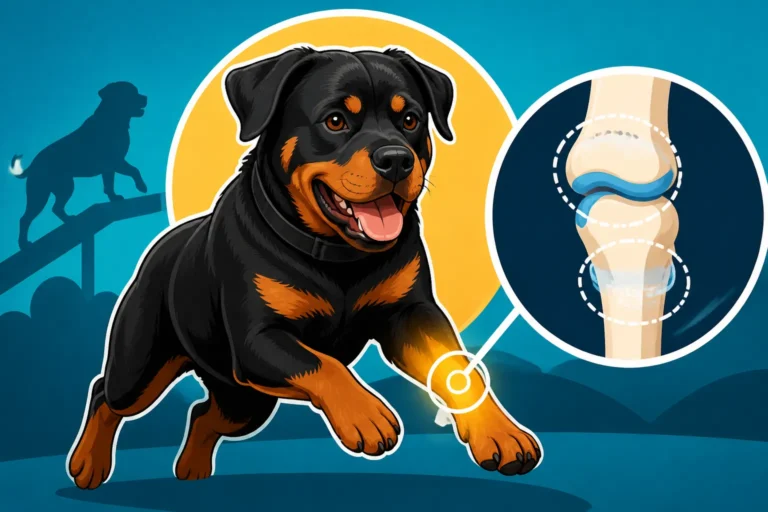
Think about a young Rottweiler puppy, all gangly legs and boundless energy, growing at an astonishing rate. Their bones and joints are developing rapidly, and their growth plates – the areas of cartilage at the ends of long bones – are open and vulnerable for much longer than in many other breeds. These growth plates don't fully close until a Rottweiler is often 18 to 24 months old, sometimes even later. During this critical period, high-impact activities like repetitive jumping, long-distance running on hard surfaces, or intense agility work can cause irreparable damage. It's a real tightrope walk, wanting to give them all the fun and exercise they crave, but knowing you could be inadvertently setting them up for pain later. This vulnerability is why we talk so much about Rottweiler Hips and Elbows and the 24-Month Rule.
Beyond the growth plates, Rottweilers are unfortunately prone to certain genetic joint conditions. Rottweiler Hip Dysplasia and the OFA Grade and Rottweiler Elbow Dysplasia and Front Leg Lameness are concerns for any responsible owner. Even with careful breeding and clearances, the potential for these conditions means we need to treat their joints with the utmost respect. Imagine the force distributed through those joints every time a 100-pound dog lands after a jump – it's immense. Over time, or with unfortunate genetics, this stress can accelerate the development of arthritis or exacerbate existing conditions, leading to chronic pain and reduced mobility.
The Risks of Over-Exercising a Growing Rottweiler
It's tempting to think that a super active puppy is a healthy puppy, and to some extent, that's true! They need play and mental stimulation. But when it comes to structured, strenuous exercise, more isn't always better, especially for a young Rottweiler. Pushing a puppy too hard before their Rottweiler Growth Plates and Why They Close So Late have fused can lead to developmental orthopedic diseases. These aren't just minor aches; they can be debilitating conditions that require extensive, costly veterinary care, including surgeries, and can impact their quality of life for years to come.
Imagine the scenario: You're at the park, and your six-month-old Rottweiler puppy is having the time of its life, chasing after a ball, leaping and skidding to a halt. While fun in the moment, those sudden stops, twists, and jumps are putting immense pressure on cartilage and soft tissues that aren't yet fully mature. It's like building a skyscraper on a shifting foundation. Even once their growth plates are closed, the heavy build of a Rottweiler means that high-impact activities throughout their life can contribute to wear and tear, making Managing Arthritis in an Older Rottweiler a more challenging task sooner than you'd like. We want our Rottweilers to be strong and active, not broken down before their time.
The Benefits of Swimming for Rottweilers
Given these joint concerns, finding an exercise that provides all the physical and mental benefits without the harsh impact is gold. Enter swimming. It's truly a game-changer for Rottweilers of all ages, offering a unique blend of benefits that support their overall health in a way few other activities can.
Full-Body Workout Without the Strain
Swimming is an incredible full-body workout, and the best part is that it's virtually non-weight-bearing. When your Rottweiler is in the water, the buoyancy significantly reduces the gravitational force on their joints, allowing them to move their limbs through a full range of motion without the jarring impact of running or jumping. Think about hydrotherapy for humans; it's the same principle! This means they can build strong muscles around their hips, shoulders, and spine, which actually supports the joints and helps stabilize them, all without the risk of aggravating conditions like hip or elbow dysplasia.
Consider a senior Rottweiler who's starting to show signs of Senior Rottweiler Mobility Decline. A walk around the block might be slow and painful, but put them in a pool, and suddenly they're gracefully moving with a vigor they haven't shown in years. The water's resistance builds muscle tone and cardiovascular fitness without the stress. It's fantastic for muscle rehabilitation after injuries or surgery, too. Even for a perfectly healthy adult Rottweiler, regular swims mean stronger core muscles, improved endurance, and a wonderful release of energy that leaves them tired in the best possible way, without the tell-tale limping that can come from a long hike on pavement.
Weight Management and Cardiovascular Health
Let's face it, Rottweilers love their food, and a healthy appetite combined with their large size means Rottweiler Obesity and the Load It Adds is a very real concern. Every extra pound your Rottweiler carries puts additional strain on their joints, exacerbating any existing orthopedic issues and increasing the risk of new ones. Weight management is absolutely critical for their long-term health, and swimming is an incredibly efficient way to burn calories. Because it's a full-body exercise with constant resistance, a 20-minute swim can be as effective, if not more so, than a much longer walk or run on land, without any of the associated joint risks.
Beyond just burning calories, swimming is a fantastic cardiovascular workout. It gets their heart rate up and improves lung capacity, contributing to overall stamina and heart health. For breeds like Rottweilers that can be prone to conditions like subaortic stenosis or dilated cardiomyopathy, maintaining excellent cardiovascular fitness is hugely beneficial. Imagine your Rottweiler, perhaps a bit on the heavier side, huffing and puffing after a short walk. With regular swimming, you'll notice their endurance improve significantly, their breathing becoming more regulated, and their overall energy levels, when not in the water, becoming much healthier. It's a holistic benefit that touches almost every aspect of their physical well-being.
Introducing Your Rottweiler to Water Safely
Getting your Rottweiler comfortable with swimming isn't always an automatic splash-and-go. Some Rottweilers take to water like natural-born merdogs, while others might be a bit more hesitant. Patience, positive reinforcement, and a strong focus on safety are your best friends here.
Starting Early and Making it Positive
The best time to introduce your Rottweiler to water is when they're a puppy, once they've had all their vaccinations and their immune system is robust. However, remember the caveats about Exercise Limits for a Rottweiler Under Six Months and A Growing Rottweiler's Joints and Overexercise. Short, supervised dips are fine, but prolonged, strenuous swimming should wait until they're older and their growth plates are closed. For any age, the key is to make it a positive experience right from the start. Never force your Rottweiler into the water. Instead, encourage them gently. Start in very shallow water, perhaps at the edge of a lake or a kiddie pool in your backyard. Toss a favorite floating toy just out of reach, or walk in with them yourself, praising and offering high-value treats (perhaps some delicious freeze-dried salmon treats found on Chewy or at your local pet store).
A good technique is to let them paddle around in water just deep enough for their feet to touch the bottom, gradually moving to slightly deeper sections as their confidence grows. If they're hesitant, a life vest can provide extra buoyancy and make them feel more secure. Keep the first few sessions short and sweet, ending on a high note. You want them to associate water with fun and positive rewards, not fear or struggle. If you have an adult Rottweiler who is unsure, it's the same gentle approach – shallow water, encouragement, and plenty of praise. Some dogs just aren't natural swimmers, and that's okay, but most can learn to enjoy a paddle.
Essential Safety Gear for Swimming
Safety around water is paramount, especially with a breed as large and powerful as a Rottweiler. Even if your Rottweiler is a strong swimmer, a well-fitting doggie life vest is non-negotiable, particularly in open water, lakes, or if they're still learning. A life vest provides crucial buoyancy, helps them maintain proper swimming posture, and often has a handle on the back which is invaluable for guiding them, assisting them out of the water, or in case of an emergency. You can find excellent, durable life vests sized for a Rottweiler on Amazon or Chewy, often with reflective strips for visibility.
Always choose safe swimming locations. Avoid strong currents, murky waters where hazards might be hidden, or areas with steep, slippery banks. Backyard pools are great, but ensure your dog knows how to get out – often through a specific set of steps or a ramp. Always supervise your Rottweiler closely while they are in the water, just as you would a child. Even experienced swimmers can get tired or caught in an unexpected situation. Bring plenty of fresh drinking water, as they will inevitably swallow some pool or lake water, and you want to prevent them from drinking too much of it, which can cause an upset stomach.
Here's a quick safety checklist for Rottweiler swimming:
| Item | Why It's Important |
|---|---|
| Life Vest | Provides buoyancy, aids proper form, crucial for safety and retrieval. |
| Safe Location | Avoid strong currents, hidden debris, steep banks; ensure easy entry/exit. |
| Constant Supervision | Prevents accidents, allows for immediate intervention if dog struggles or tires. |
| Fresh Water to Drink | Prevents dog from drinking too much lake/pool water, which can cause stomach upset. |
| Floating Toys | Encourages positive interaction, provides motivation and fun. |
| Gradual Introduction | Builds confidence, reduces fear, creates a positive association with water. |
| Post-Swim Care | Prevents ear infections, skin irritation; includes drying and checks. |
Advanced Swimming and Maintenance
Once your Rottweiler is comfortable in the water, swimming can become a regular, enjoyable part of their exercise routine. But there are still ways to optimize it and ensure they remain healthy and happy.
Building Stamina and Routine
For a Rottweiler, consistency is key, just like any other form of exercise. Once they've mastered the basics and are confident swimmers, you can gradually increase the duration and intensity of their sessions. Start with short 10-15 minute paddles, and slowly extend to 20-30 minute swims. The water itself provides excellent resistance, so they'll build stamina without having to cover vast distances. Varying the type of swim can also keep it interesting – some free swimming, some retrieving toys, even teaching them to swim in figure-eights around you.
Establishing a routine, say two or three times a week, will allow them to build consistent muscle mass and maintain their cardiovascular fitness. Remember that even though it's low-impact, it's still a workout! Ensure they have time to warm up before a swim (a brisk walk) and cool down afterwards. Keep an eye on their energy levels; an overtired Rottweiler is still an overtired Rottweiler, regardless of the exercise type. You want them invigorated, not exhausted to the point of discomfort.
Post-Swim Care for Your Rottweiler
After a refreshing swim, the care doesn't stop. Rottweilers have those lovely drop ears, which, while giving them a distinguished look, also create a warm, moist environment perfect for yeast and bacteria to grow, leading to ear infections. Rottweiler Ear Care Under a Drop Ear is vital here. After every swim, thoroughly clean and dry their ears. Use a cotton ball or soft cloth to gently wipe the visible parts of the ear canal and outer ear. You can also use a veterinarian-recommended ear-drying solution to help prevent moisture buildup deep inside.
Beyond the ears, their double coat needs attention. While short, it can hold moisture against the skin. Towel dry them thoroughly, paying attention to armpits and groin areas where skin folds might trap dampness. This helps prevent skin irritation or "hot spots," especially with their dark, heat-absorbing coats, which can be prone to issues if not dried properly. Check their paw pads too, especially if they've been swimming in lakes or rivers where debris might be present. A quick rub-down not only gets them dry but also strengthens your bond and allows you to do a quick health check.
Considerations for Senior or Rehabilitating Rottweilers
Swimming shines brightly for our older Rottweilers or those recovering from injuries. For Senior Rottweiler Care After the Age of Seven, maintaining mobility is paramount, and swimming provides an unparalleled way to keep those aging joints moving without pain. An older Rottweiler with Cruciate Tears in a Heavy Rottweiler or other orthopedic issues can often find immense relief and benefit from hydrotherapy, either in a dedicated canine rehabilitation facility with an underwater treadmill or simply gentle swims in a controlled environment. The buoyancy supports their body weight, alleviating pressure on sore joints while the water's resistance gently rebuilds muscle and improves range of motion.
If your Rottweiler is undergoing rehabilitation, always consult with your veterinarian or a certified canine physical therapist for a tailored swimming program. They can advise on duration, frequency, and specific exercises to aid recovery. For senior dogs, observe them closely. They might tire more quickly, so keep sessions shorter and ensure easy entry and exit from the water. Even just floating and gentle paddling can be incredibly therapeutic for stiff muscles and arthritic joints. It allows them to feel mobile and free in a way that dry land might no longer permit, truly enhancing their quality of life in their golden years. Remember, adding joint supplements like glucosamine and chondroitin, often available from Chewy, can also provide complementary support alongside their swimming routine.
Disclaimer
This article is for general informational purposes only and does not constitute professional advice. Laws, prices and regulations vary by location and change over time. Consult a qualified professional for guidance on your specific situation.