Prescription Weight Diets for a Rottweiler
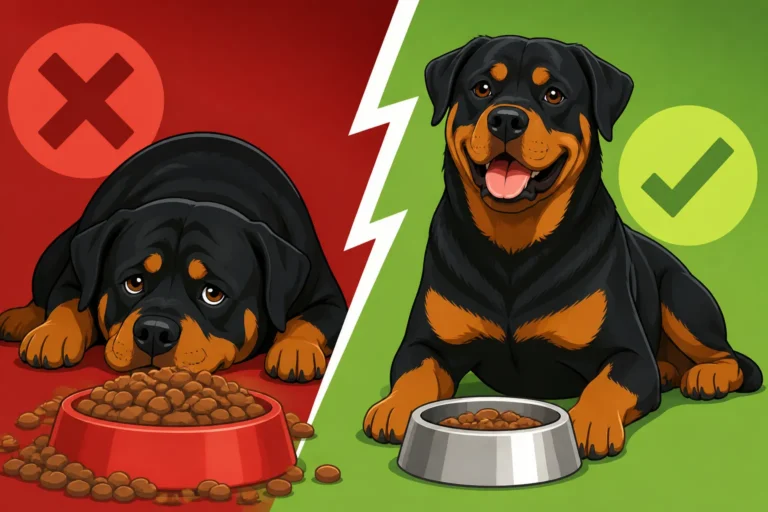
It's incredibly frustrating when you notice your beloved Rottweiler starting to pack on the pounds, especially since you know how much extra weight can impact their big, powerful joints and overall health. Watching them slow down or struggle with activities they once loved can be heart-wrenching. This guide is here to walk you through understanding why a prescription weight diet might be the crucial next step for your Rottweiler, what these specialized foods entail, and how to successfully implement them to get your companion back to a healthy, energetic weight.
Why Your Rottweiler Might Need a Prescription Weight Diet
Let's face it, keeping a Rottweiler at a healthy weight can feel like an uphill battle. They're big dogs, and it’s easy to accidentally overfeed them, or perhaps those extra treats add up faster than you realize. But those extra pounds aren't just cosmetic; they carry significant health risks that can seriously impact your Rottweiler's quality of life and even shorten their time with you. When diet changes alone aren't cutting it, a veterinarian-prescribed weight loss food becomes a powerful tool in your arsenal.
The Hidden Dangers of Extra Pounds
For a massive breed like a Rottweiler, every additional pound puts immense strain on their skeletal system. Think about it: their joints, especially their hips and elbows, are already prone to conditions like dysplasia. Add even ten or fifteen pounds to a 100-pound dog, and you're asking those joints to bear an equivalent of 10-15% more stress with every step. Over time, this accelerates the wear and tear, leading to more severe arthritis and chronic pain. Rottweiler Obesity and the Load It Adds touches on this directly, explaining how that added load impacts their entire frame.
Beyond joint issues, obesity in Rottweilers significantly increases the risk for other serious health problems. They become more susceptible to diabetes, heart disease, certain types of cancer, and even breathing difficulties, especially in warmer weather. A heavier dog also has a harder time exercising, creating a vicious cycle where decreased activity leads to more weight gain. This isn't just about looking svelte; it's about preserving their health and ensuring they can enjoy their lives to the fullest for as long as possible.
Common Pitfalls in Rottweiler Weight Management
It's astonishingly easy to fall into habits that contribute to weight gain, even with the best intentions. A large breed like a Rottweiler often seems perpetually hungry, and it’s hard to resist those soulful eyes asking for another bite. Many owners simply feed too much dry kibble, underestimating the caloric density of large breed formulas. Then there are treats – oh, those irresistible treats! A few pieces of cheese here, a bite of your sandwich there, a handful of training treats throughout the day. These calories add up incredibly quickly for a dog that needs precise nutritional balance.
Another common issue is portion distortion. Cups aren't always accurate, and scooping "a little extra" can become a daily habit. Furthermore, a lack of appropriate, consistent exercise also plays a huge role. Perhaps the weather has been bad, or your schedule has been hectic, and walks have become shorter or less frequent. Or maybe you're simply not sure what constitutes enough exercise for a dog of their size, especially if they already have some joint stiffness. All these factors combine, making it crucial to reassess your approach when you notice your Rottweiler gaining weight. Remember, even a slightly chubby Rottweiler puppy can set the stage for health issues later in life, as discussed in Why a Chubby Rottweiler Puppy Is a Problem.
Understanding Prescription Weight Loss Diets
When your veterinarian suggests a prescription weight diet, it's not just a fancy way of saying "diet food." These are therapeutic diets formulated with specific nutritional profiles designed to achieve safe and effective weight loss under veterinary guidance. They're a far cry from the "light" or "weight control" foods you might find on regular pet store shelves.
How These Diets Differ from Over-the-Counter Options
The primary difference lies in their precise formulation and the level of caloric restriction. Prescription weight loss diets are developed by veterinary nutritionists with a deep understanding of metabolism and the specific needs of overweight dogs. They are significantly lower in calories per serving than even "light" commercial diets, making it easier to reduce calorie intake without drastically cutting portion sizes, which can leave a large dog feeling hungry and unsatisfied.
They also boast carefully balanced macronutrient ratios. Often, they are higher in fiber to promote satiety, helping your Rottweiler feel full after meals, which is key to preventing begging and overeating. They also typically contain higher protein levels to help preserve lean muscle mass during weight loss, preventing the dog from losing valuable muscle along with fat. Regular "light" foods might cut calories, but they often don't have this precise balance of nutrients to support healthy weight loss and muscle retention. Think of it as the difference between a generic diet plan and one designed by a clinical nutritionist for a specific medical need.
Key Ingredients and Nutritional Approach
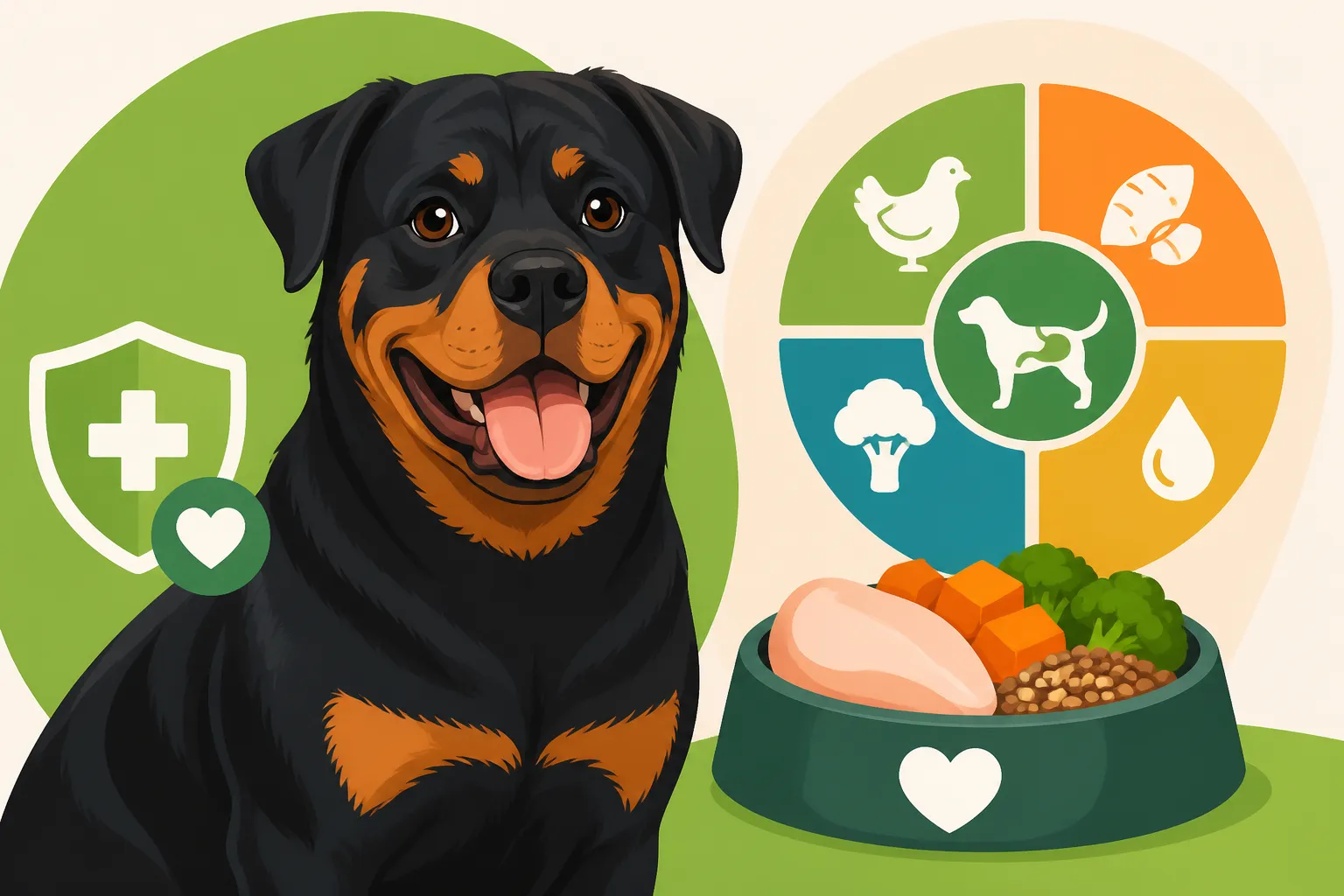
Prescription weight loss diets leverage specific ingredients and a tailored nutritional strategy to achieve results. You'll often see a higher amount of soluble and insoluble fiber sources like beet pulp, cellulose, or psyllium husk. This fiber is crucial because it adds bulk to the food without adding many calories, helping your Rottweiler feel full and satisfied. It also aids digestion and promotes regular bowel movements, which can sometimes be an issue for dogs on a restricted diet.
To prevent muscle loss, these diets maintain a higher protein content, often from quality sources like chicken, turkey, or lamb. This is vital because you want your Rottweiler to lose fat, not muscle. Maintaining muscle mass helps keep their metabolism active and supports their strength and mobility, especially important for large breeds. Fat content is carefully controlled – low enough to reduce calories but still providing essential fatty acids for skin and coat health. Some formulas also include L-carnitine, an amino acid that helps the body metabolize fat into energy, further assisting the weight loss process. The goal is a gradual, steady weight loss that is sustainable and doesn't compromise your Rottweiler's overall health.
Getting Started with a Prescription Weight Diet for Your Rottweiler
Embarking on a weight loss journey for your Rottweiler, especially with a prescription diet, needs to be a collaborative effort between you and your veterinarian. This isn't a DIY project; it's a medical intervention that requires careful planning, a precise approach, and consistent monitoring to ensure success and safety.
Your Vet is Your Partner in Weight Loss
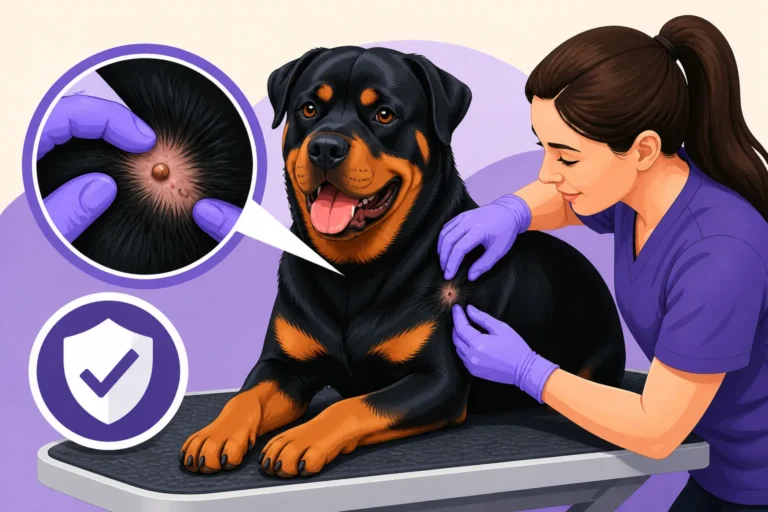
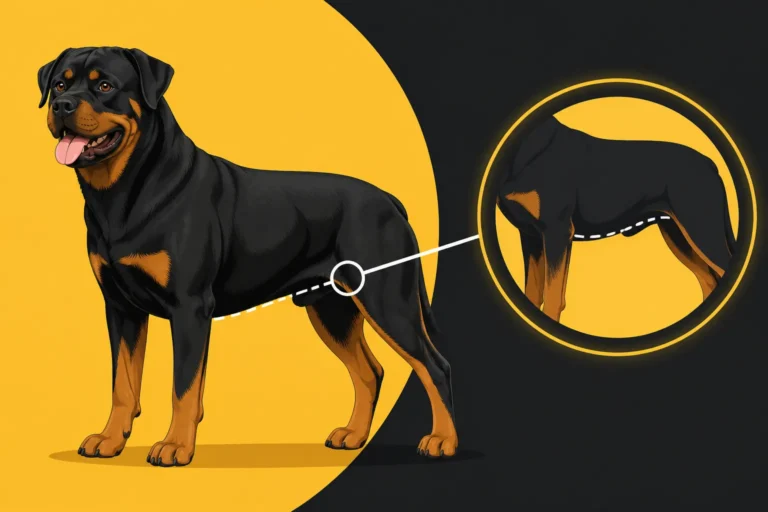
The very first step is always a thorough veterinary examination. Your vet will not only confirm that your Rottweiler is overweight but also rule out any underlying medical conditions that could be contributing to weight gain or making weight loss more complicated, such as thyroid issues or joint pain that limits activity. They will assess your Rottweiler's current body condition score, determine an ideal target weight, and calculate the appropriate daily caloric intake required for safe and effective weight loss. This individualized plan is crucial because every dog is different.
Your vet will then recommend a specific prescription diet that's right for your Rottweiler. They can also advise on how to gradually transition your dog to the new food to avoid digestive upset. Regular follow-up appointments are essential to monitor progress, adjust feeding amounts if needed, and address any concerns. This partnership with your vet ensures that your Rottweiler loses weight healthily and safely. For general health monitoring, particularly as your Rottweiler ages, remember the importance of Vet Visit Frequency for a Senior Rottweiler.
Transitioning and Portioning for Success
Once you have your vet's recommendation for a prescription weight loss diet, the transition should be slow and steady, typically over 7-10 days. Start by mixing a small amount of the new food with their old food, gradually increasing the proportion of the new diet while decreasing the old one. This helps prevent stomach upset and ensures your Rottweiler adjusts to the new taste and texture.
Transition Schedule Example:
| Day | Old Food Percentage | New Food Percentage |
|---|---|---|
| 1-2 | 75% | 25% |
| 3-4 | 50% | 50% |
| 5-6 | 25% | 75% |
| 7+ | 0% | 100% |
Portion control is absolutely non-negotiable for a weight loss diet to work. Forget the measuring cup you've always used; it's rarely precise enough. Invest in a digital kitchen scale and measure your Rottweiler's food by weight, not volume, as recommended in Measuring Rottweiler Food by Weight Not Cups. Your vet will provide a specific gram amount, and sticking to it is paramount. Divide the daily allowance into two or three smaller meals to help keep your Rottweiler feeling fuller throughout the day and to aid digestion. You can often find these specialized diets through your vet's office, or sometimes through online retailers like Chewy or Amazon, provided you have a prescription from your veterinarian.
Beyond the Bowl: Complementary Strategies for Weight Loss
While a prescription weight diet is a cornerstone of your Rottweiler's weight loss plan, it's important to remember it's not a magic bullet. True success comes from a holistic approach that combines proper nutrition with appropriate exercise, smart snacking, and mental enrichment. Think of the food as the engine, and these other strategies as the fuel and steering that get you to your destination.
Safe Exercise for a Losing Rottweiler
Exercise is critical, but for an overweight Rottweiler, it must be carefully managed to avoid putting undue stress on already strained joints. High-impact activities like jumping, intense running, or chasing balls at full speed are out, especially initially. Instead, focus on low-impact activities. Leashed walks are excellent, gradually increasing duration and pace as your Rottweiler's stamina improves and weight decreases. How Fast a Hundred Thirty Pound Rottweiler Can Lose can give you an idea of realistic timelines, emphasizing that slow and steady wins the race.
Swimming is another fantastic option, as it provides a full-body workout without any concussive impact on the joints. If you have access to a safe, supervised swimming area, this can be an invaluable part of their routine. Even gentle play sessions in the yard, rather than rigorous ones, can help. Always be mindful of the weather, especially with a black-coated Rottweiler in warmer climates, and stop if your dog shows any signs of fatigue or discomfort. For older Rottweilers, specifically, Exercising a Rottweiler Past the Age of Eight offers guidance on how to keep them active safely.
Smart Snacking and Enrichment
Treats don't have to disappear entirely, but they need to be rethought. High-calorie commercial treats are usually off the table. Instead, opt for low-calorie, healthy alternatives. Small pieces of plain, cooked chicken breast, green beans, carrots, or apple slices (without seeds) can be great rewards that won't derail their diet. Just remember to factor these into their daily caloric allowance. Some pet food brands, like Ollie, offer fresh food options which, when formulated with your vet, might provide highly palatable, lower-calorie choices for treats.
Mental stimulation is just as important as physical exercise, especially when food intake is restricted. A bored Rottweiler can become a destructive Rottweiler, or one that constantly begs for food. Puzzle feeders are excellent for making meal times last longer and engaging their minds. There are many options Puzzle Feeders Built for a Rottweiler to keep them occupied. Scent work, training sessions that use their brain, and interactive toys can provide valuable enrichment, redirecting their focus away from constant hunger and promoting a sense of well-being. This comprehensive approach ensures that your Rottweiler not only loses weight but also remains happy, healthy, and mentally stimulated throughout the process.
Disclaimer
This article is for general informational purposes only and does not constitute professional advice. Laws, prices and regulations vary by location and change over time. Consult a qualified professional for guidance on your specific situation.