Rottweiler Weight Gain After Neutering
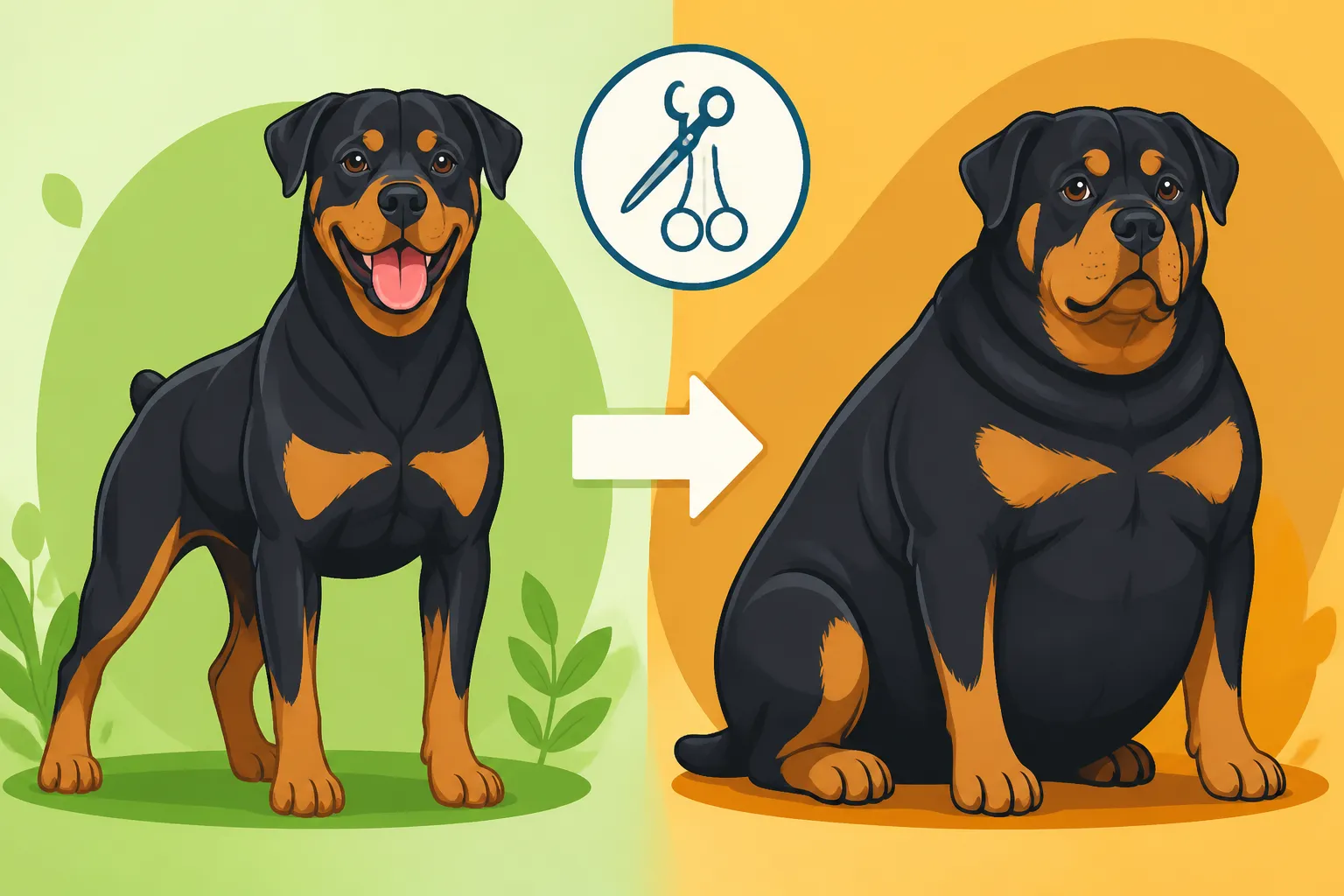
It's a common, often disheartening, scenario: you've made the responsible decision to spay or neuter your beloved Rottweiler, only to notice them starting to pack on the pounds. That sleek, muscular physique you worked so hard to maintain slowly begins to soften, and suddenly your perfectly portioned meals don't seem to be doing the trick anymore. This guide is here to shed light on why Rottweilers are prone to weight gain after neutering and, more importantly, to give you actionable steps to keep your magnificent dog healthy and at their ideal weight.
The Metabolic Shift After Neutering
One of the most frustrating aspects of post-neutering weight gain is that it often feels like it comes out of nowhere, even when you haven't changed a thing about your dog's diet or exercise routine. You're giving them the same amount of food, taking them for the same walks, and yet, the scale keeps creeping up. This isn't just your imagination; there's a real physiological change happening that many owners aren't fully prepared for.
Hormonal Changes and Caloric Needs
When a male Rottweiler is neutered or a female is spayed, you're removing the primary source of sex hormones – testosterone in males and estrogen in females. These hormones play a significant role in regulating metabolism and appetite. For instance, testosterone is known to help maintain lean muscle mass and contribute to a higher metabolic rate. When it's gone, a dog's metabolism can slow down quite noticeably. They essentially need fewer calories to maintain their weight than they did before the surgery.
It's not just about a slower metabolism, either. Some dogs experience an increase in appetite, leading to a double-whammy: they need fewer calories but feel hungrier. This can be especially challenging with a Rottweiler, a breed known for its robust appetite. You might find your dog begging more, acting hungrier between meals, or seeming less satisfied after eating. It's crucial to understand that this isn't a failure on your part, but a direct consequence of the hormonal shift. Ignoring these changes can lead to significant weight gain, which can then exacerbate other health issues.
The Impact on Lean Body Mass
Beyond the general metabolic slowdown, there's another subtle but important change: a decrease in lean body mass. Lean body mass, which includes muscle, bones, and organs, burns more calories at rest than fat tissue does. Sex hormones contribute to the maintenance of this lean muscle. After neutering, some dogs experience a slight reduction in muscle mass, even if they remain active. As muscle mass decreases, the body's overall caloric needs diminish further.
Think of it like this: your Rottweiler's engine is now running on a slightly lower octane, and it has fewer horsepower to begin with. If you keep fueling it at the same rate, the excess fuel (calories) gets stored as fat. For a large, heavy breed like a Rottweiler, maintaining a healthy weight is absolutely paramount for long-term health, especially concerning their joints. How Rottweiler Weight Multiplies the Load on Its Hips is a stark reminder of the pressure excessive weight puts on their strong but vulnerable skeletal structure.
Identifying and Monitoring Weight Gain
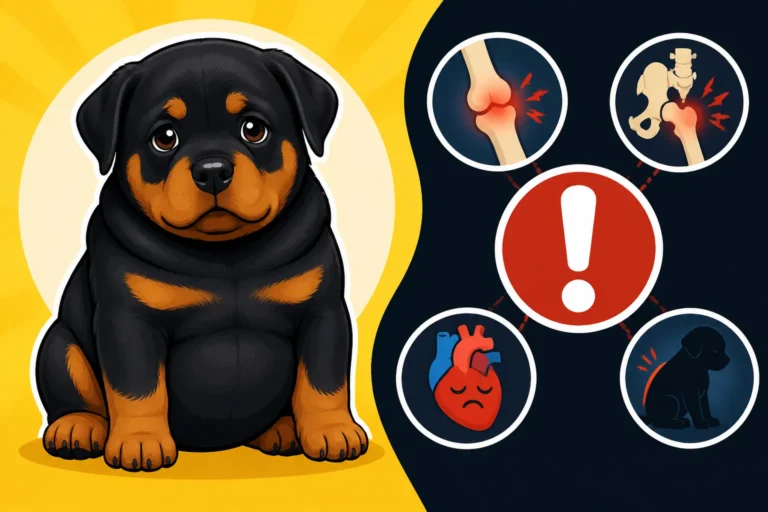
Sometimes, especially with a thick-coated breed, it can be hard to spot the subtle beginnings of weight gain. You might initially dismiss it as a bit of winter fluff or just a "solid" build. However, for a Rottweiler, even a few extra pounds can put undue stress on their joints, heart, and other organs. Early detection and proactive management are key.
Visual Cues and Body Condition Scoring
You might not notice a significant change in your Rottweiler's overall size at first, but there are visual cues to watch for. Start by looking at your dog from above. Do they still have a noticeable "waist" that tucks in behind their ribs? If they're starting to look more like a barrel or a straight line from chest to tail, that's a red flag. Next, look at them from the side. Their belly should tuck up slightly, not hang low or be perfectly straight from their chest.
The best way to objectively assess your Rottweiler's weight is by using a body condition scoring (BCS) system. This involves both visual assessment and palpation (feeling your dog's body). You should be able to easily feel their ribs with a slight pressure, almost like feeling the back of your hand. If you have to press hard to feel them, or can't feel them at all, your Rottweiler is likely overweight. You should also be able to feel their spine and hip bones without them being prominent or sharp, but certainly not buried under a layer of fat. Many veterinarians use a 5-point or 9-point scale; aim for a 3/5 or 4-5/9. Regular checks, perhaps once a month, can help you catch changes quickly.
| Body Condition Score | Appearance (Visual) | Palpation (Feel) |
|---|---|---|
| Too Thin | Ribs, spine, pelvic bones easily visible | Ribs, spine, pelvic bones very prominent, no fat cover |
| Underweight | Ribs, spine, pelvic bones visible; abdominal tuck | Ribs easily felt, minimal fat cover |
| Ideal Weight | Ribs not visible but easily felt; clear waist | Ribs easily felt, thin fat cover |
| Overweight | Ribs difficult to feel; waist absent or barely visible | Ribs difficult to feel, moderate fat cover |
| Obese | Ribs not visible; no waist; abdominal distension | Ribs impossible to feel, thick fat cover |
The Importance of Regular Weigh-Ins
While visual cues are helpful, the most accurate way to track your Rottweiler's weight is with regular weigh-ins. This might sound daunting with a large dog, but it's crucial. Many vet clinics are happy for you to pop in just to use their scales, often at no charge. Alternatively, you can weigh yourself, then weigh yourself holding your Rottweiler, and subtract your weight to get theirs. Make sure your dog is comfortable with this process from a young age, so it doesn't become a stressful event.
Keep a log of your dog's weight. Even a monthly entry can reveal trends that visual checks might miss. Seeing those numbers on paper can also be a powerful motivator. If you notice a consistent upward trend, it's time to adjust their routine before it becomes a significant problem. Remember, preventing weight gain is far easier than trying to get a hundred-plus-pound Rottweiler to lose a substantial amount of weight once it's accumulated. This kind of diligent monitoring ties into the broader concept of The Health Records Worth Keeping on a Rottweiler to ensure you have a complete picture of their well-being over time.
Dietary Adjustments for a Neutered Rottweiler
Once you've identified that your neutered Rottweiler is gaining weight, or if you want to prevent it from happening in the first place, dietary adjustments are usually the first and most effective line of defense. It's not about starvation; it's about smart, controlled nutrition.
Reducing Calorie Intake Sensibly
The most straightforward way to manage weight after neutering is to reduce the total caloric intake. This usually means feeding slightly less of their current food. A good starting point is to reduce their previous portion by about 10-20%. For example, if your Rottweiler was eating four cups a day, try reducing it to 3.5 or even 3 cups and monitor their weight for a few weeks. However, it's vital to do this gradually and to consult your veterinarian to ensure your dog is still getting adequate nutrition, especially if you're making a significant cut.
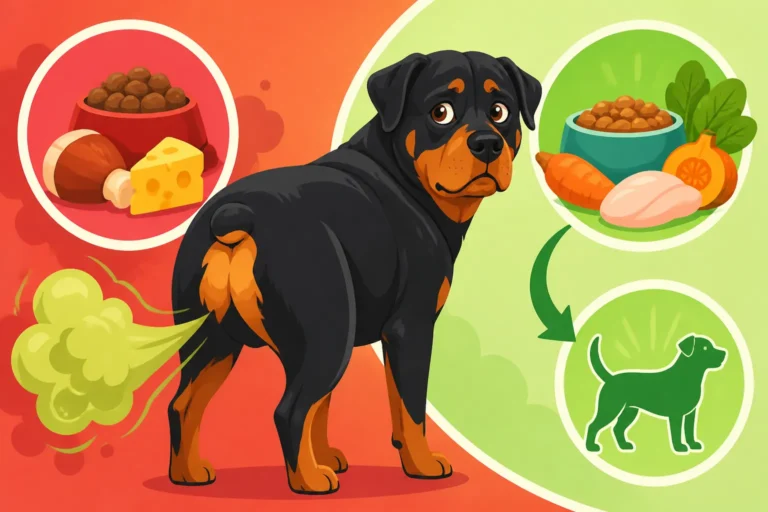
When looking at dog food options, especially for a large breed like a Rottweiler, paying attention to the calorie density on the bag is important. Some foods are much richer than others. You might consider switching to a "light" or "weight management" formula designed for large breeds. Brands like Chewy offer a wide selection of these specialized diets, making it easier to find one that suits your dog's needs and your budget. These formulas typically have fewer calories per serving but are still nutritionally complete, often with added fiber to help your dog feel full. Portioning an Adult Rottweiler by Body Condition is a critical skill to develop here, rather than simply relying on bag recommendations.
The Role of Meal Frequency and Type of Food
How often you feed your Rottweiler can also play a role. Instead of one large meal, splitting their daily ration into two or even three smaller meals can help manage hunger and keep their metabolism ticking over throughout the day. This isn't just for weight management; it's also a crucial strategy to help reduce the risk of bloat in Rottweilers. Splitting a Rottweiler's Ration Across the Day is a recommended practice for all Rottweilers, but especially those prone to weight gain or bloat.
Consider the type of food as well. While kibble is convenient, some owners find success with fresh food diets, like those offered by Ollie. These often contain whole, less processed ingredients, and for some dogs, this can lead to better satiety on fewer calories, assuming the formulation is balanced for large breeds. If you're considering a fresh food diet, be sure to work with your vet to ensure it meets all your Rottweiler's nutritional requirements. Whatever food you choose, remember that consistency is key. Erratic feeding schedules or constantly changing foods can upset your dog's digestive system.
And let's not forget treats! Those little training rewards or bedtime biscuits add up. If your Rottweiler is gaining weight, you must factor treats into their daily caloric intake. Opt for low-calorie options like small pieces of carrot, green beans, or plain cooked chicken. Many pet stores and online retailers like Amazon also sell specific low-calorie training treats that are perfect for big dogs.
Exercise Strategies for Weight Management
Diet is half the battle, but exercise is equally vital, especially for a powerful and athletic breed like the Rottweiler. It's not just about burning calories; it's about maintaining muscle mass, supporting joint health, and providing mental stimulation.
Tailoring Exercise to Your Rottweiler's Age and Condition
Simply walking your Rottweiler for an extra mile might seem like a good idea, but it's important to tailor exercise to their individual needs, age, and existing joint health. A young Rottweiler can handle more vigorous exercise than a senior dog with early signs of arthritis. For younger, neutered Rottweilers, incorporating activities that build and maintain muscle mass is excellent. Think brisk walks, controlled jogging (once their growth plates are closed – Rottweiler Growth Plates Closing at Eighteen to Twenty-Four Months), and structured play sessions with a ball or flirt pole.
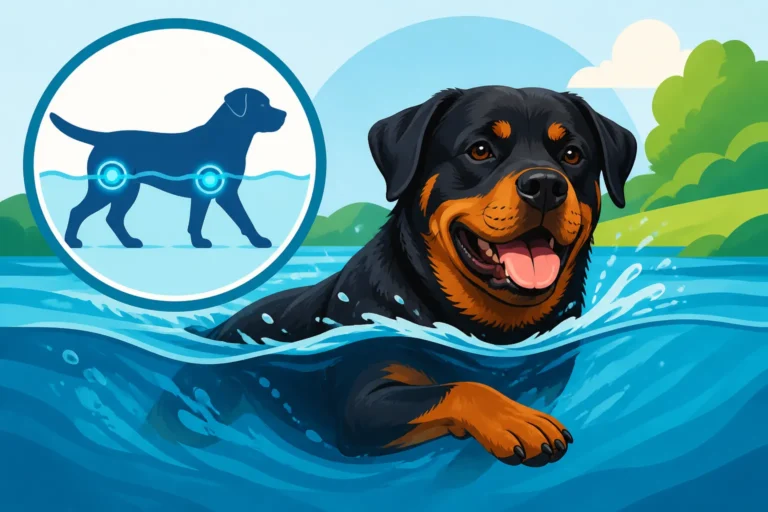
For older or overweight Rottweilers, low-impact exercise is crucial. Swimming is fantastic, as it builds muscle without stressing joints. Leash walks are still essential, but focus on consistent duration rather than intense bursts. Remember, even if your dog has gained weight, pushing them too hard can lead to injuries, especially to their knees and hips. Cruciate Tears in a Heavy Rottweiler are a real risk, so exercise needs to be managed carefully.
Incorporating Varied and Engaging Activities
A bored Rottweiler is often a sedentary Rottweiler, which isn't ideal for weight management. Varying your exercise routine keeps things interesting for both of you. Instead of the same walk every day, explore new parks, walking trails, or even engage in dog sports. Urban mushing or carting, if done correctly and with proper training, can be a great way for a Rottweiler to burn energy and use their powerful build.
Mental exercise is just as important as physical. Puzzle toys, scent work, and obedience training sessions can burn mental energy and indirectly contribute to weight management by reducing boredom-induced behaviors like excessive eating. Even short, structured training sessions using those low-calorie treats can be a fantastic way to engage your Rottweiler. Building Adult Rottweiler Fitness Safely is a journey, not a sprint, and incorporating variety will help keep your dog engaged and active for years to come.
Regular, moderate exercise, coupled with precise dietary control, is the gold standard for managing weight in neutered Rottweilers. It's a commitment, but the reward is a healthier, happier dog with a longer, more comfortable lifespan. Rottweiler Lifespan and the Eight to Ten Year Average is already shorter than we'd like, so every effort to optimize their health is well worth it.
Disclaimer
This article is for general informational purposes only and does not constitute professional advice. Laws, prices and regulations vary by location and change over time. Consult a qualified professional for guidance on your specific situation.