Osteosarcoma, the Cancer That Takes Most Rottweilers
Few things are as heartbreaking as seeing your beloved Rottweiler suddenly develop a limp, especially when it seems to come out of nowhere. You might think it's just a sprain from playing too hard, or maybe a bit of arthritis creeping in with age. But for many Rottweiler families, that initial subtle favor of a leg can be the first, terrifying whisper of osteosarcoma – an aggressive bone cancer that, tragically, impacts our gentle giants far more often than we'd ever want to imagine. This guide is here to walk you through understanding this devastating disease, recognizing its signs, and navigating the difficult journey of diagnosis and treatment.
Understanding Osteosarcoma: A Ruthless Foe for Rottweilers
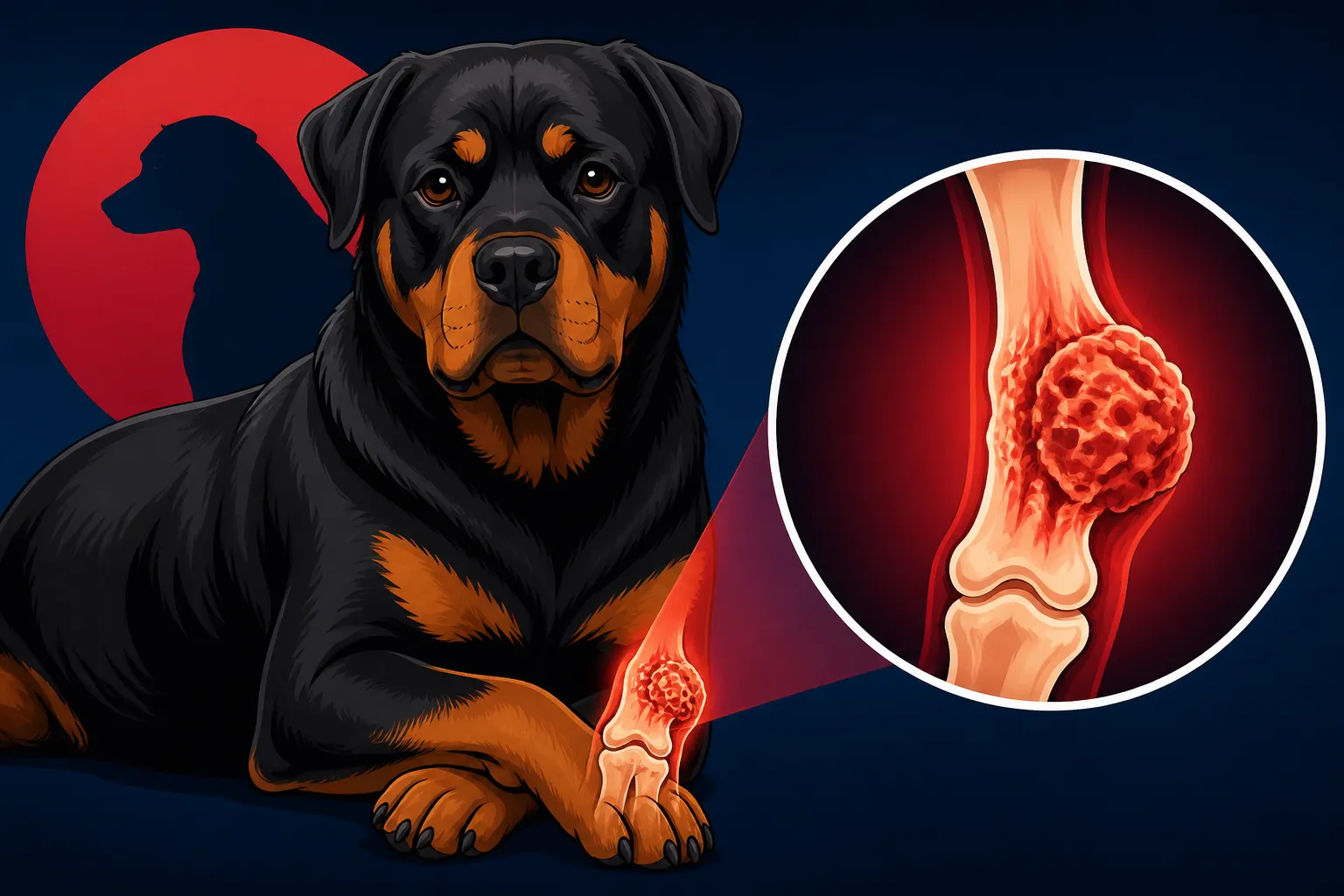
Osteosarcoma isn't just any cancer; it's a particularly cruel one for big breeds like our Rottweilers. It's an aggressive malignancy that originates in the bone, rapidly destroying healthy bone tissue and often spreading to other parts of the body, most commonly the lungs, before the primary tumor even becomes obvious. The speed and severity of this disease are what make it so terrifying for owners. You're not just fighting a localized problem; you're often up against a systemic one from the outset.
What Makes Rottweilers Prone to Bone Cancer?
It's a question that haunts every Rottweiler owner: "Why my dog?" While we don't have all the answers, research points to a combination of factors that place large and giant breeds like Rottweilers at a significantly higher risk for osteosarcoma compared to smaller dogs. The sheer size and rapid growth rate of these magnificent dogs seem to play a major role.
Think about it: a Rottweiler puppy goes from a tiny, cuddly ball of fur to a powerful, 100+ pound adult in less than two years. This incredible growth spurt puts immense stress on their developing bones, particularly around the growth plates. It's believed that this rapid cellular turnover and mechanical stress might make bone cells more susceptible to cancerous mutations. While the exact genetic links are still being researched, there's a strong breed predisposition, meaning certain lines and breeds, including our beloved Rottweilers, simply carry a higher inherent risk. It’s a sad reality that as much as we adore their imposing stature, it also comes with these inherent health vulnerabilities, significantly impacting their overall Rottweiler Lifespan and the Eight to Ten Year Average. This rapid growth is also why topics like Rottweiler Growth Plates and Why They Close So Late are so critical for puppy owners to understand.
Common Sites Where Osteosarcoma Strikes a Rottweiler
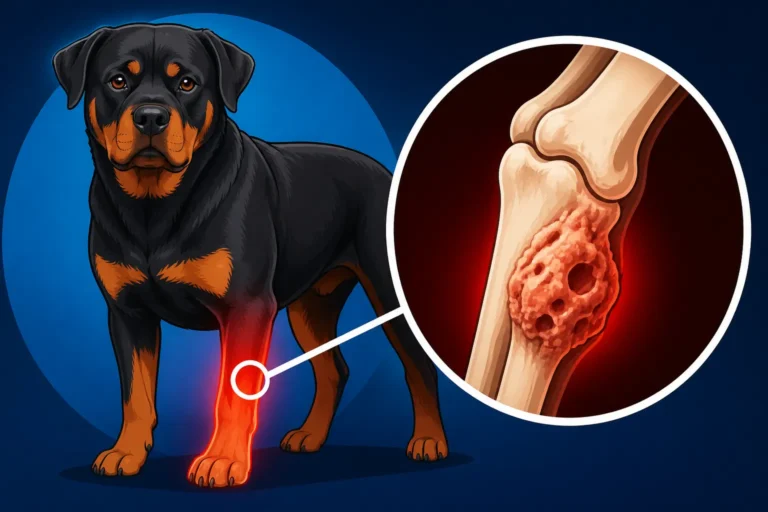
Osteosarcoma tends to favor specific locations in the body, primarily the "away from the elbow and towards the knee" rule of thumb in long bones. For Rottweilers, this often means the limbs, making lameness the most common initial symptom.
Let's break down the typical hotspots:
- Proximal Humerus (Shoulder): This is the upper bone of the front leg, close to the shoulder joint. A tumor here might cause a Rottweiler to hold their leg up, hesitate to put weight on it, or show pain when the shoulder is manipulated.
- Distal Radius/Ulna (Wrist): These are the two bones of the forearm, just above the wrist. This is a very common site. You might notice swelling or a firm lump developing just above your dog's "wrist" joint, along with lameness.
- Distal Femur (Knee): The lower part of the thigh bone, near the knee. Tumors here can cause a severe limp and pain when flexing or extending the knee.
- Proximal Tibia (Shin): The upper part of the shin bone, below the knee. Similar to the distal femur, this can lead to intense knee pain and lameness.
While less common, osteosarcoma can also appear in other bones, such as the ribs, spine, jaw, or even the skull. When it strikes these axial skeleton locations, the signs can be even more varied and harder to pinpoint, ranging from neurological issues if in the spine, to difficulty eating if in the jaw, or a persistent cough if in the ribs and already metastatic. The reason these particular long bone areas are so frequently affected is thought to be due to the high stress and trauma they experience, especially in a heavily-built dog like a Rottweiler. Every jump, every run, every heavy step puts mechanical strain on these regions.
Recognizing the Early Signs of Bone Cancer in Your Rottweiler
This is where being a vigilant owner truly matters. Because osteosarcoma is so aggressive, catching it early can make a difference in your dog's comfort and the available treatment options, even if the overall prognosis remains guarded. Unfortunately, the early signs are often subtle and can easily be mistaken for other, less serious issues, leading to frustrating delays and self-blame later on. Please know it's not your fault; this cancer is sneaky.
The Insidious Onset of Lameness
The most common initial symptom you'll likely observe is a limp, or what vets often call lameness. But it's rarely a dramatic, sudden injury. Instead, it's usually insidious, meaning it develops gradually and subtly.
Imagine this scenario: your energetic Rottweiler, known for bounding around the yard, starts to just slightly favor one front leg after a vigorous play session. Maybe it’s a quick skip, or a moment of holding the paw up, but then they seem fine. You watch them, check their paw, maybe even give it a gentle massage, and they don't seem overtly painful. A day or two later, the limp might be gone, only to reappear a week later, perhaps a little more pronounced. This on-again, off-again pattern is a classic red flag. Owners often report it as an intermittent limp that comes and goes, especially after exercise, before eventually becoming constant and progressively worse. It's easy to dismiss it as a strain, an old injury flaring up, or even just arthritis, especially as your Rottweiler enters their middle to senior years. However, if this limp persists or worsens over several weeks, or doesn't respond to typical rest and anti-inflammatory medication, it’s imperative to investigate further. This gradual progression is precisely what makes The First Limp That Turns Out to Be Bone Cancer such a devastating realization for many families.
Other Subtle Clues Beyond a Limp
While lameness is the star witness, osteosarcoma can present with other, more subtle signs that keen-eyed owners might pick up on. These can be even harder to connect to a serious issue, but in combination with a limp, they strengthen the case for a vet visit.
Keep an eye out for:
- Swelling or a Lump: As the tumor grows, it can create a noticeable swelling or a firm, painful lump on the affected bone, especially on the limbs near a joint. This might not be obvious at first, hidden by fur or muscle, but gentle palpation might reveal it.
- Pain on Palpation: If you gently touch or press on the affected area, your Rottweiler might flinch, pull away, vocalize, or even become subtly defensive – something unusual for their normally stoic nature.
- Reluctance to Bear Weight: As the pain increases, your dog might be less willing to put full weight on the affected limb. They might shift their weight, stand awkwardly, or try to keep the limb slightly elevated even when resting.
- Behavioral Changes: Chronic pain can take a massive toll. A typically boisterous Rottweiler might become more lethargic, less interested in walks or play, and spend more time resting. They might show a decreased appetite, seem generally grumpy, or even become slightly aggressive if you inadvertently touch a painful spot. Remember, Rottweilers are known for their stoicism, so any visible sign of pain or discomfort is usually significant.
- Fractures: In some devastating cases, the tumor weakens the bone so severely that it fractures spontaneously, even from a minor bump or just regular movement. This is known as a pathological fracture and is extremely painful.
It's vital to know your dog's normal behaviors, their gait, and their reactions to touch. Any sustained change warrants a call to your veterinarian. Early detection, even of a disease as aggressive as osteosarcoma, allows for earlier intervention, which can significantly improve comfort and potentially extend their quality of life.
The Crucial Diagnostic Journey for a Suspected Case
Once you've noticed concerning signs and have a suspicion that something serious might be going on, the next step is a thorough diagnostic workup with your veterinarian. This journey can feel like an emotional roller coaster, moving from initial suspicion to confirmation, and then to understanding the extent of the disease. Each step is critical in building a complete picture.
Initial Veterinary Examination and X-Rays
Your vet will start with a comprehensive physical examination. They’ll observe your Rottweiler's gait, carefully palpate their limbs and joints, and check for any swelling, warmth, or pain. If a specific area of lameness or swelling is identified, the immediate next step is almost always radiographs, or X-rays, of the suspected bone.
X-rays are the first crucial window into what’s happening beneath the surface. For osteosarcoma, vets look for characteristic changes:
- Lytic Lesions: These are areas where the bone appears to be eaten away or destroyed by the tumor. On an X-ray, they look like dark, irregular patches within the bone.
- Proliferative Bone Reaction: This refers to new, abnormal bone growth stimulated by the tumor. It can appear as a "sunburst" pattern, an irregular spiky appearance extending from the bone, or a triangular elevation of the periosteum (the membrane covering the bone), often called "Codman's triangle."
- Loss of Bone Margin: The normal, crisp outline of the bone may appear fuzzy or indistinct in the tumor area.
While X-rays are incredibly useful for initial detection and often strongly suggest osteosarcoma, they do have limitations. Early-stage tumors might not show clear changes, or other conditions like fungal bone infections or severe bacterial infections can sometimes mimic the appearance of osteosarcoma. This is why a definitive diagnosis often requires more than just X-rays. For those wanting to understand what these images mean, there's a good article on The X-Rays That Confirm Rottweiler Osteosarcoma.
Advanced Imaging and Biopsy for Confirmation
If X-rays indicate a high suspicion of osteosarcoma, your vet will likely recommend further diagnostics. This usually involves advanced imaging and, most importantly, a biopsy to get a definitive diagnosis.
- Advanced Imaging (CT Scans): Computed tomography (CT) scans offer a much more detailed, three-dimensional view of the bone compared to conventional X-rays. A CT scan can precisely delineate the extent of the tumor within the bone, assess any involvement of surrounding soft tissues, and help surgeons plan for procedures if amputation or limb-sparing surgery is considered. While not always strictly necessary for diagnosis, it's invaluable for surgical planning.
- Biopsy: A biopsy is the gold standard for confirming osteosarcoma. This involves taking a small tissue sample directly from the suspected tumor site and sending it to a veterinary pathologist for microscopic examination. The pathologist can then determine if cancer cells are present and, if so, identify them as osteosarcoma. There are several ways to perform a biopsy:
- Fine Needle Aspirate (FNA): Less invasive, but often less diagnostic for bone tumors because it only collects a few cells and can miss the cancerous tissue.
- Core Needle Biopsy (e.g., Jamshidi needle): Uses a larger, hollow needle to extract a small core of bone tissue. This is more commonly used and has a higher diagnostic yield.
- Incisional Biopsy: This is a surgical procedure where a small piece of the tumor is surgically removed. It offers the best chance for a definitive diagnosis but is more invasive.
It’s important to discuss the type of biopsy with your vet, as sometimes a negative biopsy doesn't necessarily rule out cancer if the initial X-rays were highly suspicious. Sometimes, the needle might simply miss the cancerous cells. In such cases, repeating the biopsy or proceeding with treatment based on strong clinical suspicion might be recommended. Getting a definitive diagnosis is crucial, not just to confirm osteosarcoma, but also to rule out other potential issues, some of which might be covered in discussions about Rottweiler Cancers Beyond the Bone.
Staging the Cancer: What it Means for Treatment
Once osteosarcoma is confirmed, the next critical step is "staging." Staging determines if the cancer has spread from its original site to other parts of the body. This is a vital process because osteosarcoma is highly aggressive and has a strong tendency to metastasize (spread), often to the lungs, even before the primary tumor causes severe symptoms.
The staging process typically involves:
- Chest X-rays (three views): This is absolutely essential. Osteosarcoma most commonly spreads to the lungs, and these X-rays are performed to look for any visible lung metastases (secondary tumors). It’s common practice to take three views (two side views and one front view) to maximize the chances of detecting small nodules. Even if chest X-rays appear clear, it doesn't mean there are no microscopic cancer cells in the lungs; it just means they're not yet large enough to be seen.
- Abdominal Ultrasound: This may be performed to check for metastasis to abdominal lymph nodes or other organs, though lung metastasis is far more common.
- Regional Lymph Node Evaluation: Your vet might palpate regional lymph nodes near the primary tumor site to check for enlargement, and sometimes aspirate them for cytology if they appear suspicious.
The staging results have a profound impact on the treatment plan and prognosis. If the cancer has already spread, even microscopically, the treatment strategy will be different, focusing more on systemic control (like chemotherapy) rather than just local tumor removal (like amputation). Understanding the stage helps you and your vet make informed decisions about the most effective, compassionate course of action, weighing quality of life against potential treatment benefits and costs.
Navigating Treatment Options and Prognosis
Receiving an osteosarcoma diagnosis for your Rottweiler is devastating. You're suddenly faced with a complex array of medical decisions, often under immense emotional pressure. It's a heavy burden, and it's okay to feel overwhelmed. The goal of treatment is always a balance between improving quality of life, extending lifespan where possible, and managing pain.
Amputation as a Primary Solution
For osteosarcoma affecting a limb, amputation of the affected leg is often the cornerstone of treatment, especially if there's no detectable spread to the lungs or other organs. While the idea of your robust Rottweiler losing a leg can be incredibly difficult to comprehend, it serves two critical purposes:
- Eliminating the Primary Source of Pain: Osteosarcoma is excruciatingly painful. The tumor literally destroys bone from the inside out. Removing the entire limb eliminates this massive source of chronic pain almost immediately, offering immense relief. Many owners are astonished by how quickly their dog's demeanor improves after surgery.
- Removing the Bulk of the Cancer: While microscopic cells may have already spread, removing the primary tumor eliminates the largest concentration of cancer cells and prevents further local progression.
The thought of a large dog like a Rottweiler managing on three legs can be daunting. You might picture them struggling, unbalanced, or miserable. However, dogs are incredibly resilient and adaptive creatures. Most Rottweilers, especially those without pre-existing severe arthritis or neurological conditions in their remaining limbs, adjust remarkably well to life on three legs. Their center of gravity shifts, their muscles adapt, and their zest for life often returns once the pain is gone. Physical therapy, careful weight management, and home modifications (like non-slip rugs) can greatly aid their recovery and long-term mobility. It's truly amazing to see their resilience, and a testament to their strength, as discussed in Whether a Three-Legged Rottweiler Copes at That Size. The recovery takes time, patience, and commitment, but the payoff of a pain-free, active life, even on three legs, is immeasurable.
Chemotherapy and Radiation Therapy
While amputation removes the visible tumor, osteosarcoma is a systemic disease, meaning microscopic cancer cells have usually already traveled throughout the body, even if they aren't detectable on initial imaging. This is why systemic treatments like chemotherapy are so crucial.
- Chemotherapy: After amputation (or sometimes as a palliative measure if amputation isn't feasible), chemotherapy is highly recommended. The goal of chemo is to target and destroy these microscopic metastatic cells, thereby delaying or preventing the visible spread of cancer and significantly extending survival times. Common chemotherapy drugs used for osteosarcoma in dogs include carboplatin and doxorubicin, often administered intravenously over several sessions. Unlike in humans, veterinary chemotherapy protocols are typically designed to maximize quality of life with fewer severe side effects. While side effects like mild gastrointestinal upset (nausea, diarrhea) or temporary immune suppression can occur, most dogs tolerate chemotherapy surprisingly well. Your vet will monitor blood counts closely and adjust dosages as needed. Understanding these treatments can be complex, and resources like Chemotherapy Protocols Used on Rottweilers can provide more detailed insights.
- Radiation Therapy: Radiation therapy isn't typically used as a standalone curative treatment for osteosarcoma. Instead, it's often employed in a palliative setting, primarily to alleviate pain in cases where amputation isn't an option (e.g., due to advanced age, other health issues, or owner preference). High doses of radiation are directed at the tumor site to reduce its size and significantly decrease the associated pain, offering comfort and improving quality of life for a period. It doesn't eliminate the cancer but manages the local symptoms effectively.
Combining local tumor control (amputation) with systemic treatment (chemotherapy) offers the best chance for extending both the quantity and quality of life for a Rottweiler diagnosed with osteosarcoma.
Pain Management and Quality of Life
Regardless of the chosen treatment path, aggressive and compassionate pain management is paramount for any Rottweiler battling osteosarcoma. This disease causes profound discomfort, and ensuring your dog is as pain-free and comfortable as possible is a fundamental responsibility. Pain management is often a multi-modal approach, combining several types of medications and supportive care.
Common components of a pain management plan include:
- Non-Steroidal Anti-Inflammatory Drugs (NSAIDs): Medications like carprofen (Rimadyl), deracoxib (Deramaxx), firocoxib (Previcox), or galliprant are often the first line of defense. They reduce inflammation and pain, though their effectiveness diminishes as the disease progresses and are not advisable if other medications like steroids are being used.
- Gabapentin: This medication is often used to target neuropathic (nerve) pain, which can be a significant component of bone cancer pain. It can also help with anxiety associated with chronic pain.
- Amantadine: This drug can help block certain pain receptors in the brain, making other pain medications more effective and addressing chronic pain that has "centralized" over time.
- Opioid-like Medications (e.g., Tramadol): While not as potent as true opioids, tramadol can provide additional pain relief, especially for moderate pain. Stronger opioids like fentanyl patches or buprenorphine might be used for more severe or breakthrough pain.
- Bisphosphonates: Drugs like pamidronate can help inhibit osteoclast activity (cells that break down bone), slowing down bone destruction, reducing bone pain, and potentially decreasing the risk of pathological fractures. They are given as intravenous infusions.
- Complementary Therapies: Acupuncture, therapeutic laser, and physical therapy can also play a supportive role in pain management, muscle support, and overall well-being, especially for a dog recovering from amputation or dealing with chronic pain.
The goal is always to stay ahead of the pain, not just react to it. This means constant communication with your veterinary team, being attentive to subtle signs of discomfort in your Rottweiler, and adjusting medications as needed. Providing a warm, soft bed, ensuring easy access to food and water, and limiting strenuous activities are also key components of maintaining a good quality of life. For more insights on how to manage this crucial aspect of care, consider reading Pain Control for a Rottweiler With Bone Cancer.
The Financial and Emotional Toll
Dealing with osteosarcoma is not just physically challenging for your Rottweiler; it exacts a heavy toll on owners, both financially and emotionally. It's important to acknowledge these realities and understand that you are not alone in facing these profound challenges.
Understanding the Costs Involved in Treatment
The costs associated with diagnosing and treating osteosarcoma can quickly become substantial, creating an additional layer of stress for families. Veterinary medicine, especially specialized oncology care, involves significant expenses for equipment, expertise, and medications.
Let's break down the typical cost components:
- Diagnostics:
- Initial vet exam and X-rays: $150 – $500
- CT scan: $1,000 – $2,500
- Biopsy (including pathology): $300 – $1,000
- Staging (chest X-rays, abdominal ultrasound): $400 – $1,000
- Amputation Surgery:
- Pre-surgical bloodwork, anesthesia, surgery, hospitalization (3-5 days), post-operative pain medication: $2,500 – $6,000, depending on location and complexity.
- Chemotherapy:
- Per session (typically 4-6 sessions): $400 – $800 each, plus follow-up bloodwork. Total: $1,600 – $4,800.
- Radiation Therapy (Palliative):
- Course of treatment (e.g., 2-4 fractions): $1,500 – $4,000.
- Ongoing Pain Management:
- Monthly medication costs: $100 – $400, depending on the combination of drugs.
- Supportive Care:
- Mobility aids (ramps, harnesses), special bedding, supplements: Variable, $100 – $500+.
The total cost can easily range from $5,000 to well over $10,000, and sometimes even higher, especially if complications arise or if more advanced treatments are pursued. This financial burden often forces difficult decisions, and it's completely understandable to feel overwhelmed. Pet insurance, if you have it, can be a lifesaver in these situations. Brands like Healthy Paws are known for comprehensive coverage that can alleviate some of this financial stress, allowing you to focus on your dog's care rather than the bill. Many owners only realize the true value of their pet insurance, like a policy from Healthy Paws, when faced with such a devastating diagnosis. It's a stark reminder that major health events like osteosarcoma can incur significant expenses, underscoring the importance of being prepared. For a broader look at vet costs, you might find Rottweiler Surgery Costs From Bloat to Bone Cancer insightful.
Here's a simplified breakdown:
| Procedure/Service | Estimated Cost Range (USD) | Notes |
|---|---|---|
| Diagnostics | ||
| Initial Exam & X-rays | $150 – $500 | Baseline assessment and imaging of affected limb. |
| CT Scan | $1,000 – $2,500 | Detailed 3D imaging, especially useful for surgical planning. |
| Biopsy & Pathology | $300 – $1,000 | Definitive diagnosis of bone cancer. |
| Staging (Chest X-rays) | $200 – $500 | Crucial for checking lung metastasis. |
| Treatment | ||
| Amputation Surgery | $2,500 – $6,000 | Includes anesthesia, surgery, hospitalization, initial pain meds. |
| Chemotherapy (per session) | $400 – $800 | Typically 4-6 sessions needed. Total for course: $1,600 – $4,800. |
| Palliative Radiation | $1,500 – $4,000 | Course of treatment, used for pain relief if amputation isn't an option. |
| Ongoing Care | ||
| Monthly Pain Meds | $100 – $400 | Depends on combination and dosage of medications. |
| Follow-up Vet Visits | $100 – $250 per visit | Regular checks for pain, side effects, and overall health. |
| Total Estimated Range | $5,000 – $15,000+ | Highly variable based on location, vet clinic, and chosen treatment intensity. |
The Emotional Rollercoaster for Owners
Beyond the financial strain, the emotional impact of an osteosarcoma diagnosis is profound. It's a journey filled with grief, fear, guilt, and exhaustion. Owners often cycle through a range of emotions:
- Shock and Disbelief: Hearing "cancer" is always a blow, especially when it's an aggressive form like osteosarcoma.
- Guilt: Many owners second-guess themselves, wondering if they missed early signs, waited too long, or could have done something differently. Please understand, osteosarcoma is often sneaky, and its early signs mimic minor issues. You did the best you could with the information you had.
- Fear and Anxiety: The prognosis for osteosarcoma is guarded, and the fear of losing your beloved Rottweiler is constant. You worry about their pain, their comfort, and how much time you have left.
- Decision Fatigue: From deciding on amputation to choosing chemotherapy protocols, the sheer number of difficult choices can be mentally exhausting.
- Grief: You begin grieving the loss of your dog even while they are still with you. It's anticipatory grief, and it's a heavy burden to carry.
- Hope and Despair: There are good days and bad days, moments of hope when your Rottweiler seems to rally, followed by despair when the reality of the disease sets in.
It's crucial to acknowledge these feelings and allow yourself to experience them. Lean on your support system – family, friends, or even online communities of other Rottweiler owners who have gone through similar experiences. Your veterinary team can also be a source of emotional support and guidance. They understand the bond you share with your dog and can help you navigate the difficult conversations, including making sensitive Making End-of-Life Decisions for a Rottweiler when the time comes. Remember, prioritizing your Rottweiler's quality of life and comfort is the most loving thing you can do.
Supporting Your Rottweiler Through Diagnosis and Beyond
Once you have a diagnosis and a treatment plan, your role shifts to becoming your Rottweiler's primary caregiver and advocate. This involves creating a supportive environment and providing consistent care to maximize their comfort and well-being during this challenging time.
Adapting Your Home for a Dog with Mobility Challenges
Whether your Rottweiler undergoes amputation or is managed palliatively for pain, mobility will likely be a significant concern. Making a few adjustments around your home can dramatically improve their safety, comfort, and independence.
Consider these adaptations:
- Non-Slip Surfaces: Rottweilers, especially those on three legs or struggling with painful joints, can find slick floors (hardwood, tile) very challenging. Lay down non-slip rugs, carpet runners, or yoga mats in high-traffic areas. This prevents slips and falls, which can cause further injury or pain.
- Ramps and Stairs: If your Rottweiler typically uses stairs, consider installing ramps for access to cars, beds, or outdoor areas. Even a few steps can become an insurmountable obstacle for a dog with compromised mobility. Avoid letting them jump on and off furniture or out of vehicles; a gentle lift or a ramp is always safer.
- Comfortable Bedding: Provide extra-thick, orthopedic beds in easily accessible locations. Memory foam beds can alleviate pressure on joints and provide better support for a recovering or painful dog. Place multiple beds around the house so they always have a comfortable spot to rest without having to travel far.
- Mobility Harnesses and Slings: A supportive harness with a handle, like those made by Help 'Em Up or Ruffwear, can be invaluable. It allows you to provide gentle support when your Rottweiler is standing, walking, or going to the bathroom, reducing strain on their remaining limbs or painful areas. For temporary assistance, a simple towel sling under their belly can also help.
- Easy Access to Essentials: Ensure food and water bowls are within easy reach and, if possible, elevated to reduce strain on their neck and front limbs. Keep their favorite resting spots clear and easily accessible.
These adaptations don't just help with physical mobility; they also contribute to your Rottweiler's mental well-being by reducing frustration and discomfort, allowing them to participate in family life more easily.
Nutritional Support and Continued Care
Nutrition plays a supportive role in overall health, and while no diet can cure osteosarcoma, proper feeding can help maintain muscle mass, support the immune system, and manage weight, which is critical for joint health.
- Maintain an Ideal Weight: This cannot be stressed enough, especially for a large breed dog. Extra weight puts immense strain on joints, which is particularly detrimental for a three-legged dog or one with existing joint issues. Work with your vet to determine and maintain an ideal body condition score for your Rottweiler. This might involve carefully measured portions of a high-quality, balanced diet.
- High-Quality, Balanced Diet: Ensure your Rottweiler is eating a nutritionally complete and balanced diet appropriate for their life stage and health status. Your vet might recommend a specific therapeutic diet or advise on adding certain ingredients if your dog is struggling with appetite or other issues.
- Omega-3 Fatty Acids: Supplements containing EPA and DHA (found in fish oil) have anti-inflammatory properties and can support joint health and overall well-being. Always consult your vet for appropriate dosing for a large breed like a Rottweiler.
- Avoid Unnecessary Supplements: Be wary of claims from supplements promising to cure cancer. While some supplements might offer general health benefits, none are proven to cure osteosarcoma. Always discuss any supplements with your vet to ensure they are safe and won't interfere with other treatments. Crucially, never add extra calcium to a growing Rottweiler's diet, as it can cause developmental bone issues; for adult dogs, specific supplementation should only be done under strict veterinary guidance.
- Regular Veterinary Check-ups: Consistent follow-up appointments are crucial to monitor your Rottweiler's pain levels, assess their overall health, track any potential metastasis (especially lung rechecks), and adjust medications as needed. Your vet is your best partner in managing this disease.
Focusing on these aspects of care helps ensure that your Rottweiler is as comfortable and supported as possible, maximizing their remaining time with you and maintaining their dignity.
Prevention and Genetic Considerations
When faced with a diagnosis like osteosarcoma, every owner naturally wonders, "Could I have prevented this?" It's a painful question that often leads to a desperate search for answers. While a true "prevention" for osteosarcoma in Rottweilers remains elusive, understanding what we do know about its causes and what good breeding practices entail can offer some perspective.
Is There a Way to Prevent Osteosarcoma?
Unfortunately, there is no single, surefire way to prevent osteosarcoma in Rottweilers, largely because it's a complex disease influenced by genetics, rapid growth, and environmental factors that aren't fully understood. If there were a simple preventative measure, veterinarians and breeders would be shouting it from the rooftops.
Here's what we know and what we don't:
- Diet: While ensuring a proper, balanced diet for a growing Rottweiler puppy (specifically a large breed puppy formula that controls growth and calcium levels) is vital for preventing other developmental orthopedic diseases, there's no evidence that any specific diet can prevent osteosarcoma itself. Feeding a diet too high in calories or calcium can promote rapid growth, which is a risk factor for orthopedic issues, but it's not a direct cause of bone cancer.
- Exercise: Appropriate exercise for a growing Rottweiler puppy is crucial to protect developing joints. Over-exercising a puppy while their growth plates are still open can lead to injuries and contribute to orthopedic problems. However, there's no clear link between specific exercise routines in adulthood and the prevention of osteosarcoma.
- Neuter Age: This is a topic of ongoing debate and research. Some studies suggest a correlation between early spay/neuter and an increased risk of certain cancers, including osteosarcoma, in some large breeds. The hormonal changes associated with early removal of reproductive organs are thought to potentially play a role in bone development and cancer risk. However, it's not a direct cause-and-effect, and the decision of when to spay or neuter involves weighing multiple health and behavioral factors. It's a nuanced discussion to have with your veterinarian, considering your individual dog's health and lifestyle, as well as topics like Whether Neuter Age Changes Rottweiler Cancer Risk.
- Genetics: This is perhaps the strongest underlying factor. Certain breeds, including Rottweilers, simply have a genetic predisposition to osteosarcoma. This means that even with the best care, some dogs are inherently more at risk due to their genetic makeup.
Ultimately, we can provide optimal care, nutrition, and exercise, but we cannot entirely eliminate the risk of osteosarcoma in a breed that is genetically predisposed to it. This reality is heartbreaking but important to acknowledge.
The Role of Responsible Breeding and Early Screening
While we can't completely prevent osteosarcoma, responsible breeding practices play a crucial role in trying to mitigate the risk and, at the very least, improve the overall health of the breed. For a disease like osteosarcoma, where clear genetic markers aren't yet available for simple testing, breeders must rely on broader principles of genetic health management.
Key aspects of responsible breeding include:
- Tracking Pedigrees and Longevity: Reputable breeders are meticulous about tracking the health and longevity of their breeding lines. They should be aware of any incidence of osteosarcoma (or other cancers) in the immediate family history of their breeding dogs (parents, grandparents, siblings). While a single case doesn't condemn a line, a recurring pattern is a red flag. Breeders who prioritize health will be transparent about health issues in their pedigrees.
- Genetic Diversity: While not directly tied to osteosarcoma prevention, maintaining genetic diversity within a breed can help reduce the incidence of various inherited diseases over time. Over-reliance on a small number of popular sires can inadvertently concentrate disease-carrying genes.
- Overall Health Clearances: Responsible breeders perform a battery of health clearances on their breeding stock for conditions that can be screened for, such as hip and elbow dysplasia, cardiac health, and specific genetic conditions like JLPP. While these aren't direct screens for osteosarcoma, they reflect a breeder's commitment to producing healthy dogs and understanding their lineage's health profile. For example, a breeder diligently obtaining The Five Clearances a Rottweiler Breeder Must Have demonstrates a commitment to genetic health that extends to all aspects of their breeding program.
- Education: Responsible breeders educate puppy buyers about the health risks inherent to the breed, including conditions like osteosarcoma. They emphasize the importance of proper nutrition and exercise for large breed puppies to minimize developmental orthopedic issues, even if they can't prevent cancer.
For owners, choosing a puppy from a reputable breeder who prioritizes health and is transparent about their lines' health history is one of the best ways to stack the odds in favor of a healthier, longer-lived Rottweiler. While even the best breeding practices can't guarantee a cancer-free dog, they significantly reduce the likelihood of inheriting known genetic predispositions to various health problems.
Disclaimer
This article is intended for informational purposes only and does not constitute veterinary medical advice. Always consult with a qualified veterinarian for any health concerns or before making any decisions about your Rottweiler's care.