Measuring Rottweiler Food by Weight Not Cups
One of the most common frustrations Rottweiler owners face is trying to consistently feed their big dogs the right amount of food using a flimsy plastic scoop. You know the drill: the bag says "X cups," but is your "cup" the same as their "cup"? The answer is almost certainly no, and that inconsistency can have real consequences for your Rottweiler's health, from their weight to their precious joints. This guide is all about cutting through that confusion and showing you exactly why measuring your Rottweiler's food by weight, not cups, is a simple, yet profoundly impactful, change you can make today.
Why "Cups" Fall Short for Your Rottweiler's Diet
It might seem like a small detail, but how you measure your dog's food can make a huge difference, especially when you're dealing with a large, rapidly growing breed like a Rottweiler. Relying on a standard measuring cup, or worse, the scoop that came with the bag, introduces a surprising amount of variability into your dog's daily calorie intake. This isn't just about being a stickler; it's about providing the consistent, controlled nutrition that prevents so many common health issues in our beloved Rotties.
The Inconsistency of Volume Measurement
Think about a cup of flour versus a cup of sugar. They weigh vastly different amounts because their density and particle size are so different. The same principle applies to kibble, but even more so. Kibble isn't a standardized product like table sugar. You have different brands, different formulas (puppy, adult, senior, diet), and even different batches of the same food, all with slight variations in the size, shape, and density of their kibble pieces. A "cup" from one brand might weigh 3.5 ounces, while another brand's "cup" could easily be 4.2 ounces, or even more.
Consider a scenario: you switch from a smaller, denser kibble to a larger, airier one, but you keep using the same "cup" measurement. Suddenly, your Rottweiler might be getting significantly fewer calories than intended, leading to unexplained hunger or even weight loss. Conversely, if you switch to a denser kibble and continue to scoop by volume, you could be accidentally overfeeding by hundreds of calories each day. Over time, these small discrepancies compound, making it incredibly difficult to manage your Rottweiler's weight and overall health with any real precision. It’s like trying to bake a cake with a measuring cup that changes size every time you use it – the results are going to be unpredictable at best.
The Impact on Calorie Intake
For a large breed like a Rottweiler, consistent and accurate calorie intake is not just about staying trim; it's absolutely crucial for proper development and long-term joint health. Puppies, especially, need precise nutrition. If a growing Rottweiler puppy is consistently overfed, even slightly, it can lead to rapid growth, which puts undue stress on their developing bones and Rottweiler Growth Plates and Why They Close So Late. This accelerated growth is a major risk factor for developmental orthopedic diseases like hip and elbow dysplasia.
Even for adult Rottweilers, these calorie fluctuations can be detrimental. A hundred-pound dog needs a specific calorie range to maintain a healthy weight and energy level. If you're unknowingly feeding an extra 100-200 calories per day because your "cup" is actually heavier than the feeding guide suggests, that can easily translate into several pounds of weight gain over a few months. This added weight puts immense strain on their joints, exacerbating conditions like arthritis or pre-existing hip or elbow issues. It can also contribute to other health problems, including increasing the risk of certain cancers. You might be meticulously choosing a high-quality food, but if your measurement method is inconsistent, you're undermining all that good intention.
The Precision of Measuring by Weight
Switching from volume (cups) to weight (grams or ounces) for your Rottweiler's food might feel like an extra step at first, but it quickly becomes second nature. More importantly, it brings an unparalleled level of precision to your dog's nutrition, taking the guesswork out of feeding and giving you peace of mind that you're truly meeting their dietary needs. This small change is one of the most impactful things you can do for your Rottweiler's long-term health and well-being.
How a Digital Kitchen Scale Changes Everything
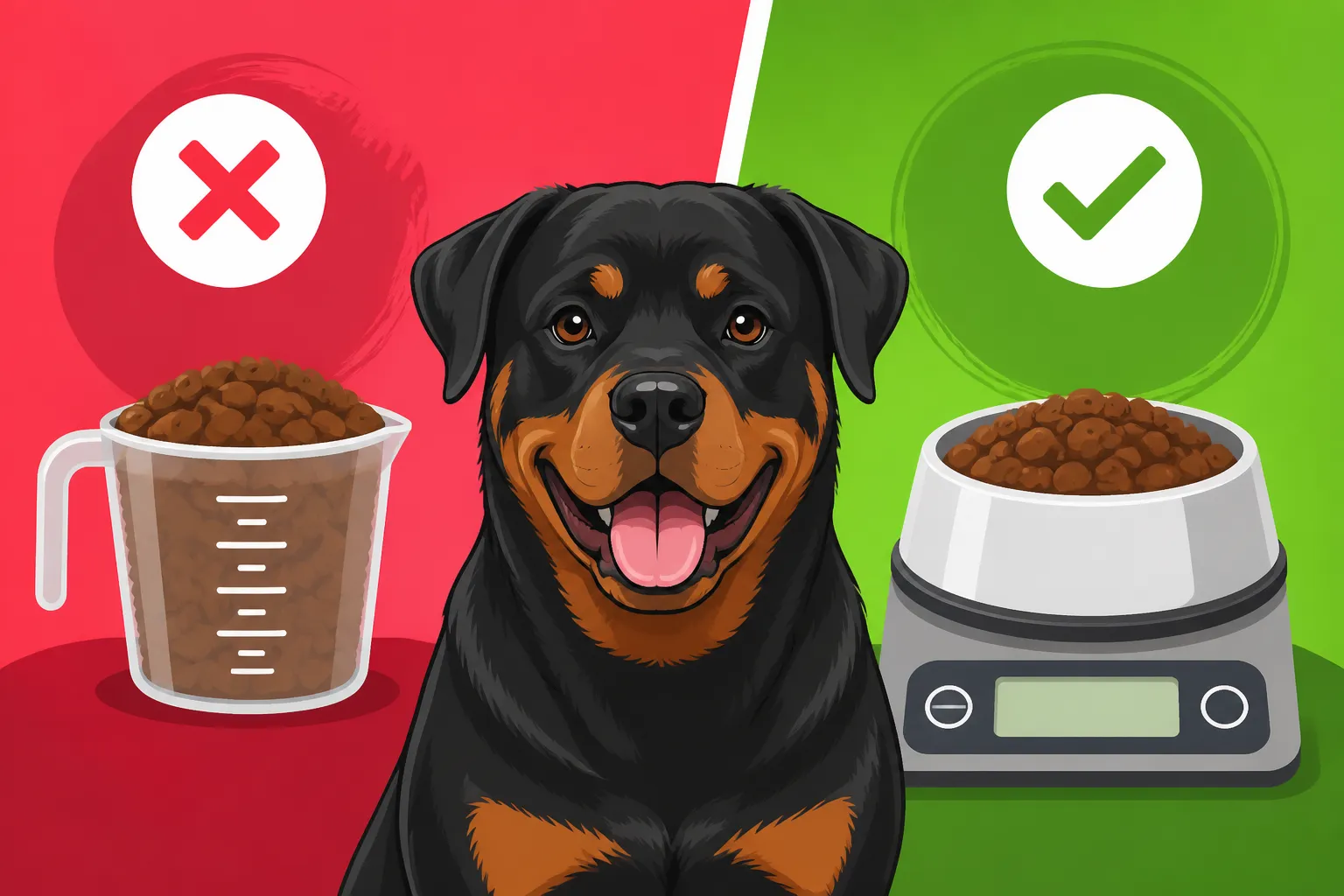
Imagine knowing, down to the gram, exactly how much food your Rottweiler is consuming every single day. That's the power of a digital kitchen scale. These scales are designed for accuracy and consistency. Once you've identified the target weight for your dog's daily ration, you simply place their food bowl on the scale, zero it out, and pour in the kibble until you hit your number. Every single meal, every single day, your Rottweiler gets the exact same amount of food. There's no more variation from a loose scoop versus a tightly packed scoop, or from one kibble size to another.
This level of precision is particularly valuable for Rottweilers, a breed prone to joint issues and weight gain if not managed carefully. When your vet recommends a specific diet for weight loss, or when you're carefully monitoring a growing puppy's intake, a digital scale ensures you're following those instructions to the letter. It eliminates the "human error" factor inherent in scooping, replacing it with objective, measurable data. Plus, many pet food manufacturers, recognizing this issue, are increasingly providing feeding guidelines in grams or ounces, making the transition even smoother.
Getting Started: What You'll Need
The good news is that getting set up for accurate feeding is incredibly simple and doesn't require a huge investment. You likely already have one of the items, and the others are readily available.
First and foremost, you'll need a digital kitchen scale. These are common household items and come in a wide range of prices and features. You don't need anything fancy for pet food; a basic model that measures in grams and ounces and has a capacity of at least a few pounds will suffice. Many reliable options can be found on online retailers like Amazon, or even at your local department store. When choosing, look for one with a clear, easy-to-read display and a "tare" function, which allows you to zero out the weight of the bowl.
Next, you'll need your Rottweiler's food. Make sure you have the specific brand and formula you intend to feed, as feeding guidelines will vary. Keep the bag handy, as you'll be referring to the nutrition panel and feeding chart.
Finally, a calculator can be helpful, especially when you're first figuring out the exact daily amount and if you plan to split meals (which is highly recommended for Rottweilers to help prevent Recognizing Bloat in a Rottweiler). Most smartphones have one built-in, so you're probably all set there.
Once you have these items, you're ready to transition to a truly precise and beneficial feeding routine for your big dog.
Step-by-Step Guide to Weighing Your Rottweiler's Food
Making the switch to weighing your Rottweiler's food is a straightforward process once you understand the few key steps. It's about empowering yourself with accurate information and translating that into consistent meals for your dog. Forget the arbitrary scoops; we're going for scientific precision here.
Finding the Right Gram or Ounce Target
The first and most crucial step is to understand what your specific food manufacturer recommends for your dog's ideal weight and age, in grams or ounces. Don't look at the "cups" column! Turn to the feeding guide on your dog food bag. You'll typically find a chart that lists dog weight ranges and corresponding daily feeding amounts. Some brands will list both cups and grams, others might only list grams, or you may need to do a quick conversion.
For instance, if your adult Rottweiler weighs 100 pounds, find that weight range on the chart. It might say something like "For dogs 90-110 lbs, feed 400-450 grams per day." That's your target! If it only lists cups, you'll need to look for a line that indicates the weight of one cup of their specific kibble (e.g., "1 cup = 120 grams"). Then, multiply the recommended cups by that gram weight to get your daily gram target. If your bag truly doesn't give a weight conversion for a cup, a quick search on the brand's website or a call to their customer service line will usually yield the precise information you need. Remember, these are starting points, and you might need to adjust based on your Rottweiler's body condition and activity level, but having a precise starting number is key. When you're Reading a Large Breed Puppy Food Label, pay extra close attention to these figures, as proper growth is paramount.
The Daily Routine of Accurate Feeding
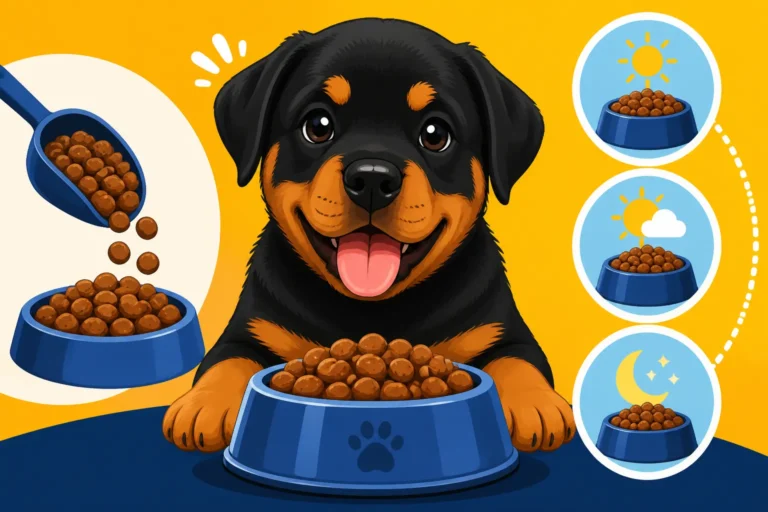
Once you have your daily target weight in grams (or ounces), implementing it into your routine is simple. Let's say your Rottweiler needs 420 grams of food per day, and you're splitting it into two meals (highly recommended to reduce the risk of bloat). That's 210 grams per meal.
Here's the routine:
- Place the empty food bowl on the digital scale.
- Press the "tare" or "zero" button. This tells the scale to ignore the weight of the bowl, so you're only measuring the food.
- Slowly pour kibble into the bowl. Watch the display as the numbers climb.
- Stop when you reach your target weight (e.g., 210 grams). If you overshoot slightly, just scoop a few pieces out until you hit the mark. It's truly that precise!
You'll repeat this process for each meal. This might seem like a bit more effort than a quick scoop initially, but you'll quickly get the hang of it. Many Rottweiler owners find that after a week or two, they can eyeball the amount fairly closely before placing it on the scale for a final check, making the process even faster. This consistent approach ensures that whether it's breakfast or dinner, your Rottweiler is getting the exact, intended amount of nutrition, every single time. Splitting a Rottweiler's Ration Across the Day isn't just about weight, it's about better digestion and safety.
The Health Benefits of Precise Portioning
It might feel like a minor adjustment, but consistently measuring your Rottweiler's food by weight rather than by eye or a generic scoop offers significant, long-term health advantages. For a breed so predisposed to certain conditions, this level of attention to detail in their nutrition can truly be a game-changer, helping them live a healthier, more comfortable life.
Preventing Obesity and Joint Strain
One of the most immediate and profound benefits of accurate food measurement is in preventing and managing obesity. It’s alarmingly easy for a large breed like a Rottweiler to pack on extra pounds when fed inconsistently. Those extra calories from an unknowingly heavy "cup" each day add up rapidly. Obesity in a Rottweiler isn't just about aesthetics; it's a serious health hazard. It dramatically increases the strain on their joints, which are already prone to conditions like hip and elbow dysplasia. Imagine carrying an extra 10-20 pounds all day, every day – that's the equivalent stress on your dog's skeletal system.
By precisely weighing food, you eliminate the guesswork and can accurately control your Rottweiler's calorie intake. This allows you to maintain them at their ideal body weight, which in turn reduces the risk or severity of joint pain, arthritis, and other mobility issues. You’re also preventing other obesity-related problems such as heart disease, diabetes, and even a decreased lifespan. When you consider Rottweiler Obesity and the Load It Adds to their framework, especially their hips and elbows, the importance of accurate feeding becomes undeniably clear. It's a proactive step that pays dividends in their comfort and longevity.
Supporting Optimal Growth in Puppies
For Rottweiler puppies, accurate nutrition isn't just beneficial; it's critical. Rottweilers are large, fast-growing dogs whose skeletal systems are developing rapidly during their first 18-24 months. Overfeeding a puppy, even with high-quality large-breed puppy food, can lead to excessively rapid growth, which puts immense stress on their still-forming bones and joints. This accelerated growth is a major contributing factor to developmental orthopedic diseases.
When you weigh your puppy's food, you ensure they receive a consistent, appropriate calorie load for their current age and projected adult size, as recommended by the food manufacturer and your veterinarian. This promotes a slower, more controlled growth rate, allowing their bones and joints to mature properly and reducing the risk of conditions like osteochondritis dissecans (OCD) and exacerbating genetic predispositions to hip and elbow dysplasia. It’s about Keeping a Rottweiler Puppy Lean on Purpose to give them the best possible start in life, setting the foundation for a strong, healthy adult. Skipping this step can lead to irreversible damage, underscoring why precision is paramount during these formative months.
Managing Specific Health Conditions
Beyond general wellness and growth, precise food measurement becomes absolutely indispensable when your Rottweiler is dealing with specific health conditions. For dogs with diabetes, accurate calorie and carbohydrate control is essential for managing blood sugar levels. A slight over-measurement could throw off their insulin dosage and lead to dangerous fluctuations. Similarly, for Rottweilers on a weight-loss program, every calorie counts. When you're trying to achieve something like Taking a Rottweiler From 140 Back to 120 pounds, you need to know exactly how much food is going into their bowl.
For dogs with food allergies or sensitivities, where a specific limited ingredient or novel protein diet is being used, consistent portions help monitor reactions and ensure they are getting the intended therapeutic dose. Even for dogs with kidney disease, where phosphorus and protein intake are tightly regulated, weighing food allows for the precise dietary management critical to their care. Your vet might give you a specific daily calorie count, and without a scale, hitting that target consistently is simply guesswork. A digital scale transforms a challenging dietary management task into a manageable and effective part of their treatment plan, directly contributing to their quality of life.
Common Pitfalls and Troubleshooting
Making the switch to weighing your Rottweiler's food is a smart move, but like any change, there can be a few bumps along the road or questions that arise. Understanding these common pitfalls and knowing how to troubleshoot them will ensure a smooth transition and consistent, healthy feeding for your beloved Rottie. It’s about anticipating challenges so you can address them head-on.
Misinterpreting Feeding Guides
One of the trickiest parts of feeding any dog, especially a large breed, is deciphering the feeding guide on the back of the kibble bag. Many owners assume the listed amounts are definitive, but they are almost always just a starting point. Factors like your Rottweiler's age, activity level, metabolism, and whether they are spayed or neutered will significantly influence their actual caloric needs. A 90-pound intact male Rottweiler working as a farm dog might need significantly more food than a 90-pound spayed female Rottweiler who spends most of her day napping on the couch.
The pitfall here is sticking rigidly to the bag's recommendation without observing your dog's body condition. After a few weeks of weighing, you might notice your Rottweiler is gaining too much weight, or perhaps looking a bit too thin. This is where observation and adjustment come in. Use a body condition score chart (easily found online or provided by your vet) to assess your dog. Can you easily feel their ribs without seeing them? Do they have a noticeable waist when viewed from above? Adjust your gram target up or down by 5-10% at a time, and monitor for a week or two before making further changes. Your vet is also an invaluable resource here for personalized guidance, especially for puppies or dogs with medical conditions.
The Cost vs. Health Debate
Some owners might initially balk at the idea of buying a kitchen scale just for dog food, viewing it as an unnecessary expense or an over-the-top measure. This perspective often underestimates the long-term financial and emotional costs associated with poor nutrition and the resulting health issues. Think about the potential vet bills for treating conditions aggravated by obesity, such as severe arthritis, cruciate ligament tears, or even diabetes. These can run into the hundreds or even thousands of dollars.
A digital kitchen scale, by contrast, is a relatively small, one-time investment. Many basic models are quite affordable. You can find perfectly functional scales on Chewy or Amazon for the price of a couple of bags of treats. When you weigh that against the potential for prolonged health, reduced suffering, and lower veterinary expenses over your Rottweiler's lifetime, the decision becomes incredibly clear. It's not an extravagance; it's a preventative health measure, similar to regular vet check-ups or good quality food itself. It’s about making a small, upfront investment in your Rottweiler's well-being that can save you a lot of heartache and money down the line.
Here’s a quick look at why weight is always more reliable than volume:
| Measurement Method | Consistency | Accuracy | Ease of Adjustment | Impact on Health |
|---|---|---|---|---|
| By Volume (Cups) | Low | Low | Difficult | High variability, risk of under/overfeeding, joint strain |
| By Weight (Grams) | High | High | Easy & Precise | Optimal nutrient intake, weight management, joint protection |
Disclaimer
This article is for general informational purposes only and does not constitute professional advice. Laws, prices and regulations vary by location and change over time. Consult a qualified professional for guidance on your specific situation.