Rottweiler Undercoat Shedding Twice a Year
If you’ve ever owned a Rottweiler, you know the surprise that hits you the first time they decide to "blow their coat." Despite their short, seemingly low-maintenance fur, these magnificent dogs can produce an astonishing amount of hair, especially twice a year when their undercoat decides it's time to move out. It’s a messy, frustrating, and often bewildering experience for many owners who might not expect such shedding from a short-haired breed. This guide is here to walk you through understanding why your Rottweiler sheds so much, how to manage the seasonal onslaught, and when that shedding might signal something more serious.
Understanding the Rottweiler Coat
It’s easy to look at a Rottweiler and think, "Short hair, no big deal." Many first-time owners are completely blindsided by the sheer volume of fur that can come off these dogs, especially when the weather changes. The truth is, their coat is a lot more complex than it appears on the surface, and it’s perfectly designed for its original purpose as a working dog in varying climates.
The Double Coat Mystery
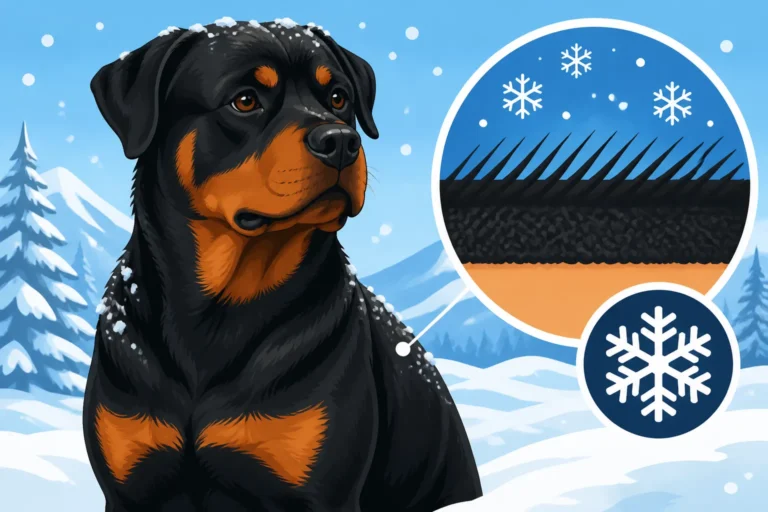
Your Rottweiler isn't just sporting a single layer of fur; they possess what’s known as a "double coat." This is common in many working and cold-weather breeds, and it's essentially nature's way of giving them a built-in climate control system. Think of it like a very effective, all-weather jacket. This double coat serves to insulate them from both cold and heat, protect their skin, and repel water and dirt. It’s incredibly functional, but it also means there’s twice as much hair to manage.
Many folks don't realize their Rottie has this hidden layer because the outer coat is so sleek and short. You might only truly notice it when you start grooming them with a specialized tool or, more dramatically, when you find clumps of soft, downy hair floating across your living room floor. It's a testament to the breed's origins, where they needed to be robust and adaptable, whether herding cattle in the hot sun or guarding livestock in colder conditions. This double layer is a crucial part of what made them such effective "Metzgerhunds," or butcher's dogs, in their native Germany.
The Guard Hairs and the Undercoat
To truly grasp the shedding process, it helps to distinguish between the two distinct layers of a Rottweiler's coat. First, you have the "guard hairs." These are the short, coarse, and often shiny hairs you see on the surface. They’re tough, providing protection from the elements like rain, sun, and minor abrasions. These hairs give the Rottweiler its distinctive black and rust coloring and its sleek appearance. While guard hairs do shed year-round, it's usually a much more manageable trickle.
Beneath these sturdy guard hairs lies the "undercoat," which is typically much softer, denser, and sometimes a lighter, duller black or even a grayish color. This is the insulating layer, trapping air close to the body to regulate temperature. It’s this undercoat that is primarily responsible for the infamous "coat blow." When the seasons shift dramatically, your Rottie will shed this entire insulating layer, making way for a thinner coat in summer or a thicker one for winter. This is where the surprise comes in for many owners – you might grab a handful of what looks like fine, soft black fuzz, completely unlike the coarser outer hair, and realize just how much is truly there.
The Twice-Yearly Coat Blow
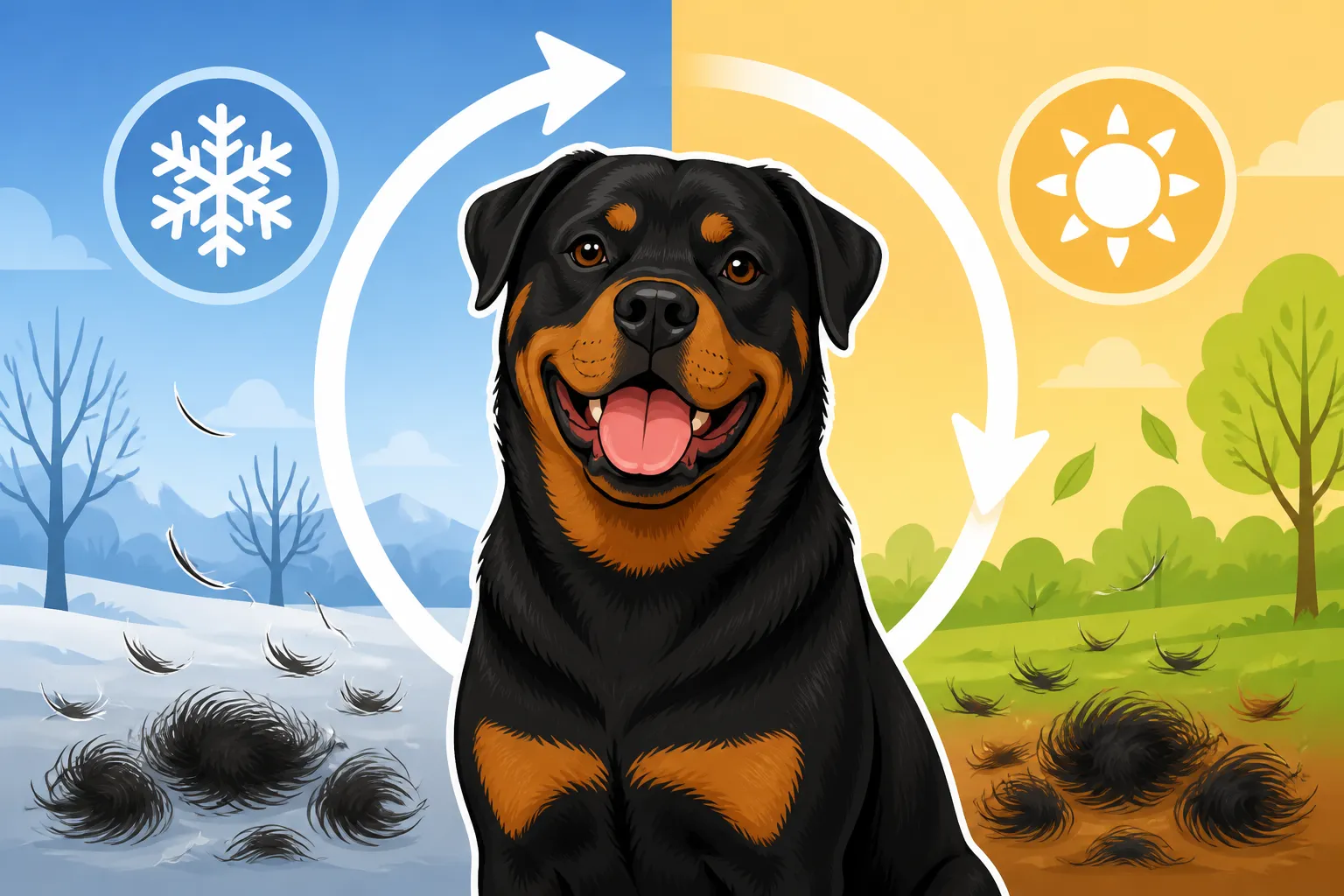
The term "coat blow" perfectly describes the dramatic shedding event that Rottweiler owners experience twice a year. It's not just a little extra hair; it's a full-scale evacuation of their undercoat, and it can feel like your house is suddenly covered in a thick blanket of Rottweiler fuzz. If you're wondering why your dog looks like they're snowing indoors, you're not alone. This is a completely natural process, but one that requires some proactive management.
When the Seasons Dictate the Shed
The most intense shedding periods for a Rottweiler typically occur in the spring and fall. In the spring, as the days lengthen and temperatures rise, your dog will shed their thick winter undercoat to prepare for the warmer months ahead. This is often the most noticeable and abundant shed, as they’re ditching a lot of insulation. You might find yourself brushing out endless amounts of soft, woolly fur, and it can seem never-ending.
Then, in the fall, as daylight hours shorten and the air begins to cool, they’ll shed their lighter summer coat to make room for a new, denser winter undercoat. While still substantial, the fall shed might not feel quite as overwhelming as the spring "explosion." The timing isn't always exact and can vary a bit depending on your local climate and even your individual dog's genetics and living conditions. An indoor dog might shed more consistently year-round, but still have these two peaks. It's truly a primal response to the changing environment, ensuring they are well-equipped for whatever weather comes their way.
What Triggers the Heavy Shed
Several factors work together to signal to your Rottweiler's body that it’s time for a coat change. The most significant triggers are changes in daylight hours, also known as photoperiod, and temperature fluctuations. As the amount of natural light changes throughout the year, it influences hormone production in your dog, specifically those related to hair growth and shedding cycles. This is why even a Rottweiler living primarily indoors, largely shielded from extreme temperature swings, will still experience seasonal shedding.
Beyond light and temperature, an individual dog's hormones, overall health, and diet also play a role. A healthy, well-fed Rottweiler with a balanced diet will generally have a healthier coat and a more predictable shedding cycle than one with underlying health issues or nutritional deficiencies. Stress can also sometimes impact shedding, though usually not as dramatically as the seasonal blow. Understanding these triggers helps us appreciate that it's a deeply ingrained biological process, not just a random inconvenience. You can't stop it, but you can certainly prepare for it.
Managing the Shedding Onslaught
When your Rottweiler begins to "blow" their coat, it can feel like you're fighting a losing battle against a furry avalanche. However, with the right tools and a consistent approach, you can significantly reduce the amount of hair that ends up on your furniture, clothes, and practically everywhere else. It's all about proactive grooming and creating a management strategy that works for you and your big companion.
Essential Grooming Tools for a Rottweiler
Having the right tools is half the battle when it comes to managing Rottweiler shedding. Forget about those flimsy brushes; you'll need something robust designed for a double coat.
- Undercoat Rake: This is your absolute best friend during shedding season. An undercoat rake has long, widely spaced teeth designed to penetrate through the guard hairs and gently pull out the loose, dead undercoat without damaging the topcoat or irritating the skin. Brands like Furminator or even generic versions available on Amazon or Chewy offer excellent options. You'll be amazed at the amount of hair these tools can remove. Using it regularly, especially during the peak shedding weeks, will drastically reduce the amount of loose hair floating around your home.
- Slicker Brush: While not as crucial for undercoat removal, a slicker brush with fine, short wires can be useful for smoothing the topcoat and removing any remaining loose hairs after using a rake. It also helps to distribute natural oils, keeping the coat healthy and shiny.
- Rubber Curry Brush (Glove Brush): These soft, rubber brushes are excellent for massaging the skin, stimulating circulation, and gently removing loose hair, especially from sensitive areas or for dogs who aren't keen on harsher brushes. They're also fantastic for use during baths to help work shampoo through the coat and loosen dead hair.
- Heavy-Duty Vacuum: Okay, it's not a grooming tool for the dog, but it's essential for the house! A vacuum designed for pet hair, with strong suction and specialized attachments, will be invaluable. You'll be using it a lot.
Regular brushing, even outside of the heavy shedding seasons, helps to keep the coat healthy, prevents mats (though less common in Rottweilers due to their short coat, loose undercoat can still clump), and reduces the overall shedding load. Aim for at least a few times a week, and daily during the coat blow. For more specific advice on grooming year-round, you might find our guide on Grooming a Rottweiler That Sheds More Than It Looks helpful.
Bathing Strategies to Loosen the Coat
A well-timed bath can be an incredibly effective tool in your shedding management arsenal. The warm water and shampoo can help to loosen dead hair from the undercoat, making it easier to brush out.
During a heavy shedding period, consider giving your Rottweiler a bath to expedite the process. Use a deshedding shampoo, which is often formulated with ingredients that help release dead hair and condition the remaining coat. As you shampoo, really work the suds down to the skin, using your rubber curry brush or even just your fingers to gently massage and loosen the fur. Rinse thoroughly to ensure no residue is left behind, which can irritate the skin.
The real magic happens after the bath. Once your Rottweiler is towel-dried, or even better, blast-dried with a high-velocity pet dryer if you have one, immediately follow up with your undercoat rake. The drying process helps to lift and separate the hairs, making them much easier to remove. You'll likely pull off an astonishing amount of fur, which is far better to remove in the tub and with a brush than to find scattered throughout your home. Just remember not to over-bathe your Rottweiler, as excessive washing can strip natural oils and dry out their skin. Aim for once a month, or specifically during the shedding peaks, unless your dog gets particularly dirty. Our article on Bathing a Rottweiler Without Stripping the Coat Oil offers more insights into maintaining coat health.
Containing the Hair in Your Home
Even with diligent grooming, Rottweiler hair will find its way into every nook and cr cranny of your home. It’s simply a fact of living with a double-coated breed. But there are certainly strategies you can employ to minimize its impact and keep your living space from looking like a fur factory.
Firstly, consistent vacuuming is non-negotiable. During peak shedding, daily vacuuming might be necessary, especially in high-traffic areas and where your Rottweiler likes to sleep. Invest in a good quality vacuum cleaner that's specifically designed to handle pet hair. Many modern robotic vacuums can also be scheduled for daily runs, which is a lifesaver for continuous hair control. For a deeper dive into household management, check out Rottweiler Hair Everywhere and How to Manage It.
Secondly, consider your furniture. Slipcovers or washable blankets for couches and chairs where your Rottweiler is allowed can make cleanup infinitely easier. You can simply remove and wash them when they become too hairy. For non-covered furniture, lint rollers are your best friend. Keep them strategically placed around the house – near the front door, next to the couch, in your car – for quick touch-ups before you head out. A damp rubber glove can also be surprisingly effective at gathering hair from upholstery and carpets; simply wipe it across the surface and watch the hair clump up. Using an air purifier can also help reduce airborne dander and loose hairs, improving air quality in your home.
| Grooming Tool | Primary Function | Best Use Scenario | Frequency During Shed | Frequency Off-Shed |
|---|---|---|---|---|
| Undercoat Rake | Removes loose undercoat | Heavy shedding, before/after bath | Daily | 1-2 times/week |
| Slicker Brush | Smooths topcoat, removes surface hair | After undercoat rake, for shine | 3-4 times/week | 2 times/week |
| Rubber Curry Brush | Massages skin, gentle hair removal, bathing | Sensitive areas, during baths, for circulation | 3-4 times/week | 1-2 times/week |
| Deshedding Tool | Reaches deep into undercoat | Intense seasonal shedding periods | 2-3 times/week | Every few weeks |
| Vacuum Cleaner | Removes hair from home environment | All surfaces, especially high-traffic areas | Daily | Every other day |
| Lint Roller/Glove | Quick hair removal from clothes/furniture | Before leaving house, spot cleaning | Daily | As needed |
Beyond the Normal Shed: When to Worry
While seasonal undercoat shedding is completely normal for a Rottweiler, there are times when hair loss can signal an underlying health issue. It’s important for owners to distinguish between a healthy "coat blow" and something that warrants a trip to the vet. If you notice patches of hair loss, skin irritation, or a dull, unhealthy coat outside of the normal shedding cycles, it’s definitely time to pay closer attention.
Common Medical Reasons for Hair Loss
Many medical conditions can manifest as excessive or abnormal hair loss in Rottweilers. One of the most common culprits is allergies. Rottweilers can suffer from environmental allergies (like pollen or dust mites), food allergies, or flea allergies. When an allergic reaction occurs, dogs often scratch, lick, or chew at their skin excessively, leading to hair loss, redness, and secondary skin infections. If you see your Rottie constantly scratching, especially when there isn't obvious shedding, it might be an allergic response. Our article on Rottweiler Skin Allergies and Summer Hot Spots offers more details on these issues.
Another significant concern is hormonal imbalances, particularly hypothyroidism. A sluggish thyroid gland can lead to a dull, brittle coat, thinning hair, and sometimes symmetrical hair loss, often without much itching. Other signs might include weight gain, lethargy, or increased sensitivity to cold. If your Rottweiler’s coat seems off, and they're showing other subtle changes, it's worth discussing with your veterinarian. A simple blood test can often diagnose thyroid issues. You can learn more in Thyroid Disease Behind a Rottweiler's Dull Coat. Parasites, such as fleas, mites (like demodex or sarcoptes), and even ringworm (a fungal infection, not a worm), can also cause localized hair loss, itching, and skin irritation. These issues often require specific veterinary treatment to resolve.
Nutritional Deficiencies and Coat Health
Just like with people, a Rottweiler's diet plays a crucial role in the health and appearance of their coat and skin. A poor quality diet or one lacking essential nutrients can lead to a dull, dry, brittle coat, and even excessive shedding or slow hair regrowth. Your dog's skin and coat are the largest organ system, and they require a significant amount of nutrients to stay healthy.
Protein is absolutely vital; hair is primarily made of protein, so a diet with sufficient high-quality protein sources is essential for strong, healthy hair follicles. Omega-3 and Omega-6 fatty acids are also critical for skin barrier function and coat luster. These "good fats" help keep the skin hydrated and reduce inflammation, which can otherwise lead to dry, flaky skin and a brittle coat that sheds more easily. You'll often see fish oil supplements recommended for coat health, and for good reason! Many premium dog foods, including those from brands like Ollie, are formulated with these key nutrients to support overall health, including skin and coat.
If your Rottweiler is on a balanced, high-quality dog food, they should theoretically be getting all the nutrients they need. However, individual dogs can have different requirements, or an underlying condition might prevent proper nutrient absorption. If you've addressed medical causes and are still concerned about your Rottie's coat, discussing their diet with your vet or a veterinary nutritionist is a wise next step. They might recommend specific supplements like fish oil, dosed appropriately for a large breed like a Rottweiler, as explored in Fish Oil Dosed for a Hundred Pound Rottweiler. Ensuring your dog is Feeding an Adult Rottweiler at a Hundred Twenty Pounds with appropriate calories and nutrition is fundamental for their entire well-being.
Long-Term Coat Health and Maintenance
Managing the twice-yearly "coat blow" is one thing, but cultivating a healthy, robust coat year-round for your Rottweiler is a marathon, not a sprint. It involves a combination of consistent care, smart nutrition, and a general awareness of their well-being. A truly healthy coat reflects a healthy dog on the inside, and by focusing on these long-term strategies, you can minimize shedding and maximize your Rottweiler's comfort and appearance.
Diet and Supplements for a Healthy Coat
The foundation of a healthy coat starts in the food bowl. As we discussed, high-quality protein and essential fatty acids are non-negotiable. Look for dog foods where a named meat source (e.g., chicken, beef, lamb) is among the first ingredients. Avoid generic "meat meal" or foods with excessive fillers. Brands known for quality ingredients, readily available at retailers like Chewy, often prioritize these nutritional aspects. Ensuring your Rottweiler gets the right amount of food for their size and activity level, as detailed in Daily Calories for a Hundred Twenty Pound Rottweiler, is also crucial, as both overfeeding and underfeeding can impact coat quality.
Beyond the core diet, supplements can play a supportive role, especially for dogs prone to dry skin or dull coats. Omega-3 fatty acids, typically derived from fish oil, are the most common and beneficial supplement for skin and coat health. They help reduce inflammation, promote a strong skin barrier, and contribute to a shiny, soft coat. Always consult your veterinarian before adding any supplements to your Rottweiler’s diet, as correct dosing is crucial, especially for a large breed. They can guide you on the best type and amount to use based on your dog's specific needs.
Regular Grooming Habits Year-Round
While the undercoat rake becomes a star player during shedding season, consistent, year-round grooming is key to minimizing the impact of shedding and keeping your Rottweiler’s coat in top condition. Even when they're not actively "blowing" their coat, regular brushing helps to remove loose hairs, dirt, and dander, preventing buildup and promoting good skin health. Aim for at least 2-3 brushing sessions per week, even if they're quick 10-15 minute sessions. This also serves as a bonding opportunity and allows you to routinely check your dog's skin for any lumps, bumps, or irritations that might otherwise go unnoticed.
Beyond brushing, don't forget the occasional bath, nail trims, and ear cleaning. While Rottweilers don't need frequent baths, a bath every 4-6 weeks or as needed can help keep their coat clean and healthy. Use a good quality dog shampoo that won't strip their natural oils. Regular nail trims are important for their comfort and joint health, and checking and cleaning their ears helps prevent infections, especially under those heavy drop ears. By establishing a consistent grooming routine, you'll not only manage shedding more effectively but also ensure your Rottweiler looks and feels their absolute best, reflecting the pride you take in their care.
Disclaimer
This article is for general informational purposes only and does not constitute professional advice. Laws, prices and regulations vary by location and change over time. Consult a qualified professional for guidance on your specific situation.