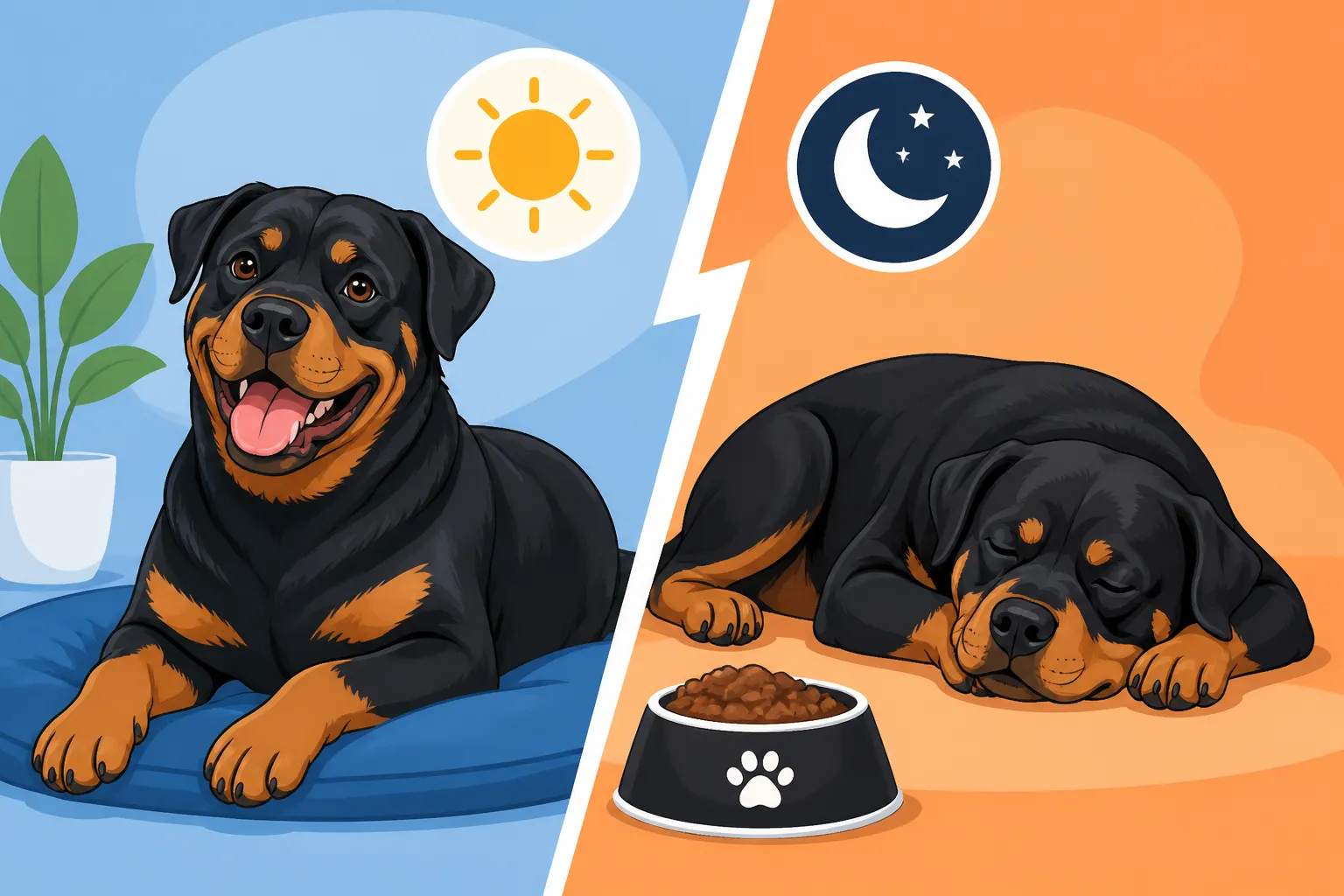
Rest Before and After a Rottweiler Meal
One of the most concerning health issues for Rottweiler owners is bloat, a terrifying condition that can strike suddenly and prove fatal if not addressed immediately. Many people understand that feeding a large, deep-chested dog requires careful consideration, but the crucial role of rest before and after meals often gets overlooked. This guide will dive deep into why ensuring a calm environment and restricted activity around meal times is non-negotiable for your Rottweiler's well-being, helping you safeguard your beloved companion.
Understanding the "Why" Behind Mealtime Rest for Your Rottweiler
It's not just about what you feed your Rottweiler; it's also about how and when they eat, and perhaps most importantly, what they do around that meal. For these magnificent dogs, mealtime isn't just a casual event; it's a critical period that, if mishandled, can lead to life-threatening emergencies. The need for rest before and after eating stems directly from their unique anatomy and a particular vulnerability to a devastating condition.
The Threat of Bloat and Gastric Dilatation-Volvulus GDV
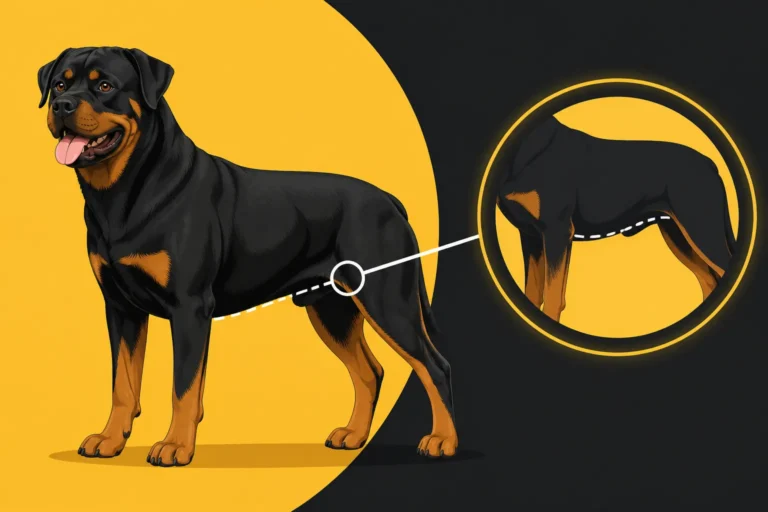
Let's not mince words: bloat, or Gastric Dilatation-Volvulus (GDV), is a Rottweiler owner's worst nightmare. It’s a condition where the stomach fills with gas, food, or fluid (dilatation) and then twists upon itself (volvulus), cutting off blood supply to the stomach and often the spleen. The pressure builds, affecting blood flow to other organs and potentially causing rapid, irreversible shock. Rottweilers, being large, deep-chested breeds, are unfortunately at a significantly higher risk for GDV than many other dogs. Their chest cavity provides ample space for the stomach to distend and twist, making them prime candidates for this emergency.
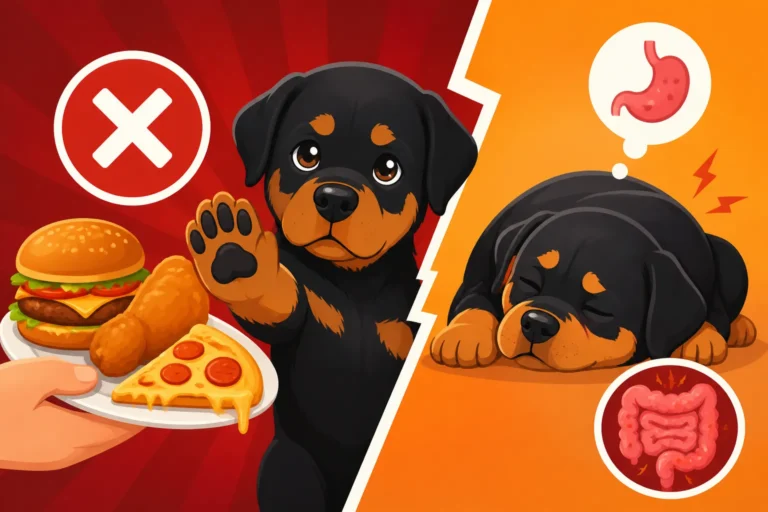
Imagine your Rottweiler, after a vigorous play session, wolfing down a meal. The stomach is already somewhat agitated from the physical activity. Now it's full of food and potentially air gulped down with that food. If your dog then jumps, rolls, or runs around immediately after eating, that full, heavy stomach can swing and twist, much like a pendulum, leading to GDV. It's a terrifying thought, and the speed at which it can progress is truly frightening. Many owners describe discovering their dog suddenly in distress, pacing, retching without producing anything, and exhibiting a distended abdomen. This is why understanding Bloat in a Rottweiler and the Hours That Matter is so crucial. Every moment counts, and prevention through careful mealtime management is your first line of defense. It's not just a minor upset stomach; it's a race against time.
Digestion Mechanics in a Large, Deep-Chested Breed
Understanding the mechanics of digestion in a Rottweiler helps underscore the importance of mealtime rest. Their deep chest means their stomach hangs lower and has more room to move than in a more compact breed. When a Rottweiler eats, especially a larger meal, their stomach expands significantly. This expansion is normal for digestion. However, if this expanded stomach is subjected to sudden movements, jolts, or rotations, it dramatically increases the risk of it twisting on its axis.
Think of it like this: if you fill a balloon with water and swing it around vigorously, it's more likely to twist or even burst than if you gently carry it. The same principle, albeit more complex, applies to your Rottweiler's stomach. When they're calm, gravity and natural physiological processes help the food move through the digestive tract properly. But introduce high-impact activity—like running, jumping off furniture, or intense wrestling with another dog—and you're essentially providing the rotational force needed for that heavy, full stomach to potentially flip. This isn't just about avoiding a little indigestion; it’s about respecting their physiological vulnerability. A calm digestive environment allows food to process efficiently and safely, reducing unnecessary agitation within the abdominal cavity that could lead to catastrophe.
The Critical Window: How Long to Rest Before a Meal
Preparing your Rottweiler for a meal isn't just about portioning out their kibble. It's also about preparing their body and mind. Just as you wouldn't want to eat a big meal right after a sprint, your Rottweiler needs a period of calm to ensure their digestive system is ready and their risk of complications is minimized. This "pre-meal wind-down" is a crucial, yet often overlooked, part of a safe feeding routine.
Calming Down Before the Bowl
Imagine coming home after a long day, your Rottweiler greeting you with the usual boisterous enthusiasm—tail wagging like a drum, body wiggles, maybe a playful bark or two. It's easy to just head straight to the food bowl in that moment of excitement, especially if they're acting "starved." However, feeding a highly excited dog is actually inviting trouble. When a dog is overly stimulated, they tend to eat faster, gulping down air along with their food. This excess air in the stomach is a major contributing factor to bloat.
Instead, aim for a calm transition. When you come home or it's approaching mealtime, initiate a period of quiet activity. This might mean a short, leisurely walk around the block, a brief training session focused on basic obedience cues like "sit" and "stay," or simply having them settle in their designated spot while you prepare their food. The goal is to bring their heart rate down and their excitement level to a manageable hum, not a frenzy. For some Rottweilers, this might take 10-15 minutes; for others, who are naturally more high-strung, it could be closer to 30 minutes. It's about letting them know that mealtime is a peaceful, predictable event, not a race to the finish line. This proactive calming helps manage their excitement and promotes a slower, more deliberate eating pace. This can be especially important for growing pups, so understanding Rottweiler Puppy Training Through the First Year can help establish these routines early.
Managing Exercise and Excitement Leading Up to Feeding
The "no vigorous exercise" rule before a meal is a cornerstone of bloat prevention. What exactly constitutes "vigorous"? Think anything that gets your Rottweiler panting heavily, running at top speed, jumping high, or engaging in intense, prolonged play. This includes fetch sessions with rapid stops and starts, running alongside a bicycle, or wrestling with a canine buddy for an extended period. The kind of exercise that really gets their heart pumping and their body moving quickly.
It's often recommended to avoid any vigorous exercise for at least 30 minutes to an hour before a meal. Why this window? Because it allows their internal systems to return to a baseline state. Their breathing normalizes, their heart rate slows, and their digestive tract isn't trying to juggle the demands of intense physical activity with the upcoming task of digesting food. Picture taking your Rottweiler to the dog park for a spirited romp, then rushing home and immediately putting down their dinner. That's a recipe for increased risk. Instead, schedule intense exercise sessions at times far removed from meals. If an evening walk is your dog's main exercise, make it a brisk but not exhausting one, or feed them a couple of hours before or after their main outing. Being mindful of A Growing Rottweiler's Joints and Overexercise is also important in general, but particularly around meal times to protect both their joints and their stomach. It's a small adjustment to your schedule that can make a monumental difference in preventing a potentially fatal outcome.
The Golden Rule: Rest After Eating
If resting before a meal is important, resting after a meal is absolutely critical. This is the period when your Rottweiler's stomach is at its fullest and heaviest, making it most susceptible to twisting if subjected to sudden movements. Adhering to a strict post-meal rest protocol is one of the most effective preventative measures you can take against GDV.
The Post-Meal Wind-Down Period
So, your Rottweiler has just finished their meal—hopefully, calmly and slowly. Now comes the hard part for some energetic dogs: the wind-down. For at least one hour, and ideally two hours, after your Rottweiler eats, they need to be kept quiet and calm. This means no running, no jumping, no wrestling, no vigorous tug-of-war, and certainly no jumping in and out of the car or up and down stairs. This resting period allows the stomach to begin the digestive process without being jostled or displaced. The food starts to break down, and the stomach contents become less volatile.
Think of it as giving their internal system a chance to settle and do its job undisturbed. If your Rottweiler is prone to post-meal bursts of energy, this is where management comes in. You might need to leash them for a short, calm potty break, and then return them to a quiet space, perhaps their crate or a comfortable dog bed in a low-traffic area of the house. Providing a puzzle toy or a long-lasting chew (once digestion has safely begun, not immediately after a big meal) might seem like an option, but even that can be too stimulating or involve too much body movement. The safest bet is truly rest. This intentional quiet time, especially for a powerful breed like the Rottweiler, helps mitigate the very real risk of GDV. This is part of the essential Feeding Rules That Lower Rottweiler Bloat Risk.
Activity Levels to Avoid (and What's Okay)
Let's get specific about what to avoid during that critical post-meal period and what activities are generally safe.
Activities to Avoid (Absolute No-Nos):
- Running or Sprinting: Whether it's chasing a ball, tearing around the yard, or running with you, this creates jarring motion.
- Jumping: Jumping on or off furniture, in or out of the car, or even jumping up to greet people. The sudden impact and shift in gravity are dangerous.
- Rough Play/Wrestling: Interactions with other dogs or people that involve body slams, rolling, or quick changes in direction.
- Stairs: Running up or down stairs, especially multiple flights, can create internal jostling.
- Swimming: While a great low-impact exercise normally, the buoyancy and effort involved can be too much right after a meal.
- Agility or Intense Training: Activities that require rapid turns, jumps, or intense focus.
Activities That Are Okay (Low Key and Gentle):
- Calm Potty Break: A short walk on a leash in the yard, just enough to relieve themselves, then back inside.
- Lying Down/Napping: Encouraging them to relax on their bed or in their crate.
- Gentle Petting/Cuddling: Quiet interaction while they are lying down.
- Chewing a Light, Non-Demanding Chew: Only if your dog typically chews very calmly and it doesn't cause them to shift position much. However, for most, it's best to avoid even this during the most critical 30-60 minutes immediately after eating.
The rule of thumb is: if it would make you feel uncomfortable with a full stomach, it's probably too much for your Rottweiler. My own Rottweiler, Brutus, once tried to launch himself off the porch after seeing a squirrel about 15 minutes after dinner. I scooped him up mid-jump, heart pounding, and held him firm until he settled. It was a stark reminder of how quickly they can forget the rules if not carefully managed. It really underscores why managing How Long to Wait After a Rottweiler Meal Before Exercise is so important.
Implementing a Safe Feeding Routine for Your Rottweiler
Consistency and predictability are your best friends when it comes to keeping your Rottweiler healthy and safe, especially around meal times. A well-structured feeding routine minimizes stress, aids digestion, and, most importantly, reduces the risk of serious conditions like bloat. It's about building good habits for both you and your dog.
Creating a Predictable Mealtime Schedule
Rottweilers thrive on routine. They are intelligent dogs who benefit greatly from knowing what to expect and when. Establishing a predictable mealtime schedule isn't just about managing hunger; it's about regulating their digestive system and building a framework for the crucial pre- and post-meal rest periods. Instead of free-feeding or giving one massive meal, splitting your Rottweiler's daily food allowance into two or even three smaller meals is highly recommended. For instance, an early morning meal, a late afternoon meal, and perhaps a very light evening meal if your schedule allows. This helps prevent their stomach from becoming overly distended at any one time, reducing the internal pressure and the risk of twisting.
Feeding at consistent times each day helps their body anticipate and prepare for digestion. This means enzymes and stomach acids are released at appropriate times, leading to more efficient processing of food. For example, if your Rottweiler knows breakfast is always at 7:00 AM and dinner at 5:00 PM, their body adapts to that rhythm. If you're considering Splitting a Rottweiler's Food Into Two Meals, this predictability is key. It also allows you to schedule exercise and rest periods more effectively around those meals. If you have a busy day and can't always be home for a midday meal, consider using an automatic feeder that dispenses a portion at a set time, or simply stick to two well-spaced meals. The important thing is consistency and making sure those rest periods are firmly in place around each feeding.
Environmental Factors and Feeding Accessories
The physical environment where your Rottweiler eats, and the tools you use, also play a significant role in promoting safe digestion. It's not just about when they eat, but how they eat.
- Feeding Location: Choose a quiet, low-traffic area where your Rottweiler won't be disturbed or feel rushed. This means away from busy hallways, screaming kids, or other pets trying to snatch a bite. A calm space promotes slower eating and reduces stress.
- Raised Bowls: This is a hotly debated topic when it comes to bloat prevention. Some older studies suggested raised bowls might increase bloat risk, while other theories (and anecdotal evidence from some owners) argue they aid digestion, especially for large, older dogs with orthopedic issues. The current veterinary consensus tends to lean towards not using raised bowls specifically for bloat prevention, and some even advise against them. However, for individual dogs with severe neck pain or arthritis, a raised bowl might improve their comfort while eating. If you use one, monitor your dog closely. Discuss this with your vet, especially if your Rottweiler has Senior Rottweiler Mobility Decline or joint issues that make bending down painful.
- Slow Feeders: Many Rottweilers are enthusiastic eaters, capable of vacuuming down their meal in under a minute. This rapid ingestion often leads to them gulping a lot of air. Slow feeder bowls, which have ridges or obstacles, force your dog to eat around them, significantly slowing down their pace. You can find a wide variety of these bowls on sites like Chewy or Amazon, designed for large breeds. There are also puzzle feeders that require your dog to work for their kibble, turning mealtime into a mental exercise. This not only prevents gulping but also provides valuable mental enrichment, which is excellent for a clever Rottweiler.
- Water Access: Always ensure fresh water is available, but avoid letting your Rottweiler gulp down massive amounts of water immediately after eating a large meal, or immediately after strenuous exercise. Provide water in moderation during the rest periods, if they are thirsty.
| Activity Type | Before Meal (30-60 min) | After Meal (1-2 hours) | General Description |
|---|---|---|---|
| Vigorous Exercise | Avoid | Avoid | Running, sprinting, intense fetch, rough play, dog park romps. Any activity causing heavy panting or rapid body movements. |
| Moderate Exercise | Limit | Avoid | Brisk walks, light jogging, obedience training requiring movement. |
| Light Activity | Okay, keep calm | Okay, with supervision | Gentle leash walk for potty break, calm stretching, sniffing around the yard quietly. |
| Mental Stimulation | Good for calming | Use cautiously/avoid | Puzzle feeders (before meal), very gentle chew toys (after a period of rest). Avoid anything that encourages movement. |
| Rest/Sleep | Encourage | Essential | Lying down calmly, napping, quiet time in crate or on bed. Promotes optimal digestion and reduces risk. |
| Gulping Water | Avoid immediately | Avoid immediately | Provide access to water but prevent rapid, large consumption after eating or intense activity, as this can add to stomach distension. |
This table provides a quick guide, but remember that every dog is an individual. Observe your Rottweiler and adjust as needed, always prioritizing calm and rest around meals.
Recognizing Warning Signs and Emergency Preparedness
Even with the most diligent preventative measures, accidents can happen, or symptoms can appear. As a responsible Rottweiler owner, it's absolutely vital that you know how to recognize the early warning signs of bloat and other digestive issues. Time is of the essence, and your quick action can literally be the difference between life and death for your dog.
Subtle Indicators That Something Is Wrong
Rottweilers are stoic dogs. They often mask pain and discomfort, which means by the time they show obvious signs of distress, a condition like bloat might already be quite advanced. This is why you need to be tuned into even the most subtle changes in their behavior or physical appearance, especially after a meal. Here are some key indicators to watch for:
- Restlessness and Pacing: Your dog might seem unable to get comfortable, constantly shifting positions, or pacing around the house even if they're usually relaxed after eating.
- Attempting to Vomit (Retching): This is one of the classic signs of bloat. Your dog will repeatedly try to vomit, heaving and gagging, but nothing (or very little, perhaps just foamy saliva) comes up. This happens because the twisted stomach outlet prevents anything from passing. You can learn more about A Rottweiler Retching Without Bringing Anything Up.
- Drooling Excessively: Increased salivation can be a sign of nausea or severe discomfort.
- Distended Abdomen: While not always immediately obvious, their belly might appear swollen or taut, particularly on the left side, just behind the rib cage. Gently pressing on it might feel hard or drum-like.
- Pain/Discomfort: They might moan, whine, or snap if you try to touch their abdomen. They might also stand in a 'praying' position (front end down, rear end up) to relieve pressure.
- Weakness or Collapse: As the condition progresses, they might become weak, unsteady on their feet, or even collapse into a state of shock. Their gums might appear pale, and their breathing might become shallow and rapid.
- Anxious Expression: Their eyes might look wide, worried, and their overall demeanor will be one of profound unease.
These signs can appear quickly, often within minutes to a few hours after eating. Don't wait to see if they get better; with bloat, that waiting period can be fatal. This is why understanding Recognizing Bloat in a Rottweiler is not just good knowledge, it's life-saving.
When to Seek Veterinary Attention Immediately
This section cannot be stressed enough: bloat is a medical emergency. If you observe any of the symptoms mentioned above, especially the retching without producing anything, a distended abdomen, or signs of severe discomfort, you need to act immediately. Do not try home remedies, do not "wait and see," and do not delay.
- Call Your Vet or Emergency Clinic NOW: As soon as you suspect bloat, call your veterinarian or the nearest 24-hour emergency veterinary hospital. Tell them you suspect GDV in your Rottweiler and that you are on your way. This gives them time to prepare for your arrival.
- Transport Safely: Drive carefully but quickly to the clinic. If your dog is in severe pain, be cautious when moving them, as even a gentle touch could elicit a snap.
- Be Prepared for Surgery: Be mentally prepared for the fact that emergency surgery is almost always required to untwist the stomach. This surgery, called gastropexy, often involves tacking the stomach to the abdominal wall to prevent future twisting. It can be costly, so understanding Rottweiler Surgery Costs From Bloat to Bone Cancer is important, but in an emergency, the focus is saving the dog. Some owners opt for a preventive gastropexy during spay/neuter to reduce future risk, especially with the information provided in Gastropexy to Prevent Rottweiler Bloat.
- Time is Muscle (and Life): The longer the stomach remains twisted, the more damage is done to the stomach tissue and other organs, and the lower the chances of survival. Early intervention drastically improves the prognosis.
It's a terrifying experience, but being prepared and knowing exactly what to do can make all the difference for your beloved Rottweiler.
Remember, owning a Rottweiler means taking on the responsibility of understanding their unique health vulnerabilities. While bloat is scary, proactive measures around mealtime, combined with vigilance, are your most powerful tools for keeping your companion healthy and happy for many years. It's about more than just food; it's about a holistic approach to their care.
Disclaimer
This article is for general informational purposes only and does not constitute professional advice. Laws, prices and regulations vary by location and change over time. Consult a qualified professional for guidance on your specific situation.