What Old Photographs Show About Early Rottweilers
It's easy to get caught up in the modern image of the Rottweiler, seeing them predominantly as family companions, show ring stars, or even as guardians in our homes. But sometimes, when we look back at the breed's history, it can be really tough to picture what these dogs actually looked like generations ago, before the meticulously planned breeding programs and widespread photography we have today. This guide dives into the fascinating, albeit sometimes blurry, window that old photographs offer us into the appearance, build, and even the implied demeanor of early Rottweilers, helping us understand how they've evolved over time and what enduring traits remain.
The Scarcity of Early Images and Why They Matter
When we talk about "early" Rottweilers, it’s important to acknowledge that truly ancient depictions, like those you might find of other breeds in medieval art or Roman mosaics, simply don't exist for the Rottweiler as we know them today. The breed's formative years were spent as working dogs, the hardy "Metzgerhund" or butcher's dog, in a specific region of Germany, long before cameras were even invented. This makes the few photographs that do exist from the late 19th and early 20th centuries incredibly valuable – they are literally the first visual records we have of these dogs, offering a tangible link to their past.
The Visual Gaps in Rottweiler History
Imagine trying to trace the look of a working dog from ancient Rome, where their ancestors pulled cattle, through the Middle Ages in Germany. We rely on historical texts, local legends, and educated guesses based on the descriptions of their duties. These dogs were livestock drovers, property guards, and even cart pullers, essential to the economy of places like Rottweil. Their appearance was shaped purely by function and local necessity, not by any written standard or fancy kennel club. Without photography, their exact features remain largely a matter of historical interpretation.
Then, suddenly, at the turn of the 20th century, cameras became more accessible. The images from this era aren't always studio portraits; they're often candid shots of dogs in their working environments, sometimes with their handlers. These rare glimpses help bridge centuries of undocumented history, allowing us to see the physical traits that were once only imagined. For us, as modern owners, understanding this visual gap validates the rarity of truly "old" photos and helps us appreciate the breed's journey from a purely utilitarian animal to one with a meticulously documented standard.
Transitioning from Working Dog to Show Dog
The late 1800s and early 1900s were a pivotal time for the Rottweiler. With the advent of railways, their traditional role as cattle drivers became largely obsolete, pushing the breed to the brink of extinction. It was only through the dedication of a few fanciers that the breed was revived, with the formation of the first Rottweiler clubs. These clubs, particularly The German Clubs That Set the Rottweiler Standard, began to define the breed standard, aiming to preserve the working qualities and physical type that made the Rottweiler so unique.
Photographs from this period are crucial because they capture this transition. You see dogs that still carry the robust, no-frills appearance of their working ancestors, often posed with a serious demeanor befitting their guardian heritage. But you also start to see the early attempts at standardization: dogs being assessed, compared, and documented according to emerging ideals. These images aren't just snapshots; they're historical documents illustrating the breed's fight for survival and its very first steps toward becoming a recognized show and companion animal, paving the way for the type we know today.
Deciphering the Appearance of Early Rottweilers Through Photos
When you pore over the black and white or sepia-toned images of early Rottweilers, a distinct picture begins to emerge, one that sometimes differs subtly, and other times quite noticeably, from the dogs we see today. These photographs are like time capsules, showing us the raw, functional form of the breed before decades of selective breeding under formal standards.
Size, Substance, and Working Condition
One of the most striking aspects revealed in old photographs is the overall "substance" of these early dogs. They were unquestionably sturdy and powerful, built for endurance and strength, not necessarily for extreme bulk or exaggerated features. Many appear lean, but powerfully muscled, reflecting a life of constant physical work. You can almost feel the dense bone and taut muscle under their coats, ready for the rigors of driving livestock or pulling a butcher's cart. Rottweilers Pulling Carts Before the Railways
Compared to some modern Rottweilers, especially those bred for an increasingly heavy, "blocky" aesthetic, many early dogs appear more athletic and less exaggerated in their proportions. They were built for purpose, and that purpose demanded functional efficiency. A dog that was too heavy or cumbersome wouldn't have lasted long on a cattle drive. Their size was substantial, certainly, but it was a working size, honed by generations of active life, not a purely aesthetic one. These images remind us that the Rottweiler was fundamentally a working athlete, and maintaining that balanced, powerful physique is still vital for their long-term health and mobility.
Coat and Markings: Subtle Differences
The classic black and rust coat is an iconic feature of the Rottweiler, and old photographs confirm this was always the dominant pattern. However, the intensity and placement of the rust markings might have shown more variation in earlier dogs. Some photographs suggest the markings weren't always as sharply defined or as rich in color as the ideal described in today's breed standards. You might see a more muted rust, or markings that are slightly more extensive or less precisely placed than what would be desired in a modern show ring.
While the fundamental short, dense, and coarse outer coat with a soft undercoat was likely present, the grooming standards were certainly different. These were working dogs, and their coats were functional, designed to protect them from the elements. You don't see the meticulously groomed, gleaming coats often showcased in contemporary photography. The focus was on practicality, and some minor deviations in marking might have been entirely overlooked as long as the dog was sound and capable. It’s a testament to the dedication of early breeders that the distinctive black and rust pattern was so effectively preserved, even as they began to refine the precise definition of what made a "perfect" Rottweiler. Occasionally, one might even notice markings that, by today's strict standards, might be considered a fault in the ring. Rottweiler Markings That Fault in the Ring
Heads, Tails, and Proportions
Looking closely at the heads of early Rottweilers in photographs, you often notice a strong, intelligent, and formidable expression. The heads were powerful, certainly, but perhaps not universally as broad or massive as some of the modern show types have become. They appear proportionate to the dog's overall robust body, emphasizing strength and intelligence.
A crucial visual difference, one that really jumps out, is the presence of a natural, undocked tail on many of these early dogs. Before tail docking became a common practice for the breed, photographs show Rottweilers with tails of varying lengths and carriages, typically strong and carried at an alert level when active. This is a stark contrast to the short, docked tails that became the norm for decades in many parts of the world. Seeing these natural tails in old photos offers a glimpse into a time before cosmetic alterations became widespread, and highlights ongoing debates about the practice today. Rottweiler Tail Docking and the Modern Argument
In terms of overall body proportions, early photos consistently show a dog that is longer than it is tall, a key characteristic of the breed standard. This rectangular shape contributed to their powerful gait and functional efficiency as drovers. Why a Rottweiler Is Longer Than It Is Tall The images demonstrate that this characteristic was ingrained in the breed's type from its earliest documented days, a foundation for the balanced structure that allows a Rottweiler to carry its considerable weight with ease and agility.
The Early Rottweiler's Demeanor and Role in Photos
Beyond just their physical appearance, old photographs offer subtle clues about the temperament and societal role of early Rottweilers. The way they are posed, the expressions they wear, and the environments they inhabit all speak volumes about their place in the world.
Purposeful and Serious Expressions
One cannot help but notice the serious, almost solemn expressions on many early Rottweilers in photographs. These are not dogs typically caught mid-play with a goofy grin. Instead, they often exude a quiet confidence and an alert watchfulness. Their gazes are direct, their posture often proud and stable, reflecting their deep-seated guarding and working instincts. This is the look of a dog that takes its responsibilities seriously, whether that's overseeing cattle or protecting its handler's takings.
This intensity in their eyes and the solidity of their stance are hallmarks of a breed renowned for its discernment and composure. They weren't bred to be effusive greeters of strangers but rather watchful protectors. What a Metzgerhund Did in a Day's Work The photographs perfectly capture this inherent dignity and purpose. Contrast this with the often playful or overtly friendly expressions sought in modern pet photography; the early Rottweiler photographs show a dog that projects gravitas and unwavering loyalty, a powerful partner rather than just a cuddly companion. This grounded presence is part of The Calm Confidence a Rottweiler Standard Asks For.
Context of the Photos: Butchers, Carts, and Families
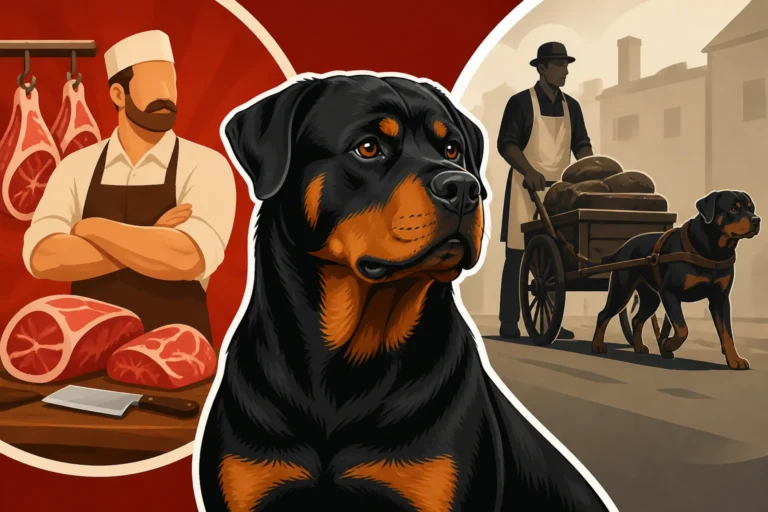
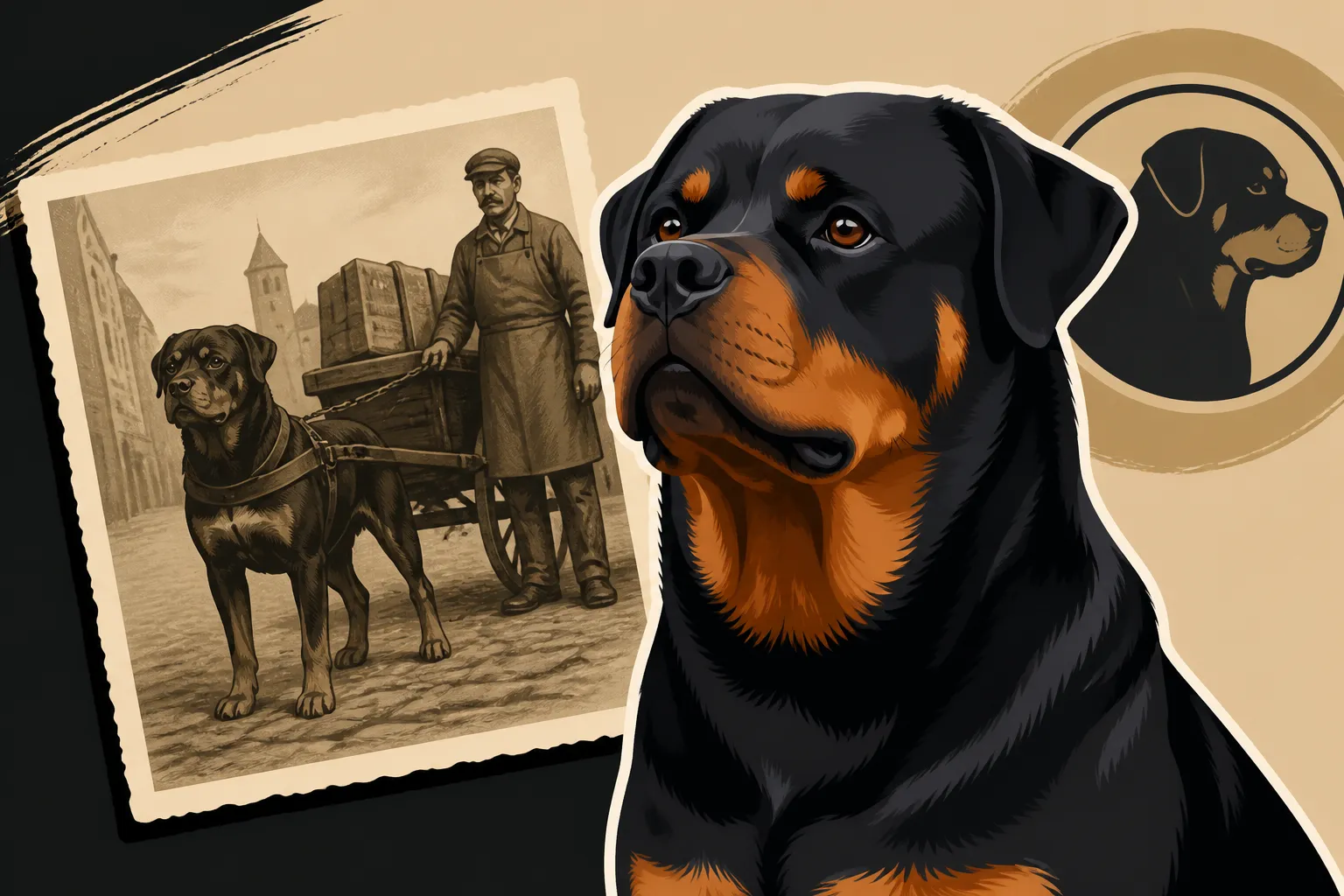
The settings in which these early Rottweilers are photographed provide invaluable context about their lives. Many images show them alongside butchers, standing by meat stalls, or even with pouches of money tied around their necks, a testament to their trusted guarding capabilities. Others depict them hitched to carts, ready to transport goods, showcasing their strength and willingness to work. These scenarios clearly illustrate their integral role in the daily working lives of the communities they served.
While some photos feature Rottweilers with families, these images still tend to emphasize the dog's substantial presence and often a more formal interaction, rather than the casual, affectionate scenes common today. The camera was expensive, and photographs were often formal affairs, documenting status or capability. This context helps us understand that these dogs were valued members of their households, not just for affection, but for their utility and protection. The backdrop of these photos paints a vivid picture of a time when dogs earned their keep and were appreciated for their steadfast loyalty and working prowess.
Implicit Clues About Temperament
While a still photograph can't capture a dog's full personality, the images of early Rottweilers offer implicit clues about their temperament. Their poised and watchful demeanor suggests a breed that was self-assured and discerning, not prone to flightiness or excessive excitability. This aligns with the historical descriptions of their temperament: intelligent, steadfast, and calm, but ready to act if their family or property was threatened.
The famous Rottweiler "aloofness" – that characteristic of observing rather than immediately engaging with strangers – can almost be inferred from their calm, often distant expressions in these old photos. They aren't bouncing bundles of energy; they are composed and observant. Rottweiler Aloofness and Why It Reads as Cold This "wait-and-see" attitude, where they assess a situation before reacting, is a hallmark of the breed's protective instincts. These visual cues reinforce that the core temperament traits defining the Rottweiler today have deep roots in their past, reflecting generations of breeding for a balanced and reliable working guardian.
The Evolution of Type: Then vs. Now
Looking at old photographs isn't just a historical curiosity; it helps us understand the journey of the Rottweiler breed and appreciate the characteristics that have been preserved, and those that have been modified, over time. The contrast between the early working dogs and today's carefully bred individuals is fascinating.
The Modern Rottweiler Type and Breeding Goals
Today's Rottweiler, while still undeniably powerful and capable, often reflects more refined breeding goals. There's a strong emphasis on achieving specific aesthetics as outlined in breed standards – a certain head shape, a particular stop, precise markings, and a powerful, almost imposing overall silhouette. Modern breeders meticulously select for these traits, often resulting in a Rottweiler that is heavier in bone and broader in head than many of their ancestors appear in early photographs.
This isn't necessarily a bad thing; it's simply an evolution driven by kennel club standards and public preference. However, it highlights the importance of ethical breeding that balances desired "type" with the breed's fundamental health and working structure. The goal remains a functional dog, one that can still perform the tasks it was bred for, even if its primary role is now as a cherished family member. Crucially, modern breeding also places a significant emphasis on health clearances, something entirely absent in the early days. Breeders today screen for hip and elbow dysplasia, cardiac issues, and genetic conditions like JLPP, aiming to produce healthier generations. The Five Clearances a Rottweiler Breeder Must Have
Why Understanding History Matters for Today's Owners
For those of us who share our lives with these magnificent dogs, understanding what old photographs show us about early Rottweilers is more than just an academic exercise. It offers valuable insight into their intrinsic needs and characteristics. The robust, functional build seen in those historical images reminds us that our Rottweilers thrive on appropriate exercise, a balanced diet, and mental stimulation. They are not delicate creatures; they are powerful dogs built for activity, and denying them that can lead to behavioral issues or health problems. Providing high-quality nutrition, perhaps by exploring the diverse range of large-breed dog foods available through retailers like Chewy, is crucial to supporting their powerful musculature and overall well-being, just as their working ancestors needed strong nourishment.
Furthermore, recognizing their historical purpose as guardians and drovers helps us understand their inherent loyalty, protective instincts, and sometimes their "pushy" nature, such as leaning into you or bumping with their shoulder. It informs our training approaches, emphasizing socialization from a young age and consistent, fair guidance. Knowing their history helps us appreciate the breed for what it truly is: a powerful, intelligent, and devoted companion with a rich past. It grounds our expectations and helps us be better, more empathetic owners.
Preserving the Legacy and Future Considerations
The legacy of the early Rottweiler – a dog of unflinching loyalty, strength, and utility – lives on in our modern dogs. Photographs from the past serve as a constant reminder of this foundation. As responsible owners and enthusiasts, we have a role to play in preserving this legacy, not just through appreciation, but through ethical practices. This includes supporting breeders who prioritize health, temperament, and functional structure over fleeting trends in aesthetics.
Just as early fanciers salvaged the breed from obscurity, we continue to shape its future. Choosing appropriate gear, from strong leashes to durable toys, can ensure a Rottweiler's physical needs are met. Many pet parents find excellent durable chew toys and training aids through online resources like Chewy, ensuring their Rottweiler has outlets for its natural chewing instincts, a trait that goes back to the powerful jaws seen in its ancestors. Providing a healthy environment, from quality food to sufficient exercise that respects their still-developing joints (especially important before their Rottweiler Growth Plates and Why They Close So Late fully close), all contribute to a long, healthy Rottweiler Lifespan and the Eight to Ten Year Average. Each new photograph of a Rottweiler, whether taken by a professional or a proud owner, becomes part of this ongoing visual history, documenting how this magnificent breed continues to adapt and thrive in a changing world.
| Feature | Early Rottweiler (as seen in photos) | Modern Rottweiler (typical) |
|---|---|---|
| Overall Build | More athletic, leaner, functional; built for endurance and work. | Often heavier bone, more substantial, sometimes more compact. |
| Head | Powerful, intelligent expression; perhaps less universally massive. | Often broader, more blocky heads favored in some lines. |
| Tail | Frequently shown with a natural, undocked tail. | Historically docked in many regions; natural tails gaining acceptance. |
| Coat Markings | Classic black and rust, but possibly with more variation in definition or extent. | Sharply defined, rich rust markings, precise placement according to standard. |
| Demeanor | Serious, alert, purposeful; often in working contexts. | Can be serious, but also commonly depicted as playful companions. |
| Musculature | Lean, hard muscle from constant work. | Well-muscled, but can vary with lifestyle and breeding type. |
Disclaimer
This article is for general informational purposes only and does not constitute professional advice. Laws, prices and regulations vary by location and change over time. Consult a qualified professional for guidance on your specific situation.