The Age Most Rottweilers Are Surrendered At
It’s a heartbreaking reality that many large breed dogs, including our beloved Rottweilers, find themselves in shelters or rescue organizations through no fault of their own. The dream of a cuddly puppy can quickly become a struggle when that pup grows into a powerful adult, and life’s unexpected turns can make even the most devoted owner reconsider their capacity to care. This guide will explore the common ages and reasons Rottweilers are surrendered, and what we can do as owners and advocates to prevent such an outcome.
The Most Common Ages for Rottweiler Surrender: When the Puppy Phase Ends
Many people fall in love with a Rottweiler puppy – those adorable, chunky little bundles of joy. What they sometimes don't fully grasp is just how quickly that tiny pup will grow into a substantial, powerful, and very opinionated adolescent and adult. It's during these critical developmental stages, roughly between six months and three years of age, that shelters and rescues see a noticeable influx of Rottweilers. This period is a whirlwind of rapid physical growth and intense behavioral development, often catching unprepared owners off guard.
The Challenging Adolescent Period: Six to Eighteen Months
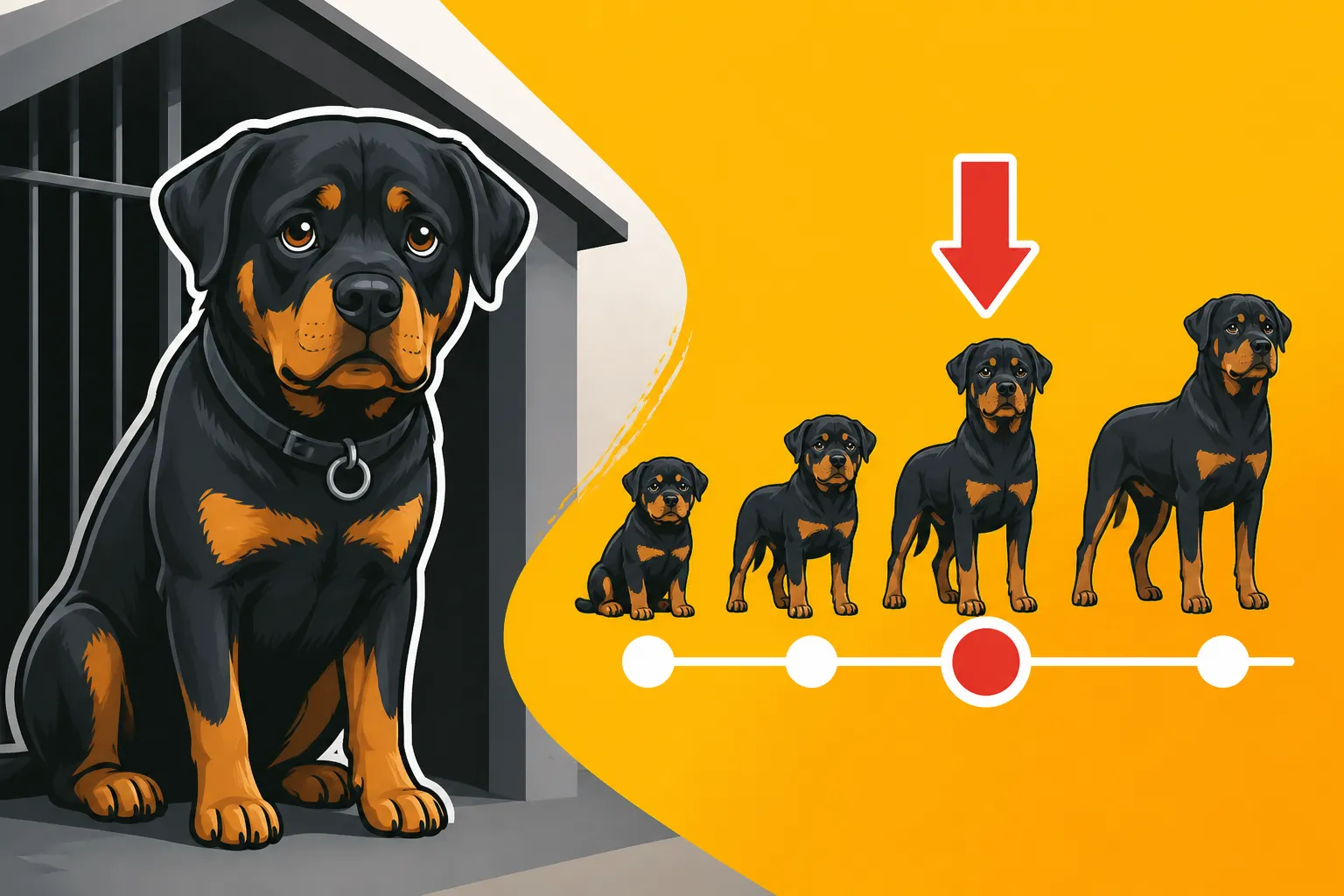
The first major hurdle for many Rottweiler owners comes during their dog's adolescence, typically spanning from about six months to eighteen months of age. This is often the prime time for surrenders.
At six months, your Rottweiler puppy isn't really a "puppy" anymore in terms of size and strength. They're growing at an astonishing rate, transforming from a manageable fluffball into a heavy, powerful dog that can easily pull an unprepared adult off their feet. This sudden increase in physical prowess, combined with the often-misunderstood "teenager" phase, creates a perfect storm for owners who haven't laid a strong foundation of training. Imagine trying to walk a ninety-pound dog that suddenly decides a squirrel across the street is the most fascinating thing on earth, lunging with all its might. It’s not just difficult; it can be dangerous for both dog and owner. For more on this, consider exploring Rottweiler Leash Manners at a Hundred Pounds.
Behaviorally, this adolescent stage is characterized by "testing" boundaries. The cute nips and jumps of a small puppy are no longer tolerable from a young adult with a developing bite force. Suddenly, a dog that seemed to know "sit" and "stay" might appear to forget everything, or simply choose to ignore commands in favor of self-interest. This isn't defiance; it's a natural part of canine development where they explore their independence and capabilities. However, without consistent, patient training, owners can quickly feel overwhelmed and believe their dog is "untrainable" or "aggressive," leading to the heartbreaking decision to surrender. This is why early intervention with training, as discussed in Rottweiler Puppy Training Through the First Year, is so crucial.
The disparity between the cute puppy and the powerful adolescent often leads to owners being completely overwhelmed, especially if they haven't adequately prepared for the realities of raising a giant breed. They might have imagined a perpetually docile companion, only to find themselves with a boisterous, strong-willed dog that requires significant mental and physical exercise. Without understanding the breed's needs and the adolescent phase, what started as a joyful adoption can spiral into frustration and a feeling of inadequacy, culminating in the difficult decision to rehome.
The Onset of Adulthood and Untrained Behaviors: Eighteen Months to Three Years
The next significant period for Rottweiler surrenders often occurs as they mature into young adults, generally between eighteen months and three years of age. By this point, most Rottweilers have reached their full physical size and strength, but if behavioral issues from adolescence were not addressed, they become ingrained and far more challenging to manage.
A fully grown Rottweiler with no manners can be a liability. Picture a 100-plus pound dog jumping on guests, counter-surfing with ease, or dragging its owner down the street on a walk. These aren't minor inconveniences; they pose real risks to people and property. The sheer size and power of the breed mean that even playful behaviors, if not properly channeled, can cause accidental injury or damage. It's at this point that many owners, exhausted by the constant battle and sometimes facing complaints from neighbors or liability concerns, decide they simply cannot cope any longer. Effective training, starting early, is paramount, as detailed in articles like Training a Rottweiler Before It Outweighs You.
Furthermore, issues like resource guarding or reactivity towards other dogs or strangers, if not properly socialized away during puppyhood, tend to become much more pronounced and potentially dangerous in a full-sized adult Rottweiler. A growl from a puppy might be dismissed, but a growl from a 120-pound adult is perceived very differently, often leading to fear and misunderstanding. Owners might mistakenly believe their dog is inherently aggressive rather than simply displaying learned behaviors or expressing discomfort due to insufficient socialization. This can lead to drastic measures, including surrender, particularly if the owner doesn't know how to safely manage or address these behaviors. Understanding what goes into Rottweiler Resource Guarding at Home is a key step in prevention.
It's a tough spot to be in, feeling like you've lost control of your own dog, especially when that dog is as imposing as a Rottweiler. This feeling of helplessness, coupled with the daily struggle of managing an untrained large dog, often pushes owners past their breaking point. They might seek help, but if they find themselves facing expensive behaviorists or simply don't have the time or energy to commit to a rigorous training regimen, surrender can unfortunately seem like the only viable option.
Common Reasons for Rottweiler Surrender Beyond Age
While specific age ranges highlight critical developmental stages, the underlying reasons for surrender often remain consistent across different periods of a Rottweiler's life. These typically fall into broad categories of behavioral challenges, financial strain, and unexpected life changes.
Behavioral Challenges: More Than Just "Bad" Dogs
Behavioral challenges are, sadly, a leading cause of Rottweiler surrenders. It's rarely because the dog is inherently "bad"; it's almost always a combination of genetics, inadequate socialization, lack of consistent training, and often, a misunderstanding of the breed's natural instincts.
One of the most frequent complaints revolves around issues like leash reactivity, jumping on people, incessant nipping, or possessive guarding behaviors. These are all things that can be addressed with proper training and management, but they become magnified by a Rottweiler’s size and strength. A small dog jumping might be annoying; a 100-pound Rottweiler jumping can knock an elderly person over or severely injure a child. The sheer physical impact often leads owners to feel that the dog is too powerful for them to control, especially if the dog has not learned proper manners from a young age. Early socialization, as detailed in Socializing a Rottweiler Puppy Properly, is absolutely vital to prevent many of these issues.
The lack of early socialization is a huge factor. A puppy’s critical socialization window closes around 16 weeks of age. If a Rottweiler puppy isn't exposed to a wide variety of sights, sounds, people, and appropriate canine interactions during this time, they can grow up to be fearful or reactive in new situations. This manifests as aggression towards other dogs, fear of strangers, or an inability to cope with novel environments. These issues become particularly challenging and potentially dangerous when dealing with a large, strong breed like a Rottweiler, leading to owners feeling isolated and unable to take their dog out in public. It also often contributes to a lack of Rottweiler Bite Inhibition and the Adult Mouth which can have serious consequences.
Sometimes, what owners perceive as aggression towards other pets or people is actually a misunderstanding of the Rottweiler’s natural guarding instinct. These dogs were bred to protect, but without proper guidance and training, that instinct can be misdirected or become overprotective. A Rottweiler guarding its home, its food bowl, or even a particular person can be a serious issue if not managed correctly. Owners might interpret these behaviors as malice rather than an instinct that needs careful shaping and clear boundaries. When a dog growls or snaps, it's often communicating fear or discomfort, but in a large breed, this communication is often seen as a direct threat, leading to rash decisions about the dog's future.
Financial Strain and Unexpected Costs: When the Bills Pile Up
Owning a large breed dog like a Rottweiler is a significant financial commitment, and unexpected costs can quickly become a major reason for surrender, especially if owners haven't budgeted appropriately. It's not just the initial purchase price; it's the ongoing daily, monthly, and yearly expenses.
Rottweilers require substantial amounts of high-quality food, and the cost of feeding a 100-pound-plus dog can easily exceed expectations. Brands like Chewy make it convenient to get large bags delivered, but the expense adds up. Beyond food, there are vet bills, which tend to be higher for large breeds due to larger doses of medication, anesthesia scaled by weight, and common health issues. Many Rottweilers are prone to orthopedic problems like hip and elbow dysplasia, as discussed in Rottweiler Hips and Elbows and the 24-Month Rule, or life-threatening emergencies like bloat, as detailed in Bloat in a Rottweiler and the Hours That Matter. These conditions can rack up thousands of dollars in veterinary costs, often when the dog is still relatively young. Explore The Yearly Cost of Feeding and Keeping a Rottweiler for a detailed breakdown.
Unforeseen veterinary emergencies are a major financial stressor. A sudden illness, an accident, or a critical condition like bloat can mean thousands of dollars in immediate bills. Many owners, even those with the best intentions, simply do not have emergency funds set aside for such an event. This is where pet insurance can be a lifesaver, and many companies like Healthy Paws offer comprehensive plans to mitigate these risks. However, if an owner hasn't invested in insurance, a single major vet bill can force them into the position of choosing between their dog's life and their financial stability, often leading to surrender. Some owners might also consider premium fresh food options like Ollie, but the cost needs to be factored into the overall budget.
Beyond medical and food expenses, the general costs of housing a large dog also contribute. This includes durable crates, extra-large beds (which wear out quickly under a Rottweiler's weight), specialized toys, and regular grooming supplies. Travel can also be more expensive, as not all kennels or pet sitters accommodate large breeds, and airline travel is often not an option for such large dogs. All these seemingly small costs accumulate, and for families facing economic hardship, job loss, or medical bills of their own, the financial burden of a Rottweiler can become overwhelming, making surrender a last resort.
Life Changes and Housing Issues: When Circumstances Shift
Life is unpredictable, and sometimes, even the most devoted owners find themselves in situations where they can no longer keep their Rottweiler due to circumstances entirely beyond the dog’s control. These personal and housing changes are incredibly tough on both the owner and the dog.
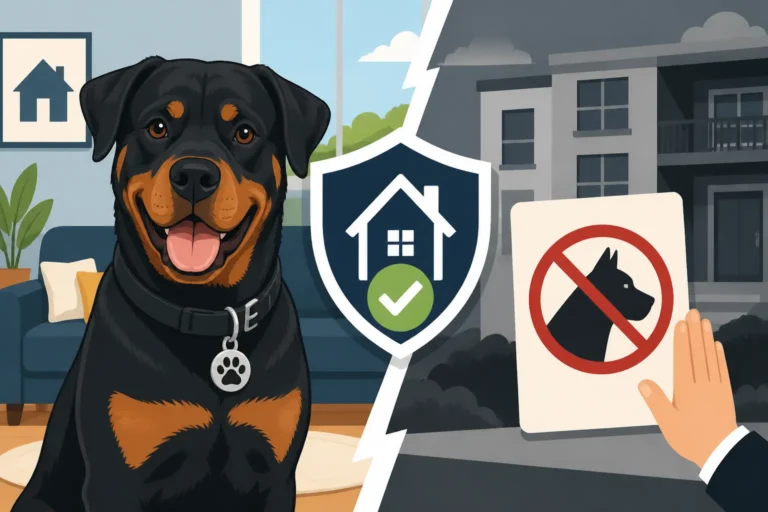
Moving is a primary culprit. Finding rental housing or even a new home to buy when you own a large breed, especially one like a Rottweiler often subject to breed-specific legislation or insurance restrictions, can be incredibly difficult. Many landlords have strict "no aggressive breeds" clauses, or their insurance companies simply won't cover them. This forces owners into an impossible choice: give up their dog or forfeit a housing opportunity. This is a common and painful dilemma, highlighting the challenges detailed in Renting With a Rottweiler and the Breed Clause.
Major personal life changes also play a significant role. The arrival of a new baby, a divorce, a new job with extended hours, or a serious illness can dramatically alter an owner's capacity to care for a large, high-needs dog. A new baby, for instance, might mean less time for training and exercise, leading to a frustrated, under-stimulated Rottweiler whose behavioral issues suddenly seem unmanageable. Similarly, a job loss can make financial burdens insurmountable, while an owner's own illness might prevent them from physically caring for a powerful dog. These situations are heartbreaking, as the owner is often surrendering a beloved family member due to external pressures rather than a lack of love or commitment.
Landlord issues extend beyond simple breed clauses. Sometimes, a previously accommodating landlord might change policies, or neighbors might complain about barking or perceived aggression, putting pressure on owners to rehome their dog. Homeowners insurance can also be a hurdle; some carriers refuse to insure homes with Rottweilers, or significantly raise premiums, forcing owners to seek new, often more expensive, policies. These external pressures, combined with the love an owner has for their dog, create an agonizing situation where a decision to surrender often feels like the only path forward to maintain housing or family stability.
Preventing Surrender: Proactive Ownership Strategies
The good news is that many of the reasons Rottweilers are surrendered can be mitigated or prevented with proactive ownership strategies. It comes down to preparation, commitment, and realistic expectations.
Early and Consistent Training and Socialization: Building a Strong Foundation
The single most important thing you can do to prevent surrender is to invest heavily in early and consistent training and socialization. This isn't just about teaching commands; it's about shaping a well-adjusted, confident, and manageable family member.
Start training the very day your Rottweiler puppy comes home. Even at eight weeks, they are sponges, ready to learn. Focus on positive reinforcement methods, rewarding desired behaviors rather than punishing unwanted ones. Enrollment in puppy classes is invaluable, as it provides a structured environment for socialization and basic obedience. As they grow, consider advanced obedience classes or even private trainers who specialize in large breeds. The goal is to establish clear communication and leadership, ensuring your Rottweiler understands what is expected of them long before they reach their full, powerful size. Remember, Rottweiler Puppy Training Through the First Year is a marathon, not a sprint.
Socialization isn't just about meeting other dogs. It involves exposing your puppy to a wide variety of people of all ages and appearances, different environments (parks, city streets, quiet neighborhoods), sounds (traffic, alarms, children playing), and textures. The more positive experiences your puppy has before 16 weeks, the more confident and resilient they will be as an adult. This crucial period helps them learn to tolerate novelty and not react fearfully or aggressively to new stimuli. A well-socialized Rottweiler is far less likely to develop reactivity or fear-based aggression, which are common reasons for surrender. It's about building their world in a positive way.
Consistent training means continuing lessons throughout your Rottweiler's life, especially through the adolescent phase when they tend to "test" boundaries. This isn't a one-and-done deal. Daily short training sessions, reinforcing commands, and practicing good manners keep your dog mentally engaged and remind them of their role in the family. It also helps manage their significant energy, channeling it into constructive activities rather than destructive behaviors. Remember, Training a Rottweiler Before It Outweighs You is essential for a harmonious relationship.
Financial Preparedness and Health Management: Planning for the Future
Being financially prepared for the costs of a Rottweiler is just as important as behavioral training. These dogs are large, and their expenses reflect that.
Before bringing a Rottweiler home, create a realistic budget that accounts for premium large-breed food, regular veterinary check-ups, preventive medications (flea, tick, heartworm, which are dosed by weight), and grooming. Factor in the cost of high-quality gear like durable leashes, harnesses, and beds that can withstand a Rottweiler's size and chewing power. Companies like Chewy can help manage food costs with subscription services, but the overall budget must be considered.
Pet insurance is a highly recommended safety net for Rottweiler owners. Policies from providers like Healthy Paws can significantly reduce the financial blow of unexpected accidents, illnesses, or chronic conditions common to the breed. While there's a monthly premium, knowing that you're covered for a significant percentage of an emergency surgery (like for bloat) or ongoing treatment for hip dysplasia can prevent a financial crisis that might otherwise lead to surrender. It's an investment in your dog's future health and your peace of mind.
Researching common breed health issues and choosing a reputable breeder are also critical steps. A good breeder will provide health clearances for the parents for issues like hip and elbow dysplasia, heart conditions, and JLPP. These clearances, like those mentioned in The Five Clearances a Rottweiler Breeder Must Have, don't guarantee a completely healthy dog, but they significantly stack the odds in your favor, reducing the likelihood of expensive genetic health problems down the line. A healthy dog is less likely to incur massive vet bills that could push an owner to surrender.
Realistic Expectations and Long-Term Commitment: Understanding the Breed
Finally, having realistic expectations about what it means to own a Rottweiler and committing to their entire lifespan is crucial. These are not "easy" dogs, but they are incredibly rewarding companions for the right owners.
A Rottweiler is a 10-year commitment, and sometimes even longer. They are not disposable pets to be cast aside when they become inconvenient or when life changes. Understand that they will go through puppy phases, adolescent rebellions, and eventually, senior decline. Each stage comes with its unique needs and challenges. Be prepared to adapt your lifestyle to meet their requirements, including exercise, mental stimulation, and emotional support throughout their life.
Understand the Rottweiler's natural temperament. They are often described as self-assured and aloof with strangers, but deeply devoted and loving with their families. This isn't a Golden Retriever that greets everyone with a wagging tail. Their guarding instincts are strong, and their wait-and-see attitude should not be misinterpreted as aggression. Rather, it's a part of their heritage that needs to be understood and respected. For more insights into this, refer to Rottweiler Temperament and That Self-Assured Aloofness.
Before committing, honestly assess your current and potential future living situation. Do you have breed restrictions in your current housing? What if you need to move? Can your homeowners insurance accommodate a Rottweiler? Do you have sufficient time for their daily exercise and training needs, even if your job changes? Thinking through these potential scenarios before bringing a Rottweiler home can prevent heart-wrenching decisions later on. It’s about ensuring that your lifestyle is compatible with the needs of a powerful, intelligent, and loyal working breed.
The Reality of Rottweiler Rescue and Rehoming: A Second Chance
While the focus is on prevention, it's also important to understand the role of rescue organizations and the reality for Rottweilers who do end up needing a new home. These organizations work tirelessly to provide a second chance for dogs in need.
Why Rescues Often Get Adult Rottweilers: Filling the Gaps
Rescue organizations frequently take in adult Rottweilers, often reflecting the peak surrender ages we've discussed. These dogs come from various backgrounds, some with clear histories, others with significant unknowns.
Most surrenders are indeed adult dogs because that's when unaddressed behavioral problems become too big to ignore, or when unforeseen life circumstances hit owners hardest. It’s less common for tiny puppies to be surrendered unless there's a serious medical issue or an acute change in the owner's situation right after adoption. Rescues often take in dogs that are between one and five years old – dogs that are fully grown, have all their strength, and may have deeply ingrained behavioral issues that need patient, experienced handling.
The challenges for rescues taking in large, powerful breeds are immense. They need facilities that can safely house a strong dog, access to experienced trainers and behaviorists, and significant financial resources for veterinary care. Many surrendered Rottweilers arrive with little to no medical history, and sometimes with untreated conditions or a history of neglect. This means rescues often bear the initial costs of full veterinary workups, vaccinations, spay/neuter surgeries, and any necessary medical treatments, which can be substantial. For more on this, check out Taking On a Rescue Rottweiler With No History.
Despite these challenges, dedicated Rottweiler rescue organizations are passionate about the breed. They understand the nuances of the Rottweiler temperament and are committed to rehabilitating and rehoming these dogs responsibly. They assess each dog's individual temperament, work on behavioral modification where needed, and provide a safe, structured environment. This dedication helps ensure that these dogs, through no fault of their own, get the chance at a loving, permanent home.
The Impact on the Dog: Resilience and Adaptation
Being surrendered and entering a shelter or rescue environment is incredibly confusing and stressful for a dog. They often go from a familiar home, even if imperfect, to a strange, noisy, and sometimes frightening place.
The emotional toll on a surrendered dog can be significant. They might experience confusion, fear, anxiety, and even grief over the loss of their previous family. It's not uncommon for dogs to regress behaviorally in a new environment, exhibiting issues like house-soiling, anxiety barking, or shutting down entirely. A once-house-trained dog might have accidents, or a social dog might become withdrawn. This is a natural stress response, not a reflection of their true temperament, and it requires patience and understanding from their new caregivers.
Sadly, adult or senior Rottweilers, especially those with perceived behavioral issues, often face longer waits for adoption and a higher risk of being overlooked in a shelter environment. Their size alone can be intimidating to potential adopters, and any mention of "guarding" or "reactivity" can deter many. It's a cruel irony that the very traits that make them challenging to their original owners also make them harder to rehome.
The ultimate goal of rescue is to find the right next home, not just any home. This means rescue organizations are meticulous in their screening process for potential adopters, often requiring extensive applications, home checks, and multiple interviews. They want to ensure the new family understands the breed, is prepared for the commitment, and can provide the training and care an adult Rottweiler needs. It's a challenging journey for the dogs, but a testament to their resilience and adaptability, and the unwavering dedication of those who give them a second chance.
| Age Range (Approx.) | Typical Developmental Stage | Common Challenges Leading to Surrender | Owner's Perspective |
|---|---|---|---|
| 6-18 Months | Adolescence | Untrained behaviors, excessive energy, testing boundaries, perceived aggression, rapidly growing too large to manage, destructive chewing. | "He's too much to handle now," "He forgot everything he learned," "He's too strong for me." |
| 1.5 – 3 Years | Young Adult | Unresolved training issues, reactivity towards strangers/dogs, resource guarding, strong guarding instincts, lack of socialization, destructive separation anxiety. | "He bites when I take his toy," "He's aggressive on walks," "I can't take him anywhere," "He's destroying the house." |
| 3 – 6 Years | Mature Adult | Life changes (new baby, move, divorce, job loss), financial strain (unexpected health costs), landlord/insurance issues, perceived "loss of spark" or becoming "too serious." | "We don't have time for him anymore," "Our landlord won't allow him," "He got sick and we can't afford the treatment." |
| 7+ Years | Senior | Mobility issues, increasing vet bills for age-related conditions, owners unable/unwilling to manage senior care, "too old to train," incontinence. | "He's getting too old and sick," "We can't afford his medication," "He can't go up stairs anymore." |
Disclaimer
This article is for general informational purposes only and does not constitute professional advice. Laws, prices and regulations vary by location and change over time. Consult a qualified professional for guidance on your specific situation.