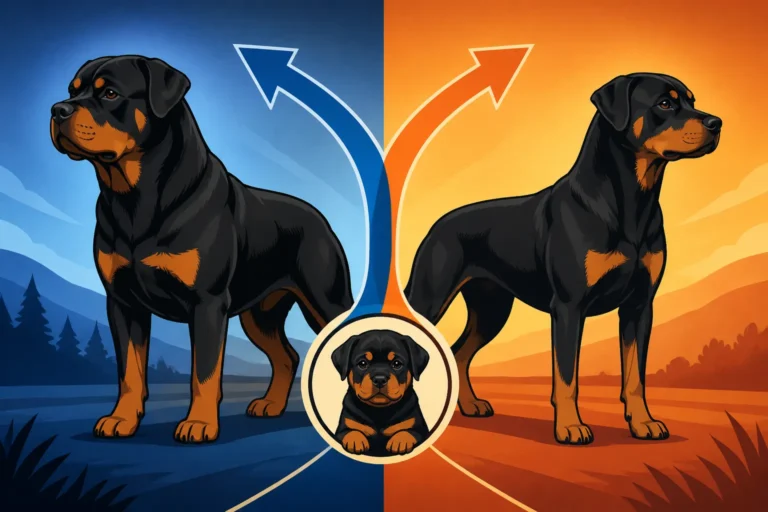
What AKC Recognition Did for the Rottweiler
It's easy to look at the Rottweiler today – a well-known, respected breed with a clear place in the dog world – and forget that their journey to prominence wasn't always so clear-cut. For a long time, these magnificent dogs were regional heroes, deeply appreciated in their homeland but largely unknown elsewhere. The pivotal moment that truly changed their trajectory, giving them a global stage and a foundation for the future, was their official recognition by the American Kennel Club (AKC). This wasn't just a ceremonial nod; it was a game-changer that brought both immense benefits and new responsibilities to the breed.
The Rottweiler Before Formal Recognition
Before the glitz and glamour of formal kennel club recognition, the Rottweiler was a working dog, pure and simple. They were the original "Butcher's Dogs" – the Metzgerhund – of Rottweil, Germany, descendants of Roman drover dogs that had accompanied legions across the Alps. Their purpose was clear: to drive cattle to market, guard their human's money from bandits, and protect property. They were valued for their strength, intelligence, and unwavering loyalty.
A Breed on the Brink
Despite their invaluable contributions, the rise of railways in the 19th century rendered cattle driving obsolete, and with it, the Rottweiler's primary job dwindled. The breed found itself at a crossroads, with its numbers plummeting dramatically. It’s hard to imagine now, but there was a very real danger that these incredible dogs might simply fade into history. By the early 1900s, reports suggest that there were very few Rottweilers left, clinging to existence in their native region. It’s a stark reminder of How few Rottweilers were left by 1900 and how close we came to losing them entirely. Had it not been for dedicated fanciers, their story might have ended there.
Early European Clubs and Standards
Fortunately, a small group of enthusiasts in Germany recognized the Rottweiler's unique qualities and began efforts to revive and formalize the breed. Early clubs, like the Deutscher Rottweiler-Klub (DRK) and the Internationaler Rottweiler Klub (IRK), formed with the goal of preserving the Rottweiler and establishing a written standard. This standard defined the ideal physical characteristics and temperament, ensuring that breeders had a common goal to work towards. These were the pioneers who laid the groundwork, long before American recognition, outlining things like the preferred coat, markings, and overall structure. These early efforts by The German Clubs That Set the Rottweiler Standard were crucial for the breed's survival and its eventual journey across the Atlantic.
The Path to American Kennel Club Recognition
The Rottweiler's eventual journey to the United States and subsequent AKC recognition wasn't an overnight phenomenon. It was a gradual process, driven by individual enthusiasts who saw the breed's potential beyond its working origins in Germany.
First Arrivals in America
The first Rottweilers began making their way to the United States in the early 20th century. Initially, these were isolated imports, often brought over by German immigrants or military personnel who appreciated the breed's intelligence and protective nature. They weren't yet a household name, nor were they widely seen outside of niche circles. These early dogs were often prized by those who understood their capabilities, often individuals looking for a formidable protector or a loyal companion. It was truly The Decade Rottweilers Started Arriving in America that set the stage for their eventual rise in popularity, a slow but steady influx that would eventually catch the eye of the wider dog community.
Establishing an American Standard
As more Rottweilers arrived and a small but growing community of enthusiasts formed, the need for formal recognition became apparent. Recognition by a major kennel club like the AKC would provide legitimacy, guide responsible breeding, and protect the breed's integrity. The AKC's process involves a careful review of a breed's history, a well-established standard, and a sufficient population within the country to ensure genetic diversity. The Rottweiler’s standard, initially based on the German specifications, outlined the breed’s appearance, temperament, and movement. While the core essence remained, certain nuances sometimes shifted slightly to reflect the American interpretation and breeding goals. It’s fascinating to see How the Rottweiler Standard Has Shifted Over Time, even if subtly, between its German origins and its American adoption.
The Transformative Impact of AKC Recognition
Official recognition by the AKC fundamentally transformed the Rottweiler's standing in the United States and, by extension, globally. It moved the breed from obscurity to a position of increasing prominence.
Elevating the Breed's Status
Perhaps the most significant impact of AKC recognition was the elevation of the Rottweiler's status. It legitimized the breed in the eyes of the public and the broader canine community. No longer just a "butcher's dog" or an exotic import, the Rottweiler was now a recognized, pedigreed dog with a place in dog shows, obedience trials, and sanctioned sporting events. This official stamp of approval meant that breeders could register their dogs, track pedigrees, and ensure that their breeding programs adhered to an established standard. For enthusiasts, it provided a framework for competition and a platform to showcase the breed's intelligence, athleticism, and inherent qualities. This recognition was key to the breed's journey from relative unknown to a consistent presence, often ranking among Rottweiler Popularity and That Number Eight Spot in AKC registrations.
Standardizing Type and Temperament
AKC recognition provided a clear, published breed standard that served as a blueprint for all American breeders. This standard outlines everything from acceptable size and weight to ear set, coat color, and the desired temperament. It aimed to ensure consistency in the breed, promoting the unique characteristics that define a Rottweiler: its powerful build, intelligent expression, and characteristically self-assured, aloof demeanor with strangers. This focus on a consistent standard helps prevent arbitrary breeding decisions and safeguards the breed's health and integrity over generations. It also reinforces the ideal Rottweiler Temperament and That Self-Assured Aloofness that makes these dogs such magnificent companions and guardians. Breeders, striving for this ideal, would then seek out quality nutrition for their dogs, often finding suitable options for large, powerful breeds through reputable online retailers.
The Upside of Popularity
With AKC recognition came increased visibility and, subsequently, a surge in popularity. More people became aware of the Rottweiler, leading to greater demand for puppies. This heightened interest meant that more resources were dedicated to the breed, including veterinary research into common health issues, improved training methods, and specialized products. It also meant a larger gene pool for careful breeders, potentially reducing the risks associated with very small breeding populations. This increased exposure also drove the availability of essential dog supplies, making it easier for new owners to find everything from large-breed specific food to durable chew toys from online stores like Chewy, directly supporting the care of these recognized dogs.
A Look at the Impact: Before vs. After AKC Recognition
Here’s a snapshot of how AKC recognition changed the landscape for the Rottweiler:
| Feature | Before AKC Recognition | After AKC Recognition |
|---|---|---|
| Status | Regional working dog, nearly extinct in early 1900s. | Recognized purebred, national presence, part of dog sports. |
| Visibility | Known to local German butchers and a few enthusiasts. | Widely known breed, often in top 10 popular breeds. |
| Breeding Goals | Informal, focused on working ability, local lines. | Formalized standard, focus on conformation, temperament, health. |
| Health Efforts | Limited, mostly local breeder knowledge. | Coordinated health initiatives, public health clearances. |
| Temperament | Valued for guarding/driving, less emphasis on consistency. | Defined by standard: calm, confident, aloof with strangers. |
| Availability | Very rare, hard to find outside of Germany. | Accessible across North America, more breeders. |
Challenges and Responsibilities Post-Recognition
While AKC recognition brought many positives, it also ushered in a new set of challenges that responsible breeders and owners continually work to address. Popularity can be a double-edged sword, and maintaining breed integrity requires vigilance.
Navigating Increased Demand
The surge in popularity post-recognition, particularly in the 1980s and 90s, led to an unfortunate phenomenon: an increase in irresponsible breeding. As demand grew, some individuals saw the Rottweiler as a quick way to make money, leading to what are commonly known as "backyard breeders." These breeders often disregard health clearances, proper socialization, and adherence to the breed standard, sometimes producing dogs with poor health or unstable temperaments. This is why it's so critical for prospective owners to understand Why an $800 Rottweiler Puppy Costs More Later and seek out breeders who prioritize the health and temperament of their dogs above all else, ensuring their stock has proper health papers like those for hips, elbows, and heart.
Ongoing Health Initiatives
With increased attention on the breed, health concerns also came to the forefront. Like many large breeds, Rottweilers are prone to certain genetic conditions, such as hip and elbow dysplasia, certain cancers like osteosarcoma, and cardiac issues like subaortic stenosis. AKC recognition, and the establishment of organizations like the Orthopedic Foundation for Animals (OFA) and the Canine Health Information Center (CHIC), provided a formal structure for breeders to screen their dogs for these conditions. This allows for informed breeding decisions aimed at reducing the incidence of hereditary diseases. Understanding The Five Clearances a Rottweiler Breeder Must Have is paramount for anyone considering adding an AKC-registered Rottweiler to their family. This proactive approach to health helps to ensure the breed remains robust for future generations.
Public Perception and Education
Another significant challenge that arose with the Rottweiler's popularity was the issue of public perception. The breed's powerful appearance and protective instincts, when combined with irresponsible breeding or ownership, sometimes led to negative stereotypes. This often resulted in Why Breed-Specific Laws Keep Naming the Rottweiler in various municipalities and insurance restrictions. AKC recognition, by providing a platform for education and responsible ownership, has been vital in countering these misconceptions. Dedicated breed clubs and individual owners work tirelessly to demonstrate the true nature of a well-bred and well-socialized Rottweiler: a loyal, calm, and confident companion. Educating the public about proper training, socialization, and the importance of responsible breeding practices remains an ongoing mission. Even finding basic supplies for your AKC Rottweiler from a reliable source like Chewy reinforces the idea of responsible pet ownership.
Preserving the Working Heritage
Despite their newfound popularity as family companions and show dogs, it's crucial not to lose sight of the Rottweiler's working heritage. AKC recognition also encompasses performance events like obedience, rally, agility, and Schutzhund (now IGP), which allow Rottweilers to demonstrate the intelligence, trainability, and drive for which they were originally bred. These events not only provide an outlet for the breed's energy and intellect but also help preserve the functional aspects of their temperament and structure. Participating in these activities helps channel their natural instincts, ensuring that the breed doesn't simply become a beautiful show dog but remains a capable and intelligent working companion. Understanding the breed’s needs, including A Growing Rottweiler's Joints and Overexercise, informs how we engage them in these activities safely. The Rottweiler’s journey from humble drover dog to AKC-recognized star is a testament to its enduring qualities and the dedication of countless enthusiasts.
Disclaimer
This article is for general informational purposes only and does not constitute professional advice. Laws, prices and regulations vary by location and change over time. Consult a qualified professional for guidance on your specific situation.