Rottweiler Dog Park Risks at Adult Size
As a Rottweiler owner, you might sometimes feel like you're navigating a minefield when it comes to finding appropriate outlets for your big, beautiful companion. Dog parks, which seem like a natural solution for exercise and socialization, can actually present a unique set of challenges and risks for an adult Rottweiler. It's not always about aggression, but often about misunderstandings, play style differences, and the sheer power these dogs possess. This guide will walk you through the complexities of adult Rottweilers and dog parks, helping you understand the potential pitfalls and explore safer, more effective alternatives for their well-being.
Why Dog Parks Pose Unique Challenges for Adult Rottweilers
It's easy to look at a dog park and think, "What a great way for Fido to burn off energy!" But for a Rottweiler, especially one fully grown, the dynamics can be vastly different from what they are for a smaller, more outgoing breed. Their very presence can change the atmosphere, and their natural behaviors can be easily misinterpreted.
The Misunderstanding of a Rottweiler's Stature and Presence
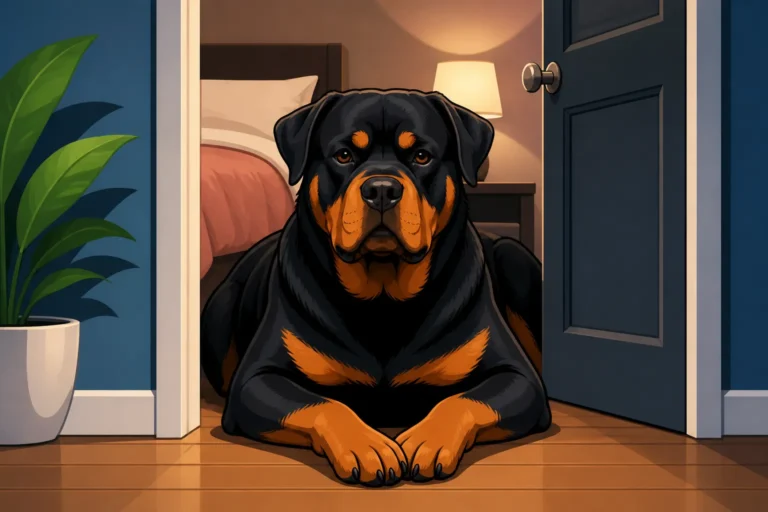
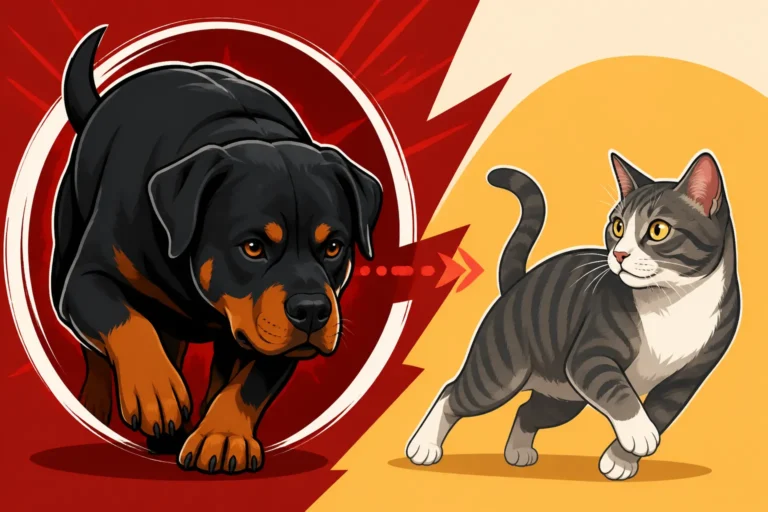
Let's be honest, a fully grown Rottweiler is an imposing animal. Their muscular build, deep chest, and confident stance naturally command attention, and sometimes, apprehension. This isn't a fault of the dog, but a reality of how others perceive them. Even if your Rottweiler is the gentlest giant at home, trotting into a dog park with dozens of other dogs and their owners can instantly change the energy.
Other dog owners might tense up, scoop up their small dogs, or give you a wide berth, simply because of the breed stigma that Rottweilers unfortunately carry. This perceived threat, whether real or imagined, can make interactions awkward or even hostile. Other dogs might pick up on their owners' anxiety, or react defensively to your Rottweiler's size, even if your dog is doing nothing but calmly observing the scene. It's an unfair burden, but it's one we often have to manage as Rottweiler owners.
The Distinct Rottweiler Play Style
Rottweilers were bred for strength and endurance, herding cattle and guarding property. Their play style often reflects this heritage: it can be very physical, heavy-bodied, and sometimes quite vocal. They might bump, body-slam, or "herd" other dogs, not with malice, but simply because that's how they've learned to interact. A typical play session might involve wrestling, jaw-sparring, and pushing around.
While this might be perfectly acceptable with another equally large, robust playmate (like another Rottweiler or a Mastiff), it can be overwhelming, intimidating, or even dangerous for smaller, more delicate breeds. Imagine your 110-pound Rottweiler gently but firmly body-checking a tiny Terrier. What seems like innocent play to your dog could easily result in injury to another, or at the very least, a frightened owner and a tense confrontation. Understanding Rottweiler Play Style With Smaller Dogs is crucial, and it’s a big reason why dog parks can be so tricky.
Aloofness Versus Social Butterfly Expectations
Unlike some breeds that greet every dog and human with boundless enthusiasm, Rottweilers are often described as self-assured and reserved. They tend to be one-person (or one-family) dogs, developing deep bonds with their chosen few and often displaying a calm, watchful demeanor around strangers. In a dog park, where the expectation is often a free-for-all of friendly interactions, this aloofness can be profoundly misunderstood.
A Rottweiler who calmly stands, observing the chaos, might be perceived as aggressive, dominant, or anti-social by other owners. They might not rush over to play or engage in the typical boisterous greetings, preferring instead to take in their surroundings. This "wait-and-see" approach, a natural part of The Wait-and-See Way a Rottweiler Meets Strangers, is a hallmark of the breed but can be misconstrued in a bustling public space. Owners might assume your dog is unfriendly or, worse, that they are plotting something. This misunderstanding can lead to friction and unnecessary tension, making the experience stressful for both you and your dog.
Navigating the Risks: Potential Conflicts and Unforeseen Dangers
Beyond the general challenges, dog parks carry specific risks that can escalate quickly when a powerful breed like a Rottweiler is involved. These risks often stem from the unpredictable nature of communal spaces and the varied training levels of the dogs and their owners within them.
Overstimulation and Environmental Overload
Picture a dog park: a cacophony of barking, dozens of running dogs, a medley of smells, and constant unpredictable movements. For any dog, this can be a lot. For a Rottweiler, who is naturally vigilant and sensitive to their environment, it can quickly lead to overstimulation. Even a well-adjusted, calm Rottweiler can become overwhelmed, leading to increased arousal, anxiety, or even reactivity.
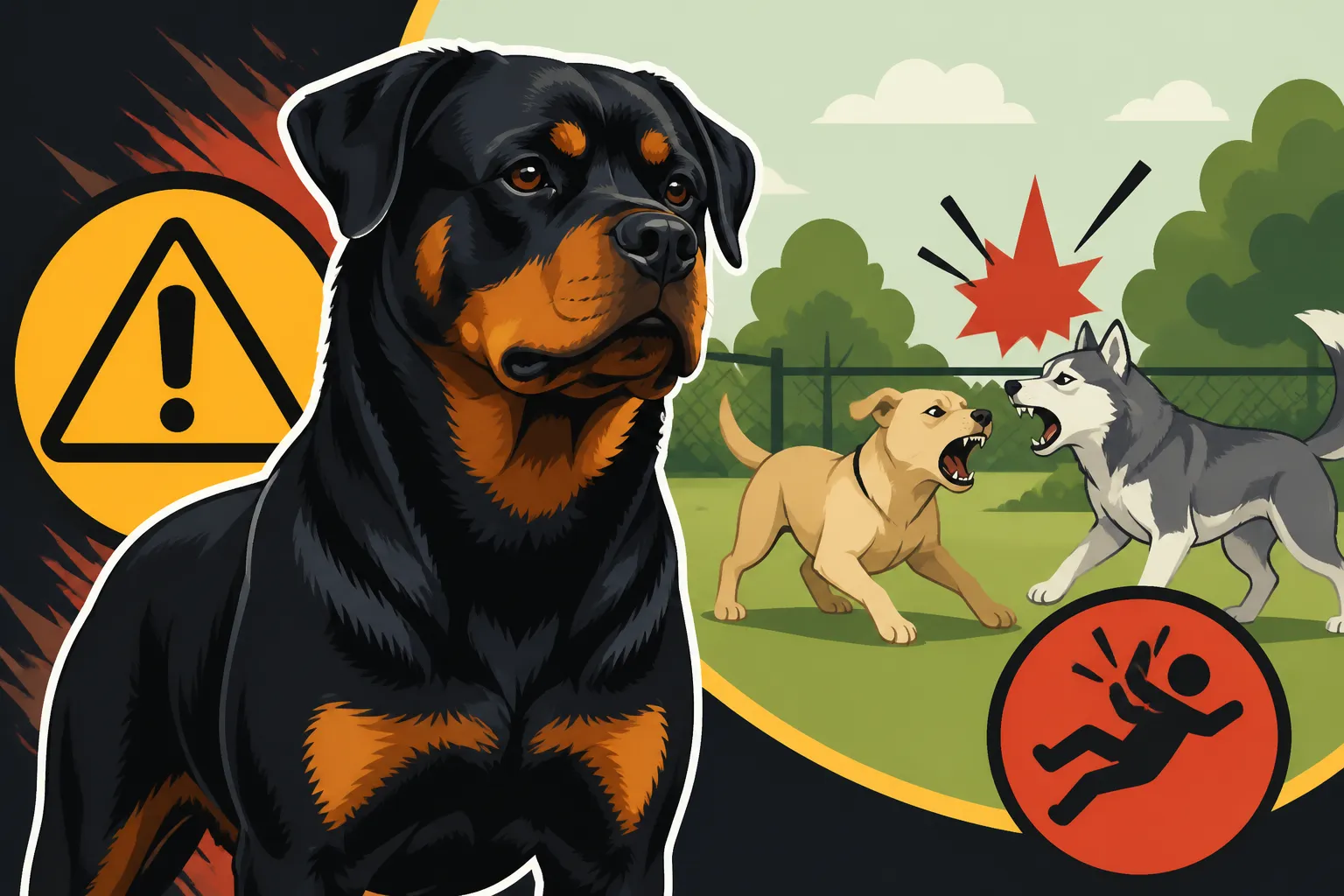
What might start as curious sniffing can turn into a tense standoff if too many dogs converge. A sudden loud noise or a burst of frantic play could push a Rottweiler past their comfort threshold. When a large dog like a Rottweiler becomes overstimulated, their reactions can be powerful and swift, potentially leading to an unintended incident. It's easy for an otherwise friendly dog to snap when pushed too far in such a chaotic environment. We often see Rottweiler Reactivity That Starts on Walks exacerbated in uncontrolled, high-energy settings like a dog park.
Resource Guarding in a Communal Setting
Resource guarding, where a dog becomes possessive over an item (food, toys, a favorite spot, or even a person), is a natural canine behavior. While good training can mitigate this, the dog park setting inherently creates an environment ripe for such conflicts. Communal water bowls, shared toys (if allowed), and even the attention of a favorite human can become high-value resources.
If your Rottweiler is calmly enjoying a drink at the water station and another dog barges in, or if a child inadvertently approaches you while your dog is resting, it could trigger a guarding instinct. Given their protective nature, a Rottweiler's response to perceived threats to their resources or loved ones can be intense. A Rottweiler That Guards a Person is a serious concern, and in a dog park, this protective instinct can be misinterpreted as aggression, leading to clashes with other dogs or even people. To minimize this risk, it's often best to avoid bringing toys to the park and to bring your own water supply to prevent water bowl disputes.
The Human Element: Other Owners and Their Unmanaged Dogs
Perhaps the most unpredictable variable in any dog park is the human one. You can train your Rottweiler to perfection, but you cannot control the training or behavior of every other dog and owner in the park. You'll encounter dogs that are poorly socialized, off-leash but without reliable recall, or even outright aggressive. Their owners might be distracted, unobservant, or simply naive about canine body language and dynamics.
Imagine your Rottweiler is minding their own business, and a small, yappy dog repeatedly nips at their heels, or an unneutered male dog attempts to mount them. While your Rottweiler might initially tolerate it, every dog has a limit. In such situations, it's not always the Rottweiler who starts the conflict, but they are often the one blamed due to their size and breed reputation. Being able to read the room, intervene quickly, and remove your dog from a potentially dangerous situation is paramount, but it's a constant battle when you're dealing with multiple variables outside your control.
Responsible Alternatives and Safe Practices for Rottweiler Socialization
Given the inherent risks, many experienced Rottweiler owners find that dog parks are simply not the best, or even safest, option for their dogs. This doesn't mean your Rottweiler has to live a solitary life; it just means being more intentional and controlled about their social experiences.
Building a Strong Foundation Through Early Training and Socialization
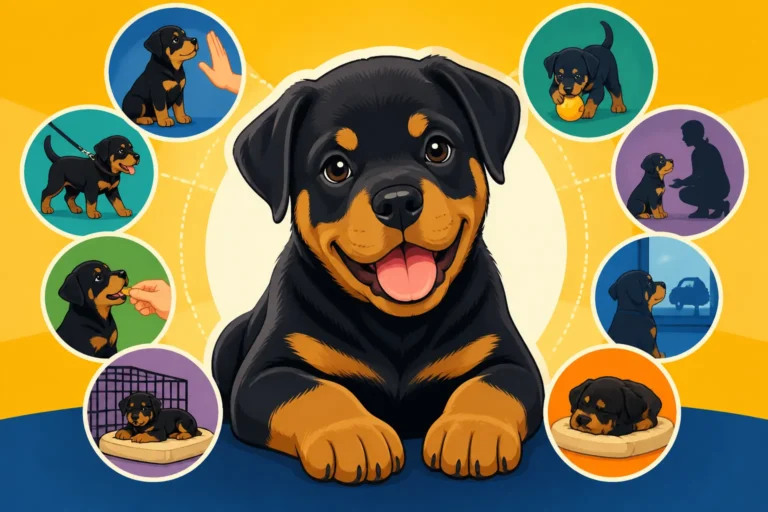
The key to a well-adjusted Rottweiler starts long before they reach adult size. Proper socialization during puppyhood, between 8 and 16 weeks, is absolutely critical. This isn't just about exposing them to other dogs, but to a wide variety of sights, sounds, people, and environments in a positive, controlled way. Socializing a Rottweiler Puppy Properly means carefully introducing them to novel experiences without overwhelming them. Puppy classes, where interactions are supervised by professionals, are invaluable.
Beyond socialization, consistent obedience training is non-negotiable. Your Rottweiler needs to understand and reliably respond to commands like "sit," "stay," "come," and "leave it" in distracting environments. This gives you the control you need to navigate potentially tricky situations, whether in a park or elsewhere. Programs like BAXTER & Bella offer excellent online resources that can help you lay this crucial foundation from the comfort of your home, ensuring your puppy gets proper guidance from the start, long before they can outweigh you. Why a Rottweiler Must Be Trained Before It Grows cannot be stressed enough; their size demands it.
Curated Social Interactions and Controlled Environments
Instead of the free-for-all of a dog park, focus on more structured and predictable social outlets.
- One-on-One Playdates: Arrange playdates with dogs you know are well-socialized, stable, and have a compatible play style with your Rottweiler. This allows for supervised, positive interactions without the overwhelming unpredictability of a public park.
- Small, Supervised Groups: Look for doggie daycares that have specific play groups for larger breeds or screen dogs carefully. Some even have trainers on staff to manage interactions.
- Obedience and Sport Classes: Enroll in advanced obedience, rally, or even Schutzhund (protection sport) classes. These environments provide mental stimulation, physical exercise, and a structured way for your dog to be around other dogs and people under expert supervision.
- Sniff Spots or Private Rentals: Services that allow you to rent private, fenced areas for your dog to run and explore can be fantastic alternatives. Your Rottweiler gets to enjoy off-leash freedom without the risk of interacting with unknown dogs.
Mastering Leash Manners and Recall for Every Outing
Even if you avoid dog parks, your Rottweiler will still encounter other dogs and people on walks or in public. This makes a rock-solid recall and impeccable leash manners absolutely essential. A Rottweiler who pulls on the leash can be a challenge for anyone, so working on Rottweiler Leash Pulling at Adult Weight is a continuous effort. Utilizing durable equipment, easily found on platforms like Amazon, such as a sturdy harness or head halter, can make a huge difference in managing their power.
More importantly, your Rottweiler needs an emergency recall that works no matter the distraction. Imagine another dog running up to yours, or a squirrel darting across the path – your ability to call your Rottweiler back to you reliably can prevent serious incidents. Invest time and effort into building Rottweiler recall that holds in various environments, using high-value treats and consistent practice. This skill is invaluable for their safety and your peace of mind.
Preparing for a Dog Park Visit: Gear, Training, and Mindset
If, despite the warnings, you still decide to take your adult Rottweiler to a dog park, careful preparation and a vigilant mindset are absolutely critical. This isn't a casual outing; it's a managed risk.
Essential Gear for Safety and Control
Having the right gear isn't just about comfort; it's about control and safety.
- Durable Leash and Harness/Collar: A strong, well-fitting leash and harness are non-negotiable. For a Rottweiler, you need equipment that can withstand their power. Many owners find success with front-clip harnesses that discourage pulling, or a sturdy flat collar combined with a quality leash. Avoid retractable leashes, which offer minimal control and can snap under pressure. You can find a wide range of robust options for a large breed on Amazon.
- Portable Water and Bowl: Don't rely on communal water bowls, which can be sources of conflict or disease. Bring your own water and a collapsible bowl for your Rottweiler. This also helps you control access and prevent potential resource guarding issues.
- Treats: High-value treats are crucial for rewarding good behavior and getting your dog's attention, especially when distractions are high.
- First-Aid Kit: A small, portable first-aid kit for dogs is a wise addition. Accidents happen, and being prepared for minor scrapes or cuts is important.
Refreshing Your Rottweiler's Obedience Cues
Before stepping foot into a dog park, take some time to refresh and strengthen your Rottweiler's basic obedience commands. Practice "leave it" for tempting distractions (like other dogs' toys or dropped food), "come" for reliable recall, "stay" to prevent them from rushing into a situation, and "heel" for close control when moving through congested areas.
Focus on practicing these commands in increasingly distracting environments, simulating the chaos of a dog park as much as possible. Engage in Rottweiler Impulse Control Games at home to build their ability to resist immediate urges, a skill that will serve them well in a busy dog park. Remember, if your Rottweiler isn't reliably obedient in a calm environment, they certainly won't be in a chaotic one.
Reading the Room: Your Dog's Body Language and the Environment
Your eyes and intuition are your most important tools in a dog park. Continuously observe your Rottweiler's body language and the overall environment. Look for signs of stress or discomfort in your dog: lip licking, yawning (when not tired), turning their head away, stiff body posture, or whale eye (showing the whites of their eyes). Reading a Still Rottweiler That Is Not Relaxed is a critical skill for any owner.
Also, pay close attention to other dogs and their owners. Are there any dogs showing overly dominant, aggressive, or fearful behavior? Are owners distracted by their phones, unaware of their dogs' actions? If you see a situation brewing, or if your dog seems overwhelmed, leave immediately. Don't wait for things to escalate. Your priority is your Rottweiler's safety and well-being, not trying to force a positive interaction. It's perfectly okay to decide a dog park isn't the right fit for your Rottweiler, either for that day or permanently.
| Aspect | Pros for Adult Rottweiler in Dog Park | Cons for Adult Rottweiler in Dog Park |
|---|---|---|
| Exercise | Opportunity for off-leash running and burning energy | Risk of overexertion or injury from uncontrolled play; not always safe. |
| Socialization | Exposure to various dogs and people (if managed well) | High risk of negative encounters; misinterpretations of play/temperament. |
| Mental Stimulation | Novel sights, sounds, and smells | Overstimulation can lead to anxiety or reactivity. |
| Human Interaction | Opportunity to meet other dog owners (if positive) | Dealing with uneducated or irresponsible owners; breed bias. |
| Risks | Potentially high-energy play | Risk of fights, injury, disease, resource guarding, legal liability. |
| Alternatives | Limited controlled socialization if other options aren't available | Better options exist: structured playdates, classes, private rentals. |
Disclaimer
This article is for general informational purposes only and does not constitute professional advice. Laws, prices and regulations vary by location and change over time. Consult a qualified professional for guidance on your specific situation.