Rottweiler Jumping on Guests at Full Weight
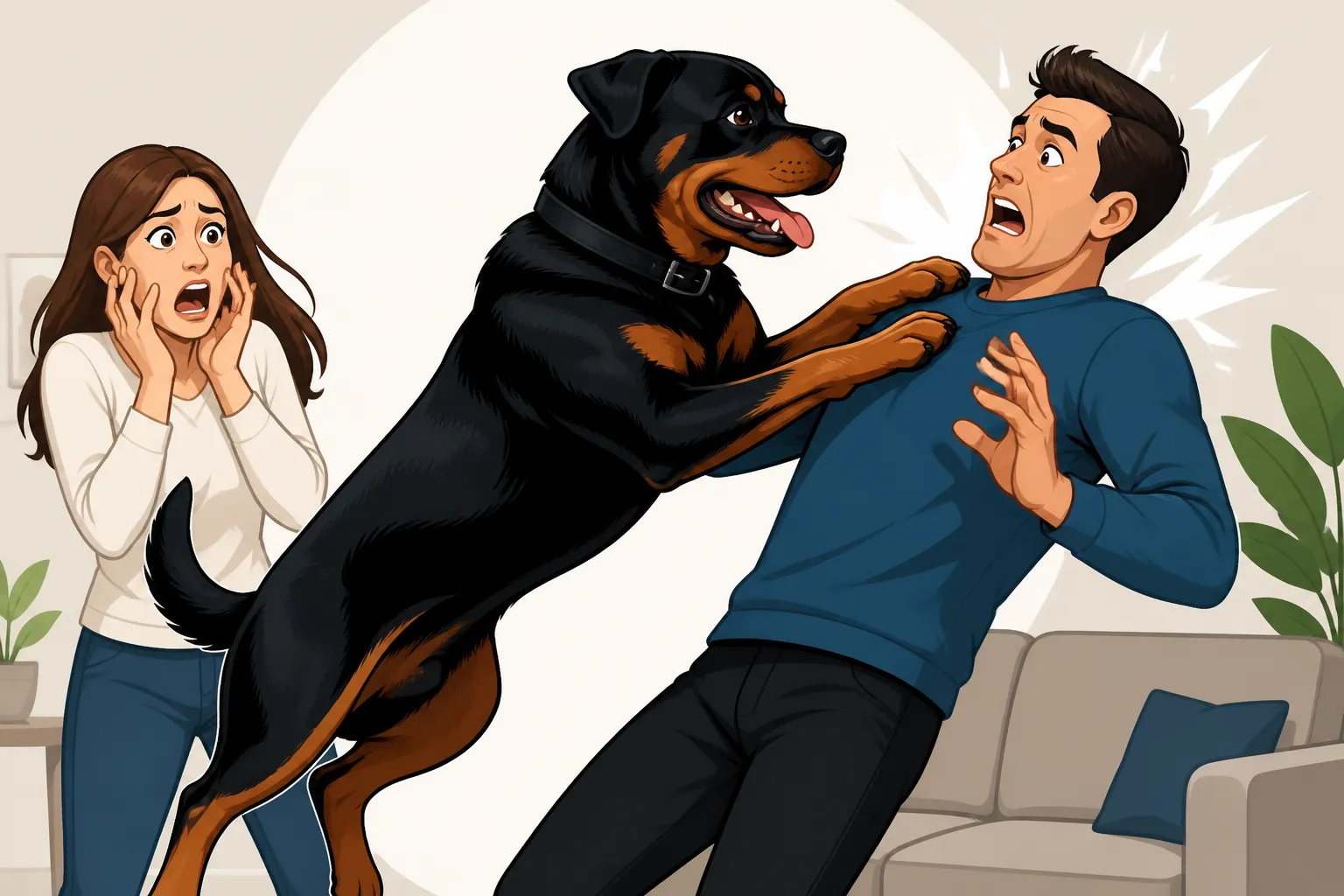
It’s a scenario many of us Rottweiler owners know all too well: the doorbell rings, and suddenly your calm, stately companion transforms into an excited projectile, launching a hundred pounds or more of pure joy (and sometimes slobber) directly at your unsuspecting guest. This isn't just a nuisance; it can be genuinely dangerous, knocking people off balance or frightening them. This guide is all about understanding why your big, beautiful Rottweiler behaves this way and, more importantly, how to train them to keep all four paws firmly on the floor when visitors arrive.
Why Your Rottweiler Jumps: Decoding the Canine Greeting
When your Rottweiler jumps, it’s rarely out of malice. Instead, it’s usually a combination of instinct, learned behavior, and pure, unadulterated enthusiasm. Understanding the "why" is the first step toward effectively managing and redirecting this powerful greeting.
The Root Causes of Jumping Behavior
At its heart, jumping is often a dog's attempt to engage with you at eye level, to get attention, or to show excitement. Think about how a puppy greets its mother or littermates – often with a bouncy, face-oriented approach. As humans, we often inadvertently reinforce this behavior without even realizing it. When a tiny puppy jumps on your leg, it's cute, right? We might bend down, give a quick pet, or offer a verbal "hello." What we’re teaching, however, is that jumping gets a reward: attention.
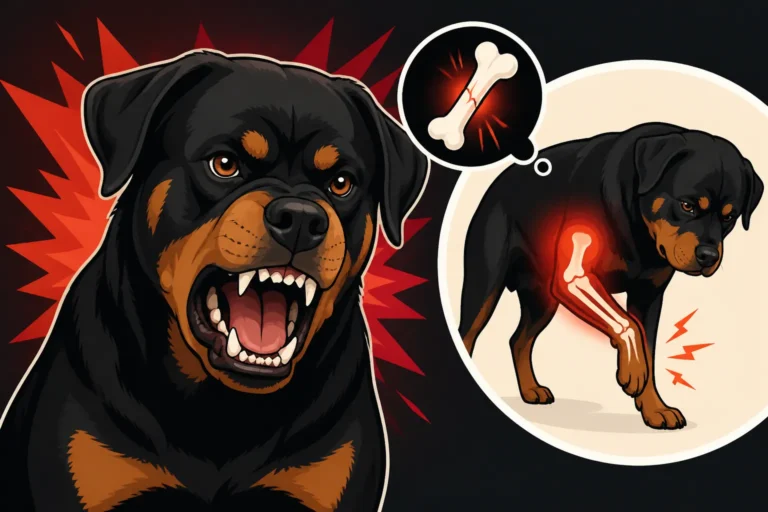
For a Rottweiler, whose growth plates are still closing until they're nearly two years old, jumping isn't just annoying; it can be detrimental to their joint health. What starts as a playful hop from a 30-pound pup quickly escalates to a full-body slam from a 110-pound adult. They also haven't grasped the difference between greeting their familiar family members, who might tolerate a jump, and a new guest who could be startled or injured. It’s a communication breakdown, plain and simple, and it's our job to teach them a more appropriate way to say "hello."
When Excitement Turns to Overwhelm
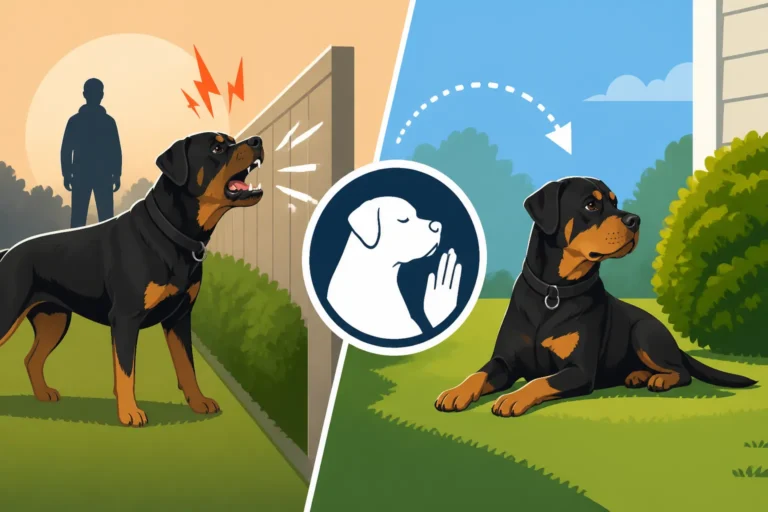
Rottweilers are naturally watchful and can be reserved with strangers, but once they accept someone, their affection can be effusive. This enthusiasm can quickly become overwhelming for both the dog and the human they're greeting. The doorbell, the sound of a car pulling up, or even the sight of a person approaching the front door can act as powerful triggers, sending their excitement levels skyrocketing. They anticipate the interaction, and without clear guidance on how to manage that excitement, they default to what has, in the past, gotten them attention.
Imagine the scenario: a guest arrives, and your Rottweiler, perhaps having been alone for a few hours, is bursting with pent-up energy and the desire for social interaction. They see the new person as a fantastic opportunity for play, pats, and attention. The sheer joy of a new face, combined with their substantial size and strength, results in that famous, albeit unwelcome, leap. This is why Rottweiler Puppy Training Through the First Year is so crucial, as addressing these behaviors early can prevent them from becoming deeply ingrained habits that are much harder to break later.
Laying the Groundwork: Preventing the Leap
Preventing jumping isn't just about stopping the action; it's about changing the circumstances and teaching your Rottweiler better ways to interact. This involves a multi-faceted approach focusing on environmental management and consistent early training.
Managing the Environment and Guest Interactions
The first line of defense against jumping is to control the environment. When you know guests are coming, or even just expect a delivery person, prepare for it. This might mean having your Rottweiler on a leash when the doorbell rings, even inside the house. A sturdy leash and a comfortable harness can give you the control you need to keep them grounded. If your dog is particularly prone to jumping, consider using a baby gate or keeping them in another room (with a favorite chew or puzzle toy) until your guests are settled and your dog is calmer.
You can also set up a designated "calm greeting spot." This could be a dog bed a few feet away from the door where your Rottweiler learns to go when visitors arrive. The trick is to prevent the jumping from happening in the first place, rather than trying to correct it mid-air. When guests arrive, briefly explain your training plan to them: "Please ignore my dog if he jumps. Only greet him when he has all four paws on the floor." This consistent message from everyone who interacts with your dog is vital. Remember, The Rottweiler Guarding Instinct and How to Shape It can also play into how they react to new people entering their space, so channeling that energy calmly is important.
Early Training for Calm Greetings
Starting young is absolutely critical with a Rottweiler. Teaching a 30-pound puppy not to jump is far easier than teaching a 120-pound adult. As soon as your Rottweiler puppy comes home, begin teaching them that calm behavior gets attention, and jumping does not. This is a foundational concept in Training a Rottweiler Before It Outweighs You. When your puppy jumps, turn your back, cross your arms, and completely ignore them. The moment all four paws are on the floor, turn back around and offer a calm "good dog" and a gentle pet. This isn't about punishment; it's about withholding the desired reward (attention) until the desired behavior is offered.
You can also proactively teach a "sit" or "down" command as an alternative greeting. Practice this regularly, not just when guests are present. Ask your dog to sit when you approach them, when they approach you, or when anyone in the family walks by. Reward the sit enthusiastically. Repetition builds habit, and you want "sit" to be their default reaction to a greeting, not jumping. Tools like training treats from a brand available on Amazon, or the structured lessons from an online program like BAXTER & Bella, can be invaluable in these early stages.
Effective Training Techniques for a "Four-on-the-Floor" Dog
Once you've managed the environment and started early groundwork, it's time to dive into specific training techniques that reinforce calm, polite greetings.
Teaching an Alternative Behavior
The most effective way to stop jumping is to teach your Rottweiler what to do instead. The "sit" or "down" command is often the easiest and most practical alternative. Here’s a simple step-by-step approach:
- Practice in a Low-Distraction Environment: Start by practicing your "sit" or "down" command in a quiet room with just you and your dog.
- Introduce a "Doorbell" Stimulus: Once your dog reliably sits or lies down on command, start simulating a guest arrival. Ring the doorbell yourself, then immediately ask for a "sit" or "down" before your dog has a chance to jump. Reward heavily with praise and a high-value treat when they comply. Repeat many times.
- Gradually Add Distraction: Have a family member or friend act as a "practice guest." Start with them just standing outside the door, then slowly progressing to ringing the bell and entering. Each time, ask for the "sit" before they can jump, and have the guest only acknowledge your dog if all four paws are on the floor. If your dog jumps, the "guest" should immediately turn their back and ignore them.
- Reward the Right Behavior: The key is to reward the calm, four-on-the-floor greeting consistently. This might mean your guest pauses at the door until your Rottweiler is sitting, then gives a calm pet or offers a treat. This teaches your dog, "Ah, this is how I get what I want!"
Remember, a Rottweiler That Ignores a Visitor Completely is not the goal; a polite, calm greeting is. We want them to still be friendly, just not physically overwhelming. This is also where consistency with Door Manners for a Rottweiler That Barges comes into play; the same principles apply.
Practicing Controlled Greetings
Structured, controlled greetings are vital for helping your Rottweiler generalize this polite behavior to all visitors.
Here's how to set up successful practice sessions:
- The Leashed Approach: When expecting a guest, have your Rottweiler on a leash. As the guest approaches, keep your dog by your side. Ask for a "sit" or "down." If your dog starts to get excited and tries to jump, gently but firmly redirect them with the leash, say "no jump," and immediately ask for the sit again.
- Guest Engagement Protocol: Inform your guest that they should only greet your dog when they are calm and have all four paws on the ground. If your dog jumps, the guest should immediately stop attention (turn their back, stop talking, remove their hand). The moment the dog settles, they can resume. This might feel awkward for your guest, but it’s crucial for your dog to understand the consequence of jumping.
- Short and Sweet Interactions: Initially, keep greetings short. A quick calm pet or a treat for a successful "sit" is enough. As your dog improves, you can gradually extend the duration of the calm interaction.
- Enlist Friends and Family: The more people your Rottweiler practices with, the better. Ask trusted friends and family members to help you with these training sessions. Explain the protocol clearly so everyone is on the same page. Vary the people, locations (inside, outside, different rooms), and situations to help your dog generalize the behavior.
- Use Tools Wisely: Sometimes, a front-clip harness or a head halter can offer better control for a strong Rottweiler during greetings, especially if they are particularly excitable. These tools make it physically harder for your dog to jump and redirect their focus back to you. Be sure to introduce any new equipment gradually and positively. Many effective training tools can be found on Amazon, but always research and choose appropriate sizes and types for a powerful breed like a Rottweiler.
| Scenario | Dog's Behavior | Handler's Action | Guest's Action | Desired Outcome |
|---|---|---|---|---|
| Doorbell Rings | Rushes, barks, jumps | "Place" command to bed, or leash for control. | Waits for handler cue. | Dog goes to place, or is calm on leash. |
| Guest Enters | Jumps up, paws on chest | Turn back, ignore. Say "Off" or "Four on the floor." | Turn back, ignore, no eye contact. | Dog removes paws. |
| Dog Has All Four Paws Down | Sits, stands calmly, makes eye contact | "Good sit," treat, gentle praise. Release. | Offer a calm, gentle pet. Avoid overly excited tone. | Polite greeting, dog associates calm with reward. |
| Dog Attempts to Jump Again | Jumps after initial calm greeting | Immediately stop attention, turn away. | Immediately stop attention, turn away. | Dog learns jumping restarts the "ignore" sequence. |
Addressing Persistent Jumping and When to Seek Help
Even with consistent effort, some Rottweilers might find jumping a particularly tough habit to break. Don't get discouraged! Persistence is key, and sometimes a little extra help can make all the difference.
Troubleshooting Common Challenges
One of the biggest hurdles is inconsistency. If one family member allows jumping, even occasionally, your Rottweiler gets a mixed message, making the training much harder. Ensure everyone in the household, and anyone who regularly interacts with your dog, understands and follows the "four-on-the-floor" rule. Another common issue is rewarding too late, or too little. The timing of your reward is crucial – it must happen the instant your dog's paws are on the ground and they are calm. High-value treats (think tiny pieces of cooked chicken or cheese) can be much more motivating than dry kibble, especially in exciting situations like greeting a guest.
Sometimes, the jumping isn't just excitement; it might stem from a lack of sufficient exercise or mental stimulation. A bored, energetic Rottweiler is more likely to create their own fun, which might include boisterous greetings. Make sure your dog is getting enough physical activity (appropriate for their age and joint health – remember A Growing Rottweiler's Joints and Overexercise) and engaging mental work through puzzle toys, training sessions, and Rottweiler Impulse Control Games. A tired dog is often a well-behaved dog. If your Rottweiler is overly reactive to the doorbell or people outside, you might need to work on counter-conditioning to change their emotional response to these triggers before expecting them to greet calmly.
Seeking Professional Guidance
If you've tried everything and your Rottweiler's jumping behavior persists or escalates, don't hesitate to reach out to a professional. A certified professional dog trainer or a canine behaviorist can observe your dog in action, identify specific triggers, and develop a customized training plan. They can offer hands-on guidance, help you refine your techniques, and troubleshoot any unique challenges you might be facing. It’s particularly important to seek help if the jumping is accompanied by other concerning behaviors, such as growling, nipping, or excessive fear.
Finding a trainer with experience working with large, powerful breeds like Rottweilers is essential. Look for someone who uses positive reinforcement methods and can clearly articulate their training philosophy. You might search for " Finding a Rottweiler-Experienced Trainer Near You" to start your search. They can provide invaluable support, helping you and your Rottweiler build a stronger, more respectful relationship, ensuring that your guests feel welcome and safe, and that your Rottweiler learns to be the calm, confident companion you know they can be.
Disclaimer
This article is for general informational purposes only and does not constitute professional advice. Laws, prices and regulations vary by location and change over time. Consult a qualified professional for guidance on your specific situation.