Getting a Rottweiler Used to the Vet Table
One of the most common hurdles for Rottweiler owners and their vets is the sheer size and presence of these magnificent dogs, especially when it comes to getting them up onto that examination table. It's a scenario that can cause stress for everyone involved – your dog is anxious, you're worried they might slip, and the vet staff are trying to manage a wiggly, hundred-pound animal. This guide is here to walk you through practical steps and desensitization techniques to make vet visits, particularly the infamous "table time," a smoother, less stressful experience for your Rottweiler and for you.
Why the Vet Table Can Be a Challenge for Rottweilers
Let's be honest, asking a hundred-plus pound dog, even a calm one, to voluntarily hop onto a small, often slick, elevated surface in an unfamiliar environment is a big ask. For a Rottweiler, with their innate sense of guarding and their sheer physical presence, the vet table can present a unique set of challenges that go beyond simple reluctance.
The Size and Weight Factor
The most obvious hurdle is, of course, their size and weight. A fully grown male Rottweiler can easily weigh 120 pounds or more, and even a female often tips the scales at 90-100 pounds. This isn't just about the physical difficulty of lifting them; it's about their perception of vulnerability. Imagine being a powerful, self-assured dog, then suddenly being hoisted off your feet by strangers onto an unstable surface. It can be unnerving, to say the least.
Veterinary tables are designed to hold weight, but they can still feel slick or unstable to a large dog, especially one that's already feeling a bit off-kilter from the car ride or the general clinic atmosphere. A Rottweiler who feels unsure might brace themselves, making them feel even heavier and more awkward to lift. This isn't defiance; it's often a natural reaction to feeling out of control in an unfamiliar and potentially scary situation. The key is to start preparing them for this experience long before it becomes a necessity, ideally from puppyhood. Rottweiler Growth Plates and Why They Close So Late means you have a long window where their joints are still developing, making careful handling and avoiding jumps crucial.
Temperament and Perception of Vulnerability
Rottweilers are known for their confident, self-assured, and often aloof nature. They are discerning dogs who don't typically offer effusive greetings to strangers. While this makes them excellent guardians, it also means they tend to be less accepting of unfamiliar people handling them, especially in a way that makes them feel vulnerable, like being lifted. Being picked up can trigger an instinctual feeling of helplessness or even threat if they haven't been properly conditioned to it.
A Rottweiler who is unsure or stressed might plant their feet, lean away, or even offer a low grumble – not out of aggression, but out of discomfort and a desire to control their own space. Their impressive physical build means that even a subtle protest can make lifting them a difficult and potentially unsafe task for both the dog and the human. Building a strong foundation of trust and positive association with handling, combined with slow, consistent desensitization, is vital to help them perceive the vet table as a non-threatening, even rewarding, place. This confidence building is part of Training a Rottweiler Before It Outweighs You.
Early Desensitization: Puppy Steps to Table Confidence
The absolute best time to start getting your Rottweiler comfortable with the vet table is when they are a small, manageable puppy. This isn't about rushing them; it's about building positive associations and teaching them that being on an elevated surface is a normal, safe, and even pleasant experience.
Starting at Home: The "Practice Table"
You can create a "practice vet table" right in your own home. Find a sturdy, stable surface that's off the ground – a robust coffee table, a workbench, or even a sturdy ottoman can work. The key is that it must be stable and not wobble, and ideally, you should place a non-slip mat or towel on top to give your puppy secure footing.
Start by luring your puppy onto the table with high-value treats and praise. Make it a game! Don't worry about them staying there for long at first; the goal is just to get them up, give them a treat, and let them get down. Repeat this several times a day in short, fun sessions. As they get more comfortable, gradually increase the time they spend on the table. You can give them a small, engaging chew toy or a spoonful of peanut butter smeared on a LickiMat (easily found on Amazon) while they're up there to create a strong positive association. This early exposure helps them learn that elevated surfaces are good places to be, setting the stage for smoother vet visits down the line. Remember, Rottweiler Puppy Training Through the First Year covers many foundational behaviors crucial for these early stages.
Gradual Introduction to Handling
Once your Rottweiler puppy is comfortable being on their "practice table," you can start introducing gentle handling that mimics what they might experience at the vet. This includes touching their paws, gently spreading their toes, looking in their ears, opening their mouth to check their teeth, and gently feeling along their body.
Always pair these touches with treats and verbal praise. If your puppy shows any signs of discomfort – a stiff body, a lip lick, or moving away – stop, give them a break, and try again more gently. The goal is to build their tolerance and make them associate these touches with positive rewards, not punishment or fear. Think of it as a game of "vet visit." If you have two people, one can gently hold your puppy while the other performs these "examinations." Start with very short sessions, just a few seconds, and gradually increase the duration as your puppy's comfort grows. This is also excellent practice for Rottweiler Handling Practice for Grooming, making their regular care much easier.
Techniques for a Smooth Vet Table Experience
Even with the best early desensitization, the actual vet clinic environment can bring its own anxieties. The smells, sounds, and presence of other animals can amp up a Rottweiler's stress. Having specific strategies for the table itself can make a world of difference.
The Lift: Proper Mechanics and Positive Associations
For a large Rottweiler who can't or won't jump onto the table, a proper lift is essential for safety. If your dog is smaller or more agile, you might be able to simply guide them on with a step stool or ramp. For larger, less cooperative dogs, it's often a two-person job. One person supports the chest and front legs, while the other supports the hindquarters. The goal is a smooth, confident lift, avoiding any sudden jerks that could spook them or cause injury.
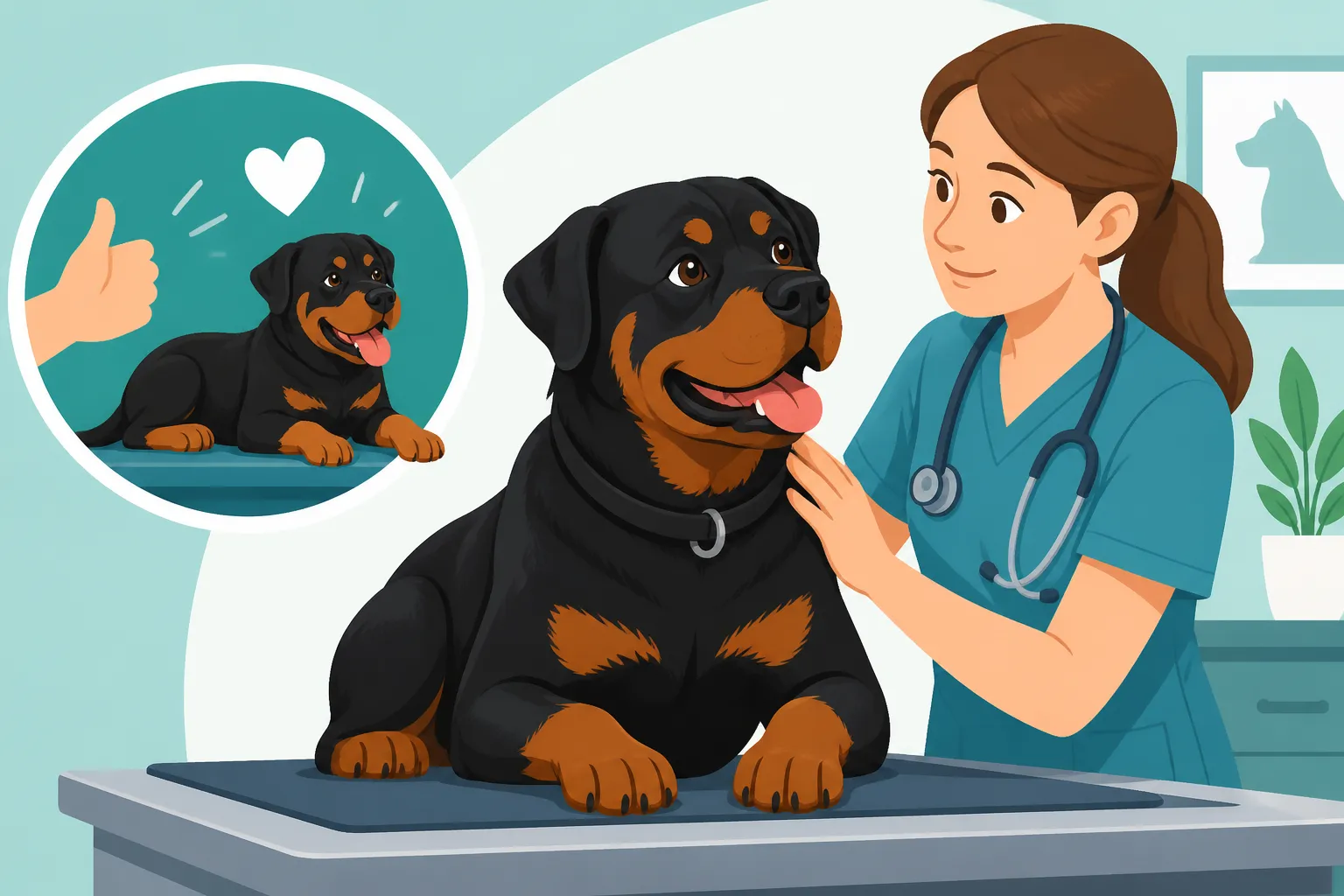
Once your Rottweiler is on the table, immediately shower them with high-value treats. These aren't just any treats; these are the good stuff they only get at the vet or on the practice table. Think bits of cheese, cooked chicken, or liver paste. Keep a steady stream of treats going, especially during examinations. This helps them form a positive association: "Table time means delicious food!" If your dog is really food motivated, you can use a portable treat dispenser or a tube of squeeze cheese to keep their attention. A well-designed online training program like BAXTER & Bella often includes specific modules on cooperative care and making vet visits positive, which can be incredibly helpful for owners needing structured guidance.
Table Manners: Stay and Settle
Beyond just getting them on the table, you want your Rottweiler to stay and settle while they are there. This is where basic obedience training really shines. Practice a "stay" command at home, gradually increasing distractions. When you get to the vet, ask your dog to "stay" on the table.
For dogs who are still a bit restless, distraction is your friend. A LickiMat suction-cupped to the table with a smear of peanut butter or cream cheese can keep their mind and mouth busy throughout much of the exam. Some owners also bring a favorite squeaky toy or a soft blanket that smells like home. The idea is to create an environment where they are occupied and comfortable enough to allow the vet to do their work. A calm demeanor from you also goes a long way. Your Rottweiler picks up on your stress, so taking a deep breath and projecting confidence, even if you don't feel it, can help them relax. Engaging them in Rottweiler Impulse Control Games at home can also build the mental discipline needed to settle in distracting environments.
When Your Rottweiler Needs a Little Extra Help
Sometimes, despite your best efforts, a Rottweiler might develop a strong aversion to the vet table or the clinic in general. This can stem from a painful past experience, an underlying health issue, or simply a strong personality trait that makes them resistant to restraint. Recognizing these signs and seeking appropriate help is crucial.
Addressing Fear and Anxiety
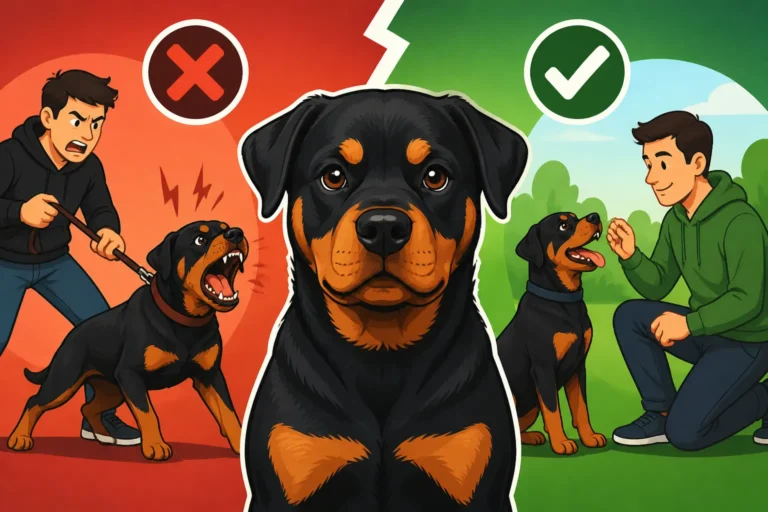
A Rottweiler who is truly fearful on the vet table might exhibit subtle or overt signs of stress: yawning, lip licking, panting, tucked tail, avoidance, or even a low growl or snap. It's vital to recognize these signals early and communicate them to your veterinary team. Punishing fear will only escalate the problem and erode trust.
For dogs with significant fear or anxiety, consider consulting with your veterinarian about working with a veterinary behaviorist or a certified fear-free professional. These experts can develop a tailored plan that might include counter-conditioning, desensitization protocols, and, in some cases, anxiety-reducing medication to make vet visits tolerable. Some clinics now offer "fear-free" appointments where the dog is examined on the floor or in an exam room without a table, if possible. Remember, Rottweiler Behavior Changes That Mean Pain could also be contributing to an aversion, so a thorough physical exam is always the first step to rule out discomfort.
Tools and Aids for Table Confidence
Beyond training, there are several practical tools that can help your Rottweiler feel more secure and comfortable on the vet table.
- Non-slip Mats: Always ask the vet staff to place a non-slip mat on the table if one isn't already there. This provides crucial traction and helps your dog feel more stable. You can even bring your own if you prefer.
- Calming Aids: Pheromone sprays or diffusers (such as Adaptil) can help create a more calming environment in the carrier or on a bandana. Some veterinarians might suggest short-term oral calming supplements or medications for highly anxious dogs, to be given prior to the appointment.
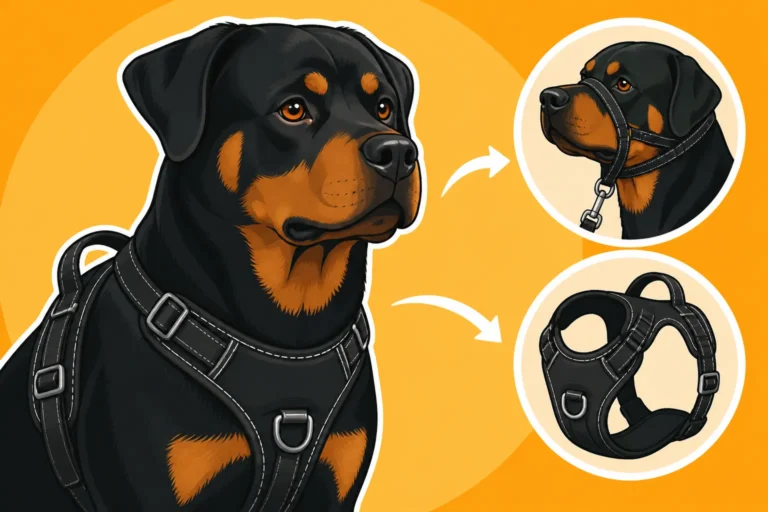
- Secure Harnesses: A well-fitting, sturdy harness (like those available on Amazon for large breeds) offers more control than a collar, especially if your dog tries to back away. Ensure it's comfortable and doesn't rub.
- Distraction Devices: As mentioned, LickiMats, Kongs stuffed with frozen treats, or even a novel chew can keep a dog engaged during procedures. BAXTER & Bella's online training program often emphasizes the use of enrichment and positive distraction techniques, which can be applied to many stressful situations, including vet visits.
Here's a quick overview of how to build comfort:
| Age/Stage | Focus | At-Home Practice | Vet Visit Strategy |
|---|---|---|---|
| Puppy (8-16 weeks) | Early positive associations | "Practice table" sessions with high-value treats, gentle handling. | Carry onto table (if small), constant treats, short visits. |
| Adolescent (4-18 months) | Building confidence and duration | Increase time on practice table, advanced handling, "stay" command. | Lure onto table if possible, heavy treats, LickiMat distraction. |
| Adult (18 months+) | Maintaining positive experience | Occasional refresher on practice table, reinforce "settle." | Use a ramp or assisted lift, focus on calm praise, rewards. |
| Senior (7+ years) | Prioritizing comfort and ease | Ramps for elevated surfaces, gentle handling. | Floor exams if possible, ensure non-slip surface, pain management. |
Ultimately, the goal is to create a partnership with your veterinarian where your Rottweiler's comfort and emotional well-being are prioritized. With consistent positive reinforcement, patience, and the right approach, even the most table-averse Rottweiler can learn to tolerate, and perhaps even enjoy, their time at the vet.
Disclaimer
This article is for general informational purposes only and does not constitute professional advice. Laws, prices and regulations vary by location and change over time. Consult a qualified professional for guidance on your specific situation.