Introducing a Rottweiler Puppy to Strangers Safely
Bringing a new Rottweiler puppy home is an exciting time, but it also comes with the weighty responsibility of shaping a confident, well-adjusted adult dog. Many new owners feel a real apprehension about how their Rottweiler, a powerful breed with an ingrained protective nature, will interact with strangers. This guide will walk you through the essential steps and thoughtful considerations for safely and positively introducing your Rottweiler puppy to new people, laying the foundation for a lifetime of appropriate behavior.
Understanding Your Rottweiler Puppy's Natural Inclinations
Before we even talk about introductions, it’s crucial to understand the breed you've welcomed into your home. Rottweilers are not typically the "love everyone, bounce-on-them" type of dog you might see in some other breeds. Their heritage as cattle drovers and guardians instilled in them a reserved, discerning nature. This isn't a flaw; it's a fundamental part of who they are, and understanding it is your first step towards successful socialization.
The "Wait and See" Temperament
A Rottweiler's natural inclination is often to observe first. They take their time assessing new situations and new people. This "wait and see" approach can sometimes be misinterpreted as shyness, aloofness, or even unfriendliness, but it's simply their way of gathering information. They are assessing whether this new person is a threat, a neutral party, or someone to be welcomed into their inner circle. It's a hallmark of their self-assured, confident temperament. You'll often notice this calm, still posture as they evaluate. Trying to force interactions or rush them can backfire, making them uncomfortable or even defensive. It's far better to allow them to approach on their own terms, inviting interaction rather than demanding it. Rottweiler Aloofness and Why It Reads as Cold delves deeper into this fascinating aspect of their personality.
Why Early Socialization Isn't Just for Other Dogs
When people talk about puppy socialization, the first thing that often comes to mind is exposing a puppy to other dogs. While crucial, it's just one piece of the puzzle. For a Rottweiler, exposure to a wide variety of people is equally, if not more, important. Without positive, early experiences with different types of strangers – men, women, children, people with hats, glasses, beards, different gaits, and voices – your Rottweiler puppy can grow up to be wary or even fearful of anything unfamiliar. Fear often manifests as aggression in a powerful breed, and that's something we absolutely want to prevent. Think of socialization as building a mental library of positive experiences. The more good "books" your puppy collects about different people and situations, the more confident and accepting they will be as an adult. Remember, you're not trying to make your Rottweiler love everyone, but rather to accept appropriate strangers calmly and without suspicion. Rottweiler Socialization Before Sixteen Weeks is a critical read on this topic.
Setting Up Successful First Encounters
The key to introducing your Rottweiler puppy to strangers safely is control, positive association, and understanding your puppy's individual boundaries. Every interaction should be a building block, not a forced trial by fire.
Controlled Environments and Positive Reinforcement
The best first encounters happen in controlled, low-stress environments. This isn't the chaotic dog park or a busy street corner. Think of a quiet park bench during an off-peak hour, or even your own backyard. The "stranger" should be someone calm and willing to follow your instructions.
Here’s a step-by-step approach:
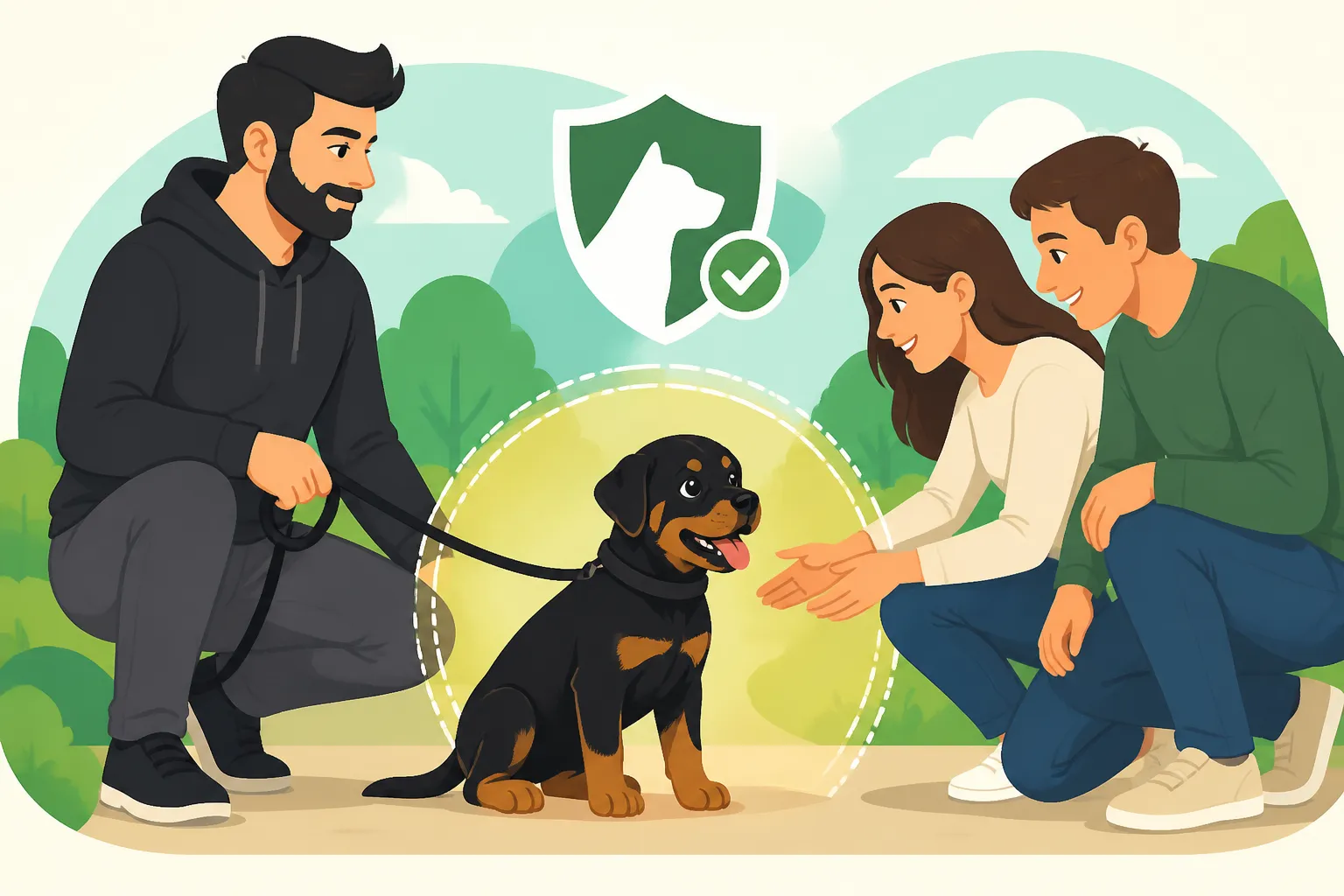
- Prep the Stranger: Ask the person to approach slowly, avoid direct eye contact initially (which can be perceived as threatening by some dogs), and speak in a soft, calm voice. They should get down to the puppy's level if possible, but without towering over them. Most importantly, no sudden movements or reaching!
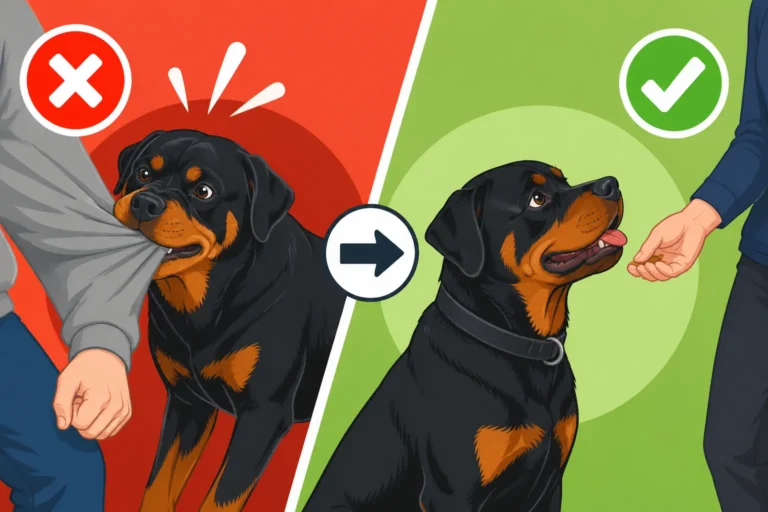
- Lure with Treats: Have high-value, pea-sized treats ready. As the stranger approaches, have them toss a treat slightly away from the puppy, letting the puppy choose to investigate and eat it. This creates a positive association: "stranger equals yummy food."
- Allow Choice: Let your puppy initiate contact. The stranger should keep their hand open, palm up, at their side – not reaching out. If the puppy chooses to sniff or even nudge, the stranger can offer another treat gently. If the puppy recoils, that's fine; they're not ready. Don't push it.
- Keep it Short and Sweet: A brief, positive interaction is much better than a long, overwhelming one. End the interaction on a high note, before your puppy gets tired or stressed. The goal is for your puppy to think, "Wow, that person was great! I hope another one comes along soon!"
The BAXTER & Bella online puppy school offers fantastic resources and structured programs that can guide you through these early socialization steps, providing expert advice on how to integrate strangers and new experiences safely. They emphasize creating positive experiences, which is paramount for a Rottweiler.
Reading Your Puppy's Cues and Advocating for Them
Your Rottweiler puppy is constantly communicating with you, if you know how to listen. Their body language will tell you everything you need to know about how they're feeling during an interaction.
Look for these signs:
- Positive/Neutral: Loose body, wagging tail (even a little nub wiggle!), soft eyes, relaxed mouth, gentle sniffing, choosing to approach. These are good signs.
- Caution/Stress: Stiff body, tail tucked or held rigidly, wide eyes showing the whites ("whale eye"), lip licking, yawning (when not tired), turning away, trying to hide behind you, low growl or grumble. These are warning signs that your puppy is uncomfortable. A still, attentive posture, even without obvious fear, can indicate deep assessment rather than relaxation, as discussed in Reading a Still Rottweiler That Is Not Relaxed.
- Fear/Aggression: Lunging, snapping, hard stare, raised hackles, snarling. If you see these, you've pushed too far, too fast.
It is your job to advocate for your puppy. If you see signs of stress, calmly remove your puppy from the situation. Don't scold them for being uncomfortable. Instead, protect them. Say "Thank you!" to the stranger and walk away. You are teaching your puppy that you are their safe harbor, and that you will protect them from scary things. This builds trust, which is invaluable for a guarding breed. If your puppy often exhibits the "wait-and-see" approach The Wait-and-See Way a Rottweiler Meets Strangers, respecting this natural inclination is key.
Tools and Strategies for Safe Introductions
Beyond direct interactions, there are several tools and ongoing strategies that will support your Rottweiler puppy's journey to becoming a confident, well-adjusted adult around strangers.
Essential Gear for Public Outings
Having the right equipment is critical, especially as your Rottweiler puppy grows from a manageable fluffball into a powerful young dog.
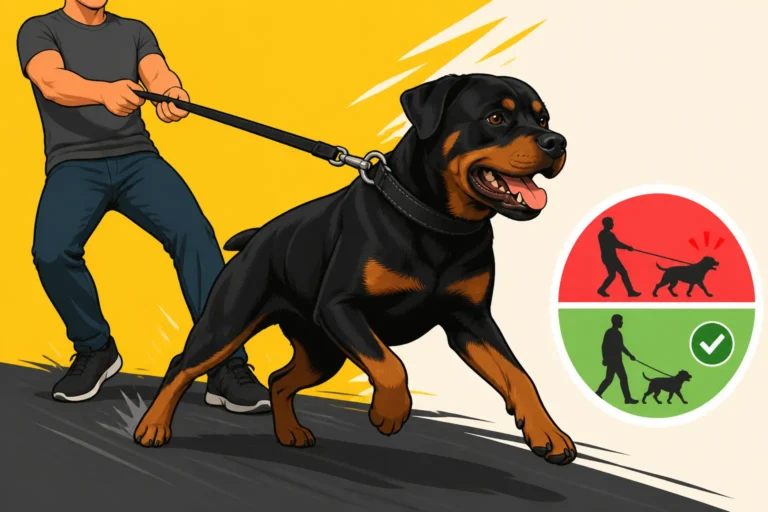
- Sturdy Leash and Harness: A strong, well-fitting harness (not just a collar) is essential. It provides better control and distributes pressure across the chest, preventing strain on the neck and throat. Look for reputable brands on Amazon that offer harnesses designed for large breeds, ensuring durability and a secure fit. A good, non-retractable leash, ideally 6 feet long, gives you enough lead to manage your puppy while maintaining control. As your puppy grows, you'll want to focus on Rottweiler Leash Manners at a Hundred Pounds.
- High-Value Treats: Keep a treat pouch full of irresistible goodies like small pieces of cooked chicken, cheese, or hot dogs. These are your secret weapon for creating positive associations and rewarding calm behavior.
- A Familiar Scent: Sometimes, having a familiar blanket or toy can offer your puppy a sense of security in new environments. It's a small anchor to their safe place.
- Muzzle Training: While it might sound alarming, muzzle training is a responsible step for any large breed owner. A well-fitted muzzle, introduced positively, is a tool for safety, not punishment. It allows you to take your dog into potentially unpredictable public situations (like a vet visit or a busy park) with confidence, knowing that accidental nips or bites are prevented. Start early, making it a positive experience with treats, long before you need it. Muzzle Training a Rottweiler Before You Need It offers excellent guidance on this.
Continued Exposure and Training Beyond Puppyhood
Socialization isn't a one-and-done event; it's an ongoing process throughout your Rottweiler's life. Especially during their critical developmental stages, consistent, positive exposure is vital.
- Structured Puppy Classes: Enrolling in puppy classes is an excellent way to expose your Rottweiler to new people (the instructors and other owners) and other puppies in a controlled, safe environment. Look for classes that emphasize positive reinforcement and offer guidance on human-dog interactions. Puppy Classes That Accept Rottweilers can help you find the right fit.
- Planned Encounters: Don't wait for strangers to appear; actively seek out opportunities for positive interaction. Invite a few trusted friends over specifically for a "puppy party," instructing them on how to interact gently. Take your puppy to quiet outdoor cafes or parks where they can observe people from a distance without feeling overwhelmed.
- Maintain Training: Consistency is key. Basic obedience commands like "sit," "stay," and "leave it" are not just for tricks; they are crucial for managing your Rottweiler's behavior in public and around strangers. A well-trained dog is a more confident dog, and a dog you can better manage in any situation. Continued training throughout Rottweiler Puppy Training Through the First Year is vital.
| Approach to Stranger Introductions | Good Practice | Avoid At All Costs |
|---|---|---|
| Environment | Quiet, low-traffic areas; your own home | Busy streets, crowded dog parks, unpredictable public events |
| Stranger Interaction | Calm, slow movements; tossing treats; no direct eye contact | Rushing, loud noises, sudden reaching, forcing interaction |
| Puppy's Choice | Allow puppy to approach or retreat freely | Forcing puppy to interact; holding them still for petting |
| Reinforcement | High-value treats for calm curiosity and approach | Scolding fear or shyness; using negative correction |
| Duration | Short, positive, ending on a high note | Long, overwhelming interactions that lead to stress |
| Your Role | Advocate for your puppy; read body language | Ignoring stress signals; allowing strangers to push boundaries |
Common Pitfalls and How to Avoid Them
Even with the best intentions, it's easy to make mistakes that can hinder your Rottweiler puppy's comfort around strangers. Being aware of these common pitfalls can help you navigate the process more successfully.
Overwhelming Your Puppy
One of the biggest mistakes owners make is trying to do too much, too fast. We see our adorable puppy, and we want everyone to love them! We might encourage every passerby to pet them, take them to bustling events, or let children swarm them. For a Rottweiler, this is a recipe for disaster.
Imagine yourself in a room full of strangers, all talking at once, touching you, reaching for you. It's stressful, right? Your puppy feels the same way. An overwhelmed puppy can become fearful, and fear, as mentioned before, can lead to defensive aggression down the line. Instead of a "meet and greet" with 20 people in an hour, aim for quality over quantity. One or two positive, calm interactions with different individuals each day are far more beneficial than a mass exposure event. Remember the phrase "controlled exposure, positive outcome." Over-excitement from strangers, even if well-meaning, can also be overwhelming. Politely ask people to keep their voices low and their movements calm.
The Danger of Negative Experiences
A single traumatic experience can set your Rottweiler puppy's socialization back months, if not permanently. This could be anything from a child accidentally stepping on their paw, another dog snapping at them, or a person being overly aggressive in their attempts to pet. These negative interactions teach your puppy that strangers are indeed something to be wary of, reinforcing their natural caution in a negative way.
To avoid this, be vigilant. Always supervise interactions, especially with children, and be ready to step in and remove your puppy if a situation seems to be going south. Don't be afraid to politely tell someone, "My puppy is in training, please give us some space," or "Please let him approach you first." You are your puppy's protector. If a stranger can't respect your boundaries for your puppy, they don't get to interact. Think about the lifelong consequences of one bad moment; it's not worth the risk. Always aim for positive associations to build your Rottweiler's confidence and trust in the human world.
Disclaimer
This article is for general informational purposes only and does not constitute professional advice. Laws, prices and regulations vary by location and change over time. Consult a qualified professional for guidance on your specific situation.