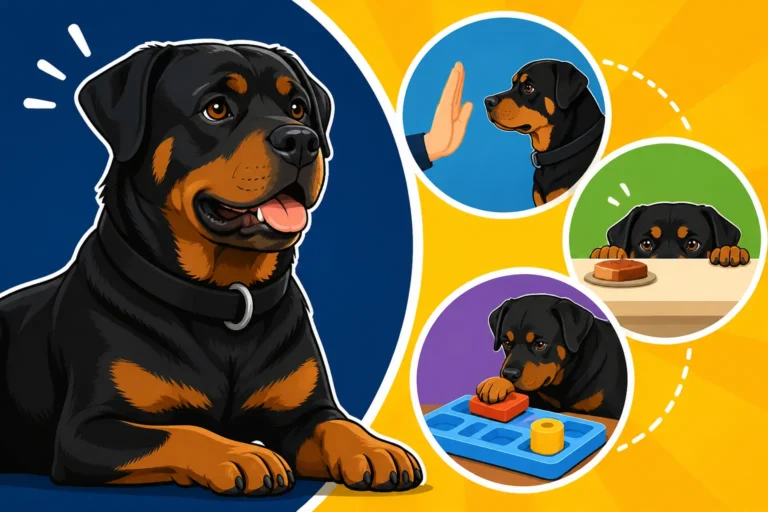
When a Rottweiler Guards a Child
One of the most concerning behaviors a Rottweiler owner can encounter is when their beloved dog starts to guard a child in the home. It’s a situation fraught with worry, bringing up questions about safety and what this powerful dog is truly thinking. This guide aims to unpack why this behavior occurs, how to recognize its signs, and, most importantly, provide actionable steps to manage and resolve this complex issue, ensuring a safe and harmonious household for everyone.
Understanding the Root of Rottweiler Guarding Behavior
When a Rottweiler starts to "guard" a child, it’s rarely born from malice or an inherent desire to harm. Instead, it’s often a complex interplay of natural instincts, misunderstanding of social roles, and a lack of clear communication from their human family. Understanding these underlying factors is the first step toward effective intervention.
The Instinct to Protect: More Than Just Aggression
Let's be real, Rottweilers were literally bred for protection. Their history as drover dogs, guarding cattle and money bags in the German town of Rottweil, has instilled in them a deep-seated instinct to protect what they perceive as their flock, their territory, and their people. When you bring a Rottweiler into your home, you're tapping into centuries of selective breeding for a dog that is self-assured, observant, and ready to act if it deems necessary. This isn't aggression in the malicious sense, but rather a profound sense of duty and responsibility that, if misdirected or misunderstood, can lead to problematic behaviors.
Imagine a scenario: your Rottweiler, known for its Rottweiler Temperament and That Self-Assured Aloofness, is lounging near your toddler who is playing on the floor. An unfamiliar guest enters the room quickly, speaking loudly and moving towards the child. In the dog's mind, a perceived threat is approaching a vulnerable member of its "pack." Its natural instinct is to intercede. This might manifest as a stiffening of its body, a low grumble, or even placing itself physically between the child and the perceived intruder. The dog isn't trying to be "mean" but is operating on a primal script honed over generations. The challenge for us, as responsible owners, is to shape this powerful instinct so that we decide when protection is needed, not the dog.
Social Dynamics and Pack Mentality
Dogs, especially breeds like Rottweilers with a strong sense of social structure, view their household as their primary social group or "pack." Within this dynamic, individuals have roles, and resources are managed. For a Rottweiler, a child, particularly a young one, can become a "high-value resource" that they feel compelled to guard. This isn't about dominance in the old, outdated sense, but more about confusion regarding who is responsible for what. If a Rottweiler perceives a vacuum in leadership or an inconsistency in boundaries, it might step into a protective role that isn't appropriate or safe in a human household.
Consider a young Rottweiler puppy growing up with a baby. The puppy observes that the baby gets a lot of attention, special toys, and is often picked up and carried. If the adults in the house aren't consistent about setting boundaries for the dog around the baby, and if the puppy is allowed to "police" interactions with the baby, it can quickly learn that the baby is its resource to manage. This can lead to the dog blocking others from approaching the child, hovering protectively, or even pushing people away. It’s crucial that all family members, including children, are taught to respect the dog, but also that the dog understands the adults are in charge of everyone's safety and well-being. This early establishment of clear leadership and boundaries is vital to prevent guarding issues from ever taking root.
Recognizing the Signs of Child Guarding in a Rottweiler
Catching guarding behavior early is paramount. Rottweilers are physically imposing dogs, and an unchecked guarding instinct can quickly escalate from subtle nudges to genuinely dangerous situations. Learning to read your dog's nuanced body language is your most powerful tool.
Subtle Cues and Escalation Ladder
Many dogs, Rottweilers included, give off a ladder of communication signals before resorting to overt aggression. These subtle cues are often missed by well-meaning owners, allowing the behavior to fester and escalate. Early signs of a Rottweiler guarding a child might include:
- Body Blocking: The dog subtly places itself between the child and another person, or a perceived threat (like a visitor at the door). It might lean into the child, or stand directly in front of them.
- Hard Stare or "Whale Eye": The dog gives a fixed, intense stare at the person approaching the child. You might also notice "whale eye," where the whites of the eyes are visible, indicating stress or discomfort.
- Stiffening of the Body: The dog's posture becomes rigid, its tail might be held stiffly (even if wagging minimally), and its hackles might raise slightly. This is a clear signal of tension.
- Low Growl or Grumble: A very soft, almost imperceptible growl or grumble, usually directed at the person approaching the child. This is a warning, not a friendly greeting. Punishing this sound teaches the dog not to warn you, making future bites more likely without warning.
- Lip Licking or Yawning: While these can indicate simple stress, if consistently paired with approaches to the child, they can be a subtle sign of discomfort and a desire for distance.
These early signals are your dog trying to communicate its unease or perceived need to protect. Ignoring them is like ignoring a small leak in a dam; eventually, it will break. It's vital to recognize when your dog is Reading a Still Rottweiler That Is Not Relaxed and intervene calmly before the situation escalates. Addressing these subtle cues proactively can prevent the development of more serious behaviors.
Overt Displays: Growling, Snapping, and Intercepting
When the subtle cues have been missed or ignored, a Rottweiler may resort to more overt and dangerous displays of guarding. These are not to be taken lightly and require immediate, careful management and professional intervention.
- Direct Growling and Snapping: A clear, audible growl directed at a person approaching the child, often accompanied by a hard stare and stiff body. This might escalate to an air snap – a quick snap of the jaws in the air, near but not touching the person, serving as a forceful warning.
- Barking and Lunging: The dog might bark aggressively at anyone attempting to interact with the child, or even lunge forward on its leash (if one is attached) or from a stationary position. This is an attempt to create distance and assert control.
- Physically Intercepting: The dog might physically push or herd the child away from a person, or stand directly over the child, making it clear that access is denied. This is a powerful demonstration of their perceived protective role.
- Biting: In the most extreme and dangerous cases, if all previous warnings are ignored, a Rottweiler may bite. This is typically a last resort for a dog that feels its warnings have gone unheeded and its "resource" (the child) is under threat.
It's absolutely critical to understand that punishing these overt displays, especially a growl, can be incredibly counterproductive. If you punish a growl, you teach your Rottweiler that warning you is unacceptable. The dog learns to suppress its warning signals, meaning it might go straight to a bite without any prior communication. This is why Why You Should Never Punish a Rottweiler Growl is such important advice. Instead, these behaviors tell you that you need professional help immediately.
| Behavior Type | Early Warning Signs | Overt Displays |
|---|---|---|
| Body Language | Leaning, stiffening, hard stare, whale eye | Lunging, snarling, direct body blocks |
| Vocalizations | Low grumble, soft growl, subtle whine | Loud, aggressive barking, clear growling, snapping |
| Interaction | Placing self between child and other, hovering | Physically pushing/herding child, nipping, biting |
| Motivation | Discomfort, perceived threat, assertion of role | Strong intent to prevent access, protect child |
Proactive Prevention: Setting Up for Success from Puppyhood
The best way to handle child guarding behavior is to prevent it from developing in the first place. This means starting early, being consistent, and understanding the unique needs of a Rottweiler puppy growing into a powerful adult.
Early Socialization and Exposure
Proper, positive socialization is the bedrock of a well-adjusted Rottweiler. For a breed that will ultimately weigh A Rottweiler Puppy That Will Outweigh the Children, it's not just about exposing them to other dogs, but to a wide variety of people, sounds, sights, and experiences – including calm, supervised interactions with children. This needs to happen during their critical socialization window, generally before 16 weeks of age, but it should continue throughout their first year and beyond.
Think of it this way: your Rottweiler puppy needs to learn that children are a normal, positive part of their world, not a special possession or something to be wary of. This means carefully orchestrated, positive encounters. If you have children, ensure they are taught how to interact gently and respectfully with the puppy. Always supervise these interactions closely, using a leash if necessary, and ensure the puppy has a safe retreat space. Associate children with good things – treats, calm petting (if the child is old enough and gentle), and fun, supervised play. Exposure to diverse types of children (different ages, energy levels) in various environments will help your puppy develop confidence and generalize that children are generally safe and benign. Remember, a Rottweiler that hasn't been properly socialized can develop fears or anxieties that manifest as guarding or reactivity later in life.
Establishing Clear Boundaries and Leadership
Rottweilers thrive on structure and clear expectations. If a dog perceives ambiguity in its role or a lack of consistent leadership from its human family, it may try to fill that perceived void, especially around what it considers vulnerable resources, like children. This is why Why Rottweiler Training Cannot Wait Until Six Months is so crucial. Early, consistent training from all family members reinforces that the adults are in charge and responsible for everyone's safety, including the children's.
Implement basic obedience commands like "sit," "stay," "down," and "place" from a young age. "Place" is particularly useful, teaching your dog to go to a designated spot (like a dog bed) and stay there calmly, even when there's activity around the children. This creates a clear boundary and gives you a management tool. Involve children in supervised training sessions, teaching them how to give simple commands and reward the dog. This helps the dog see the children as contributors to the household structure, not just passive resources. Consistency is key: if one person allows the dog on the couch but another doesn't, or if rules change day-to-day, it breeds confusion. A well-trained Rottweiler, clear on its role and with strong communication with its owners, is far less likely to feel the need to "guard."
Managing Resources: Preventing Guarding Before It Starts
Resource guarding is not just about food bowls; it can extend to toys, beds, favorite spots, and even people. Preventing it from developing in the first place is far easier than trying to fix it later. This proactive approach should start when your Rottweiler is a puppy.
Teach your puppy that good things happen when you approach its food bowl or toys, and when you take things away. This is often done through "trade-up" games: offer a higher-value treat when you pick up a toy, then return the toy. This teaches the dog that your approach means gain, not loss. Similarly, teaching a solid "drop it" command for toys and chews is essential. Consistently practicing Trading Up to Take Something From a Rottweiler builds trust and prevents the dog from feeling defensive about its possessions. Extend this concept to interactions around children. Make sure the dog always perceives positive outcomes when children are present or when others interact with children. Never allow the dog to "claim" the child's space or toys. Supervise all play sessions, ensuring the child isn't cornered and the dog isn't getting overly possessive of toys or attention. If the dog shows any signs of discomfort or guarding during these sessions, immediately separate them and reassess your management plan.
Addressing Existing Child Guarding Behavior
If your Rottweiler is already exhibiting child guarding behavior, it's a serious issue that demands immediate and careful intervention. This is not a situation to try and fix on your own, as the risks are simply too high with a dog of this size and strength.
Professional Guidance and Behaviorists
The moment you notice your Rottweiler guarding a child, your first call should be to a certified professional dog behaviorist or a force-free trainer with extensive experience in working with large, powerful breeds and guarding issues. This is not a problem for a novice trainer or a generic obedience class. A true behaviorist can assess the nuances of your dog's specific situation, identify triggers, and develop a tailored behavior modification plan.
Trying to tackle this alone can be incredibly dangerous. You might inadvertently reinforce the behavior, punish the wrong thing, or even provoke a bite incident. A professional will guide you through the process, teaching you how to read your dog's body language, implement safety protocols, and correctly apply behavior modification techniques. They can help you understand Rottweiler Guarding That Needs a Behaviorist to navigate the complexities safely and effectively, providing both practical tools and emotional support for what can be a very stressful time for a family. Don't delay seeking expert help; it's the safest and most effective path forward.
Management Strategies: Safety First
While you're working with a professional, immediate and stringent management strategies are crucial to ensure everyone's safety. This means actively preventing the guarding behavior from happening at all, rather than waiting for it to occur and then reacting.
- Physical Barriers: Use baby gates, closed doors, and exercise pens to keep the dog and child separated when you cannot supervise them 100%. This is not a punishment for the dog but a necessary safety measure.
- Leash Management: Even within the home, keep your Rottweiler on a leash, especially when the child is present. A sturdy house line or a drag line, perhaps a long line available on Amazon, allows you to calmly intervene and guide your dog away from a situation before it escalates, without having to grab its collar directly.
- Crate Training: A comfortable, appropriately sized crate can be an invaluable tool. It provides a safe, quiet space for your dog to retreat to, and allows you to contain them securely when children are active or visitors are present. Ensure your dog's crate is of a size appropriate for a The Crate Size a Hundred Twenty Pound Rottweiler Needs.
- Supervision: Never, under any circumstances, leave your Rottweiler unsupervised with a child, even if you think the behavior is under control. Always be present, actively observing, and ready to intervene. This vigilance is paramount for safety.
These management strategies are not a long-term solution but a temporary bridge to keep everyone safe while you implement the behavior modification plan. They buy you time and reduce the opportunities for your dog to practice the unwanted guarding behavior.
Behavior Modification Techniques
Under the guidance of your behaviorist, you will implement specific behavior modification techniques designed to change your dog's emotional response to the child and the presence of others around the child. The goal is to make the dog feel relaxed and positive, rather than threatened or compelled to guard.
One common approach is desensitization and counter-conditioning. This involves gradually exposing your dog to the child (and others interacting with the child) at a distance and intensity where the dog shows no signs of guarding, then pairing this exposure with extremely high-value rewards (like delicious treats or a favorite toy). For example, every time your child walks into the room, your dog gets a treat. If another adult approaches the child, your dog gets a treat. The goal is to change the association from "child + approaching human = threat" to "child + approaching human = amazing treats!" The key is to work below the dog's threshold for guarding, meaning you never push the dog to a point where it exhibits the guarding behavior. This might involve starting with very brief interactions or having the dog observe from a distance, slowly decreasing the distance as the dog shows consistent relaxation.
Consistency and patience are vital. This process takes time and dedication. Utilizing foundational training skills, perhaps learned through online programs like BAXTER & Bella, can strengthen your communication with your dog and make it more receptive to learning new associations. While BAXTER & Bella offers excellent general obedience training, for specific, serious issues like child guarding, direct, in-person guidance from a certified professional behaviorist remains irreplaceable. The principles used in Counter-Conditioning a Reactive Rottweiler, which aims to change a dog's emotional response to a trigger, can be adapted by your behaviorist for child guarding. The overall goal is to transform your dog's perception of children from a resource to be protected into a neutral or even positive presence that signals good things for the dog.
Educating Children on Safe Interactions with Rottweilers
A critical, often overlooked, component of preventing and managing child guarding is educating children themselves. Kids, by nature, can be unpredictable, loud, and sometimes intrusive in ways that dogs might misunderstand or find threatening. Teaching children how to interact safely and respectfully with dogs is not just about protecting them from the dog, but also about protecting the dog from being put in a difficult position.
Teaching Respectful Boundaries
Children need clear, consistent rules about how to behave around dogs, especially large, powerful breeds like Rottweilers. These rules should be non-negotiable and reinforced by every adult in the household.
- No Disturbing While Eating or Sleeping: Teach children that when the dog is eating, sleeping, or chewing on a bone, it needs to be left entirely alone. These are prime times for resource guarding or startled reactions.
- Gentle Interactions: Insist on gentle petting. No pulling ears, tails, or hair. No climbing on the dog. Demonstrate how to pet softly on the chest or shoulders, rather than grabbing at the head.
- Asking Permission: Teach children to always ask an adult if it's okay to approach and pet the dog. This fosters respect and allows an adult to assess the dog's mood and the situation before interaction.
- Respecting Space: Dogs need personal space, just like people. Teach children that if the dog walks away, they should let it go. If the dog is in its bed or crate, it's off-limits.
- No Teasing or Taunting: Explain that teasing, yelling, or fast, unpredictable movements can scare or agitate a dog, potentially leading to defensive reactions.
These rules create a predictable and safe environment for both the dog and the child, minimizing misunderstandings and reducing the dog's perceived need to guard.
Reading Dog Body Language
Empowering children to understand basic dog body language is a game-changer. If children can recognize when a dog is uncomfortable, they can back off before a situation escalates, which is safer for everyone.
Teach children to look for simple signals:
- Happy Dog: Loose body, wagging tail (but not a stiff, high wag), relaxed mouth, soft eyes.
- Uncomfortable Dog: Stiff body, ears back, lip licking, yawning, turning head away, trying to move away, or a low growl.
- Needs Space: If the dog shows any of these uncomfortable signs, teach the child that it means "The dog needs space now," and they should calmly move away and tell an adult.
There are many excellent resources, books, and videos designed for children that teach dog safety. Making it a fun, interactive learning experience can greatly increase a child's understanding and compliance. Ultimately, creating a safe environment where a Rottweiler and a child can coexist peacefully requires constant vigilance, consistent training, and education for both species. It's a journey, but with dedication and professional support, it's one that leads to a lifelong bond built on respect and understanding.
Disclaimer
This article is for general informational purposes only and does not constitute professional advice. Laws, prices and regulations vary by location and change over time. Consult a qualified professional for guidance on your specific situation.