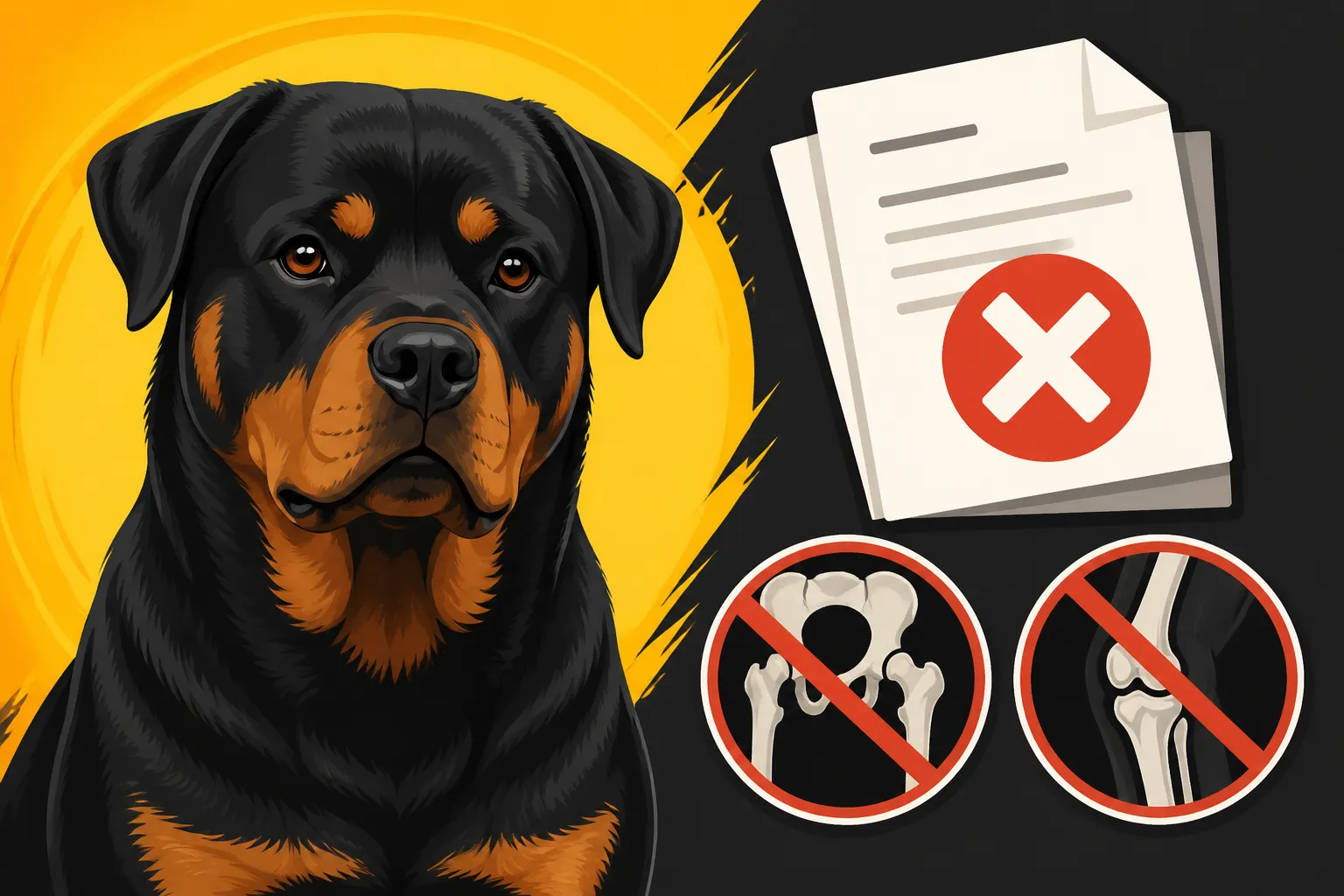
A Rottweiler Listing With No Hip or JLPP Papers
It’s an exciting, yet often nerve-wracking, time when you’re searching for a new Rottweiler companion. You pour over listings, browse adorable photos, and dream of bringing that sturdy, loyal pup home. But then you encounter a listing – one that looks great on the surface, maybe even perfectly priced, but there's a glaring absence: no mention of hip or JLPP papers. This isn’t just a minor oversight; it's a huge red flag that can lead to heartbreak and significant financial strain down the road. This guide is here to walk you through exactly what those missing papers mean, why they're so crucial for Rottweilers, and how to navigate the complicated world of finding a healthy, well-bred dog.
The Non-Negotiable Importance of Health Clearances
When you see a Rottweiler listing that glosses over health clearances or outright states that "papers aren't available," it’s natural to feel a pang of disappointment, especially if you've fallen for a cute face. But this isn't the time to let your heart completely overrule your head. Understanding what these clearances are and why they matter is the first step in making a responsible choice for your future family member.
What "No Papers" Really Means for a Rottweiler
In the world of responsible dog breeding, "papers" don't just refer to registration documents, though those are important too. When we talk about health papers, especially for a breed like the Rottweiler, we're talking about verifiable proof that the parent dogs have been screened for genetic conditions known to plague the breed. Specifically, this means certifications from organizations like the Orthopedic Foundation for Animals (OFA) for hips and elbows, and DNA test results for Juvenile Laryngeal Paralysis & Polyneuropathy (JLPP).
A breeder who offers a puppy without these health papers is either unaware of the importance of such testing – which itself is a red flag for a responsible breeder – or, more concerningly, they might be deliberately avoiding testing because they know their dogs carry genetic predispositions to serious health problems. They might tell you the tests are "too expensive" or "unnecessary" for pet quality dogs, but these are simply excuses. The cost of testing pales in comparison to the potential lifetime vet bills and emotional distress of owning a dog with severe, preventable genetic conditions.
Why Hips and Elbows Are Critical for Rottweilers
Rottweilers are magnificent, powerful dogs, and a huge part of their imposing presence comes from their robust skeletal structure. However, this very strength also makes them susceptible to debilitating orthopedic conditions, primarily hip dysplasia and elbow dysplasia. These aren't just minor aches; they are painful, degenerative joint diseases where the hip or elbow joint doesn't form correctly. Over time, this leads to arthritis, chronic pain, and severe mobility issues.
Imagine a large, active dog like a Rottweiler struggling to get up, climb stairs, or even walk comfortably. It's a heartbreaking reality for many owners of dogs from un-screened parents. Responsible breeders spend significant time and money ensuring their breeding stock has excellent hip and elbow scores, usually by having X-rays taken and evaluated by veterinary radiologists. These evaluations are typically done when the dogs are at least 24 months old, as discussed in Rottweiler Hips and Elbows and the 24-Month Rule, ensuring their skeletal maturity for accurate assessment. Without these clearances, you're essentially playing a genetic lottery, and the odds are often stacked against you.
Understanding JLPP and Its Devastating Impact
Beyond orthopedic issues, Rottweilers are also prone to certain neurological conditions, and Juvenile Laryngeal Paralysis & Polyneuropathy (JLPP) is one of the most severe. JLPP is a recessive genetic disorder that affects the nervous system, leading to paralysis of the larynx (voice box) and progressive neuropathy in the limbs. Puppies affected by JLPP typically show symptoms between 3 and 18 weeks of age, though sometimes later.
The early signs can be subtle: a change in bark (sounding hoarse or weak), difficulty swallowing, or gagging on food. As the disease progresses, puppies can develop respiratory distress, aspiration pneumonia, and muscle weakness, leading to an unsteady gait and eventually an inability to walk. It's an utterly heartbreaking condition with no cure, and affected puppies often have a very short lifespan, necessitating difficult end-of-life decisions. Because it's a recessive trait, a puppy can only be affected if both parents are carriers or affected. Responsible breeders DNA test their dogs for JLPP to ensure that they never breed two carriers together. You can delve deeper into this critical topic by researching JLPP and the Rottweiler DNA Test. Without this crucial genetic screening, you could be bringing home a puppy destined for a tragic and painful existence.
The Risks and Costs of Unclearance Puppies
It’s easy to be swayed by a lower price tag on a puppy that doesn't have health clearances. After all, puppies are expensive, and saving a few hundred dollars upfront can seem appealing. However, this short-term saving almost always leads to long-term heartbreak and significantly higher costs. It’s a classic case of "penny wise, pound foolish," and it’s your future dog who ultimately pays the price.
The Heartbreak of Hidden Health Issues
There’s a unique bond that forms between a dog and its owner, and few things are as devastating as watching your beloved companion suffer from a preventable illness. When you bring home a Rottweiler puppy without health-tested parents, you're walking into a minefield of potential hidden issues. You might have a bouncy, playful puppy for the first few months, only to see them slowly decline as hip or elbow dysplasia begins to manifest. Imagine your once-energetic Rottweiler struggling to climb out of bed, whimpering with pain after a short walk, or losing interest in play because every movement causes discomfort.
Similarly, waiting for the first signs of JLPP to appear is an agonizing experience. That change in bark or subtle stumble quickly escalates into severe breathing difficulties and paralysis. The emotional toll of caring for a chronically ill dog, knowing that their suffering could have been avoided with responsible breeding practices, is immense. It impacts not just the dog, but every member of the family who watches them struggle.
Unexpected Veterinary Bills and Lifetime Expenses
The initial "savings" on an un-cleared puppy quickly evaporate when you factor in potential veterinary expenses. A diagnosis of severe hip or elbow dysplasia can lead to hundreds, if not thousands, of dollars in diagnostics alone (X-rays, consultations with specialists). Treatment options range from long-term pain medication, anti-inflammatory drugs, and joint supplements to extensive surgeries. A total hip replacement, for instance, can cost upwards of $6,000 to $9,000 per hip, and many dogs need both hips replaced. Elbow surgery costs can also be substantial. These aren't one-time fixes; they often require ongoing physical therapy, hydrotherapy, and medication for the rest of the dog's life. If you're looking for an idea of the scale, you can refer to topics like Rottweiler Hip Replacement Costs or a broader view in Rottweiler Surgery Costs From Bloat to Bone Cancer.
For JLPP, while there's no cure, palliative care can also incur costs for respiratory support, specialized feeding, and managing secondary infections. And what about pet insurance? While a great idea for any dog owner, getting coverage for a puppy with unknown parentage is risky. Most pet insurance policies, even reputable ones like those from Healthy Paws, won't cover pre-existing conditions. If you only enroll your puppy after signs of dysplasia or JLPP appear, those conditions will be excluded. This means you'd be footing the entire bill yourself, potentially blowing past the average monthly premium discussed in Rottweiler Pet Insurance and the $204 Average in just one emergency visit.
The Ethical Dilemma of Supporting Unscreened Breeding
Every time a puppy from un-cleared parents is purchased, it inadvertently supports and perpetuates irresponsible breeding practices. These breeders often cut corners on health testing, proper nutrition, and veterinary care for their breeding stock and puppies. They might not invest in continued education, proper socialization, or even appropriate housing for their animals. By buying such a puppy, you’re creating demand for a product that contributes to the suffering of dogs.
Responsible breeders are dedicated to the health and future of the Rottweiler breed. They invest heavily in health testing, genetic screening, proper nutrition, early socialization, and ongoing care for their breeding dogs. They adhere to breed standards and often work towards achieving titles in conformation, obedience, or working events, which demonstrate the quality and temperament of their dogs. When you choose a reputable breeder who provides The Five Clearances a Rottweiler Breeder Must Have, you are not only increasing your chances of getting a healthy puppy but also supporting ethical practices that improve the breed as a whole. Conversely, opting for the cheaper, un-screened puppy empowers the very practices that undermine breed health and create more heartache in the long run.
Due Diligence When Searching for a Rottweiler
Finding a Rottweiler, especially one with a sound genetic background, requires more than just browsing online classifieds. It demands active investigation, smart questioning, and a firm commitment to responsible ownership. Don't be afraid to ask tough questions and walk away if you don't get satisfactory answers. This isn't just about protecting your wallet; it's about giving a dog the best possible start in life.
Questions to Ask Any Potential Breeder
Before you even visit a litter, have a list of non-negotiable questions ready. A reputable breeder will welcome these questions and be eager to share information. Be wary of anyone who gets defensive or dismissive.
Here are some essential questions:
- "Can I see the OFA/PennHIP certifications for both parent dogs for hips and elbows?" They should be able to provide registration numbers that you can cross-reference on the OFA website or provide copies of PennHIP reports. Look for "Good," "Excellent," or "Fair" for hips and "Normal" for elbows on OFA, or low distraction indices for PennHIP.
- "Do both parents have clear JLPP DNA test results?" Ask to see the actual lab reports, not just a verbal confirmation. Remember, if one parent is a carrier, the other must be clear to avoid affected puppies.
- "What other health clearances have the parents had?" Rottweilers should also have cardiac evaluations (echocardiograms) and eye certifications (CERF or OFA Eye). These are part of the comprehensive The Five Evaluations a Rottweiler Needs for CHIC.
- "What is your health guarantee, and what does it cover?" Reputable breeders typically offer a health guarantee, often covering genetic issues for a certain period, and will often take the dog back if an unmanageable health issue arises.
- "Can I meet the puppy's parents (at least the mother) and see where the puppies are raised?" The environment should be clean, safe, and stimulating. The mother should appear healthy and have a good temperament.
- "What food are the puppies currently eating?" This helps ensure a smooth transition and shows the breeder is mindful of puppy nutrition.
- "What kind of socialization have the puppies received?" Early socialization is crucial for Rottweiler temperament.
Verifying Health Clearances and Pedigrees
Don't just take a breeder's word for it, no matter how convincing they sound. Verification is key.
- OFA Website: The Orthopedic Foundation for Animals (OFA) maintains a public database. If a breeder provides registered names or OFA numbers for their dogs, you can go to www.ofa.org and search for their results. This will show their hip, elbow, cardiac, and eye certifications (if submitted). This transparency is a hallmark of an ethical breeder.
- DNA Test Results: For conditions like JLPP, breeders should have printouts or digital copies of the actual DNA test results from a reputable lab (like Canine HealthCheck, Embark, or VetGen). These reports will clearly state whether a dog is "Clear," "Carrier," or "Affected."
- Pedigree Research: While less about immediate health clearances, understanding a dog's pedigree (its family tree) can provide insight into the breeder's commitment to quality. Reputable breeders can provide multi-generation pedigrees, often listing health clearances of ancestors, which speaks volumes about their breeding program. A strong pedigree should show a consistent line of health-tested and titled dogs.
Recognizing Red Flags in a Listing
Some warning signs are subtle, others are screaming. Learn to spot them immediately.
- "Papers Optional" or "No Papers": This is often code for "no health testing done" or "parents have failed health tests." They might offer a cheaper price for "pet quality" without papers, but as we’ve discussed, this can cost you dearly in the long run. Remember Why an $800 Rottweiler Puppy Costs More Later – that initial savings is a false economy.
- Unusually Low Price: While a higher price doesn't guarantee quality, an exceptionally low price for a Rottweiler puppy (e.g., under $1000) is almost always a sign that corners have been cut, likely on health testing and proper care.
- Meeting in Public Places: A breeder who insists on meeting you in a parking lot or other public place and won't allow you to see where the puppies live or meet the mother is trying to hide something. This could be poor living conditions, sick puppies, or an illicit breeding operation.
- No Health Guarantee or Vague Terms: A solid health guarantee is standard. If they offer none, or if it's very vague and offers no real recourse, be highly suspicious.
- Multiple Breeds for Sale: Be cautious of breeders who seem to have several different breeds available at once, especially if they are always available. This often indicates a puppy mill or a large-scale commercial operation focused on profit over health and welfare.
- "Cash Only" or Refusal of Records: While some small breeders might prefer cash, an absolute insistence on it without any other payment options, combined with a refusal to provide receipts or records, can be a sign of avoiding taxes or operating outside legal frameworks.
- Lack of Knowledge: A breeder who can't answer basic questions about the Rottweiler breed, its common health issues, or their breeding program shows a profound lack of dedication.
Where to Find Reputable Rottweiler Breeders
After understanding the critical importance of health clearances and the red flags to avoid, your next step is to actively seek out reputable breeders. This process might take longer than you expect, but the investment of time upfront will pay dividends in the health and happiness of your future Rottweiler. Don't rush into buying the first puppy you see; patience is truly a virtue here.
National and Regional Breed Clubs
The absolute best place to start your search is with the official breed clubs. For Rottweilers in the United States, that means the American Rottweiler Club (ARC) or regional Rottweiler clubs affiliated with the AKC. These organizations are dedicated to preserving the breed's integrity, health, and temperament. They have strict codes of ethics that their member breeders must follow, which typically include comprehensive health testing requirements.
Here's why they are invaluable resources:
- Breeder Directories: Most clubs maintain lists of member breeders who have agreed to their code of ethics. This is your starting point for finding ethical individuals.
- Health and Education: These clubs often host educational seminars on breed-specific health issues, training, and care, demonstrating their commitment to the well-being of the breed.
- Mentorship: Many experienced breeders within these clubs are willing to mentor new owners, offering guidance on everything from puppy care to training and showing.
- Community: Joining a local club can connect you with other Rottweiler enthusiasts, offering support and advice throughout your dog's life.
Look up the ARC website, find their breeder referral list, and explore local clubs in your area. This is where you'll find breeders who truly understand and uphold the standards for their Rottweilers.
Connecting with Experienced Mentors and Breeders
Beyond online lists, making personal connections can be incredibly beneficial.
- Dog Shows and Events: Attend local AKC dog shows, obedience trials, or working dog events where Rottweilers are competing. This is a fantastic way to see mature Rottweilers in person, observe their temperaments, and meet their owners and breeders. You can talk to people directly, ask about their experiences, and gauge the quality of their dogs. It allows you to see the dogs in action and determine if their demeanor aligns with what you're looking for.
- Networking: Speak to veterinarians, professional dog trainers, or other trusted dog professionals in your area. They often know reputable breeders and can offer referrals or advice based on their experiences.
- Be Patient: Reputable breeders often have waiting lists for their puppies. This isn't a sign of scarcity but a sign of demand for well-bred, healthy dogs. Expect to wait a while, sometimes many months, for the right puppy. Don't be discouraged by this; it’s a good indicator that the breeder is responsible and values quality over quantity. Patience is key, as highlighted in discussions around Waiting Lists at Established Rottweiler Kennels. The right puppy is worth the wait.
Considering a Reputable Rottweiler Rescue
While many people dream of a puppy, adopting an adult Rottweiler from a reputable rescue organization is another excellent option, and often a very rewarding one. Rescue groups dedicated specifically to Rottweilers are often overflowing with wonderful dogs seeking loving homes.
Here's why considering a rescue can be a great idea:
- Known Histories: Many adult rescue dogs come with some history, meaning the rescue might know about their temperament, training level, and any existing health conditions.
- Health Checks and Treatment: Reputable rescues invest in veterinary care. They will typically have the dogs spayed/neutered, vaccinated, microchipped, and thoroughly vet-checked. For Rottweilers, they often screen for common issues before adoption. You might even find dogs whose previous owners surrendered them because of a health issue, and the rescue has already started treatment, saving you significant initial costs. Rescues often provide detailed health records, and sometimes cover extensive vetting before adoption, which can be an unexpected benefit as explained in What a Rottweiler Rescue Charges and Why.
- Temperament Assessments: Rescues foster dogs in home environments, allowing them to accurately assess the dog's personality, quirks, and suitability for various family situations (e.g., with children, other pets).
- Saving a Life: Adopting from a rescue gives a deserving Rottweiler a second chance at a loving home. Many of these dogs end up in shelters through no fault of their own, often due to changes in owner circumstances.
Be sure to choose a rescue with a thorough screening process for adopters, including home visits and reference checks. This indicates they are committed to finding the best possible homes for their dogs.
What to Do If You've Already Committed
Sometimes, despite your best intentions, you might find yourself in a situation where you've already committed to or even brought home a Rottweiler puppy before fully realizing the implications of missing health clearances. Perhaps you were misled, or perhaps you just didn't know what to look for at the time. Don't despair. While you can't undo the past, you can take proactive steps to mitigate potential issues and ensure the best possible future for your new companion.
Immediate Veterinary Check-Up
This is your absolute first and most critical step. Schedule a comprehensive veterinary check-up for your Rottweiler as soon as possible. Be completely transparent with your vet about the puppy's background – or lack thereof – regarding parental health clearances. This information will help your vet understand potential risks and recommend appropriate screening.
During this visit, your vet should:
- Perform a thorough physical examination: Checking for any immediate red flags, listening to the heart for murmurs (which could indicate conditions like subaortic stenosis), and assessing overall body condition.
- Discuss breed-specific concerns: Talk specifically about hip and elbow dysplasia and JLPP. While X-rays for hips and elbows can't be certified until 24 months, your vet might be able to take preliminary "screening" X-rays at a younger age to get an early indication of joint health, though these are not definitive.
- Recommend early DNA testing: For JLPP, a simple cheek swab or blood test can determine if your puppy is affected or a carrier. This knowledge is invaluable for future planning and care.
- Set up a preventive health plan: Discuss proper nutrition for a large breed puppy, appropriate exercise limits to protect growing joints (especially while Rottweiler Growth Plates and Why They Close So Late), and a vaccination schedule.
- Discuss pet insurance: Even if your dog has existing conditions, enrolling in pet insurance early can still protect against future, unrelated illnesses or accidents. Be upfront with the insurer about any known issues, as they will likely be considered pre-existing.
Understanding Your Legal and Ethical Options
Depending on your specific situation and the terms of your purchase, you might have some legal recourse. Review any contract you signed with the breeder carefully. Did it include a health guarantee? Did the breeder make false claims?
- Breeder Contract: A reputable breeder contract will typically outline a health guarantee, often for genetic conditions for a certain period, and specify what happens if a serious issue is found. If your breeder failed to honor their end of a written guarantee, you might have grounds for action.
- Consumer Protection Laws: Some states have "lemon laws" for pets or consumer protection statutes that might apply if the breeder misrepresented the animal's health. You may consider consulting with an attorney specializing in pet law.
- Ethical Responsibility: Regardless of legal outcomes, once you bring a dog into your home, you have an ethical and moral responsibility to provide for its care. While confronting the breeder is important for accountability, your primary focus should shift to ensuring your dog receives the best possible veterinary attention and quality of life. Even if the dog develops a severe condition, abandoning it is rarely the ethical answer.
This can be a tough situation, but remember that many resources exist to support owners of dogs with special needs. Focus on giving your Rottweiler the loving home and care it deserves.
Living with a Rottweiler and Managing Health Proactively
Bringing a Rottweiler into your life, especially one whose genetic background might be uncertain, means committing to proactive health management. These incredible dogs, known for their strength and loyalty, deserve every effort to ensure they live long, comfortable lives. Even with a clear bill of health, managing a large breed dog’s specific needs is an ongoing commitment.
Ongoing Health Monitoring and Preventive Care
For any Rottweiler, regardless of its breeding, routine veterinary care is paramount. Regular check-ups allow your vet to establish a baseline for your dog's health and catch potential issues early.
Here's what proactive care looks like:
- Regular Vet Visits: Don't just wait until your dog is sick. Annual (or even semi-annual for seniors, as detailed in Senior Rottweiler Care After the Age of Seven) visits are crucial for preventive care, vaccinations, parasite control, and general wellness checks. Your vet can monitor weight, joint health, and overall condition.
- Balanced Nutrition: Feed a high-quality, large-breed appropriate dog food. For puppies, this means a formula designed for slow growth, carefully managing calcium and phosphorus levels. Over-supplementing calcium can actually be detrimental to a growing Rottweiler's bones, a topic explored in Rottweiler Calcium Limits and Why Supplements Hurt. For adults, maintain a lean body condition to reduce stress on joints. You can find a vast array of specialized diets and supplements for joint health, sensitive stomachs, or overall wellness on platforms like Chewy.
- Weight Management: Obesity is a massive contributor to joint problems in large breeds. Keeping your Rottweiler lean is one of the single best things you can do for their long-term health. Your vet can help you determine the ideal weight and feeding plan.
- Dental Care: Large breeds are prone to dental disease. Regular tooth brushing at home and professional dental cleanings as recommended by your vet can prevent painful issues and systemic health problems.
- Parasite Prevention: Consistent flea, tick, and heartworm prevention is non-negotiable for a healthy Rottweiler.
Supporting Joint Health Throughout Their Life
Given the breed's predisposition to joint issues, proactive joint health support is critical from puppyhood through their senior years.
- Controlled Exercise in Puppyhood: Resist the urge to over-exercise a growing Rottweiler. Long, strenuous jogs, excessive jumping, or forced running can damage delicate, unclosed growth plates. Focus on short, controlled walks and playtime on soft surfaces. Remember the guidance on A Growing Rottweiler's Joints and Overexercise and the importance of allowing growth plates to close naturally.
- Appropriate Adult Exercise: Once mature (typically after 18-24 months when growth plates have closed), engage your Rottweiler in moderate, consistent exercise. Swimming is an excellent low-impact activity. Avoid repetitive, high-impact activities that jar joints.
- Joint Supplements: Many vets recommend starting joint supplements like glucosamine, chondroitin, and Omega-3 fatty acids (fish oil) early in a Rottweiler’s life, even before signs of arthritis appear. These can help support cartilage health and reduce inflammation.
- Ergonomic Home Environment: Consider orthopedic beds to support their heavy bodies, especially as they age. Ramps can help them get into and out of cars safely, reducing stress on their joints. Raised food bowls can also be beneficial, particularly for older dogs with mobility challenges.
Preparing for Potential Challenges
Even with the best care, health challenges can arise. Being prepared is key to minimizing stress and ensuring your Rottweiler gets the care they need.
- Financial Planning: Set aside an emergency fund specifically for veterinary care. This can be a savings account or a line of credit. Knowing you have resources available can make difficult decisions easier.
- Pet Insurance: While it may not cover pre-existing conditions if you’ve already encountered them, pet insurance is still a valuable tool. It can cover unexpected illnesses, accidents, new conditions, and even some preventive care depending on the plan. Research options like Healthy Paws and compare coverage levels, deductibles, and reimbursement percentages. Enrolling as early as possible is always the best strategy to maximize coverage.
- Fresh Food Considerations: For Rottweilers with sensitive stomachs or specific dietary needs, exploring fresh food options can be beneficial. Brands like Ollie offer customized meal plans that can be tailored to your dog's age, weight, and health concerns, providing nutrient-dense, digestible options.
- Build a Relationship with a Large Breed Vet: If possible, find a veterinarian and a veterinary clinic that has extensive experience with large and giant breeds. They will be familiar with breed-specific issues, appropriate medication dosages, and the unique challenges and joys of owning a Rottweiler. This expertise is invaluable.
- Advocacy: You are your dog's primary advocate. Learn as much as you can about Rottweiler health. Ask questions, get second opinions if necessary, and ensure you understand all treatment options.
Being informed and proactive means you're giving your Rottweiler the best chance at a long, healthy, and happy life, full of loyalty and companionship.
| Feature | Reputable Breeder | Unscreened/Backyard Breeder |
|---|---|---|
| Health Clearances | Provides OFA/PennHIP for hips/elbows, JLPP DNA, cardiac, eye; verifiable results. | Often states "no papers," "papers optional," or gives verbal assurances without proof. |
| Breeding Stock | Health-tested, temperament-sound dogs with titles (conformation, performance). | Dogs may or may not be healthy, often bred without regard for genetic issues. |
| Knowledge & Experience | Deep understanding of breed standards, health, genetics, and socialization. | Limited knowledge; often relies on anecdotal evidence or misinformation. |
| Health Guarantee | Comprehensive written health guarantee, often covering genetic issues. | Absent, vague, or verbally stated without commitment. |
| Transparency | Welcomes questions, encourages visits to see parents/puppies, open about practices. | Defensive about questions, insists on public meeting places, avoids showing living conditions. |
| Support | Lifelong support and mentorship; will often take a dog back if needed. | No ongoing support; interest ends at the point of sale. |
| Price | Typically higher due to significant investment in health testing, care, and quality. | Often lower, reflecting minimal investment in health or quality. |
| Waiting List | Common due to high demand for quality puppies. | Puppies often available immediately. |
Disclaimer
This guide provides general information and recommendations. It is not a substitute for professional veterinary advice. Always consult with a qualified veterinarian regarding your Rottweiler's specific health concerns, treatment options, and overall care. Health testing guidelines and recommendations can vary, so ensure you discuss the most current and relevant practices with your vet and a reputable breed club.