Rottweiler Hip Replacement Costs
That sickening lurch in your stomach when you notice your strong, powerful Rottweiler start to favor a leg, or struggle to get up after a nap – it's a feeling no dog owner ever wants to experience. For Rottweiler families, the worry often jumps straight to their hips, and the potential for debilitating hip dysplasia. If you've found yourself staring down the barrel of a hip replacement discussion with your vet, the financial implications can be as overwhelming as the emotional ones. This guide is here to walk you through the realistic costs associated with Rottweiler hip replacement surgery, from initial diagnostics to the long road of recovery.
Understanding the Landscape of Rottweiler Hip Issues
It’s a cruel twist of fate that some of the most magnificent breeds, like our beloved Rottweilers, are predisposed to certain health challenges. Hip dysplasia is certainly one of them, and it’s a condition that can cast a long shadow over their lives and our wallets. It’s not just an "old dog problem;" sometimes, it rears its head when they’re still quite young.
The Genetic Predisposition to Hip Dysplasia
Let's be brutally honest: hip dysplasia is largely a genetic condition. It’s not something you cause by doing too much or too little with your puppy, though management certainly plays a role in how it progresses. In Rottweilers, the hip joint doesn't develop correctly, leading to a loose fit between the ball (femoral head) and socket (acetabulum). Over time, this poor fit causes grinding and wear, leading to painful arthritis, joint degeneration, and significant mobility issues. This is why responsible breeders go to such lengths to screen their breeding stock, seeking certifications like those from the Orthopedic Foundation for Animals (OFA) or PennHIP. When you're looking for a puppy, ensuring the parents have clear Rottweiler Hip Dysplasia and the OFA Grade is absolutely paramount for stacking the odds in your favor, though it’s never a 100% guarantee.
The frustration is real when you've done everything right, or at least you thought you did, and your dog still develops issues. It can feel like an unfair hand, and it absolutely is. Many owners feel a wave of guilt, wondering if they could have done something differently, but often, the die is cast before the puppy even comes home.
Recognizing the Early Signs of Hip Pain in Your Rottweiler
Catching hip issues early won't prevent them, but it can make a world of difference in managing the condition and planning for potential interventions. What does hip pain look like in a stoic, powerful Rottweiler? It's often not dramatic yelping. Instead, you might notice subtle changes. Perhaps they're reluctant to jump into the car, or they seem stiffer after a long walk or play session. They might struggle to get up from a lying position, or you could observe a "bunny hop" gait when they run, where both back legs move together.
Sometimes, the first sign is a general decrease in activity or a change in temperament – maybe a little less enthusiastic about walks, or a slight grumpiness when you touch their hindquarters. It’s crucial to pay close attention to these nuances, especially in growing puppies. While growing pains like Panosteitis in a Growing Rottweiler Puppy can cause shifting lameness, persistent or worsening hind leg issues, especially as they approach two years old, should always warrant a vet visit. Don't dismiss a limp as "just growing pains" without professional assessment.
The Progression of Hip Dysplasia Without Intervention
If left unchecked, hip dysplasia inevitably progresses. The constant abnormal friction within the joint leads to significant inflammation, pain, and the development of osteoarthritis. The body tries to stabilize the joint by laying down new bone, but this only makes the joint stiffer and more painful. Your Rottweiler might become increasingly lame, lose muscle mass in their hind legs, and find even simple movements excruciating.
Think about a creaky, rusty hinge that's never oiled – that's what's happening inside their hip. Eventually, their quality of life can diminish drastically, making everyday activities like walking, playing, or even just standing uncomfortable. At this stage, management options become more limited, and the conversation about major interventions like hip replacement becomes not just about improvement, but about restoring basic comfort and function. This is why early diagnosis and discussion of options are so important.
Navigating the Diagnostic Journey and Initial Costs
Before you even begin to consider the significant financial outlay of a hip replacement, there's a necessary diagnostic journey that comes with its own set of costs. These aren't just arbitrary charges; they’re crucial steps to accurately assess your Rottweiler’s condition and determine the best course of action.
First Veterinary Assessment and Basic Imaging
Your first stop will be your regular veterinarian. They’ll perform a thorough physical examination, observing your Rottweiler’s gait, manipulating their hips, and checking for signs of pain or restricted movement. They might even perform a specific test called the Ortolani sign, which can indicate hip laxity, though it requires light sedation in many dogs. This initial visit, including the exam, could range from $60 to $150, depending on your clinic's fees and location.
The critical next step is usually X-rays. Standard radiographs are essential to visualize the hip joints, assess their conformation, and look for signs of subluxation (partial dislocation) or osteoarthritis. Your vet will likely need to sedate your Rottweiler for these X-rays to ensure proper positioning and minimize discomfort, which adds to the cost. The X-rays themselves, including sedation, can typically run anywhere from $200 to $600. Remember, these initial X-rays are usually general diagnostic images, not necessarily the formal, certified X-rays used for breeding clearances like those submitted for Rottweiler Hip Dysplasia and the OFA Grade.
Specialist Consultations and Advanced Diagnostics
If your general veterinarian suspects significant hip dysplasia or if the case is complex, they will almost certainly recommend a referral to a board-certified veterinary orthopedic surgeon. This is a crucial step because these specialists have advanced training and experience in diagnosing and treating complex musculoskeletal issues. A specialist consultation alone can cost between $150 and $400, sometimes more in highly specialized clinics or major cities.
The specialist might recommend further imaging. While standard X-rays are good, they don't always tell the whole story. Advanced diagnostics could include:
- PennHIP X-rays: A specific set of X-rays that measure hip laxity, offering a more precise and predictive assessment of hip health, even in younger dogs. This can add another $200-$400 to the diagnostic bill.
- CT Scans (Computed Tomography) or MRI (Magnetic Resonance Imaging): These provide much more detailed, three-dimensional images of the bones, cartilage, and surrounding soft tissues. While less commonly used for routine hip dysplasia diagnosis, they might be necessary if other conditions are suspected or if the surgeon needs an extremely detailed view for surgical planning. These are significantly more expensive, often ranging from $1,500 to $3,000 or even higher, including anesthesia.
It can feel frustrating to keep shelling out money for more tests, especially when you're already worried about the big picture, but these steps ensure an accurate diagnosis and the best possible surgical plan for your Rottweiler.
Understanding the Grades and Prognosis
Once the diagnostics are complete, your veterinary team will provide a prognosis and discuss treatment options. For hip dysplasia, the severity is often graded. While formal OFA grades (Excellent, Good, Fair, Borderline, Mild, Moderate, Severe) are primarily for breeding clearances, a similar descriptive grading system will be used by your veterinarian to explain the extent of the disease.
A Rottweiler with mild dysplasia might be managed non-surgically for a long time, while a dog with severe, debilitating dysplasia, especially bilateral (both hips affected), is a prime candidate for total hip replacement. The prognosis involves not just the degree of hip damage but also your dog's age, overall health, and your willingness to commit to extensive post-operative care. The cost discussions will begin here, and it’s critical to ask every question you have, no matter how small. Understanding the grade helps you and your vet determine if surgery is truly the most effective and humane path forward.
Deconstructing Total Hip Replacement Surgery Expenses
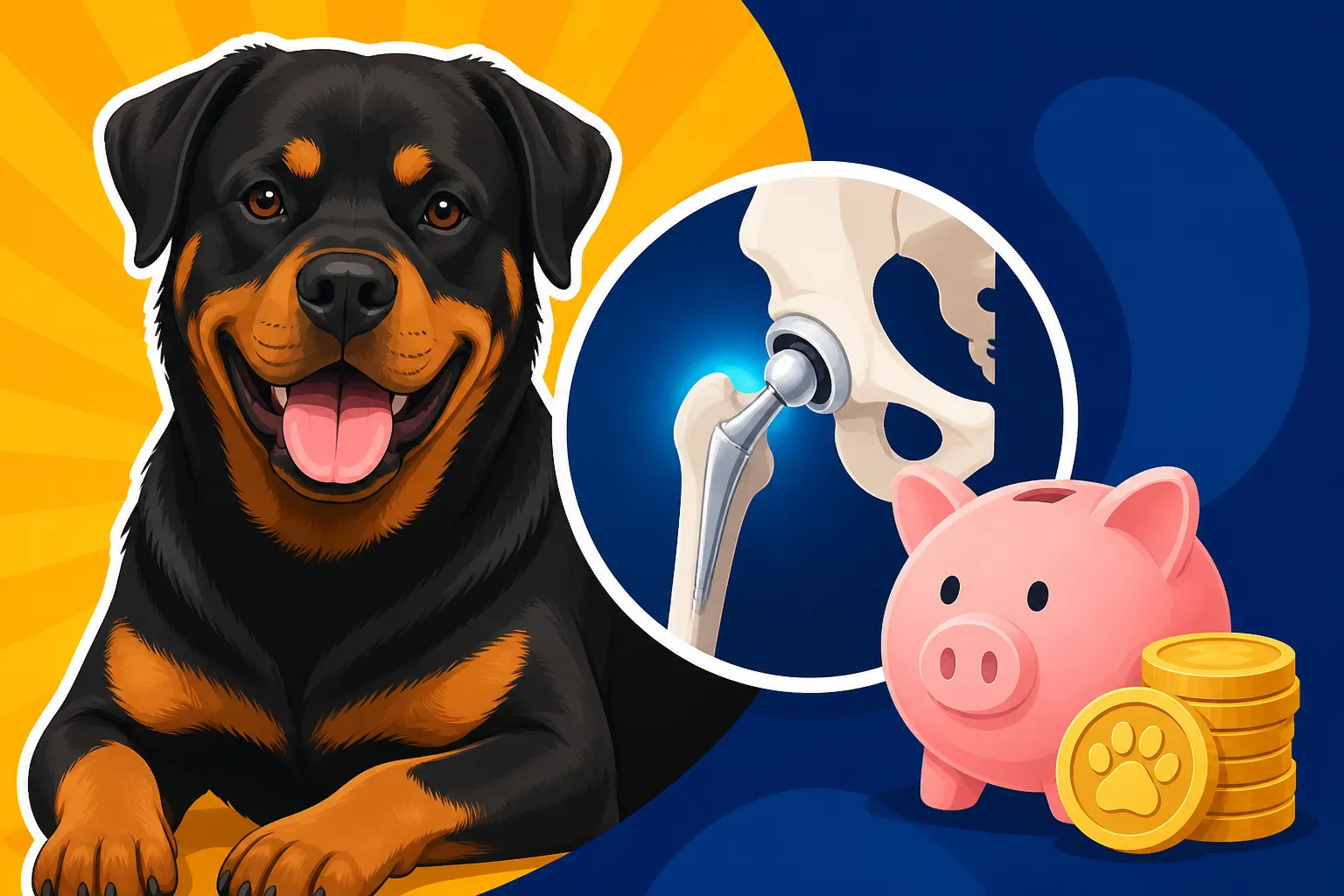
This is where the costs really start to climb, and it's understandable why so many owners feel overwhelmed. A total hip replacement (THR) for a Rottweiler is a complex, specialized procedure that involves replacing both the ball and socket of the hip joint with prosthetic implants. It’s akin to human hip replacement surgery, requiring highly skilled surgeons and specialized equipment.
The Core Surgical Procedure and Anesthesia Fees
The surgeon's fee is the largest component of a total hip replacement. This fee covers the immense expertise, time, and precision required for the surgery itself. It includes the surgeon's time, the surgical team, and the advanced tools used in the operating room. For a single hip replacement, you can expect this fee alone to be anywhere from $4,500 to $8,000, or even more in large metropolitan areas or at university veterinary hospitals known for cutting-edge orthopedic work. This price often includes pre-surgical consultations with the surgeon.
Anesthesia for a dog the size of a Rottweiler is a significant undertaking and comes with its own costs. They require careful monitoring by a dedicated veterinary anesthesiologist or highly trained technician throughout the entire procedure. This includes intubation, administering anesthetic gases, continuous monitoring of heart rate, blood pressure, oxygen saturation, and temperature. Due to their size and the lengthy nature of the surgery, anesthesia for a Rottweiler for THR can range from $500 to $1,500, depending on the duration and complexity. The larger the dog, the more medication is generally required, and the more intensive the monitoring.
Hospitalization, Medications, and Post-Op Supplies
A total hip replacement is not an outpatient procedure for a Rottweiler. Your dog will require several days of hospitalization following the surgery for intensive post-operative care, pain management, and initial recovery monitoring. During this time, they’ll be in a specialized recovery area, often with 24/7 veterinary supervision. The daily cost of hospitalization, including nursing care, intravenous fluids, and ongoing monitoring, can range from $200 to $500 per day. For a typical 3-5 day stay, this adds another $600 to $2,500 to the total bill.
Medications are also a significant expense. Immediately after surgery, your Rottweiler will need powerful pain medications, anti-inflammatories, and possibly antibiotics. They'll also be sent home with a regimen of these drugs for several weeks. These post-op medications can easily cost $100 to $300. Additionally, you'll need specialized supplies for home care, such as an Elizabethan collar (the "cone of shame"), slings or harnesses to help them move, and potentially special bedding. A good quality orthopedic bed, for example, is highly recommended to support their healing joint and prevent pressure sores, and these can be found on retailers like Chewy for a couple hundred dollars or more for a size that comfortably fits a Rottweiler.
Cost Variations by Location and Veterinary Facility
It’s important to understand that the costs for total hip replacement can vary dramatically based on several factors:
- Geographic Location: Veterinary costs, much like human medical costs, are often higher in major metropolitan areas (e.g., Los Angeles, New York, Boston) compared to rural or less populated regions. The cost of living and overhead for the veterinary practice directly impact their pricing.
- Type of Facility: A large university veterinary teaching hospital or a specialized private orthopedic surgery center will generally have higher costs than a smaller, private referral clinic. However, these larger facilities often boast the most experienced surgeons, advanced equipment, and comprehensive post-operative support.
- Surgeon's Experience: Highly experienced and renowned orthopedic surgeons may charge higher fees, which is often a worthwhile investment given the complexity of the procedure and the desired outcome.
- Unilateral vs. Bilateral: If your Rottweiler requires hip replacement on both sides, the cost will essentially double. However, surgeons rarely do both hips at once; they are usually staged several months apart to allow for full recovery of the first hip.
Given these variables, a single total hip replacement for a Rottweiler can realistically range from $6,000 on the lower end to upwards of $12,000 or even $15,000 in some cases. When considering Rottweiler Surgery Costs From Bloat to Bone Cancer, hip replacement is certainly one of the most expensive procedures.
Here's a simplified breakdown of potential costs:
| Cost Component | Estimated Range (Per Hip) |
|---|---|
| Initial Vet Exam & Diagnostics | $300 – $1,000 |
| Specialist Consultation | $150 – $400 |
| Pre-surgical Bloodwork | $100 – $300 |
| Anesthesia (including monitoring) | $500 – $1,500 |
| Surgeon's Fee | $4,500 – $8,000 |
| Hospitalization (3-5 days) | $600 – $2,500 |
| Post-operative Medications | $100 – $300 |
| Implants (often included in surgeon's fee but can vary) | N/A (embedded) |
| Total Estimated Cost (per hip) | $6,150 – $14,000+ |
Note: These are estimates and can vary widely.
The Critical Phase: Post-Operative Care and Rehabilitation Costs
The surgery itself is only half the battle. The recovery phase after a total hip replacement is absolutely critical for success and also comes with its own significant financial and time commitments. Skimping on post-operative care can jeopardize the entire investment.
Immediate Recovery and Home Care Requirements
For the first several weeks after surgery, your Rottweiler will need strict activity restriction. This means no jumping, no running, no stairs (or limited, slow negotiation with assistance), and leash walks only for bathroom breaks. This is incredibly challenging with a high-energy Rottweiler, even one in pain, but it's essential to allow the surgical site to heal properly. You might need to invest in a ramp for the car or bed, non-slip mats for your floors, and a sturdy support harness (like a Help 'Em Up harness) to assist with mobility. These aids can range from $50 to $300 or more.
Follow-up appointments with the surgeon are also mandatory. There will be bandage changes, incision checks, and eventually suture removal. These visits, often spaced out over the first 8-12 weeks, typically cost $50-$150 per visit, plus any additional medications or services. Your vet might recommend follow-up X-rays a few weeks post-op to ensure the implant is stable, adding another $200-$400. This intense period of home care and initial follow-ups is crucial for preventing complications and ensuring the implant integrates correctly.
Specialized Physical Therapy and Rehabilitation
One of the most vital, and often underestimated, components of a successful total hip replacement recovery is physical rehabilitation. Just like humans, dogs need targeted exercises to regain strength, flexibility, and proper gait patterns. This isn't just about making them "feel better," it's about optimizing the outcome and ensuring they can use their new hip effectively.
Rehabilitation programs are often overseen by certified canine rehabilitation practitioners and can include a variety of modalities:
- Therapeutic Exercises: Specific movements to build muscle mass, improve range of motion, and strengthen core stability.
- Hydrotherapy (Underwater Treadmill): This is fantastic for Rottweilers as it allows them to exercise with reduced weight-bearing, building strength without stressing the healing joint.
- Laser Therapy: Can help reduce pain and inflammation and accelerate tissue healing.
- Massage and Stretching: To improve circulation and maintain flexibility.
A typical rehabilitation program can last for several months, with sessions two to three times a week initially, then tapering off. Each session can cost anywhere from $70 to $150. Over a 3-6 month period, you could be looking at an additional $1,500 to $4,500 or more for physical therapy. Many owners choose facilities that offer packages, which might slightly reduce the per-session cost, but it's still a substantial expense. This investment in Physical Therapy After Rottweiler Joint Surgery is often what differentiates a good surgical outcome from an excellent one.
Long-Term Management: Diet, Supplements, and Follow-Ups
Even after the initial recovery, long-term management is important to support the overall health of your Rottweiler, especially with their other joints and the contralateral hip (the other hip that hasn't been replaced, if only one was done).
- Weight Management: Keeping your Rottweiler at a healthy, lean weight is paramount to reduce stress on all their joints, including the replaced hip and the remaining natural hip. Rottweiler Obesity and the Load It Adds is a serious concern for a breed already prone to orthopedic issues. Your vet might recommend specific large breed formulas, or even prescription weight management diets. Some owners opt for fresh food delivery services like Ollie, which can provide precisely portioned, calorie-controlled meals to help maintain an ideal body condition, though this adds to the monthly food budget.
- Joint Supplements: Many veterinarians recommend lifelong joint supplements containing ingredients like glucosamine, chondroitin, and omega-3 fatty acids. These won’t heal the hip dysplasia itself but can help support cartilage health in remaining joints and reduce inflammation. Supplements specifically designed for large breeds can cost $30-$80 per month. Starting joint supplements early is often advised even before issues appear. You can often find good quality supplements on platforms like Chewy.
- Regular Veterinary Check-ups: Routine check-ups become even more important to monitor the replaced hip, assess the other joints, and manage any developing arthritis. These annual or semi-annual visits, plus any necessary medications for arthritis management in other joints, will be an ongoing cost.
While these long-term costs aren't as dramatic as the surgery itself, they represent a sustained financial commitment to ensure your Rottweiler enjoys the best possible quality of life for years to come.
Financial Strategies for Managing Major Orthopedic Bills
Staring at a vet bill that stretches into five figures is enough to make anyone's head spin. The good news is that while the cost is significant, there are several ways to approach managing such a large expense. It requires a bit of planning and understanding of your options.
The Lifeline of Pet Insurance Coverage
Pet insurance can be an absolute lifeline when facing a major surgery like a total hip replacement, especially for a breed like the Rottweiler with known predispositions. If you enrolled your Rottweiler when they were a puppy, before any signs of hip dysplasia appeared, your policy might cover a substantial portion of the surgical costs. Companies like Healthy Paws are popular for their comprehensive accident and illness plans, which often cover orthopedic surgeries.
However, it's crucial to understand a few things about pet insurance:
- Pre-existing Conditions: No pet insurance policy will cover a condition that was present or showed symptoms before the policy's effective date or waiting period. If your Rottweiler has already been diagnosed with hip dysplasia, it will be considered a pre-existing condition and likely excluded from coverage. This highlights the importance of enrolling your dog as early as possible. For information, you can check Rottweiler Insurance Premiums Around $204 a Month.
- Waiting Periods: Most policies have waiting periods for orthopedic conditions (often 6-12 months), meaning you can't enroll your dog today and expect hip replacement coverage next month.
- Deductibles, Reimbursement Levels, and Annual Limits: Be familiar with your policy's specifics. You'll pay a deductible (e.g., $250-$1,000) annually, and the insurance will reimburse a percentage of the covered costs (e.g., 70%, 80%, 90%) up to an annual limit (e.g., $10,000, $15,000, or unlimited). Even with good insurance, you'll still be responsible for a portion of the bill.
- Preventive Care: Pet insurance typically does not cover routine preventative care or joint supplements unless you have a specific wellness add-on.
Despite these caveats, for owners who enrolled their Rottweiler early, pet insurance can transform a $10,000 bill into a much more manageable $1,000-$3,000 out-of-pocket expense, making the surgery a realistic option rather than an impossible dream.
Building an Emergency Fund or Exploring Payment Options
If pet insurance isn't an option, or if your policy has limitations, having an emergency fund specifically for your dog's health can provide immense peace of mind. Many financial experts recommend setting aside a few thousand dollars for unexpected veterinary emergencies. For a Rottweiler, given their propensity for certain conditions (like bloat or cancer, which are also expensive), a larger fund is a wise idea. For more on what to expect, consider reading Emergency Vet Bills a Rottweiler Owner Should Expect.
When an emergency strikes and you don't have an adequate fund, don't despair; there are other avenues:
- Veterinary Payment Plans: Some veterinary facilities offer their own in-house payment plans, allowing you to pay the bill over several months. This is often an option with university hospitals or large specialty practices.
- Third-Party Medical Credit: Services like CareCredit or Scratchpay function like credit cards specifically for medical expenses, often offering interest-free promotional periods if you pay the balance within a certain timeframe. Be sure to understand the terms, as interest rates can be high after the promotional period.
- Personal Loans/Credit Cards: While not ideal, personal loans or existing credit cards can be an option for those with good credit.
- Crowdfunding: Platforms like GoFundMe have become common for owners seeking help with large veterinary bills. Sharing your Rottweiler's story and photos can sometimes rally community support.
- Veterinary Charities: A few national and local charities exist to help owners with dire financial need cover veterinary costs. Resources like The Pet Fund, RedRover, or breed-specific rescues might offer assistance, though they often have strict eligibility requirements and limited funds.
Considering the Long-Term Financial Impact
It’s easy to focus solely on the immediate cost of the surgery, but it’s crucial to consider the full financial commitment over your Rottweiler’s remaining lifespan. A successful hip replacement can give your dog many more years of comfortable, active life. However, these years will still come with ongoing costs for food, supplements, regular vet visits, and potentially managing arthritis in other joints.
Before making the decision, sit down and honestly assess your financial situation and your ability to sustain these long-term costs. It's a huge decision, both emotionally and financially. Don't be afraid to have a frank conversation with your veterinary surgeon about the total projected costs, including rehabilitation, and what a realistic financial commitment looks like for the next several years. Sometimes, the most humane decision isn't always the one that involves the most expensive treatment, especially if it leads to unsustainable debt or a reduced quality of life due to lack of follow-up care.
Beyond Surgery: Alternative Treatments and End-of-Life Considerations
While total hip replacement is often considered the gold standard for severe, debilitating hip dysplasia, it's not the only path, nor is it always feasible for every Rottweiler or every family. Understanding the alternatives can help you make the most informed decision.
Non-Surgical Management and Palliative Care
For Rottweilers with mild to moderate hip dysplasia, or for those where surgery isn't an option due to age, other health issues, or financial constraints, conservative management often provides a good quality of life for a significant period. This approach focuses on pain control, inflammation reduction, and supporting joint health.
Key components of conservative management include:
- Pain Medications: Non-steroidal anti-inflammatory drugs (NSAIDs) are often the first line of defense to reduce pain and inflammation. Other pain relievers, like gabapentin or tramadol, might be added as needed. These medications can cost $30-$100+ per month.
- Joint Supplements: As mentioned before, glucosamine, chondroitin, MSM, and omega-3 fatty acids can support joint health and slow cartilage degradation. Brands like Dasuquin, Cosequin, or even veterinary-specific formulas available through your vet or online retailers like Chewy or your vet’s online pharmacy, can be very beneficial.
- Weight Management: Keeping your Rottweiler lean is probably the single most impactful thing you can do to manage hip dysplasia without surgery. Less weight means less stress on the joints.
- Controlled Exercise: Low-impact activities like swimming or controlled leash walks are great. Avoid high-impact running, jumping, or rough play that can exacerbate joint damage.
- Physical Therapy: Even without surgery, rehab can greatly improve mobility and comfort. Strengthening core muscles and improving range of motion can make a big difference. These sessions have similar costs to post-surgical rehab.
- Alternative Therapies: Acupuncture, chiropractic care, or cold laser therapy can provide additional pain relief for some dogs. These typically range from $50-$150 per session.
This palliative approach focuses on comfort and function, aiming to maintain a good Scoring Quality of Life for a Rottweiler for as long as possible without invasive procedures.
Alternative Surgical Procedures: FHO and Triple Pelvic Osteotomy
Beyond total hip replacement, there are a couple of other surgical options that may be considered, each with different indications and outcomes:
- Femoral Head Ostectomy (FHO): This procedure involves surgically removing the head and neck of the femur (the "ball" part of the hip joint). The body then forms a "false joint" with scar tissue, and the leg muscles support the new articulation. FHO is typically considered for smaller dogs where body weight is less of an issue, or for larger dogs like Rottweilers when total hip replacement is not affordable or not medically advisable (e.g., due to severe muscle atrophy or nerve damage). While it alleviates bone-on-bone pain, it doesn't restore normal hip mechanics and might result in some degree of lameness. The cost for an FHO is significantly lower than a THR, typically ranging from $1,500 to $4,000 per hip, including surgery and initial recovery.
- Triple Pelvic Osteotomy (TPO) / Juvenile Pubic Symphysiodesis (JPS): These procedures are preventative surgeries performed only on very young, growing puppies (JPS before 5 months, TPO before 8-10 months) who have hip laxity but no signs of osteoarthritis yet. They involve cutting and rotating the pelvic bones to improve the coverage of the femoral head in the socket, stabilizing the joint. These are not options for adult Rottweilers with established hip dysplasia and arthritis. The costs for TPO can be similar to or slightly less than a THR, ranging from $3,000 to $7,000 per hip, while JPS is less invasive and costs $1,000-$3,000. These are often discussed in the context of Rottweiler Growth Plates and Why They Close So Late and managing early development.
It's important to discuss these alternatives thoroughly with your orthopedic surgeon to determine if they are appropriate for your Rottweiler's specific condition and stage of dysplasia.
Making the Toughest Decisions When Costs Become Insurmountable
This is the conversation that no one ever wants to have, but it's a realistic part of owning a large breed like a Rottweiler, especially when faced with conditions that require expensive, complex medical interventions. When the costs of hip replacement and ongoing care are simply insurmountable, or if your dog has other health issues that make a long recovery unlikely, difficult choices sometimes have to be made.
It’s not a failure to recognize your financial limits or to prioritize your dog’s comfort over aggressive, expensive treatments that may not ultimately yield the desired quality of life. Sometimes, the most compassionate decision is to focus on palliative care to keep your Rottweiler comfortable for as long as possible, and then, when their pain can no longer be adequately managed and their quality of life declines significantly, to consider euthanasia. This is an incredibly personal and heartbreaking decision, but one that many responsible pet owners unfortunately face. Resources are available to help guide you through Making End-of-Life Decisions for a Rottweiler and assessing their ongoing quality of life.
Remember, the love and care you provide daily are what truly matter, far more than the extensiveness of any single medical procedure.
Disclaimer
The information provided in this article is for general informational purposes only and does not constitute veterinary advice. Always consult with a qualified veterinarian for any health concerns or before making any decisions about your Rottweiler's medical care. Costs are estimates and can vary widely based on location, facility, and individual circumstances.