When Rottweiler Growth Plates Finally Close
It's incredibly frustrating when you get conflicting advice about how to raise your Rottweiler puppy, especially when it comes to exercise and physical development. You want to do everything right for their long-term health, but the sheer size and rapid growth of these magnificent dogs make you constantly question if you're pushing them too hard or not enough. This guide aims to clear up the confusion surrounding Rottweiler growth plates and their closure, giving you peace of mind and practical advice for navigating this critical stage.
Understanding Growth Plates and Their Role in Rottweiler Development
When you bring home a Rottweiler puppy, you're welcoming a tiny bundle of energy that will grow into a powerful, substantial adult dog in what feels like the blink of an eye. This rapid transformation is largely governed by something called growth plates, and understanding them is fundamental to ensuring your Rottweiler develops into a healthy, sound companion.
What Are Growth Plates and How Do They Work?
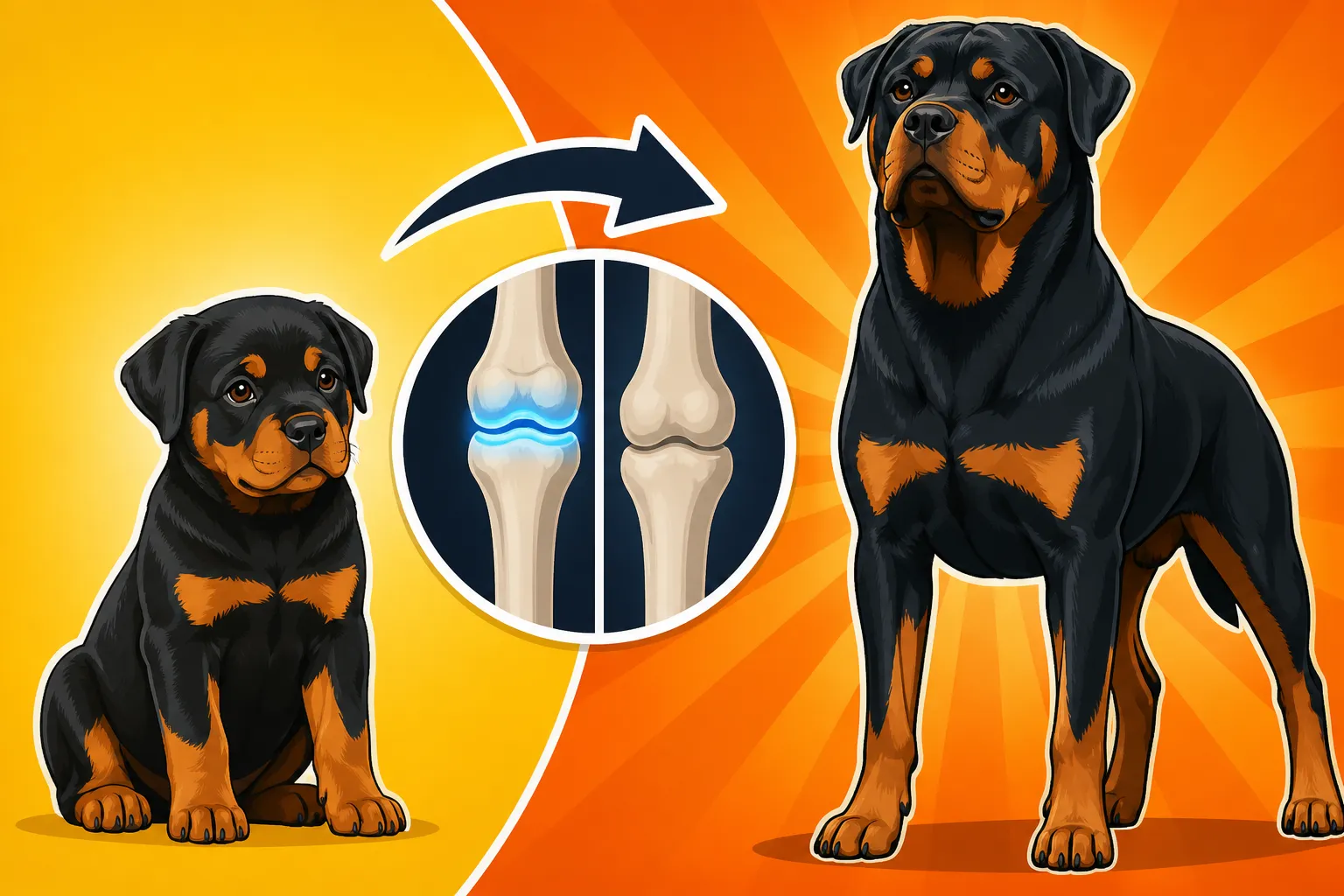
Imagine your puppy's long bones – those in their legs, for instance – aren't solid pieces of bone from day one. Instead, they have softer, cartilaginous areas at the ends called growth plates, also known as epiphyses. These plates are essentially factories for new bone cells, allowing the bones to lengthen as your puppy grows. Think of them like temporary scaffolding that gradually hardens into permanent, solid bone. As your Rottweiler matures, these growth plates slowly close and calcify, eventually becoming indistinguishable from the rest of the bone.
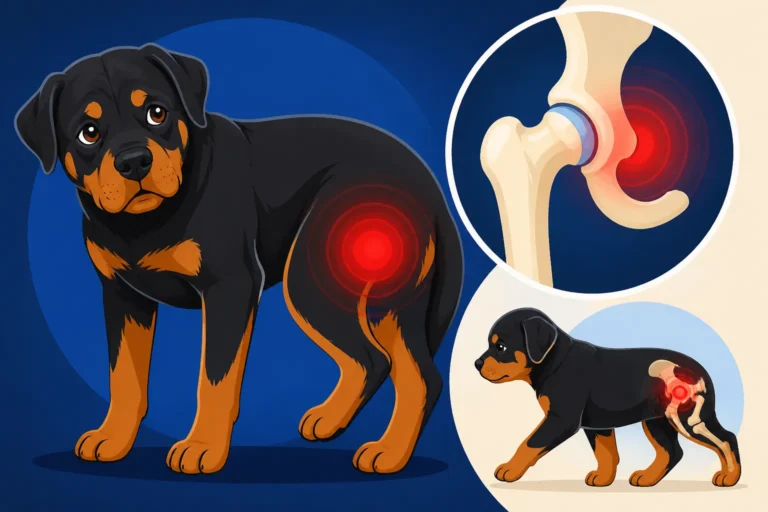
This process is absolutely critical because these cartilaginous plates are much more vulnerable to injury than mature bone. A strong twist, a hard jump, or repetitive impact can damage a still-open growth plate, potentially leading to pain, lameness, and even permanent deformities where one side of the bone grows faster than the other. This is why you'll often hear experienced Rottweiler owners emphasize caution during a puppy's most active growing phases.
Why Rottweilers Grow Slower Than Smaller Breeds
One of the biggest frustrations new Rottweiler owners face is realizing that their "puppy" phase, in terms of physical development, lasts significantly longer than that of a smaller breed. While a Chihuahua might be considered fully grown by six to eight months, your Rottweiler is still very much a growing youngster, even when they look quite large. This extended growth period is a hallmark of large and giant breeds.
A Rottweiler is destined to carry a substantial amount of weight – often over 100 pounds – on a powerful skeletal frame. Developing this robust structure takes time. Their bones need to grow not just in length but also in density and strength, a process that continues for many months after they've reached their near-adult height. Rushing this development, whether through improper nutrition or excessive exercise, can place undue stress on those vulnerable, still-open growth plates, setting the stage for lifelong orthopedic problems. This slower, more gradual development is a built-in protective mechanism, allowing their massive bodies to mature at a more sustainable pace.
The Critical Timeline for Rottweiler Growth Plate Closure
The concept of growth plates "closing" can sound a bit abstract, but it's a vital part of your Rottweiler's journey to adulthood. Knowing when this process typically happens can help guide your care decisions, particularly regarding their physical activity.
When Most Rottweiler Growth Plates Start to Fuse
It's tempting to think there's a specific "light switch" moment when all growth plates suddenly close, but it’s a gradual, sequential process that varies slightly from one joint to another and even from dog to dog. Generally, for Rottweilers, most growth plates will begin to fuse and harden between 12 to 18 months of age. However, some critical plates, particularly those in the elbows and hips, can remain open until 18, 20, or even up to 24 months. This prolonged closure period is characteristic of large and giant breeds like the Rottweiler, and it's a key reason why patience is paramount in their physical development.
Factors like genetics, nutrition, and even individual metabolism can influence the exact timing. For instance, while good nutrition is crucial, over-supplementing a growing Rottweiler puppy with calcium, for example, can actually interfere with normal bone development and potentially cause issues rather than prevent them. It’s always best to follow your veterinarian’s advice on appropriate large-breed puppy food and avoid any unprescribed supplements.
The Importance of Waiting Until Full Closure
The reason we stress this timeline so much is simple: damaging an open growth plate can have permanent, debilitating consequences. These injuries can lead to uneven limb length, angular limb deformities, or an increased risk of developmental orthopedic diseases such as Osteochondritis Dissecans in a Rottweiler Shoulder or Rottweiler Elbow Dysplasia and Front Leg Lameness. Such conditions can lead to chronic pain and costly interventions down the line.
Consider a young Rottweiler that’s encouraged to jump repeatedly from a height, like a truck bed, before their growth plates are fully closed. The impact forces can stress and damage the soft cartilage, leading to issues with the bones of the elbow or shoulder. This is why we often advise against activities that involve high-impact jumps, intense agility work, or long-distance running with your Rottweiler puppy. Many breeders and vets recommend holding off on certain demanding activities, and even official health clearances for conditions like hip and elbow dysplasia, such as those from the Orthopedic Foundation for Animals (OFA), aren't typically performed until a Rottweiler is at least 24 months old. This "24-month rule" is crucial for ensuring that the growth plates are fully closed and the joint structure is mature enough for an accurate evaluation. If you're ever worried about an unexpected limp or a sudden reluctance to play, especially if you have an active policy with a provider like Healthy Paws, don't hesitate to reach out to your vet.
Here's a general guide for growth plate closure, though individual variation exists:
| Joint Area | Typical Closure Age Range (Rottweiler) | Vulnerability Period End |
|---|---|---|
| Wrist (Carpus) | 10 – 14 months | Around 14-16 months |
| Elbow | 16 – 20 months | Up to 24 months |
| Shoulder | 10 – 14 months | Around 16-18 months |
| Hip | 16 – 20 months | Up to 24 months |
| Knee (Stifle) | 12 – 18 months | Around 18-20 months |
| Ankle (Tarsus) | 10 – 14 months | Around 14-16 months |
| Vertebrae (Spine) | 12 – 18 months | Up to 20 months |
Practical Implications for Training and Exercise During Growth
Navigating the exercise needs of a rambunctious Rottweiler puppy while protecting their delicate growth plates can feel like a tightrope walk. You want them to be well-socialized and fit, but also safe.
Safe Exercise for a Growing Rottweiler Puppy
It’s completely normal to have an energetic Rottweiler puppy bouncing off the walls, and your instinct might be to tire them out with long runs or intense play sessions. However, resisting this urge is one of the most loving things you can do for their long-term health. Forced, repetitive exercise on hard surfaces, or activities involving a lot of jumping and twisting, are major culprits in growth plate injuries. Think about activities like long-distance jogging with your dog, jumping repeatedly for frisbees, or climbing steep stairs daily. All these can put undue stress on joints with still-open growth plates.
Instead, focus on controlled, low-impact exercise. Short, frequent walks on soft surfaces like grass or dirt are ideal. The general rule of thumb, often referred to as The Five Minute Rule for Rottweiler Puppy Walks, suggests about five minutes of formal exercise per month of age, twice a day. So, a four-month-old puppy would get two 20-minute walks. Supervised free play in a securely fenced yard on soft ground is also excellent, allowing them to self-regulate their activity. Mental stimulation, through puzzle toys, obedience training, and new experiences, is just as important, if not more so, than physical exertion for a growing Rottweiler. For a deeper dive into managing their early development, check out Rottweiler Growth Plates and Why They Close So Late.
Nutritional Considerations for Healthy Bone Development
Nutrition plays a surprisingly delicate role in healthy skeletal development. It’s not simply about feeding them "enough" or even "more is better." For a Rottweiler puppy, rapid growth can actually be detrimental. Overfeeding, especially with high-calorie or adult dog foods, can lead to your puppy growing too quickly, putting excessive strain on their developing bones and joints. This is a common pitfall, and you might hear concerns about Why a Chubby Rottweiler Puppy Is a Problem among experienced breeders.
The key is to feed a high-quality, large-breed puppy formula that is specifically designed to promote slow, steady growth. These formulas typically have carefully balanced levels of protein, fat, and crucial minerals like calcium and phosphorus. It’s absolutely critical that you never supplement a Rottweiler puppy's diet with extra calcium or other minerals unless specifically instructed by your veterinarian. Excess calcium, in particular, can be incredibly damaging, leading to conditions like osteochondrosis (OCD), a developmental orthopedic disease. For more on this, you can read Why You Never Supplement a Rottweiler Puppy's Calcium. Always measure your puppy’s food accurately and monitor their body condition, ensuring they remain lean and don't carry excess weight during their crucial growth phases.
Long-Term Health and Growth Plate Awareness
The decisions you make during your Rottweiler's puppyhood, informed by an understanding of growth plates, lay the groundwork for their entire life. Being proactive and observant can save a lot of heartache and expense down the road.
The Connection to Major Joint Clearances
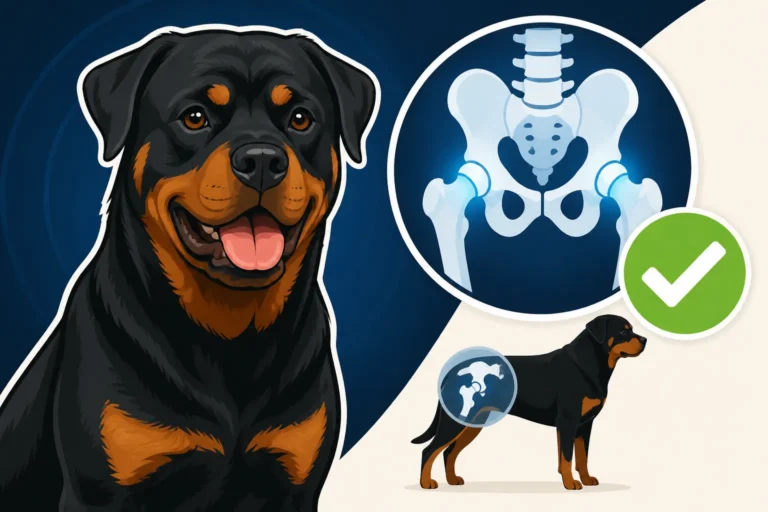
The protracted closure of growth plates in Rottweilers directly impacts when crucial health clearances for orthopedic conditions, like hip and elbow dysplasia, can be accurately performed. Organizations such as the OFA (Orthopedic Foundation for Animals) require dogs to be at least 24 months old before they can receive official hip and elbow evaluations. This isn't an arbitrary age; it's precisely because by 24 months, the growth plates are expected to be fully fused, and the skeletal structure has reached its mature state.
Attempting to get these X-rays done earlier, while technically possible, will only yield "preliminary" results that can change as the dog continues to mature. It's a waste of time and money, and more importantly, it doesn't give a definitive picture of your dog's joint health. This waiting period is why responsible breeders will proudly show you The Five Clearances a Rottweiler Breeder Must Have on their breeding stock, complete with official 24-month OFA or PennHIP certifications. Understanding this timeline is crucial not only for evaluating your own dog but also for choosing a puppy from parents with proper health screenings. The long wait for these clearances underscores just how much growth and development are still happening in your Rottweiler well past their first birthday.
When to Consult Your Vet About Growth and Lameness
Even with the best intentions and careful management, issues can arise. Rottweilers are stoic animals and sometimes subtle signs of discomfort can be easy to miss, especially in an energetic puppy. However, any persistent limping, favoring of a limb, swelling around a joint, or a sudden reluctance to play or bear weight warrants immediate veterinary attention. These could be signs of a growth plate injury, Panosteitis in a Growing Rottweiler Puppy, or an early indicator of a more serious developmental issue.
While a minor stumble might resolve itself, don't play guessing games with your Rottweiler's long-term mobility. Early diagnosis and intervention are critical for the best possible outcome. Your vet might recommend X-rays to assess the growth plates and joint structures. These visits, while sometimes costly, are investments in your dog's future comfort. This is where having pet insurance from a reputable provider, such as Healthy Paws, can be incredibly beneficial. If you enroll your Rottweiler when they're young and healthy, unexpected issues like growth plate injuries or subsequent orthopedic problems can often be covered, easing the financial burden and allowing you to focus on getting your dog the best care. Remember, they may appear large and robust, but their skeletal system is still vulnerable for a significant portion of their early life.
Disclaimer
Please remember that this article provides general information and is not a substitute for professional veterinary advice. Always consult with a qualified veterinarian regarding your Rottweiler's specific health, growth, and exercise needs.