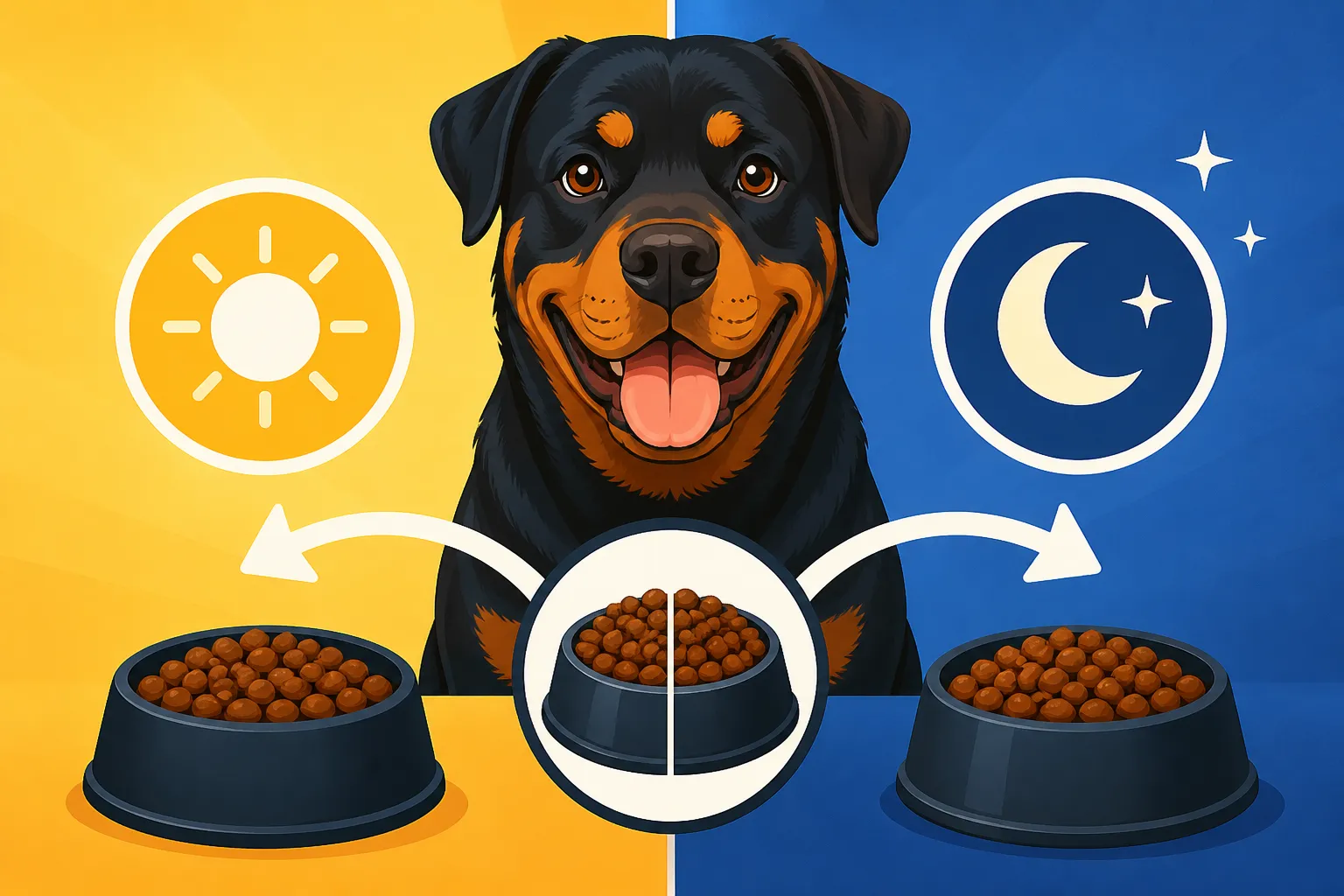
Splitting a Rottweiler’s Food Into Two Meals
It's incredibly common to wonder about the best way to feed your big, powerful Rottweiler. So many sources give conflicting advice, and the thought of getting it wrong can be really stressful, especially when you know how important proper nutrition is for their long-term health. This guide is here to cut through the confusion and explain exactly why splitting your Rottweiler's daily food into two distinct meals isn't just a good idea, but a crucial component of their well-being.
The Critical Health Benefits of Splitting Meals
Feeding your Rottweiler just one large meal a day might seem convenient, but for a large, deep-chested breed like ours, it carries significant risks and can undermine their digestive health. Our Rotts are prone to specific health concerns that are directly impacted by how and when they eat. Switching to a two-meal schedule isn't just about timing; it's a preventative health strategy.
Mitigating the Risk of Bloat
This is arguably the most critical reason to split your Rottweiler's meals. Gastric Dilatation-Volvulus, or bloat, is a life-threatening condition where the stomach fills with gas and can twist, cutting off blood flow. It's an emergency that often requires immediate, expensive surgery and can be fatal if not treated quickly. A major contributing factor to bloat is eating one large meal, especially if followed by exercise or gulping down a lot of water. When a Rottweiler consumes a massive amount of food at once, their stomach becomes significantly distended. This distension, combined with a deep chest conformation, creates an environment ripe for the stomach to flip. By splitting the food into two smaller, more manageable portions, you significantly reduce the sheer volume of food in the stomach at any one time, lessening the risk of severe distension. It's a simple change that can literally save your dog's life, and understanding the nuances of Recognizing Bloat in a Rottweiler is vital for every owner.
Enhancing Digestion and Nutrient Absorption
Think about how you feel after a massive Thanksgiving dinner versus two balanced meals throughout the day. Your Rottweiler's digestive system works similarly. When they consume an entire day's worth of calories and nutrients in one sitting, their body struggles to process it all efficiently. The digestive tract can become overloaded, leading to less effective absorption of essential vitamins, minerals, and proteins. This means your Rottweiler might not be getting the full benefit of their expensive, high-quality food. Two smaller meals allow the digestive system to work at an optimal pace, breaking down food more thoroughly and absorbing nutrients more effectively. This leads to better overall health, coat quality, and energy levels. It also helps in maintaining a healthy weight, which is paramount given the concerns around Rottweiler Obesity and the Load It Adds to their joints.
Stabilizing Energy Levels and Reducing Hunger Pangs
Rottweilers are powerful dogs with significant energy requirements, but they also benefit from stable blood sugar levels. A single, large meal can cause a sharp spike in blood sugar followed by a crash, which can manifest as lethargy or, conversely, a sudden burst of frantic energy. By distributing their food intake throughout the day, you help maintain a more consistent energy level. This means fewer dramatic highs and lows, contributing to a more even temperament and better focus for training. Furthermore, two meals can help your Rottweiler feel fuller for longer. If your dog is constantly begging or seems ravenous even after eating, it might be that a single large meal leaves them feeling empty after a few hours. Splitting their ration can improve satiety, reducing incessant food-seeking behaviors and making them more comfortable throughout the day. It's a small adjustment that can make a big difference to their daily comfort.
Making the Switch to a Two-Meal Schedule Seamlessly
Changing a dog's feeding routine, especially for a creature of habit like a Rottweiler, requires a thoughtful approach. You can't just suddenly halve their food and expect them to adapt without a hitch. A gradual transition is key to ensuring their digestive system adjusts comfortably and to avoid any undue stress or rejection of the new schedule.
Gradually Introducing the New Schedule
The trick here is gentle progression. If your Rottweiler currently eats one meal a day, don't immediately split it perfectly in half. Start by offering about two-thirds of their usual portion in the morning and the remaining third in the evening. Do this for a few days, observing how they react. Then, gradually adjust the evening portion to be closer to half, until you have two roughly equal meals. For puppies, the transition might be from three or four meals a day down to two as they mature, typically around 12-18 months. When feeding a puppy, it's particularly important to remember the specific caloric and nutritional needs outlined in guides like Daily Calories for a Rottweiler Puppy at Four Months. Always ensure fresh water is available throughout the day, but especially with meals, to aid digestion. This careful transition prevents digestive upset like diarrhea or vomiting, which can happen if you make sudden changes.
Accurately Calculating and Portioning Meals
Before you split meals, you need to know your Rottweiler's total daily food requirement. This isn't a one-size-fits-all number. It depends on their age, activity level, metabolism, and the specific food you're using. Your food bag will have guidelines, but always measure by weight (using a kitchen scale) rather than by volume (cups). A cup of kibble can vary significantly based on how densely it's packed. Once you have the accurate daily weight, simply divide it by two for your morning and evening meals. For example, if your 120-pound Rottweiler needs 600 grams of food per day, they'd get 300 grams at each meal. This precision ensures they are receiving adequate nutrition without over or under-feeding, both of which can lead to health issues. If you're unsure about their ideal weight or caloric needs, consulting with your veterinarian is always the best approach, and services like Healthy Paws can often help cover the costs of these important dietary consultations.
Establishing Consistent Meal Times
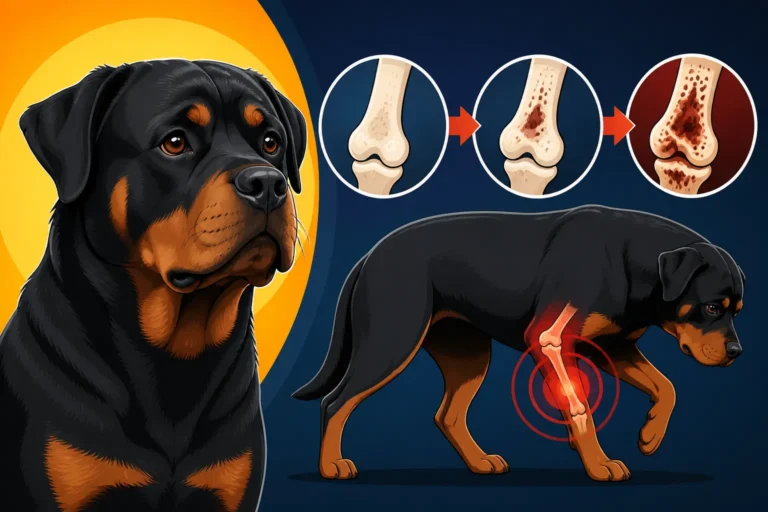
Dogs thrive on routine, and your Rottweiler is no exception. Once you've decided on two meals, pick consistent times for these meals each day. For example, 7:00 AM and 5:00 PM. Sticking to these times helps regulate their internal clock and digestive processes. Their body will anticipate food, preparing digestive enzymes and hormones accordingly, leading to better digestion and fewer instances of hunger-induced anxiety. Consistent mealtimes also make house training easier for puppies and help manage begging behaviors for adult dogs. Any major shifts in schedule, like weekends, should still try to adhere as closely as possible to the established routine. This stability is crucial for their mental and physical well-being. Remember that Rottweiler Growth Plates and Why They Close So Late means proper nutrition and consistent feeding are important for their skeletal development through a surprisingly long growth period.
Best Practices for Optimal Rottweiler Feeding
Beyond the two-meal schedule, there are several other elements that contribute to a truly optimized feeding routine for your big, beloved Rottweiler. These practices are all about supporting their unique physiology and ensuring their long-term health, helping to prevent common issues that plague large breeds.
The Importance of Rest Before and After Meals
For Rottweilers, especially with their predisposition to bloat, the activity around meal times is just as important as the meal size itself. It's critical to enforce a period of calm before and after they eat. Aim for at least 30 minutes of quiet time before meals and a full 60 to 90 minutes afterward. This means no strenuous exercise, no rough play, and limited excitement. A full stomach, combined with jumping, running, or rolling, can increase the risk of the stomach twisting. Imagine trying to run a marathon after a huge dinner – it’s just not comfortable or safe. Give your Rottweiler a peaceful environment to eat and digest. This rule is a cornerstone of preventing serious health emergencies and works hand-in-hand with splitting meals to protect them. You can learn more about this by researching How Long to Wait After a Rottweiler Meal Before Exercise.
Slow Feeder Bowls and Enrichment Feeding
Many Rottweilers, like other large breeds, tend to gulp down their food at an alarming rate. This rapid consumption introduces excess air into their stomach, another factor that increases the risk of bloat. Slow feeder bowls or puzzle feeders are fantastic tools to combat this. These bowls have various ridges and obstacles that force your Rottweiler to eat more slowly, picking up smaller mouthfuls of food at a time. Not only do they reduce the amount of air swallowed, but they also turn mealtime into a mental enrichment activity. It engages their brain and makes eating more satisfying, stretching out the experience from seconds to several minutes. There are many robust slow feeders designed specifically for larger breeds, built to withstand a powerful Rottweiler's enthusiasm. You might also consider spreading kibble across a Snuffle Mat, a great option for Rottweiler Enrichment Beyond Walks.
Hydration and Dietary Choices
Ensuring your Rottweiler has constant access to fresh, clean water is paramount for their overall health, digestion, and kidney function. While they shouldn't gulp large amounts of water immediately after a meal, steady access throughout the day is non-negotiable. Dehydration can lead to a host of health problems. Beyond water, the quality of your Rottweiler's food plays a huge role. Opt for a high-quality, large-breed formula that supports their unique growth and maintenance needs. Look for appropriate protein, fat, and calcium levels (especially for puppies, where Rottweiler Calcium Limits and Why Supplements Hurt is a vital topic). Avoiding unnecessary ingredients and focusing on nutrient-dense options will contribute significantly to their health and lifespan. Regular check-ups with your vet can help you tailor their diet as they age or if any health concerns arise. Having a reliable pet insurance plan, such as one from Healthy Paws, can provide peace of mind in covering the costs of these expert consultations and any dietary interventions that might be needed.
Comparative Table: Single Meal vs. Two Meals for Rottweilers
To help you visualize the benefits, here's a quick comparison of feeding your Rottweiler one large meal versus splitting it into two smaller, balanced meals.
| Feature | Single Large Meal | Two Split Meals |
|---|---|---|
| Bloat Risk | Significantly higher due to stomach distension | Significantly lower; less stomach distension |
| Digestion | Can overwhelm digestive system; less efficient | Optimized for efficient nutrient absorption |
| Energy Levels | Spikes and crashes possible; less stable | More stable blood sugar and sustained energy |
| Satiety | May lead to longer periods of hunger/begging | Enhanced satiety; reduced hunger pangs |
| Weight Management | Harder to control; potential for overeating | Easier to portion control and maintain ideal weight |
| Nutrient Absorption | Less efficient; some nutrients may be wasted | More thorough absorption of essential nutrients |
| Behavior | Can contribute to frantic eating, resource guarding | Promotes calmer eating; reduces anxiety |
| Puppy Development | Increased risk of developmental bone diseases | Supports slow, steady growth and healthy joints |
This table clearly illustrates why the two-meal approach is the superior choice for the health and well-being of your Rottweiler, from puppyhood through their senior years.
Disclaimer
The information provided in this article is for general informational purposes only and is not a substitute for professional veterinary advice. Always consult with a qualified veterinarian or animal nutrition expert regarding your Rottweiler's specific dietary needs and health concerns.