Physical Therapy After Rottweiler Joint Surgery
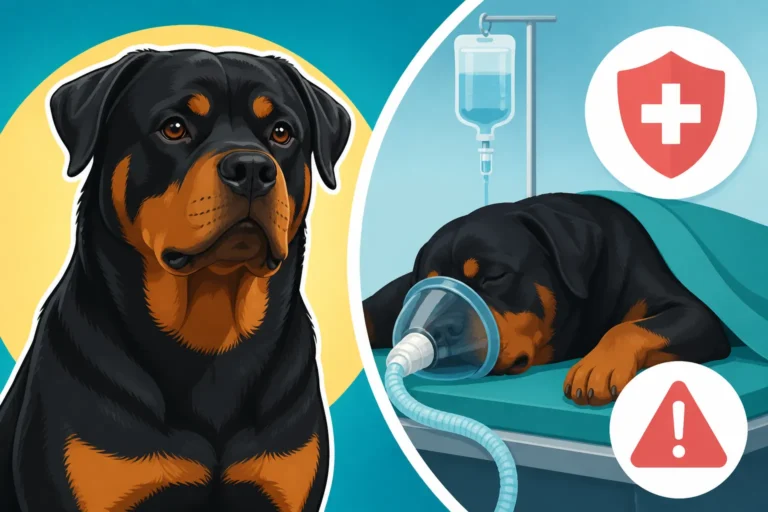
The moment your powerful Rottweiler needs joint surgery, whether it’s for a torn ligament, hip dysplasia, or elbow issues, a wave of concern washes over any owner. The surgery itself is a monumental step, but the journey doesn’t end when they come home. The critical period following the operation can feel incredibly daunting, filled with uncertainty about how to best help your beloved dog heal and regain its mobility. This guide will walk you through the essential role of physical therapy after Rottweiler joint surgery, detailing what to expect and how to actively support your dog's recovery every step of the way.
Understanding the Need for Post-Surgical Physical Therapy
Bringing your Rottweiler home after a major joint surgery can be a mix of immense relief and fresh anxiety. You've cleared the immediate hurdle of the operation itself, but now you're faced with discharge papers full of strict instructions and the heavy responsibility of managing a large, recovering dog. It’s natural to feel overwhelmed, wondering if you're doing enough, or if you're doing it right. This isn't a time for your dog to simply "rest it off" – it requires active, intentional healing, and that’s precisely where dedicated physical therapy becomes absolutely critical.
Why Physical Therapy is Non-Negotiable for Large Breeds
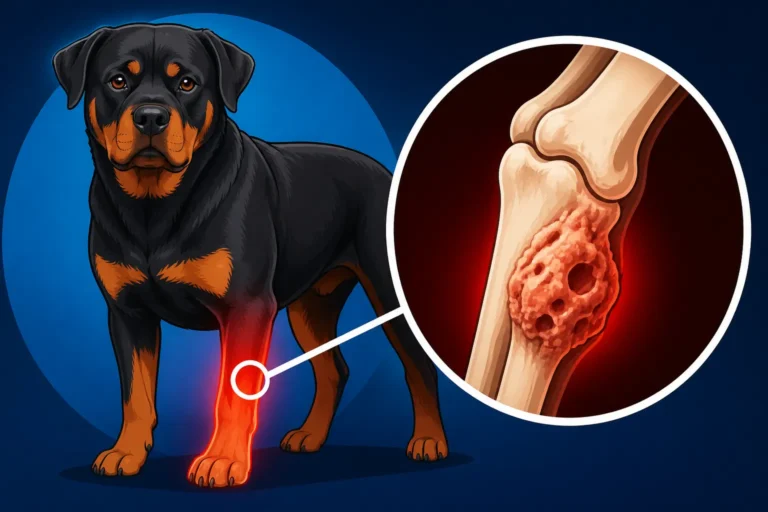
For a breed as substantial, muscular, and active as a Rottweiler, simply allowing them to rest after a major joint surgery isn't just insufficient; it can actually hinder their recovery significantly. Think of it like this: if you have a high-performance vehicle and a crucial part of its engine is rebuilt, you wouldn't just expect it to run perfectly without careful tuning and testing. The same logic applies to your Rottweiler’s complex musculoskeletal system. Without targeted rehabilitation, several detrimental things can happen. Scar tissue can form in a way that restricts natural movement, muscles can waste away astonishingly quickly (a process known as atrophy), and the surgically repaired joint may never achieve its full range of motion or the stability it needs. The sheer size and weight of a Rottweiler mean that any compromise in joint function is magnified tremendously, placing immense, undue stress on their other limbs and potentially leading to compensatory problems or even secondary injuries down the road. It’s a literal heavy load for them to bear, and proper, consistent physical therapy is the only way to ensure that the repaired joint becomes strong enough to withstand those forces. Many owners worry about whether a three-legged Rottweiler copes at that size, and while some do, a full recovery of a damaged joint requires immense care to avoid such drastic measures.
Common Joint Surgeries in Rottweilers
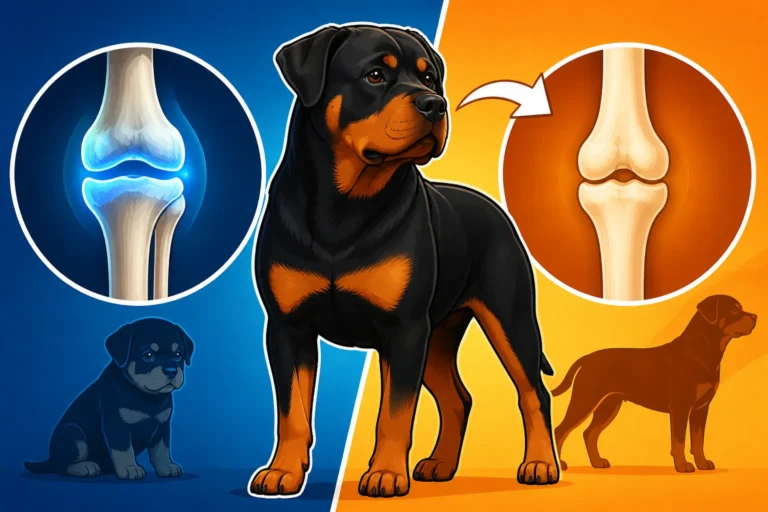
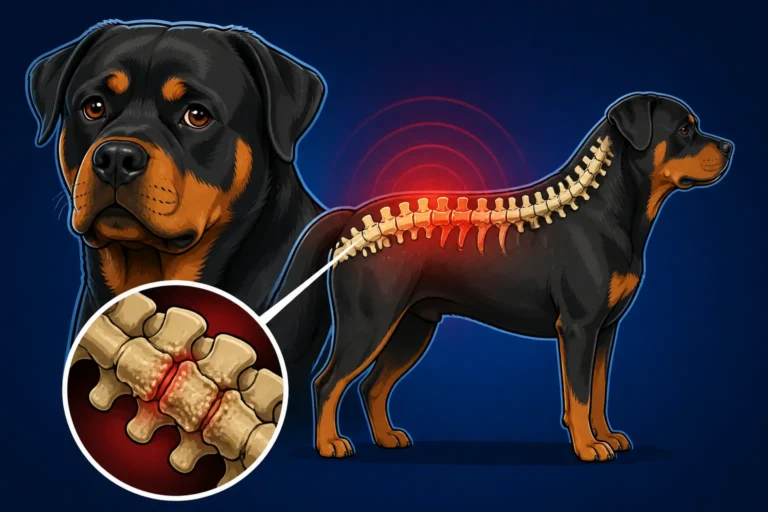
Rottweilers, regrettably, are predisposed to several orthopedic conditions that frequently necessitate surgical intervention. Understanding these conditions and their corresponding surgeries can help you grasp just how vital tailored physical therapy is. One of the most common issues leading to surgery is a Cruciate Ligament Tears in a Hundred Pound Rottweiler, often requiring procedures like Tibial Plateau Leveling Osteotomy (TPLO) or Tibial Tuberosity Advancement (TTA). These surgeries aim to stabilize the stifle (knee) joint after the cranial cruciate ligament ruptures, a common and painful injury for active, heavy dogs. Another significant concern for the breed is Rottweiler Hip Dysplasia and the OFA Grade, which can result in severe arthritis and chronic pain. While not every case demands surgery, advanced hip dysplasia might call for a total hip replacement or a Femoral Head Ostectomy (FHO) to alleviate suffering. Similarly, Rottweiler Elbow Dysplasia and Front Leg Lameness can cause persistent pain and lameness, sometimes necessitating arthroscopic surgery to remove bone fragments or a sliding humeral osteotomy to correct joint incongruity. Each of these surgeries, despite their differing techniques and locations, shares a fundamental need for structured, progressive post-operative physical therapy to maximize recovery and ensure the best possible long-term quality of life for your cherished companion.
The Phases of Rottweiler Post-Operative Rehabilitation
Navigating your Rottweiler's journey back to health after joint surgery isn’t a single, uniform process. Instead, it’s a meticulously structured rehabilitation program, typically divided into distinct phases. Each phase has specific goals and presents its own set of challenges, building upon the last. This phased approach is crucial for allowing delicate tissues to heal properly, minimizing stress on the surgical repair, and steadily rebuilding strength and function without risking damage. Your primary veterinarian or a certified canine rehabilitation therapist will be your guides, but having a clear understanding of this roadmap empowers you to be a more informed and proactive partner in your dog's recovery.
Immediate Post-Op Care: Protecting the Surgical Site
The initial period following surgery, typically the first few days to two weeks, is entirely dedicated to protection and pain management. When your Rottweiler first comes home, they will likely be on a regimen of pain medication, anti-inflammatory drugs, and possibly even sedatives to keep them calm. The overriding goal during this critical phase is to control any pain, reduce swelling around the surgical site, and, most importantly, prevent any accidental damage to the still-fragile surgical repair. This translates to incredibly strict activity limitations. Your dog will need confined rest – think a small crate, a secure exercise pen, or a very small, safe room where they cannot run, jump, or play. Leash walks will be absolutely essential for potty breaks, but they must be slow, controlled, and typically no more than a few minutes long, several times a day. You'll need to learn how to safely assist your Rottweiler if they need to navigate stairs, get into a car, or even just stand up, perhaps using a sturdy support sling or a specialized mobility harness. Cold therapy, often involving ice packs wrapped in a thin towel, might be recommended for short durations (10-15 minutes) a few times a day to manage swelling and provide comfort. This phase can be incredibly frustrating, especially for an active Rottweiler accustomed to free movement, but strict adherence to these restrictions is paramount for successful healing. For owners facing this, the advice found in resources like Amputation Recovery Week by Week for a Rottweiler can offer insights into careful limb management, even if your dog still has all four legs.
Early Rehabilitation: Gentle Movement and Pain Management
Once the initial post-operative swelling has subsided and the incision line is well on its way to healing, typically around 1-2 weeks post-surgery, you can begin introducing very gentle movements. The aim of this early rehabilitation phase is to prevent significant muscle atrophy, maintain some degree of joint flexibility, and improve circulation without placing undue stress on the still-healing surgical site. Passive Range of Motion (PROM) exercises are a cornerstone here. This involves you gently flexing and extending the affected joint while your dog is relaxed and lying down, always following the specific instructions provided by your vet or canine rehabilitation therapist. These movements must be performed slowly, smoothly, and never forced. If your Rottweiler shows any signs of discomfort or pain during PROM, you must stop immediately. Pain management remains a critical component; ensuring your dog is comfortable enough to participate without pain is key. You might also be taught gentle massage techniques for the muscles surrounding the joint (always avoiding direct pressure on the incision area unless cleared by your vet) to help reduce stiffness and enhance blood flow. Short, meticulously controlled walks on a non-slip surface, always on a leash, will gradually increase in duration. During this phase, it’s all about the quality and precision of movement, not the quantity of exercise.
Intermediate Phase: Building Strength and Range of Motion
As your Rottweiler continues to progress, typically from 4-8 weeks post-operation, the rehabilitation focus shifts to more active exercises. These are specifically designed to build significant strength, improve balance and coordination, and further increase the range of motion in the recovering joint. This is where the therapy starts to feel more like a structured "workout." Your rehabilitation therapist might introduce a variety of exercises, including:
- Controlled Therapeutic Walks: Longer, more deliberate walks on varied, stable surfaces like grass or slight inclines can challenge different muscle groups and improve stamina.
- Weight Shifting Exercises: Encouraging your dog to consciously bear more weight on the surgically repaired limb while standing, often achieved by gently leaning them or strategically offering treats.
- Cavaletti Poles: Walking your Rottweiler slowly over low-lying poles helps to improve proprioception (their awareness of where their limbs are in space) and encourages a higher, more deliberate limb lift.
- Specific Therapeutic Exercises: Tailored movements like controlled "sit-to-stands" are excellent for strengthening the hindquarter muscles crucial for large breeds.
- Hydrotherapy: Sessions on an underwater treadmill can be incredibly beneficial. The buoyancy of the water significantly reduces weight-bearing stress on the joint, allowing for full range of motion and effective muscle strengthening in a low-impact environment. Many specialized canine rehabilitation centers offer this service, and it's a fantastic way to build robust muscle without excessive joint impact.
Throughout this intermediate phase, it is absolutely vital to closely observe your Rottweiler for any signs of fatigue, discomfort, or pain. Pushing them too hard, too fast, can easily lead to setbacks or re-injury. This is also the period when having a comprehensive pet insurance policy, such as one from Healthy Paws, can offer substantial relief by covering the costs of these specialized therapies and ongoing veterinary consultations.
Advanced Phase: Restoring Full Function and Preventing Re-injury
The advanced rehabilitation phase typically begins around 8-12 weeks post-op and can continue for several months, depending on the individual dog and the specific surgery. The ultimate goal here is to safely return your Rottweiler to its previous level of activity, or as close as possible, while simultaneously implementing strategies to prevent any future re-injury. This phase incorporates more dynamic and challenging exercises:
- Gradual Activity Reintroduction: Slowly and carefully reintroducing controlled play, short bursts of fetch, or supervised off-leash time in a very secure and controlled environment.
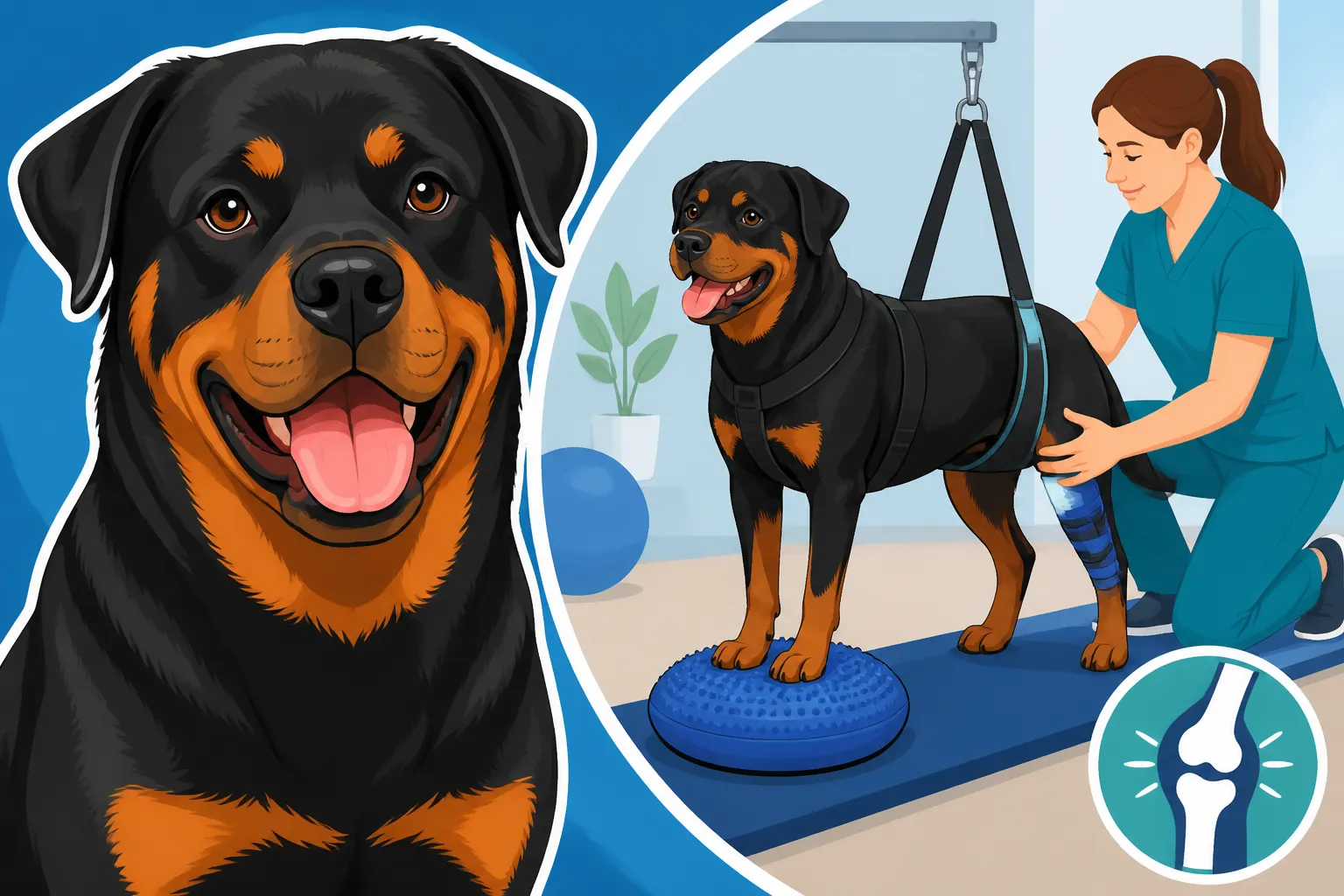
- Advanced Balance and Core Work: Utilizing specialized equipment like balance boards, wobble cushions, or large therapeutic balls to further challenge core strength, stability, and coordination.
- Controlled Running and Trotting: Gradually increasing the speed and distance of running or trotting on soft, forgiving surfaces.
- Stair Climbing: If stairs were previously restricted, they can now be slowly and carefully reintroduced, always under strict supervision, ensuring smooth, controlled movements.
- Sport-Specific Conditioning: If your Rottweiler was involved in activities like Schutzhund, agility, or working roles, specific conditioning exercises will be integrated to prepare them for a safe return to these demanding activities.
This advanced phase is where your dog's strength, endurance, agility, and overall coordination are truly refined. It’s also crucial to consistently incorporate proper warm-up and cool-down routines before and after any exercise to protect the joints and muscles. Even after what appears to be a full recovery, ongoing joint support with supplements like Joint Supplements Started Before a Rottweiler Turns Two and diligent monitoring for any subtle changes in their gait or behavior are critical for a large, powerful dog like a Rottweiler. This commitment helps ensure long-term joint health and comfort.
Practical Tips for At-Home Physical Therapy and Support
While the expertise of a professional canine rehabilitation therapist is undeniably invaluable, a significant and often underestimated portion of your Rottweiler's recovery will occur right in your own home, under your direct care. This means your preparedness, patience, and unwavering consistency are paramount. Your dedication and active participation in at-home therapy directly impact the overall success of the surgery and, ultimately, the quality of life your beloved companion will enjoy for years to come.
Creating a Safe and Supportive Environment
Bringing a Rottweiler home after joint surgery necessitates some immediate and thoughtful adjustments to your living space. First and foremost, ensure they have a comfortable, well-padded orthopedic bed that is easy for them to get in and out of without struggling or jumping. These specialized beds can make a tremendous difference for large, heavy dogs recovering from joint trauma. Next, address any slick flooring in your home. Hardwood, tile, or laminate floors are notorious for causing slips and falls, which could catastrophically re-injure the surgical site. Invest in non-slip rugs or runners, especially in high-traffic areas. You may need to strategically block off access to stairs, or, at the very least, supervise every ascent and descent, using a support sling if necessary to prevent strain. Finally, designate a secure, small confinement area, such as a sturdy crate or a well-equipped exercise pen, for times when you cannot actively supervise your dog. This prevents them from accidentally overdoing it when you're not looking. Remember, dogs don't inherently understand the concept of "resting a joint," so you are their primary guardian throughout this sensitive period. The principles of managing A Growing Rottweiler's Joints and Overexercise are truly a lifelong commitment, not just a temporary post-surgery phase.
Essential At-Home Exercises and Techniques
Your canine rehabilitation therapist will provide you with a highly individualized exercise plan, specifically tailored to your Rottweiler’s surgery type, recovery stage, and individual progress. However, there are several foundational techniques that are commonly incorporated into at-home therapy programs:
- Passive Range of Motion (PROM) Exercises: As previously discussed, these involve you gently moving your dog’s joint through its natural range of motion. Always ensure you support the limb both above and below the joint, executing movements slowly and smoothly until you feel gentle resistance, never pushing into any sign of pain.
- Weight Shifting Exercises: While your Rottweiler is standing, gently encourage them to shift their weight from side to side or front to back. This simple technique helps them consciously bear weight on the recovering limb and actively strengthens the crucial stabilizing muscles around the joint.
- Balance Exercises: Begin with very simple balance challenges, such as having your dog stand with all four paws on slightly uneven, soft surfaces like a thick pillow or a folded blanket. As they gain confidence, you can gradually progress to more advanced equipment like wobble boards or specialized balance discs, but only under the guidance of your therapist.
- Controlled Leash Walks: Focus on slow, steady paces during these walks, meticulously avoiding any sudden stops, starts, or abrupt changes in direction. Start with very short durations and incrementally increase the length as directed by your veterinary team.
- Therapeutic Massage: Gentle stroking, kneading, and circular motions applied to the muscles surrounding the joint (always avoiding the incision area directly, unless explicitly cleared by your vet) can significantly improve circulation, reduce muscle stiffness, and provide comfort. Ensure you learn the correct techniques from your rehabilitation therapist to maximize benefits and prevent injury.
- Cold and Heat Therapy: Cold packs (applied for 10-15 minutes) are typically used after exercise sessions or whenever swelling is observed. Heat packs can be beneficial before exercise to warm up muscles and enhance flexibility. Always place a barrier, such as a thin towel, between the pack and your dog's skin to prevent thermal injury.
Consistency is the absolute key to success. Aim for short, frequent therapy sessions (e.g., 3-5 times a day for 5-10 minutes each) as these are generally more effective and less fatiguing for your dog than one long, intense session. Keep a detailed log of your dog's daily progress, noting any pain responses, lameness, or visible improvements.
Monitoring Progress and Knowing When to Call the Vet
You are your Rottweiler's most important observer and advocate throughout this entire rehabilitation process. Closely monitoring their daily progress is paramount. You'll be looking for both encouraging positive changes and any potential warning signs that might indicate a setback or a complication:
Positive Indicators of Progress:
- A noticeable increase in weight bearing on the affected limb
- Improved muscle mass around the joint (you can gently measure thigh circumference to track this)
- Better flexibility and a wider range of motion in the joint
- Reduced signs of pain or stiffness, such as less limping or less vocalization
- An increased willingness to engage in controlled activity and play
Immediate Warning Signs to Contact Your Veterinarian:
- A sudden and significant increase in lameness, or a complete refusal to use the limb
- Any new or worsening swelling, redness, heat, or discharge from the incision site
- New or intensified signs of pain, such as increased whining, guarding the limb aggressively, excessive panting, or a pronounced reluctance to move
- A loss of appetite or unusual lethargy
- Any indication of a fever
Even when everything appears to be progressing smoothly, routine follow-up appointments with both your veterinary surgeon and the canine rehabilitation therapist are absolutely crucial. They can objectively assess your Rottweiler's progress, make necessary adjustments to the therapy plan, and identify any subtle issues that you might inadvertently overlook. It's also vital to remember that this entire recovery journey is a marathon, not a sprint. Practice immense patience, celebrate every small victory, and try not to get discouraged by the occasional, inevitable setback. Having a robust pet insurance plan, such as one from Healthy Paws, can provide tremendous peace of mind, knowing that the potentially significant costs of ongoing rehabilitation, medications, and follow-up care are financially supported. This allows you to focus all your energy on your dog’s healing without added financial burden. This entire journey is a profound testament to the incredible bond you share with your Rottweiler, and with your dedicated support, you can help them achieve the best possible long-term recovery and return to a joyful life. This commitment often extends to Managing Arthritis in an Older Rottweiler, a common long-term consideration for large breeds prone to joint issues.
| Rehabilitation Phase | Typical Duration (Post-Surgery) | Primary Goals | Common Activities/Focus | Important Considerations |
|---|---|---|---|---|
| Immediate Post-Op | Day 1 – Week 2 | Pain control, inflammation reduction, protect repair | Strict confinement, short leash potty breaks, ice packs, prescribed medication | Absolutely no jumping, running, or uncontrolled off-leash activity crucial |
| Early Rehabilitation | Weeks 2 – 4 | Prevent muscle atrophy, maintain joint flexibility, gentle circulation | Passive Range of Motion (PROM), gentle massage, slow, controlled leash walks on flat surfaces | Continual pain monitoring, strict adherence to exercise limits, consistent medication schedule |
| Intermediate Phase | Weeks 4 – 8 | Build strength, improve balance, increase range of motion | Longer controlled walks, weight shifting exercises, sit-to-stands, Cavaletti poles, hydrotherapy sessions (if available) | Gradual progression is key, always under professional guidance, listen carefully to your dog’s comfort cues |
| Advanced Phase | Weeks 8 – 24+ | Restore full function, prevent re-injury, endurance, agility | Advanced balance work, controlled running/trotting on soft ground, agility drills, sport-specific conditioning, gradual return to play | Essential warm-up and cool-down routines, lifelong joint care considerations, continuous monitoring for subtle changes |
Disclaimer
The information provided in this article is for general informational purposes only and is not a substitute for professional veterinary medical advice, diagnosis, or treatment. Always seek the advice of your veterinarian or other qualified animal health provider with any questions you may have regarding a medical condition or treatment for your Rottweiler.