Rottweiler Osteosarcoma Survival Times
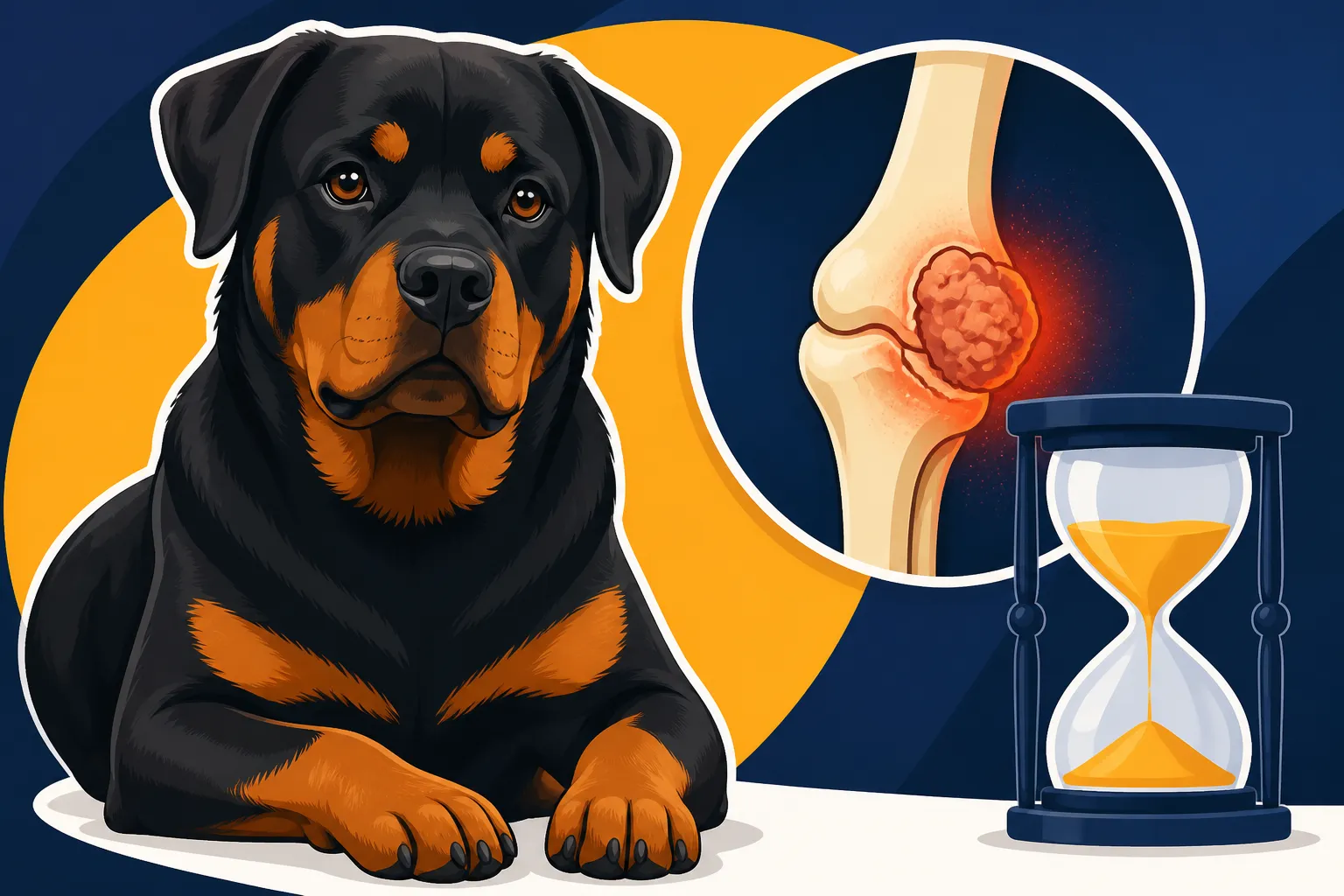
Discovering a limp in your beloved Rottweiler, especially one that doesn't resolve, can plunge you into a spiral of worry. When that limp turns out to be osteosarcoma, a devastating bone cancer, the first question on every owner's mind is often, "How much time do we have left?" This guide aims to provide a realistic, empathetic look at Rottweiler osteosarcoma survival times, exploring the factors that influence prognosis and the treatment options available to extend quality life.
Understanding Osteosarcoma in Rottweilers
Osteosarcoma is a brutal adversary, striking fear into the hearts of large breed dog owners, and particularly those of us who share our lives with magnificent Rottweilers. This aggressive form of cancer originates in the bone, rapidly destroying healthy tissue and often spreading to other parts of the body before it's even detected. It's a diagnosis that feels like a punch to the gut, leaving you reeling and desperate for answers.
The Brutal Reality of This Cancer
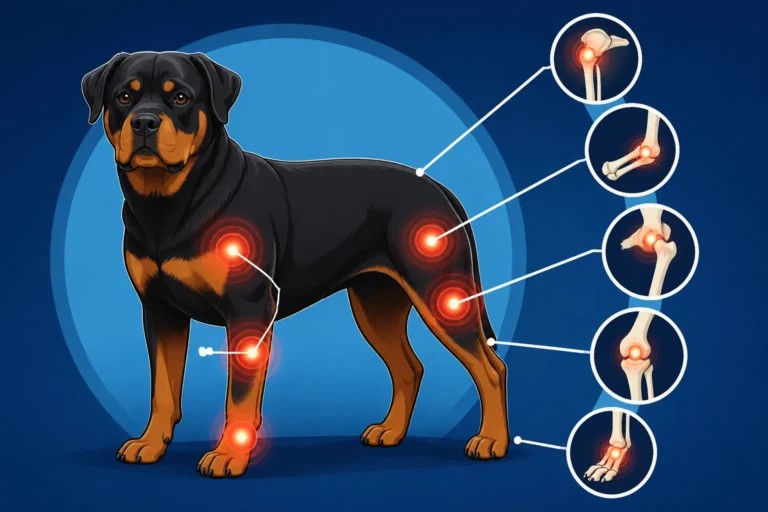
Imagine a cancer that silently eats away at the very structure that supports your dog – their bones. That's osteosarcoma. It's not just a tumor; it's a relentless, painful disease that causes immense discomfort and compromises a dog's mobility. While it can occur in any bone, it most commonly attacks the long bones of the limbs, particularly around the shoulder, wrist, knee, and ankle. The pain associated with osteosarcoma is often the first, and most heartbreaking, sign that something is terribly wrong, starting as a subtle lameness and progressing to excruciating pain as the bone weakens and sometimes even fractures.
What makes this cancer so challenging is its aggressive nature. By the time a primary tumor is diagnosed on a limb, it's estimated that microscopic metastases – tiny, undetectable cancer cells – have already spread to other parts of the body in over 90% of cases. The lungs are a common target for this spread, and it's these secondary tumors, rather than the primary bone tumor itself, that usually become life-limiting. This inherent tendency to metastasize quickly is why osteosarcoma is considered a systemic disease from the outset, requiring more than just local treatment.
Why Rottweilers Are Particularly Susceptible
It's a cruel twist of fate that our wonderful, big-hearted Rottweilers are disproportionately affected by osteosarcoma. While any dog can get this cancer, large and giant breeds are at a significantly higher risk, and Rottweilers are sadly at the top of that list, alongside breeds like Great Danes, Irish Wolfhounds, and Saint Bernards. The reasons aren't fully understood, but it's believed to be linked to their rapid growth rates and large size.
Theories suggest that the increased mechanical stress on their larger, faster-growing bones might play a role in promoting cellular changes that lead to cancer. Some research has also explored genetic predispositions within the breed, indicating that certain lines may carry a higher risk. This isn't something that can be prevented through diet or exercise alone; it's an unfortunate part of their genetic lottery, making regular vigilance for any subtle signs of lameness even more crucial for Rottweiler owners.
Recognizing the Early, Often Subtle, Signs
Catching osteosarcoma early can make a significant difference in how much quality time you have with your Rottweiler. The problem is, the initial signs are often so subtle they can be easily dismissed as a minor sprain or arthritis. It typically starts with intermittent lameness or a slight limp that seems to come and go, especially after exercise. You might notice your Rottweiler favoring a limb, or being a bit slower to get up. For more detailed information, check out The First Limp That Turns Out to Be Bone Cancer for what to look for.
As the disease progresses, the lameness becomes more consistent and severe. You might observe swelling over the affected bone, which feels hard and warm to the touch. Your dog might lick at the area excessively, show reluctance to bear weight on the limb, or even become irritable due to the pain. Loss of appetite, lethargy, and a general change in demeanor are also red flags. Because these signs can mimic other conditions, it's vital to seek veterinary attention promptly for any persistent lameness in a Rottweiler, ensuring thorough diagnostics like X-rays are performed. The faster you get answers, the sooner you can explore treatment options. You can read more about common locations for the cancer in Where Osteosarcoma Usually Appears on a Rottweiler.
Factors Influencing Rottweiler Osteosarcoma Survival
When faced with an osteosarcoma diagnosis, understanding the various factors that can impact your Rottweiler's prognosis and survival time is key to making informed decisions. It's rarely a straightforward situation, and many variables come into play.
The Importance of Early Diagnosis
We've touched on this already, but it truly bears repeating: early diagnosis is paramount. Osteosarcoma progresses with alarming speed, and the window for effective intervention can be narrow. The longer the cancer goes undetected, the more time it has to establish itself locally and, critically, to spread microscopically throughout the body. A study published in the Veterinary and Comparative Oncology journal highlighted that dogs diagnosed at an earlier stage of lameness often had a slightly better response to treatment, as the disease had less opportunity to advance.
When your vet suspects osteosarcoma, they will typically recommend X-rays of the affected limb. These images can often reveal the characteristic "sunburst" or "moth-eaten" appearance of bone destruction. However, X-rays aren't always definitive, and a biopsy of the bone is usually required for a confirmed diagnosis. This step can feel agonizingly slow when you're desperate for answers, but it's crucial for understanding the exact nature of the cancer. Knowing How Fast Rottweiler Bone Cancer Progresses can help underscore the urgency.
Tumor Location and Spread
The specific location of the osteosarcoma tumor significantly influences prognosis. Tumors in the appendicular skeleton (limbs) generally have a better outlook than those in the axial skeleton (e.g., ribs, spine, skull). This is primarily because limb tumors are often amenable to surgical removal, such as amputation, which is a cornerstone of treatment. While amputation is a major surgery, it offers the best chance of removing the primary source of pain and local disease control.
However, even with limb amputation, the insidious nature of osteosarcoma means the risk of metastatic spread is high. The lungs are the most common site for metastasis. Your veterinarian will typically recommend chest X-rays at the time of diagnosis to check for visible spread, though microscopic disease is often present even if X-rays appear clear. If visible lung metastases are present at the time of initial diagnosis, the prognosis is significantly poorer, and average survival times can drop dramatically.
Histological Grade and Aggressiveness
Once a biopsy is performed, a veterinary pathologist examines the tissue under a microscope to determine the histological grade of the tumor. This grading provides insight into how aggressive the cancer cells appear and how quickly they are likely to grow and spread. High-grade tumors, characterized by rapidly dividing and abnormal cells, tend to be more aggressive and carry a poorer prognosis compared to lower-grade tumors, which are fortunately less common in Rottweilers.
This information helps guide treatment decisions. A highly aggressive tumor might necessitate a more intensive chemotherapy protocol, for example, to try and combat the rapid spread. While owners often focus on survival statistics, understanding the tumor's grade helps vets set more accurate expectations and tailor the most effective strategy for managing the disease and improving Rottweiler Osteosarcoma Survival Times.
Overall Health and Age of Your Rottweiler
Your Rottweiler's general health and age also play a critical role in their ability to withstand treatment and influence their overall prognosis. A younger, otherwise healthy Rottweiler with no other underlying conditions is typically a better candidate for aggressive treatments like amputation and chemotherapy. Their body can recover more effectively from surgery, and they are generally more resilient to the side effects of chemotherapy.
Conversely, an older Rottweiler, perhaps one already dealing with conditions like arthritis, heart disease, or kidney issues, might not be a good candidate for extensive surgery or intensive chemotherapy. In such cases, the focus often shifts more towards palliative care, emphasizing pain management and maximizing comfort for the time they have left. A vet will always assess your dog's full health profile before recommending a treatment plan, weighing the potential benefits against the risks and the impact on their quality of life. Owners of older Rottweilers might find helpful information in Senior Rottweiler Care After the Age of Seven.
Treatment Options and Their Impact on Lifespan
Navigating the landscape of osteosarcoma treatment can feel overwhelming. There are various approaches, each with its own benefits, risks, and impact on your Rottweiler's survival time and quality of life.
Amputation as a Primary Step
For osteosarcoma affecting a limb, amputation is often the first and most crucial step. It might sound drastic, and the thought of your magnificent Rottweiler on three legs can be heartbreaking, but it's the most effective way to eliminate the source of immense pain caused by the bone tumor. Pain control alone can dramatically improve your dog's quality of life immediately. Moreover, it removes the bulk of the primary tumor, which is essential for preventing local recurrence and giving subsequent treatments a better chance to work.
Studies consistently show that dogs undergoing amputation alone typically have a median survival time of about 4 to 6 months. While this might seem short, it represents a significant improvement in comfort compared to living with a painful, growing bone tumor. Many owners worry about their large Rottweiler coping on three legs, but dogs are remarkably adaptable. With proper care and rehabilitation, many adjust incredibly well and maintain a good quality of life. For more on this, you might be interested in Whether a Three-Legged Rottweiler Copes at That Size and Amputation Recovery Week by Week for a Rottweiler.
The Role of Chemotherapy Post-Amputation
While amputation addresses the primary tumor, it doesn't tackle the microscopic cancer cells that have already spread. This is where chemotherapy comes in. Chemotherapy is considered the standard of care following amputation, as it targets these invisible metastatic cells, significantly extending survival times. Without chemotherapy, even after a successful amputation, the cancer almost inevitably returns elsewhere, most commonly in the lungs, within a few months.
Common chemotherapy protocols for osteosarcoma in Rottweilers often involve drugs like Carboplatin or Doxorubicin, administered intravenously over several sessions, typically every three weeks for four to six treatments. When amputation is followed by chemotherapy, the median survival time typically increases to 10-12 months, with some dogs living 18 months or even longer. It's important to remember that this is a median, meaning 50% live longer and 50% live shorter. While chemotherapy can have side effects, modern protocols are often well-tolerated, and the goal is always to maintain a good quality of life. Financial considerations are often a worry here, and having pet insurance like a policy from Healthy Paws can make a huge difference in affording these life-extending treatments. You can learn more about the specifics in Chemotherapy Protocols Used on Rottweilers.
Radiation Therapy for Pain Management
In some cases, amputation might not be feasible due to the tumor's location (e.g., spinal, skull) or if the Rottweiler has other severe health issues that make surgery too risky. In these situations, radiation therapy can be a valuable option, particularly for pain control. Palliative radiation aims to reduce the pain associated with the bone tumor and improve the dog's mobility and comfort. It doesn't typically extend survival as dramatically as amputation combined with chemotherapy, but it can provide significant relief for several months.
Definitive radiation, a more intensive protocol, can sometimes be used as a primary treatment for tumors that cannot be surgically removed, aiming for local control. However, it's less commonly used for osteosarcoma in limbs when amputation is an option because amputation offers a more immediate and complete removal of the painful primary tumor.
Palliative and Supportive Care
When aggressive treatments aren't chosen or are no longer effective, focusing on palliative and supportive care becomes paramount. This approach prioritizes your Rottweiler's comfort and quality of life above all else. This means meticulous pain management using a combination of medications, including NSAIDs, gabapentin, tramadol, and sometimes even stronger opioids, as described in Pain Control for a Rottweiler With Bone Cancer. The goal is to keep your dog as comfortable and pain-free as possible, allowing them to enjoy their remaining time with dignity.
Supportive care also includes nutritional support, maintaining hydration, and managing any secondary complications. This might involve supplements, dietary adjustments, or even acupuncture or laser therapy to help with mobility and comfort. For many owners, especially with older dogs, choosing palliative care is a deeply personal decision focused on ensuring their beloved companion's final months are spent without suffering. For a broader look at managing cancer, see Palliative Care for a Rottweiler With Cancer. It is during these challenging times that the support from a robust pet insurance plan like Healthy Paws can alleviate the financial strain, allowing owners to prioritize comfort and care without compromise.
Navigating Quality of Life and Prognosis
Living with a Rottweiler diagnosed with osteosarcoma is an emotional roller coaster. While statistics provide a general outlook, your focus will naturally shift to maximizing the quality of every single day you have left with your cherished companion.
Setting Realistic Expectations
It's crucial to approach an osteosarcoma diagnosis with realistic expectations. While treatments can extend life, a complete cure for osteosarcoma is rare. The primary goal of most treatments is to extend a good quality of life for as long as possible, managing pain and delaying the inevitable metastatic spread. Hearing that your dog's median survival time might be 10-12 months can be devastating, but it's important to understand that this is an average. Some dogs unfortunately succumb much sooner, while others beat the odds and live significantly longer.
Your veterinary oncologist will work with you to outline a personalized treatment plan, discussing the potential outcomes and side effects. They'll help you understand the likelihood of your Rottweiler tolerating certain therapies and what their expected quality of life might be during and after treatment. This open communication is vital for making decisions that align with your values and your dog's well-being. Keeping up with Cancer Screening for a Rottweiler Past Six can potentially help catch things earlier, leading to better outcomes.
Monitoring for Recurrence or Metastasis
Even after successful amputation and chemotherapy, vigilance is key. Regular follow-up appointments, including physical examinations and chest X-rays, are essential to monitor for any signs of recurrence at the primary site (though rare post-amputation) or, more commonly, the development of new metastatic lesions, particularly in the lungs. These rechecks are usually scheduled every 8-12 weeks, or as recommended by your oncologist.
Detecting lung metastases early allows for adjustments in treatment or the initiation of palliative measures to maintain comfort. While there are sometimes options for managing lung metastases, such as targeted radiation or further chemotherapy, the prognosis significantly declines once visible spread occurs. Regular monitoring helps you stay ahead of the disease's progression and allows you to react promptly. Again, the ongoing costs of these follow-up diagnostics can quickly add up, making a pet insurance policy from a provider like Healthy Paws a practical consideration for managing long-term care expenses.
When to Make Difficult Decisions
This is perhaps the hardest part of owning any pet, but especially one facing a terminal illness like osteosarcoma. Deciding when it's time to say goodbye is a deeply personal, agonizing decision. It's about assessing your Rottweiler's quality of life and recognizing when the bad days start to outweigh the good, despite all efforts at pain control and supportive care.
Your vet can help you evaluate your dog's quality of life using objective measures, such as mobility, appetite, pain levels, and engagement with family. There are even quality of life scales that can assist in this assessment. It's often not one single moment, but a gradual decline that indicates their suffering outweighs the joy they can experience. It's about making a compassionate choice to prevent unnecessary pain and ensure your beloved Rottweiler's final moments are peaceful. This challenging topic is explored in depth in Making End-of-Life Decisions for a Rottweiler.
The Emotional Toll on Owners
Let's be real, watching your Rottweiler battle cancer is one of the most heartbreaking experiences an owner can go through. The emotional toll is immense, filled with anxiety, grief, hope, and despair. You're not just dealing with the financial burden or the logistical challenges of vet visits and medications; you're grappling with the impending loss of a family member. It's perfectly normal to feel overwhelmed, angry, sad, or even guilty.
It's vital to allow yourself to feel these emotions and seek support when needed. Talk to your family, friends, or even a pet bereavement counselor. Lean on your veterinary team, who often become a significant source of emotional support during such trying times. Remember, you are doing everything you can for your Rottweiler, and your love and dedication are the most important gifts you can give them.
Here's a simplified table comparing approximate median survival times based on different treatment protocols for Rottweiler osteosarcoma:
| Treatment Protocol | Median Survival Time (Approx.) | Primary Benefit | Considerations |
|---|---|---|---|
| No Treatment (Pain Management Only) | 1-3 months | Immediate pain relief (initially) | Rapid progression of local disease and metastasis, decreasing quality of life quickly. |
| Amputation Only | 4-6 months | Excellent local pain control, removes primary tumor | High likelihood of metastatic disease leading to recurrence within months. |
| Amputation + Chemotherapy | 10-12 months | Best chance for extended quality life, targets metastasis | Potential chemotherapy side effects, significant financial cost, ongoing monitoring required. |
| Palliative Radiation Only | 3-6 months | Pain relief for non-surgical tumors, improved comfort | Does not address metastatic disease, effects are temporary, typically requires multiple visits. |
| Palliative Care (Pain/Supportive Meds Only) | Varies greatly (weeks to few months) | Focus on comfort, minimal stress of vet visits | Disease continues to progress, requires constant adjustment of pain protocols. |
Note: These are median survival times, meaning half of the dogs live longer and half live shorter. Individual results vary widely based on the factors discussed above.
Disclaimer
This article is intended for informational purposes only and does not constitute medical advice. Always consult with a qualified veterinary professional for diagnosis, treatment, and medical advice specific to your Rottweiler's health condition.