How Fast Rottweiler Bone Cancer Progresses
It’s a truly gut-wrenching experience when you first notice something is off with your beloved Rottweiler. Maybe it’s a slight hesitation on the stairs, a faint limp after a long nap, or a subtle change in how they bear weight. You might tell yourself it’s just a sprain, a bit of arthritis, or they just played too hard. But with Rottweilers, especially as they get older, that insidious thought of bone cancer often creeps in, and the chilling reality is that once bone cancer, particularly osteosarcoma, takes root in a Rottweiler, its progression can be shockingly fast. This guide is dedicated to helping you understand the alarming speed at which this aggressive disease can advance, so you can recognize the signs and act swiftly.
Understanding the Insidious Nature of Rottweiler Osteosarcoma
The heartbreaking truth is that osteosarcoma, the most common type of bone cancer in dogs, has a particular affinity for large, fast-growing breeds like our magnificent Rottweilers. It doesn't discriminate based on gender or lifestyle, and it often strikes when they're in their prime or entering their senior years. The initial signs are often so subtle, so easy to explain away, that by the time you realize something serious is happening, the disease might already be quite advanced.
The Whisper Before the Roar: Initial, Often Subtle, Signs
When osteosarcoma first begins, it's rarely a dramatic event that sends you rushing to the emergency vet. Instead, it often starts as a whisper. You might observe a mild, intermittent limp that comes and goes, especially after your Rottweiler has been resting or has overexerted themselves. This limping can often be mistaken for a minor strain, a bruise, or even early signs of arthritis, which many Rottweilers are prone to anyway. They might seem a little stiff getting up, or show a slight reluctance to jump into the car or onto the couch.
It's this deceptive, fluctuating nature of early lameness that makes osteosarcoma so insidious. Many owners, understandably, treat it as a temporary issue, perhaps giving a few days of rest or a gentle anti-inflammatory. However, while those small measures might temporarily alleviate symptoms, the underlying cancer continues its relentless march. The bone itself might be weakening from the inside, a silent battle being waged within your dog's limb. This is why paying close attention to any persistent or recurring lameness in a Rottweiler, even if it seems minor, is absolutely crucial. These early, fleeting signs are the precious windows you have to intervene before the disease escalates dramatically.
Why Rottweilers Are Particularly Susceptible
It’s a cruel twist of genetics that Rottweilers, along with other large and giant breeds like Great Danes, Irish Wolfhounds, and German Shepherds, have a significantly higher risk of developing osteosarcoma. This predisposition is not fully understood, but it's believed to be linked to their rapid growth rate and the sheer size and density of their bones. The rapid cell turnover and bone remodeling in large breed puppies, coupled with the immense stresses placed on their mature bones, might create an environment more conducive to cancerous mutations.
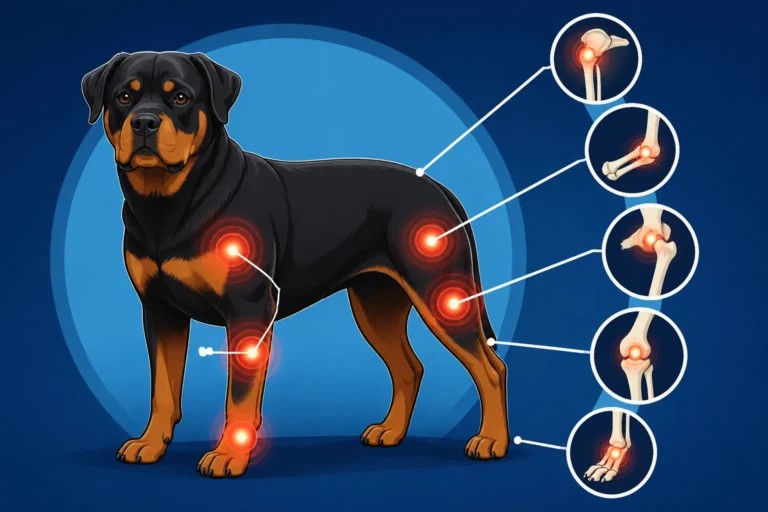
Statistically, Rottweilers account for a disproportionate number of osteosarcoma cases. This breed-specific vulnerability is a critical piece of information for any Rottweiler owner. It means that any unexplained lameness or swelling, especially in the long bones near the joints (like the wrist, shoulder, knee, or ankle), should immediately raise a red flag. Knowing that your Rottweiler is at higher risk means you cannot afford to take a "wait and see" approach with suspicious symptoms. Instead, a proactive and thorough veterinary investigation becomes imperative. We've dedicated an entire discussion to this topic in our article on Osteosarcoma, the Cancer That Takes Most Rottweilers, detailing the broader context of this devastating disease within the breed.
The Alarming Acceleration: From Limp to Lysis
Once osteosarcoma begins to establish itself, its progression tends to accelerate with alarming speed. What might have started as an intermittent, barely noticeable limp can, in a matter of weeks, or even days in some cases, transform into agonizing, constant pain and severe lameness. This rapid escalation is characteristic of osteosarcoma, distinguishing it from many other musculoskeletal issues.
The Rapid Progression of Pain and Lameness
This is often the point where owners truly realize the severity of the situation. The initial, subtle limp progresses to a persistent lameness that no amount of rest or over-the-counter pain relief can fully alleviate. Your Rottweiler might begin to hold the affected limb up more often, refusing to put weight on it, or barely touching the ground. The pain is no longer intermittent; it's constant and intensifying. You might notice them struggling to get comfortable, constantly shifting position, or even panting more, especially at night when the background noise of daily life isn't there to distract them from their discomfort.
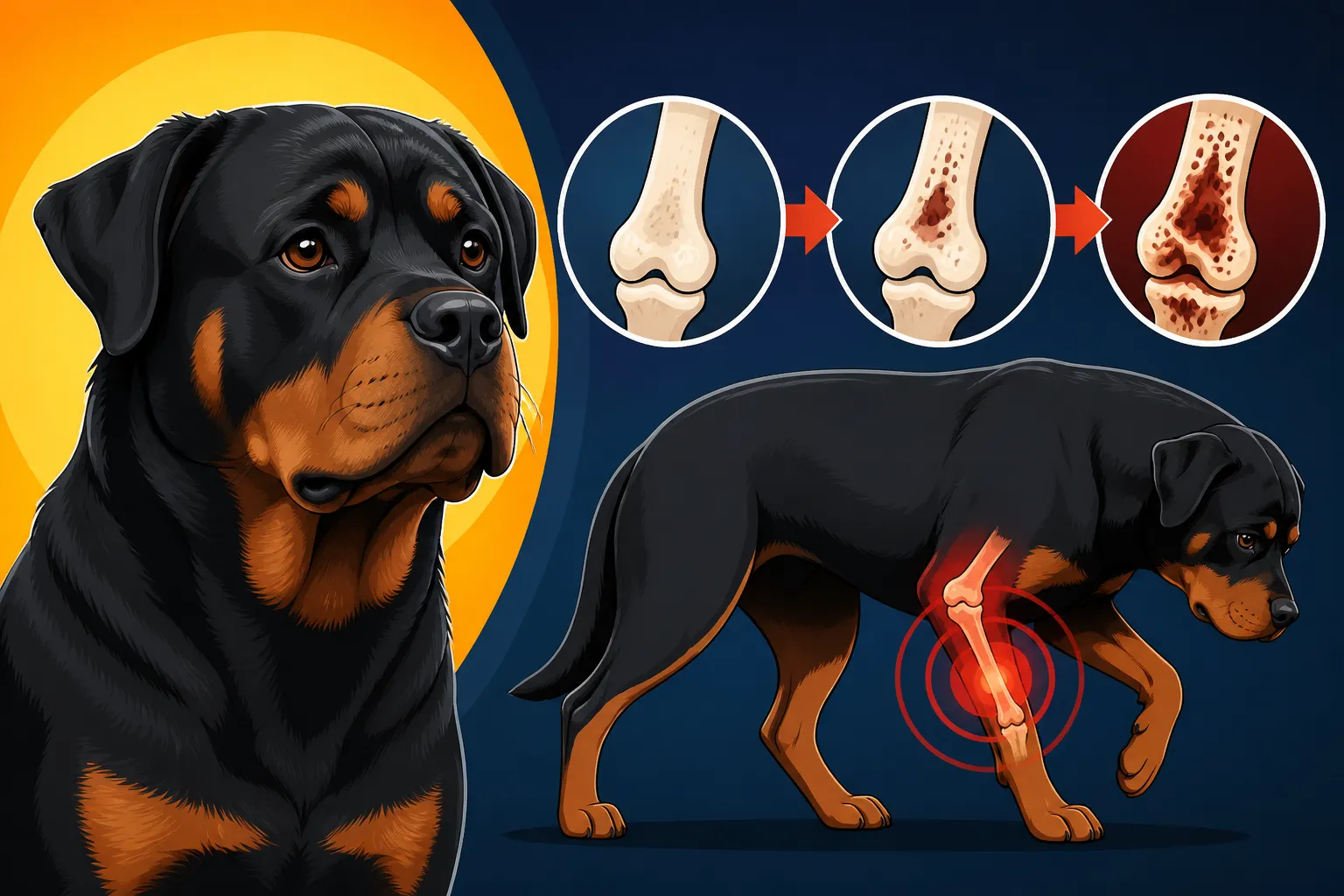
This rapid increase in pain is directly related to the cancer's destructive effect on the bone. Osteosarcoma doesn't just grow; it actively destroys healthy bone tissue through a process called osteolysis. As the tumor replaces normal bone, the structural integrity of the limb is compromised, leading to severe pain. It's a race against time, as the disease can advance significantly even in the span of a single week. Recognizing that sudden, dramatic worsening of lameness, especially after a period of mild symptoms, is a critical indicator that warrants immediate veterinary attention. This rapid deterioration is what makes diagnosing The First Limp That Turns Out to Be Bone Cancer so urgent.
Visible Changes and Swelling
Beyond the lameness and pain, another clear sign of rapid progression is the development of visible swelling around the affected bone. This swelling might not be present in the very early stages, but as the tumor grows and expands, it can become quite noticeable. The area might feel hard and warm to the touch, and it can be extremely sensitive, with your Rottweiler pulling away or even showing aggression when you try to examine it.
This palpable mass is the tumor pushing outwards from within the bone. While it’s often seen as a late-stage sign, the speed at which it appears and grows can be startling. What was a normal-looking leg one week can show a distinct bulge the next. This visible swelling is a clear indicator of significant tumor growth and bone destruction. Unfortunately, by the time this is clearly visible, the cancer has often advanced considerably. The specific locations where this swelling most commonly appears are often the long bones of the limbs, such as above the wrist (distal radius), below the knee (proximal tibia), or near the shoulder. Our article, Where Osteosarcoma Usually Appears on a Rottweiler, delves deeper into these common sites.
Pathological Fractures: The Terrifying Complication
Perhaps one of the most devastating and acute manifestations of osteosarcoma's rapid progression is the risk of a pathological fracture. Because the cancer aggressively destroys bone tissue, it weakens the bone to such an extent that it can break with minimal trauma – sometimes just from a normal movement like stepping off a curb, jumping down from a sofa, or even simply bearing weight. Imagine the horror: your Rottweiler is simply walking, and suddenly, their leg snaps.
This is an excruciatingly painful event for your dog and an incredibly traumatic one for you. When a pathological fracture occurs, it's an undeniable sign that the underlying bone has been severely compromised by the tumor. It represents a critical and often late stage of the disease, immediately prompting emergency veterinary care. While amputation might be considered at this point, the fracture itself adds a layer of complexity and urgency to an already dire situation. It highlights just how quickly this cancer can devastate a dog's physical integrity.
The Diagnostic Race Against Time
Given the aggressive and fast-progressing nature of Rottweiler osteosarcoma, timely and accurate diagnosis is paramount. Every day counts, not just for pain management, but also for assessing potential treatment options and improving your Rottweiler's quality of life.
Initial Vet Visit and Growing Suspicion
When you bring your Rottweiler in with persistent lameness or swelling, your veterinarian will start with a thorough physical examination. They’ll carefully palpate the affected limb, checking for warmth, swelling, and tenderness. Given the breed's predisposition, if they find any localized swelling or a distinct painful area on a long bone, osteosarcoma will immediately jump to the top of their list of suspicions. It’s an unfortunate reality that for a Rottweiler exhibiting these signs, the "wait and see" approach is rarely an option due to the aggressive nature of this cancer.
Your vet will take a detailed history, asking about the onset of symptoms, how they've progressed, and any changes in appetite or behavior. This initial assessment is crucial, as it sets the stage for the diagnostic tests needed to confirm or rule out bone cancer. The frustration of these early, vague symptoms can be immense, but a vet familiar with Rottweiler health will recognize the urgency.
Confirming the Diagnosis: X-Rays and Biopsies
The primary diagnostic tool for osteosarcoma is an X-ray of the affected limb. Within minutes, these images can reveal characteristic changes in the bone that strongly suggest osteosarcoma. You might see what's often described as a "sunburst" pattern, areas of bone lysis (destruction), or new, irregular bone growth. These visual cues are often quite distinct from what you'd see with arthritis or a simple fracture. Our guide, The X-Rays That Confirm Rottweiler Osteosarcoma, offers more detail on what vets look for.
While X-rays can provide a strong presumptive diagnosis, a definitive diagnosis requires a biopsy – taking a small sample of the bone for pathological examination. This procedure can be done surgically or with a needle. However, it carries a small risk, particularly if the bone is already severely weakened, as it could lead to a pathological fracture. Because of this, sometimes if the X-rays are highly suggestive and the clinical picture fits, treatment may begin based on the presumptive diagnosis, especially if a biopsy would delay critical care or carries too much risk. Alongside the limb X-rays, your vet will also typically recommend chest X-rays. This is a vital step because osteosarcoma is highly metastatic, meaning it spreads aggressively, often to the lungs, even if the primary tumor on the bone is relatively small.
Metastasis: The Hidden Threat of Rapid Spread
The most terrifying aspect of osteosarcoma is its notorious ability to metastasize quickly and silently. By the time a Rottweiler is diagnosed with the primary bone tumor, it's estimated that microscopic spread (micrometastasis) has already occurred in 90-95% of cases, even if chest X-rays don't yet show visible tumors in the lungs. This means that while you're focused on the painful limb, tiny cancerous cells might already be seeding in other organs.
These micrometastases are why osteosarcoma is so challenging to "cure." Even if the primary tumor is successfully removed (e.g., via amputation), the disease is often already present elsewhere in the body, lying dormant, ready to grow. The speed at which these secondary tumors can grow and become clinically significant varies, but it is often rapid, contributing to the poor overall prognosis. This relentless spread underscores the importance of a comprehensive treatment approach that addresses both the local tumor and the systemic nature of the disease. This is where understanding the costs involved becomes critical; a good pet insurance plan, such as those offered by Healthy Paws, can be an absolute lifeline in covering the extensive diagnostic and treatment expenses.
Navigating Treatment and Palliative Care Amidst Rapid Progression
Once diagnosed, the focus shifts rapidly to treatment and managing the progression of the disease. While a cure for osteosarcoma is rare, the goal is always to provide the best possible quality of life for as long as possible.
Treatment Options and Their Impact on Progression
The primary treatment for the local tumor, especially if no visible metastasis is present, is often amputation of the affected limb. For many Rottweiler owners, this sounds drastic, and it is. However, for a dog experiencing immense pain from a rapidly progressing bone tumor, amputation can offer immediate and significant pain relief and improve mobility dramatically. It controls the primary site of the cancer, which is a huge step in improving comfort. You can learn more about this difficult decision and recovery in What Amputation Actually Involves for a Rottweiler.
Following amputation, or even if amputation isn't an option, chemotherapy is usually recommended. Chemotherapy doesn't cure osteosarcoma, but it aims to destroy or slow the growth of those microscopic metastatic cells that have already spread throughout the body. While it won't stop the progression entirely, it can significantly extend a Rottweiler's survival time and delay the onset of clinical signs from lung metastasis. Different Chemotherapy Protocols Used on Rottweilers exist, and your veterinary oncologist will help you choose the best option based on your dog's specific situation. Radiation therapy is another option, often used in cases where amputation isn't possible or declined, to target the local tumor, reduce pain, and slow its growth without removing the limb. It’s important to understand that these treatments are designed to manage, rather than eradicate, a disease that progresses very quickly.
Managing Pain as the Cancer Progresses
Throughout the entire journey, from diagnosis to end-of-life, aggressive pain management is absolutely critical. Osteosarcoma is an excruciatingly painful condition, and allowing your Rottweiler to suffer is not an option. As the cancer progresses, the need for pain relief intensifies. Your vet will likely prescribe a multimodal approach, combining different types of pain medications to target various pain pathways. This might include non-steroidal anti-inflammatory drugs (NSAIDs), gabapentin, tramadol, and possibly stronger opioid medications as needed.
The progression of pain often dictates changes in medication dosages or additions to the regimen. What worked last month might not be enough next week. This is a constant conversation you'll have with your vet, adjusting treatments to keep your Rottweiler as comfortable as possible. Consistent monitoring of your dog's comfort level and working closely with your vet on a pain management plan are non-negotiable elements of care. Exploring options for Pain Control for a Rottweiler With Bone Cancer is essential to ensuring their comfort.
The Heartbreaking Reality of Prognosis
Despite aggressive treatments, the prognosis for Rottweilers with osteosarcoma remains guarded, largely due to its rapid and systemic progression. With amputation alone, median survival times are often only 4-6 months. With the addition of chemotherapy after amputation, median survival times typically increase to 10-12 months, with some dogs living 18-24 months or occasionally longer. Without any treatment, the average survival time from diagnosis is often just 1-3 months, primarily due to uncontrolled pain and rapid local tumor progression, or the effects of widespread metastasis.
This is why understanding Rottweiler Osteosarcoma Survival Times is so important. It helps set realistic expectations and guides decision-making. The goal becomes maximizing the quality of the remaining time, rather than chasing a cure that is often unattainable. Pet insurance providers like Healthy Paws offer robust coverage for cancer treatments, which can be immensely helpful in allowing owners to pursue these expensive, yet life-extending, options without being solely constrained by financial considerations.
Quality of Life and End-of-Life Decisions
As osteosarcoma progresses, there will inevitably come a point where even the most aggressive pain management and treatments can no longer maintain an acceptable quality of life. This is perhaps the hardest aspect of owning a Rottweiler with this fast-moving disease. It requires a constant, honest assessment of your dog's daily comfort, their ability to enjoy activities, and their overall well-being.
Your vet will help you understand and score your Rottweiler's quality of life, looking at factors like appetite, hydration, hygiene, mobility, and happiness. When the bad days consistently outweigh the good, or when pain can no longer be adequately controlled, the compassionate choice becomes ensuring a peaceful and dignified end. This incredibly difficult decision is a final act of love, made easier when you've had time to consider Palliative Care for a Rottweiler With Cancer and prepare for Making End-of-Life Decisions for a Rottweiler. The rapid progression of osteosarcoma often means these conversations and decisions come sooner than any owner would ever wish for.
Summary of Osteosarcoma Progression in Rottweilers
To help visualize the typical, albeit highly variable, progression of osteosarcoma in Rottweilers, here's a table summarizing the stages and what to expect:
| Stage of Progression | Duration | Key Signs | Action Required |
|---|---|---|---|
| Early/Subtle Signs | Weeks to 1-2 Months (highly variable) | Mild, intermittent limp; stiffness after rest; reluctance to jump; slight decrease in activity. | Prompt vet visit for examination; discuss breed predisposition; consider X-rays if suspicion is high. |
| Accelerated Pain/Limp | Days to 2-4 Weeks | Persistent lameness; weight-bearing reluctance; visible swelling and tenderness in affected limb; increased pain. | Immediate vet visit; X-rays are crucial; discuss possibility of osteosarcoma; referral to oncologist/orthopedic specialist. |
| Advanced/Metastatic | Weeks to a few Months (post-diagnosis) | Severe lameness/non-weight bearing; significant swelling; pathological fracture; coughing (lung metastasis); lethargy. | Confirm diagnosis with biopsy if possible; discuss treatment options (amputation, chemotherapy); aggressive pain management; monitor for metastasis; focus on quality of life. |
Disclaimer
This article is intended for informational purposes only and does not constitute veterinary advice. Always consult with a qualified veterinarian for any health concerns or before making any decisions about your Rottweiler's medical care.